Editorial
Passion for Communication
“One can only imagine how the great mission animator Daniel Comboni would have made use of modern means of communication!”


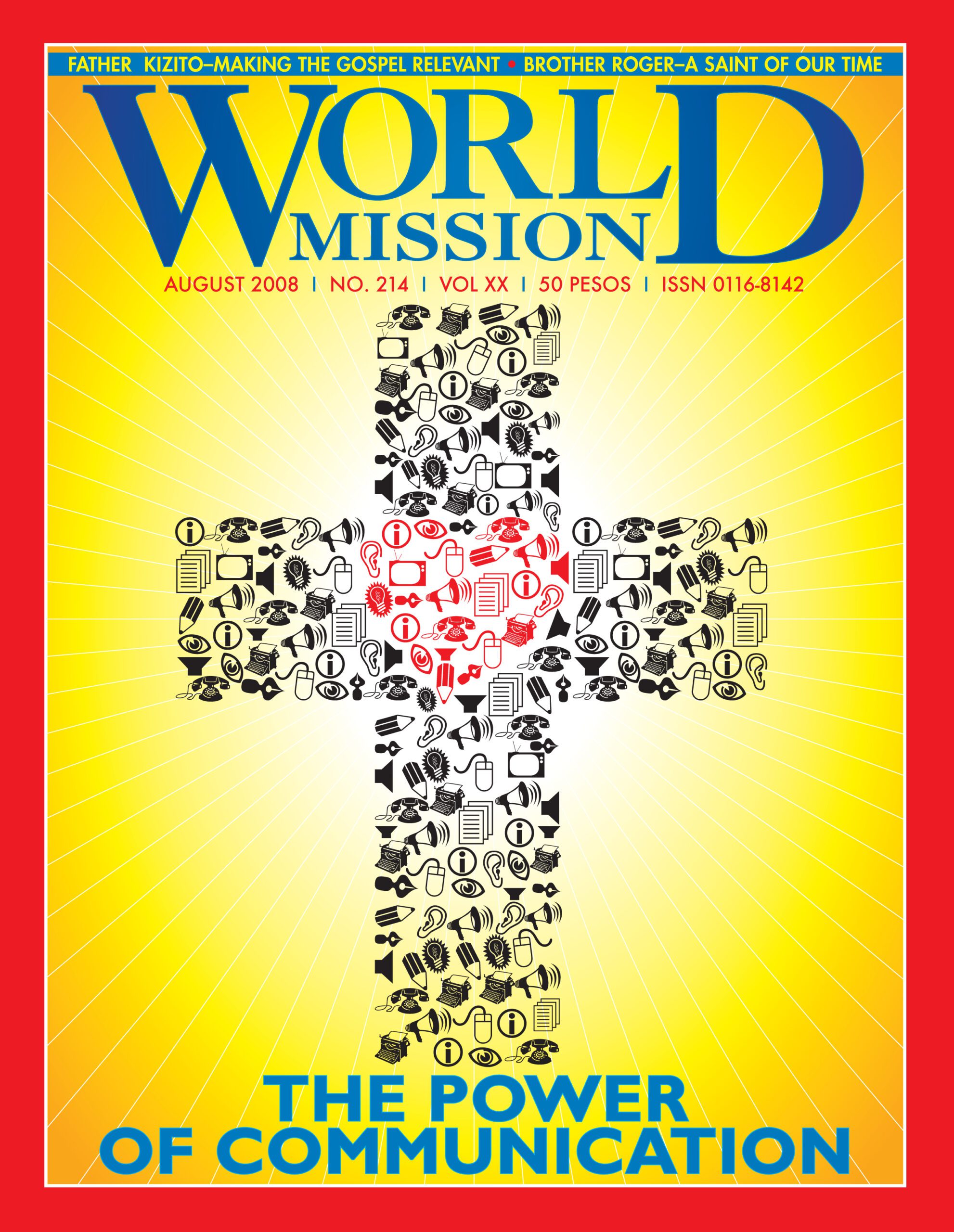
August 2008
“One can only imagine how the great mission animator Daniel Comboni would have made use of modern means of communication!”
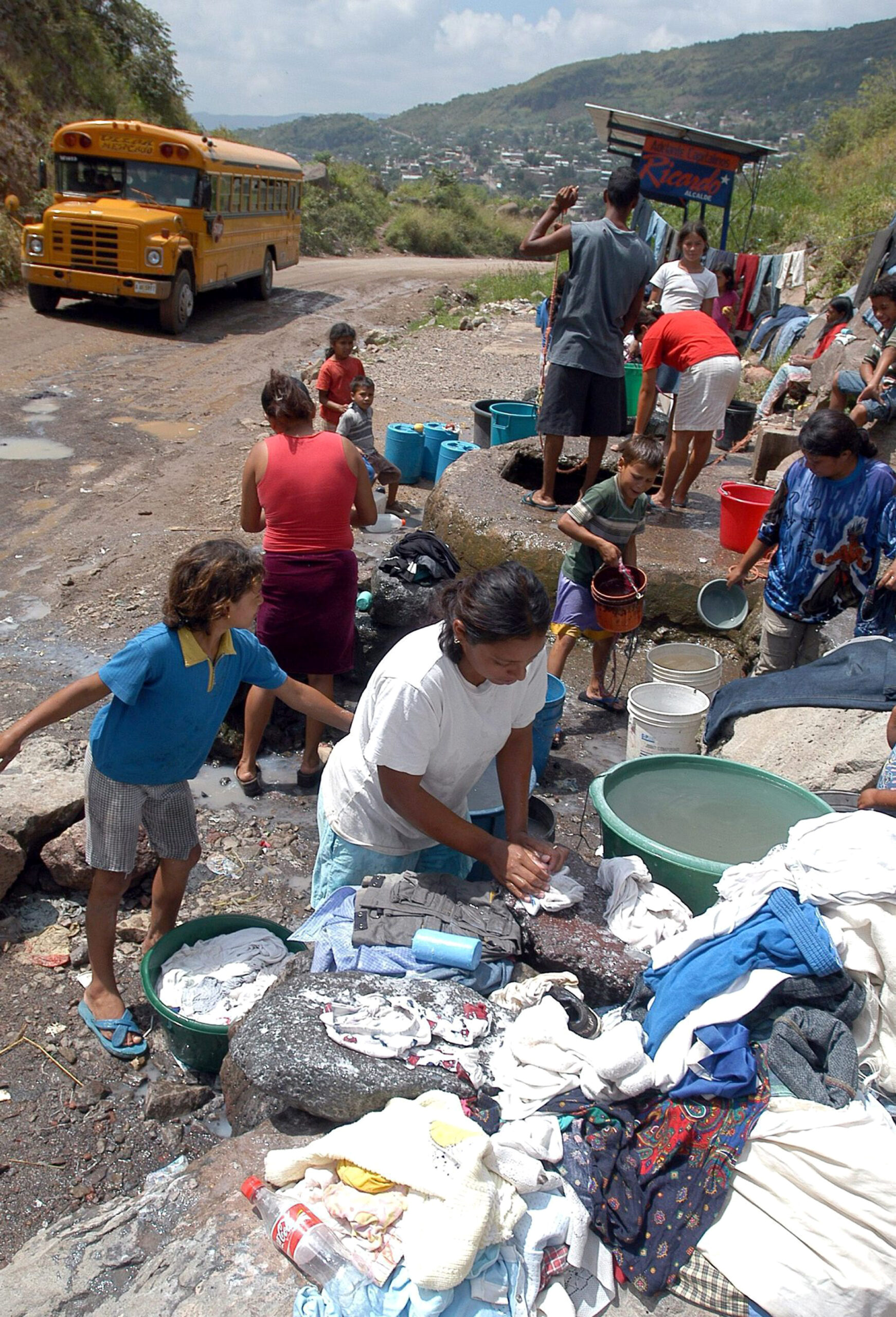
When visiting Rome, the Honduran Cardinal Oscar Rodríguez Maradiaga spoke about the challenges facing Latin America, including emigration. He affirmed that “the solution does not lie in building walls, but instead in helping poor countries.” The president of Caritas Internationalis explained: “No one emigrates for pleasure, but out of necessity. When young people can’t find work, they must necessarily look for it in other places, if they are not to enter the drug circuit. We are convinced that the international community must recognize that development cannot exclude anyone, and solidarity and justice must prevail. Without solidarity and social justice, in fact, it is difficult to have peace.”

Christians should not label politics as the realm where corruption flourishes, but should engage in politics as an instrument for building up a society worthy of man. The statement was made by Cardinal Renato Martino, president of the Pontifical Council for Justice and Peace, when he concluded a two-day Vatican conference on “Politics, a Demanding Form of Charity.”

Vacationers face a choice: to be pro-earth or anti-earth tourists. Encouraging vacationers to choose the former was the core of the message from the Pontifical Council for Migrants and Travelers for this year’s World Tourism Day, scheduled for Sept. 27: a tourist “can contribute to keeping the planet alive and to curbing the gradual increase of alarming climate change.”
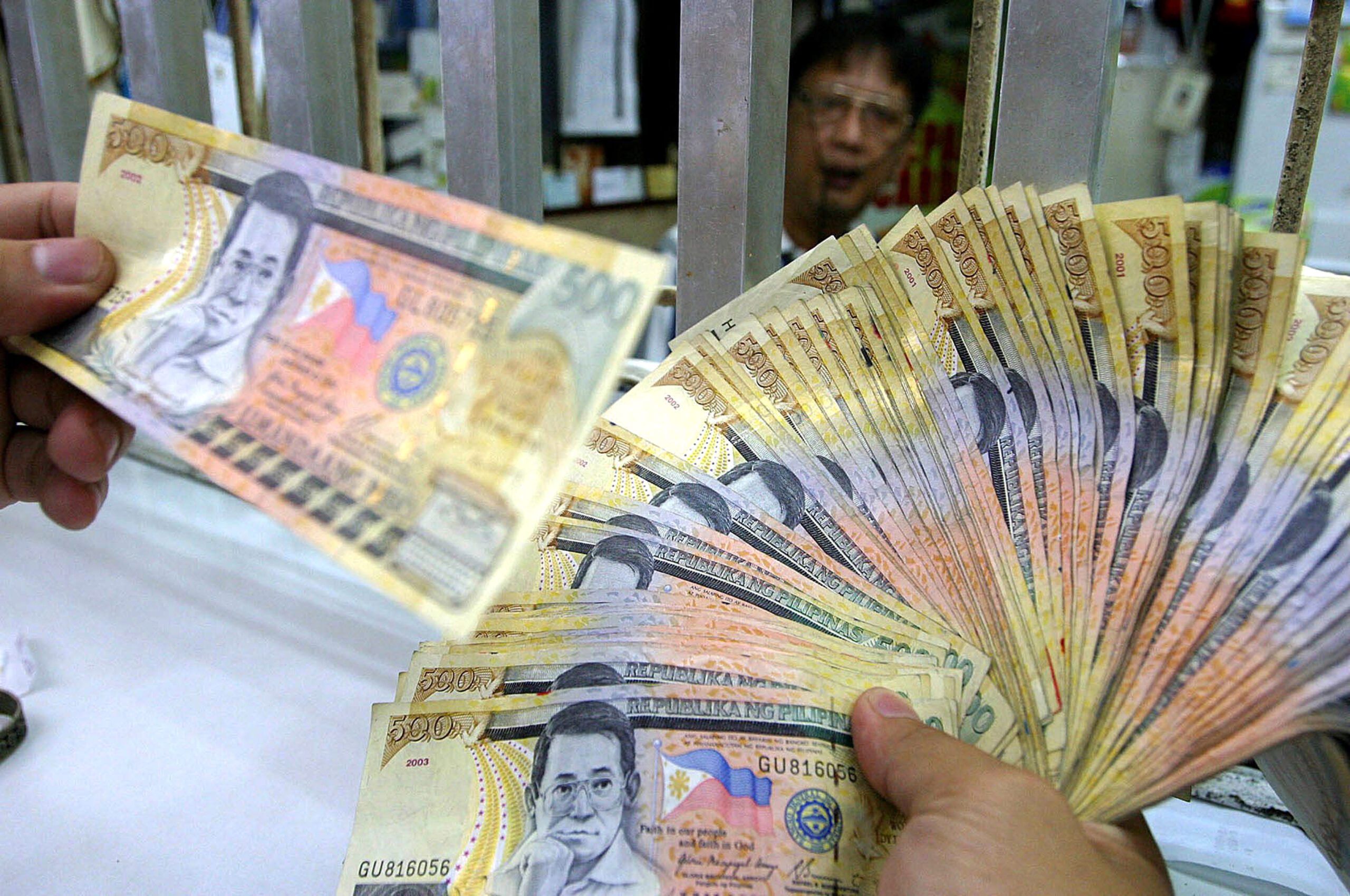
Corruption, on all levels of society, is an extremely widespread evil in the Asian continent and forms the root and primary cause of the poverty in which millions of people live. Effectively fighting it is the main path to development. This was affirmed in the UN Report recently presented in Jakarta (Indonesia) that touches on a sore point that affects many Asian nations and that constitutes one of the “worst evils” in modern society.
At the end of 2007, there were 11.4 million refugees and 26 million internally displaced people forced to flee their home by conflict or persecution, this according to figures released by the Office of the United Nations High Commissioner for Refugees (UNHCR). These numbers indicate that after a five-year decline between 2001 and 2005, the number of refugees has risen for two years in a row, about half of them Iraqis and Afghans.
Till the end of October, dissidents in Shanghai are prohibited from speaking with foreign journalists, leaving the city, protesting, or petitioning the government. Meanwhile, the International Olympic Committee (IOC) criticizes China for “politicizing” the passage of the torch through Tibet.
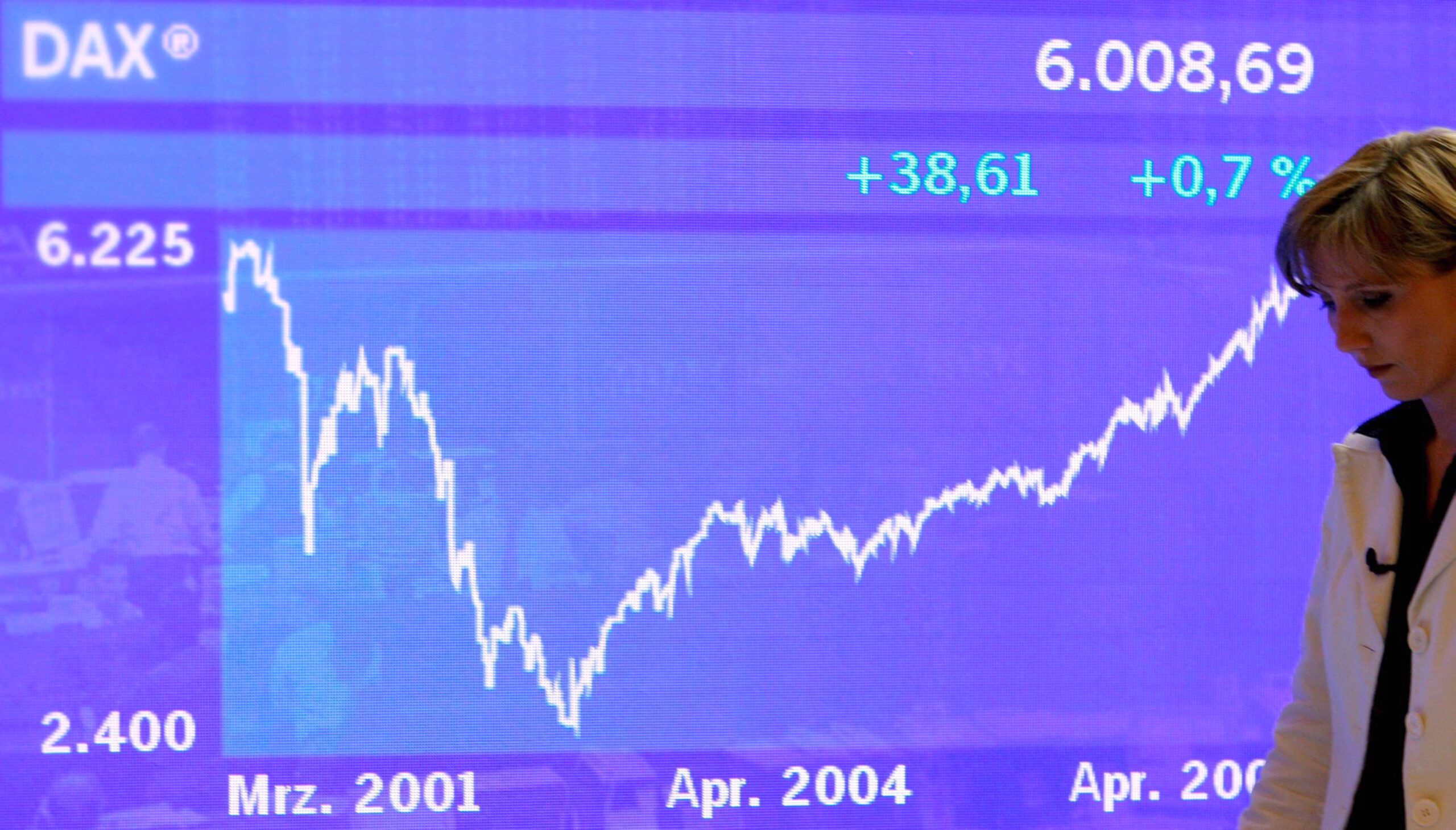
Asia’s growth is threatened by spiraling inflation from higher food and fuel costs, an Asian Development Bank executive warned, and called on governments to tighten monetary policies to deal with the scourge. The Bank is reviewing its growth forecast of 7.6% this year for Asia, excluding Japan, amid concerns inflation will widen income inequality and cause more people to plunge into poverty, said its managing director general, Rajat M. Nag. This comes after Asia’s growth last year hit a two-decade high of 8.7%.
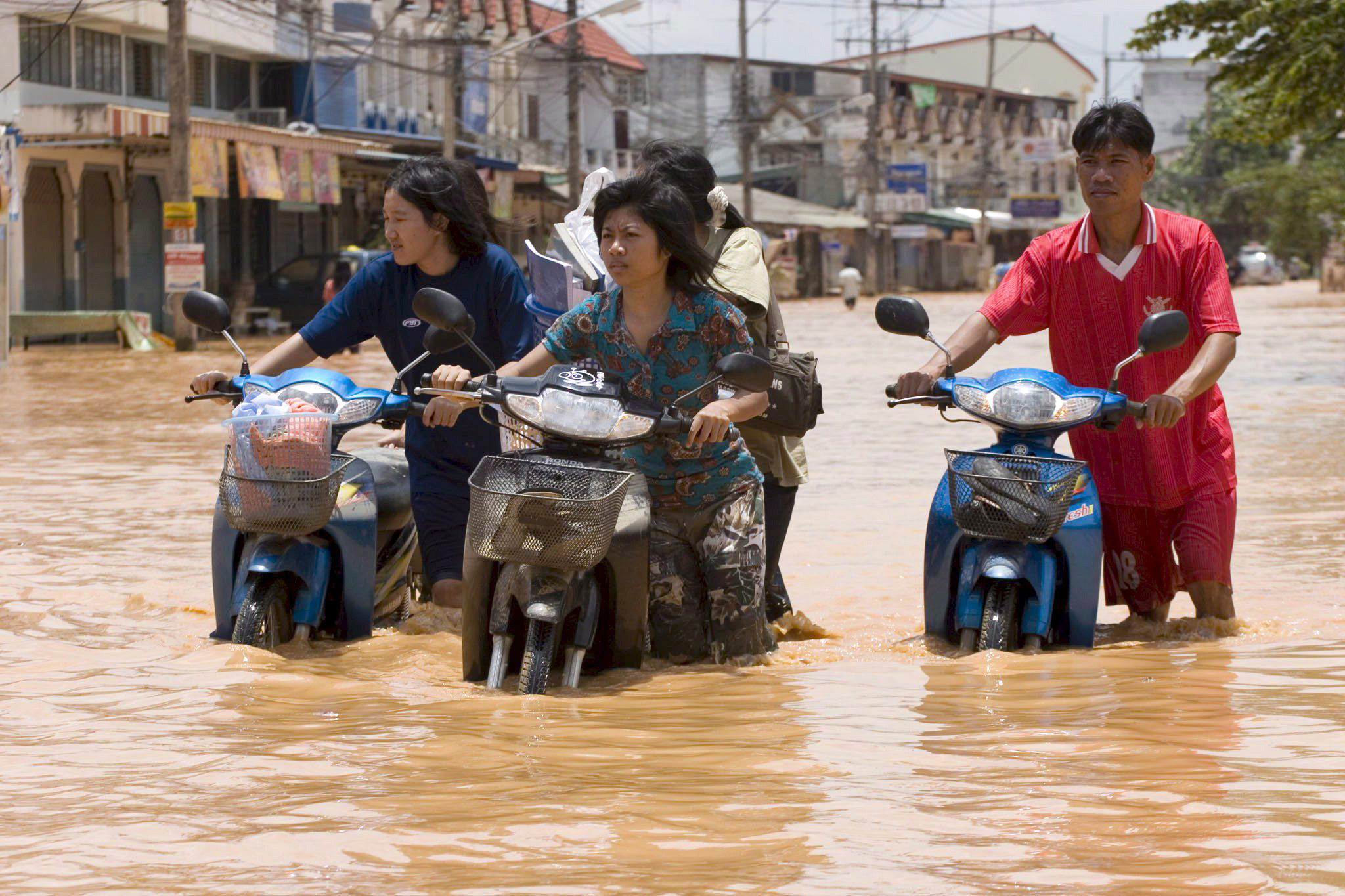
International tourism is undergoing very rapid changes. New traveling habits, an increased awareness of price, short notice and short-term holidays – and the wish for more flexibility and individuality as well as rising energy prices are constantly creating new challenges for the tourism industry. Unpredictable incidents have added to this: terrorist attacks (New York, Bali, Djerbra, Morocco, Egypt, Istanbul, Madrid, London), risks of epidemics (SARS), and regional wars. However, in the future, one factor in particular will affect the tourism industry in the long term: climate change.
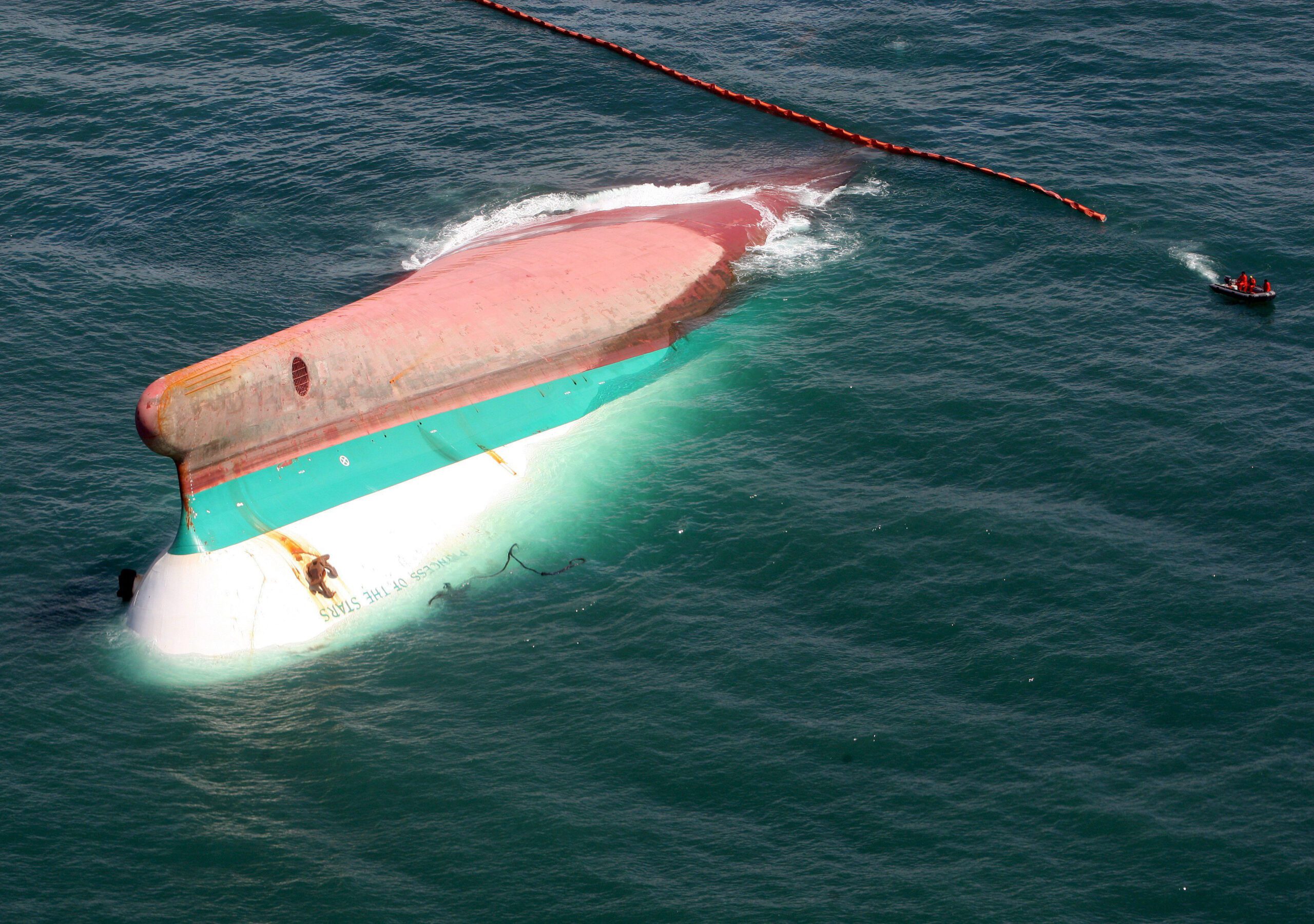
The storm clouds were dark and threatening, weather stations had raised and broadcast danger signals, the radio was announcing the approaching onslaught of “Frank,” or by its official international name “God of the Winds,” a massive typhoon packing 150 kilometer-an-hour wind. And yet, the ill-fated ferry MV Princess of the Stars put to sea with 862 passengers and crew amid treacherous waters from Manila to Cebu City last 21 June.
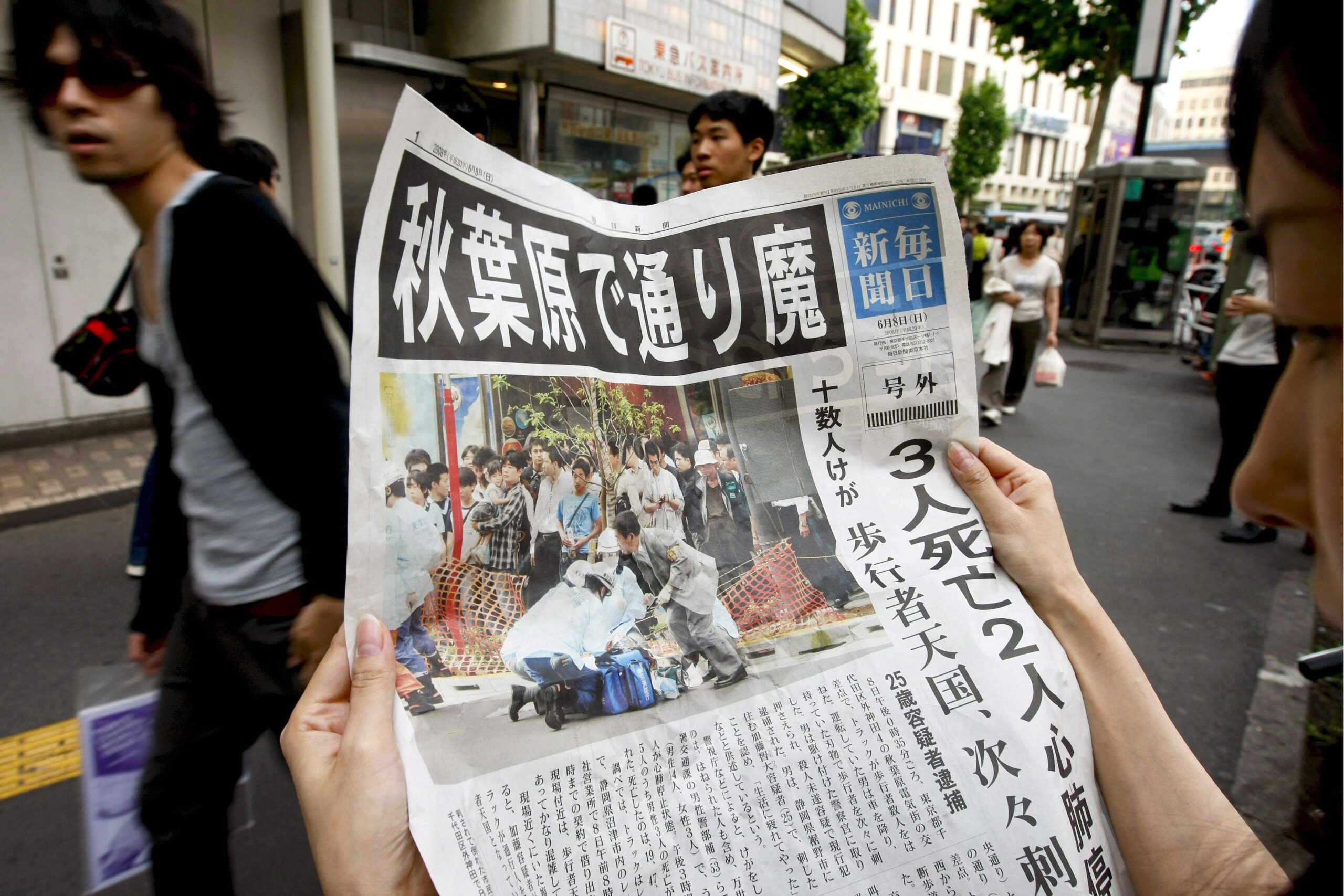
One of the causes of the inequality in Asia is ‘knowledge poverty’ – the lack of information that helps prevent the impoverished from taking part in the economic, social and political processes.

Information is everywhere − at our homes or in the streets; in traditional newspapers and magazines, in television and radio, in the ads or in the web, in our PC’s, laptops or even mobile phones. For the first time in history, we all live in a “global village” where, wherever we are, we can follow a war in the East, an election in the West or a storm or a flood in the South. Almost at the same moment they are happening.
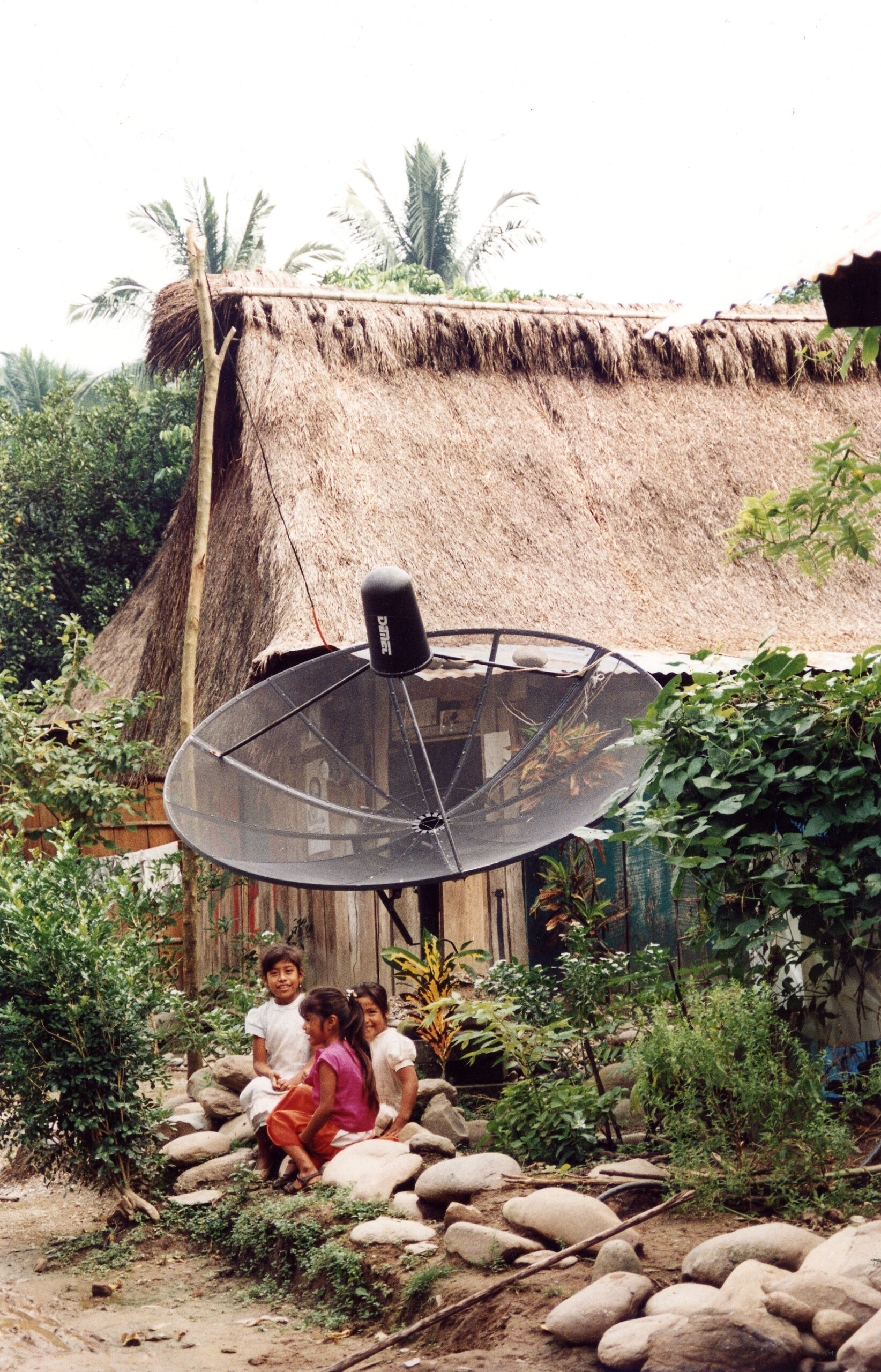
Catholic media – even when they have a wider circulation than secular media – do not seem to have a great impact on society at a larger scale. Why? The answer is simple. Much too often, our media speak to the Church, forgetting to evangelize society. There is plenty to do to reach people where it counts: in their mentality, in their social attitudes, in offering possible alternatives enlightened by the Gospel.

Even recognizing the contribution mass media make to the modern world, Benedict XVI pointed some dangers of their sometimes unrestricted power. And warned: “The media can also present and support models of development which serve to increase rather than reduce the technological divide between rich and poor countries.”
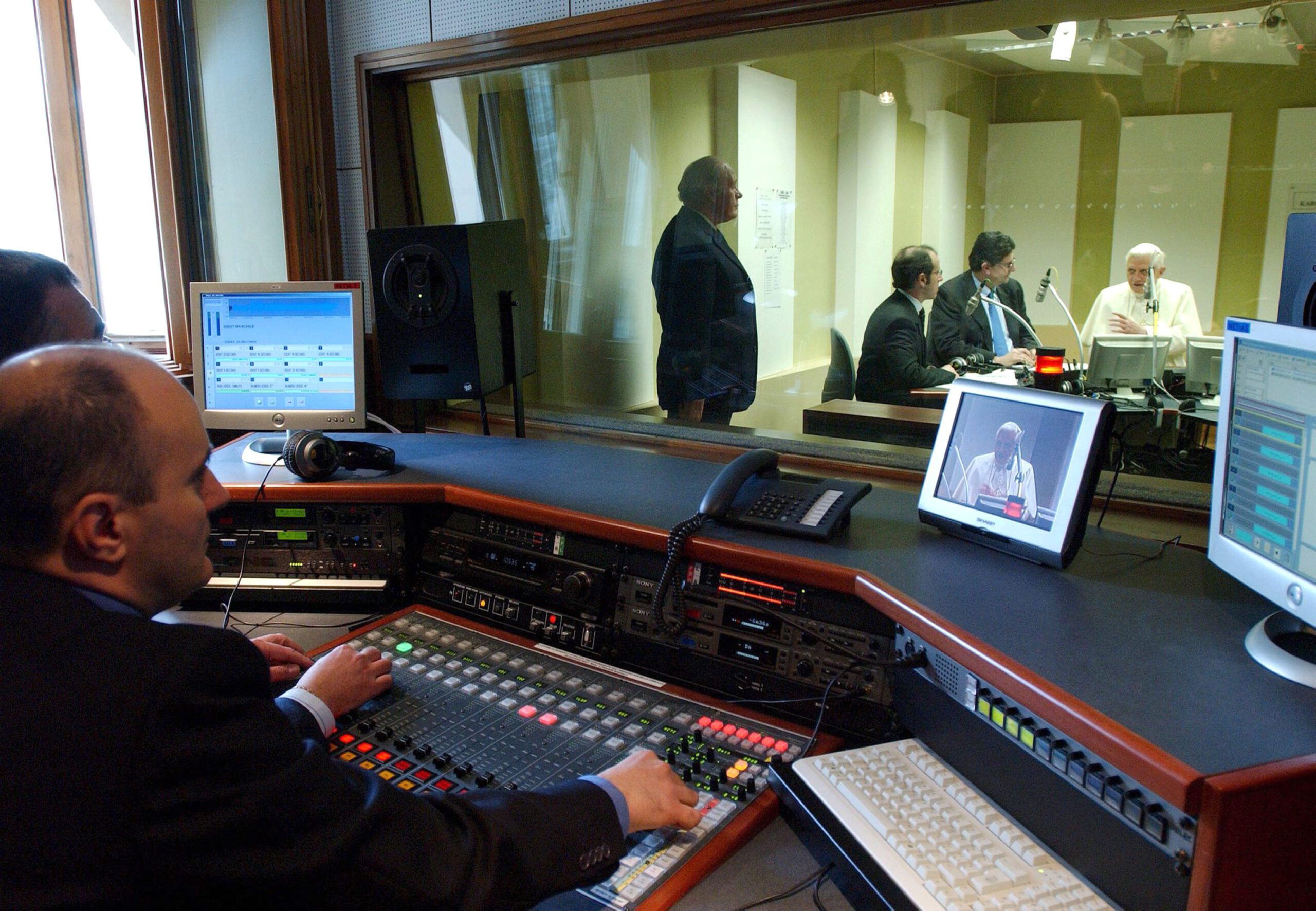
Waseda University in Tokyo is opening Japan’s first graduate school of journalism. The school’s program was patterned largely upon that of Columbia University’s Graduate School of Journalism, in New York (U.S.A.), and similar programs in other schools overseas.
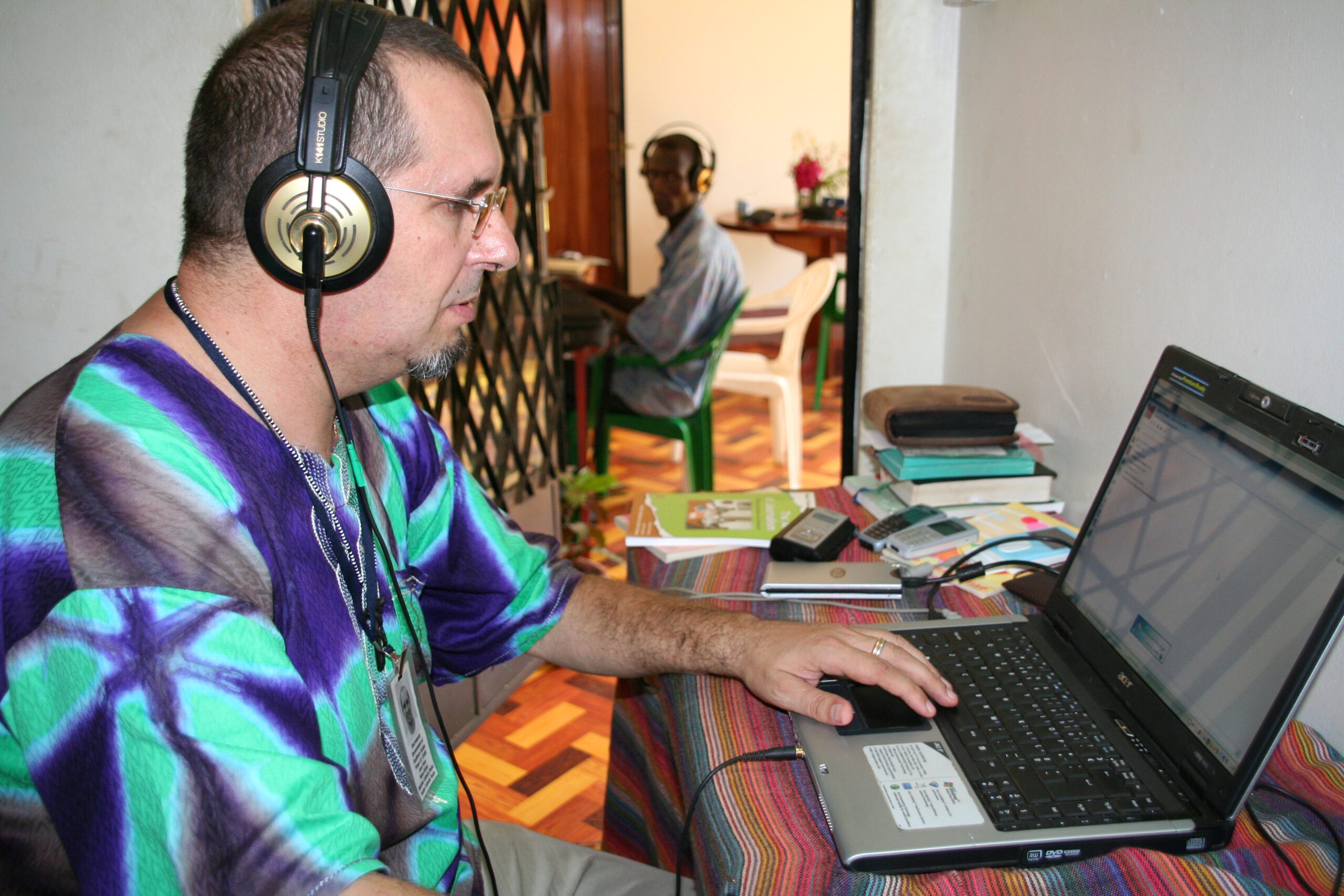
Bakhita Radio, founded by Comboni Missionaries, provides a forum for Juba, the capital of Southern Sudan. Its aim is to promote reconciliation and healing: the region has been at war on and off since the 50’s, even before the country’s independence.
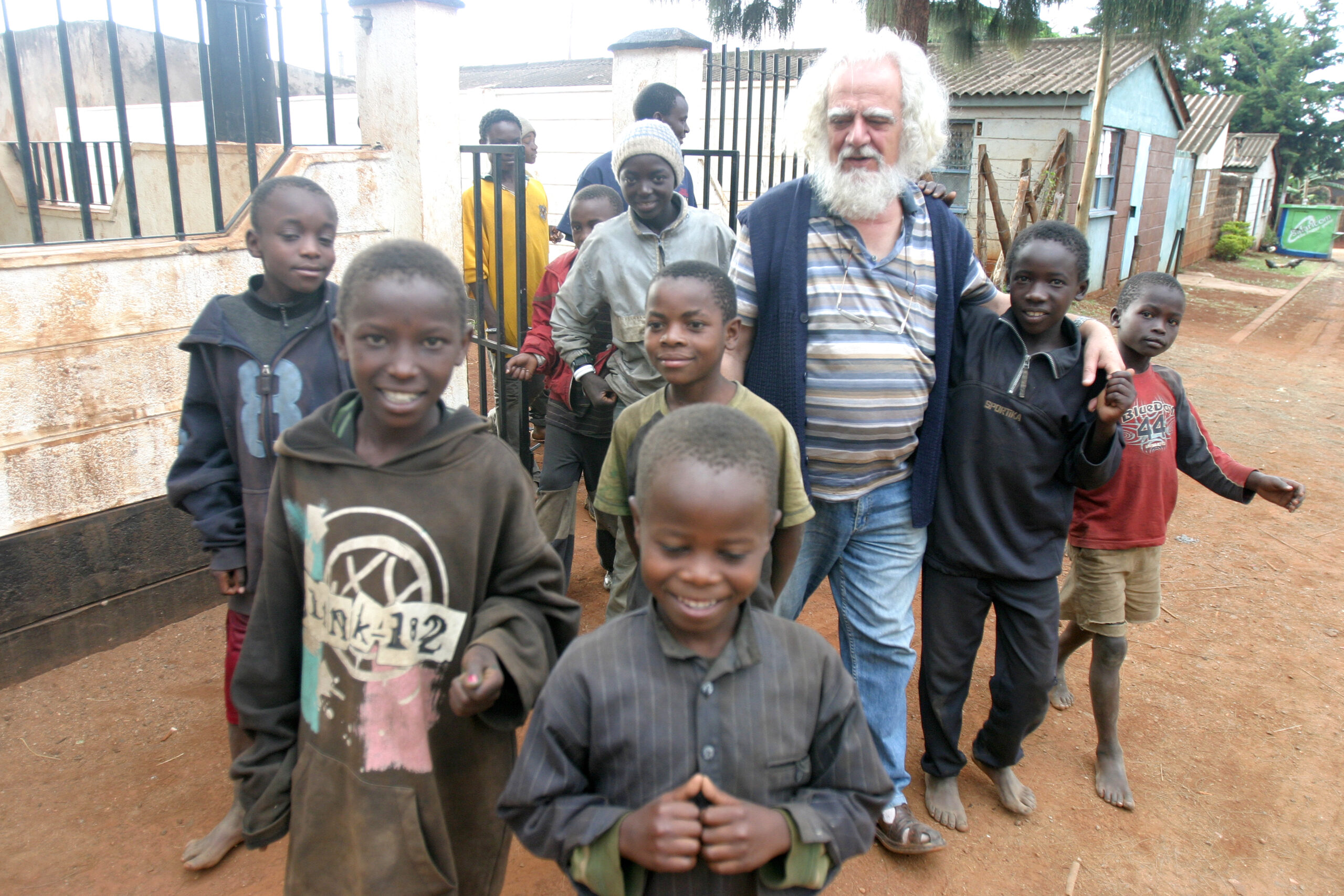
Comboni Missionary Father Renato Kizito Sesana is a communicator. He has edited two magazines, set up a radio station, published a few books and has been collaborating with various publications, radios and televisions. Recently, he became a blogger. But all these activities have always coexisted with field work. His involvement with the media goes hand-in-hand with the causes to which he has been dedicating his life, especially the youth and the street children. His ultimate aim is to make the Gospel relevant in the different circumstances of life.
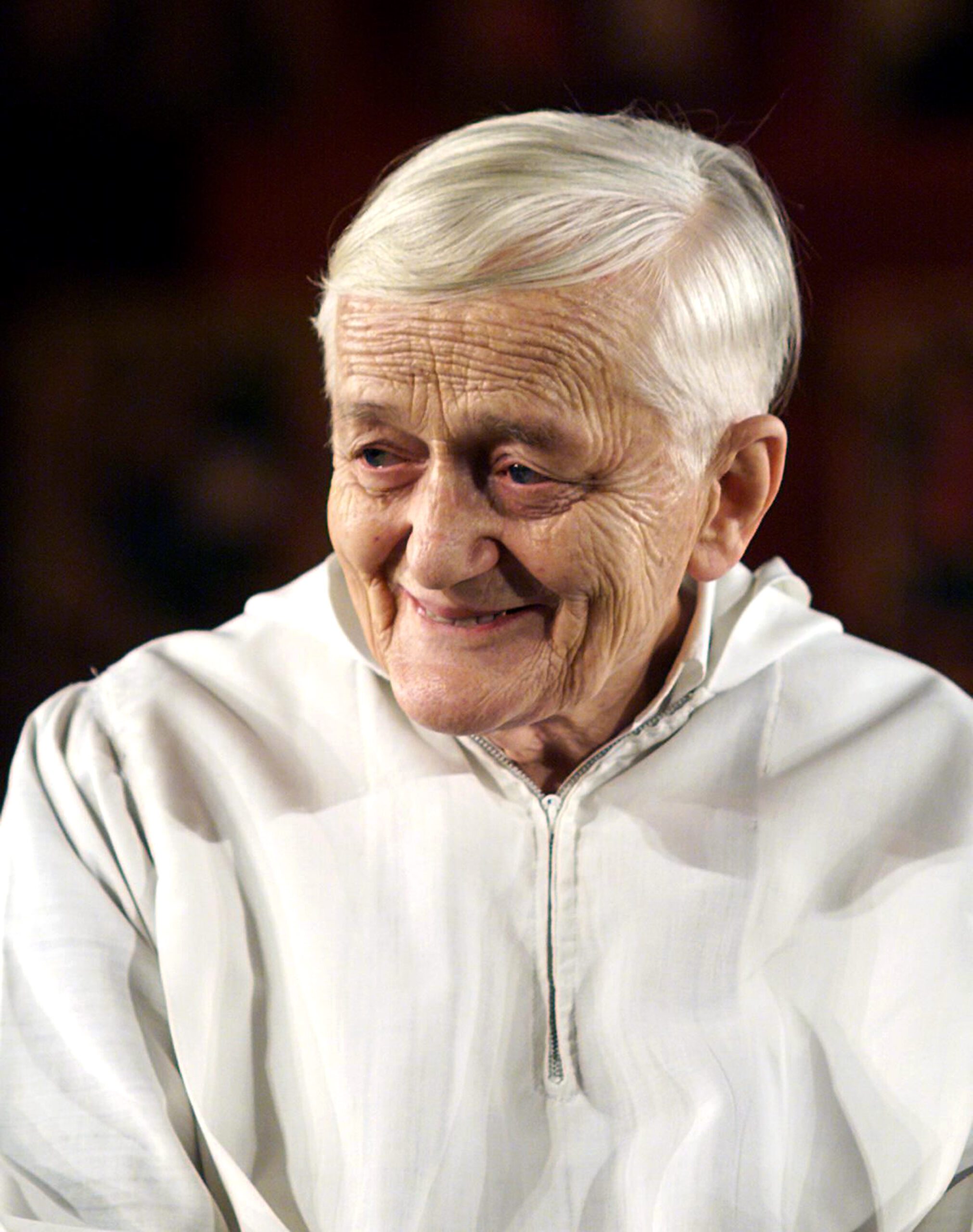
A strange and unexpected tragedy ended the long life of Brother Roger Schultz, the founder of the ecumenical “monastery” of Taizé. An icon to tens of thousands of youth, humble and stubborn, childlike and cunning, mystical and realistic, he was a pioneer in the ecumenical field and never wavered in his self-imposed lifelong mission: to work towards the reconciliation of all Christians.
“You do not know what spirit you are made of.” (Read Luke 9:51-56)
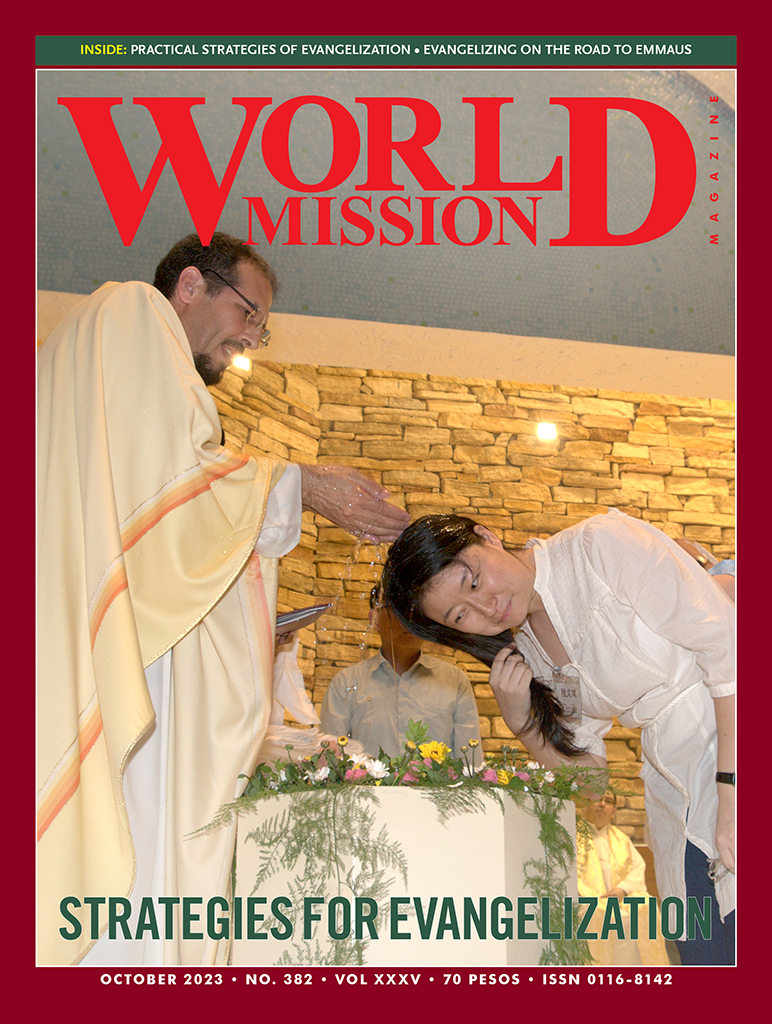
October 2023 Issue
The latest issue is reserved for paying Subscribers only.
