Editorial
Right to Food is a Primary Right
“Hunger and malnutrition should not be considered a fatality. They can be eradicated − by sound policies and solidarity.”


July 2008
“Hunger and malnutrition should not be considered a fatality. They can be eradicated − by sound policies and solidarity.”
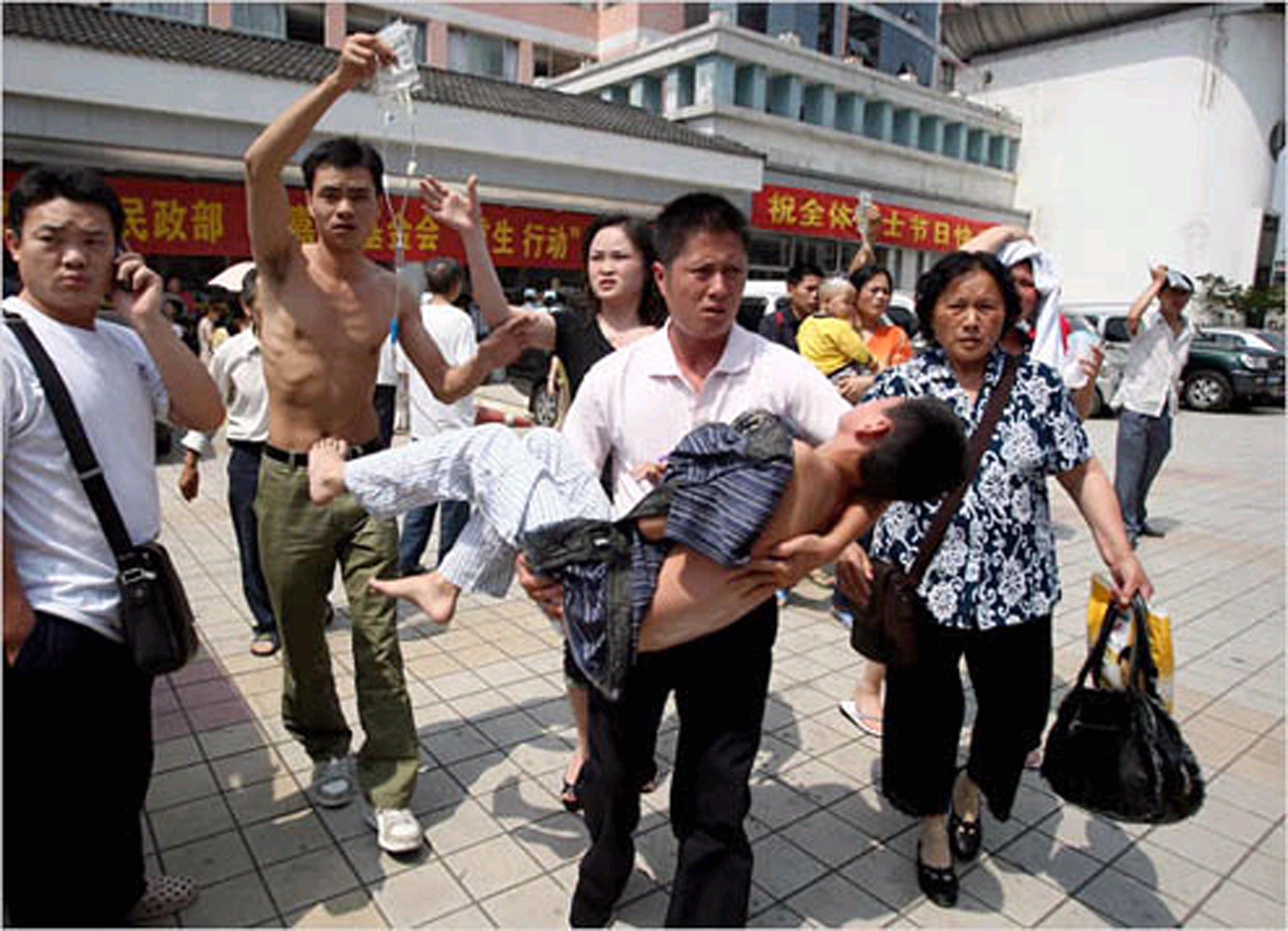
The openness the Chinese government has shown concerning earthquake relief work bodes well for human rights in China, Cardinal Joseph Zen Ze-kiun of Hong Kong said after a special Mass for Sichuan quake victims. Cardinal Zen also said in his homily that amid the suffering caused by the tragedy, God has revealed human magnanimity through love for the affected people. And even stated: “A new China has been born out of the quake.” Elaborating on this after Mass, he told the press that he appreciated the Chinese leaders’ openness to journalists reporting on the disaster and acceptance of foreign aid, which he said shows they really want to help the people.
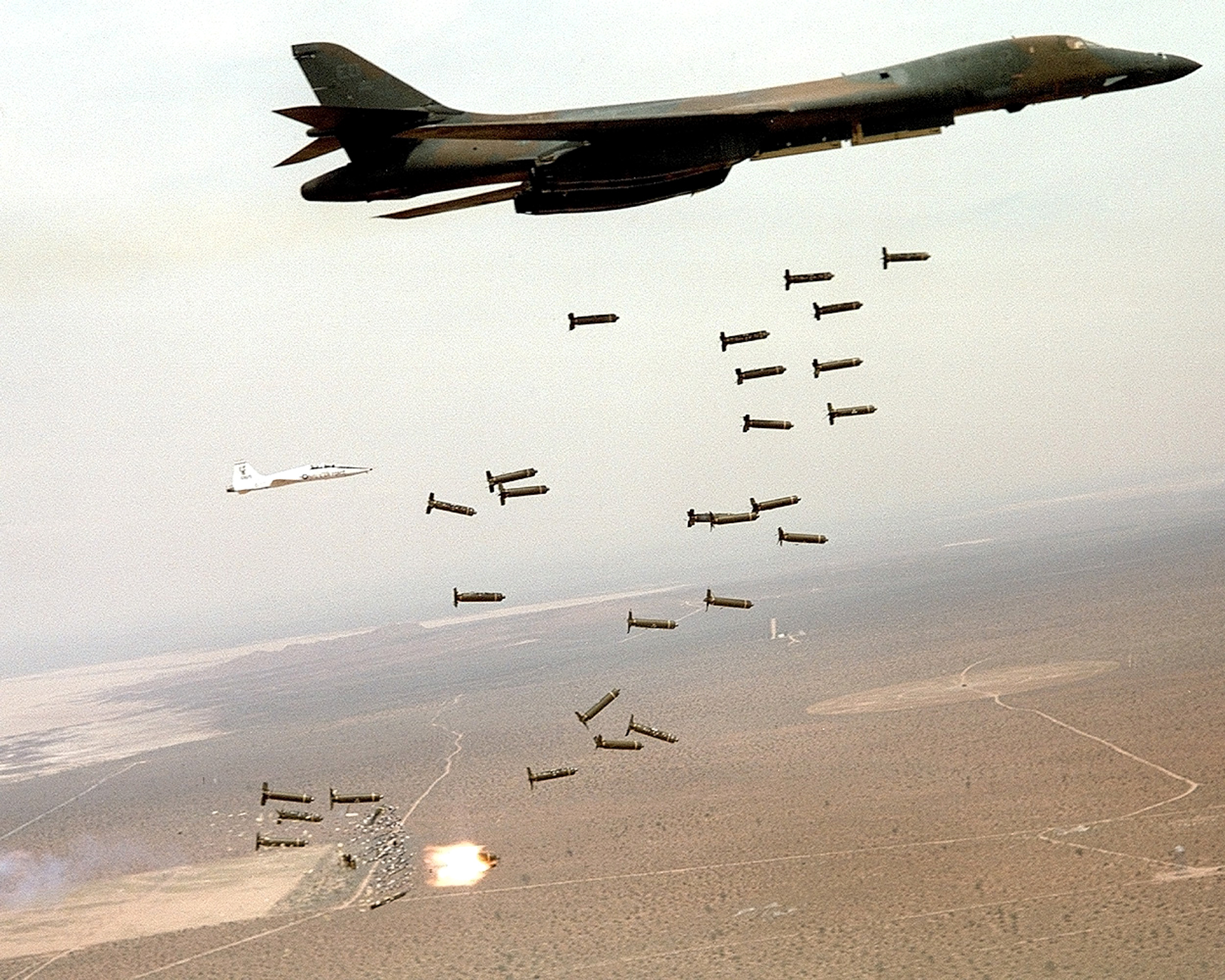
The Holy See played a key role in brokering a ban on cluster bombs, revealed Archbishop Silvio Tommasi. The Holy See permanent observer to the United Nations considered that the international agreement is a “big step,” even though there is still much work to be done.
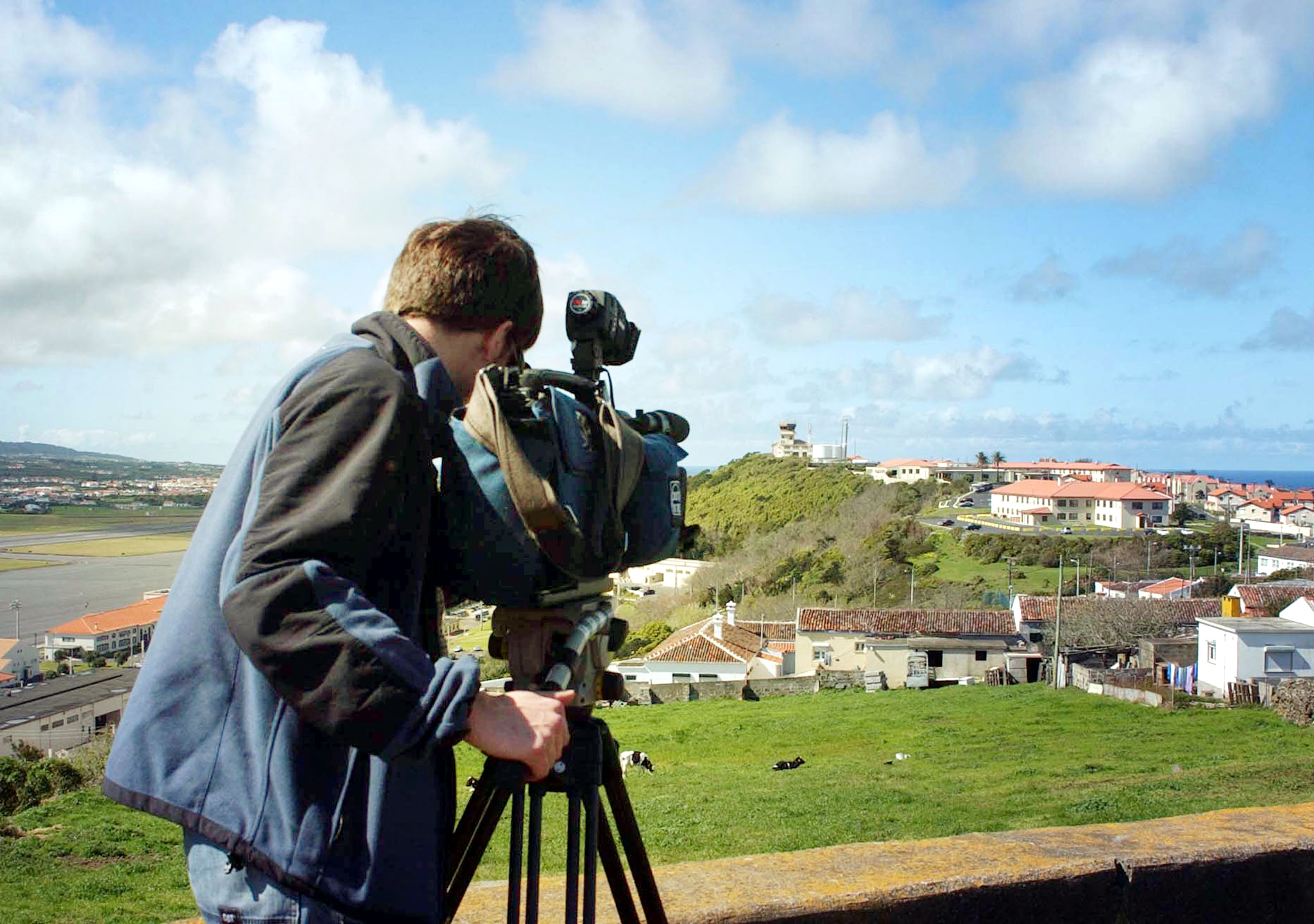
The New Evangelization needs journalists to penetrate the current media-driven society, said Cardinal Marc Ouellet in the closing address of the Catholic Media Convention 2008. The archbishop of Quebec added that the New Evangelization is “the greatest challenge facing the Church at the beginning of the new millennium.” And remembered: “Let us never forget that the Church is communication and, therefore, the Church’s media work is inextricably linked with its other evangelization efforts.”
The oldest church in the world is in Jordan. The discovery was made by a group of archaeologists, and has been published by the Jordan Times. According to researchers, the church dates back to between 33 and 70 A.D. “We have uncovered what we believe to be the first church in the world,” says Abdul Qader al-Husan, head of Jordan’s Rihab Centre for Archaeological Studies. The church is located beneath the Church of St. George (230 A.D.) in Rihab, in the northern part of the country near the Syrian border.
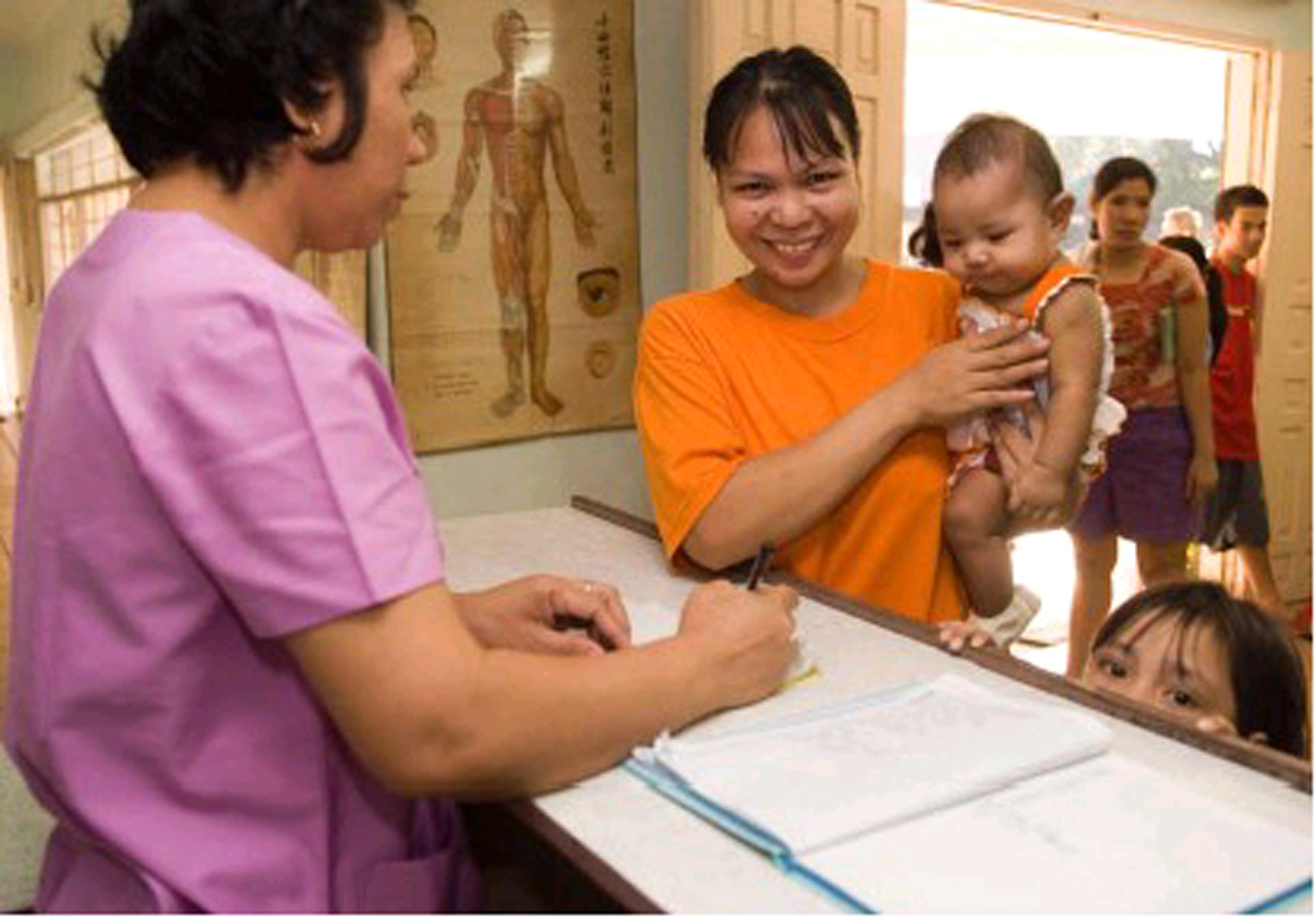
Tuberculosis still ranks number six among the leading causes of morbidity and mortality in the Philippines. According to the World Health Organization (WHO), the country has the ninth highest number of cases in the world and the highest in Southeast Asia. Globally, there were more than nine million new cases and about 1.7 million deaths from the disease in 2006; the WHO estimates there are more than 14 million people living with TB, which kills 75 Filipinos each day, according to the Department of Health.
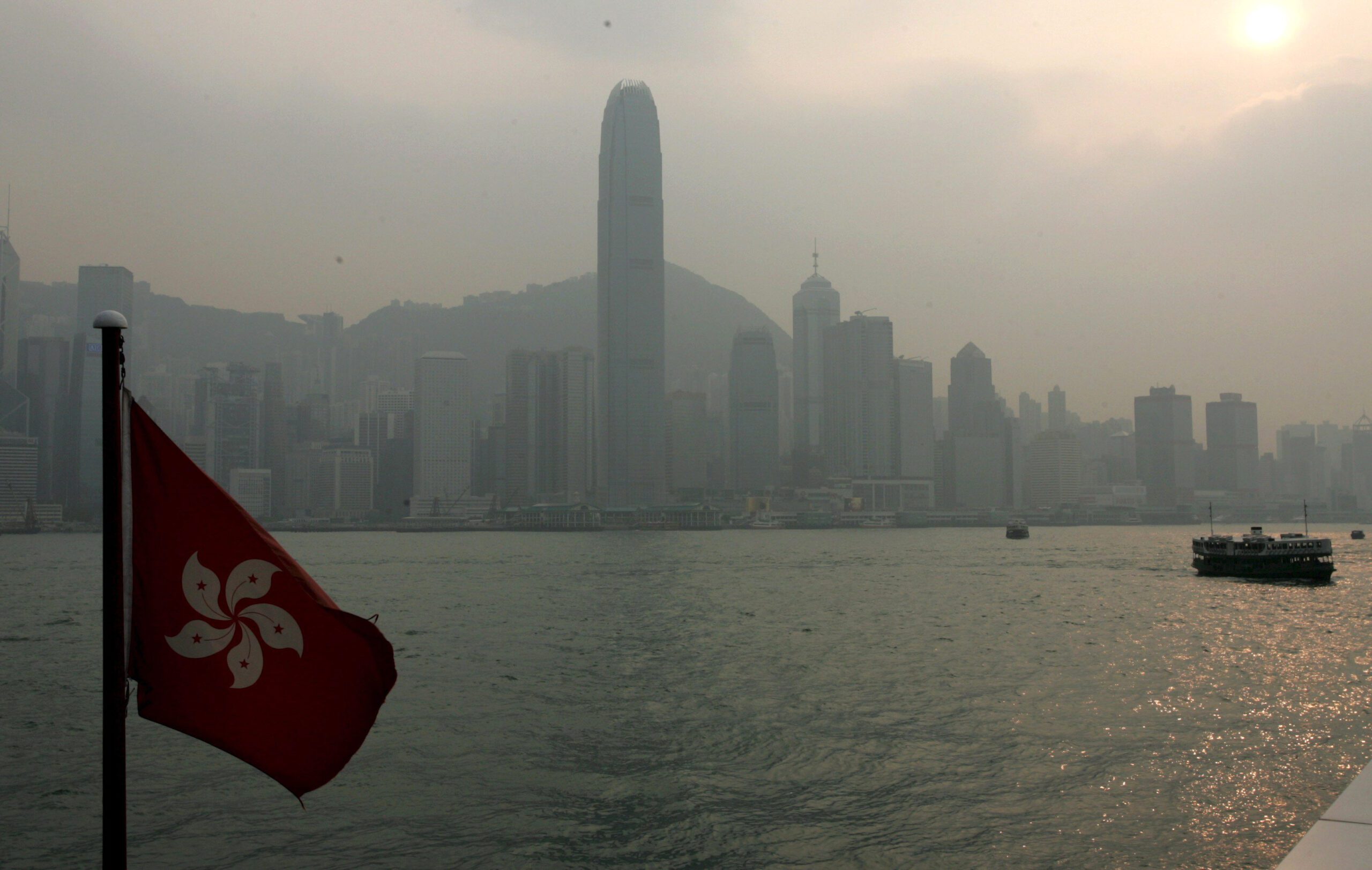
Rising pollution levels are responsible for the death of at least 10,000 people and 440,000 hospital bed days in Hong Kong, Macao and southern China, a study released by the Civic Exchange Institute found. “We estimate that there are about 10,000 deaths occurring which are attributable to daily pollution, deaths which are potentially avoidable,” said Anthony Hedley, a professor in the Department of Community Medicine at Hong Kong University, who was part of the team conducting the study.
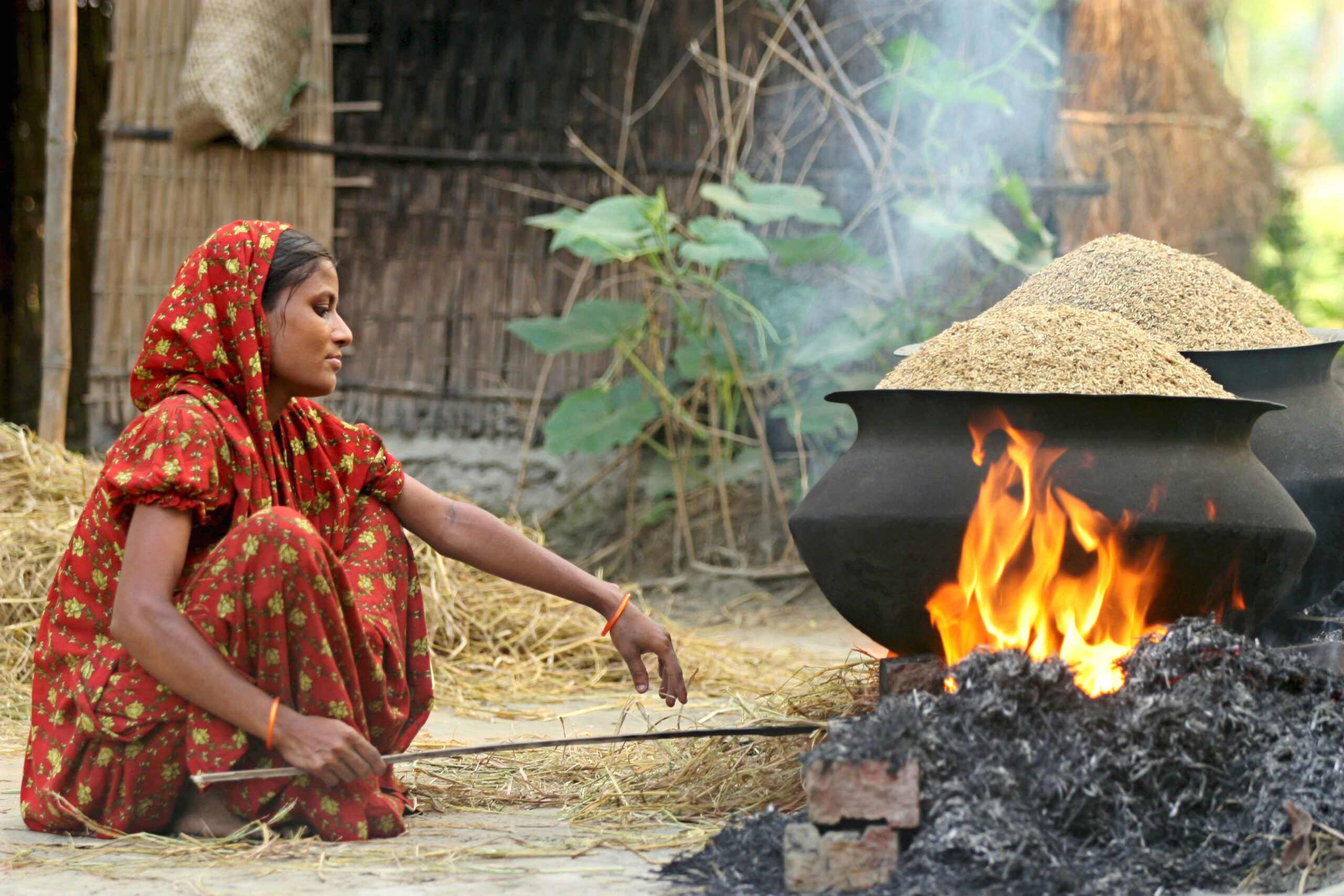
“It is a duty of justice” that the international community “should be vigilant” over the distribution of the riches of the planet, so that the countries where these resources are located should be the first beneficiaries, and rich countries should not appropriate them for themselves alone. Justice and solidarity, the rejection of violence, and fraternity should, in fact, guide international relations. This is the central theme that Benedict XVI developed, receiving at the Vatican a group of ambassadors who came to present their letters of accreditation, including diplomatic representatives from Bangladesh and Sri Lanka.
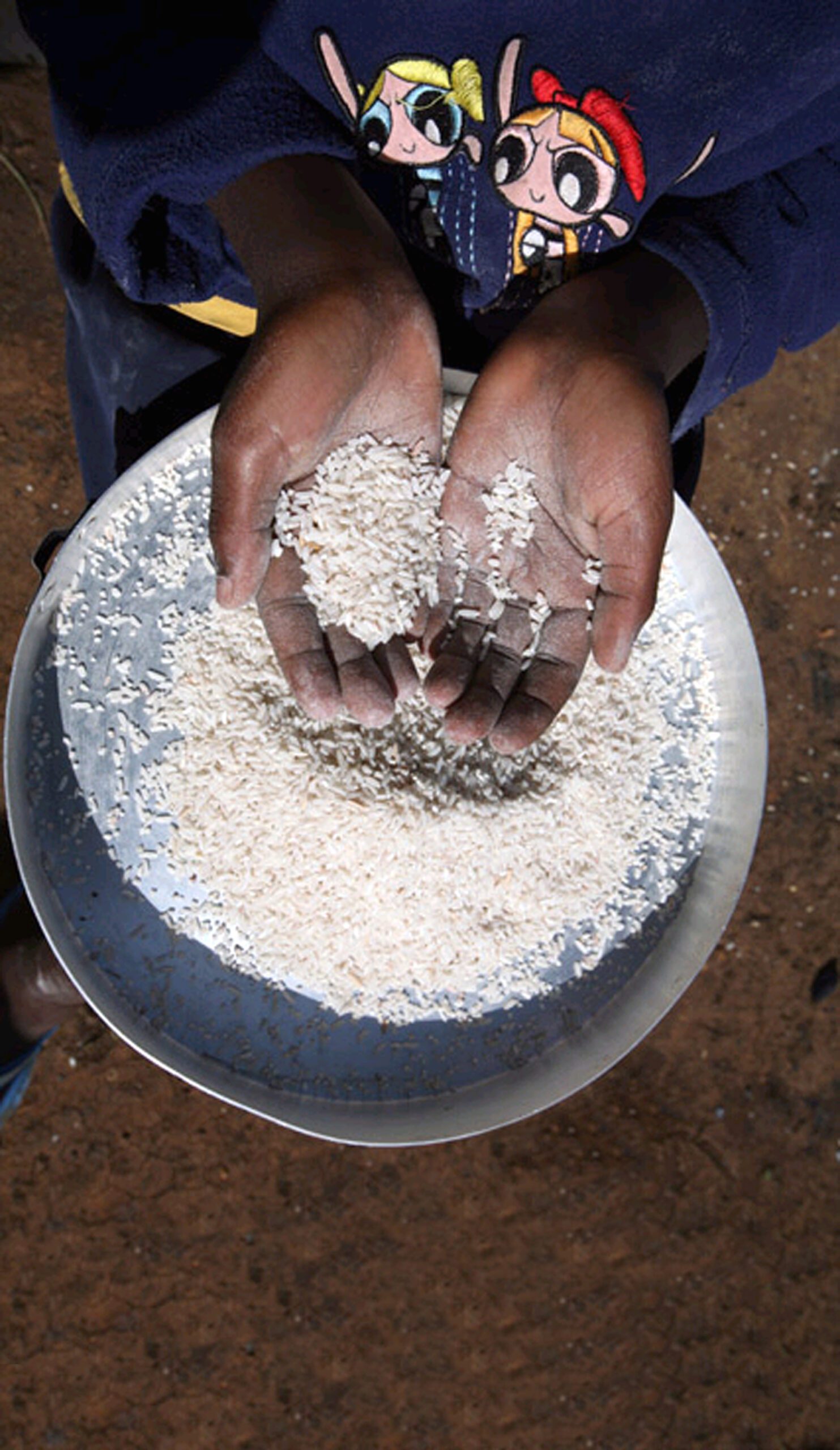
The FAO-hosted, high-level summit gathered, last June in Rome, 150 world leaders and representatives of 237 major organizations to debate the food security crisis. The summit was marked not only by many promises but also by a heated discussion about the role of biofuels in the skyrocketing prices, a controversial insistence over the agricultural market liberalization demanded by the World Trade Organization – and lots of skepticism.
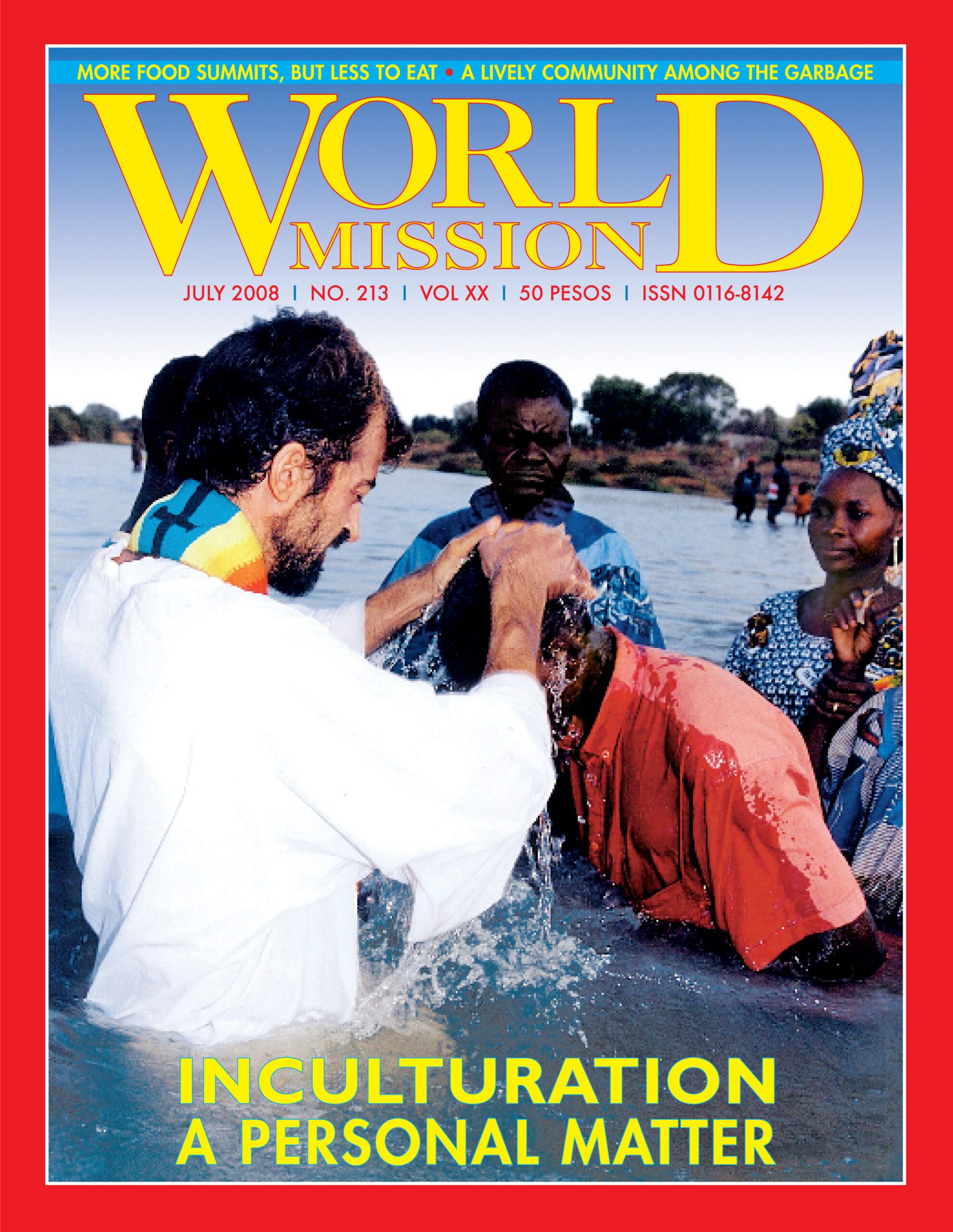
Inculturation is often understood as a process related only with liturgy or a sort of “cosmetic folklore.” But, really, it is an inevitable personal process. Each person is a microcosm. In each one of us, there is a unique interpretation of faith, unique inculturation of the inexhaustible fullness of God in Christ under the guidance of the Holy Spirit.
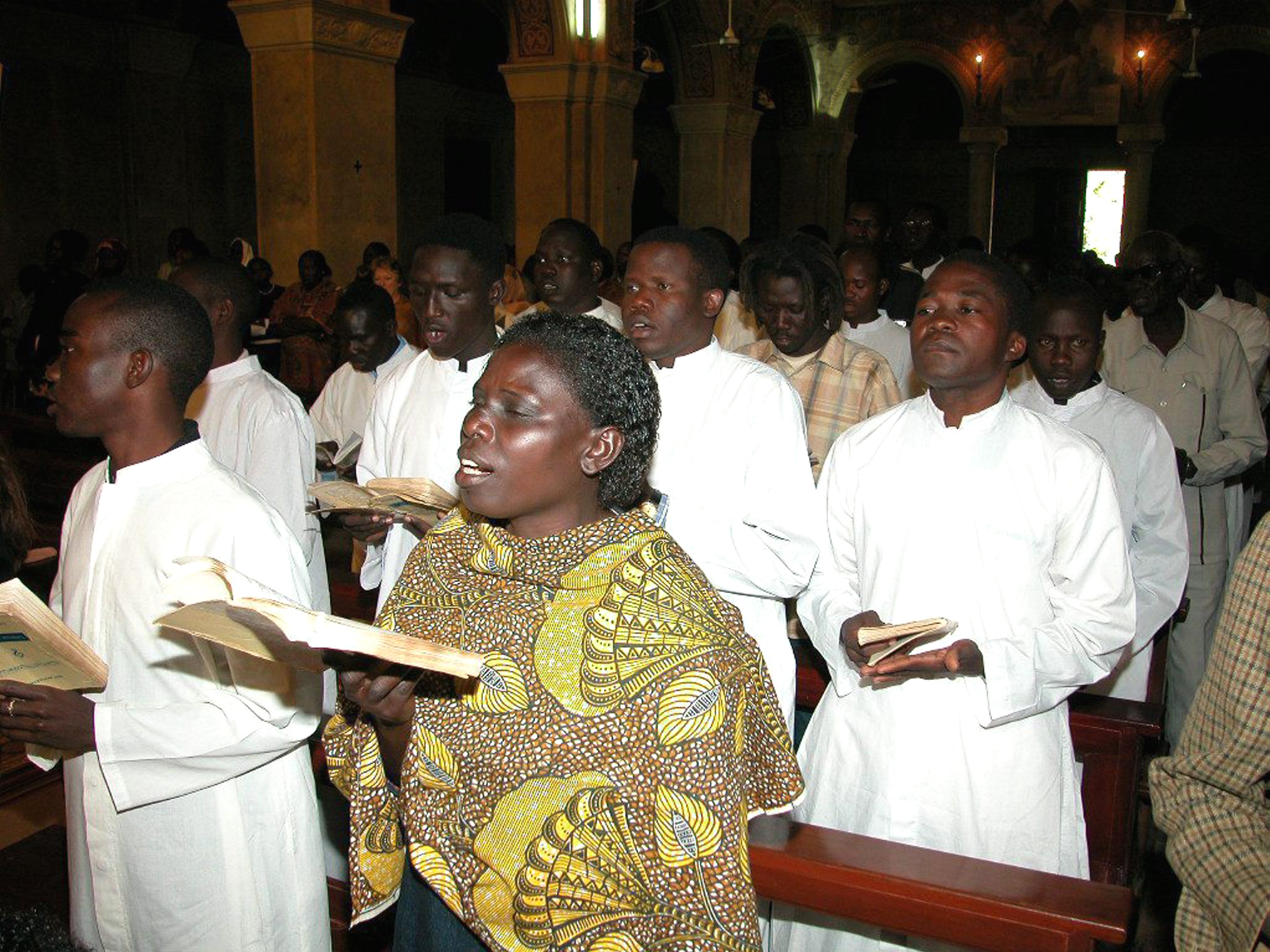
“Every Church, every Christian community is called to step in and accept the encounter and the confrontation with other cultures and other faiths. While valuing and protecting its own initiatives, it must remain open to listening to the messages that come from elsewhere, to accept or to reject and criticize them in accordance with the basic reference point: the Gospel.” These words of Jesuit Fr. José Minaku Lukoli remind us of the new role that the African Church has to assume in the midst of the continent’s struggle for justice and peace.
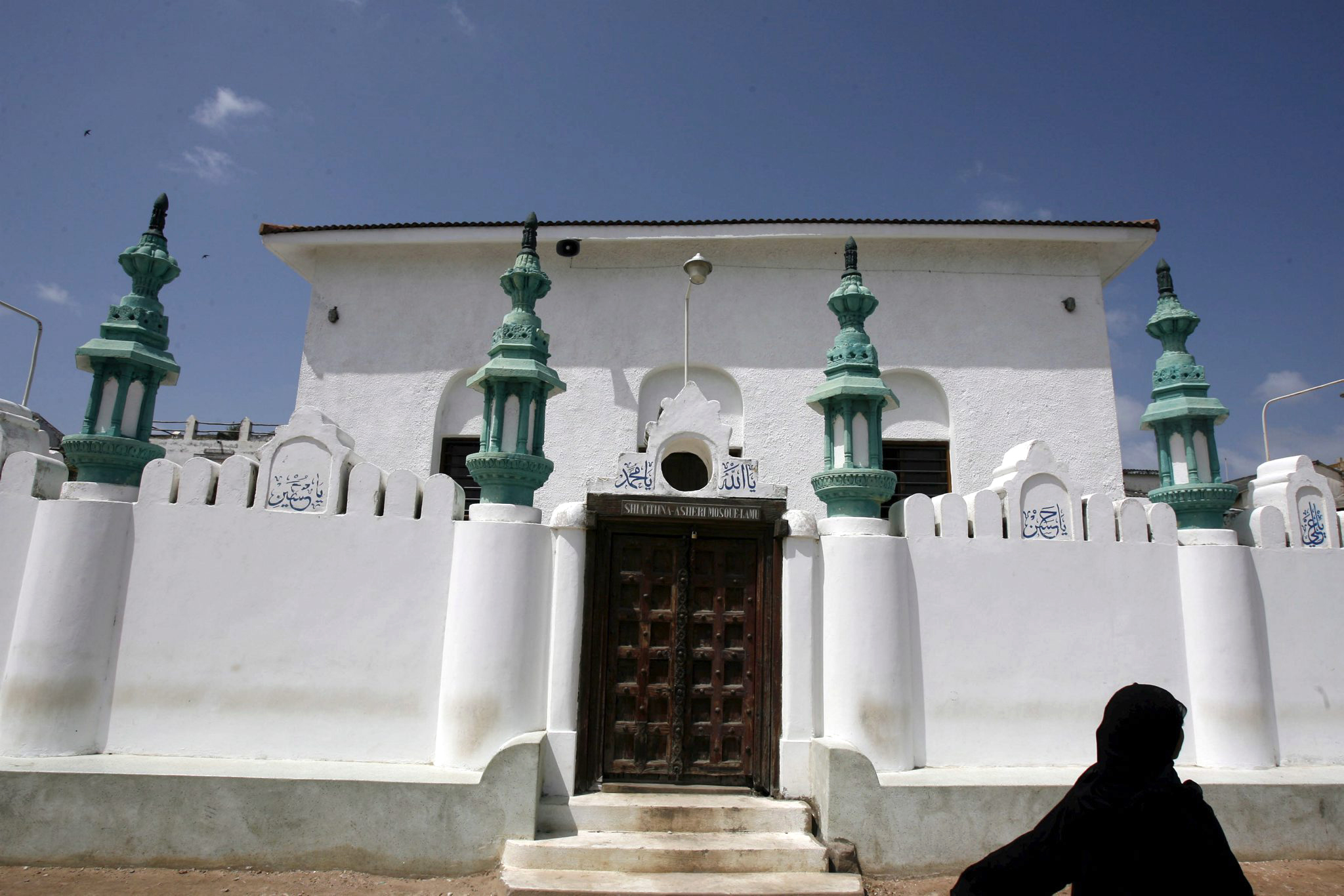
Is Christian-Muslim dialogue still not considered a priority more than 40 years after the promulgation of the Vatican Council II document, Nostra Aetate? The Christian-Islamic encounter is potentially easier and more fruitful right in Africa, where the Islamic community often has absorbed a spirit of tolerance and the capacity to live in harmony with neighbors, which is typical of traditional African cultures.
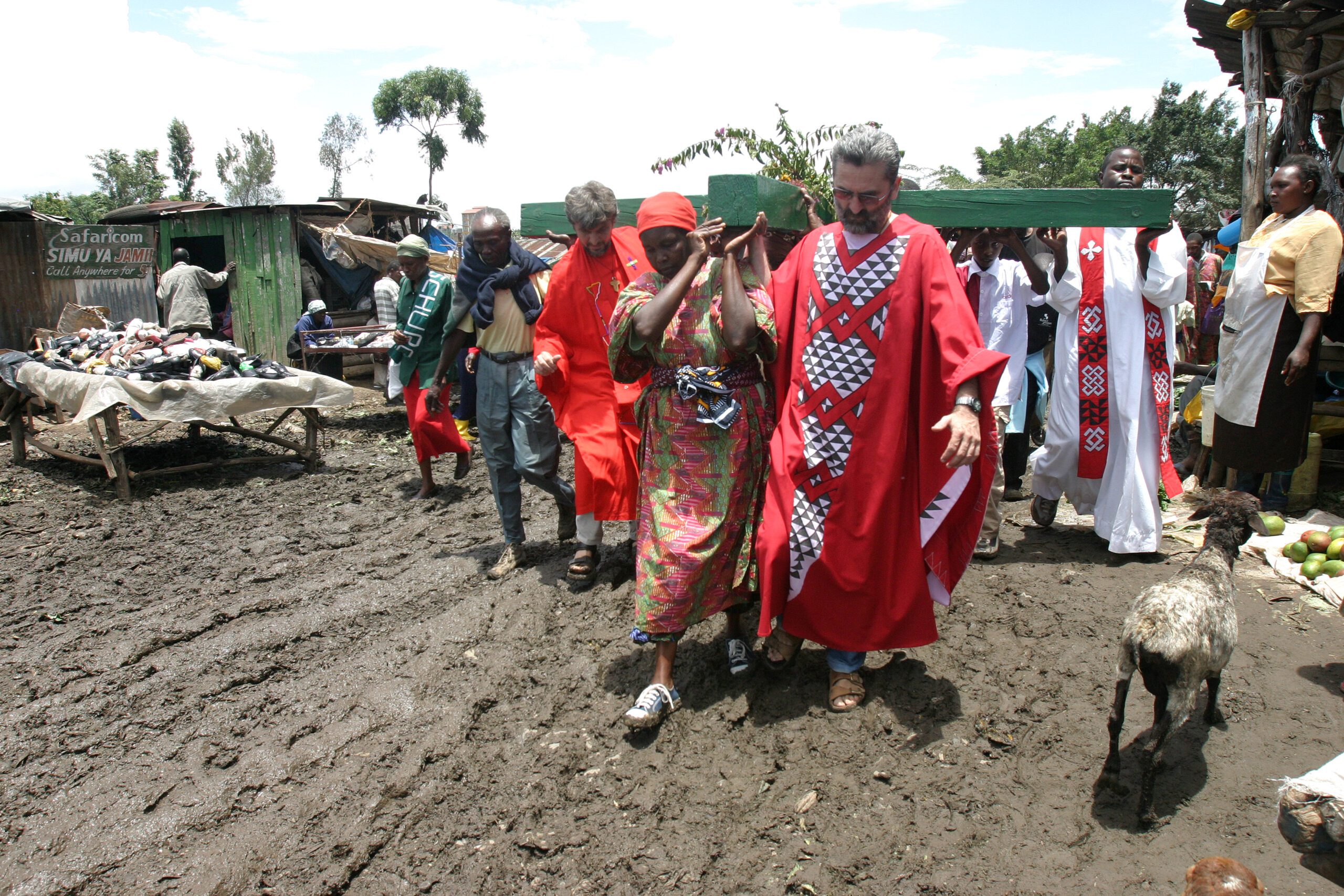
Four Comboni Missionaries and a lay person share their lives with the 120,000 poverty-stricken Korogocho slum dwellers and, with them, breathe daily the foul stench of Nairobi’s dumping site. But, they prefer to stress how they have been personally enriched by the experience.
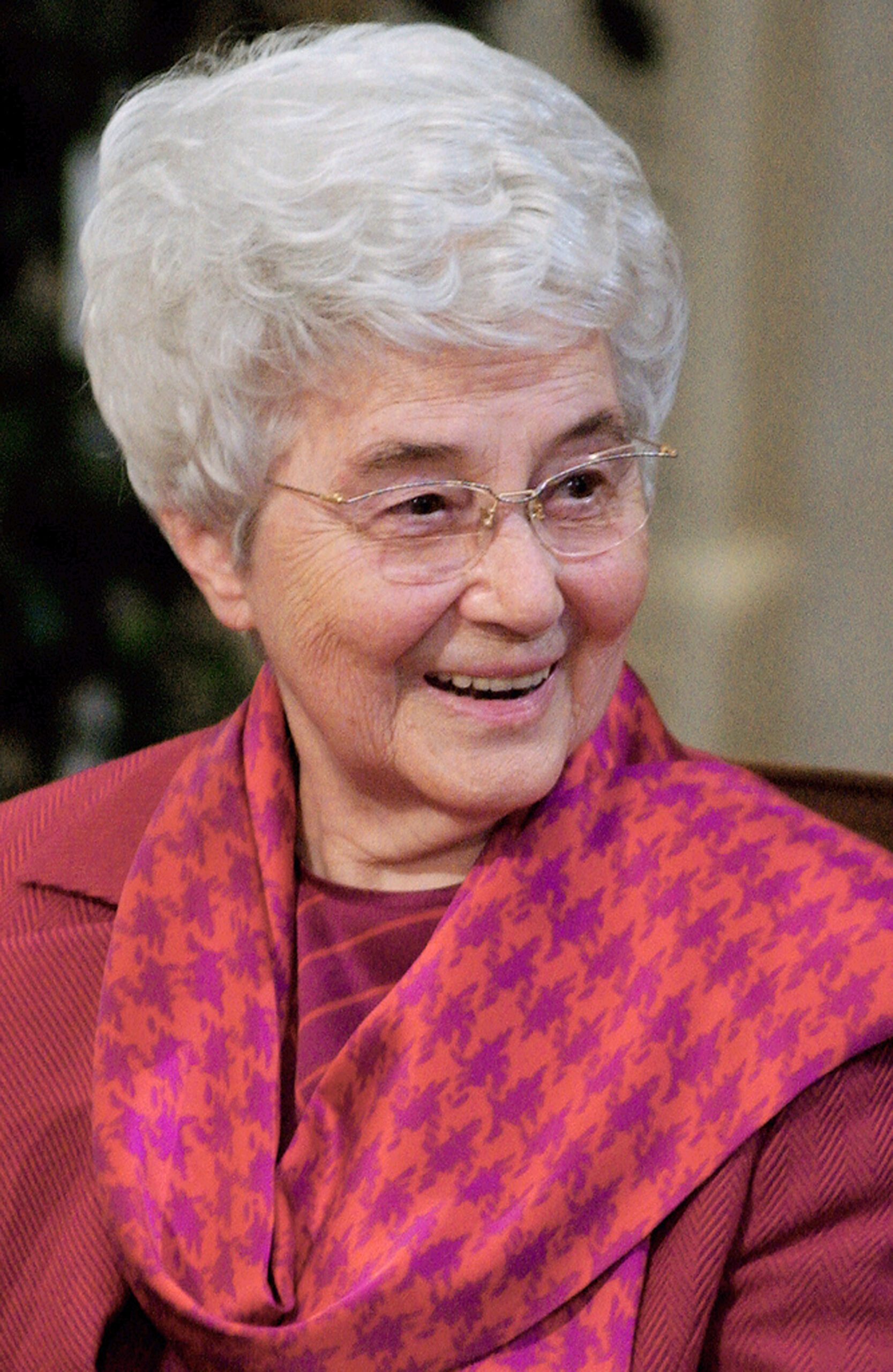
Chiara Lubich, who died aged 88, was one of the most inspiring and influential women in world Catholicism. During her long life, she witnessed the grassroots religious movement she founded in her native Italy during World War II, the “Focolare,” grow under her leadership to encompass 2 million adherents in 182 countries and open its ranks to non-Catholics and also non-Christians. Small in stature, a gifted speaker and best-selling author of many spiritual books, she was guided by her conviction that Jesus was alive in the world. Her loyalty to the Church and her determination to follow the example of the crucified and forsaken Christ made her an icon of unity in a world torn by division.
“What word! He gives orders to unclean spirits with authority and power and they come out!” (Read Luke 4:31-37)
October 2023 Issue
The latest issue is reserved for paying Subscribers only.
