Editorial
The Gospel of the Rose
“Before the explicit proclamation of the Lord Jesus Christ, Christians are called to proclaim the Gospel of the Rose through their loving deeds.”


June 2008
“Before the explicit proclamation of the Lord Jesus Christ, Christians are called to proclaim the Gospel of the Rose through their loving deeds.”
Pope Benedict will visit Australia from July 12 to 21 for World Youth Day, the Holy See has announced. The Vatican gave no further details of the trip. The Sydney Morning Herald reports the 81-year-old pope will make his first visit to the country as pontiff to take part in the July 15-20 event designed to bring young people from around the world together to learn about the Catholic faith. Organizers in Sydney say they expect 123,000 international visitors to come to Australia’s largest city. The pope will cruise Sydney’s famous harbor as part of his official welcome, they said last month.
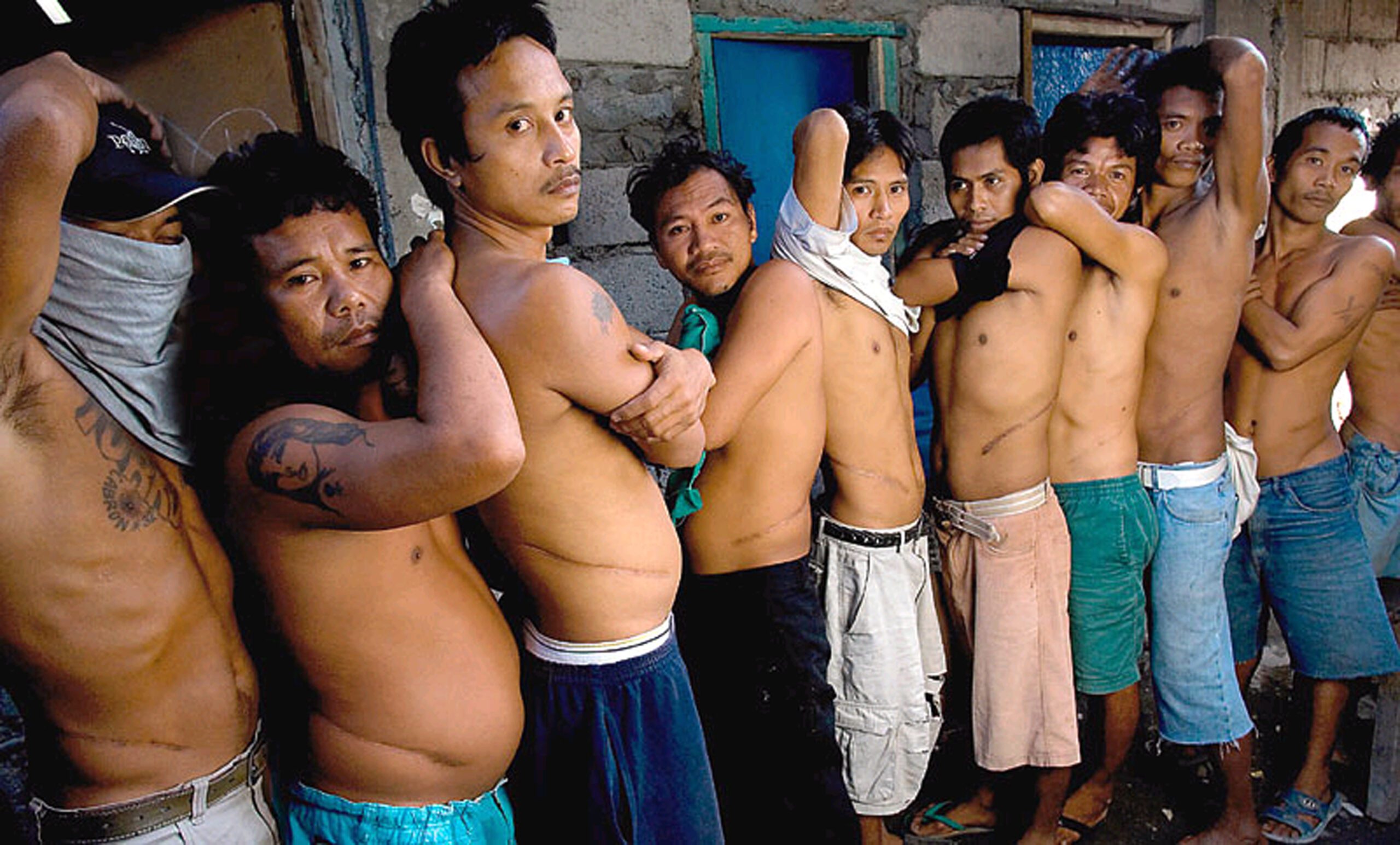
Philippine Catholic bishops have backed a government decision to prohibit kidney transplants on foreign patients as part of a bid to regulate sales of kidneys and other human organs. GMA News reports the Catholic Church threw its full support behind the Department of Health’s decision to totally prohibit the transplants.
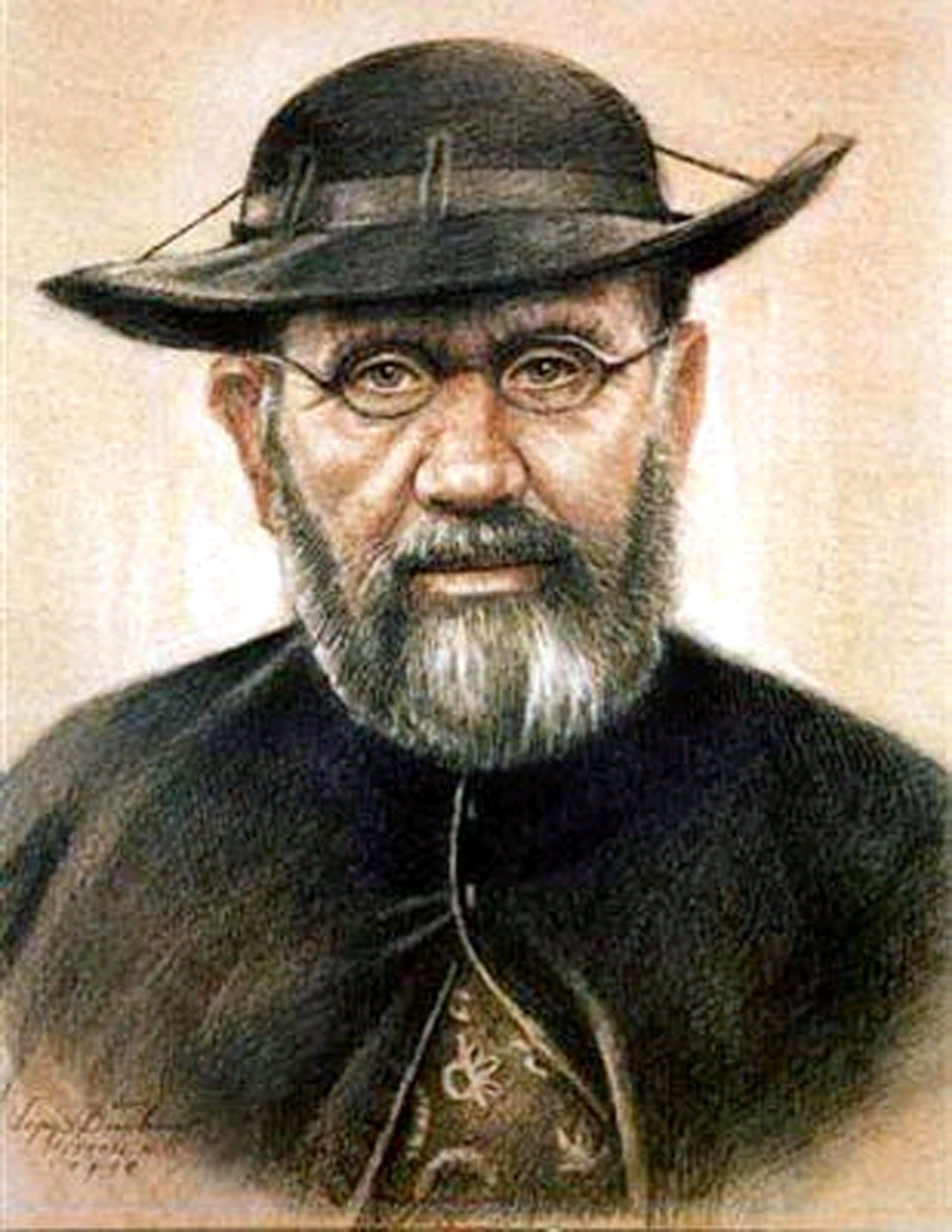
“Leper priest” Belgian-born Blessed Damien De Veuster who died after contracting leprosy from patients to whom he ministered in Hawaii is on the way to sainthood after experts attributed a second miracle to his intervention.
One hundred years ago, on June 18, 1908, the Japanese ship Kasato Maru, which had left from Kobe three months earlier, reached the wharf of the port of Santos (Brazil, 60 kilometers south of São Paulo). Seven hundred ninety-one Japanese farmers got off the boat. They were the first group of immigrants who had come to Brazil following an agreement between the governments. That little group put down solid roots. According to statistics compiled by the Nikkei Association (Japanese naturalized in foreign countries), today there are 1.6 million Japanese-Brazilians in Brazil, 62% of all the Japanese naturalized abroad.
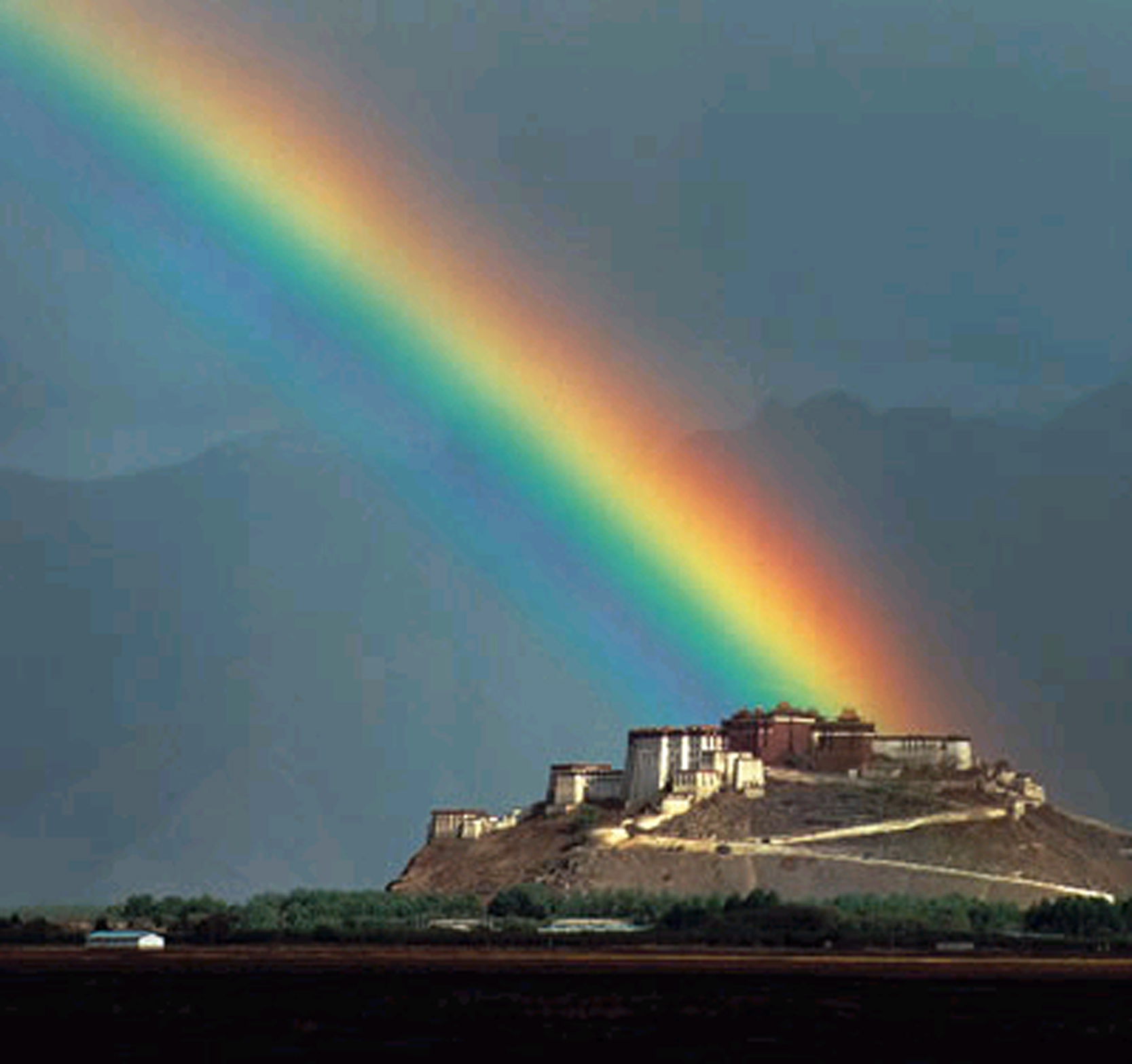
It is in a new combination of subsidiarity and solidarity that one can find “the key” for transforming globalization – with its positive and negative effects on society – into a “civilization of the common good.” This was the “wager” in play at the plenary session of the Pontifical Academy of Social Sciences, held last month in the Vatican to examine the theme “Pursuing the Common Good: How Solidarity and Subsidiarity Can Work Together.”
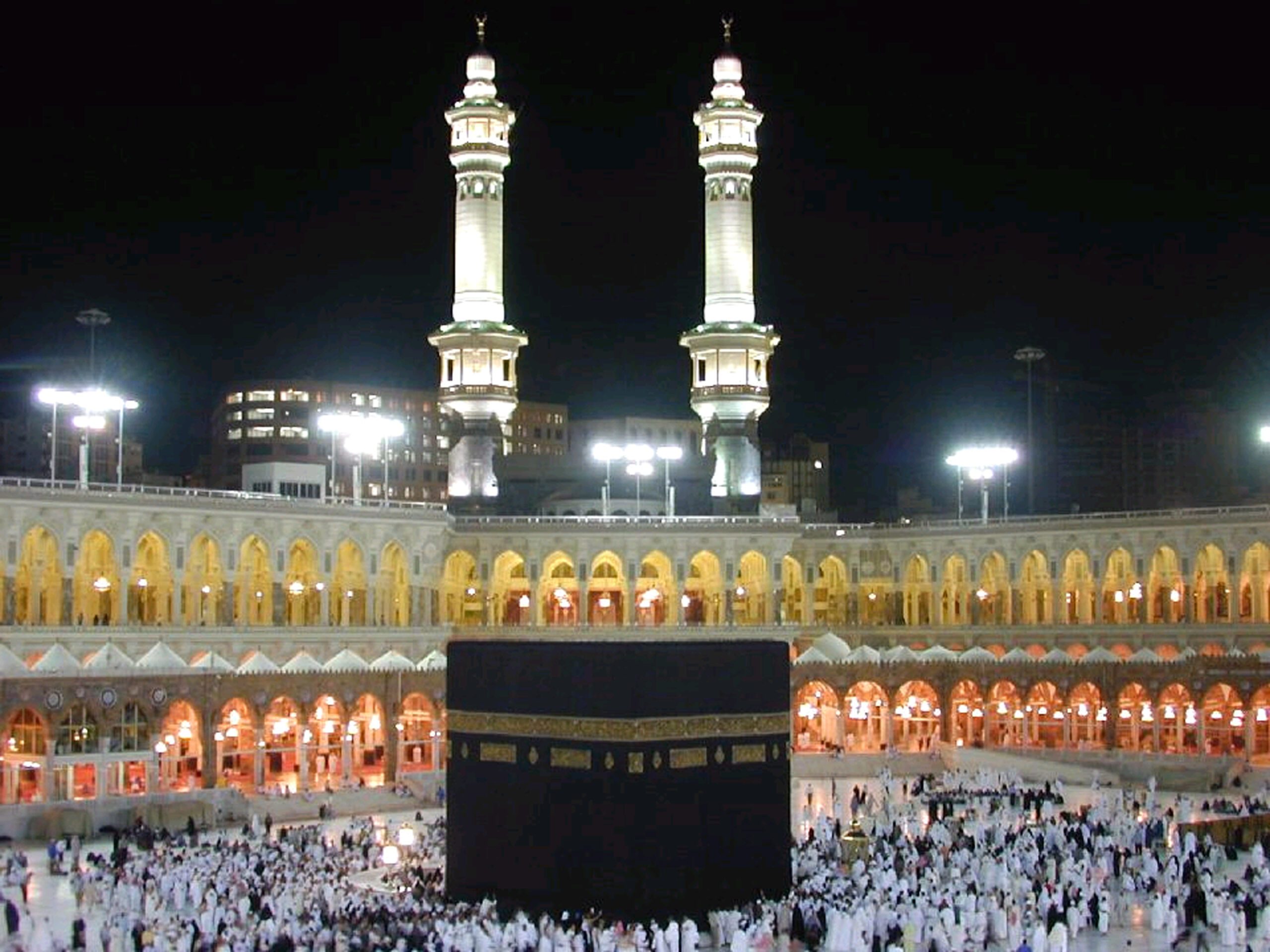
Muslim scientists and clerics have called for the adoption of Makkah time in lieu of GMT, arguing that the Saudi city is the true center of the Earth. The call was issued at a conference held in the Gulf State of Qatar under the title: Makkah, the Center of the Earth, Theory and Practice.

The Vatican is asking for measures to keep the production of biofuels from bringing about increased food prices to the point of threatening starvation in many countries. The demand came from Monsignor Renato Volante, the permanent observer of the Holy See at the Rome-based U.N. Organization for Food and Agriculture (FAO), during the Organization’s Regional Conference for Latin America and the Caribbean, held recently in Brasilia, Brazil.

Christians and Buddhists “can be harbingers of hope for a clean, safe and harmonious world.” They can do so by promoting a culture of respect for creation in the world, one that focuses on sustainable development and climate change. This statement is a part of a Holy See’s document published last month.
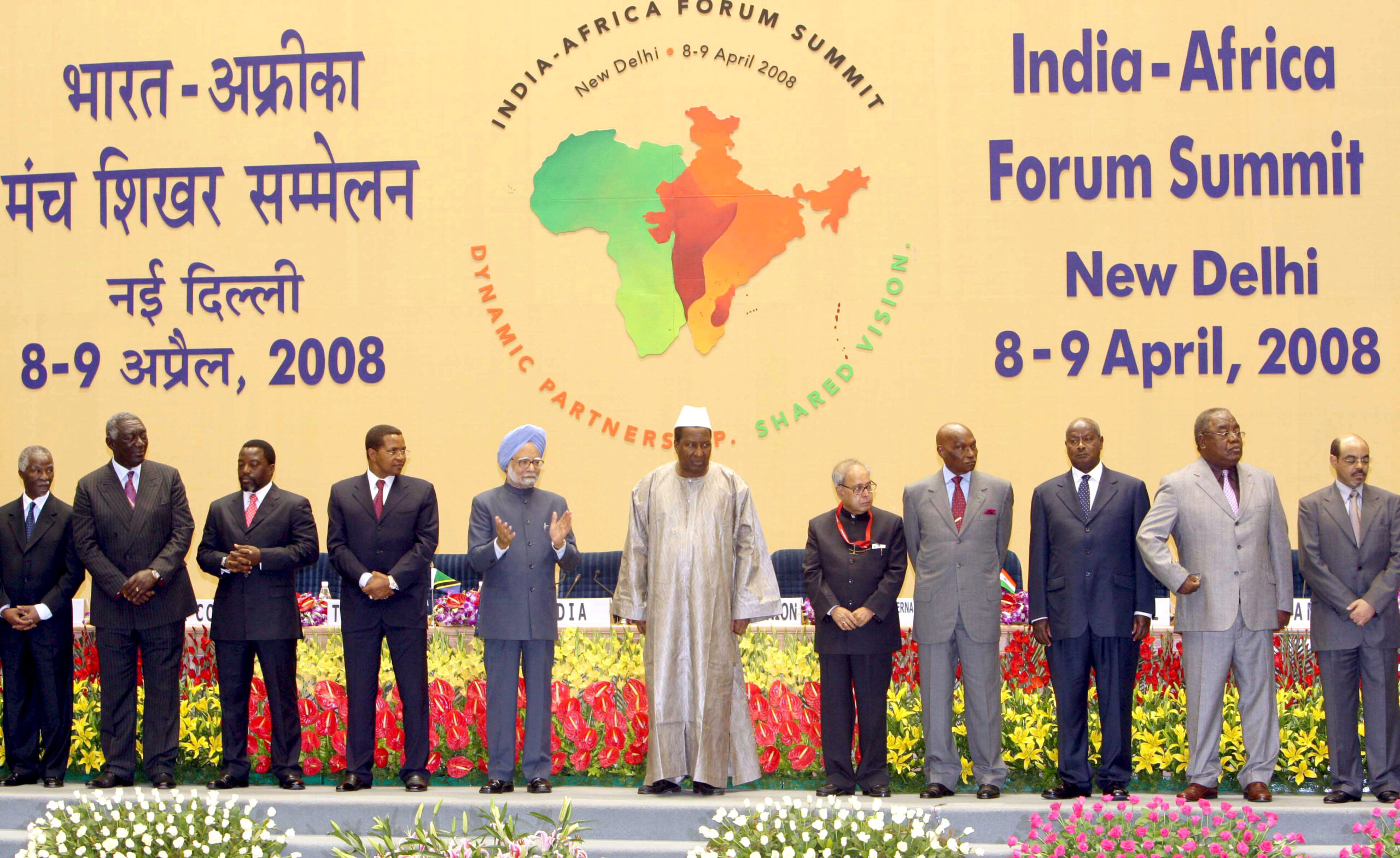
The world’s two most populous countries, China and India, are now seriously competing with each other to engage resource-rich Africa, thereby imparting a new dimension to South-South relations. Last April, New Delhi hosted heads of government of 12 African nation-states and a similar number of regional economic groupings. Many see this as a modest answer by India to the grand Africa summit that Beijing hosted in 2006.
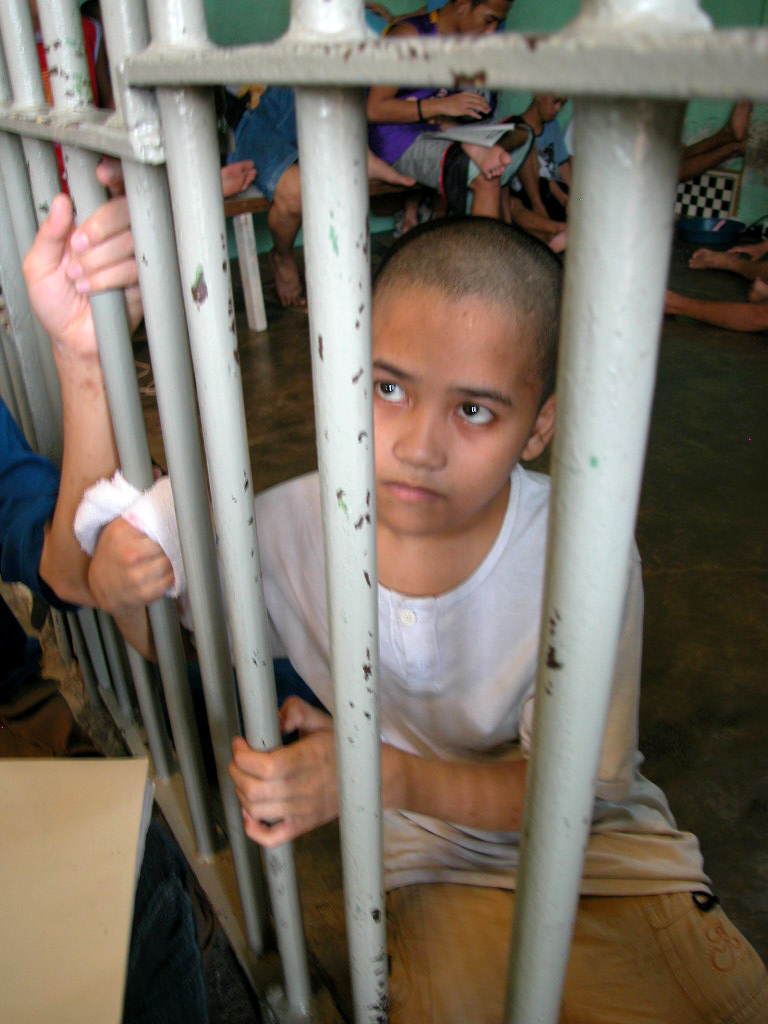
There was no comfort in the Philippine report to the UN Human Rights Council in Geneva for 14-year-old Felix Avila, emaciated, half-staved, brutalized, shocked and dazed as he was helped walk from behind the bars of a police detention center in Metro Manila. Like a skeletal survivor of Auschwitz, he was helped walk on weak unsteady legs to a rescue van and away to freedom. Rescue, because it was as if he was released from the pains of hell to the joys of heaven. Heaven was when they stopped at the first restaurant and he devoured his first proper meal in months.
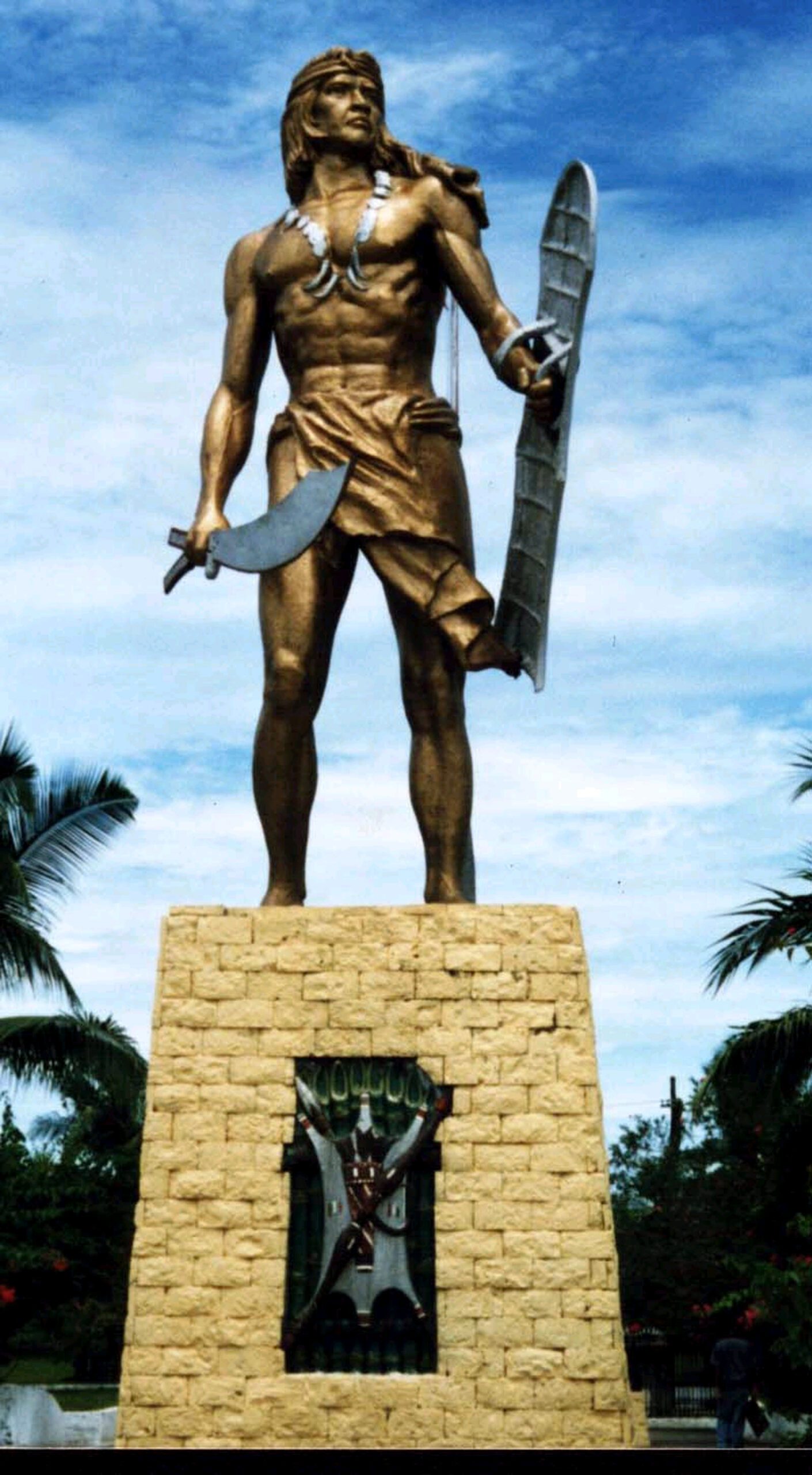
History is the story of how the nation came to be, and more often than not, history illustrates how people fail to be the nation they want to be. History is not the only way to learn love of country, but it has a unique way of showing the different ways we see and deal with the past. These different ways of seeing is also a lesson in being Filipino.
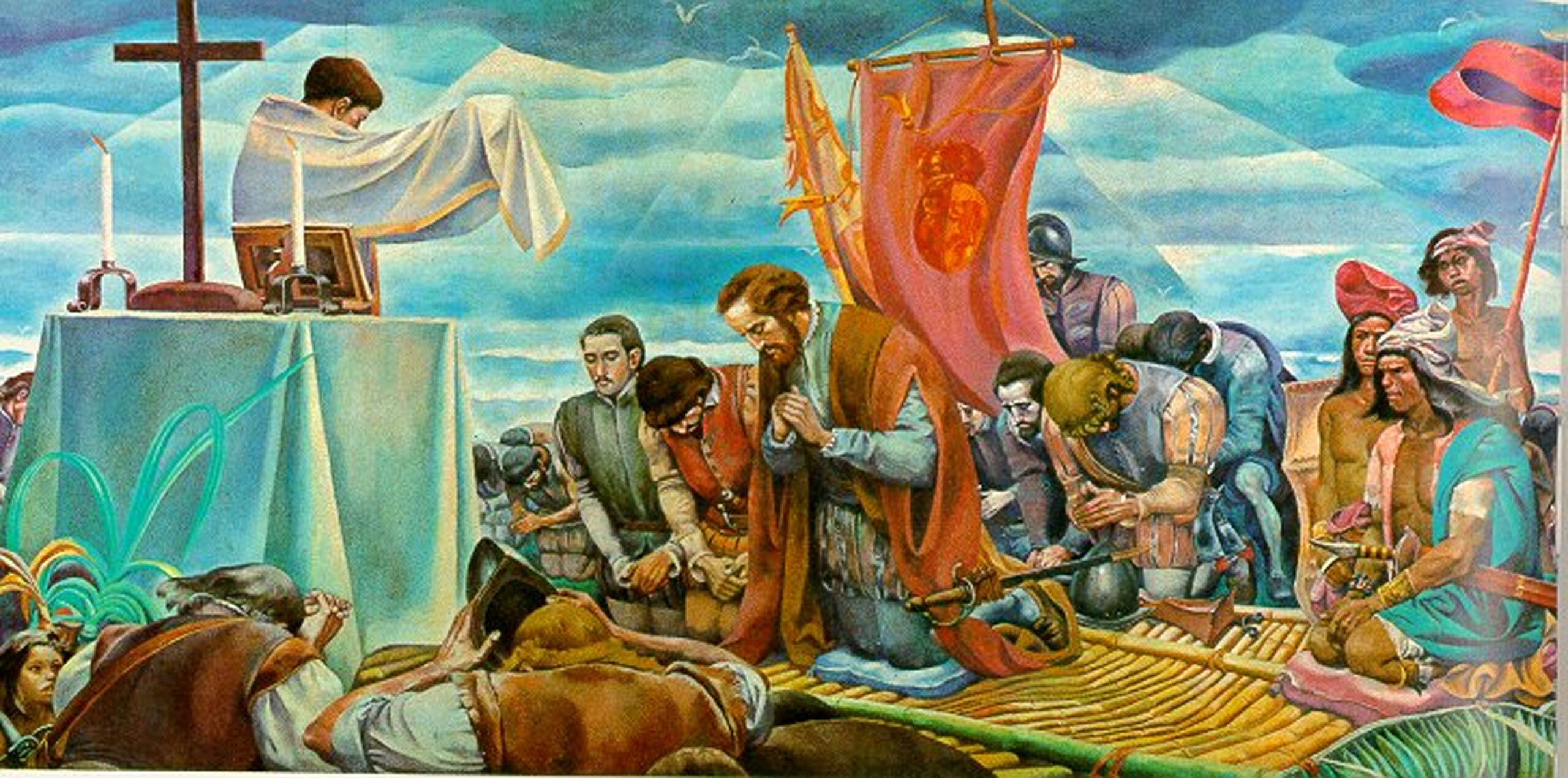
On an Easter Sunday, almost five centuries ago, Ferdinand Magellan participated in the first mass on Philippine soil. It is not difficult to see in this first communion between Europeans and natives the “birth certificate” of Christianity in the Philippines. And the first step of a fertile cultural encounter, even with all the shadows that, together with the mutual enlightenment, usually surround this kind of asymmetrical meetings.
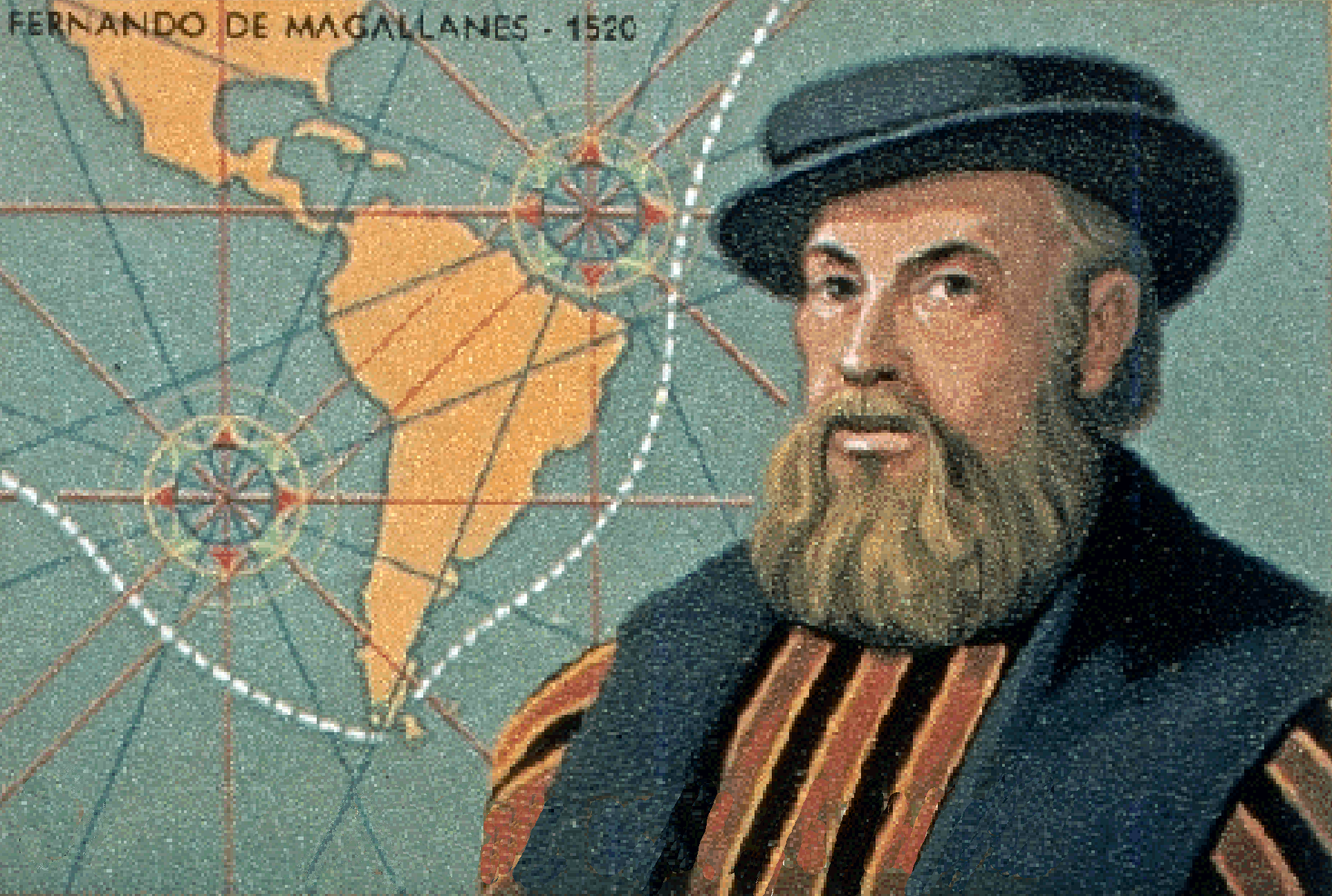
As a young boy, I used to hear my teacher say that history knows no if. But let us pretend that this exercise is legitimate. Why is the Philippines the biggest Christian country in Asia? Would it be, if it were not for the heroic and tragic expedition led by Magellan and the Spanish colonization that followed? Real history tells us that, for centuries, there were Muslim sultanates in the Sulu archipelago and Mindanao. “Fictional history” can tell us that what happened to the biggest Muslim archipelago in the world, Indonesia – where the other Catholic country in Asia is Eastern Timor, a tiny spot on the map – could have happened to the Philippines. The seeds of the Gospel were also planted there but are now concentrated in just a small corner of one of Indonesia’s thousands of islands.
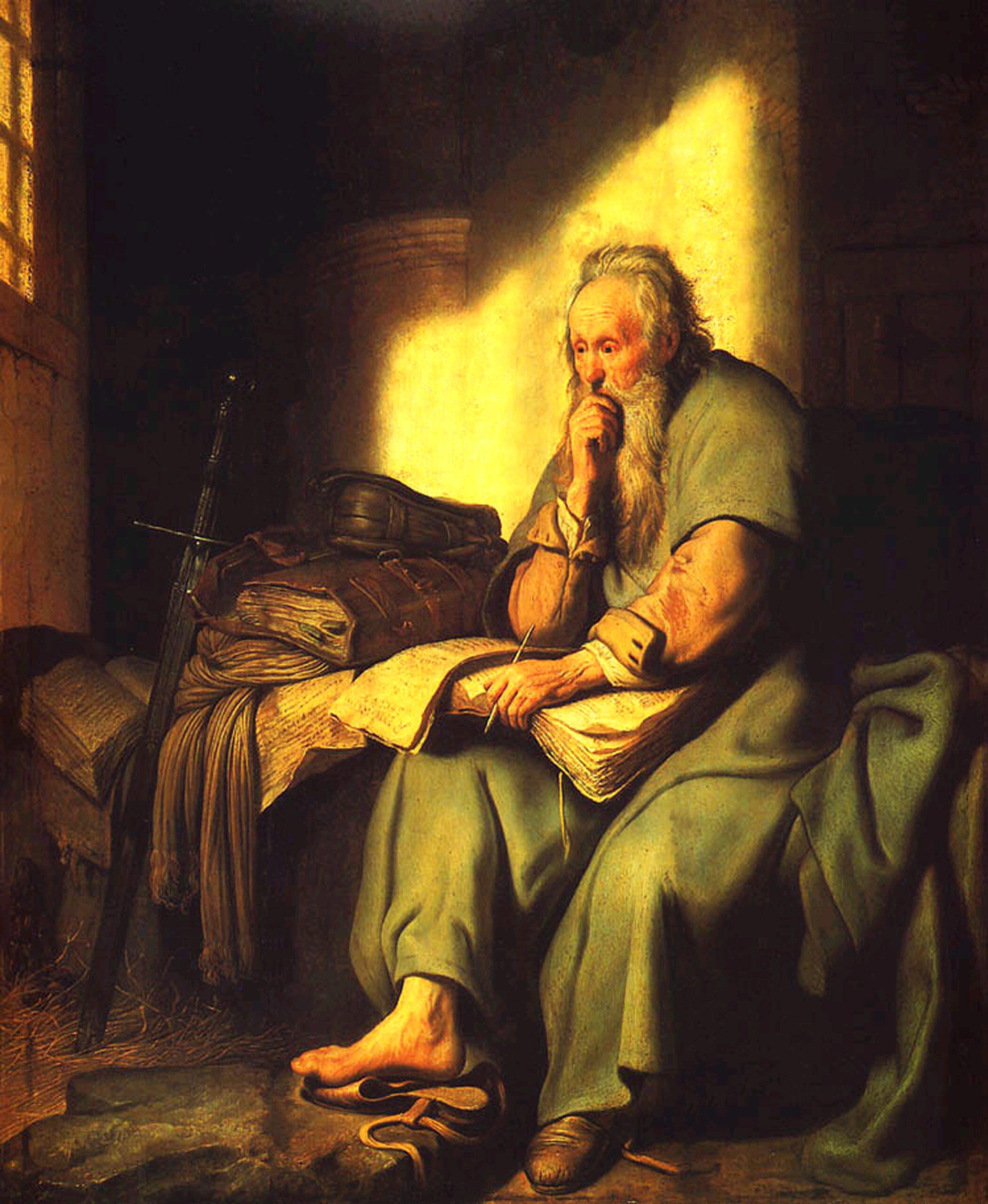
This month will begin all over the world, and particularly in Rome, the celebrations of a special Jubilee Year dedicated to St. Paul. The events will underline the ecumenical dimension. Explains the Pope: “The Apostle to the Gentiles, who was especially committed to taking the Good News to all peoples, left no stones unturned for unity and harmony among all Christians.”
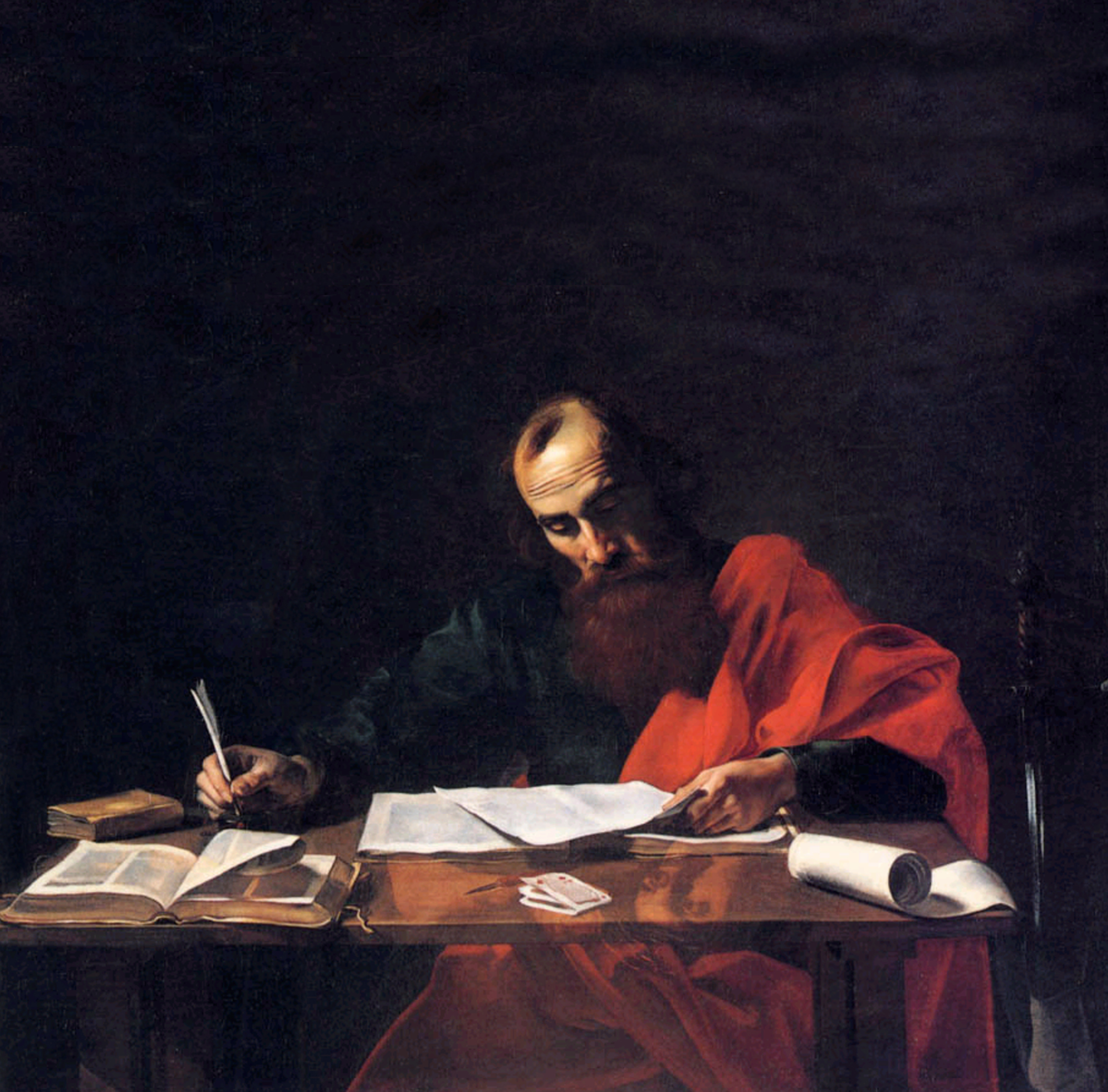
Paul had detractors in his lifetime and even until now. But it is beyond question that Pauline Christianity greatly shaped the history of Christianity from its early period. His inculturation of the gospel of Christ helped turn the Jesus movement into a universal religion.
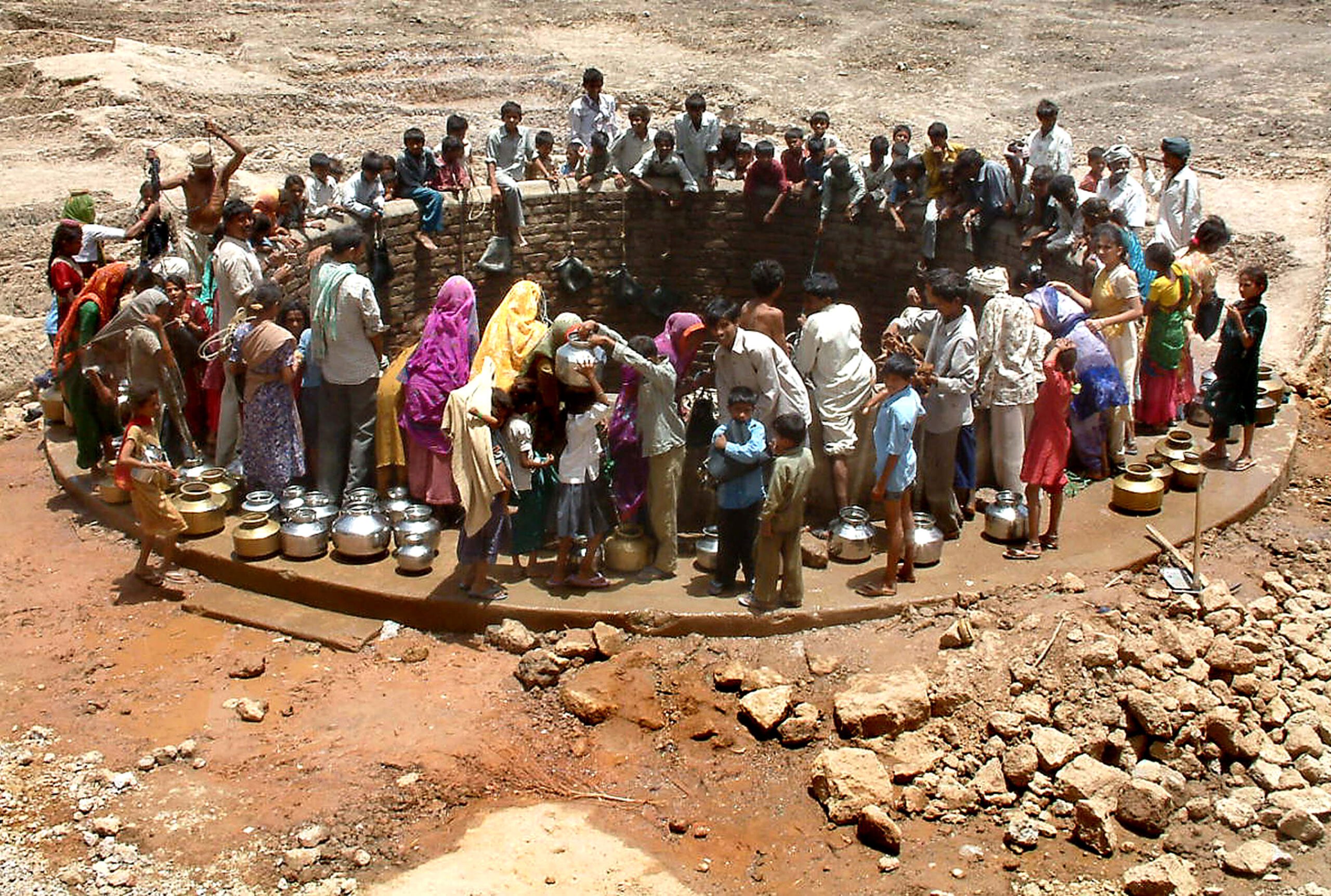
Dialogue of faith, cultural dialogue. For Asia, all levels of dialogue are relevant. However, given the minority situation of Christians in Asia, the most effective will be the dialogue of life and common concerns. It is here that our witness will be tangible and effective.
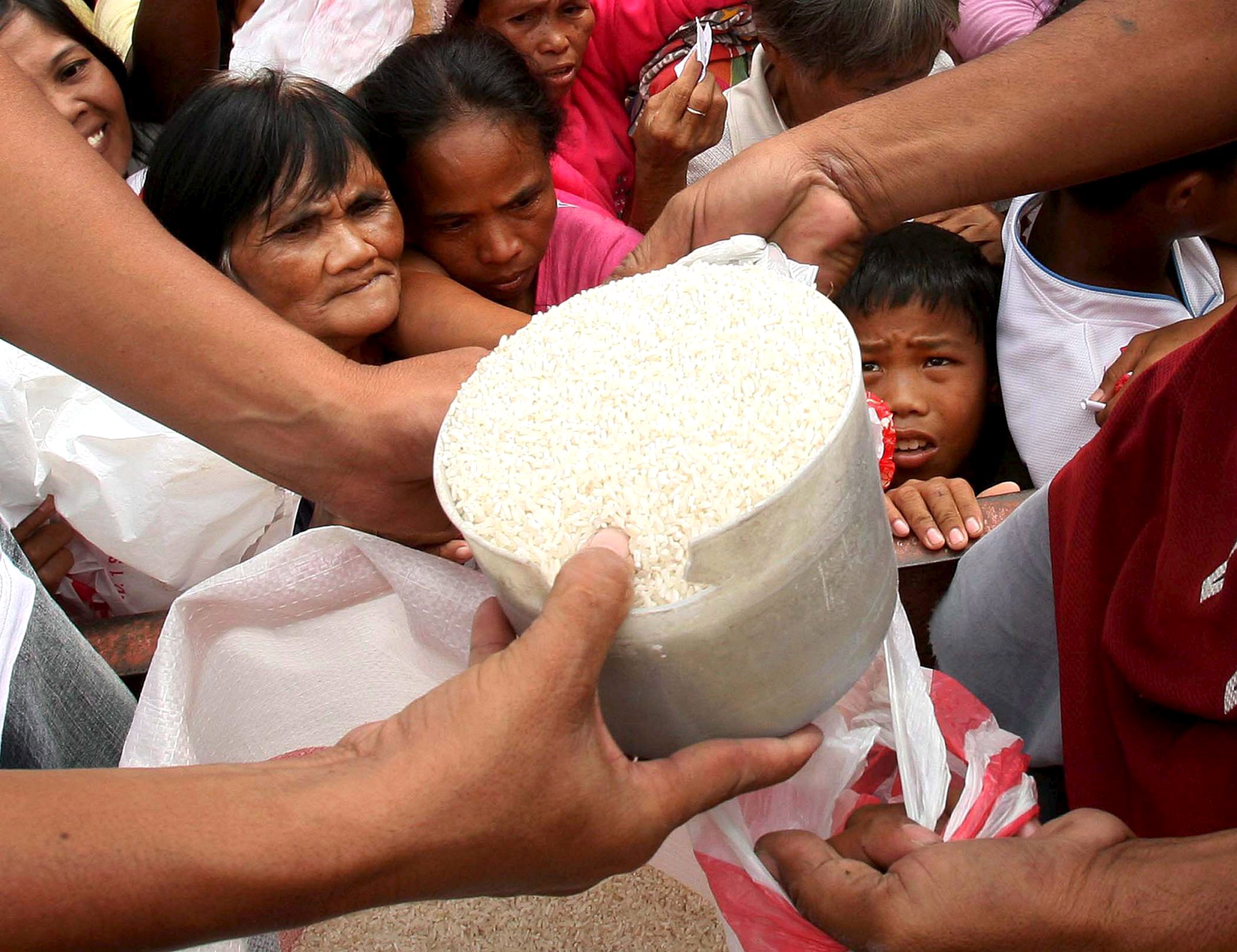
The Pope urged the Church to promote cultural development in this era of fast globalization. And gave an example of the challenges the world is facing: “The Philippines, considered a Christian country, is more subjected to globalization standards than Gospel influence.”
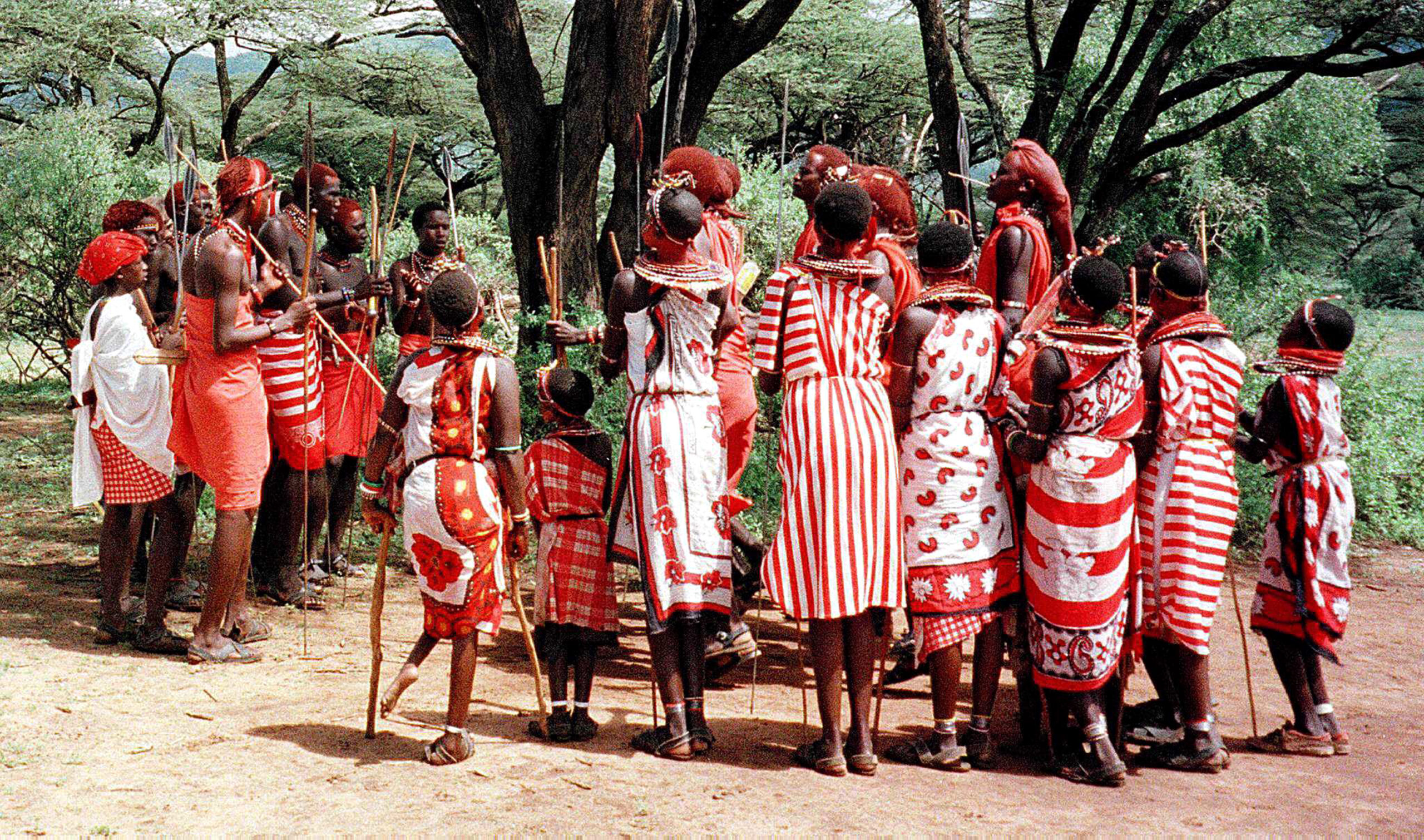
Not long ago, the Maasai had one of the richest cultures in Africa, so impressive that it attracted the attention of experts and artists. Now, the young are even forgetting their language. To fight this loss, Fr. Oberprantacher built, among the plains they roam, a cultural center. Where he wants to promote, at the same time, the defense of their heritage, evangelization and inculturation.
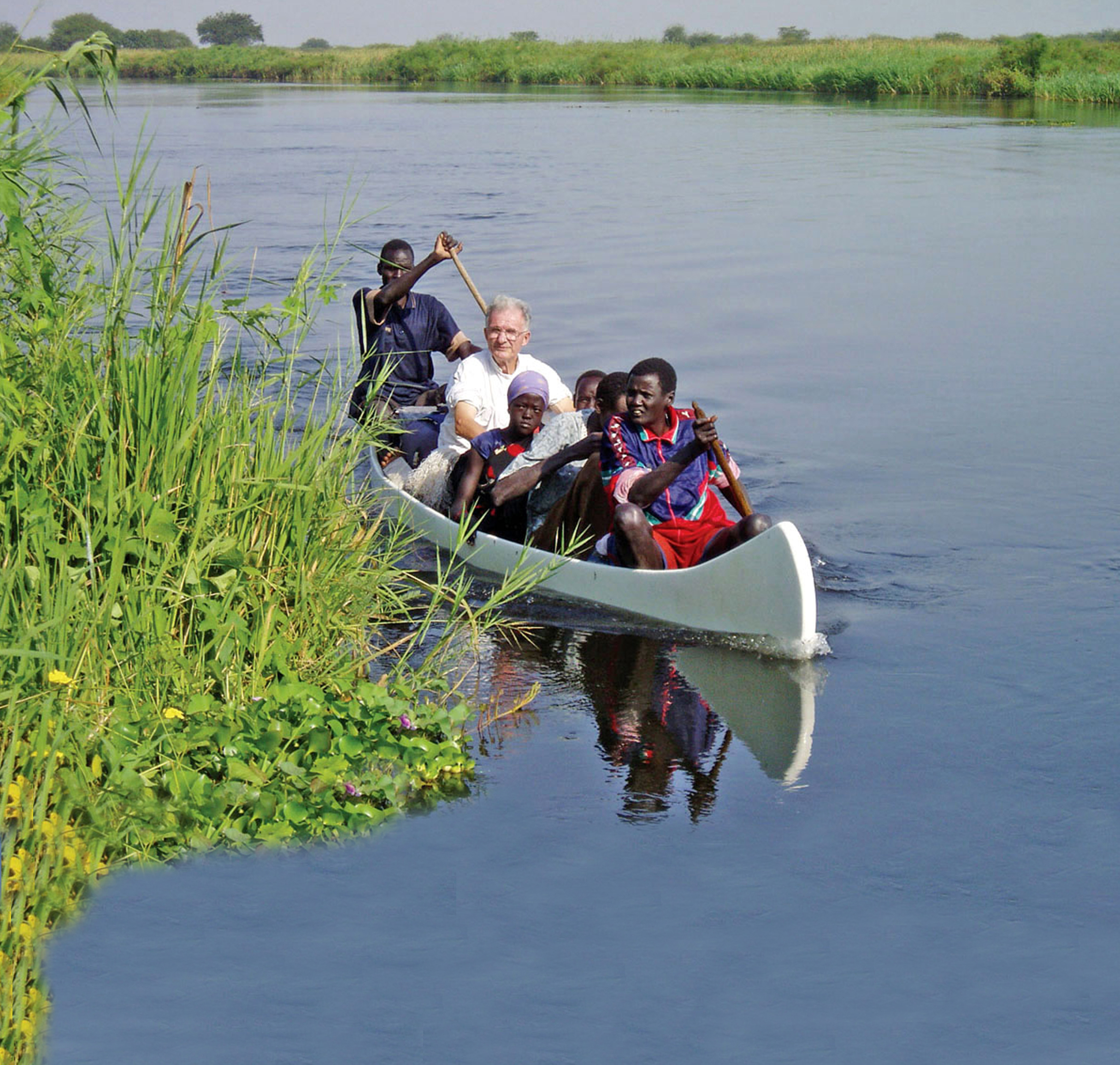
Comboni missionary Fr. Antonio La Braca, after 35 years of work in Africa, leaves Sudan to be a hermit in the catacombs of Rome. During his missionary life, he learned to live in poverty among the poor. He even spread the Word on foot, in a region full of swamps. Now, he wants to share the spirit of the first Christians, persecuted because of their faith.
October 2023 Issue
The latest issue is reserved for paying Subscribers only.
