Editorial
Global Tsunami
“God’s gifts are for all. the so-called ‘cowboy capitalism’ – which seeks profit at any cost – doesn’t respect fundamental human rights.”


November 2008
“God’s gifts are for all. the so-called ‘cowboy capitalism’ – which seeks profit at any cost – doesn’t respect fundamental human rights.”
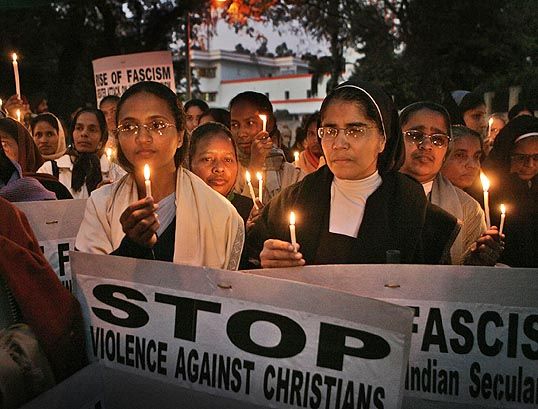
The situation of religious freedom in Asia is worsening, especially in China and in democratic India, according to the annual report of the U.S. State Department on religious freedom in the world.
It is time to allow and encourage Africans to take a sense of ownership in leading the development of their continent, said Archbishop Celestino Migliore, permanent observer of the Holy See to the United Nations, in an address to a U.N. high-level plenary meeting on the theme: “Africa’s Development Needs: State of Implementation of Various Commitments, Challenges and the Way Forward.”“The successes achieved in the consolidation of independence, the overcoming of the ideological conflicts of the 20th century, the abolition of apartheid and, more recently, the strengthening of the African Union and many other regional structures of cooperation, are a sign of hope for the potential of Africa,” the prelate said. “It is now high time to allow and encourage an African sense of ownership in leading a sustained and sustainable developmental process that frees all the peoples of Africa from the scourge of extreme poverty.”
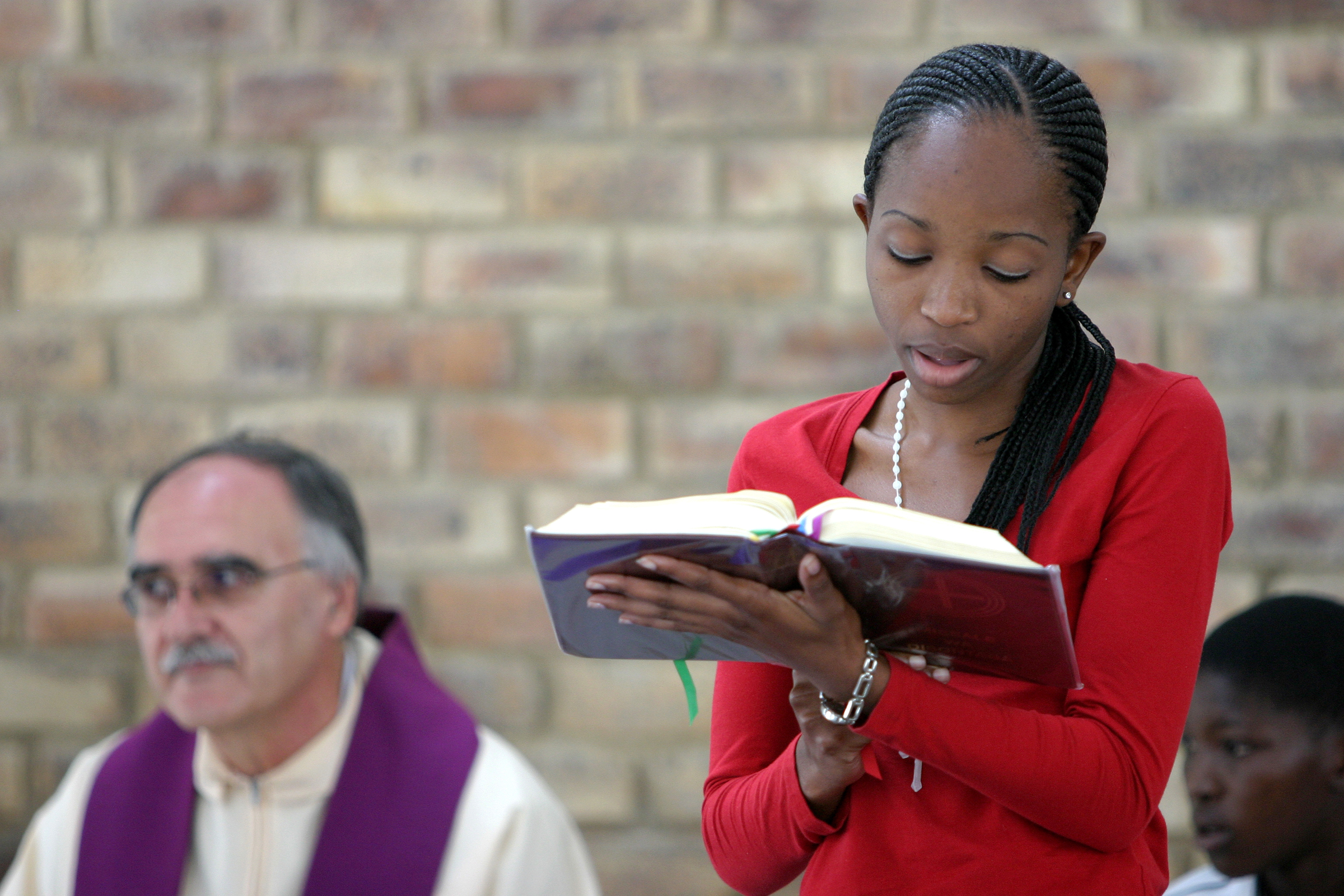
The Pontifical Biblical Commission has published a new document entitled “The Bible and Morality” ahead of the Synod of Bishops on the Word of God. It states, according to a Catholic News Service report: even when it comes to morality, Catholics are not biblical fundamentalists, although they view the Bible as an important source of moral guidance; the various books of the Bible were written in different epochs, in different cultures and by different authors, the scholars said, so when looking for moral precepts, a Christian cannot focus on just one line.
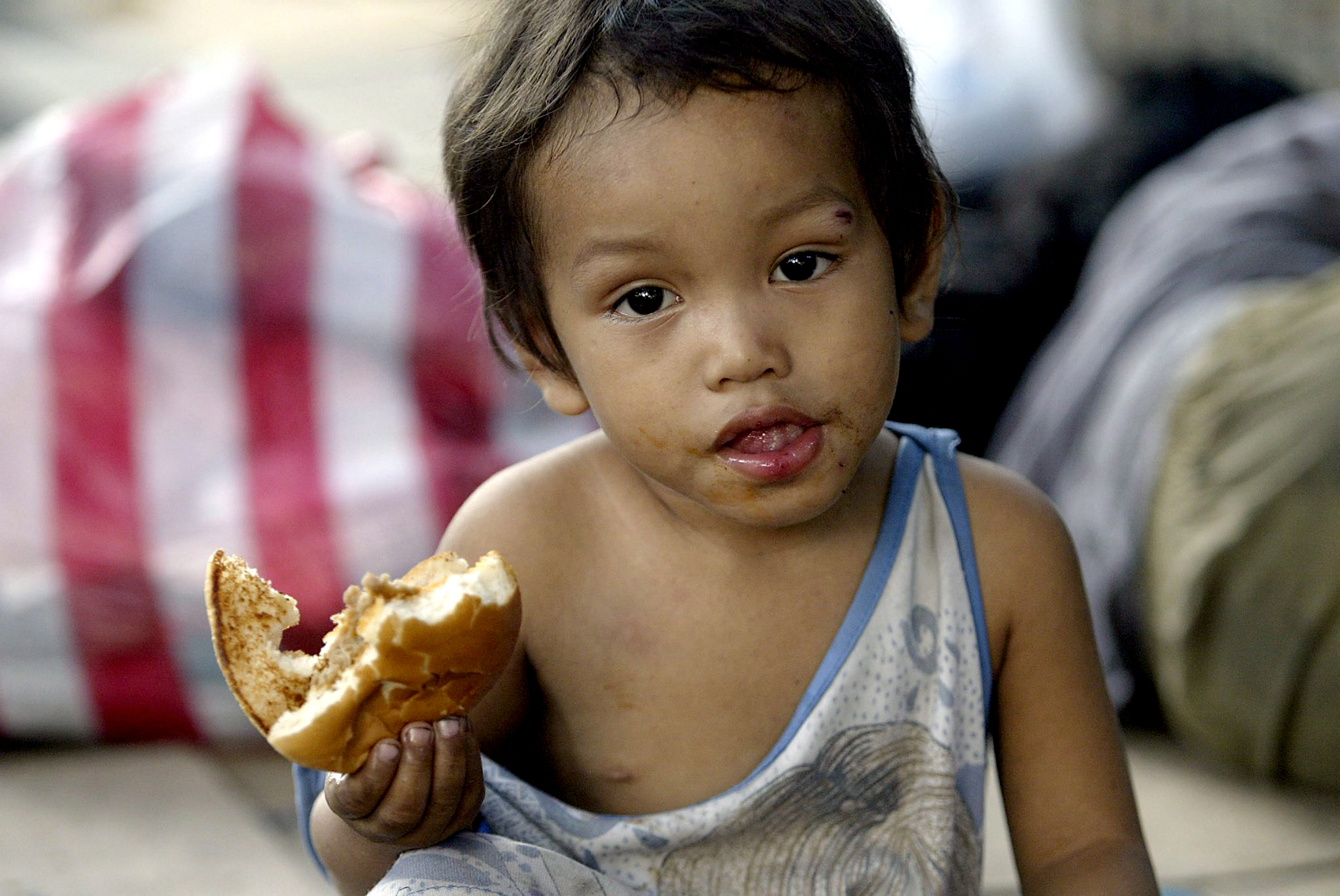
The financial crisis under way in the United States should remind us that the human person must be at the center of the economy, affirmed the president of the Pontifical Council for Justice and Peace, Cardinal Renato Martino, during a visit he made recently to Chile.
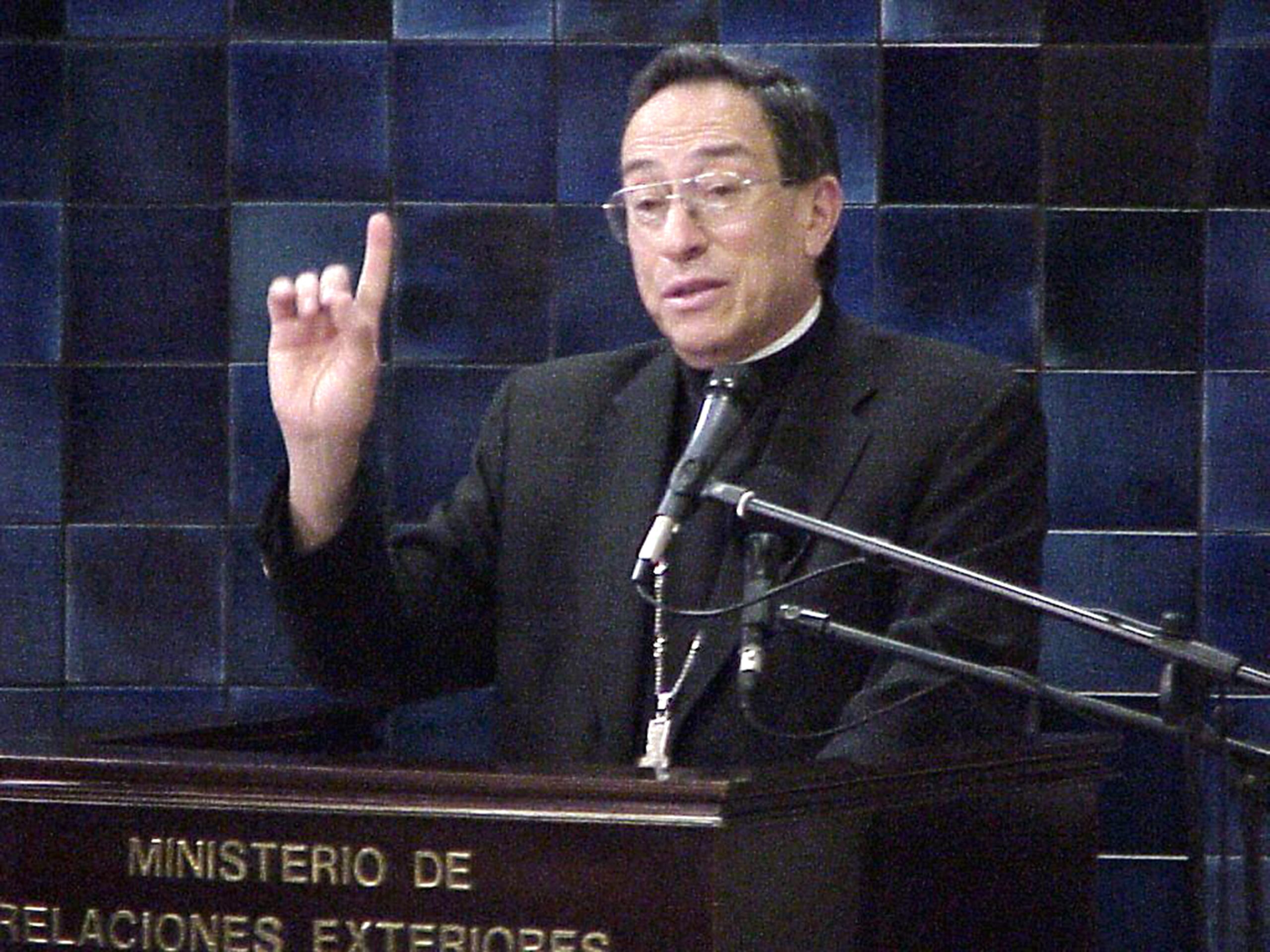
Caritas Internationalis president Cardinal Oscar Rodriguez Maradiaga has told the United Nations that a lack of leadership is delaying the achievement of Millennium Development Goals and appealed to leaders of industrial nations to lower carbon emissions. The Cardinal was addressing the summit on development and climate change at the invitation of UN Secretary General Ban Ki-moon. The Cardinal urged the world leaders to make “courageous decisions and fulfill past promises,” so as to achieve the development goals by the original deadline of 2015.
A Korean Catholic parish has donated over $100,000 or 15% of its annual income to build houses in Bangladesh and to provide food for people in Burundi. Pungam-dong Church in Gwangju (Kwangju), 270 kilometers south of Seoul, made the offer through Caritas Coreana. Fr. Thomas Koh Eul-sik and three of his parishioners went on purpose to Seoul to deliver the funds.

The only real growth registered in the current financial crisis has been “the commissions, profits of the banks and bonuses for the managers,” Italian economist Ettore Gotti Tedeschi says in an article in Vatican newspaper, L’Osservatore Romano.
Mathis Wackernagel knows better than most of the threats our planet is facing. The executive director of Global Footprint Network believes it is possible to study and solve our ecological problems. His non-profit organization, which works with everyone interested in sustainable development – from governments to corporations and NGOs like the World Wildlife Fund – has no magical solutions, just a well developed tool that is still being perfected. It aims to measure humanity’s demand on the Earth’s resources and the capacity of the planet to deal or not to deal with human activities.
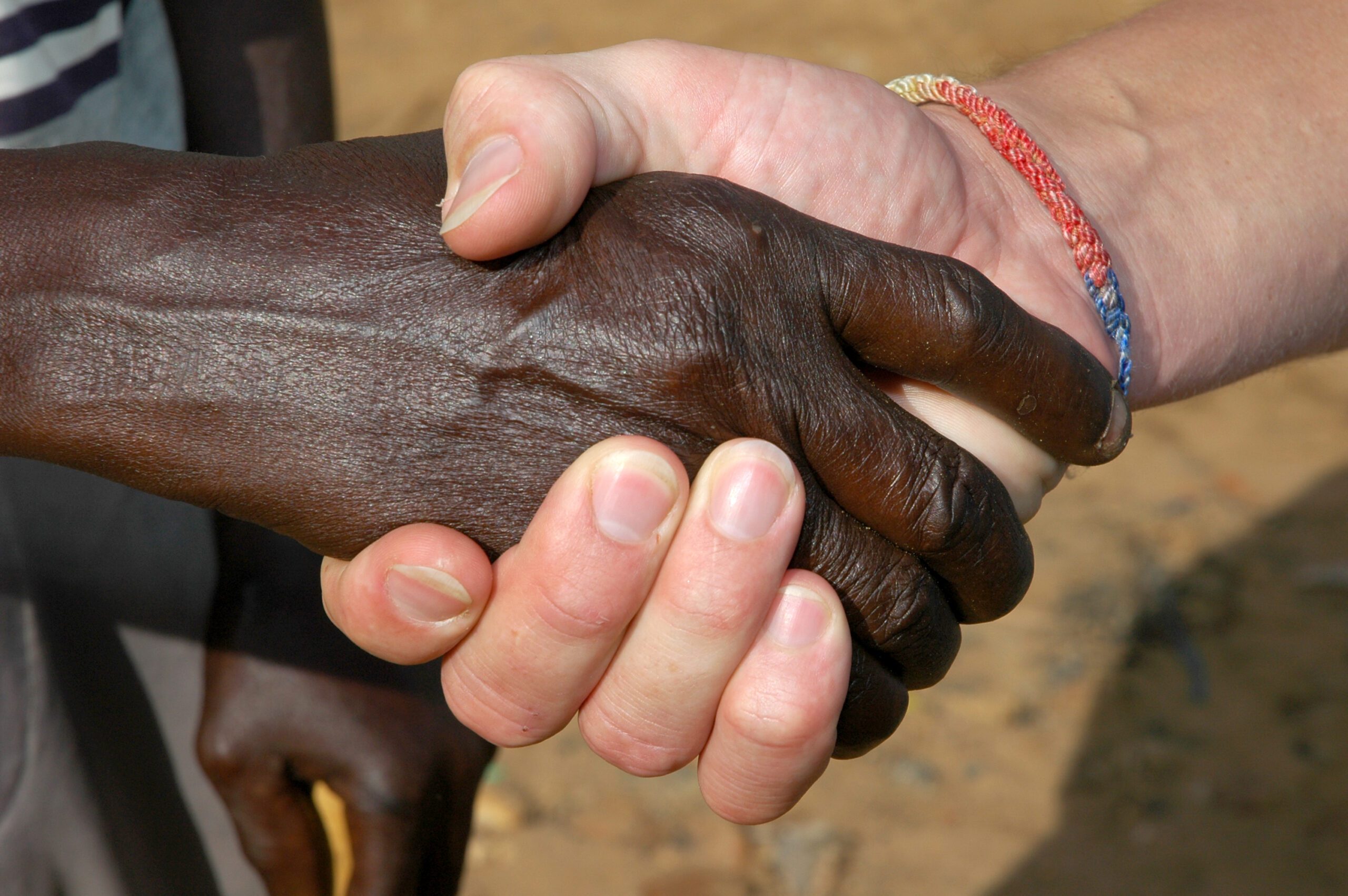
The selfless commitment of Christians of all denominations to live, risk their lives and suffer for the Gospel values, human rights and to live out the mission of Jesus Christ to save the poor and the oppressed from pain and exploitation inflicted on them by the irresponsible rich and powerful, is at the heart of Christianity. Hundreds of thousands of Christians are living this idea by serving the poor, the sick, defending human rights and taking a stand for social justice all around the world. They have given their lives throughout history and do so today for these sublime goals that raise humans to a level of nobility and spirituality.

“The righteous shall flourish like the palm tree: he shall grow like a cedar in Lebanon.” What the Bible tells us in the Psalm (92: 12) is just one of the many examples of the importance and the dignity that is attributed to a unique type of cedar: poetically, it is inviting us to have the some rectitude as a tree. Now, after many centuries of deforestation and, more recently, after decades of war, little remain of the magnificent Lebanese cedar forests. But it is in our hands to help in protecting them: we need to take part in the big internet voting campaign to select the seven wonders of nature and choose what is truly a natural symbol of Christianity.
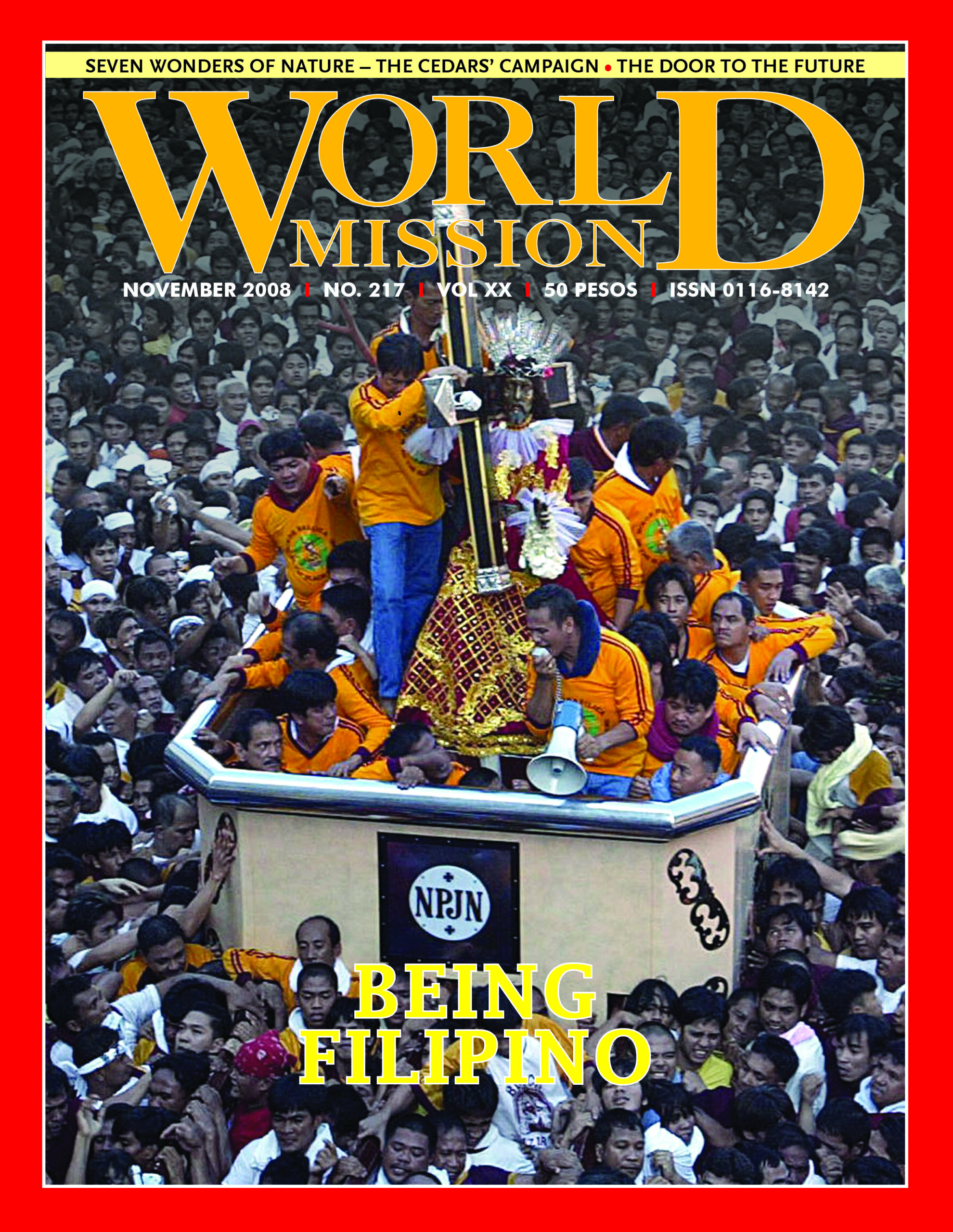
Over the years, the Filipino has continued to evolve as a global citizen but he/she also continues to carry the traits and characteristics that have made every Filipino distinct and, sometimes, inscrutable. But there is no denying that the so-called “globalized Filipinos” are among the most valued workers in foreign lands.
Excessive “devotions,” ritualism, external practices that do not transform behaviors, traditions that are very close to idolatry. Catholic Filipino religiosity is, above all, a popular Catholicism. And one that, in real and daily life, generally ignores the teachings of the Gospel. That’s why, according to a survey, the country is number one in religiosity, but also number one in corruption.
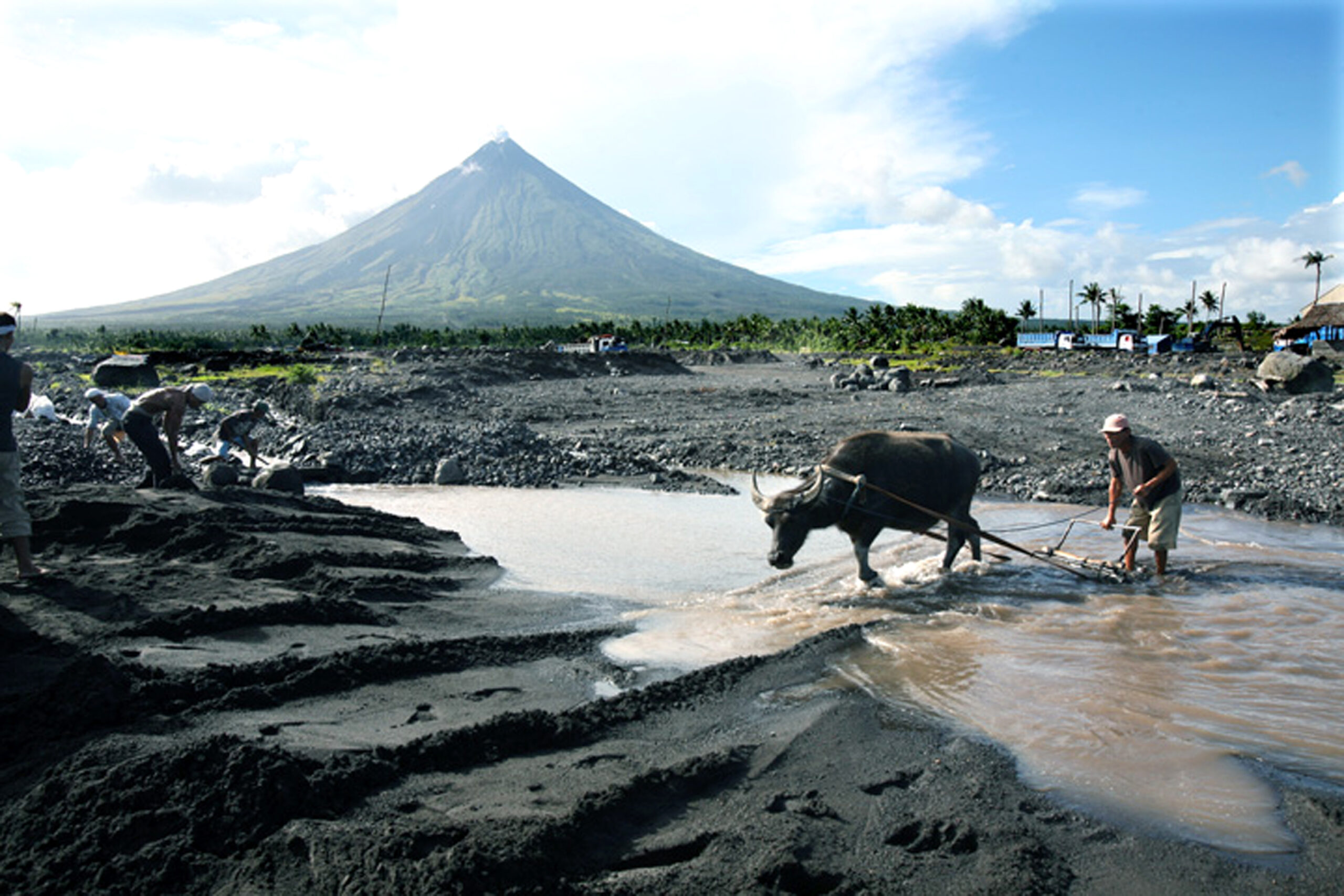
For the last 60 years, the Philippines has had problems with modernity.
One of the reasons is the absence of modern political parties with well-defined constituencies, thereby allowing networks like kinship groups to continue to serve as vehicles of political power. Banning dynasties from politics by legislation is not going to work unless there is, at the same time, a concerted effort to nurture stable vehicles of interest aggregation. Our people are fed up with our political elite – that’s the reason they are leaving the country.
But almost all of them are willing to return. A good reason to have hope.
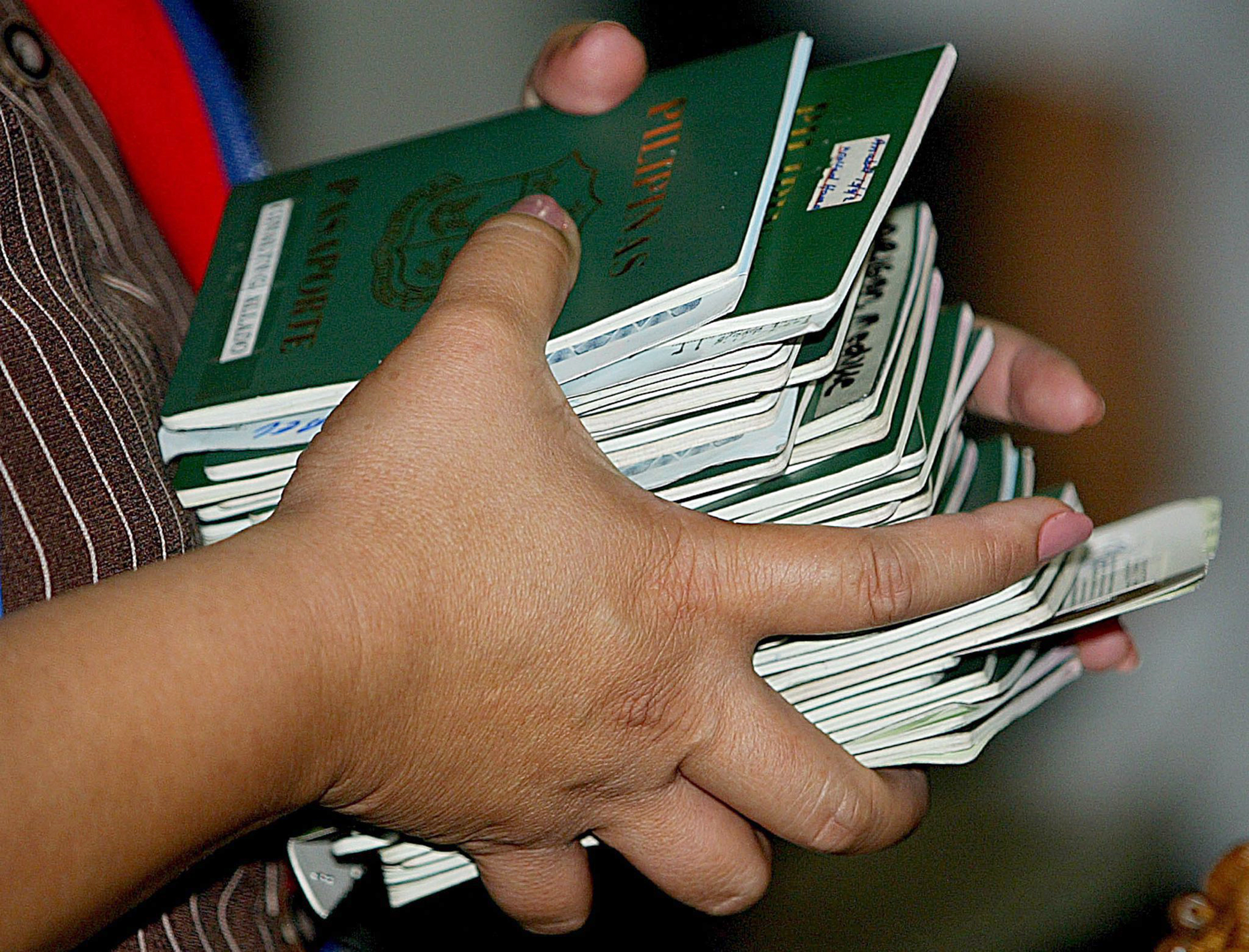
When 10% of a population is living abroad, its impact must be big not only on the over 8.7 million migrants but, above all, on the whole Filipino society – albeit they adapt well to foreign lands and take with them the essentials of their culture. Only last August, the president of the Catholic Bishops’ Conference of the Philippines warned that the magnitude of the process is putting a big stress on families. And there are also those who don’t feel at ease anymore when they come back, even for vacations.
The poor refuse to live in a misery not worthy of human beings: victims of exploitation, of wars that they do not understand and do not want. By the thousands, they prefer to leave their African countries and would rather die in an attempt to cross the Mediterranean Sea than to lose the hope or even a glimpse of a dream. Europe has to face this reality, more so because in the next decades, with the millions of eco-refugees that climatic changes bring, no amount of dams will be able to stop the human flood. Global solidarity is the door to the future.
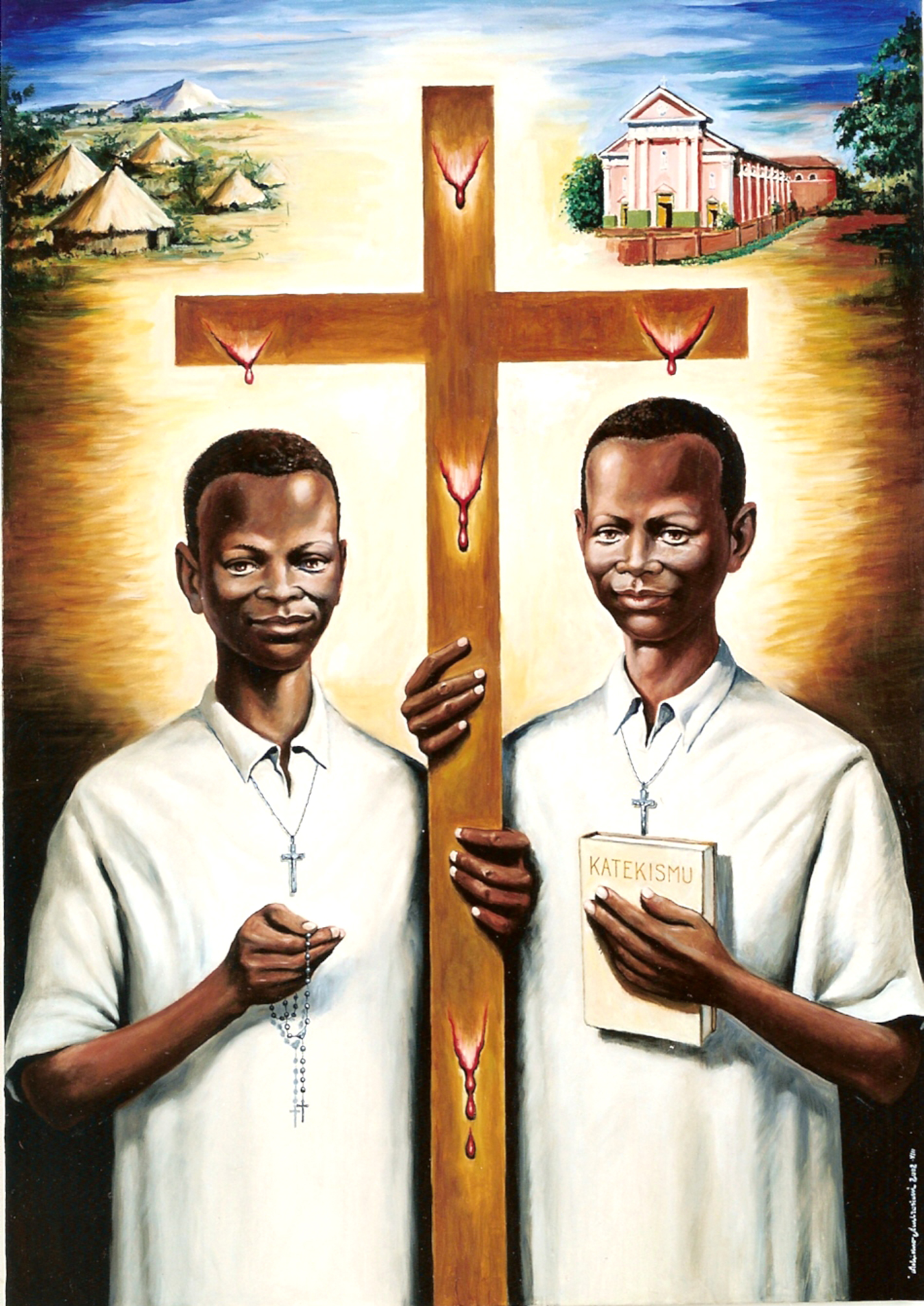
Few adolescents have the strength and the faith to answer the call and be a witness. In the beginning of the 20th century, Daudi Okelo and Jildo Irwa had it. In the Acholi region, they became very young but very active and respected catechists. When they were attacked because of sorcerers’ intrigues, they were only 18 and 16 years old. They both had the courage not to deny Jesus Christ and were killed. Their courage became a source of inspiration to the war-torn Northern Uganda.
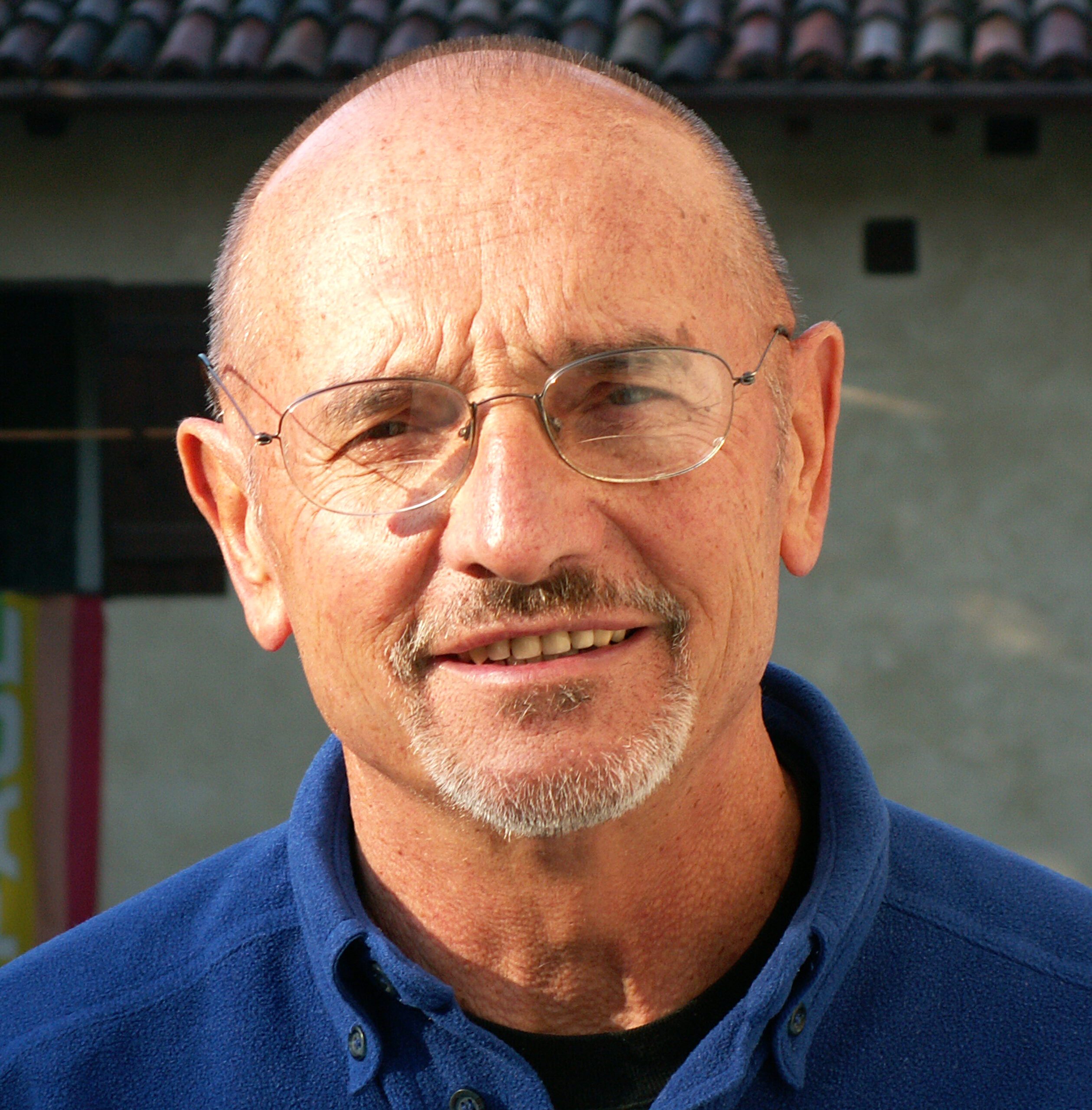
“I am sending you as lambs amongst wolves.”
(Read Luke 9:1-6 and Luke 10:1-24)
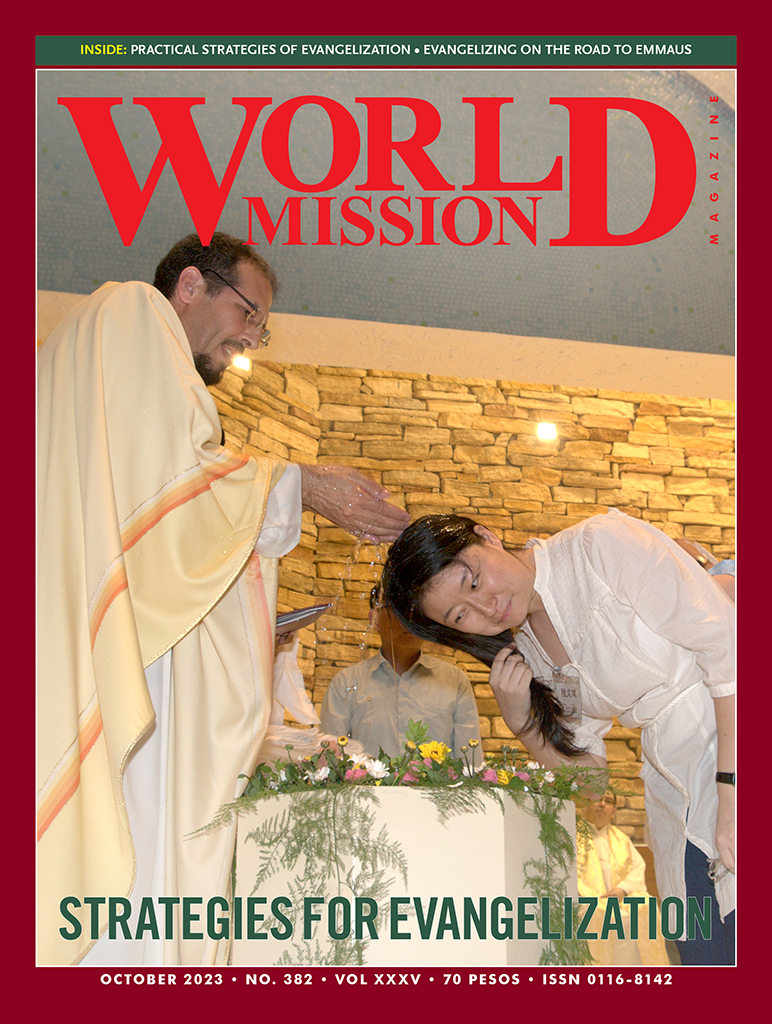
October 2023 Issue
The latest issue is reserved for paying Subscribers only.
