Editorial
Responsibility To Protect
“The international community cannot remain silent when so many lives are at stake and thus be an accomplice in all kinds of horror and suffering that are happening now − in Darfur!”


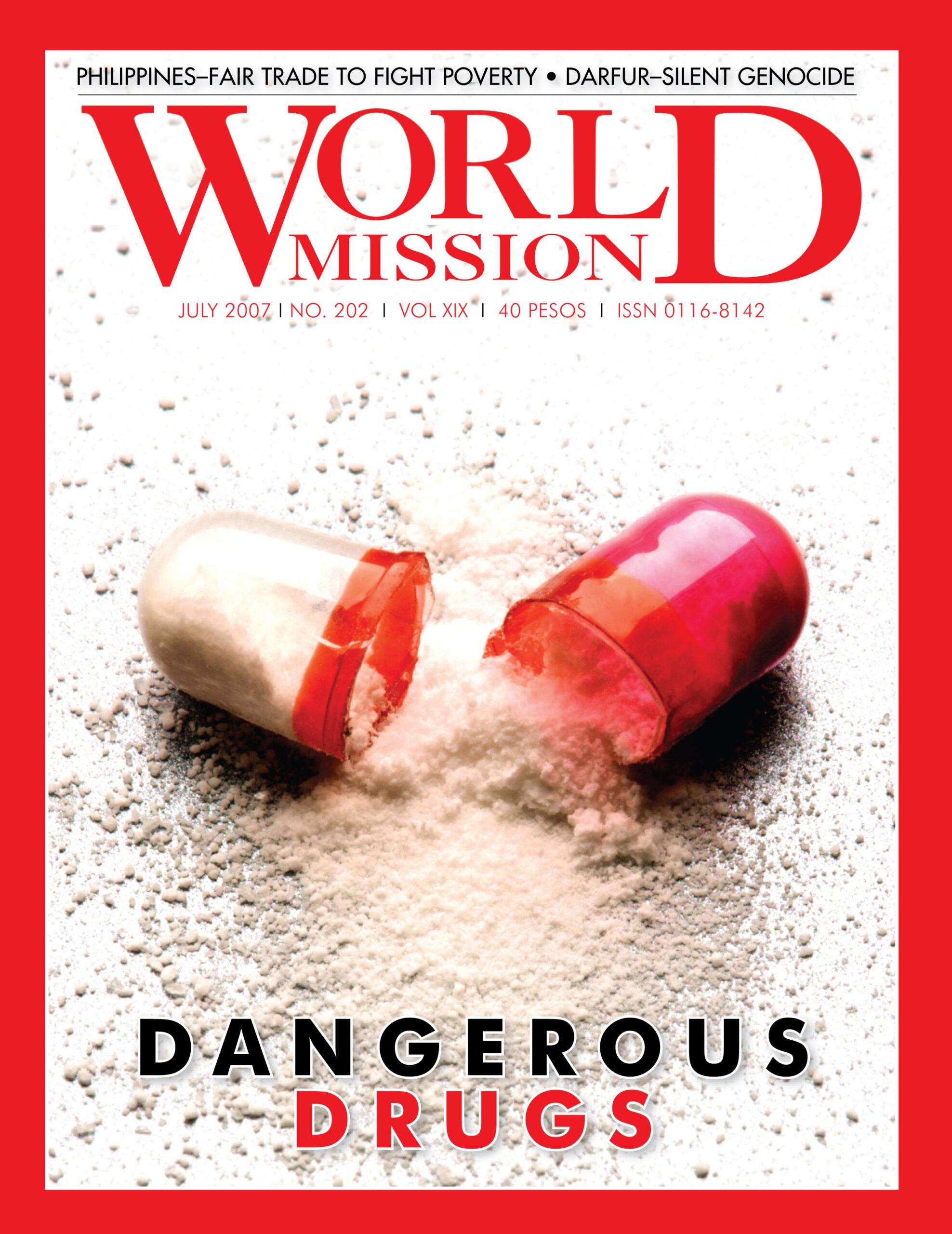
July 2007
“The international community cannot remain silent when so many lives are at stake and thus be an accomplice in all kinds of horror and suffering that are happening now − in Darfur!”
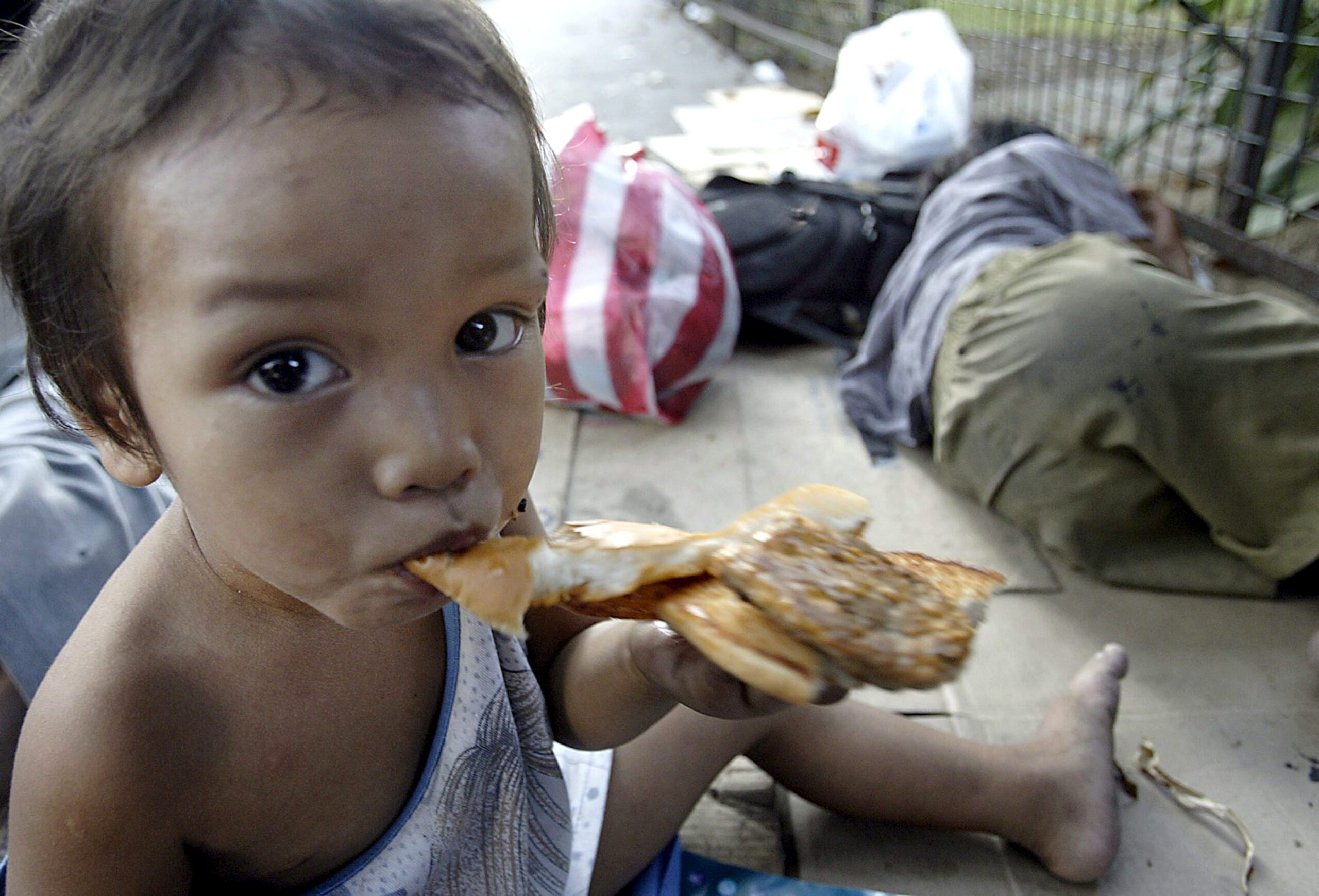
Benedict XVI said that in today’s globalized economy, there is no true development without solidarity. The Pope was addressing the 350 experts who came to the Vatican to discuss “The Growing Role of Emerging Countries in Global Competition: Economic, Social and Cultural Consequences.”
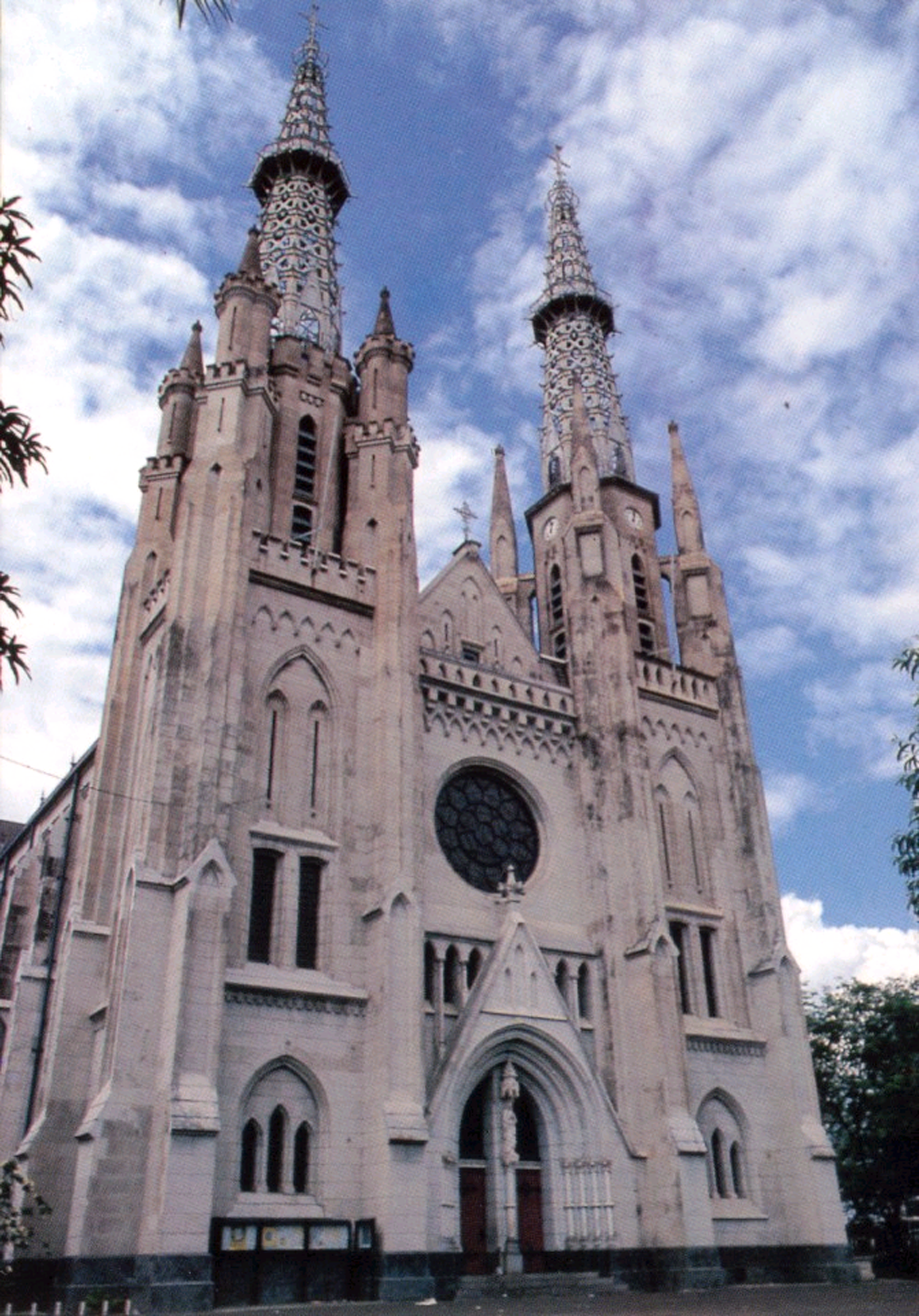
Promoting good moral values and a culture of peace are goals Indonesia’s Catholic Church has set for itself as it commemorated the 200 years since the founding of the Archdiocese of Jakarta. The bicentennial was marked in the capital by celebrations that saw the participation of top Church leaders as well as members of the Indonesian government, including President Susilo Bambang Yudhoyono, who expressed his appreciation for the contributions of the Catholic Church to the social development of the country.
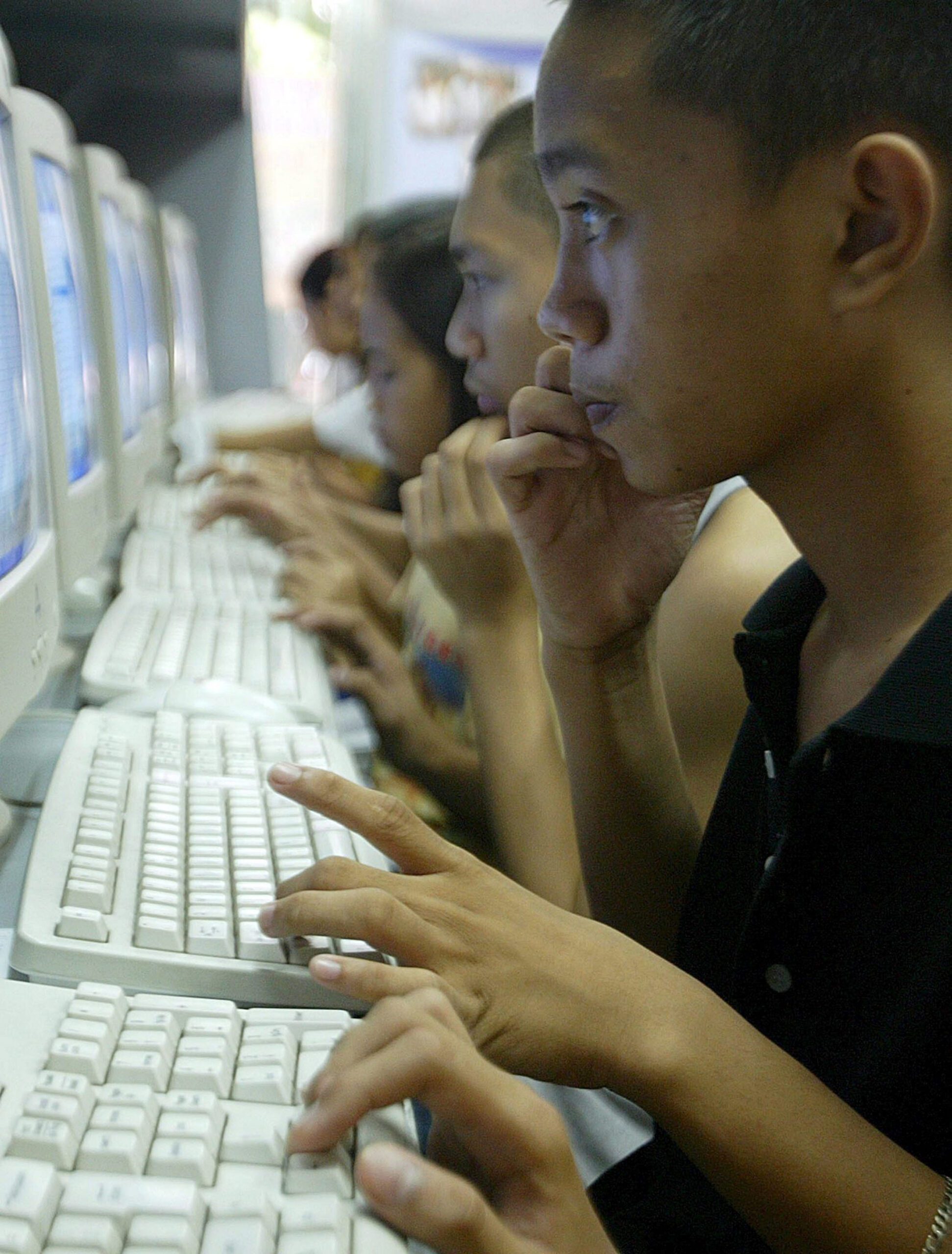
Caritas Manila, the social service agency of the Archdiocese of Manila, wants to educate 10,000 poor students by 2010 as part of an ambitious plan to help 300,000 families in the Filipino capital.
The government of Timor Leste (East Timor) has awarded the Dom Martinho da Costa Lopes Medal to several deceased Catholic clergy and Religious in recognition of their contributions to the liberation of the country. The honor, named after the late administrator of Dili diocese, its first native prelate, was conferred posthumously on Monsignor da Costa Lopes himself; Father Hilario Madeira of Dili diocese’s Nossa Senhora de Fatima (Our Lady of Fatima) Church in Suai; Father Mario do Carmo Lemos Belo, former vicar general of Baucau diocese; local Canossian Sister Maria Celeste de Carvalho; and Italian Canossian Sister Erminia Cazzaniga.
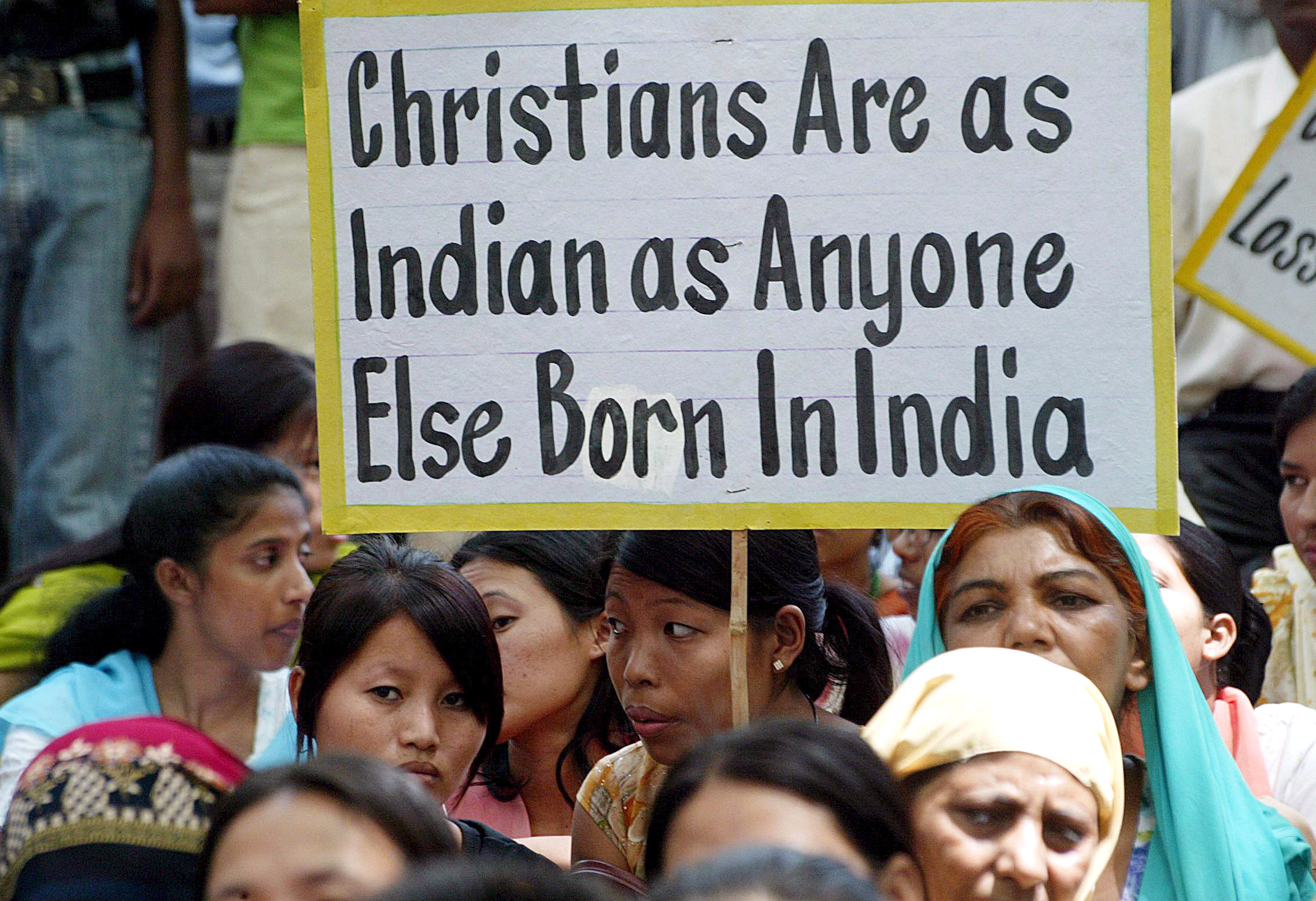
Rising anti-Christian violence “is irrational and greatly harms the country’s development. It projects an image of an illiberal and fascist India which, in the long run, will destroy everything its people has created,” Msgr. Oswald Gracias said. As he talks about the recent big demonstration by Christian groups in protest against religious intolerance, the archbishop of Mumbai (the prelate who chairs the Indian Bishops’ Conference) does not mince words. Indeed, the latest events “have shown that India’s Christian community can no longer remain silent if it wants to ensure the safety of its members. I express my closeness to the demonstrators,” he explained. “Even though I could not be there in person I want to join my voice to that of all those who are demanding that the government protect minorities and safeguard citizens’ human rights.”
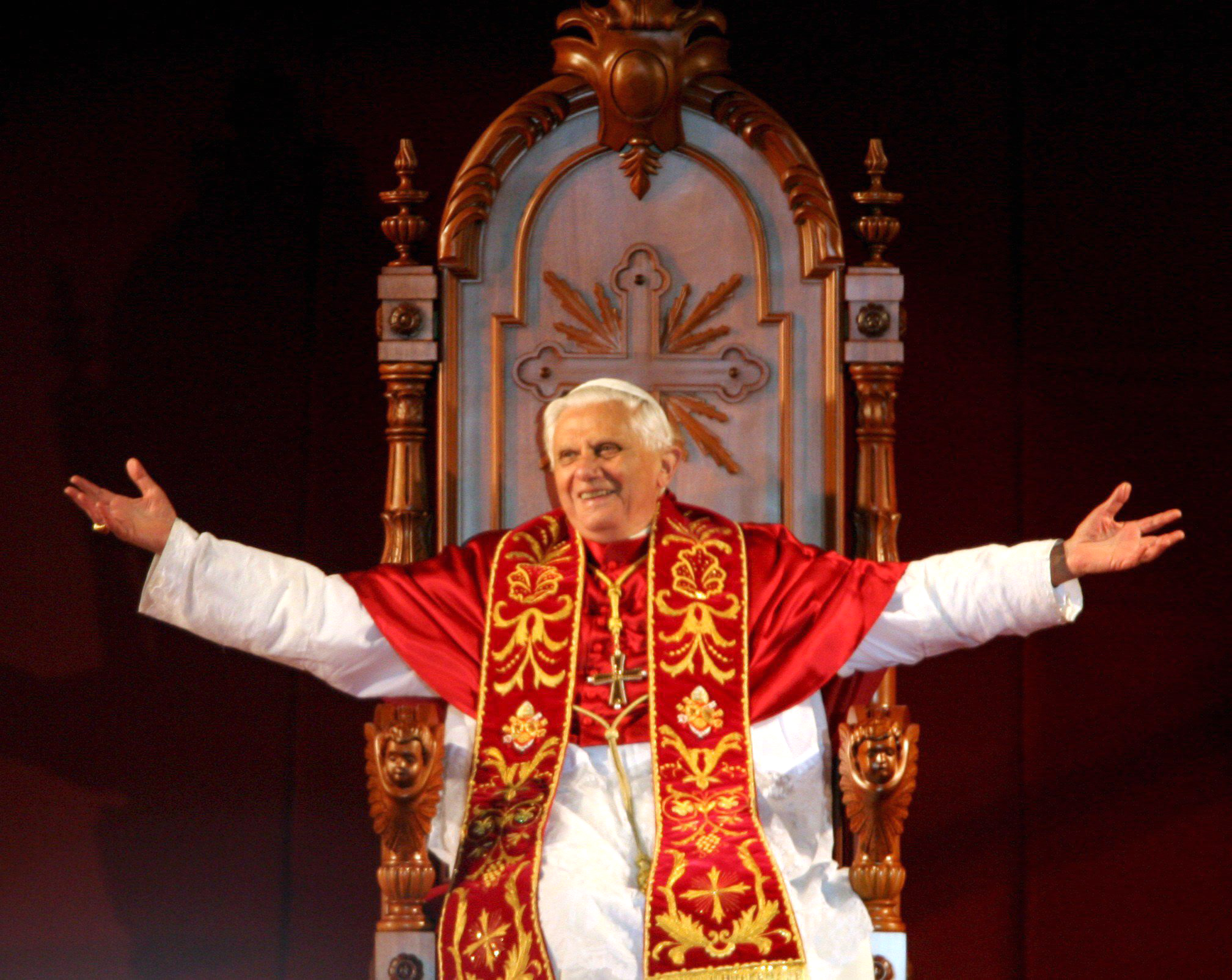
A year after Pope Benedict merged it into the Vatican Council for Culture, Holy See Secretary of State, Cardinal Tarcisio Bertone has announced that the Pontifical Council for Interreligious Dialogue will be restored in its own right.
Hundreds of thousand of sacred places will be integrated in a UN-backed network in order to preserve threatened wild species, announced the English newspaper, The Independent. It explained the reason of the initiative of the United Nations Development Program, similar to the one that UNESCO took when it was necessary to save Abbu Simbel’s temple (Egypt), which would come to give origin to the creation of the famous label World Heritage, which today classifies and protects hundreds of cultural and natural sites all over the world: The great religions, according to an Atlas recently published, own over 7% of the habitable land of the planet; and those sacred places, in many cases protected by spiritual traditions, are privileged “habitats” for fauna.
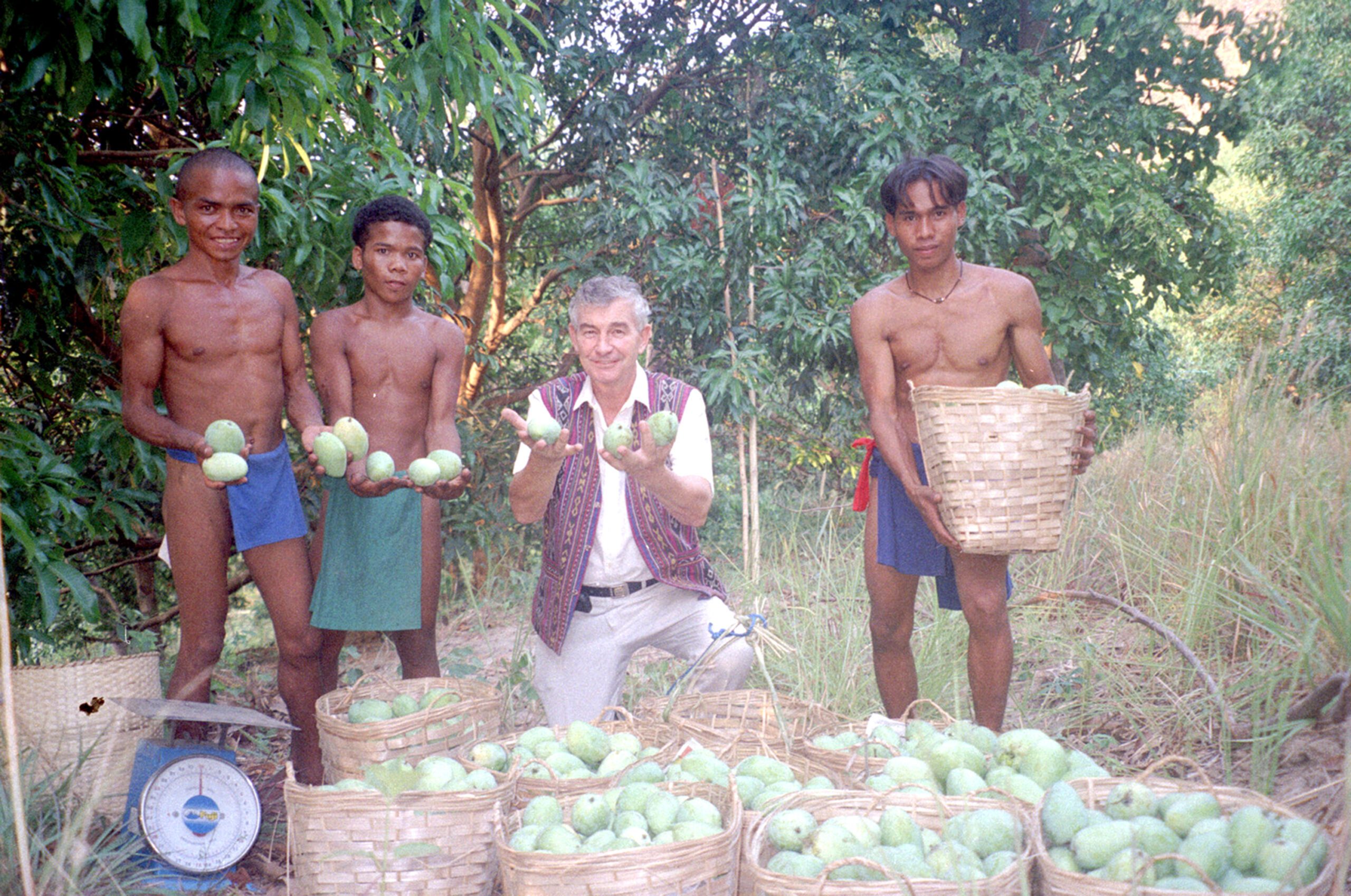
Practicing and promoting Fair Trade has become a vital mission for the dedicated Filipino development workers at the PREDA Foundation. As Christians, we have to save children from brothels, to rescue enslaved workers and to fight the fruit cartel that makes the fruit producers poorer and poorer.
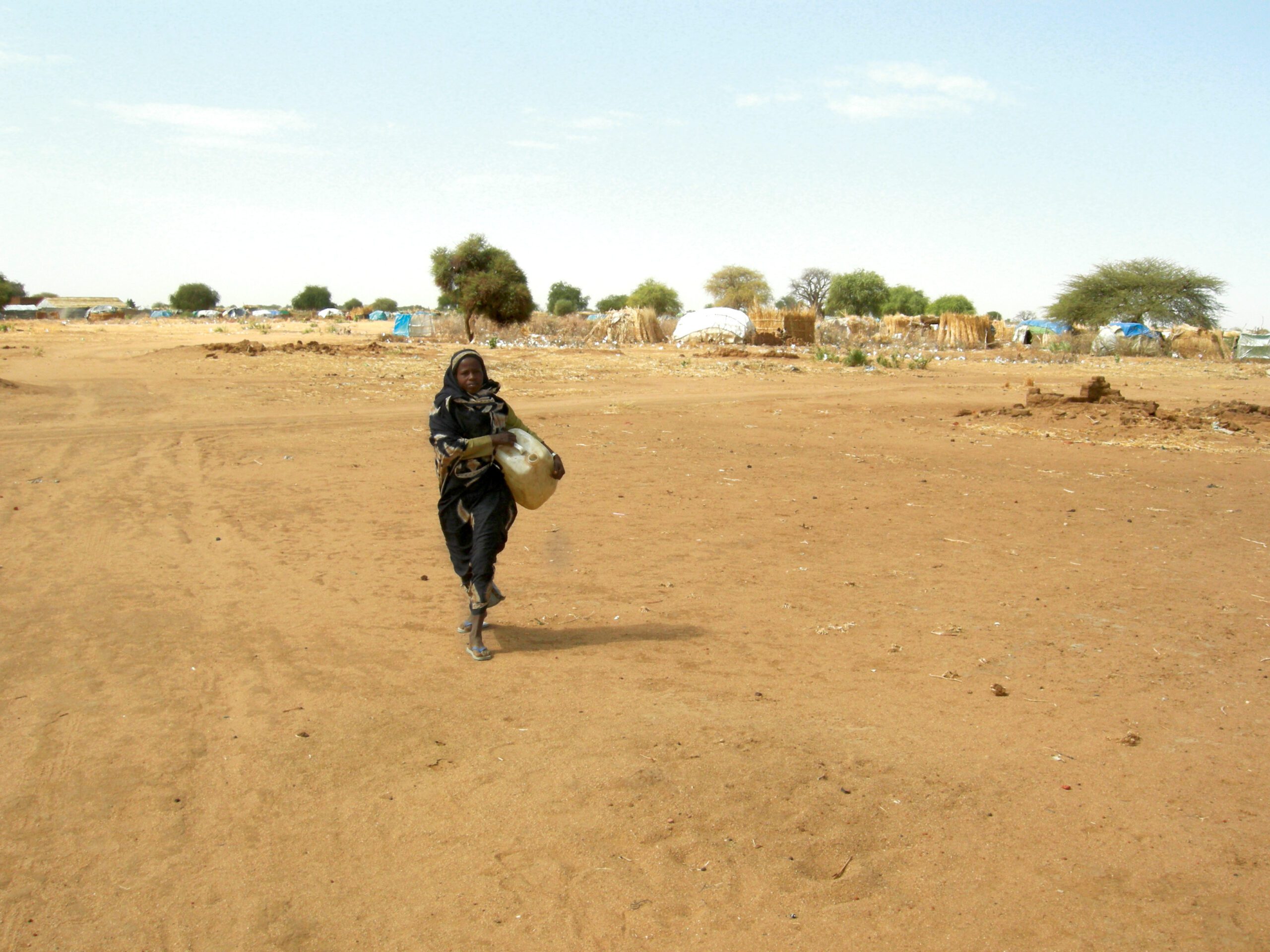
They are Sudanese who seem to have been forgotten
by the domestic and international communities. In Khartoum, there is indifference to what is happening in the area which borders Chad. Without being importuned, government warplanes continue to bomb villages. The United Nations and the superpowers remain silent. In the refugee camps, the situation is desperate. Some people fear a worse genocide than the one of Rwanda.
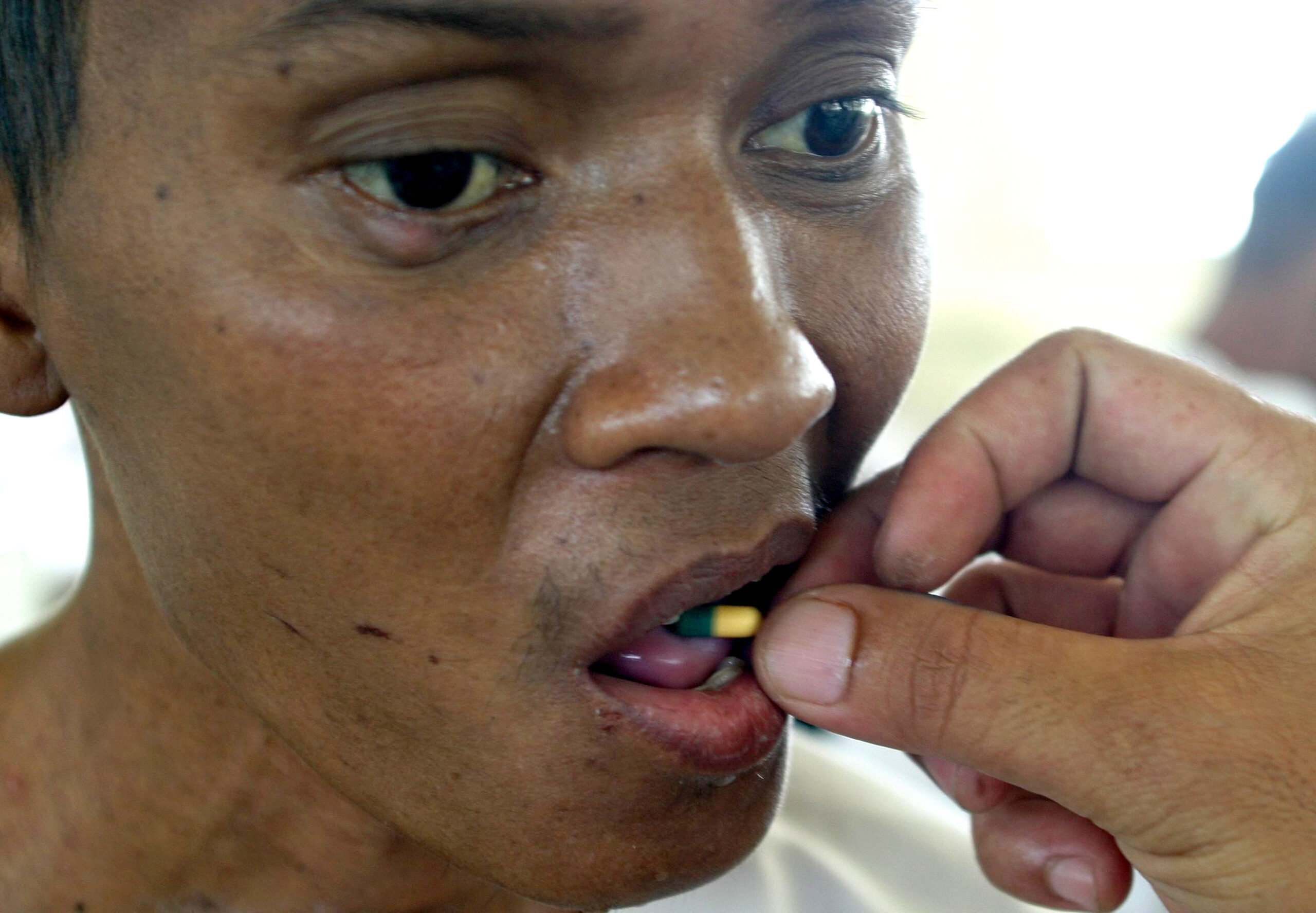
“Pirated” medicines are proliferating and are putting the lives of millions of people at risk. Medicines, because they are necessities, are getting more expensive and becoming easy targets for unscrupulous activities of organized crime groups. Fake drugs already ranks fourth among the more common counterfeit activities. While multinationals keep mum so as not to alarm consumers in rich countries, families in Africa and Southern Asia buy smuggled medicines at much cheaper prices, sometimes at the cost of human lives.
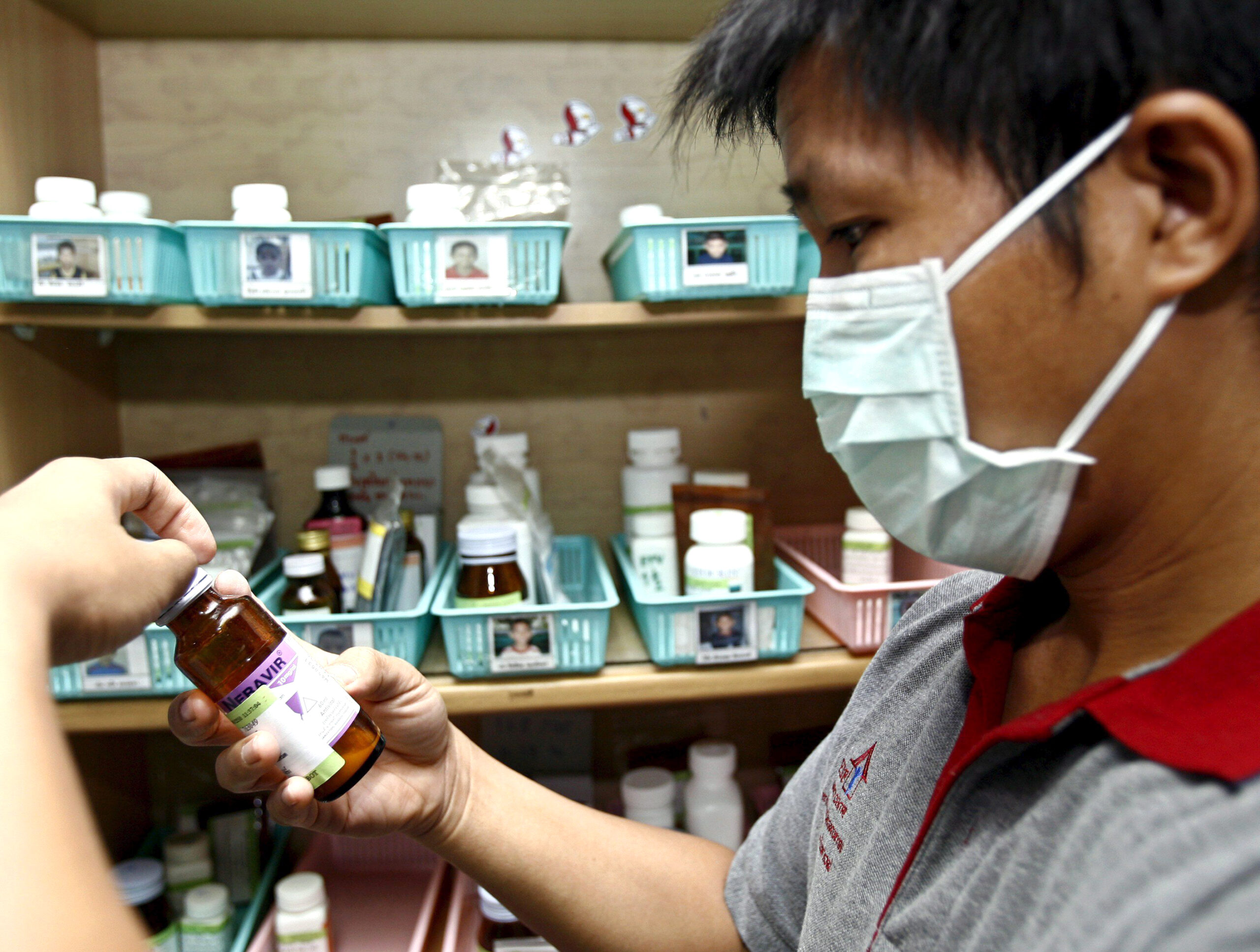
The poorest of the poor countries are being used by the pharmaceutical industry to test their drugs, in exchange for some treatment and some money. The human guinea pigs are putting their health at risk and, if approved, the new medicines are not even affordable to them.
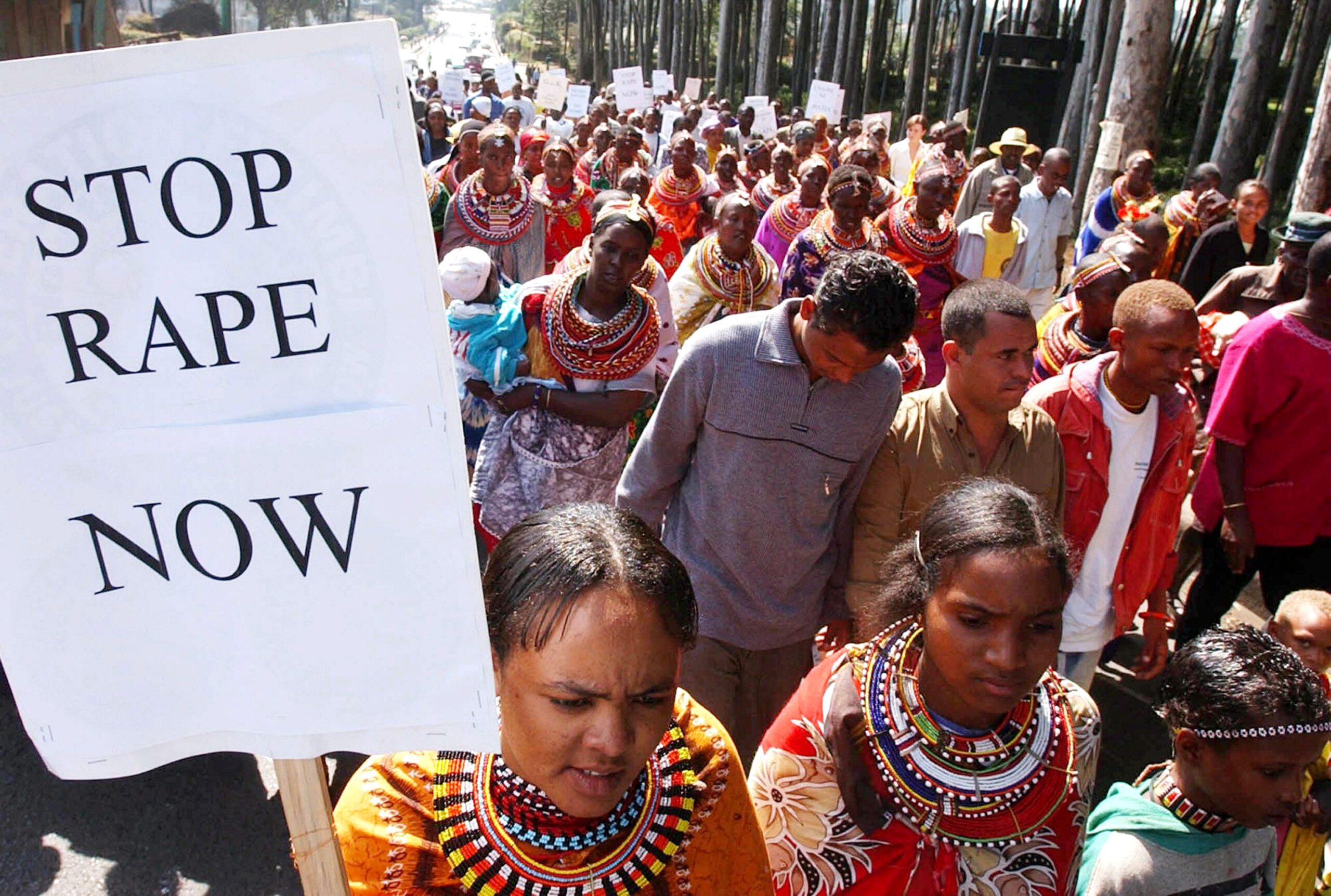
In Kenya, in the area where flowers sold in several world markets are produced, sexual offenses have become a plague. A woman decided to fight this kind of crime. And she says it is possible to eradicate it – if people dare to break their silence.
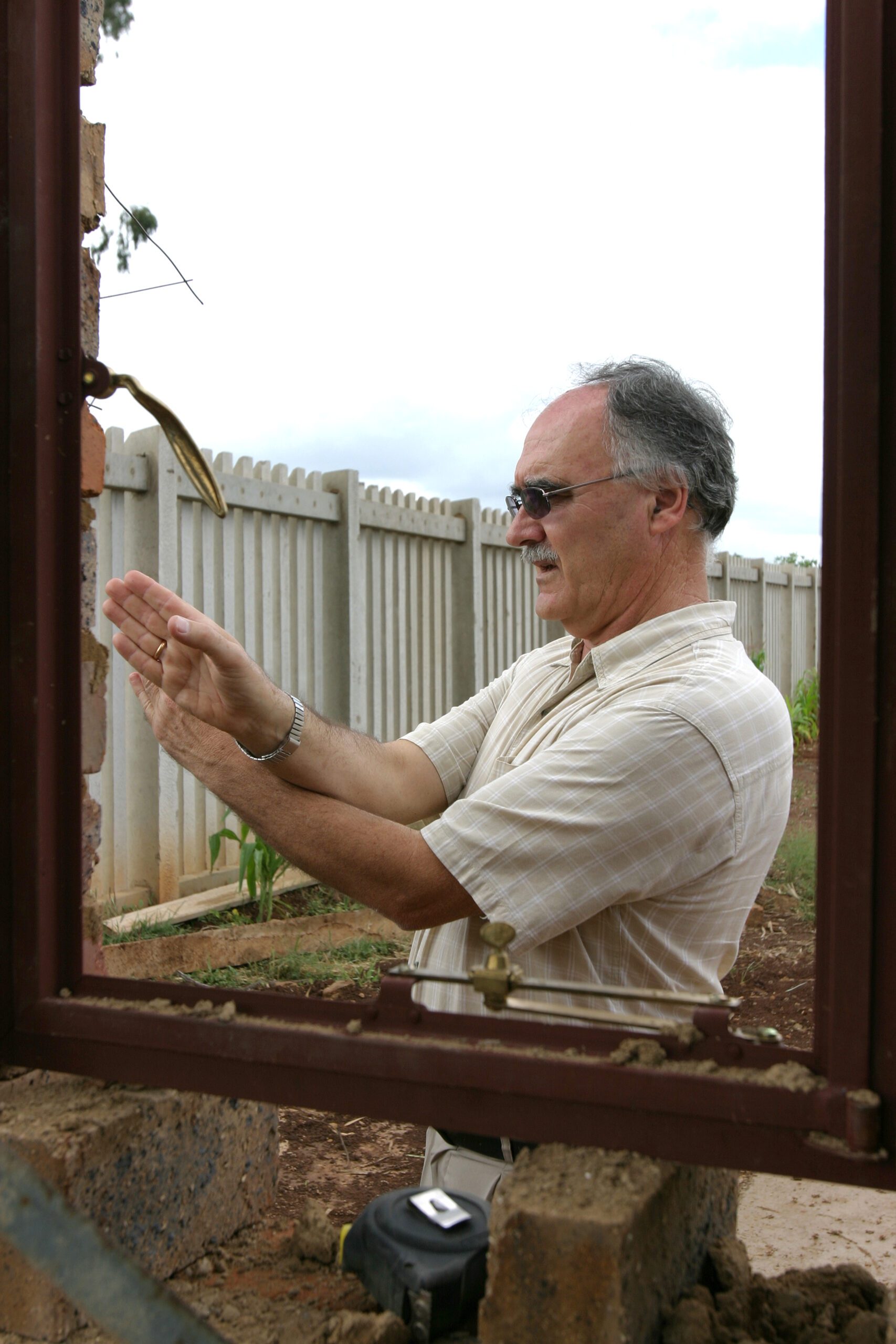
Father Francisco de Medeiros, known as Fr. Chico, has been working in South Africa for 15 years – in different places with varied challenges. At the beginning of this year, he leapt from an urban Babel of languages, cultures and religions to a rural mission bordering the jungle. A sort of an SOS missionary, he is always ready to be called at any time for any emergency.
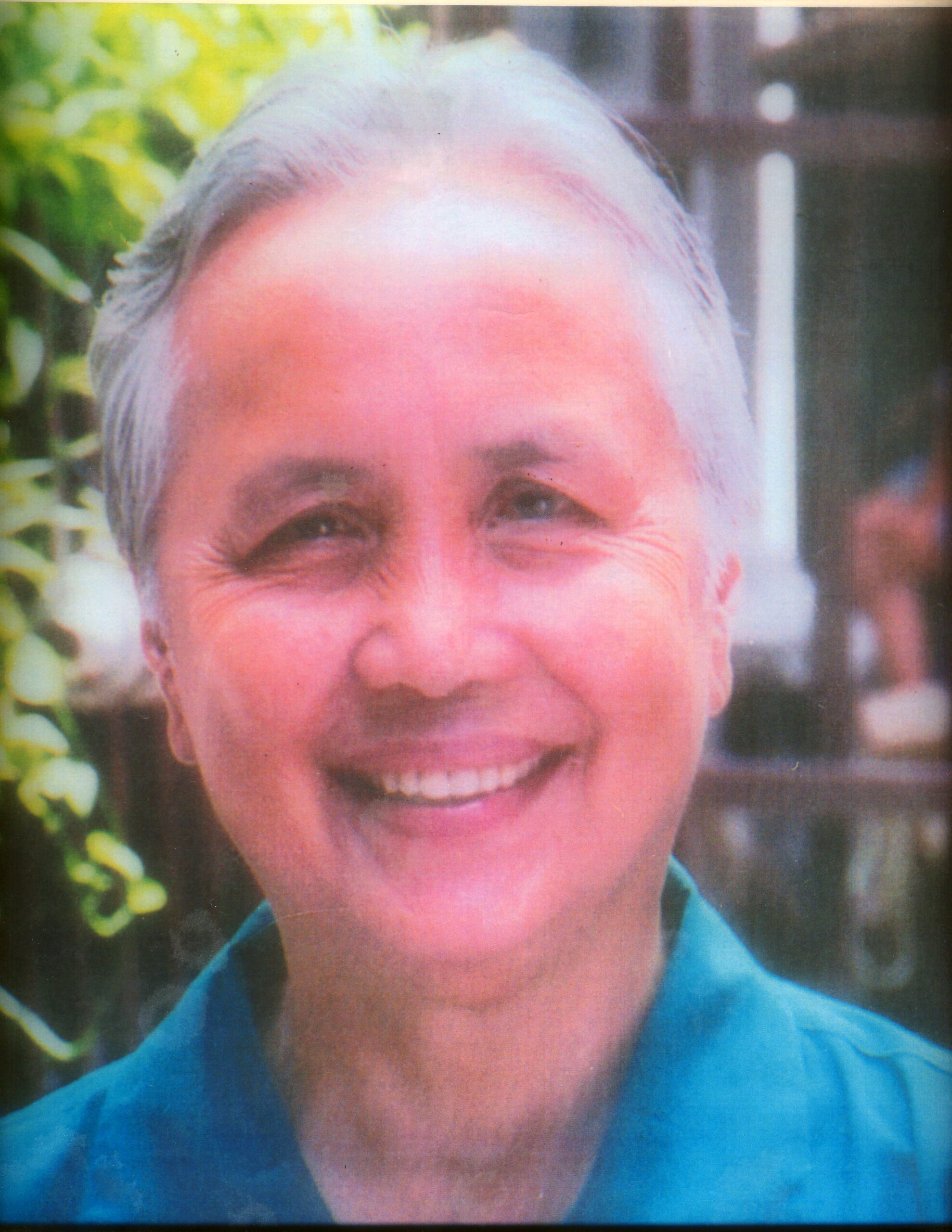
Sister Mary Christine Tan was a human rights advocate, a nationalist activist, a religious leader but, above all, she was a true friend of the poor. Shortly before dying, she said that, in prayer and in the poor’s bosom, she had found “the pearl of great price.”
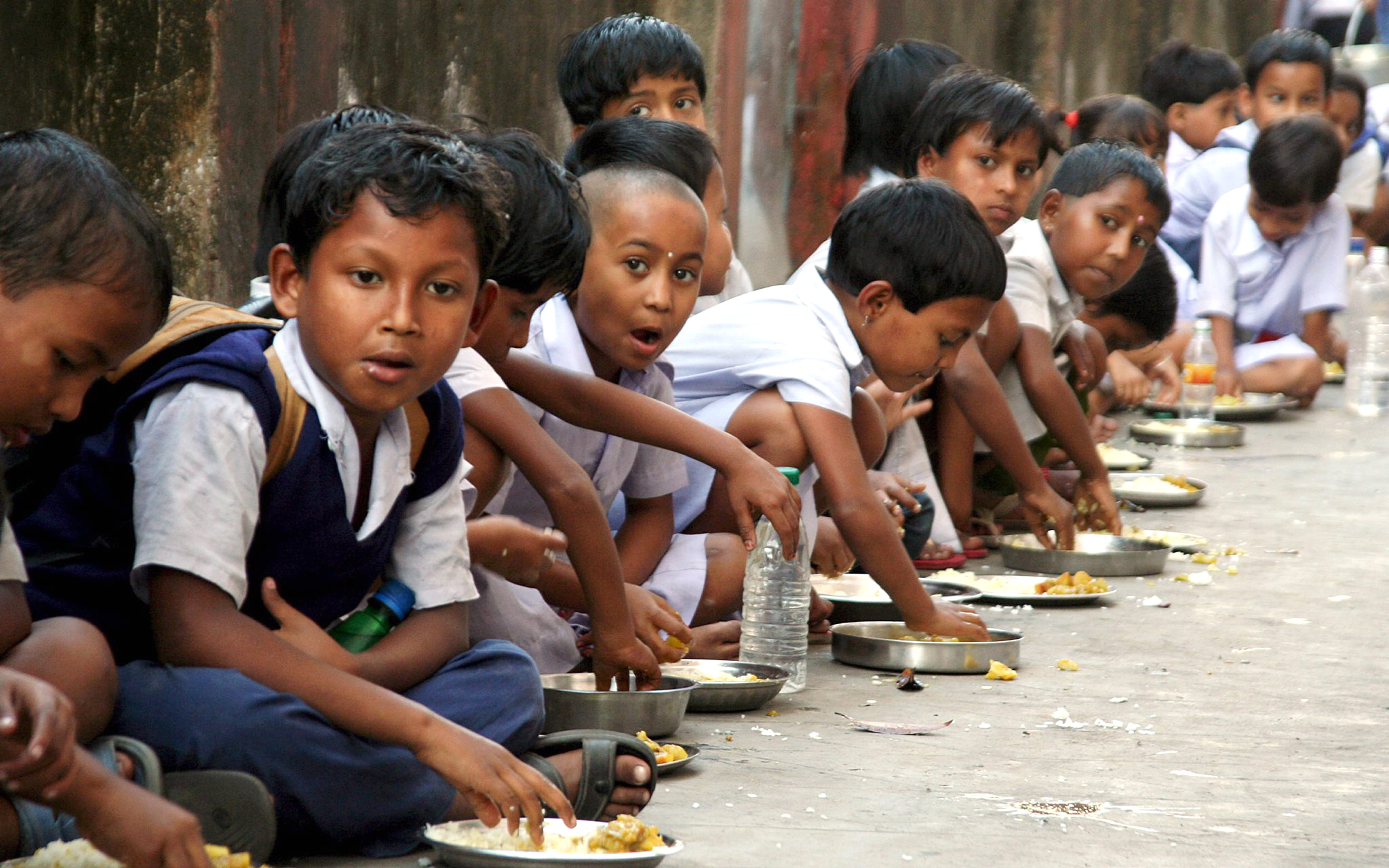
There has been one more G8 summit, gathering the world’s most powerful leaders. Some more rhetoric moments.
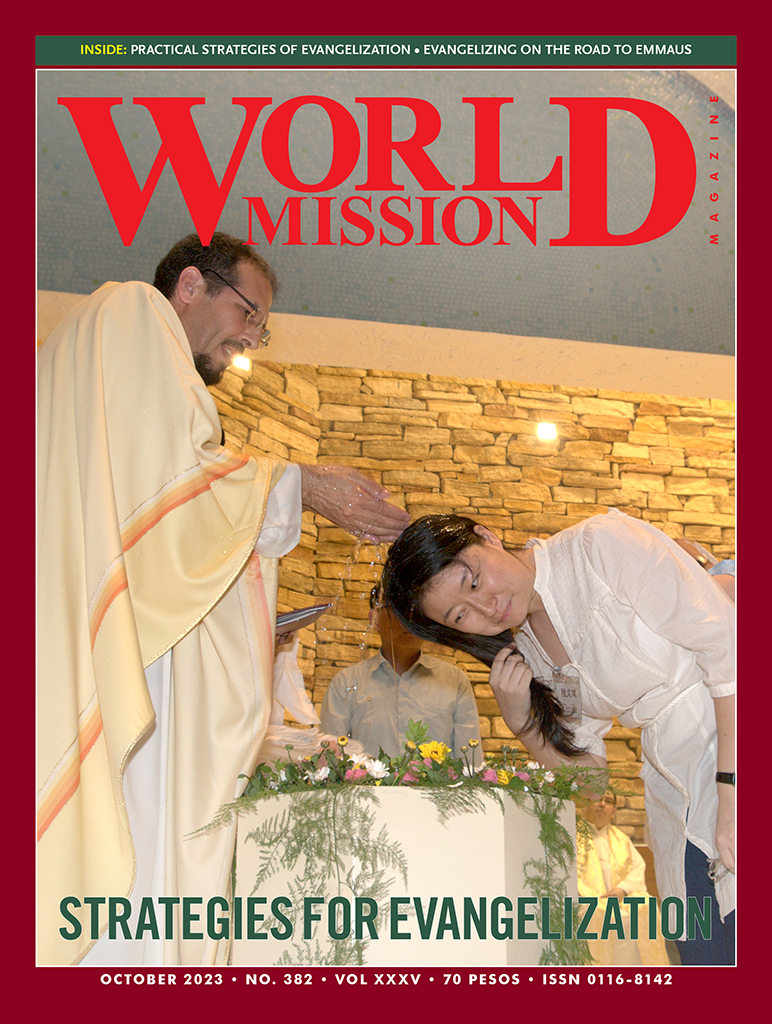
October 2023 Issue
The latest issue is reserved for paying Subscribers only.
