Editorial
Joyful Austerity
“For Christians Self-Limitation In Use Of Goods And Generosity In Favor Of The Needy Are Good Ways To Be Salt Of The Earth And Light Of The World.”


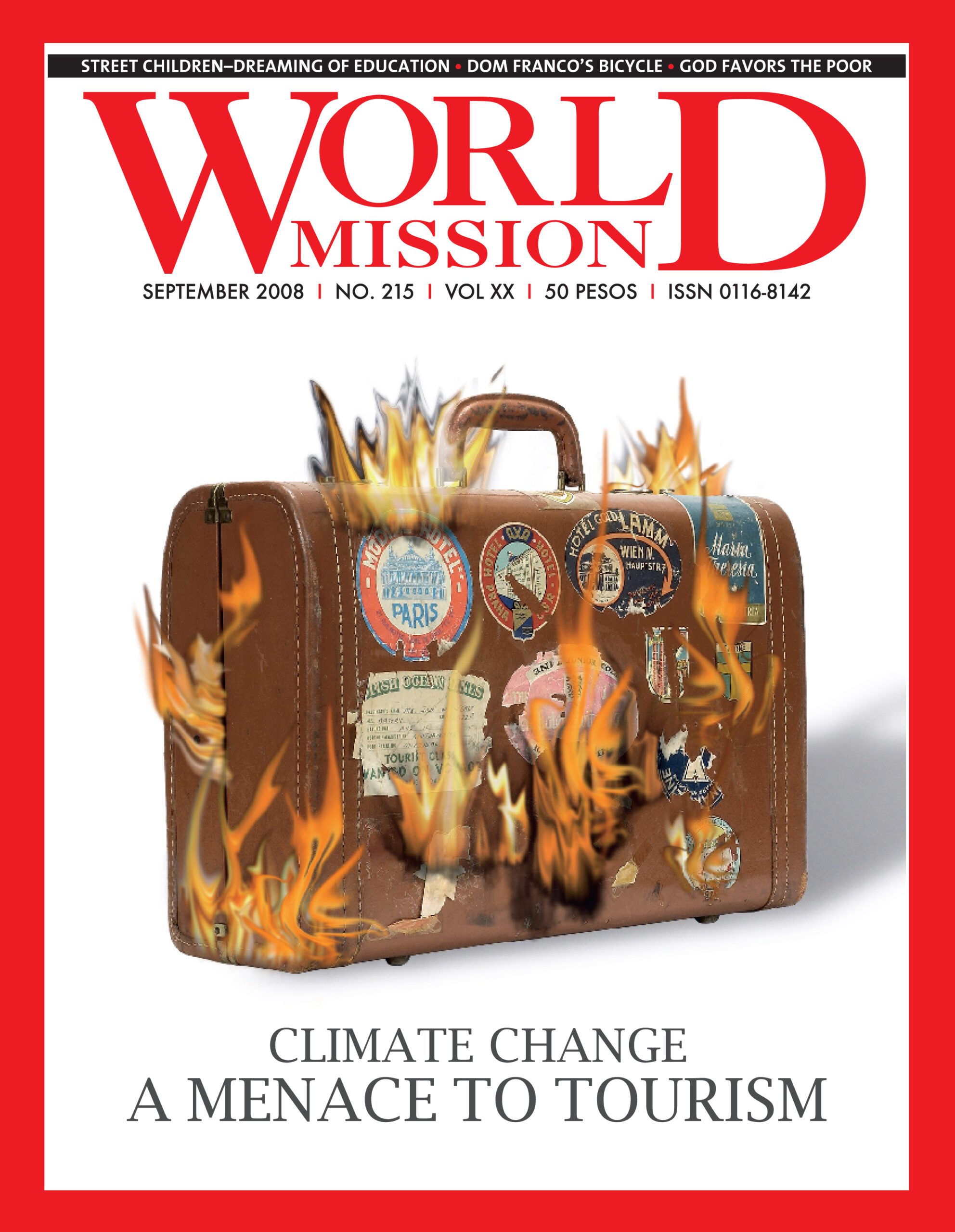
September 2008
“For Christians Self-Limitation In Use Of Goods And Generosity In Favor Of The Needy Are Good Ways To Be Salt Of The Earth And Light Of The World.”
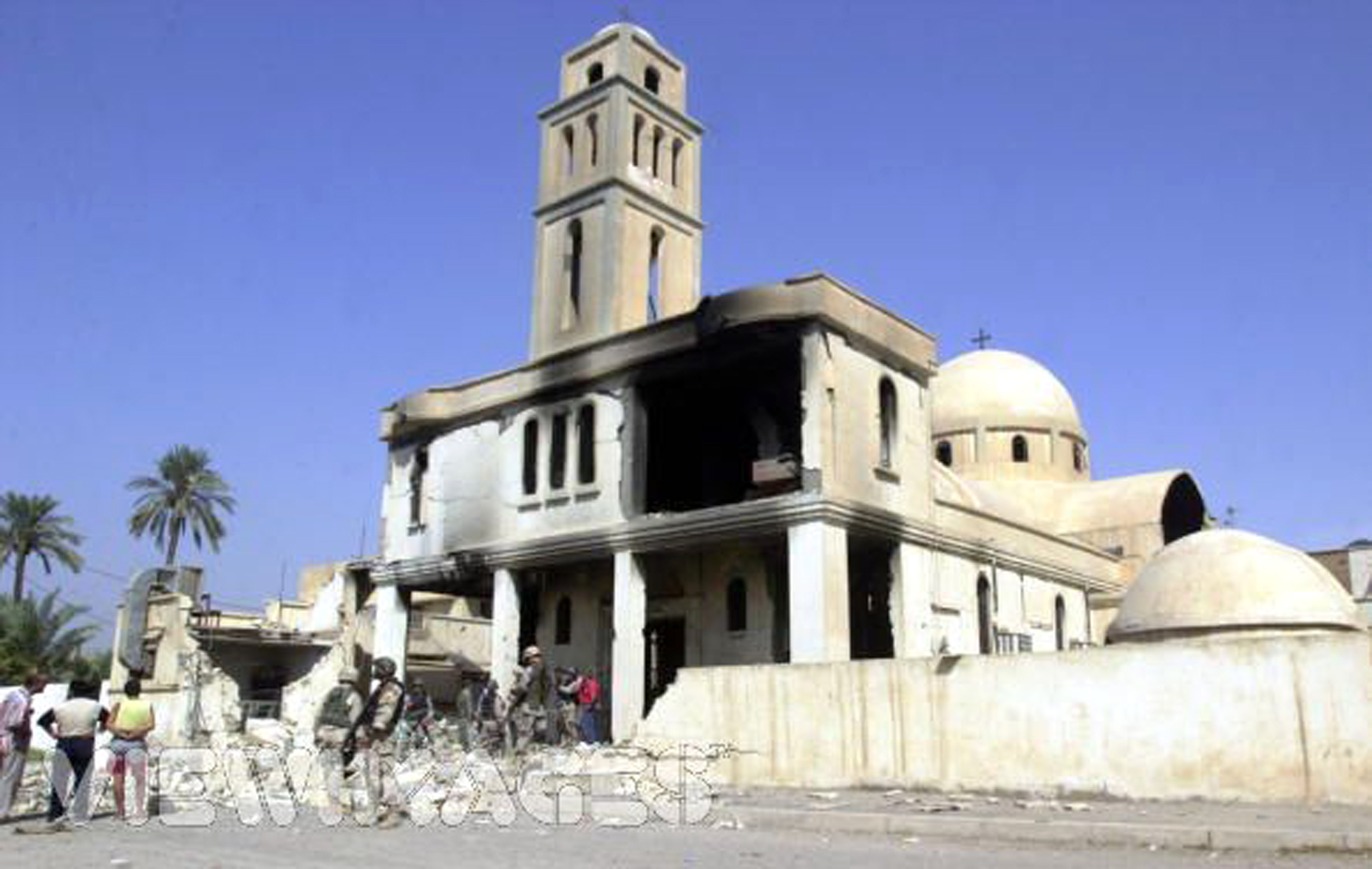
The Christian communities of southern Iraq launched a campaign for the restoration of churches that have been damaged due to negligence and the war.
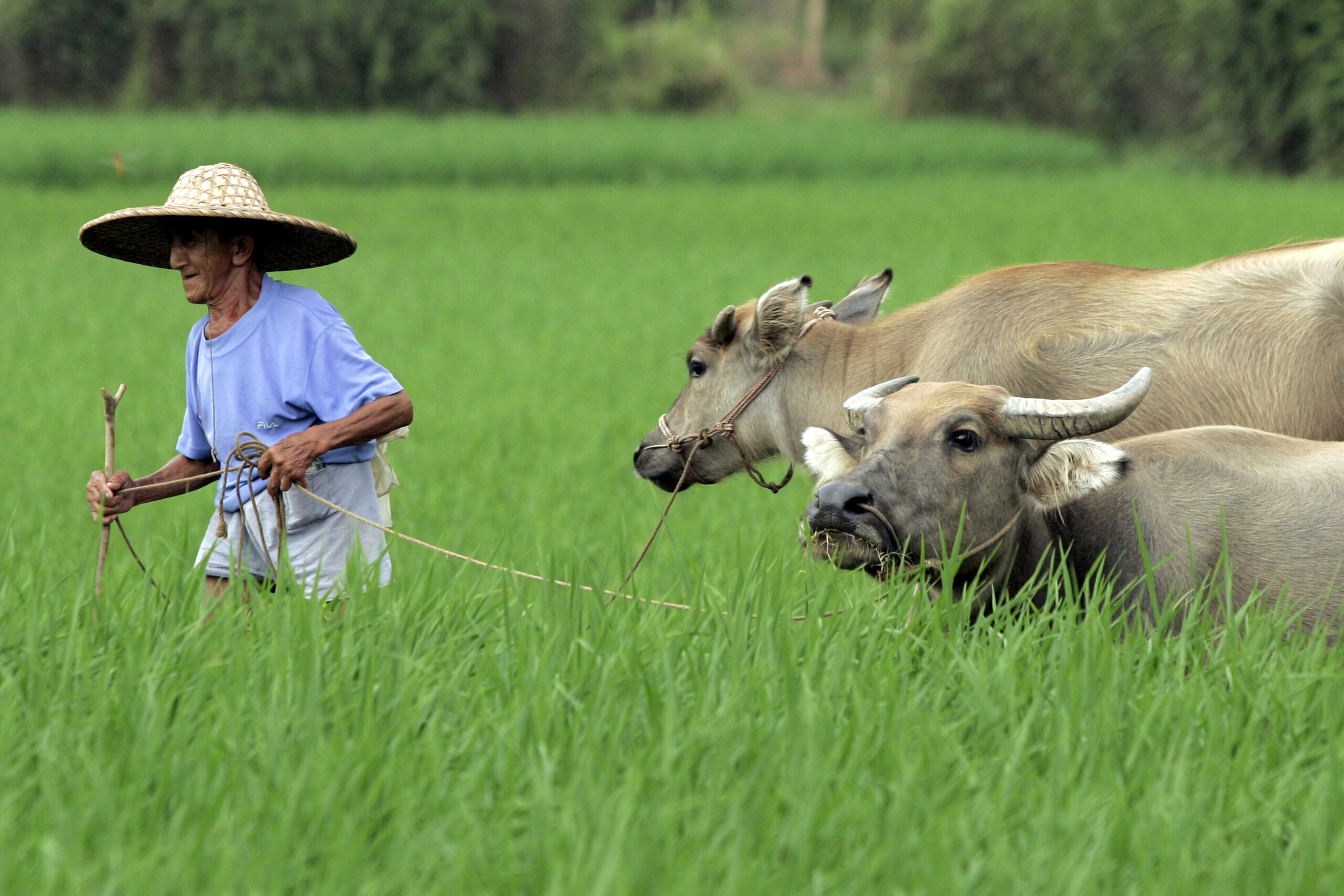
“The structural solution to the problem of world food security is an increase in productivity and production in the low-income food-deficit countries. This would require, in addition to official development assistance, innovative new solutions. To this effect, it is necessary to develop partnership or joint-venture agreements between, on one hand, those countries that have the financial resources and, on the other, those that possess land, water and human resources”, writes Jacques Diouf, director-general of the United Nations Food and Agriculture Organization.
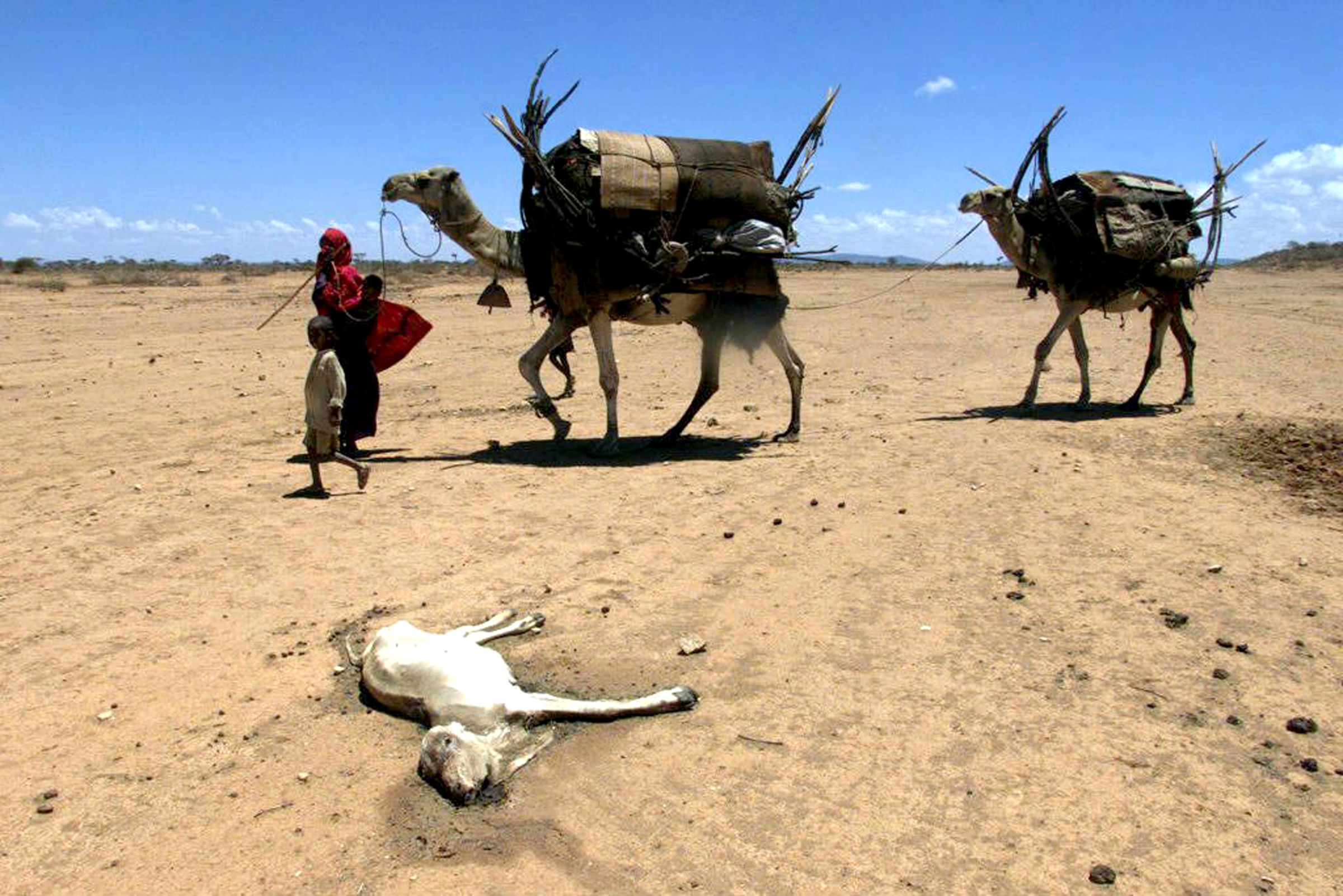
More than 14 million people located in the Horn of Africa are in need of urgent food aid and other humanitarian assistance. This was what a report from the Regional Humanitarian Partnership Team said. The crisis is being caused by the drought conditions in the area and the rising food prices.
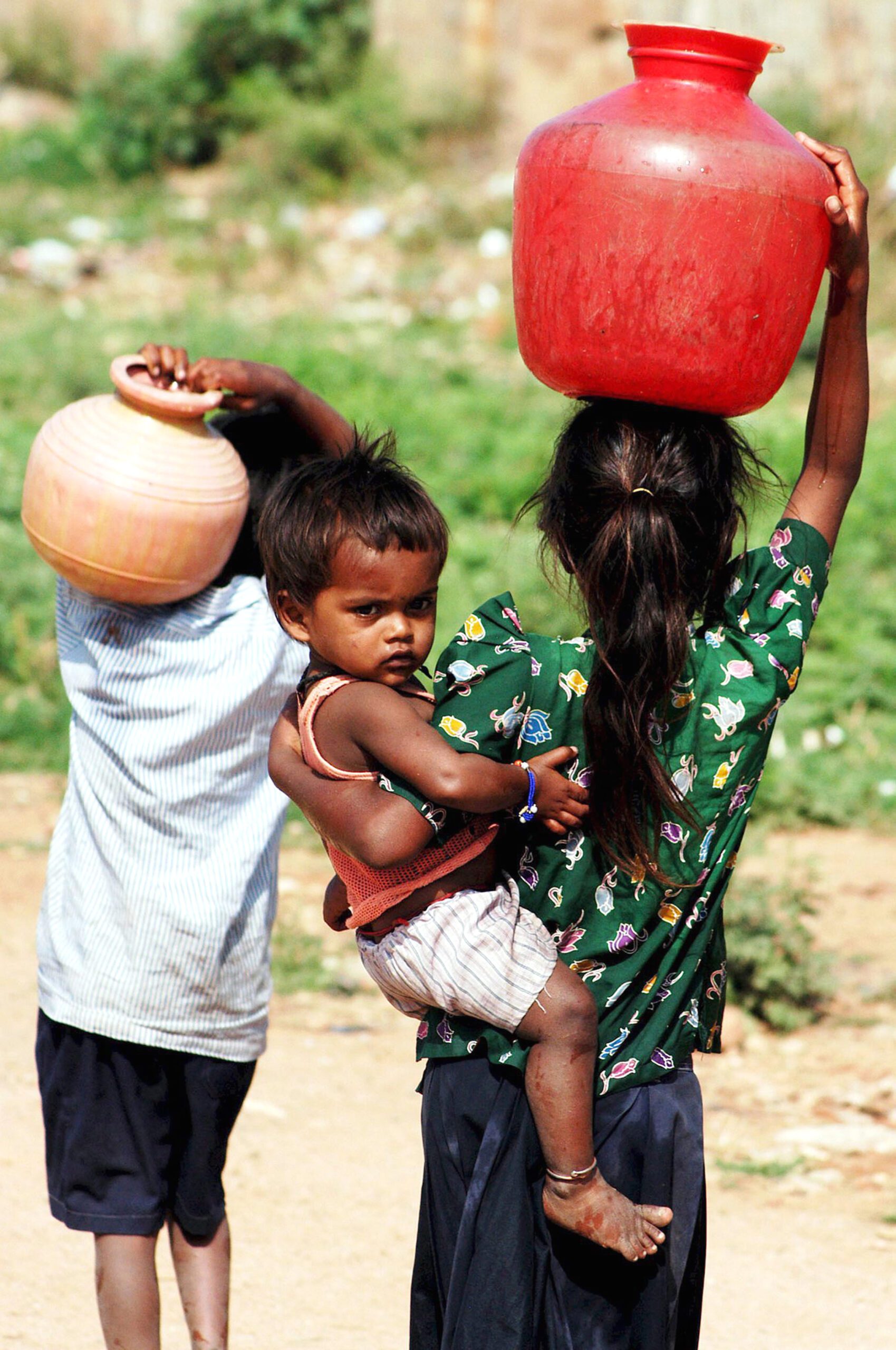
There is a “right to water,” based on the dignity of the human person, and it is not simply an “economic good,” the Pope affirmed in a message to the international exposition on “Water and Sustainable Development” under way in Zaragoza, Spain. The Holy Father, who sent his message through Cardinal Renato Martino, the Holy See’s representative at the expo, stated: “Because of the […] pressure of multiple social and economic factors, we must be conscious of the fact that today water must be considered a good that must be especially protected through clear national and international policies, and used according to sensible criteria of solidarity and responsibility.”
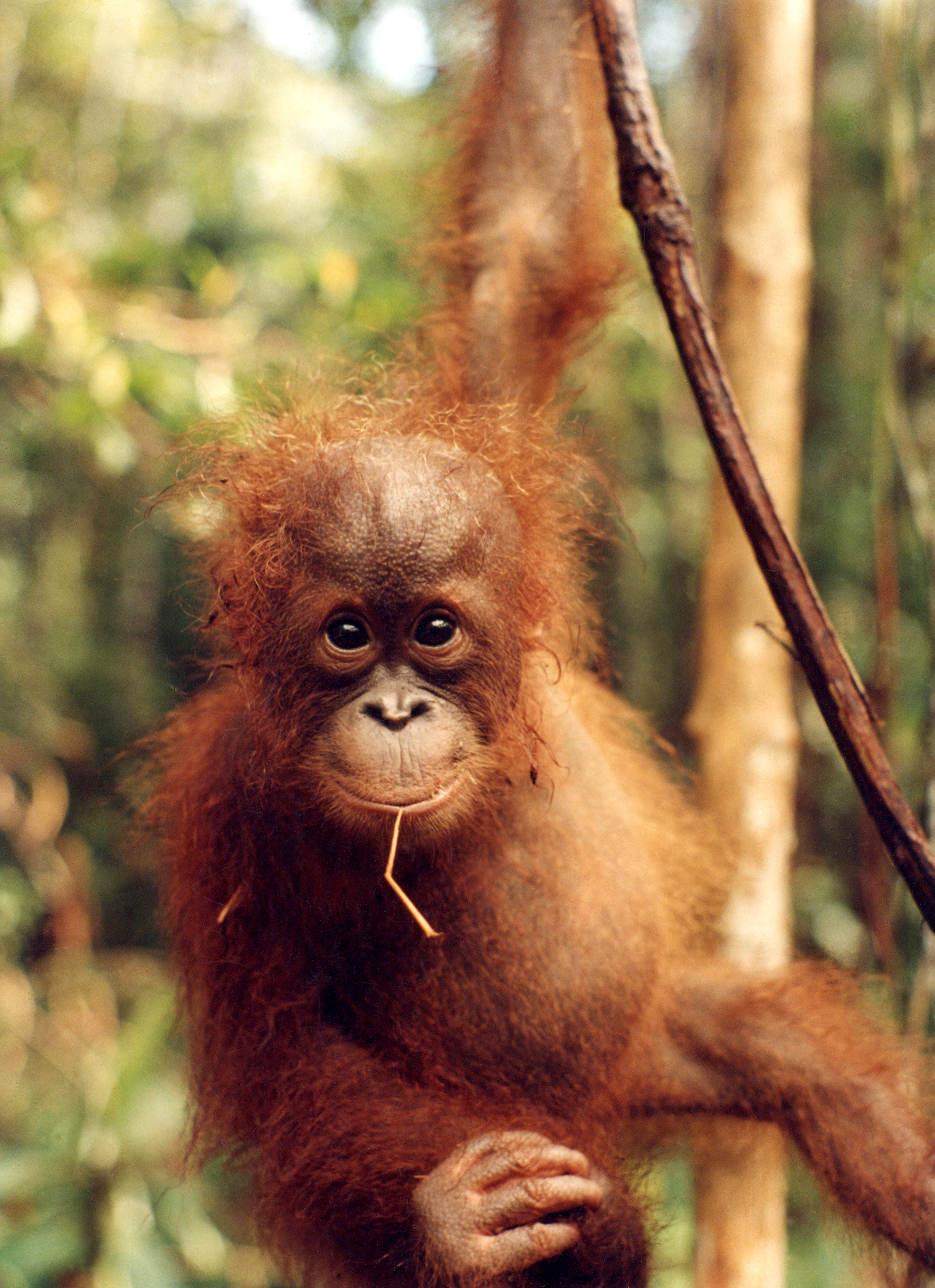
The number of orangutans in Indonesia and Malaysia is in rapid decline, above all, because of illegal deforestation and the expansion of palm oil plantations. The ape risks extinction within a few years, if adequate measures are not taken, says a study that has appeared in the scientific journal Oryx.
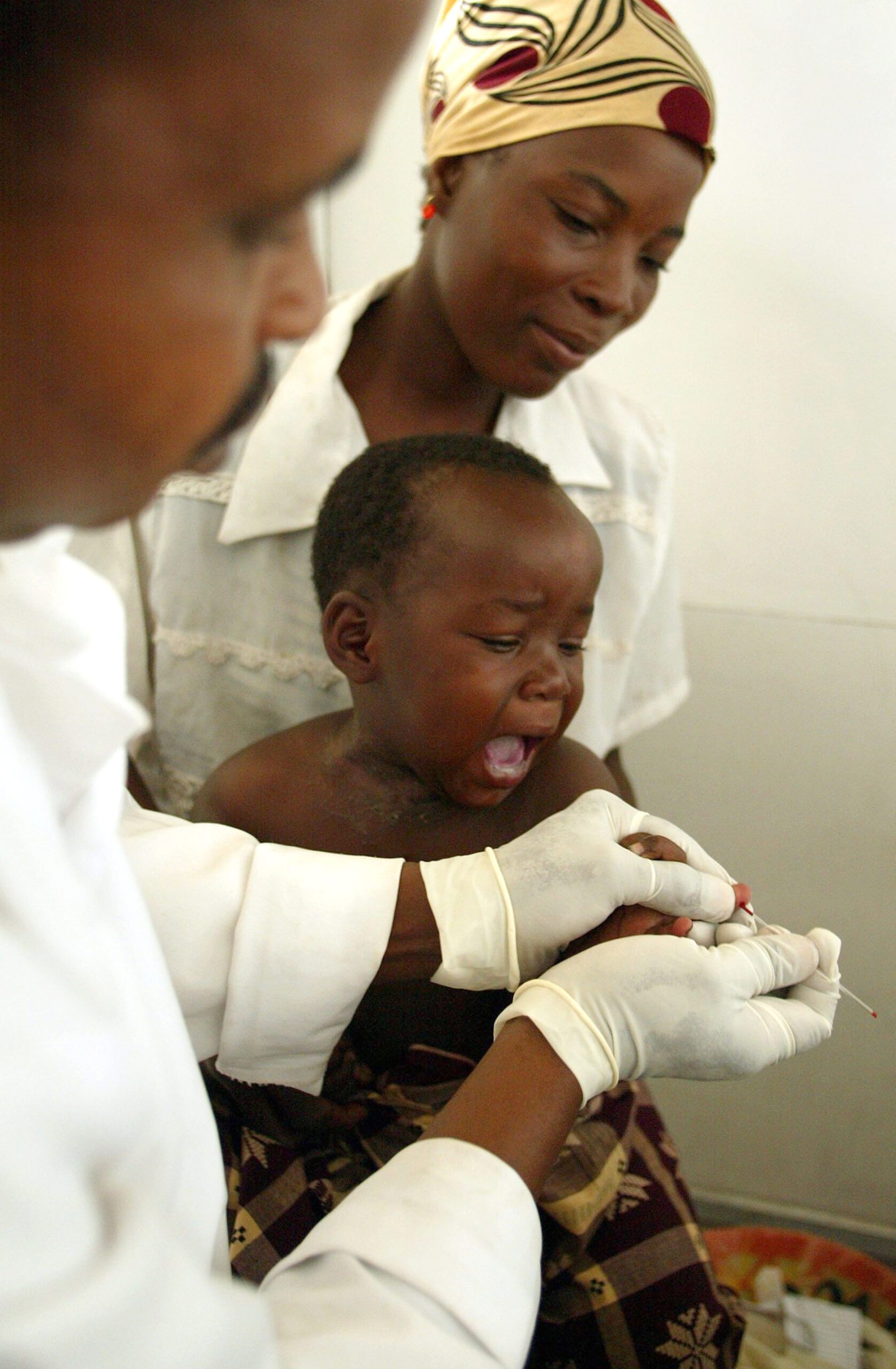
A type of malaria vaccine for humans is to be tested, following the success of trials undertaken with animals. There is currently no vaccine for the illness which kills between two and three million people every year. Oxford University scientists, part of an international team, reported, in the journal Nature Medicine, that its virus-based jab worked well in mice.
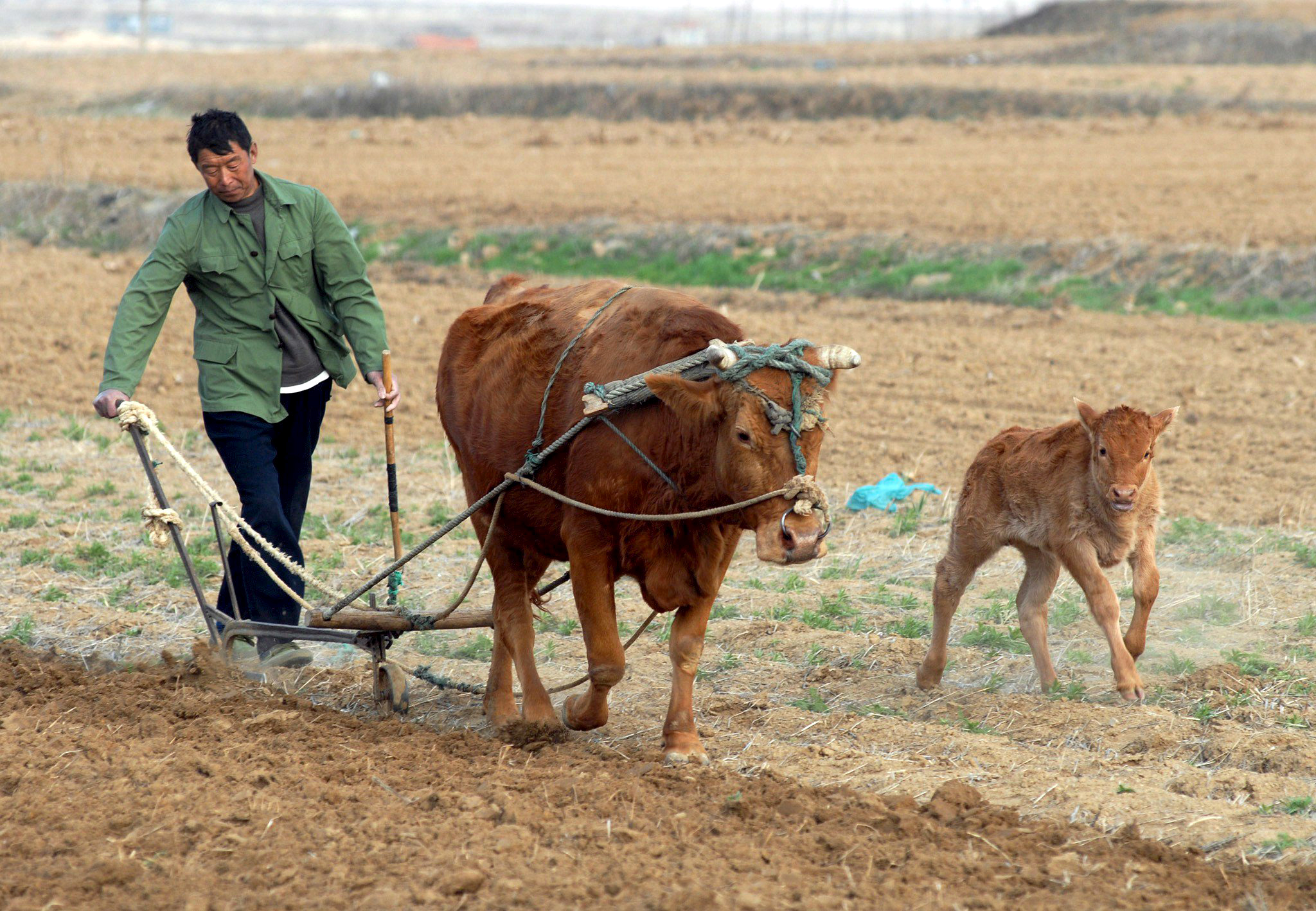
China and India rejected accusations that, with the United States, they are responsible for the collapse of talks in the World Trade Organization (WTO), failing to reach an agreement on more open import rules, lower domestic subsidies and import duties. “In the face of a world economic downturn, serious inflation and imminent financial risks, the failure will have a major impact on the fragile multilateral trading system,” said China’s Minister of Commerce Chen Deming.
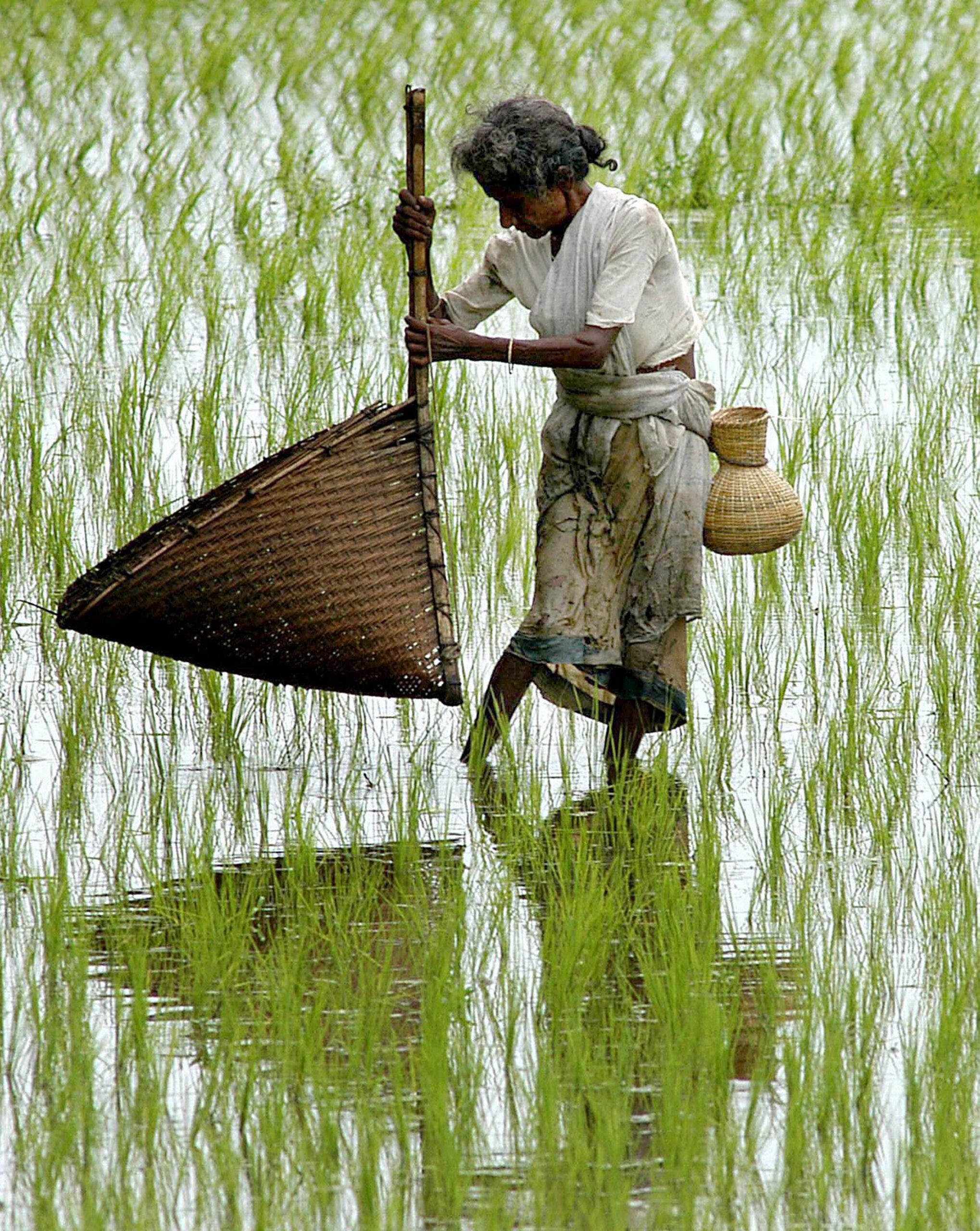
Ever since the wheel was invented, perhaps nothing so boosted technology as the discovery of oil. The black gold minted the petrodollar, and helped topple the Soviets, ignite Gulf wars and restore Russia. But power still flows down umbilical pipelines! After burning 150 trillion barrels of oil since the world’s first oil-well was drilled 149 years ago, oil-guzzling industrial nations now panic they will need equal quantities just for the next 25 years. West Asia’s role in the equation compounds the panic. Thus, greed fires a green gold rush. The world’s irrigated land area tripled in the past 50 years, but grain demand for agro-fuels has doubled in three years, leaving less grain for food. With the World Bank saying grain price hikes may spread food riots to 33 nations, the U.N. secretary general called a food summit in Rome.
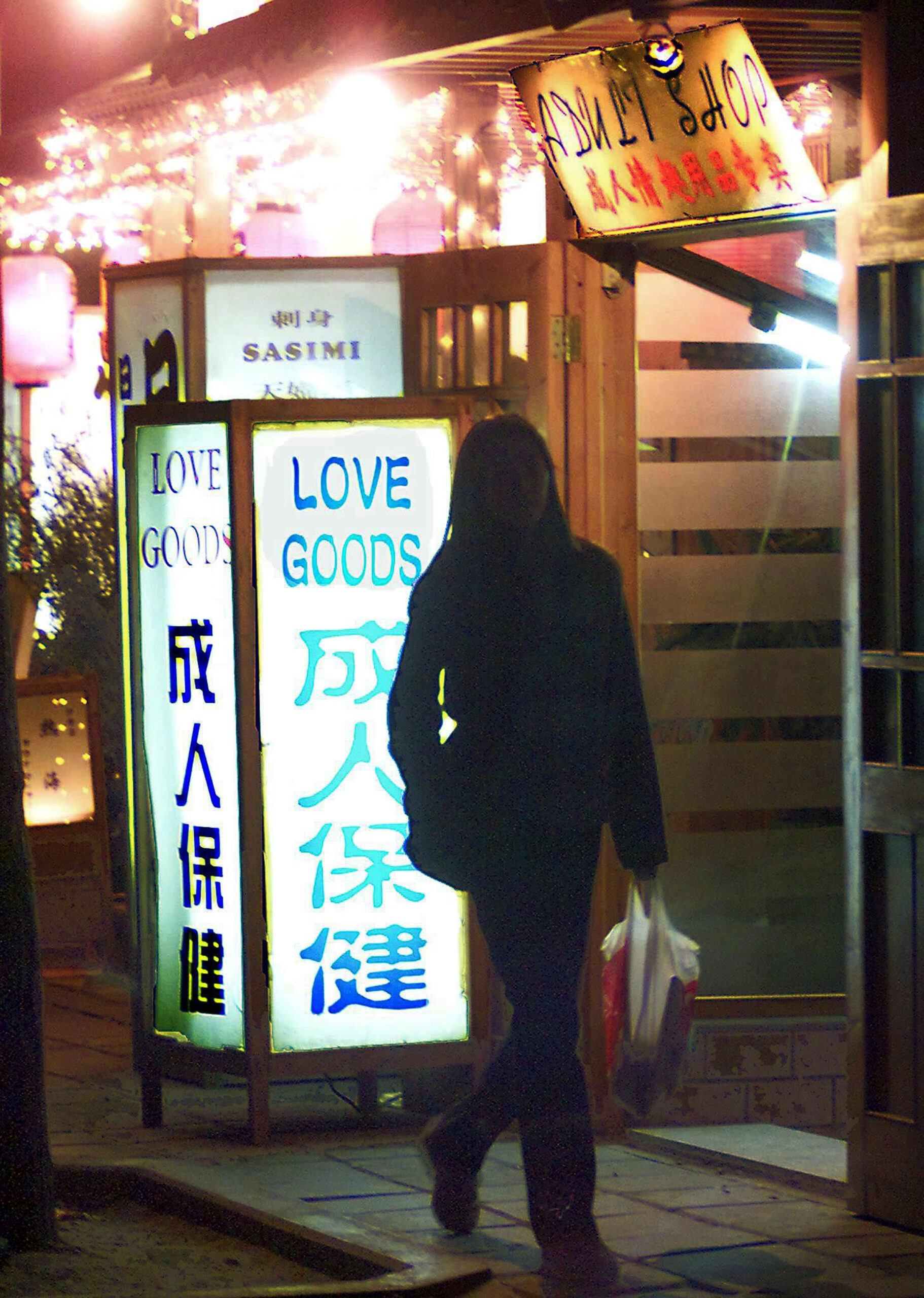
While a young girl was recovering from a horrific life of sexual abuse and trafficking, President Gloria Macapagal-Arroyo gave the state-of-the-nation-address to the Philippine Congress and enumerated the many achievements of her government for the past year; curtailing the trafficking of women and children is not among them. She is the most politically powerful women in the country and could deal a deadly blow to the pimps and pedophiles, the sex traffickers and foreign mafia that enslave the children in their sex bars and clubs. However, the politicians behind the sex industry are powerful allies. The rich property owners that rent the buildings housing the sex dens, bars and clubs are influential. The hotel owners fill their double beds with sex tourists and the emaciated bodies of impoverished children and women. They have influence and the Department of Tourism goes along with them. Sex, even sex with children, is big business and the laws are ignored and not enforced. Even police own clubs and bars.
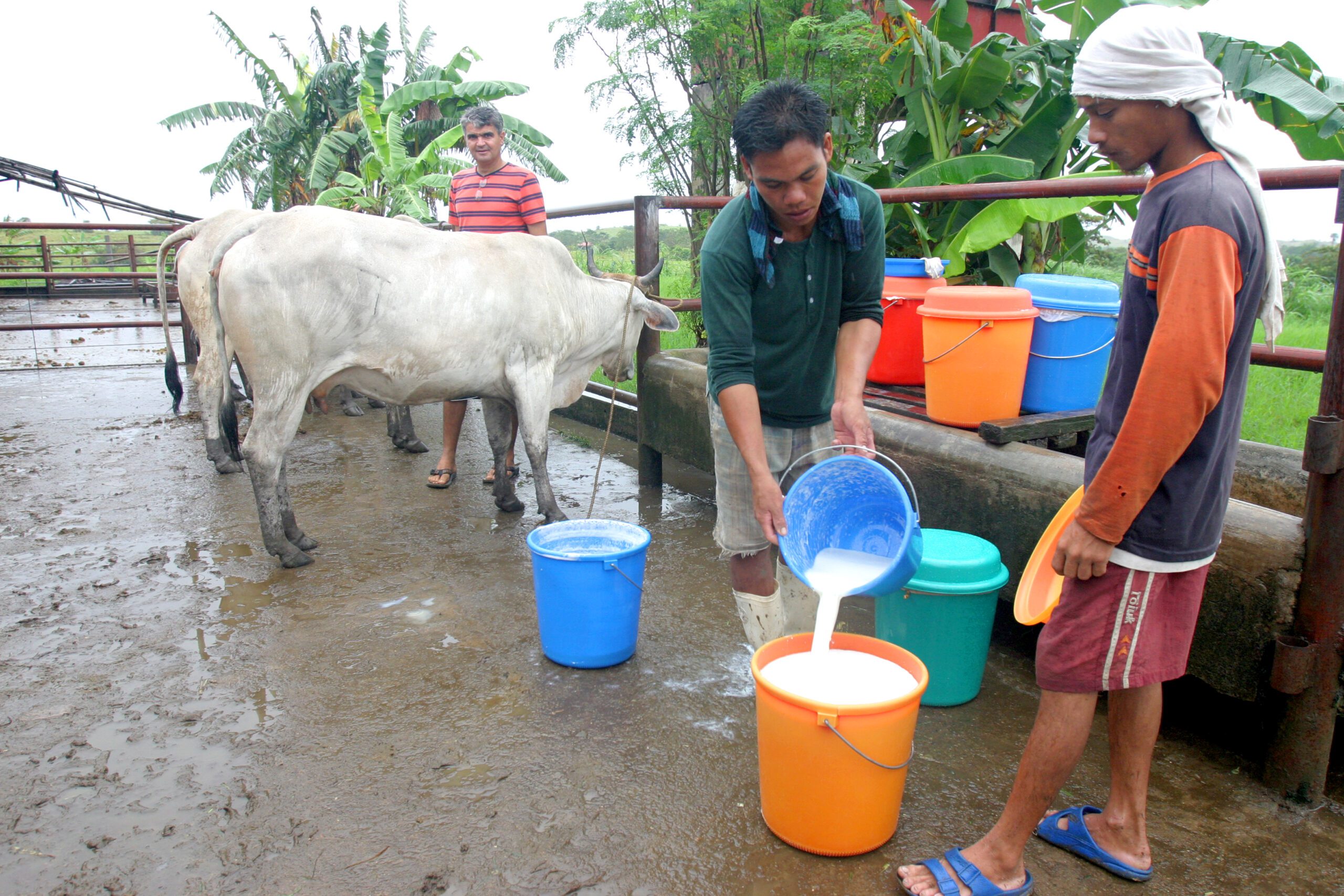
A simple glass of milk on the breakfast table can carry high environmental costs. Because of this, some farmers and scientists are looking for ways to reduce the impacts of agriculture and livestock, which are responsible for 12 to 14% of global emissions of greenhouse gases. There are already studies to measure the climatic cost of that glass of milk, or of a country’s entire milk production, from raising the cow to the final product on the table.
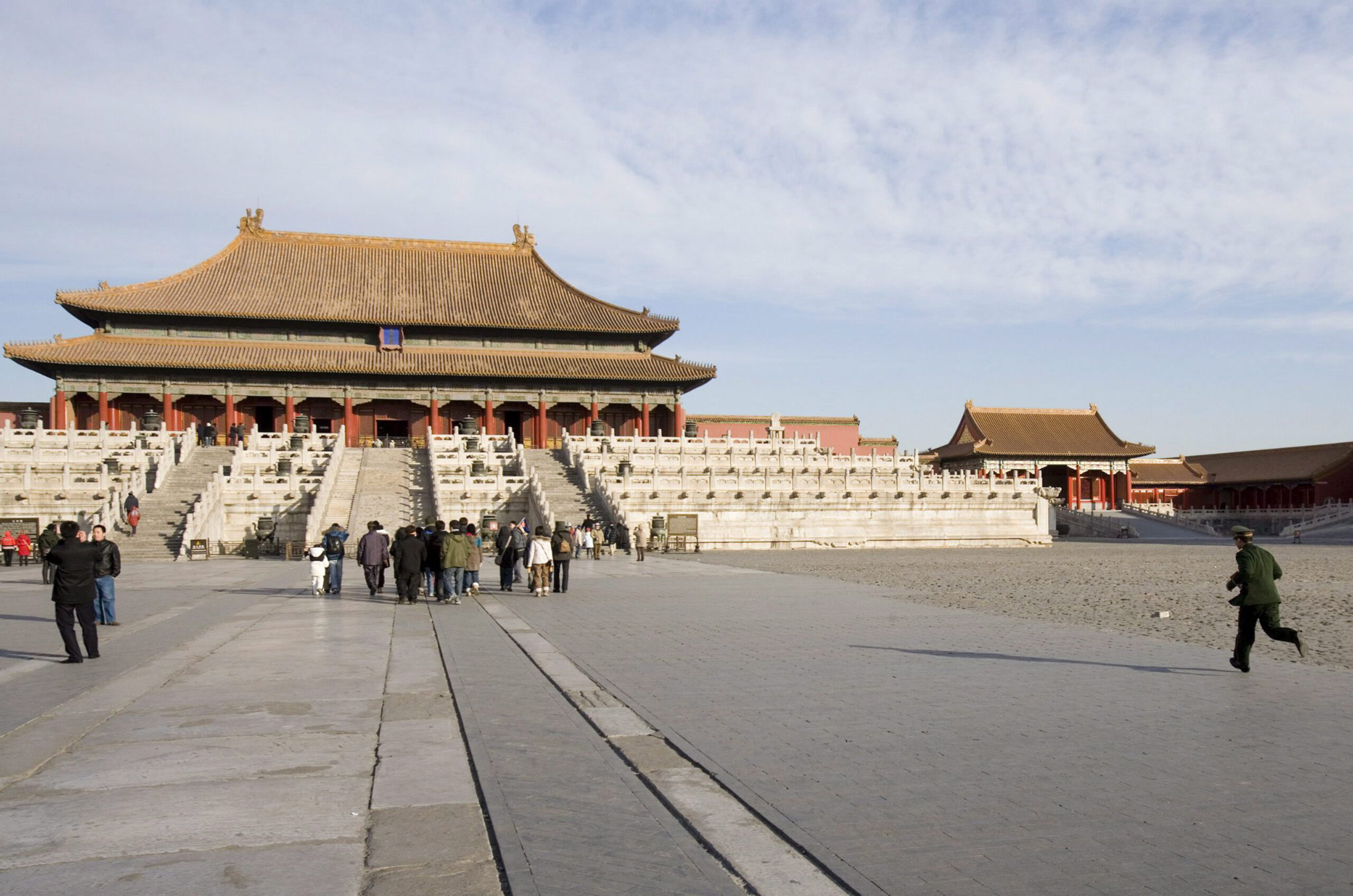
Tourism is a major source of revenue and employment, particularly for the developing nations of the world. But climate change and global warming are risking to dry up the source, mainly in Asia, Africa and Latin America. The crisis is considered so serious that it is the theme of the UN international meeting that will take place at the end of the month in Peru.

By demonstrating that climate change compromises basic human rights and halts socioeconomic development, the Maldives hopes to instill a moral and ethical imperative for the international community to take substantial action against it. For 20 years, they have been warning that island-states are especially vulnerable to the effects of global warming.
The world-renowned Kruger National Park in South Africa is a wildlife haven. In its area of nearly 2 million hectares, the unrivalled variety of life forms fuses with historical and archaeological sights, and offers tourists an unforgettable experience of the beauty and diversity of the wild.
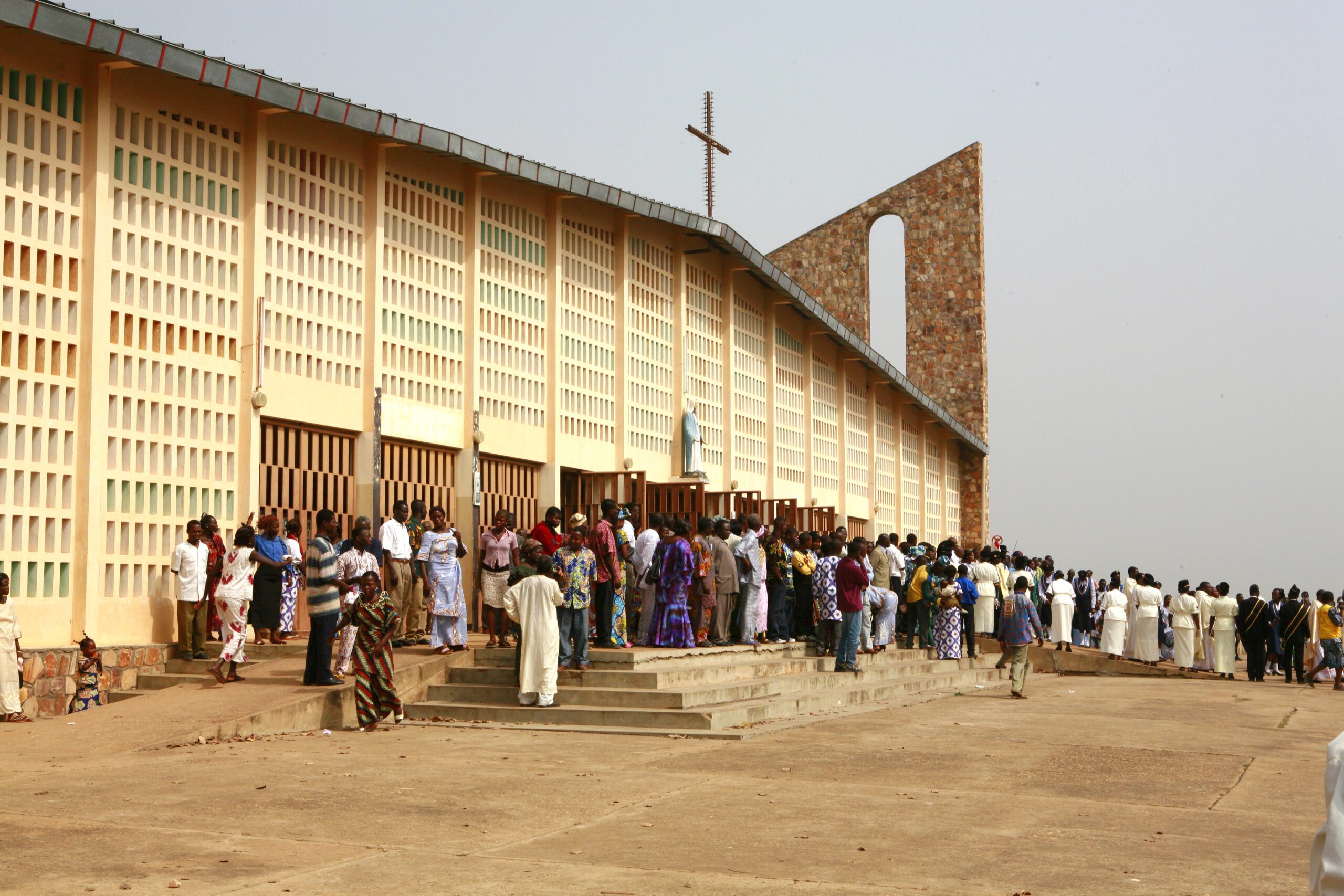
Christian churches – and it is important to underline churches, that is to say the major historical Christian churches, with their lay members – in spite of shortcomings, have kept a high reputation in most African countries. They remain the best placed institutions to compel African governments to redraw policies for the protection of the poorest and most vulnerable groups.
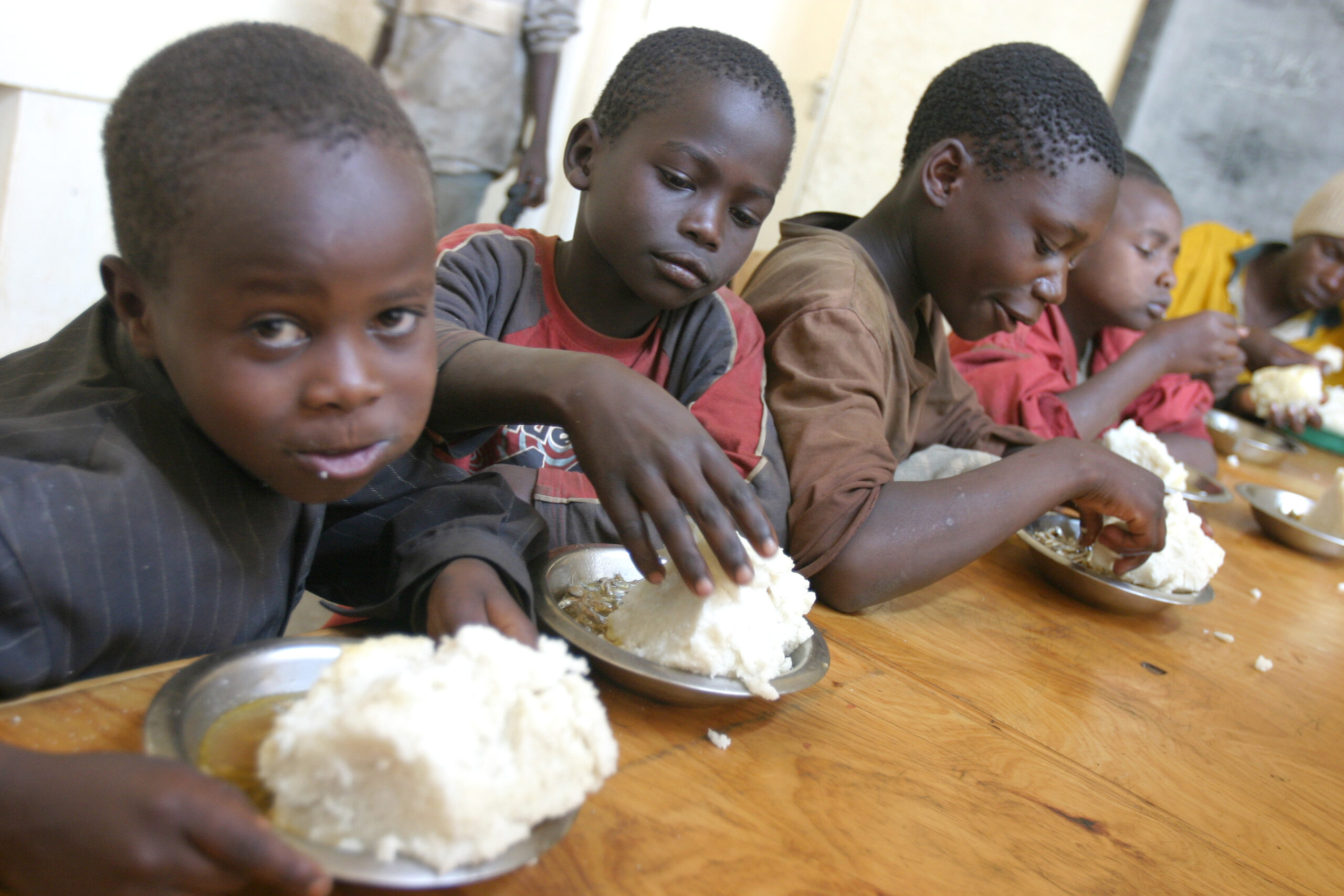
Death of parents, poverty, alcoholism, domestic violence, family breakdown and lack of love push children to the streets. It is estimated that there are over 60,000 street children in Nairobi. The Koinonia community has a few rescue centers for them where, from April up to December, they learn to live as a family and prepare to be welcomed in one of their houses in January of the following year. One of them is in Kibera slum.
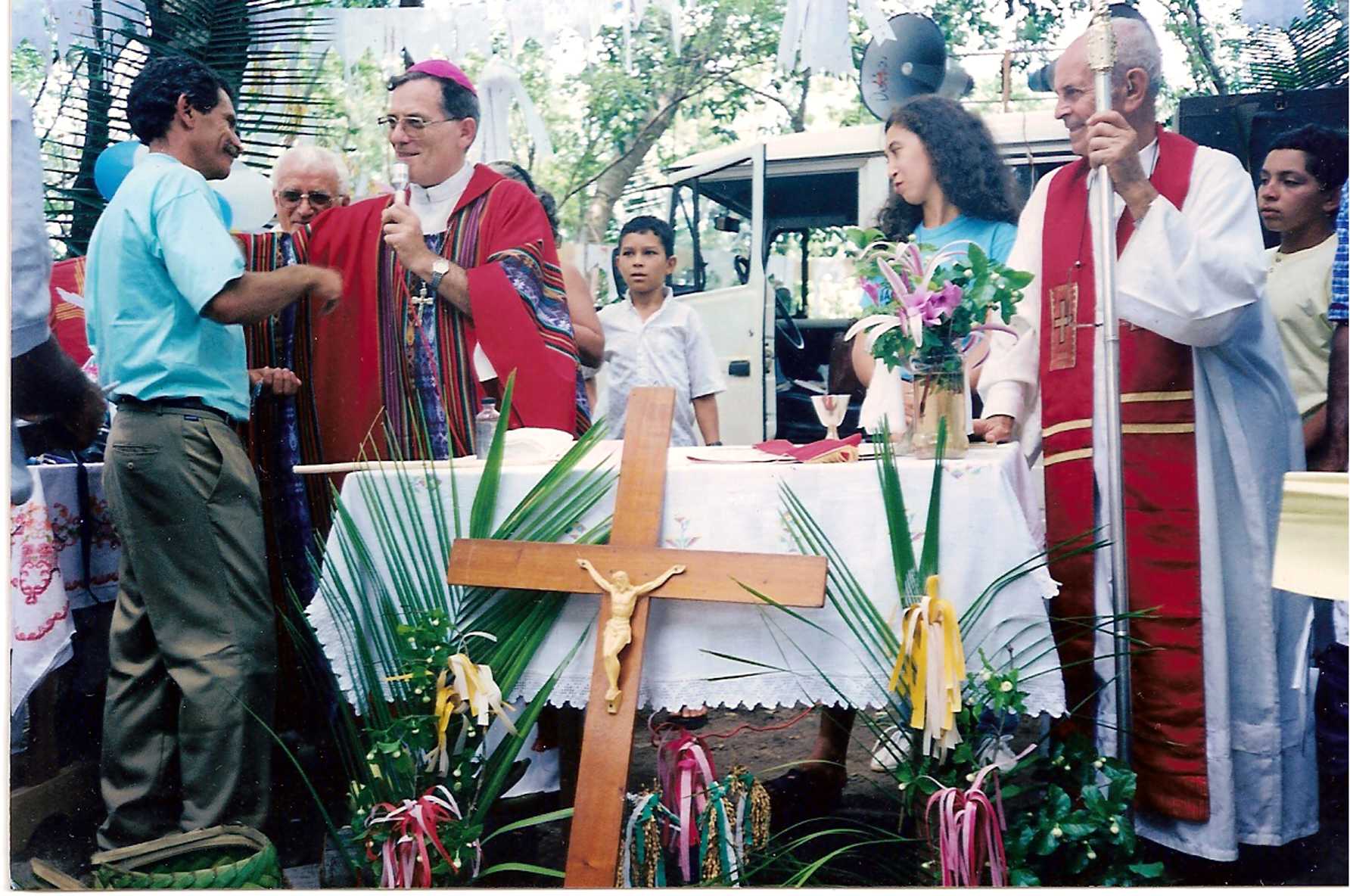
He wanted to be an ordinary Comboni missionary and joyfully give his life to the poor of Northern Brazil but the good Lord called him to be a successor of the Apostles. He embraced the courageous program of fostering life, and the good Lord protected him from the threat of violence. His natural giftedness and scholarly preparation made him a champion of a new missionary mystique. The bicycle on which he died became the symbol of his simple and popular approach to the ideals of liberation theology.
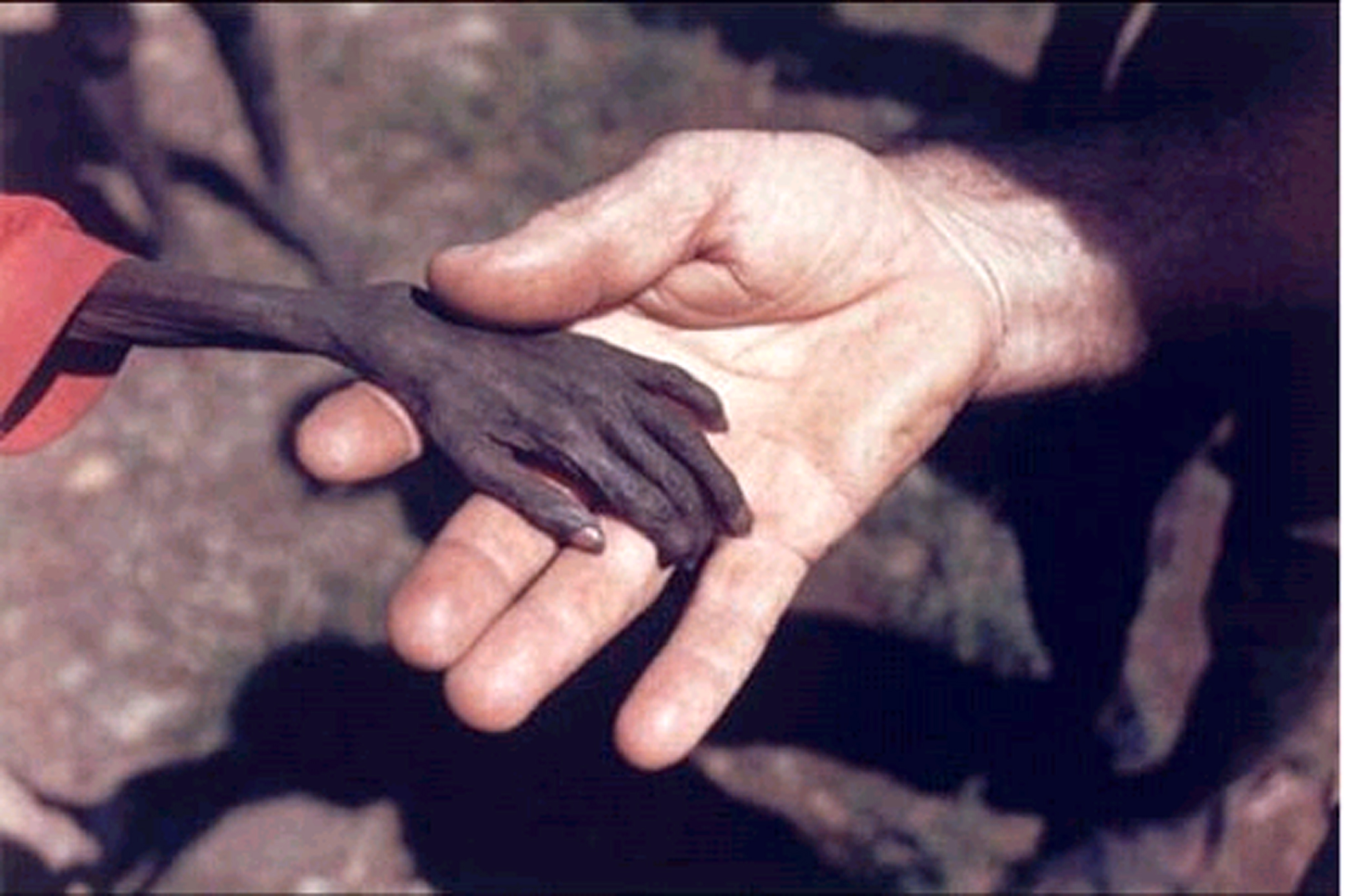
What are we to make of Matthew’s first Beatitude ‘How happy are the poor in spirit’? Does it counter or qualify Luke’s version of the Beatitude which simply declares ‘Happy are the poor’? Why the discrepancy between the two Gospel writers? What is Matthew trying to say and can it be used to somehow soften our preferential option for the poor?
October 2023 Issue
The latest issue is reserved for paying Subscribers only.
