Category: Frontline

Frontline

The Need for an African Tradition

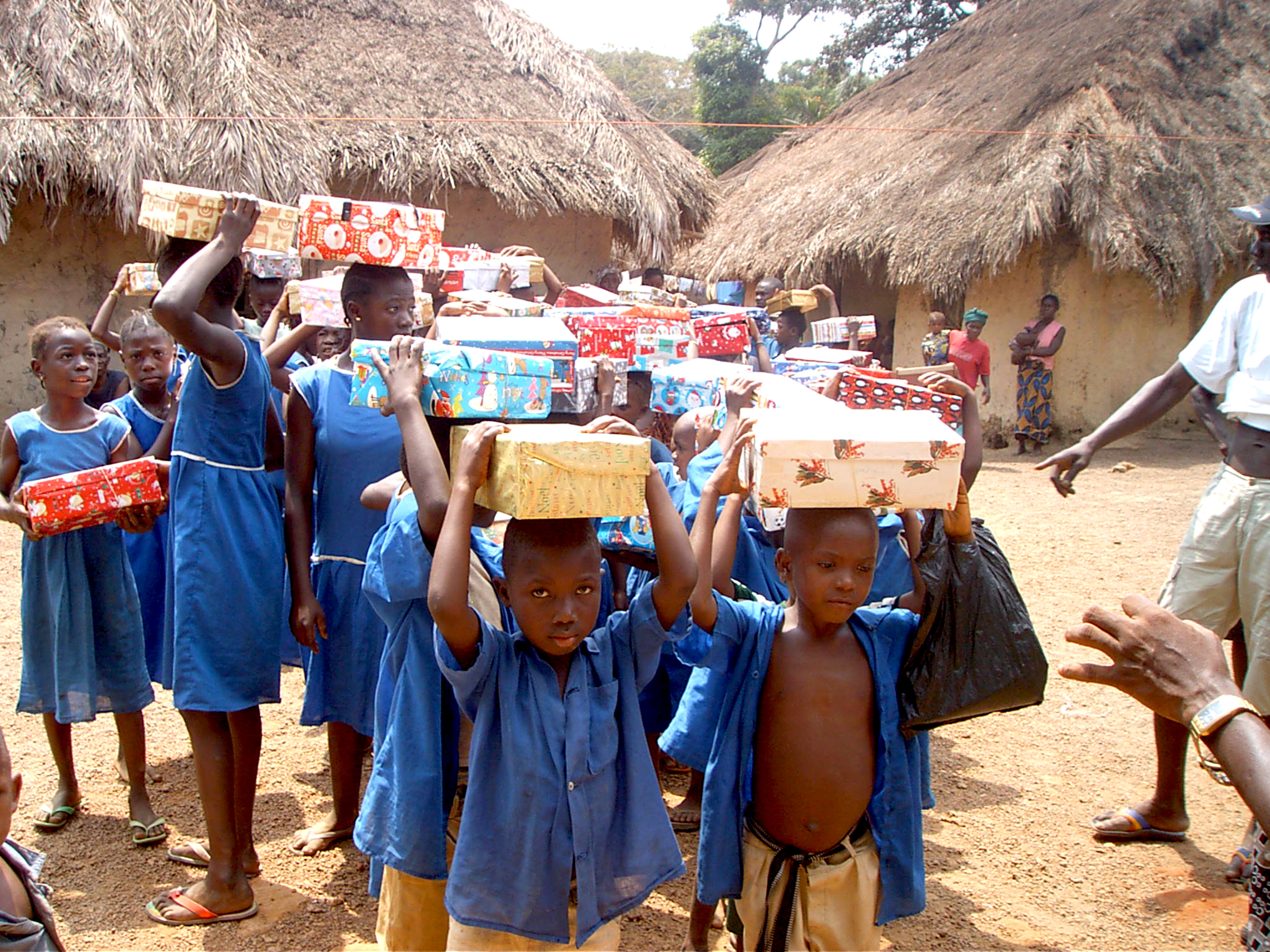
Here in Kenya, around this time, you also see the odd Santa Claus and plastic Christmas trees, mostly in the big shopping malls of the larger cities. But they look totally out of place in the heat of the Equator. I am looking forward, with some longing, to the day when Africa will develop its own Christmas traditions and proudly show them to the world. But that will probably take centuries. Our own Christmas ‘staples,’ after all, do not date from the first century of Christianization of our countries either.

Frontline

A Bishop for Child Soldiers and Refugees

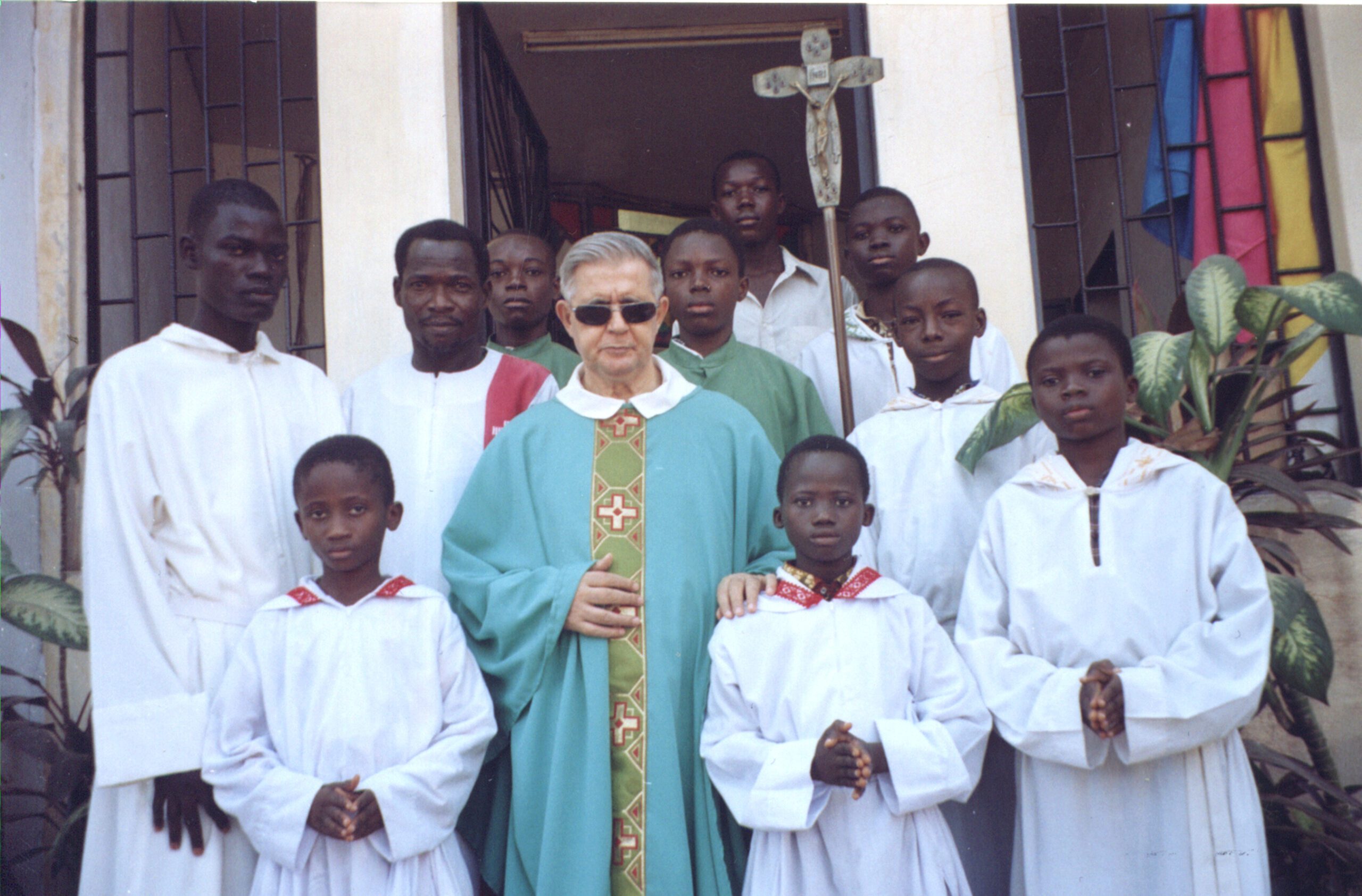
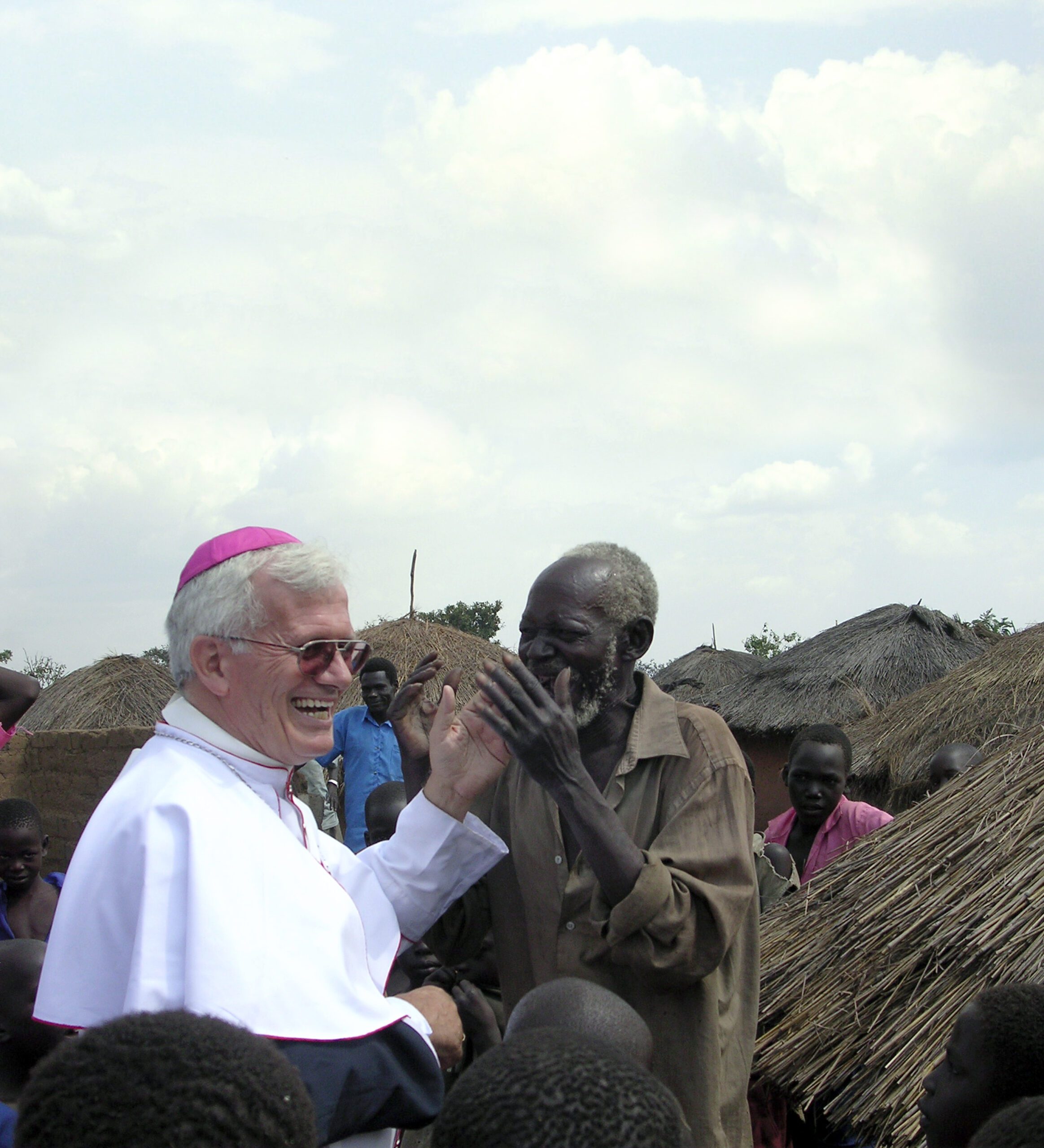
Bishop Giuseppe Franzelli of Lira (Uganda), a Comboni Missionary, admits that it is hard to know where to start when working with children who have been forcibly turned into soldiers and assassins. The priority is helping child soldiers but also refugees sent to terribly crowded camps to restart their lives, and rebuilding people “from within.” He adds: “In the camps, there is a high rate of suicide not only among the elderly, who were desperate that they could no longer go back to their ancestral home, but also among the young.”

Frontline

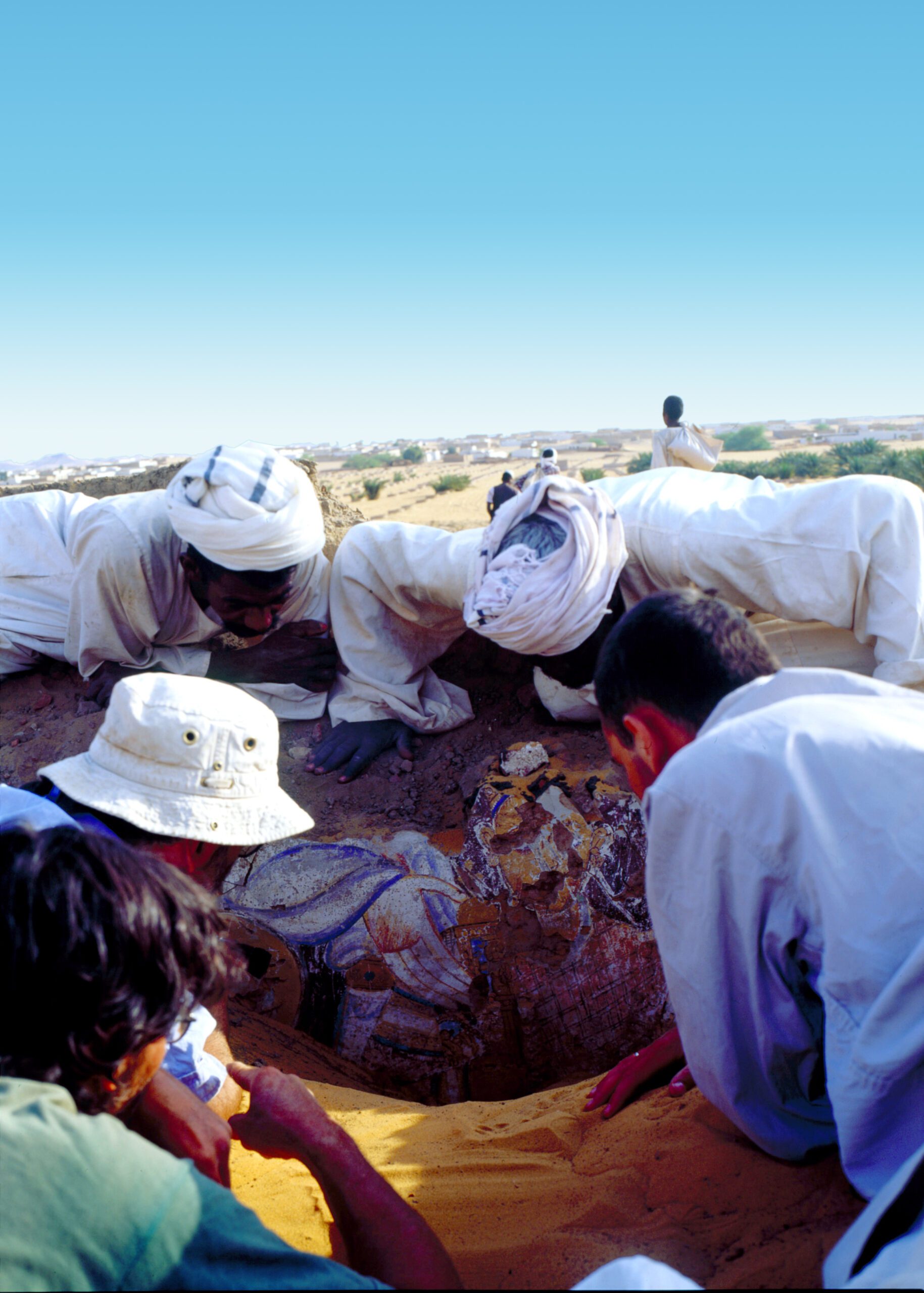
Digging for the Roots of Faith

Comboni Fr. Giovanni Vantini died on May 3, 2010. He was 87 years old, 58 of which he lived
in the Sudan. His life was spent on books and digging the sands of the desert, searching for the remains of the ancient Christian kingdoms. But he was keen in stating: “I am not an archaeologist: I am a missionary.” With, however, one passionate peculiarity: the study of the ancient Christian Nubia. So much so that he became an authority on the subject.

Frontline

Simplicity Amidst Grandeur

The Comboni Missionary Sisters have been in Dubai, the world’s fastest growing city, for 33 years. What are they doing in a land that is considered a global city and a business hub? They run a school and help in the parish – both caring especially for migrant workers of over 40 nationalities.

Frontline

The Call to be a Mystic

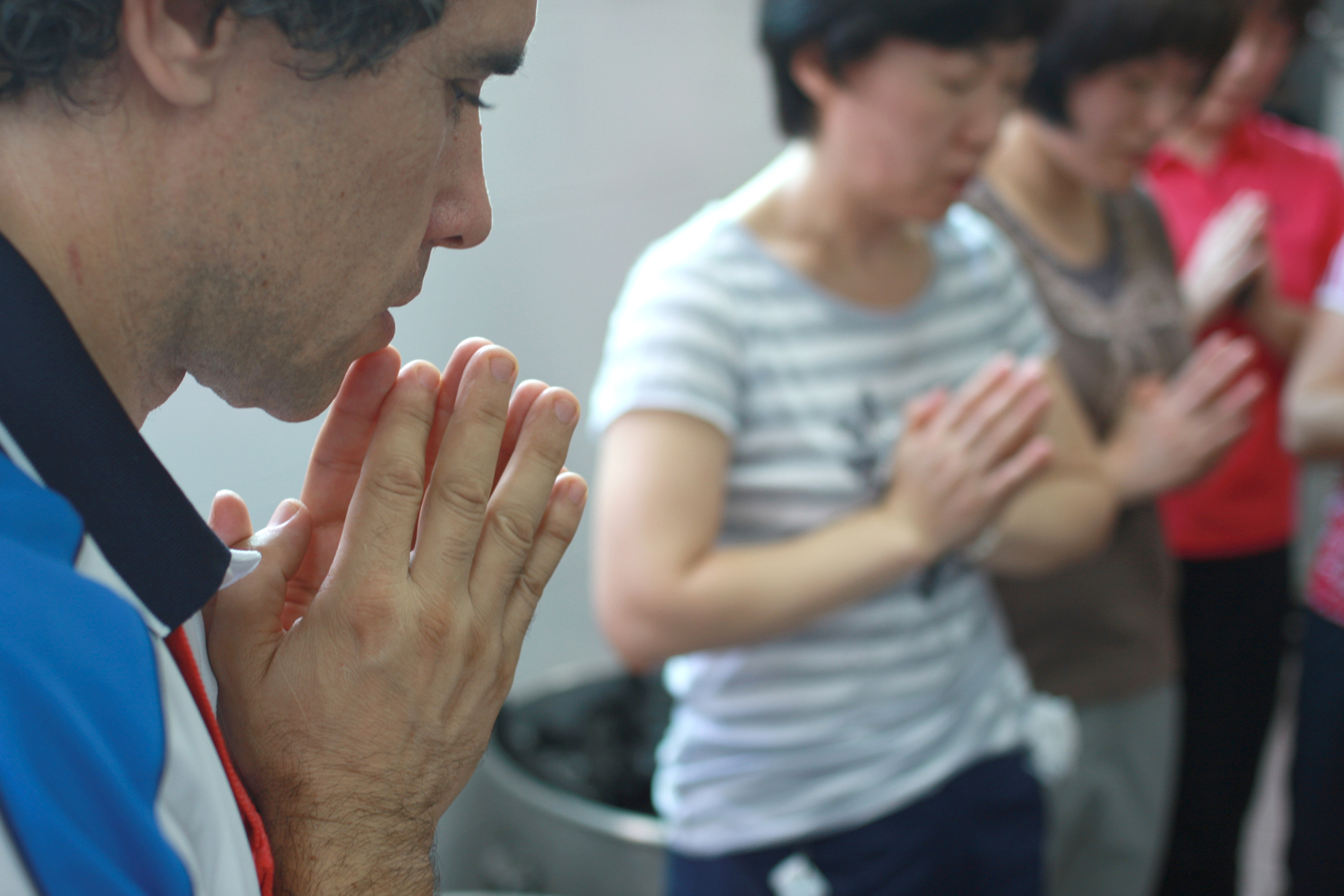
There is in us a deep need for the sacred, for the experience of the divine among us and grounded in our hearts, a hunger that cannot be satisfied by theological statements or doctrinal proclamations. Seeking actual inner experience of the divine at work in our midst is the job description of the mystic.

Frontline

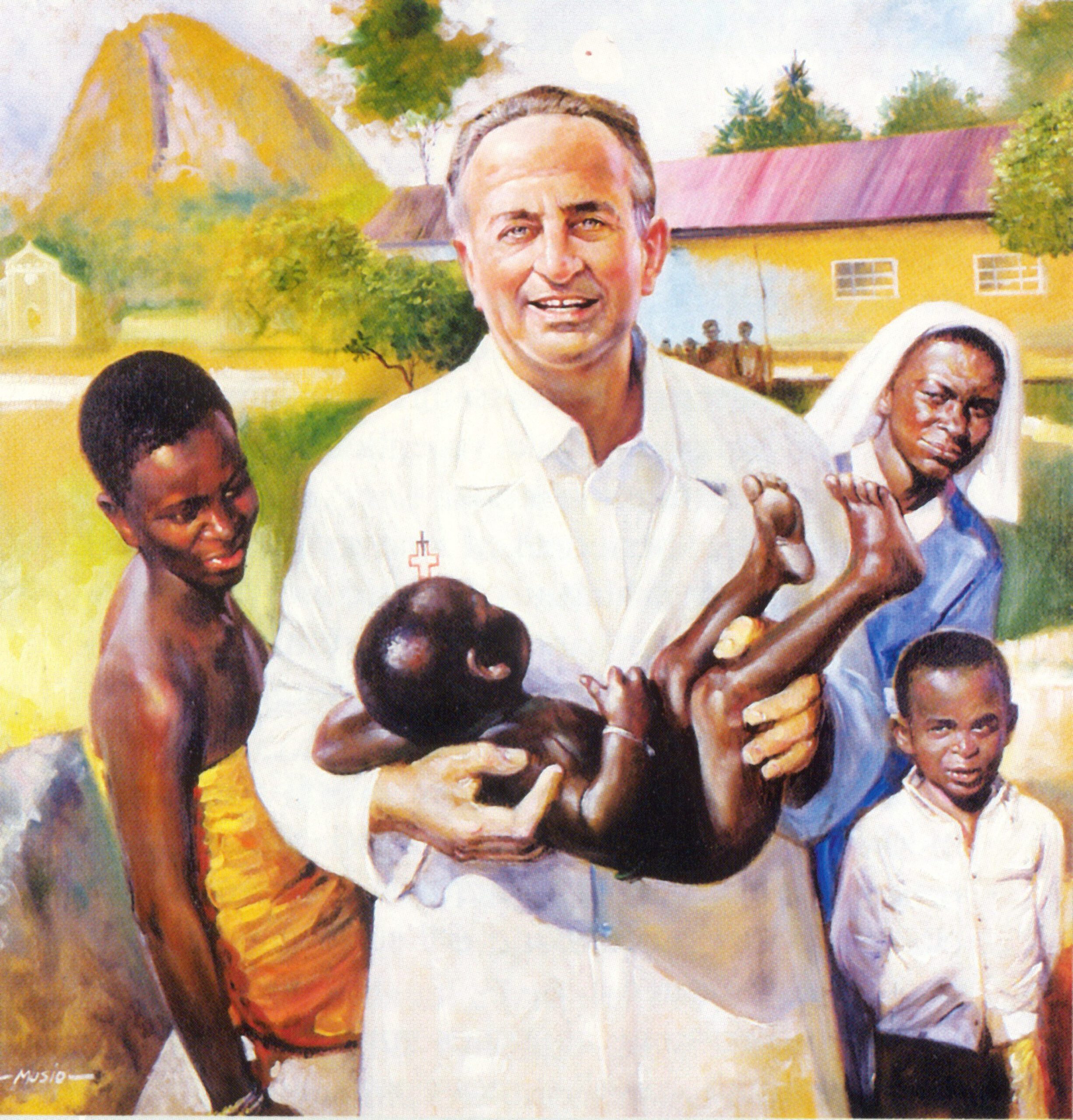
A Heroic Service to the Sick and the Poor

The hospital and midwifery school of Kalongo, in Uganda, celebrated their 50th anniversary this year. It is impossible to speak about these extraordinary projects, that “miraculously” survived the ravages of a tragic war, without mentioning their founder, Comboni Fr. Dr. Joseph Ambrosoli, who, for the love of the sick and the poor, gave his life to build and defend the projects. The process of canonization of this Comboni missionary is now underway.

Frontline

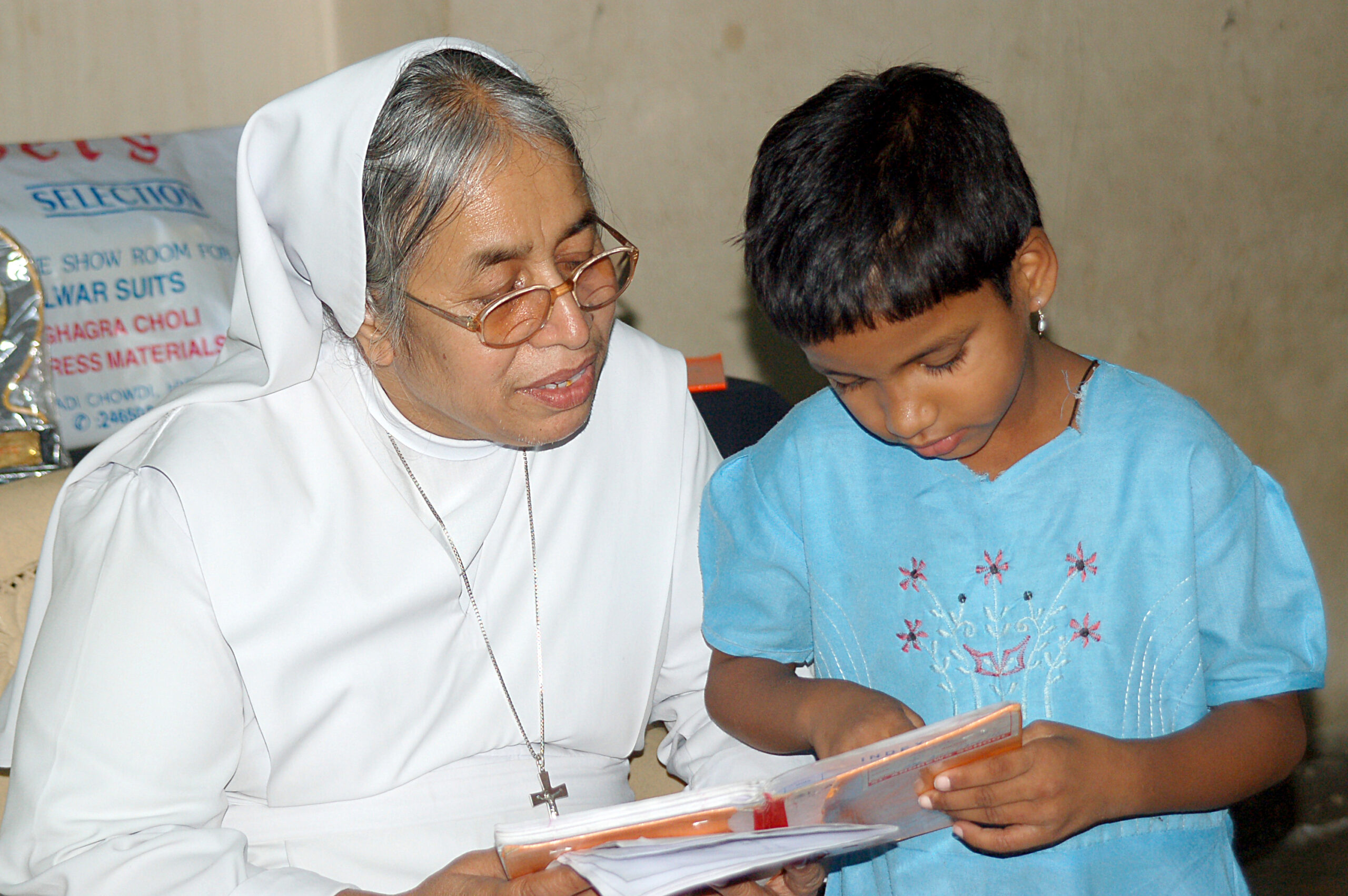
Gentle Persuasion in the Slums of Secunderabad

For years, an American journalist and author has been following the work of the Salesian Sisters
in Bangalore Province, India. He got so impressed by their relentless efforts to serve the poorest
of the poor, that he created a charitable foundation to help them. He states: “Their orphanages are places of safety and laughter for street and slum girls who have finally found a refuge. The girls’ parents have died of AIDS, some were abandoned and arrived, not even knowing their names; too many were sexually exploited, but now their future is bright.” In a recent report, he explains the reasons for his deep admiration for and commitment to the Salesian Sisters.

Simplicity Amidst Grandeur

The Comboni Missionary Sisters have been in Dubai, one of the seven emirates of the United Arab Emirates (UAE), since 1977. In the last two decades, however, the city became a symbol of grandiosity and extravaganza with its colossal and fanciful buildings. The discovery of oil in 1966, led to a massive influx of foreign workers, quickly expanding the city by 300% and bringing in international oil interests. Although Dubai’s economy was built on the oil industry, today its main revenues are from tourism, real estate, and financial services. Visitors are mostly impressed by its construction boom. The city’s skyline is dominated by skyscrapers and cranes. About 30,000, or 24% of the world’s 125,000 construction cranes, are currently operating in Dubai. Some areas of the thriving city seem to be a building yard. The expatriate workforce outnumbers the Emiratis. They are the ones sweating to put up the fanciful towers. But, Dubai’s ostentatious investments have so high a price. At the end of last year, the city’s property market experienced a major hiccup as a result of the worldwide economic downturn and it had to be helped by neighboring Abu Dhabi with $10 billion to pay off its debts.    Cultural and linguistic Babel The Sisters’ primary activity is in the sole city’s parish, St. Mary’s Catholic Church, served by Capuchin Fathers mainly from the Philippines, India and Lebanon. It caters to the spiritual needs of the many expatriates, especially from Asia. It is a sample of cultural and linguistic diversity. There are Masses and confessions in English, French, Arabic, Konkani, Malayalam, Malankara, Singhalese, Tamil, Tagalog and Urdu. The liturgical needs of all these national communities are sung by 28 choirs.  Sister Luciana Zonta, 68, is the superior of the versatile Comboni community. She arrived in Dubai in October 2007, after having served in Ethiopia and Eritrea for 13 years. Together with Sr. Josephine Martin, she is in charge of the Christian adult formation, particularly, for those who wish to become Catholics or to receive the Sacrament of Confirmation. Sister Josephine Peroni and Sister Claudia coordinate the catechism office which supervises all the catechesis and the formation of catechists. Every Friday – the weekly holiday in the Emirate and in all other Muslim countries – there are more than 4,000 children coming for catechism classes. More than 200 volunteer catechists are involved in such a daunting job of imparting Catholic instruction to the youth. As many as half a thousand children receive the First Communion and as many youth are confirmed yearly. Around 30 adults are also baptized Catholic every year. They are mainly from Sri Lanka, India, Nepal, China, Malaysia… and even from African countries who hail from religions such as Hinduism, Buddhism or Sikhism. All of them are foreign migrant workers. The law forbids the instruction and baptism of Muslims.  Islam is the official state religion of the UAE. Therefore, Christian pastoral can only be conducted inside the parish compound which is surrounded by high walls. And discreetly!

A Bishop For Child Soldiers And Refugees

When Comboni Missionary Giuseppe Franzelli, a native of Roccafranca, Italy, was told that Pope John Paul II wanted him to be a bishop in Uganda, his immediate response was, “No. Get somebody else.” If being a bishop is always a cross, he reflected, the situation in Lira, Uganda, would be even more difficult as the nation strained through a conflict with the Lord’s Resistance Army and the unimaginable atrocities wreaked on the people, even the children. But Bishop Franzelli’s appointment came as John Paul II was dying. It was published in L’Osservatore Romano on April 1, 2005 – he sees it as a sort of April Fool’s Day joke from the Pope. The next day, in the evening, the Holy Father would die. Looking at the dying Pope, “carrying the cross for the whole universal Church,” the missionary reflected, “how could I say no?” And “the reality proved that it was not just a cross but it continues to be a cross,” the 68-year-old bishop explains.    Was it always a desire of yours to be a missionary?  – Well, I was prompted to that by a young missionary who was going around the parishes and showing us slides and this kind of thing.    And it awoke this sense of adventure in your mind. Did you have a sense of calling at that age?  – Yes, and it developed – of course, with doubts as I went along – but then it was quite strong. That is why I’m here.    Did you have any ideas and pre-conceptions about Africa?  – Only the usual, if you want, the romantic ideas at that time: lions for me as a child, and then the Africans, the slavery thing that I’ve read about and all the rest, and definitely poverty and people in need of knowing the Gospel.    You were made a bishop by Pope John Paul II and in fact, your appointment was made before the day he died. What is the significance of this appointment?  – It was a great surprise and a big shock to me and, to be honest, I didn’t want it, absolutely not, and I tried even to resist it. I was appointed by him and it was published in L’Osservatore Romano. It was done on the first of April, that’s April Fool’s Day, that is why I consider it as a kind of a joke that the Pope did to me and 17 others who were made bishop. The nomination was published in the afternoon of April 1, 2005, in L’Osservatore Romano, which was dated on the following day, April 2. That evening, the Pope died.  When I was called to Sacra Congregatio Propaganda Fide (the Congregation for the Evangelization of Peoples) for discussing things, it was Cardinal [Crescenzio] Sepe who broke the news to me. I said, “No, get somebody else” and so on. Eventually, the Pope came into it in the sense that, first of all, the Cardinal told me that he

Digging For The Roots Of Faith

Born at Villafranca, a village in the province of Verona (Italy), on January 1, 1923, Giovanni Vantini was ordained a priest in 1947 and, immediately, assigned to Northern Sudan. He went to Lebanon for two years in order to learn Arabic and, in 1949, he reached Khartoum. At the outset, he taught in the schools that were founded by the Comboni Missionaries and were still under their management. Moreover, he worked as assistant to the parish priest of the cathedral. The Catholics were not many and almost all non-African: Syrian, Maltese, Palestinian, Lebanese, Italian, French, English… There was only a tiny group of Sudanese Catholics, descendants of the black Africans who were baptized by Msgr. Daniel Comboni. In 1953, the Anglo-Egyptian condominium government came to an end and Khartoum achieved a form of self-rule. People started talking of independence. Bishop Agostino Baroni, eager to positively influence the new course with Christian social principles, decided to start a paper. “And he thought of me as its editor,” writes Fr. Vantini in certain biographical notes which he gave me many years afterwards. “Thus, in 1954, I found myself in London for a course in Journalism. I went back towards the end of the following year. On January 1, 1956, Independence Day for the Sudan, I published the first issue of Assalam (Peace), a fortnightly paper with an immediate circulation of 2,500 copies.” In the meantime, in the South, a civil war that would go on for 16 years had broken out. Tens of thousands of Southern Sudanese sought refuge in the North. Fr. Vantini describes the situation: “They are masses of displaced, destitute people, in need of everything. We try to welcome them and help them. With me is Bro. Michele Sergi; he also thinks there is work for us. We set up meeting places that started being called “Sergi Clubs.” In the evening, after work, men, women, young men and children come in throngs to attend English, Arabic and Math classes… We have started also the catechumenate since most of them are non-Christian. Every year, we give 80/100 baptisms. After the breakout of the second civil war, in 1983, the catechumens from the South became thousands. In the new parish of Omdurman, we manage to baptize 700/800 people a year. Thus, since the Catholic community of the white people had disappeared, in the course of few years, we found ourselves with a new, thriving black Church… in an Islamic environment! So much so that, when, in February 1993, Pope John Paul II visited Khartoum and celebrated the Eucharist, in honor of Blessed Josephine Bakhita, in the capital’s Green Square, he found himself in front of one million Southern Sudanese Catholics.” An uprooted Church? “Apparently, it was so. In truth, these Christians are not completely foreign to Northern Sudan. Although it may appear strange, Christianity was established in this country much earlier than the arrival of Islam. From the year 500 AD to 1400, the Christian faith blossomed along the Nile Valley,

Shopping Cart