
Category: Frontline

The Need For An African Tradition

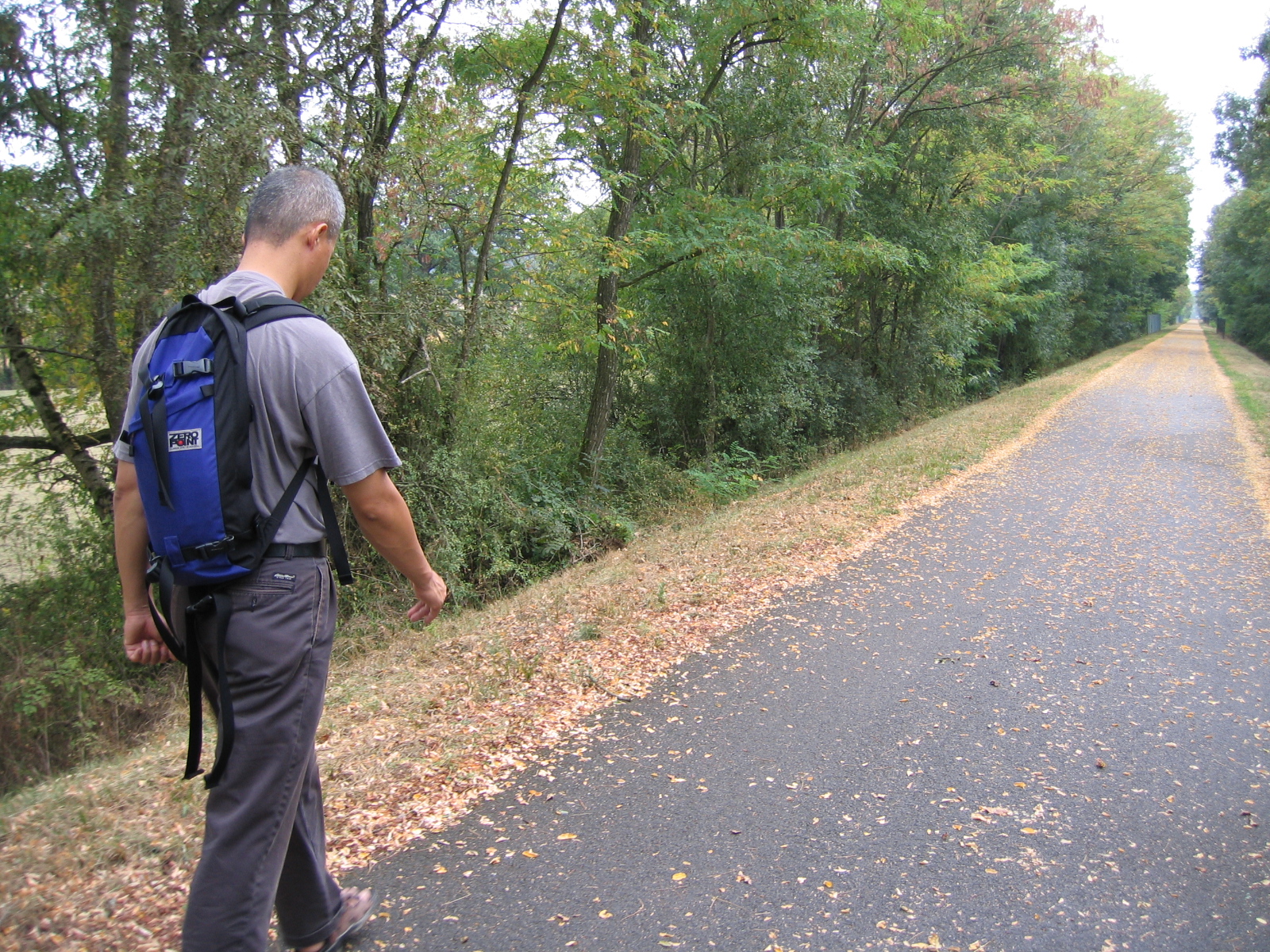
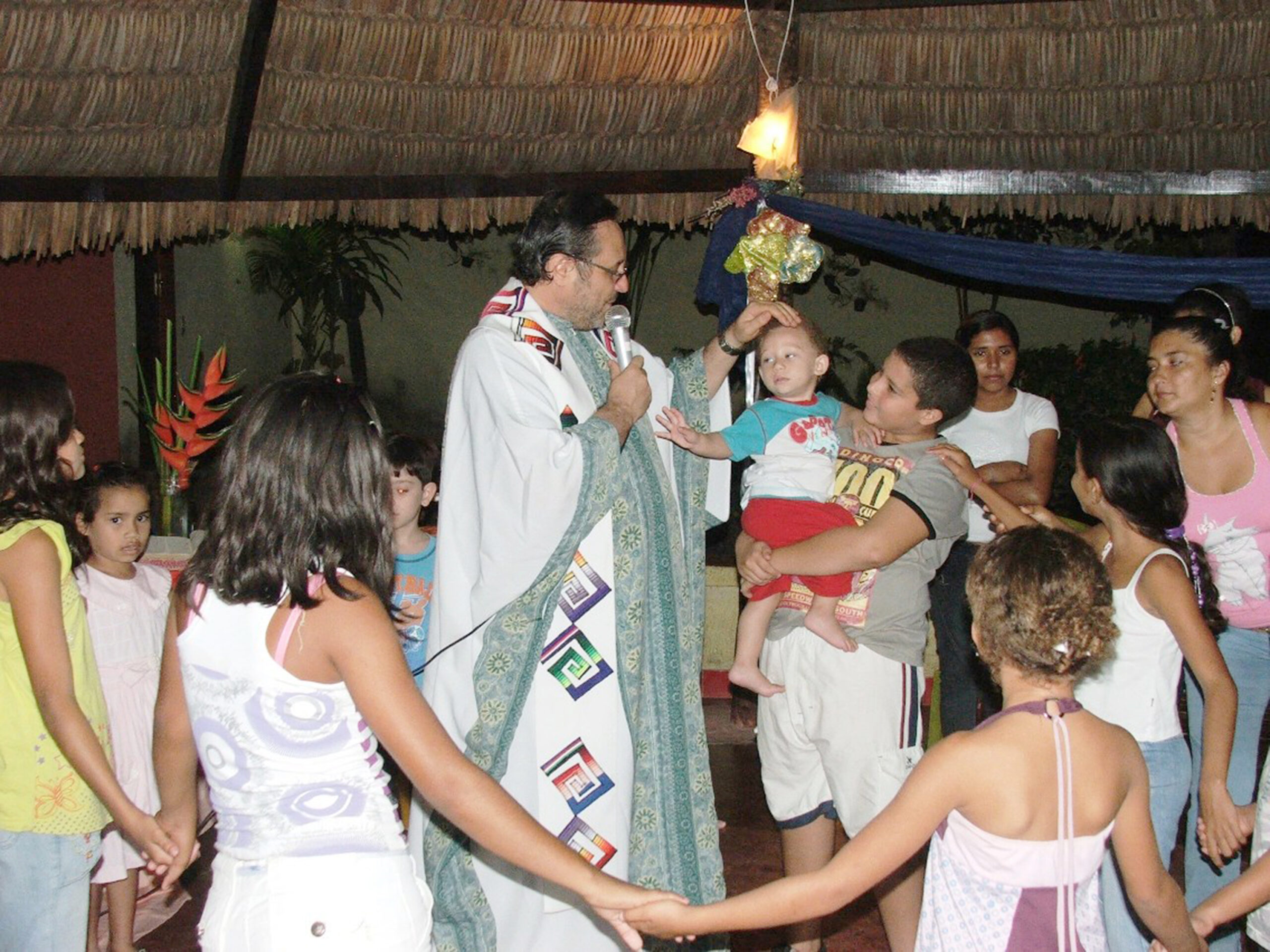
Yesterday on one of my regular walks along the paths and byways around the place where I live here in Luanda – they call it “Mwitubwi” – ‘marshland’ in the local lingo – for the first time, this Advent season, I heard some children sing a Christmas carol somewhere in the distance. The words were in the local language but the tune was familiar. Yes, I know now, it is true, Christmas is near! And this morning, there she was again. Mama Josephine had quietly crept onto our veranda clutching little Sophie in her arms. About three months ago she came to see me for the first time. She had found this little baby on a rubbish heap near the market in Luanda, she told me, and her heart had melted at the sight. A note from the local social worker served as proof of the veracity of what she said. And could I assist her with a few shillings to buy some milk? I tried to persuade her to entrust the baby to a local orphanage, but she was adamant she would like to raise this fragile little dollop of humanity herself – with a little assistance. And so she calls in every few weeks. Sophie is prospering, by the looks of it, and she beams a radiant smile at me when I come closer. Maybe it is a little too easy to make comparisons with the Christmas infant, but for me the distance between this little foundling and the child in the crib in Bethlehem is not so big. “Emmanuel” – an experience of heaven on earth – after all signifies that you can find traces of God in every human experience, most of all when words fail. Francis of Assisi, who ‘invented’ and popularized the Christmas crib more than 800 years ago wanted to show, above all, where true happiness lies – not in having a lot of things, but in feeling loved by the Lord, in making oneself a gift for others, in loving. That happiness I wish all of you, this Christmas!   African tradition For most people here in Kenya, Christmas is first and foremost a family celebration. Spouses, who at times are away for months for reasons of work, in the capital Nairobi or elsewhere, come home. Children who have flown from the nest, away at school or have left home for some other reason, flutter back to the parental homestead. On Christmas Day everyone gathers around the common table for a festive meal. For many people in Luanda, this will consist of a little more than a celebratory chicken with some rice and beans and “ugali.” One of our students here told me that the special treat for Christmas at his home is a dish of vegetables called “dek” (in his language). It should be special for it takes a whole week to prepare it properly! Here in Kenya, around this time, you also see the odd Santa Claus and plastic Christmas
A Spirituality Of Encounter And Visitation

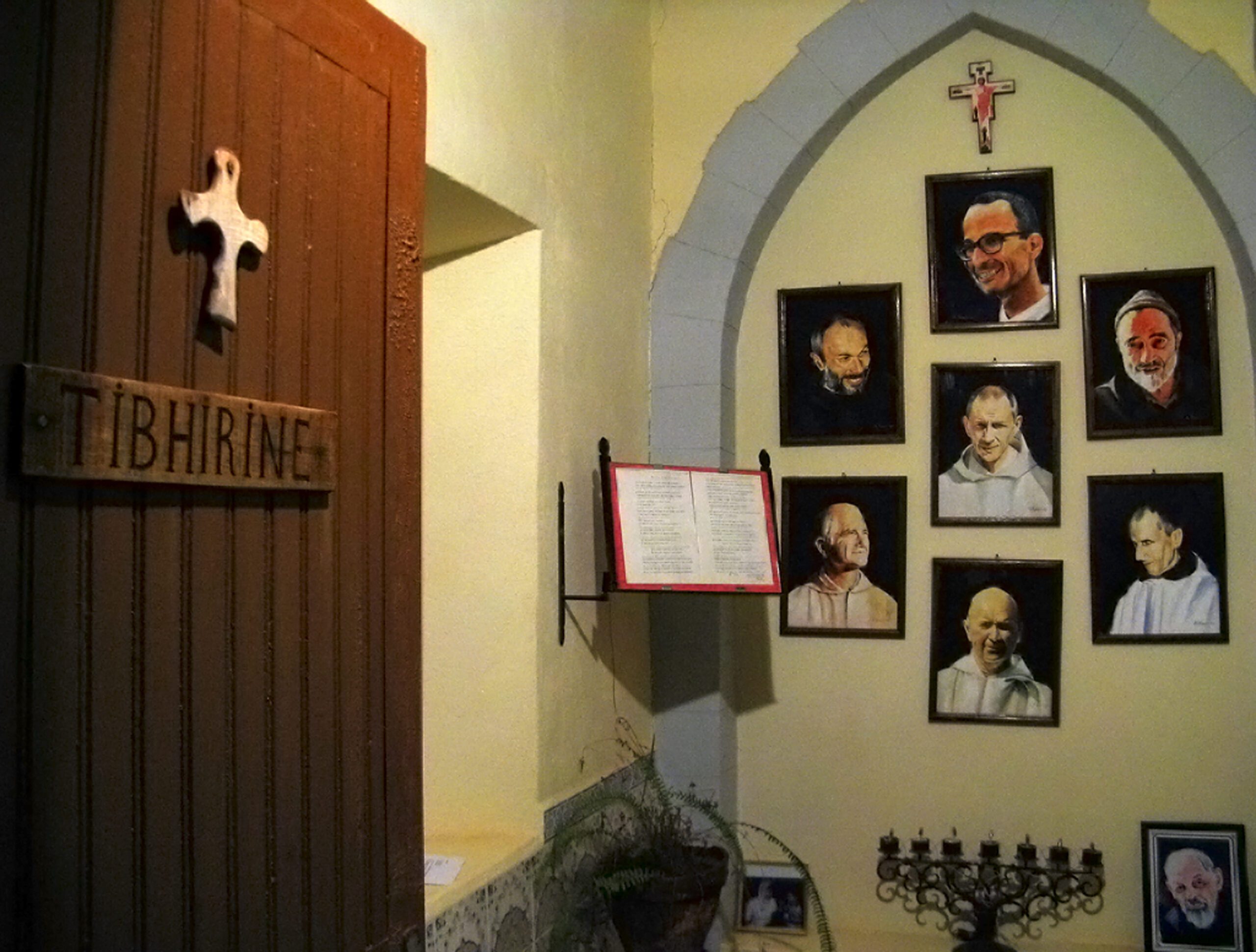
When, in May 1996, the shocking news of the murder at Tibhirine, Algeria, of a community of seven Trappist monks hit the headlines, the subsequent publication of the moving ‘Testament’ of Christian de Chergé, the prior of that community, opened a window on the singular originality of this community’s involvement with its Muslim neighbors. The exact circumstances of their death – allegedly at the hands of Islamic extremists – are only gradually coming to light now as hitherto classified information is being opened to the public. It seems increasingly likely that the seven monks were killed, riddled with bullets, from the air in a helicopter assault on Islamic insurgents carried out by the Algerian army, and subsequently beheaded. A film exploring their life and tragic death is scheduled to be released later this year. The creative approach to the Islamo-Christian dialogue of this small monastic community, lost in a sea of Islam, is proving a source of inspiration to many. Their witness is seen as a sign of the Spirit for the benefit of the universal Church at the beginning of the 21st century. It’s the innovative thinking and unique itinerary of Christian de Chergé which laid the foundation and provided the ongoing inspiration for this approach. Christian de Chergé saw the monastery’s basic calling in Algeria’s overwhelmingly Muslim environment to be ‘a praying community among a praying people’ (“priants parmi d’autres priants”).  The place of Islam in the totality of God’s mysterious plan of salvation was the single most important question defining his life as a contemplative monk in the ‘land of Islam.’ In his “Testament,” he writes movingly: “My death, obviously, will appear to confirm those who hastily judged me naive or idealistic: ‘Let him tell us now what he thinks of it!’ But these must know that my searing curiosity will then be set free. This is what I shall be able to do, if God wills: Immerse my gaze in that of the Father, to contemplate with Him His children of Islam as He sees them, all shining with the glory of Christ, fruit of His Passion, filled with the Gift of the Spirit whose secret joy will always be to establish communion and to refashion the likeness, playing with the differences.”   A Muslim’s Gift The astonishing fact is that Christian de Chergé received his vocation to become a monk in Algeria from a Muslim! It all began around 1960 when, a seminarian at the time, he served six months in Algeria as an administrative officer of the French army. The country was deeply embroiled in a bruising struggle to free itself from French colonial rule. A chance encounter with Mohammed, a simple and devout Muslim and father of six children, blossomed into a profound friendship. The young seminarian allowed himself to be transformed by the frequent exchanges with his Muslim counterpart. “Our dialogue arose from a peaceable and trusting friendship which had God as its ultimate horizon. He knew I was a seminarian, and

Frontline

A Spirituality of Encounter and Visitation

Without the encounter with Islam, the Church will not be able to sing her hymn of praise to God freely and fully; without the visitation of other religions, the Church cannot celebrate the Eucharist fully ‘for you and for the many.” This is the basis of the ‘theology of hope’ developed by Christian de Chergé, the Trappist monk who was killed in May 1996 in Algeria, but whose spiritual legacy of interreligious dialogue remains alive.

Frontline

A New Challenge for Mission

Everything started when we listened to the people and discovered that the biggest problem was internalized poverty. People lose their sense of life, turn inward, become self-absorbed and refuse to believe that things can get better, that they have the resources to change a crisis into an evolution. Self-esteem is reduced to the minimum and leaves room for graver symptoms that can turn into a terrible psychiatric disease like depression.

Frontline

Bethany’s Nursery School

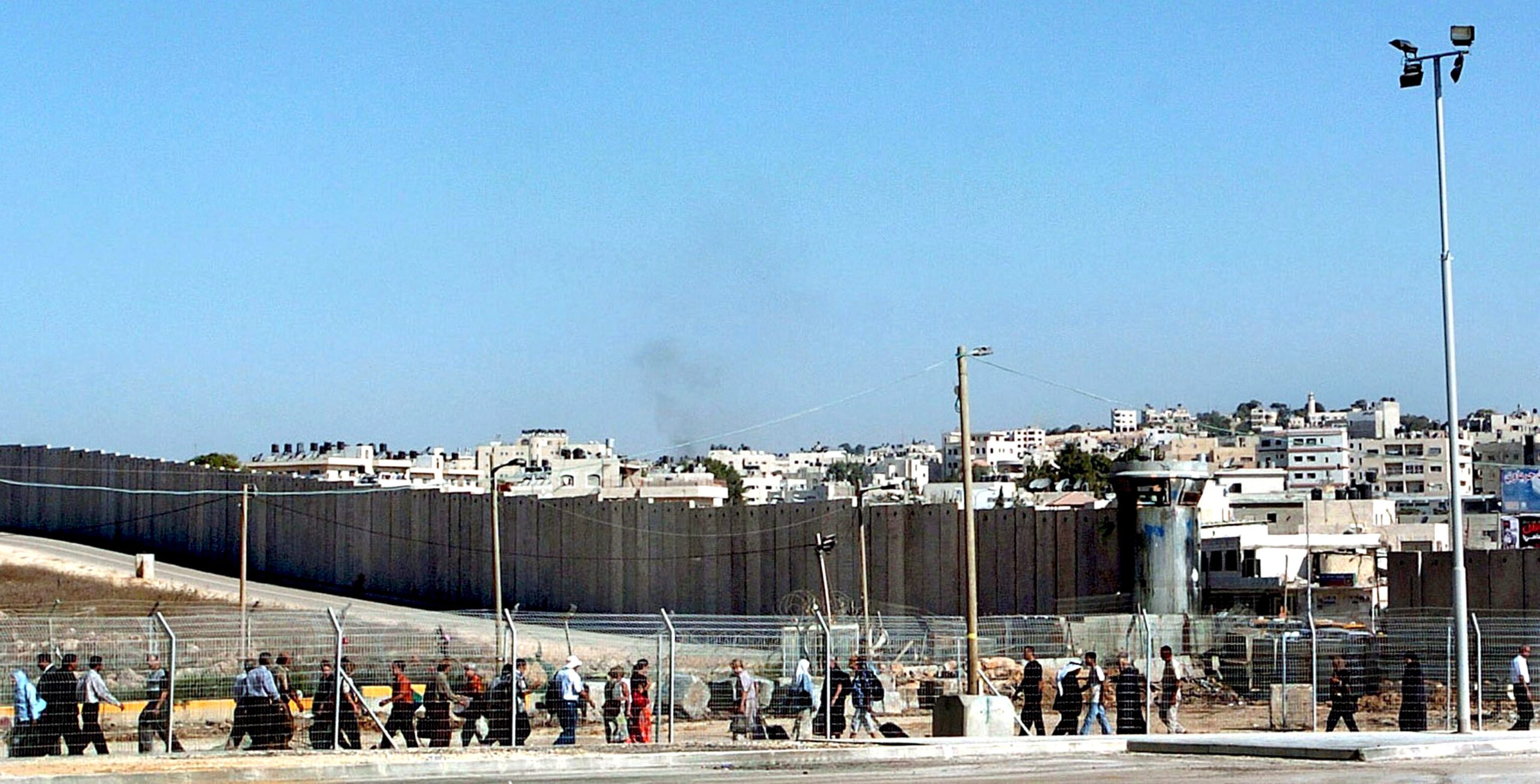
One day, those who attend the Comboni Sisters’ nursery school at Bethany and the many other thousands of Palestinian and Jewish children, who now live in the shadow of the wall of hatred and division, will also dwell in concord and peace – without walls and barbed wires. This is, at least, our dream and our hope.

Frontline

The Joy of Simple Gestures

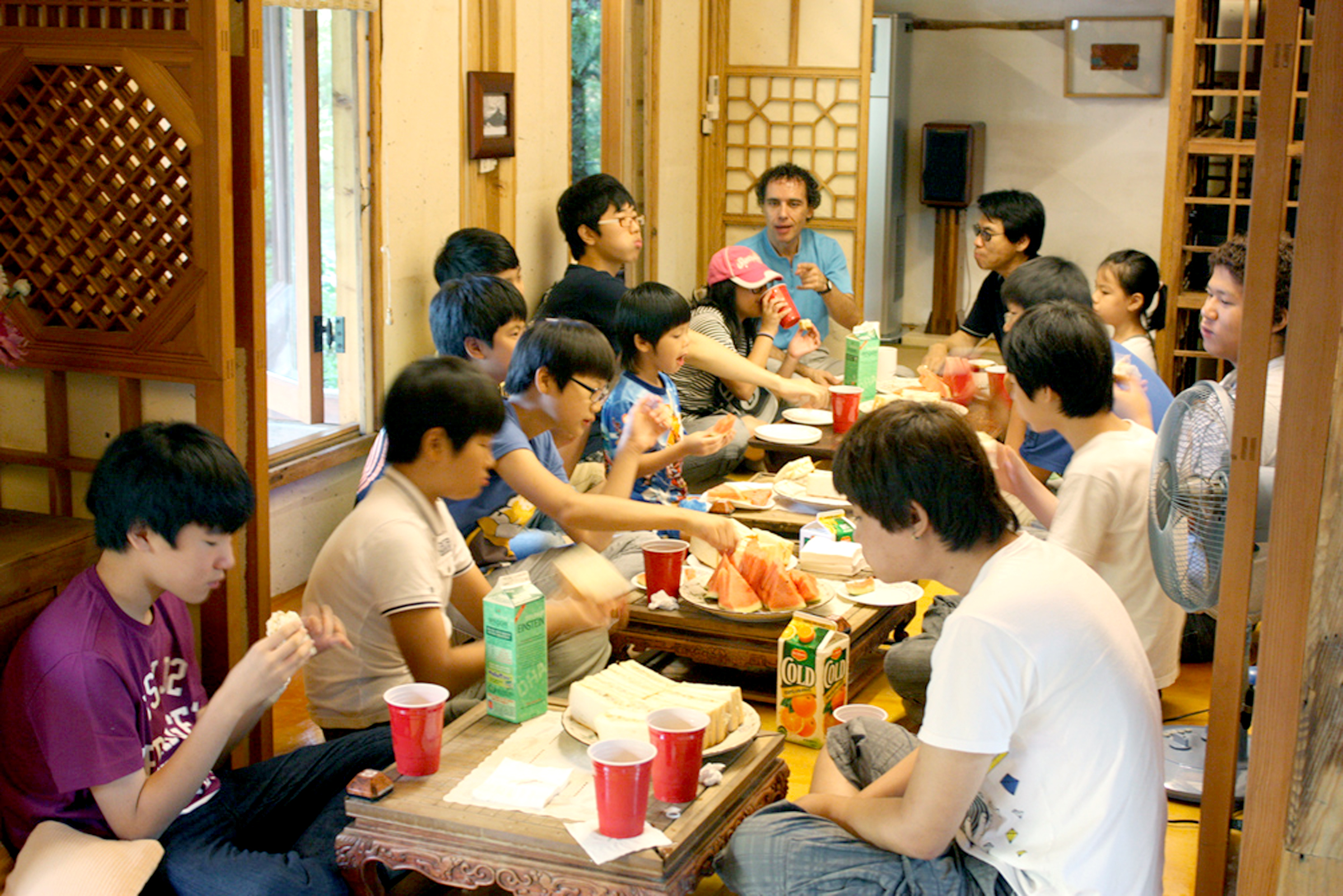
Fr. Vincenzo Bordo, a missionary who manages a soup kitchen and three Family-Houses for boys in Seongnam (close to Seoul, South Korea’s capital), is quite happy with the kind of life he has been leading for twenty years. It is his daily routine that fills him with joy: to beg out of love; to bow in front of the poor; to extend a caress to the boys before sending them to bed; to praise the Lord before falling asleep. Amid the daily endeavors, these simple gestures give him serenity.

Frontline

The Power of Compassion

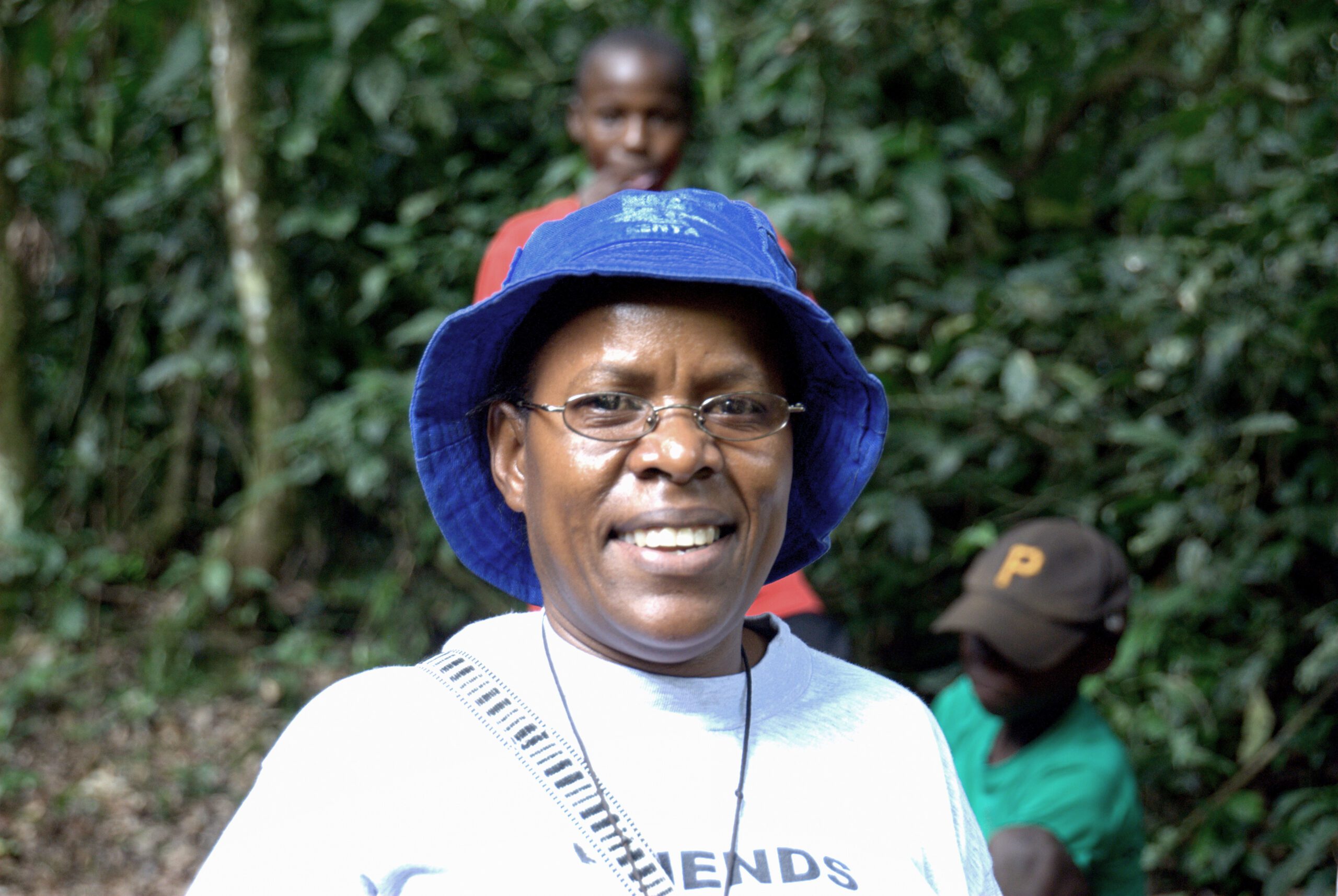
The kindness and compassion that Sr. Brenda Imdeke showed towards a woman, defaced by a terrible illness, conquered the hearts of Muslims in a little town in Kenya. Kind gestures have the power to make wonders.

Frontline

Delayed Peace

Murder, rape, torture, pillage and displacement of a large number of civilians in Darfur, have turned this Sudanese region into a hell. Portuguese Comboni Missionary, Fr. Feliz da Costa, who has been working in Sudan for 20 years – the last three in Nyala – is a privileged witness of the crimes committed in the territory and of the people’s longing for peace.

Frontline

“Jesus was a Grand Zen Master”

A Korean-born Maryknoll priest recognized as an “honorary” Seon (Zen) Master maintains that Seon is a way of praying rather than a religion, and Jesus was a “grand Seon master.” According to Father Kim Alfonso Hak-boum, who has been learning and practicing Seon meditation in Japan and Korea since the mid-1990s, Seon can also be an effective tool for inculturation and interreligious dialogue.

Frontline

Desert, My Cathedral

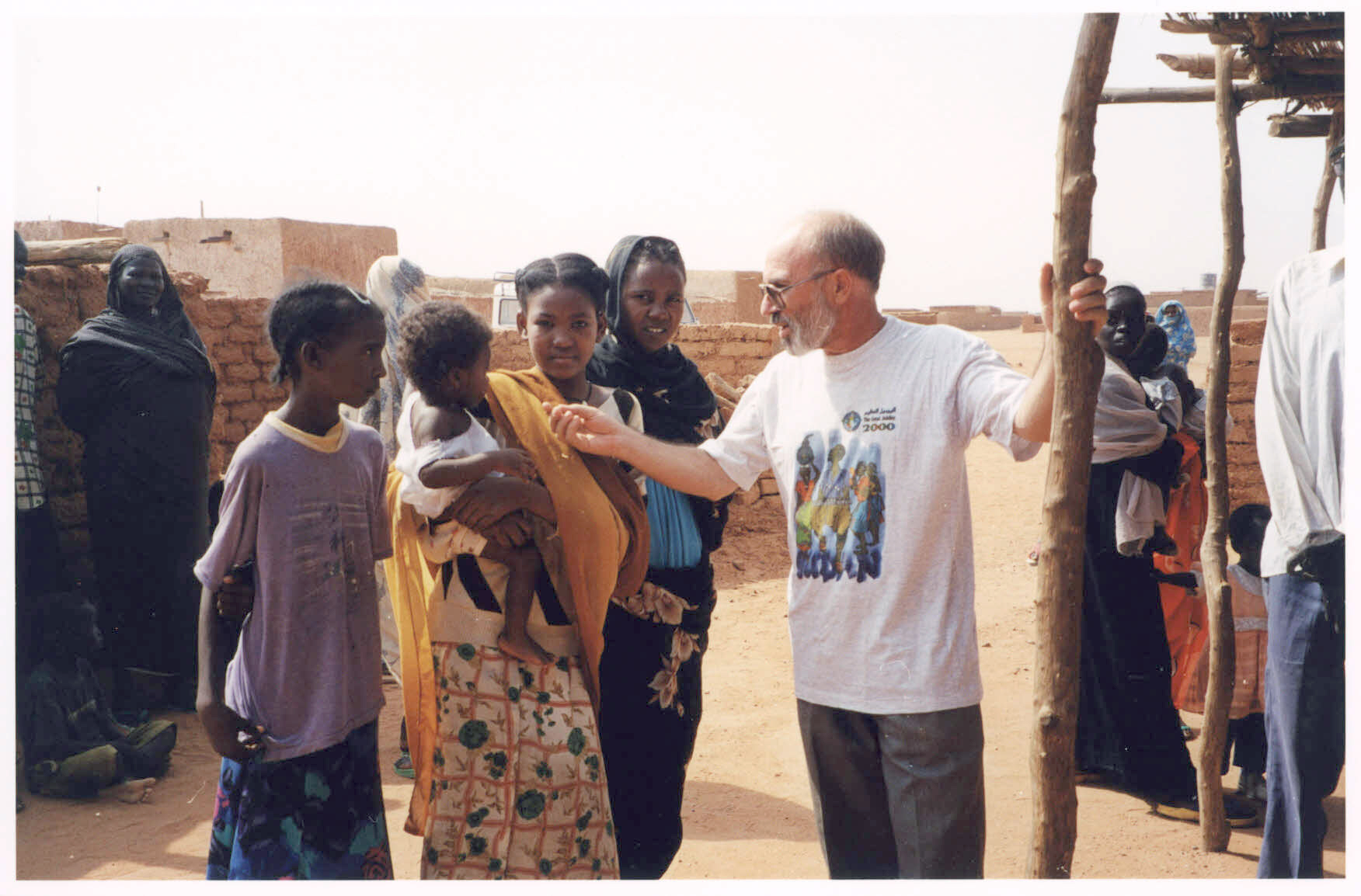
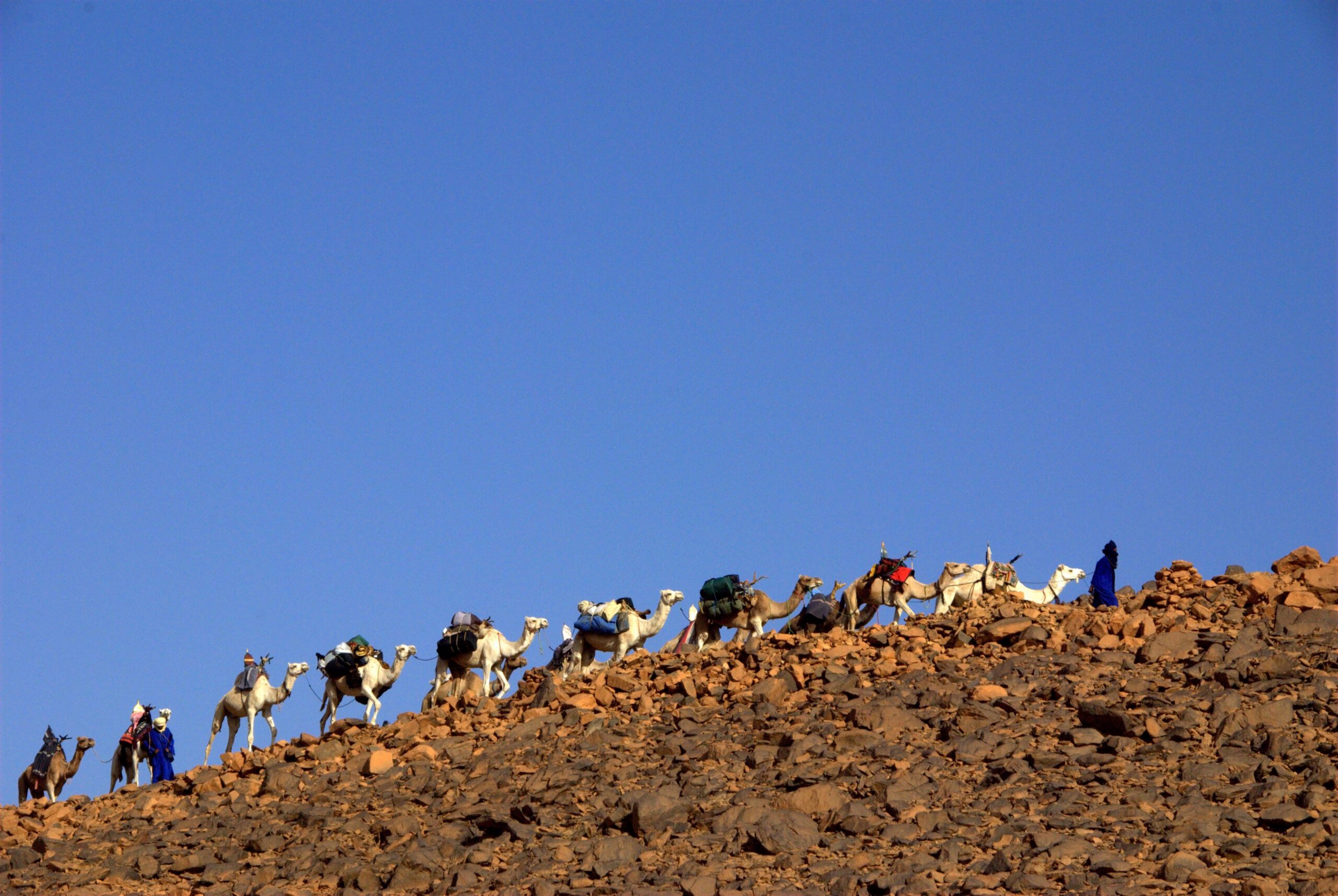
“Islam transformed the life of Charles de Foucauld,” Brother Ventura said. His own, no doubt, equally has been deeply affected by his long sojourn in the prayerful isolated Christian enclave in the middle of the Algerian desert, a sort of cathedral shaped by Nature.

Shopping Cart