
Category: In Focus

The Shadows Of War

Such commissions have largely served the interests of governments to take cover behind international and domestic criticisms of flagrant human rights violations, adds the 42-year-old who authored a report, “Post-War Justice in Sri Lanka: Rule of Law, the Criminal Justice System and Commissions of Inquiry,” released by the Geneva-based International Commission of Jurists (ICJ). The Sri Lankan conflict involving the secessionist Tamil Tigers saw over 70,000 people killed. The United Nations estimates that 7,000 civilians died during the final months of the battle, which ended in May last year. An equally disturbing number of victims were documented in another conflict in the battle-scarred island, which was waged in the late 1980s and involved the state and youth from the majority Sinhalese community. An estimated 40,000 Sinhalese youth ‘disappeared’ during that Marxist uprising to overthrow the government. “The lack of state accountability for human rights violations in Sri Lanka crosses ethnic divides and all governments and parties,” the 175-page ICJ report reveals. “Neither the regular criminal justice system nor commissions of inquiry have been able to satisfy the state’s obligation to its citizens.” The issues of justice have not been limited to the country’s Tamil and Muslim minority, says Pinto-Jayawardena, who is also an award-winning newspaper columnist. “It is a concern for the Sinhalese majority, too.” What is urgently needed, she argues, is a reform of the judicial system, since it has been ineffective to investigate and prosecute perpetrators of human rights violations, ranging from rape, torture, killings to disappearances since 1977.    

Christmas, A Harvest Festival

Early Sri Lankan chronicles bear evidence that much before Arab seafarers were driven by stormy winds to this tropical isle which they fondly referred to as “Serendip,” or European navigators discovered Ptolemy’s “Isle of Ceylon” (1500s), learned scholars from the Orient had frequented the land of the Sinhalese to further their study of the Buddhist doctrine. (A recent mural painting at the Katunayake International Airport depicts the scene from the legendary arrival of Prince Vijaya and his team to whom the Sinhalese trace their origin – picture on far right.)  Sri Lanka today is a predominantly Sinhala-Buddhist state. But since past ages, the land of the Sinhalese has attracted and unified together a varied mixture of Christians, Hindus and Muslims whose descendants today comprise over 30% of the country’s total population. In spite of the dramatic recent civil disturbances – primarily caused for advancing political supremacy – all of the nation’s ethnic peace-loving communities, i.e. Burghers (descendants of European colonists), Moors, Sinhalese, and the country’s second largest community of Tamils, are now trying to thrive harmoniously side-by-side as has been for hundreds of centuries ago. Their present mixed generations manifest a bold blend of the diversity and richness from the cultures, traditions and religious beliefs that their ancestors have proudly upheld in spite of the nearly five hundred and fifty years of domination by European colonial powers, viz. Portuguese, Dutch and British.    A rice culture Apart from the Muslim traders and the communities of Tamil marine fishers who settled along the coastal belt, the native Sinhalese (whose language is Sinhala) have given much importance to irrigation, rice farming and community-based agriculture since very ancient time. Thanks essentially to the wise and tolerant reign of early Sinhalese kings, Sri Lanka gained fame as “the Granary of the East.” Even the twelve months were aptly named to capture and reflect not merely the essence of a season’s idealistic charm but to identify each month distinctly and differently from the other. December, for example, in the Sinhala lunar calendar was named “Unduwap.” In later years, with Christian conversions following the arrival of the Portuguese (1505), the twelfth month became popularly christened by the Sinhalese as “Nattal mase,” literally meaning the month of Christmas. (Initial converts to Christianity included both the Sinhalese and the Tamils. Though a majority of the Sinhalese are Buddhists, and many Tamils are Hindu, a prominent characteristic that continues to bind the two converted communities together is their common Christian faith. Alas, the same cannot be said of either of these two communities whose Buddhist or Hindu members even rarely accept to follow the religion of the other.)   “Nattal” in Sri Lanka ushers in a festive season, traditionally celebrated throughout the island. People look forward to this year-end festival. Christians use the season to observe and spread the wonderful message of Christmas: sharing with their poorest neighbors and spreading the message of goodwill and peace among all. For children, it means the end of school, completion of terminal examinations

Jerusalem Must Be The Mother Of All Believers

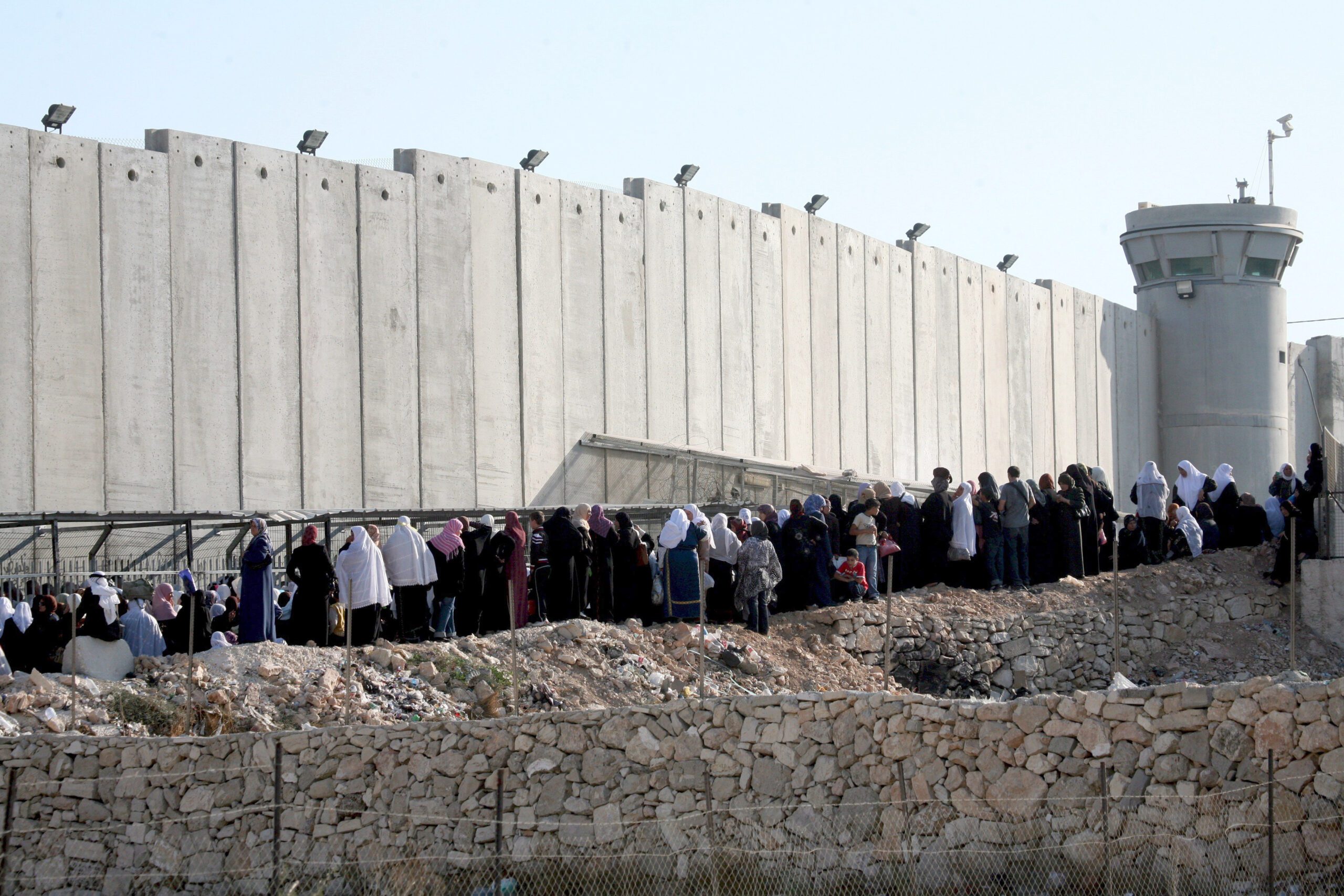
Although Christian Arabs make up a small minority in the Holy Land, they could be an important bridge in the conflict that has divided the region for too long, says Patriarch Fouad Twal. The Latin Patriarch in Jerusalem laments, however, that as the international community is slow to take them into consideration, the numbers of Christians are dwindling. Part of the problem, he notes, is the Israel’s 20-foot-high wall around the Palestinian territories that has made daily life for many almost impossible. There are approximately 50,000 Christians living in the Gaza Strip, East Jerusalem and the West Bank, with a further 200,000 in Israel. In this interview given to the television program “Where God Weeps” of the Catholic Radio and Television Network (CRTN), in cooperation with Aid to the Church in Need, the patriarch discusses the many challenges facing Christians living in the Holy Land. He also makes an appeal for three “P’s”: Prayer, Project, and Pressure.   – Can you tell us what is the situation of Christians in the Holy Land today?  We have to remember that the Latin Patriarchate covers three states: Jordan, Palestine, Israel, and even Cyprus. So it is not easy to speak about one state because situations change from state to state. Generally, as we know in the world, there is one state with many dioceses; in our case, we have one diocese within many states.  The fact that we are living in conflict means borders between these states create problems; to cross the borders means problems, to assign priests from one parish to another parish is not easy. We need allowances – permission – from Israel to move within these three states, which is within one Patriarchate of Jerusalem.    – How would you describe the feelings of the people in Jerusalem, in the Holy Land, particularly Christians?  It is a special city, a beautiful city and a dramatic city over which even the Lord wept. And we are still weeping. It is not easy. Jerusalem unites all the believers – Jews, Muslims, Christians – [but] at the same time, Jerusalem divides all the believers – to [the] death. Everybody wants Jerusalem to be their own capital, and Jerusalem, for me, must be the mother of churches, mother for all believers, and not for one people.  It is a pleasure, from one side, to see these people coming to visit the holy places and, on the other side, it is painful to see the local church, the local Christians, not being able to visit these holy places. A parish priest from Bethlehem cannot bring his faithful for a pilgrimage to these holy places. The same situation is seen in Ramallah, and Jordan, and other parishes; they cannot move easily with so many checkpoints and the wall separating them.   We Never Give Up Hope – This is a key question. Has the situation worsened now for Christians in the Holy Land as a consequence of the construction of the wall?  For sure, the

In Focus

Jerusalem Must be the Mother of all Believers

The Latin Patriarch in the Holy Land, Fouad Twal, regrets that Jerusalem, where Jesus Christ suffered, was crucified and resurrected, became a factor of division, contention and pain for the followers of the three biggest monotheistic religions. But, at the same time, he laments that the Christian community is dwindling; he still hopes that the future of the city is to be “the mother of churches, mother for all believers.”

In Focus

Time to Build a Just Society

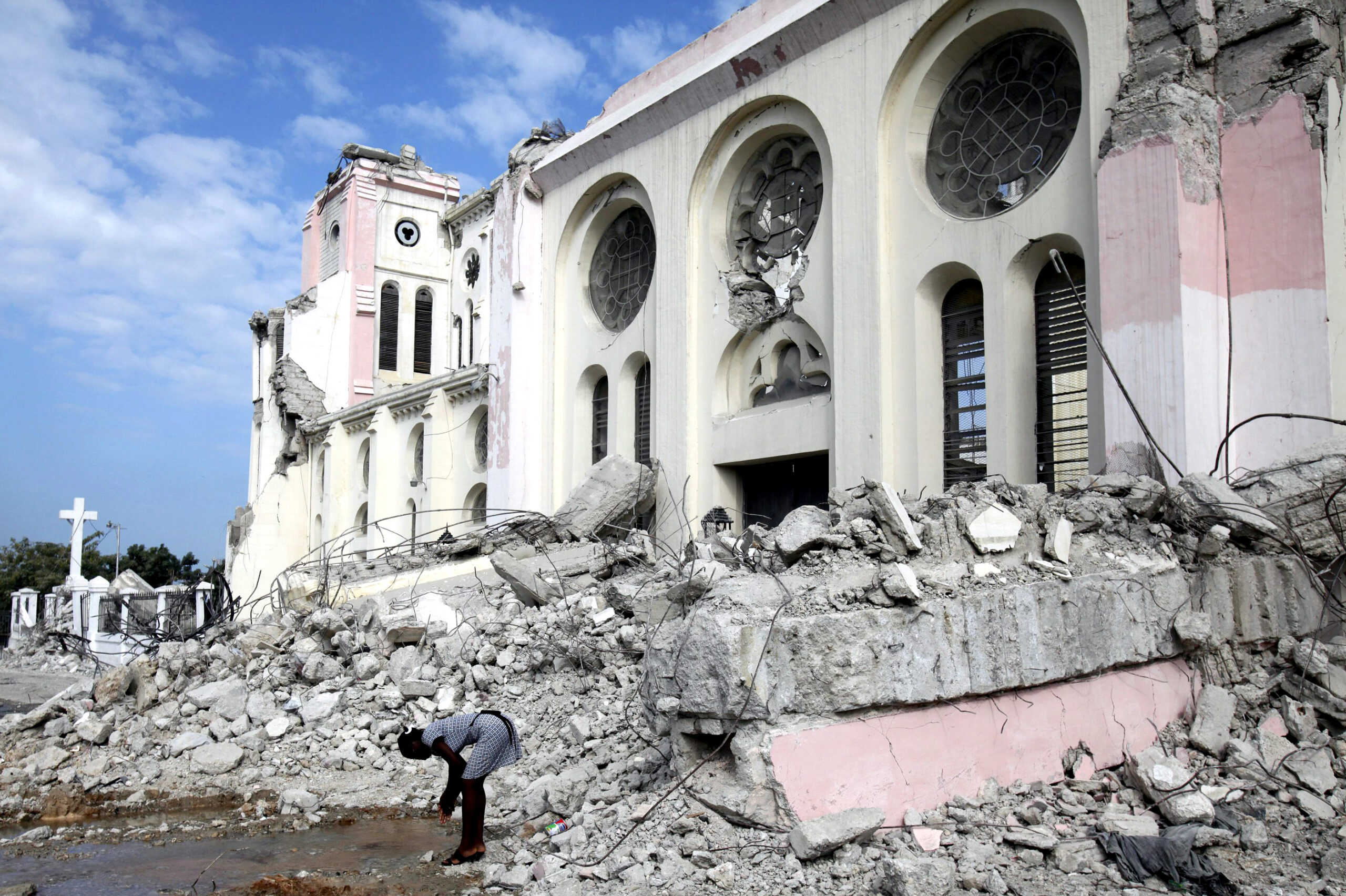
After the tragic January earthquake that left over 230,000 dead, hundreds buried alive, more than one million homeless and Port-au-Prince in ruins, it’s time for the international community to help rebuild not only the capital but Haiti itself, the poorest country in the Western Hemisphere. However, the aid must not repeat the errors and exploitation of the past which, in a big measure, were responsible for the country’s poverty, warn human rights groups.

In Focus

GMOs are Going to Create Famine and Hunger

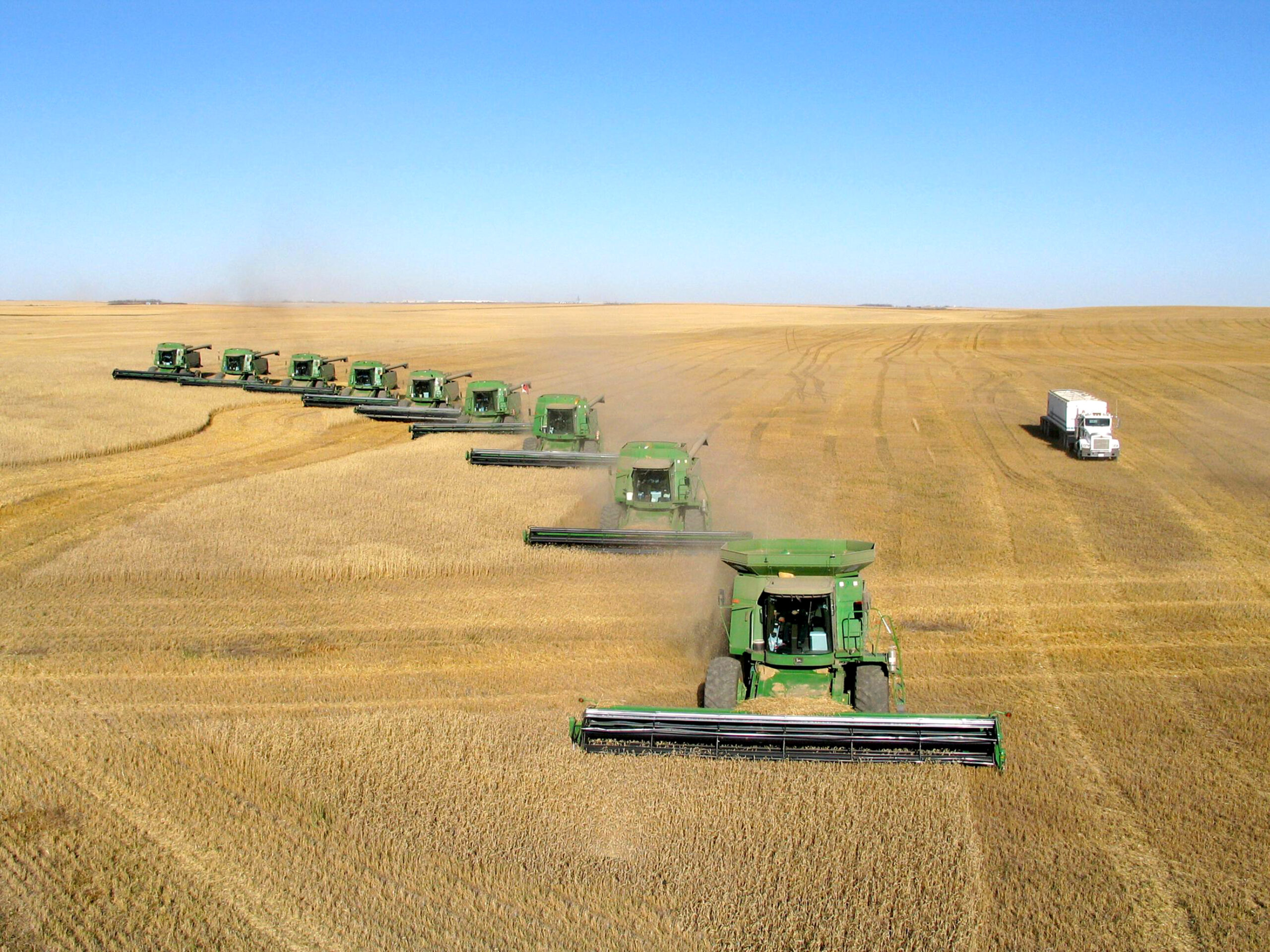
A well-known writer on environmental themes and a missionary who spent more than twenty years in the Philippines, Fr. Seán McDonagh is leading a campaign to denounce the negative impact of genetically modified organisms (GMOs). Because he believes they are not at all the solution to feed the poor of the world but, on the contrary, they can only contribute to create more famine and hunger.

In Focus

Life in all its Plenitude

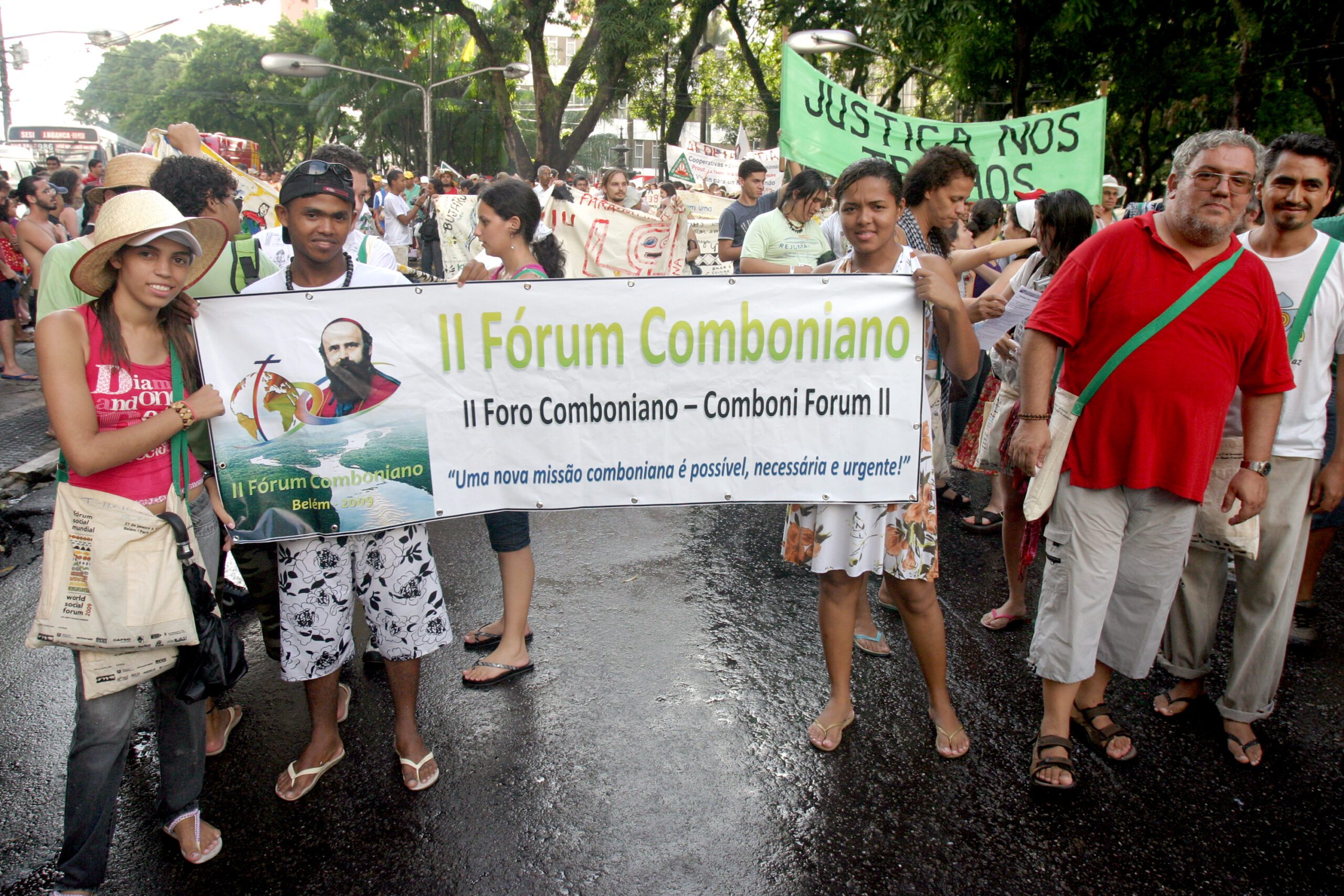
It is fundamental to comprehend that we have to move from a socio-environmental vision, which is exclusively centered on the well-being of human beings, to a posture that incorporates the respect, the care, the preventive and defensive action towards all living beings, that is, of life in its plenitude and magnitude. This is one of the conclusions of the second Comboni Social Forum, held during the World Social Forum that took place in Belém (Brazil), and a step towards a new missionary attitude.

In Focus

Keeping Hope Alive

The new outbreak of combats between the Congolese Army and the troops of the rebellious General Laurent Nkunda has caused an undetermined number of deaths and more than 250,000 displaced people, making ever more difficult the restoration of peace in the east of the Democratic Republic of the Congo.

In Focus

The Power of Hope

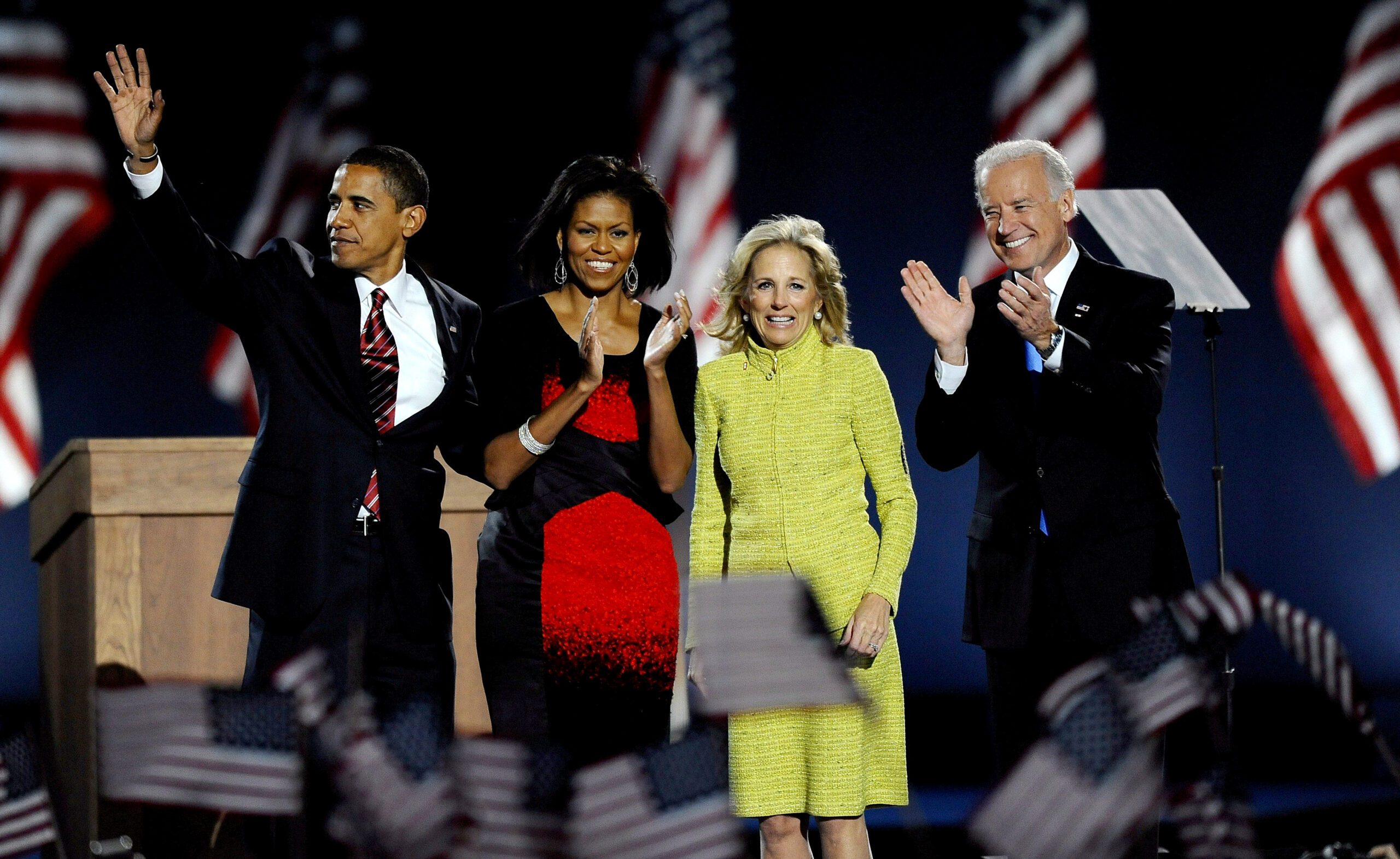
The election of Barack Obama as the 44th President of the USA was received, in America and the world, as a sign of change and hope. In a moment of global crisis, this can be a turning point. Hope is very powerful.

Wildlife Sanctuary

The world-renowned Kruger National Park in South Africa is a wildlife haven. In its area of nearly 2 million hectares, the unrivalled variety of life forms fuses with historical and archaeological sights, and offers tourists an unforgettable experience of the beauty and diversity of the wild.

Shopping Cart