In Focus
Corruption or Communion
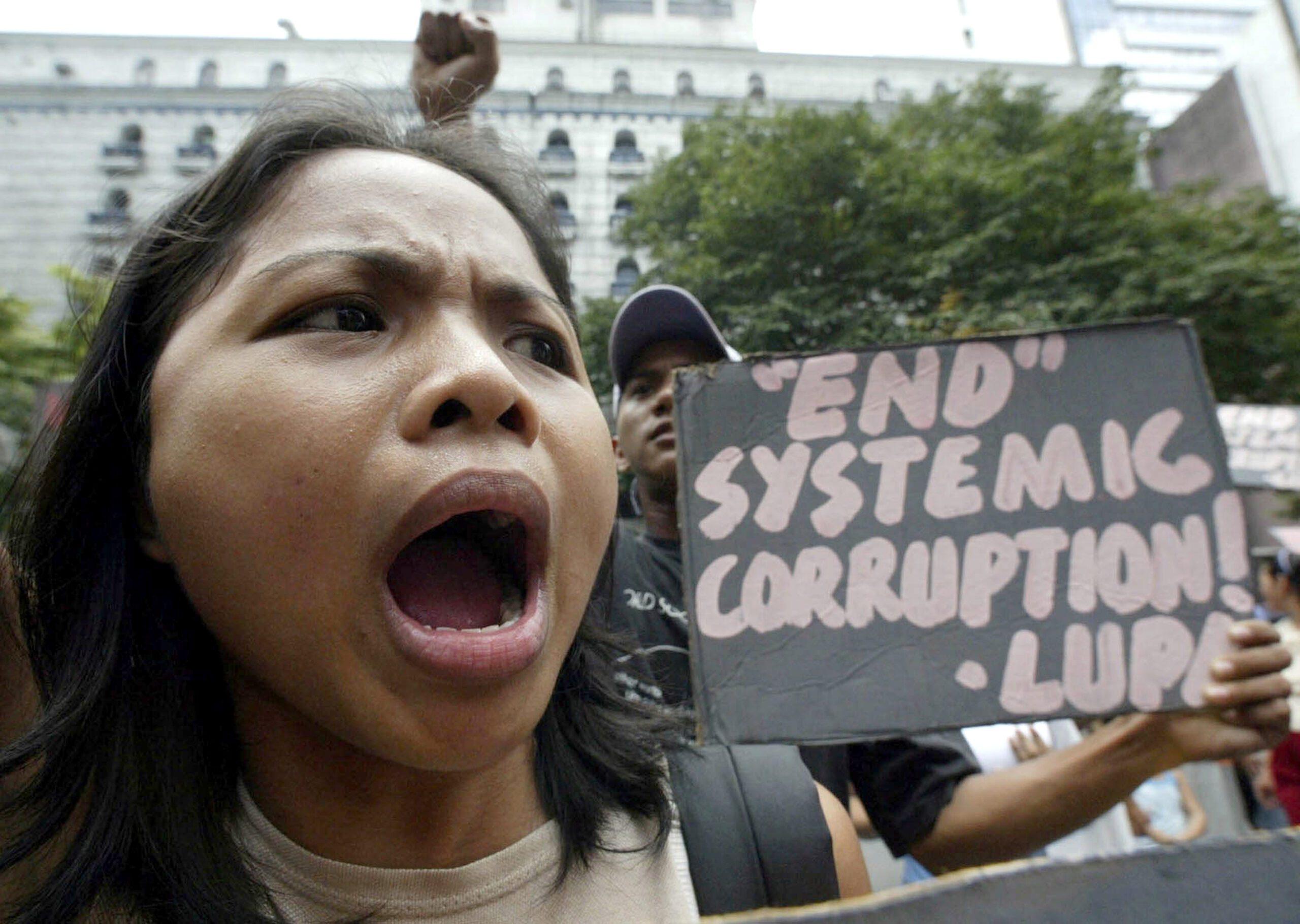
Corruption kills. It is the enemy of the public. The Church, even as the custodian of the Scriptures, is part of the problem. Being part of the problem, I hope it also serves as part of the solution.


Corruption kills. It is the enemy of the public. The Church, even as the custodian of the Scriptures, is part of the problem. Being part of the problem, I hope it also serves as part of the solution.
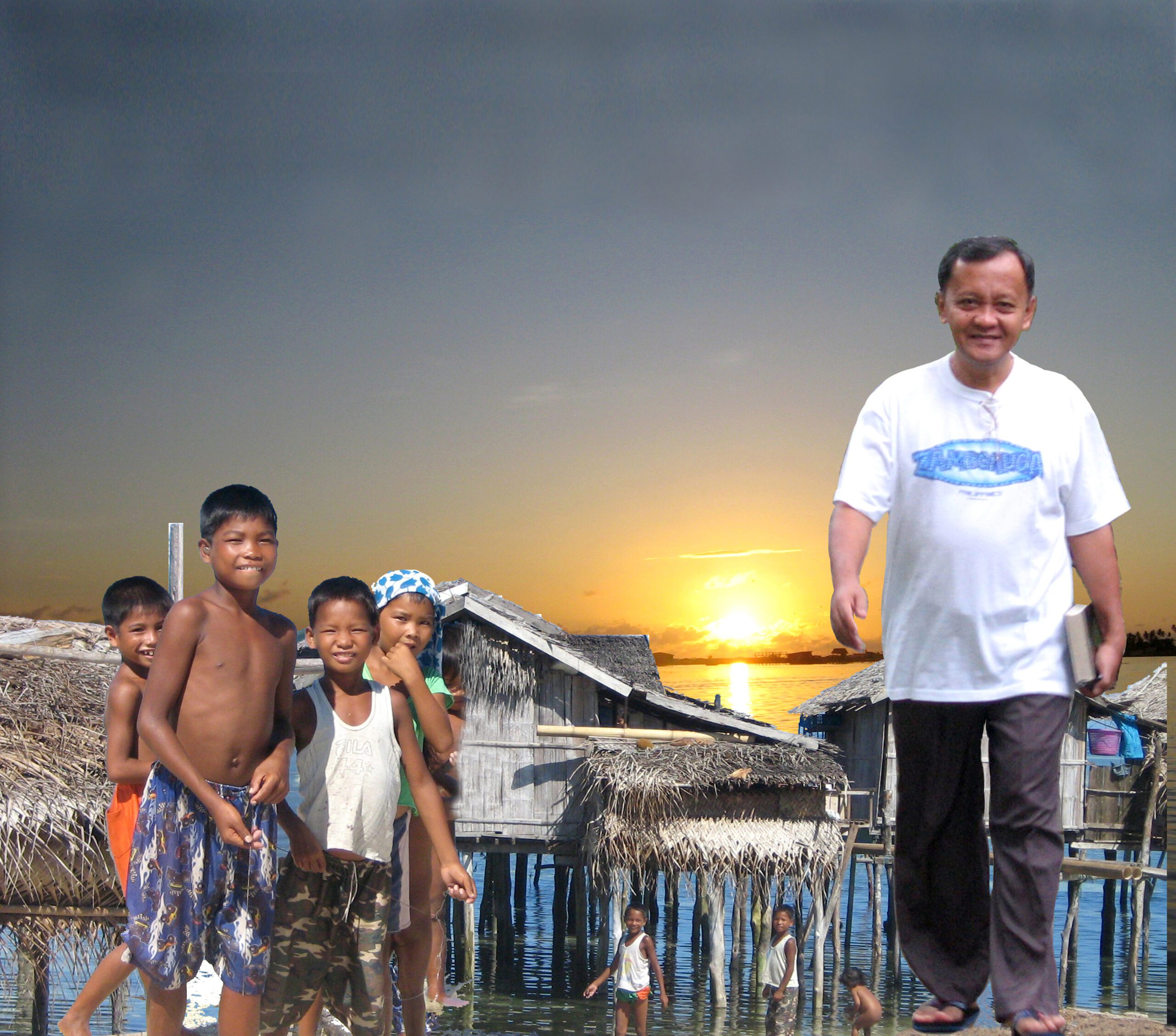
While praying in Tabawan Chapel, Fr. Jesus Reynaldo Roda was seized by kidnappers. Afraid that they would harm his people, he refused to go with them and was shot. Christians and Muslims joined to mourn and pray for Fr. Rey who had given them ten years of his life.

In Bali, the message was stark: Unless greenhouse gas emissions were seriously curtailed, the human community and the wider global environment faced a bleak future. But the answer was to postpone the big decisions.
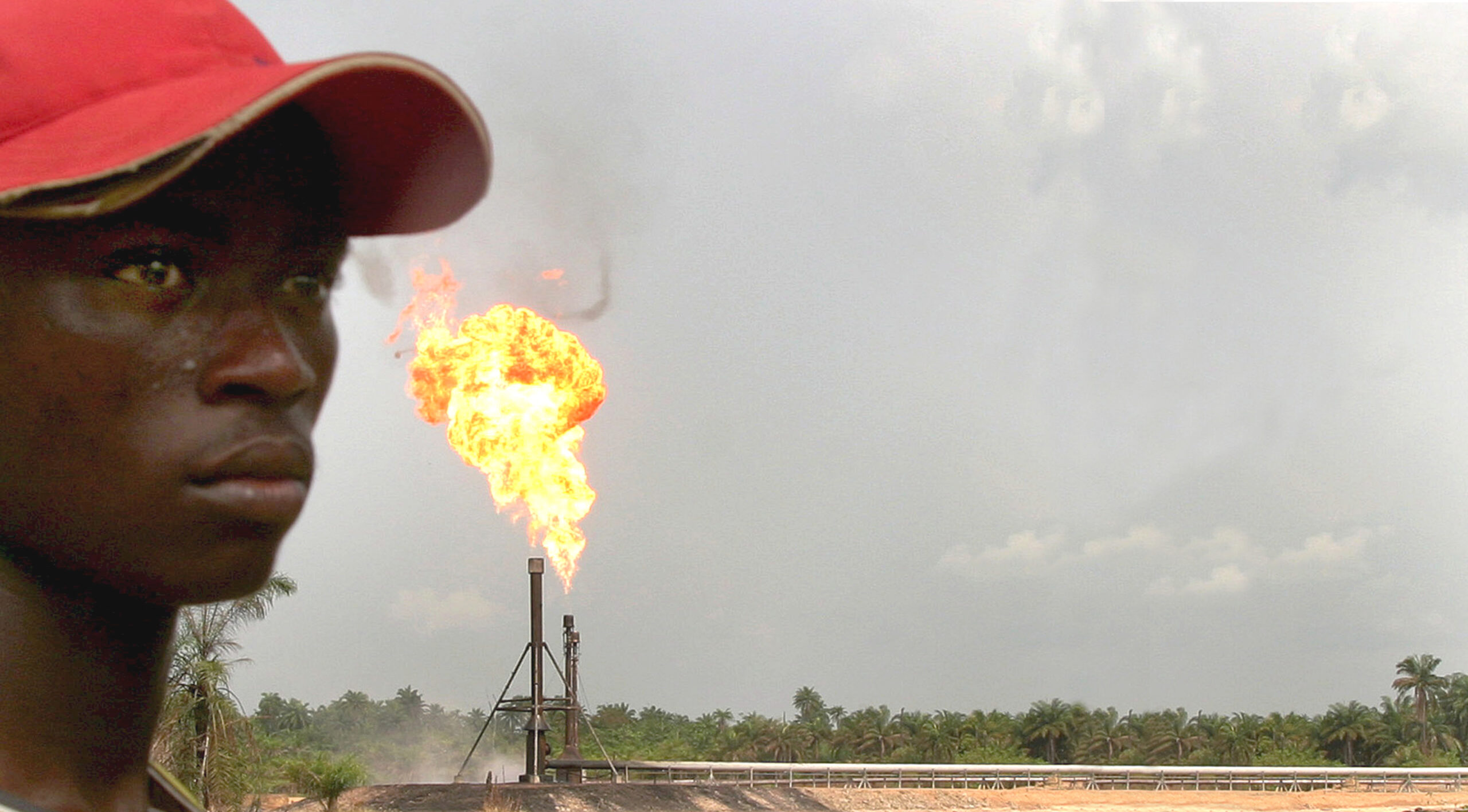
In people’s minds, Africa is often associated with poverty, hunger, illnesses and wars. But Africa is a continent with an extremely rich underground – in diamonds, petroleum, gold and ores. Therefore, it entices the greed of those who are capable of exploring such resources – for their own benefit.
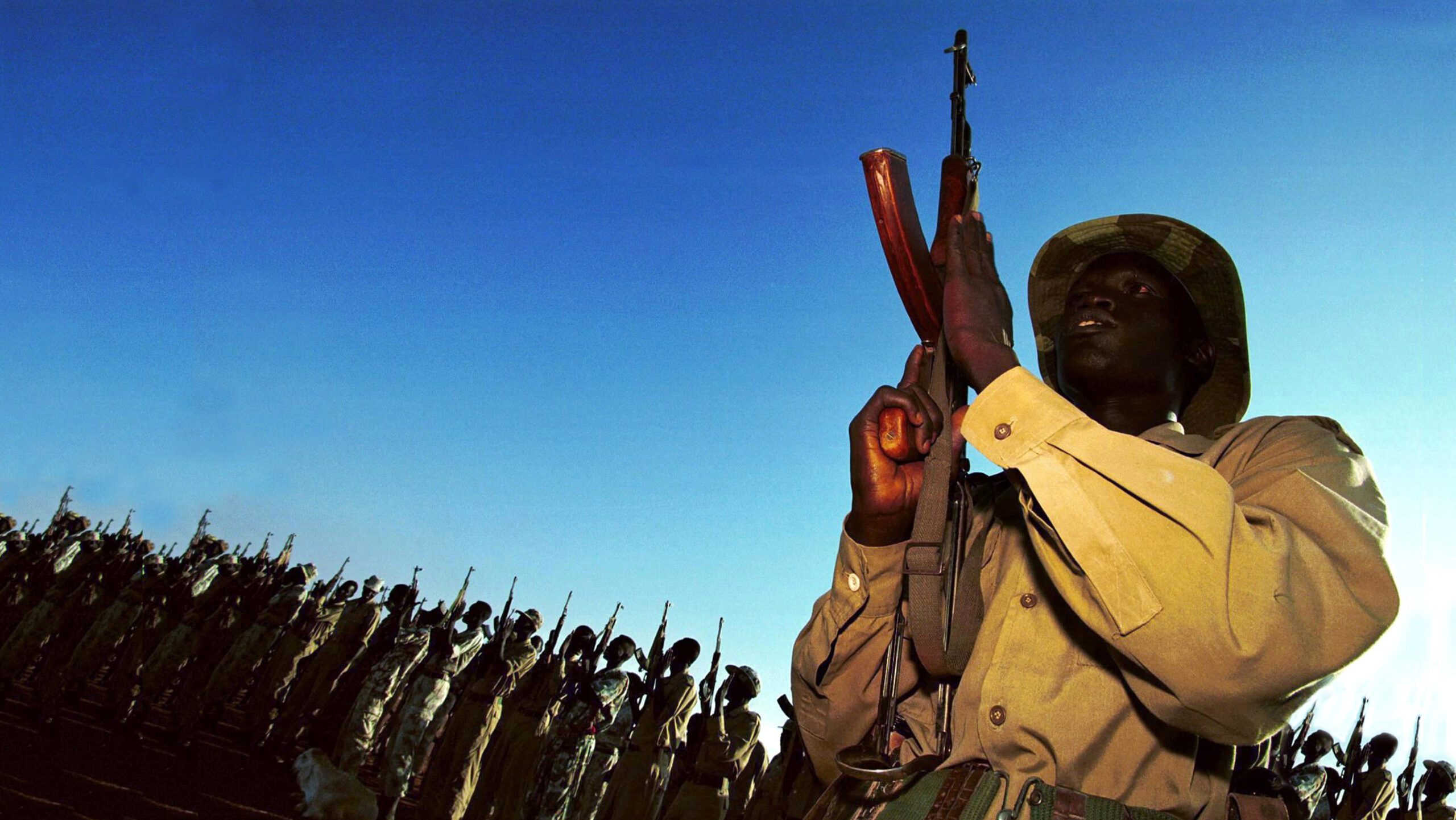
Africa is not at peace. More than 30 wars have been fought in the continent since 1970, and most of these have been internal rather than inter-state wars. Conflicts in the continent became more widespread through the 1990s, and changed in nature. By 2000, over half the countries in the region had been directly or indirectly affected by conflict, and most were factional wars. These have no defined front line and fighting is frequently opportunistic rather than strategic. In order to sustain conflict, these wars deliberately seek to involve, exploit and control a significant proportion of the civilian population.

The painter of Hapag ng Pag-asa (The Table of Hope), Joey A. Velasco, made this artwork barely six months after his initiation as a painter. He thinks that he was merely God’s paintbrush, portraying underprivileged children who, eventually, helped him to make a U-turn in his life. The painting gained fame and became a symbol of the fight against extreme poverty in the Philippines.
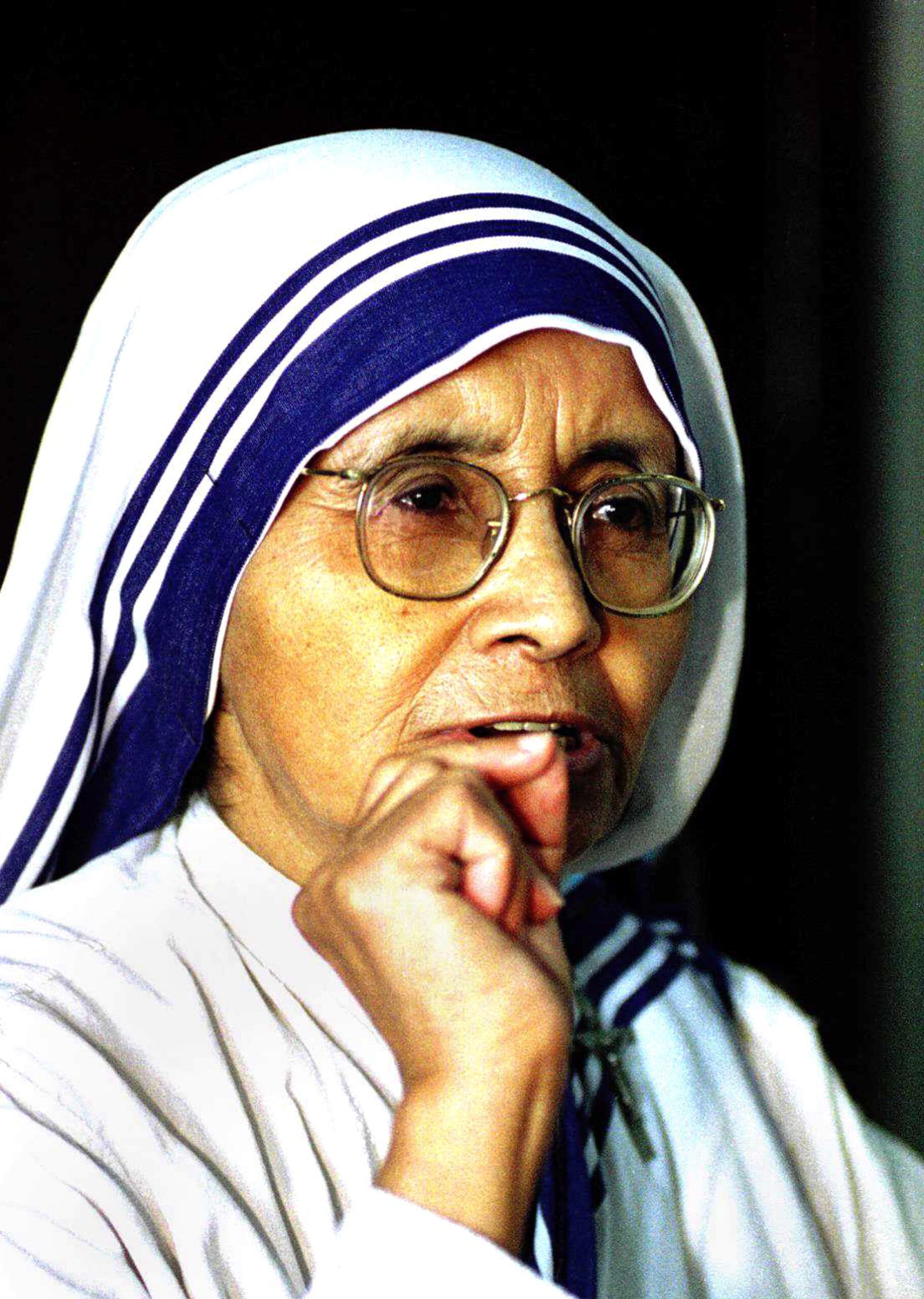
A decade after Blessed Teresa’s death, her dream of sending her Missionaries of Charity nuns to work in mainland China remains unfulfilled. But her successor, Sister Nirmala Joshi, a Hindu convert, says that dream will be fulfilled in its own time.
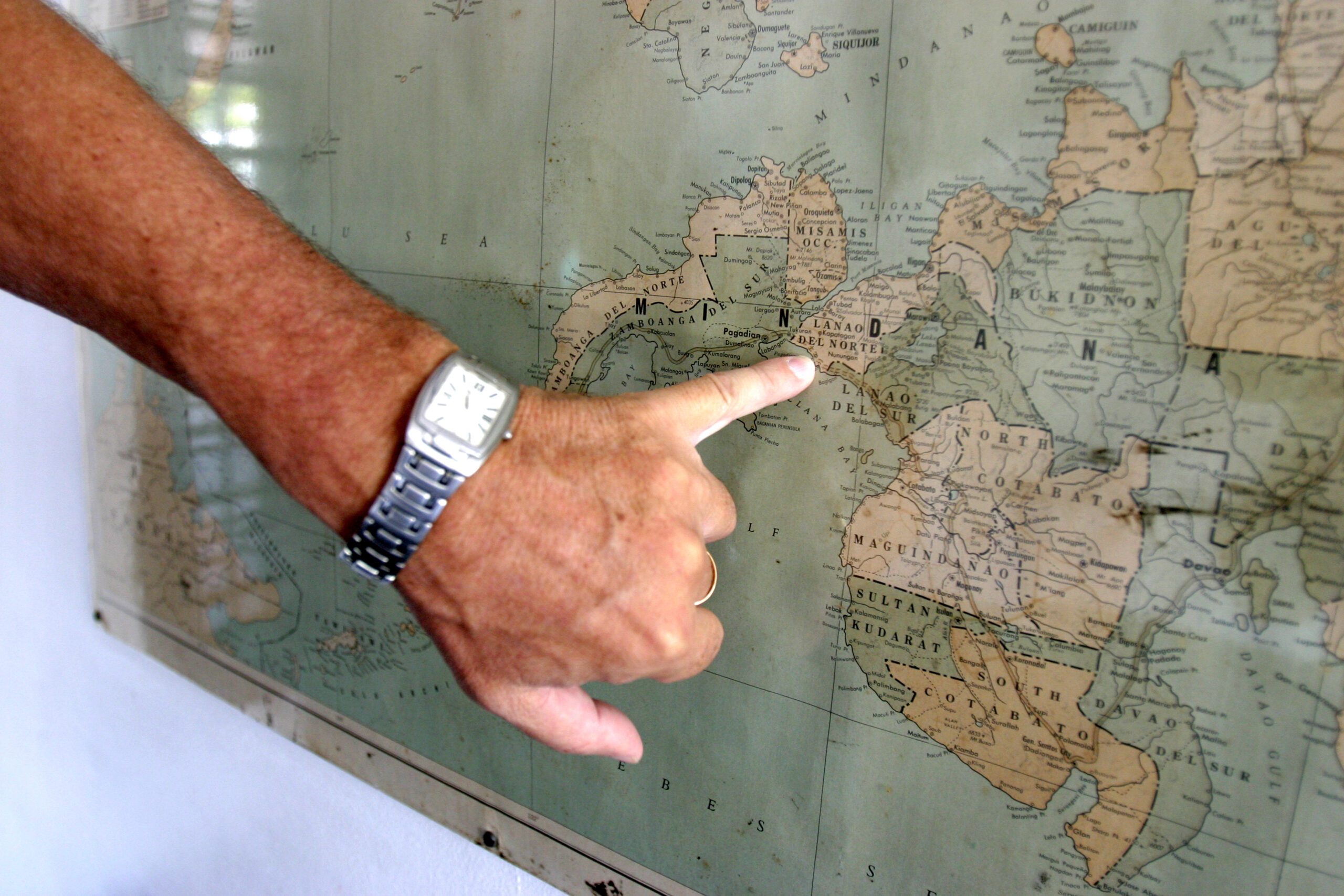
Fr. Giancarlo Bossi was kidnapped in his parish of Payao (Mindanao) by armed men under orders – he believes – of a supreme, Mafia boss style, and spent 39 days in captivity in the forests. He was prepared to endure a long captivity, but was confident that, eventually, he would be freed by his captors.
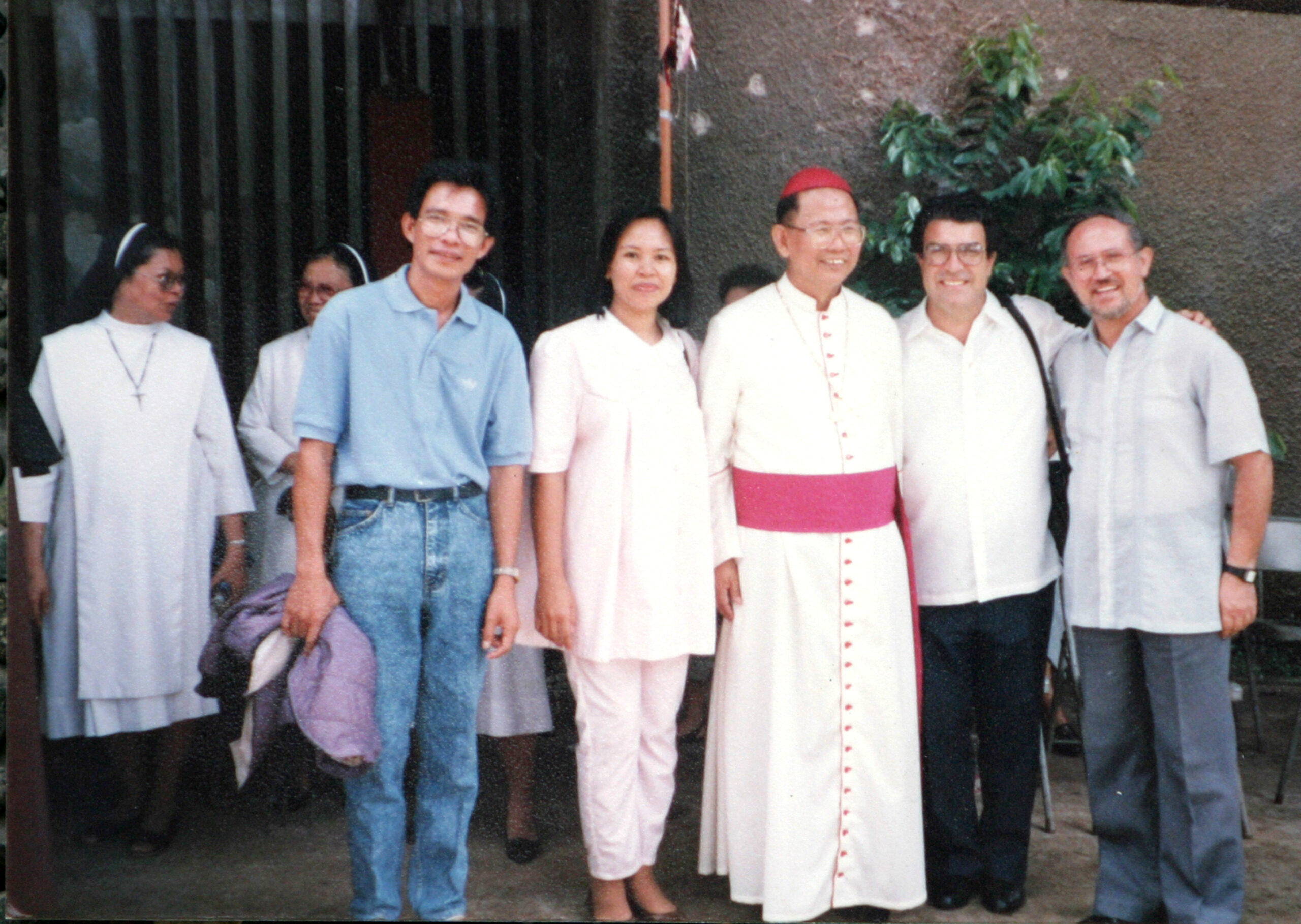
In spite of the killings or kidnappings in Mindanao, we missionaries, priests and bishops have to be in the front line to raise the voice of hope and to build a culture of dialogue, a path to peace.
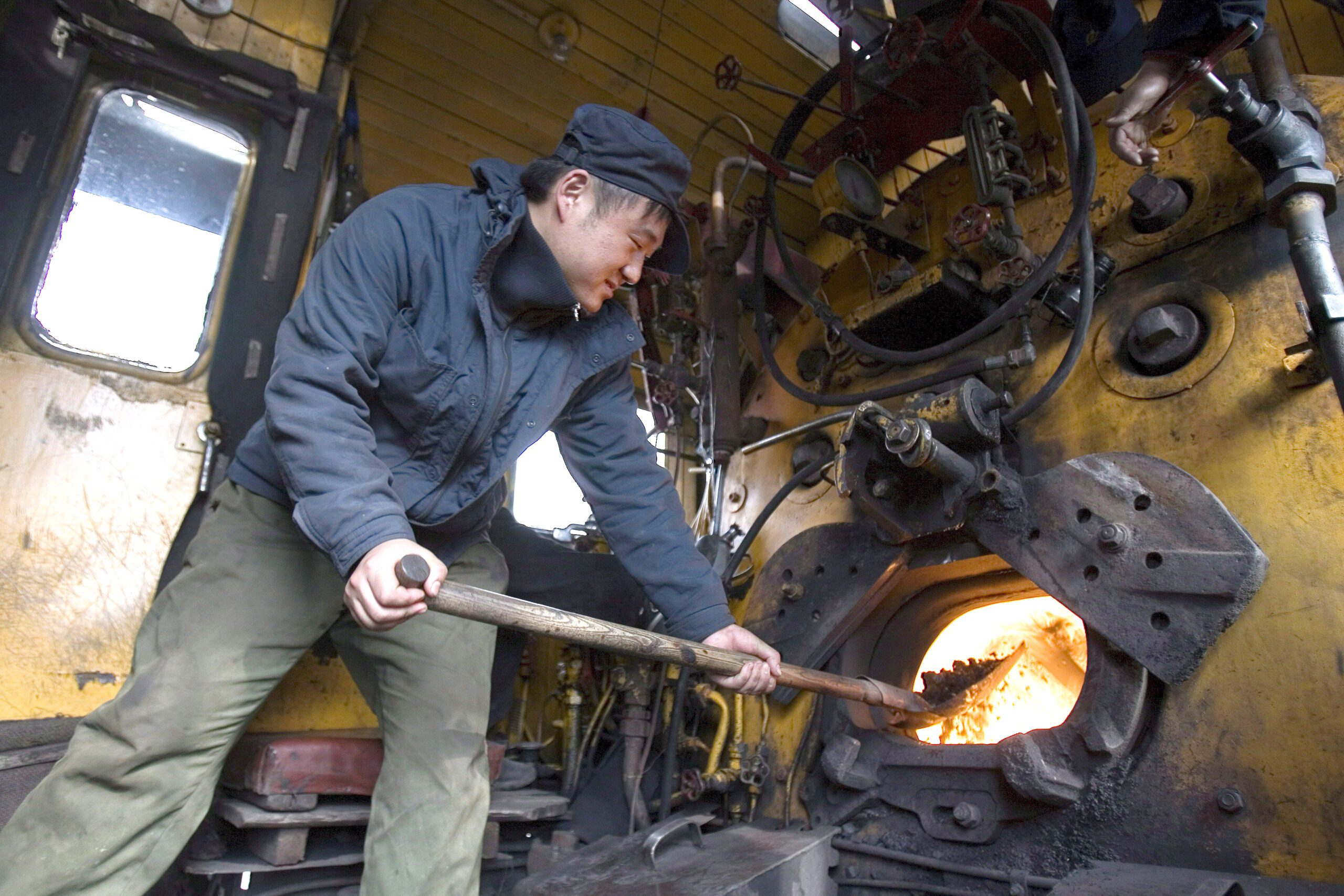
In recent years changes have been brought about in the fields of economy, technology and communications that have transformed the face of work and the conditions of the labor market, at times in dramatic ways. One emerging tendency appears to favor more individualistic relations between enterprise and employees. The latter would protect their own rights on the bases of their skills and entrepreneurial ability. These developments may be calling on us to rethink current forms of solidarity. Although workers may no longer find themselves in physical proximity with each other, solidarity remains crucial and indispensable if founded on our common humanity that links all types of work.
