Category: WM Special

Dialogue With Islam

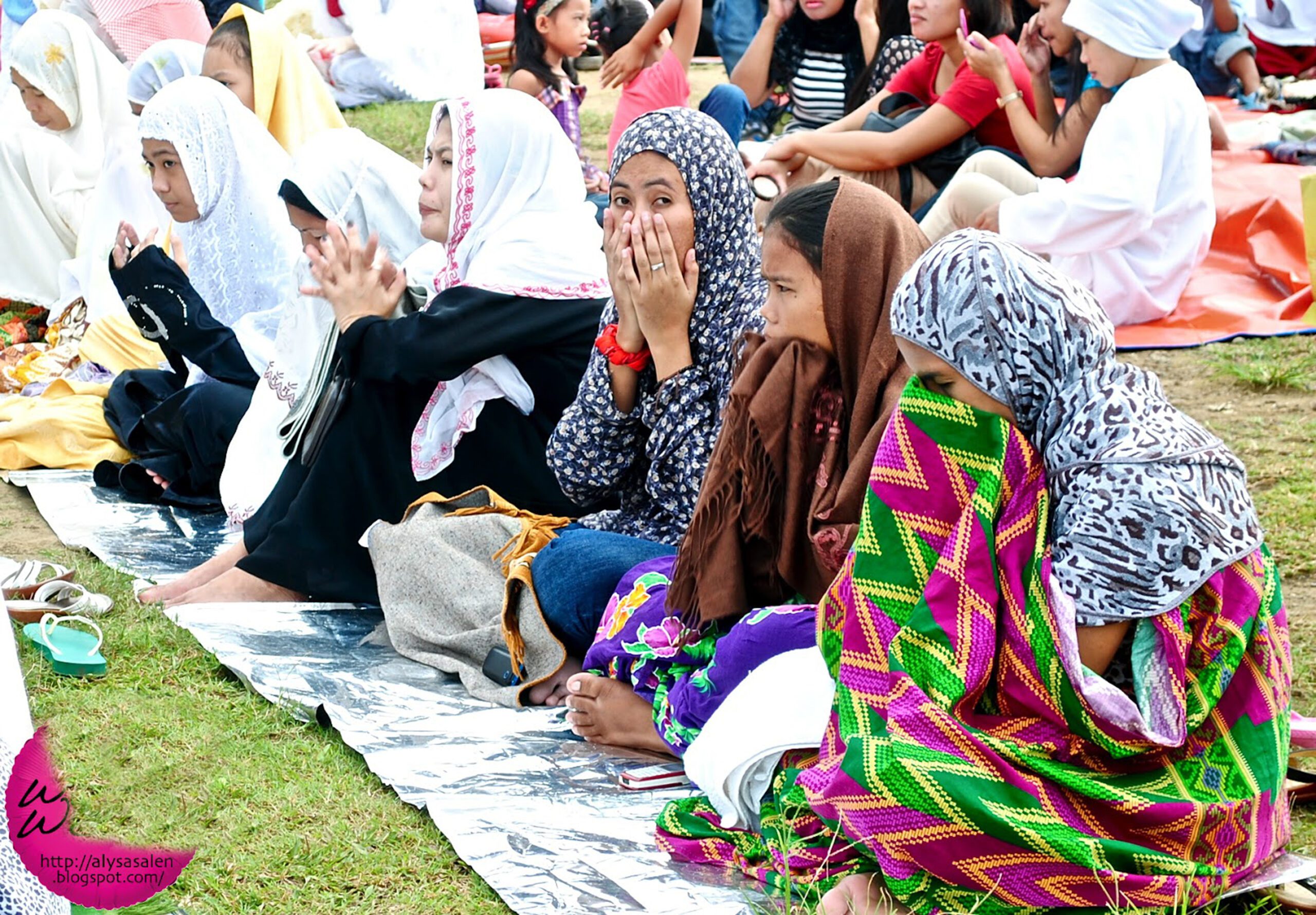
Most importantly, the signatories were theologians, representatives of the two great Sunni and Shiite groups; there are also representatives from smaller groups, and even diverging trends. This indicates a broadening of consensus within a certain Islamic quarter, a step towards what Islam calls ijmaa (consensus). In the Islamic tradition, every point of faith is based on three sources: the Koran, on the Muhammadian tradition (hadith or that is the sayings and life of Mohammad), and community consensus, in other words, ijmaa. This letter does not say that there is an agreement among all Muslims, but it shows a concerted move towards a certain consensus.  Christian leaders answered in a different way. The Catholic Church invited a group of Islamic scholars to Rome, where they discussed different points of understanding God, loving God and loving one’s neighbors. More meetings followed, all of them in a good atmosphere. Certainly, this initiative is not representative of the whole Islam. While this dialogue proceeds, many terror groups fight in the name of Islam. Every day, we hear of churches bombed or torched in Nigeria by Boko Haram terrorists. Often, we come to know of the oppression of Christians in Muslim countries.  It is important to note one, and not forget the other. Islam and Christianity have often clashed. When we complain of the Islamic attitude towards us, we should not forget that similar complaints are recorded by Muslims against us. The dialogue opened by the letter is a glimpse of hope for all. It will take many years before the theological conclusions and the agreement reached by theologians sifts through to the grassroots. However, this is the beginning of a new understanding, to which we should all give our support. While international media always reports cases of religious war, violence against Christians, and similar occurrences, there are many occasions of dialogue and communal work between Christians and Muslims. In Israel, where the conflict between Israelis (identified as Jews) and Palestinians (both Muslims and Christians) is high, the village of Neveh Shalom (Oasis of Peace) is an important testimony of faith. People in Neveh Shalom live together, respect each other’s faith and are capable of going beyond differences to build a peaceful community. In Nigeria, many Muslim communities have taken to peacefully surround Christian churches on Sundays. In this way, any terrorist wishing to attack the church would have to kill as many fellow Muslims as Christians. This human ‘bumper’ has brought back confidence among many communities. The road of dialogue with Islam is still long and perilous. Yet, we cannot refuse to try and reach out to people of other faith. Whenever we are able to learn more about God with our brothers and sisters of other faith, we have taken one more step towards the unity God has planned for us.  

The Challenges Ahead

The joys and hopes, the grief and anxieties of the men of this age, especially those who are poor or in any way afflicted, are those of the followers of Christ. Indeed, nothing genuinely human fails to raise an echo in their hearts. For theirs is a community composed of men united in Christ. They are led by the Holy Spirit in their journey to the Kingdom of their Father and they have welcomed the news of salvation which is meant for every man. That is why this community realizes that it is truly linked with mankind and its history by the deepest of bonds.” With these words, the Vatican II Council started the document Gaudium et Spes (#1) dedicated to the relationship of the Church with the world. After tackling the questions of what the Church is, how to live the faith, how to celebrate Christ, the participants of the Council wanted to give a strong signal that the Church was not a reality detached from life. Indeed, the Church is deeply interested in the world and needs a strong interaction with the secular society. The Council Fathers said they “yearn to explain to everyone how it conceives of the presence and activity of the Church in the world of today.” The Council focused its attention on the whole human family; that world which is the theatre of the human being’s history, his tragedies and his triumphs; that world which the Christian sees as created and sustained by its Maker’s love; fallen indeed into the bondage of sin, yet emancipated by Christ, so that the world might be fashioned anew according to God’s design and reach its fulfillment. In Gaudium et Spes, the Church is not seen as a group aloof of reality. The Church is a community of people who share the same life of those who belong to other religions or even refuse the idea of God. “This Council can provide no more eloquent proof of its solidarity with, as well as its respect and love for the entire human family with which it is bound up, than by engaging with it in conversation about these various problems. The Council brings to mankind light kindled from the Gospel, and puts, at its disposal, those saving resources which the Church herself, under the guidance of the Holy Spirit, receives from her Founder. For the human person deserves to be preserved; human society deserves to be renewed. Hence, the focal point of our total presentation will be man himself, whole and entire, body and soul, heart and conscience, mind and will” (#3). To carry out such task, the Church said it needed to search the signs of the times and read them in the light of the Gospel. The people at the Council noted that “profound and rapid changes are spreading by degrees around the whole world,” and that “as it happens in any crisis of growth, this transformation has brought serious difficulties in its wake. Thus, while man

Understanding The Bible

One of the great challenges the Church faces is not only to make the Word of God available to people, but also to offer the right tools to understand it properly. Many local Churches have developed a methodology of popular reading of the Bible. Leaders learn about the process of formation of the Bible (it took almost 1,000 years, in a Semitic cultural setting, and the original languages were Hebrew and Greek), the history of the peoples involved, the meaning of the most important passages, etc. This knowledge is then used as the background of Bible studies in small groups. Through this process, the Word of God can be more fully understood and related to faith and everyday’s life. 

Revitalized Inculturation

The missionary’s acculturation is only the first step. Those hearing the Gospel also need to make it their own. The Gospel is a new reality, which requires those who welcome it to accept changes and to incorporate new values. The missionary proclaiming the Gospel will then help the inculturation which happens to be the process by which a foreign value, alien to a culture, is accepted, reworked and inserted in the host’s culture. Such a process can only be done by people from the host’s culture, especially by people aware of their cultural identity and able to confront the challenges of interculturality.  Inculturation is time–consuming and usually takes place when specific people are able to formulate a synthesis between their cultures, their communication patterns and values that incorporate outside. This is the process that allowed European Christianity engage the Gospel on classical culture. Just think of the work of Thomas Aquinas, who was able to formulate a new theology using tools provided by the Greek–Roman culture. Think of the great painter Giotto, whose paintings influenced all the great artists who followed him. Giotto’s intuition was to recognize the identity of each participant in the scenes he depicted. All individual characters that appear in his works are recognizable and distinct, be they important people or simple folk. Inculturation does not occur naturally, neither it is simple. It requires preparation and it is time–consuming. This is not to be confused with adaptation. Unfortunately, many local Churches have given space to adapt – especially in the liturgy – and have invested little on the true inculturation. Missionaries can facilitate the process of inculturation, providing the necessary tools: recovery of the historical memory of the elderly and oral literature, evaluation of the history of a people, of a culture of critical knowledge, knowledge of the local language and its critical analysis. These, and others, are elements that allow us to grasp the structure of a culture and the opportunity to take a step forward with the inclusion of new values. It is a long and tortuous process which takes time and, often, those working on it do not see the end of their work. However, this is a work that needs encouragement and support. Today, Europe is no longer sending a great number of missionaries around the world. The country with the highest number of missionaries is Korea, while Africa is the continent with more religious personnel working abroad. This shift in the cultural set up of mission brings not only new challenges, but also helps the Church to formulate a new inculturation of the Gospel in today’s world. 

A Spirit–Shaped Mission

Mission is not just going to an alien world bereft of God’s presence. Even if today, in large parts of the world, the “God–question” itself seems to have disappeared from human consciousness while, on the other hand, dramatic situations make people cry “Where are You, God? The Spirit, who permeates all creation, enjoins the Church in mission: “Remove the sandals from your feet, for the place on which you are standing is holy ground” (Ex. 3:5). Mission is not a crusade, but unfolds as a faith acknowledgment and an act of adoration for a God who is already there. The entry point of mission is the universal presence and activity of the Holy Spirit. This makes also, of today’s crisis, the favorable time.   The Spirit, who blows where She chooses and never ceases to amaze and surprise, confronts mission with the mystery of God. Rediscovering the mission of the Spirit in the world, whose role cannot be solely that of being a Garantor of the Church and her mission, means to let God be God, without locking Him in a cage. Mission is, first of all, God’s mission, and who can know all the ways of God? Mission starts by a constant waiting for God to manifest Himself, and an ongoing invocation of the Spirit who knows the depth of God (cf.1 Cor. 2:10). The paradox of the missionary proclamation is that God is ‘experienced’ rather than ‘spoken about,’ and the experience of God is a ‘gift’, a work of the Spirit. Rather than being the ‘God–object’ of knowledge and preaching, God is the Subject of the religious and missionary discourse, and always remains a “surprise” for the missionary Church herself. At the source of the word of a missionary proclamation is the grace of a glimpse into the unfathomable mystery, to be shared in humility and gratitude. Mission is not about possessing an all–embracing truth; neither can it provide a “grand story” that explains everything, everywhere, always. Certainly, a Christian community has come to know Jesus Christ as the One in whom there is fullness of “grace and truth” (Jn. 1:14), but the mystery of the “ineffable and hidden God” still remains, so much so that Jesus on the cross, the greatest moment of God’s encounter with the world, is also the moment of His deepest concealment – an event that confuses all human perception about God and gives rise to a holy restlessness. Here is where mutuality, between the Christ event and the action of the Spirit in the world, becomes relevant. Focusing primarily on Christology could lead the missional Church towards a ‘backward’–oriented vision, intent on imitating what Jesus Christ had done in the past, while the Spirit is, instead, bringing the newness of the Christ event to bear on the present and letting mission come face–to–face with God’s mystery again and again. Michael Amaladoss points out, “Today, mission without mystery is oppressive.”   With the Spirit as the Principal Agent of mission, mission is finding

Universal Presence And Activity

Mission is, first of all, the mission of God, accomplished by the presence and activity of the Holy Spirit in the world. But how should such presence and activity be understood? Should it be seen simply as the power at work in Jesus and His Church? In this case, we would speak of the Spirit of mission, who instructs and guides, enables and enlivens Christian missionary work in the world. Or should we rather speak of the mission of the Spirit, in the sense that the Holy Spirit has Her own mission in the world which, though related to Jesus Christ and the Church, extends further and has its own specificity? This question ushers the next: where is the Holy Spirit to be found: “in the human heart,” “in the Church” or “everywhere”?  The type of answer to these two questions will deeply affect both the understanding and practice of mission and the way today’s world is approached. The main focus of the New Testament is on the event of Jesus Christ: on what Jesus’ disciples had “seen and touched” and experienced. What is underlined is how full of the Spirit of God Jesus was, and how the same Spirit had come to transform Jesus’ followers and to guide the journey of their community, both in its way of life and in its witness to Christ. Typical in this regard is the testimony of Luke, both in his Gospel and in the Acts of the Apostles. Luke’s work could easily be called the Book of the Holy Spirit. The other two synoptics – Matthew and Mark – make relatively few references to the action of the Spirit. By the power of the Spirit, Jesus is formed in the womb of Mary (Lk. 1:35; cf. Mt. 1:18–20), is confirmed as Son of God (3:22; cf. Mt. 3:16–17; Mk. 1:8–10), is led into the wilderness where He confronts the counter–kingdom by undergoing temptation (4:1–2; cf. Mt. 4:1; Mk. 1;12), returns to Galilee (4:14) and is anointed to preach the Good News to the poor (4:18; cf. Mt. 12:18; Acts 10:38) and to free people from the power of evil (Lk. 11:20; cf. Mt. 12:28). Raised from the dead, Jesus commands His disciples to wait for the promised “power from on high” through the coming of the Holy Spirit so as to be His witnesses in the whole world (Lk. 24:49; Acts 1:8). At the Jewish feast of Pentecost, that promise is fulfilled: the Spirit comes on them with the force of wind and fire and fills them, as if with the inebriating power of wine, propelling them to mission (Acts 2:1–4, 15). A parallel is established between the anointing of Jesus by the Spirit at the Jordan and the coming of the Spirit on the disciples at Pentecost, with the death and resurrection of Jesus constituting the decisive turning point: being exalted at the right hand of God, Jesus Himself has become a Spirit–Giver (Acts 2:33). The prophetic messianic Spirit who had

The Challenges Within

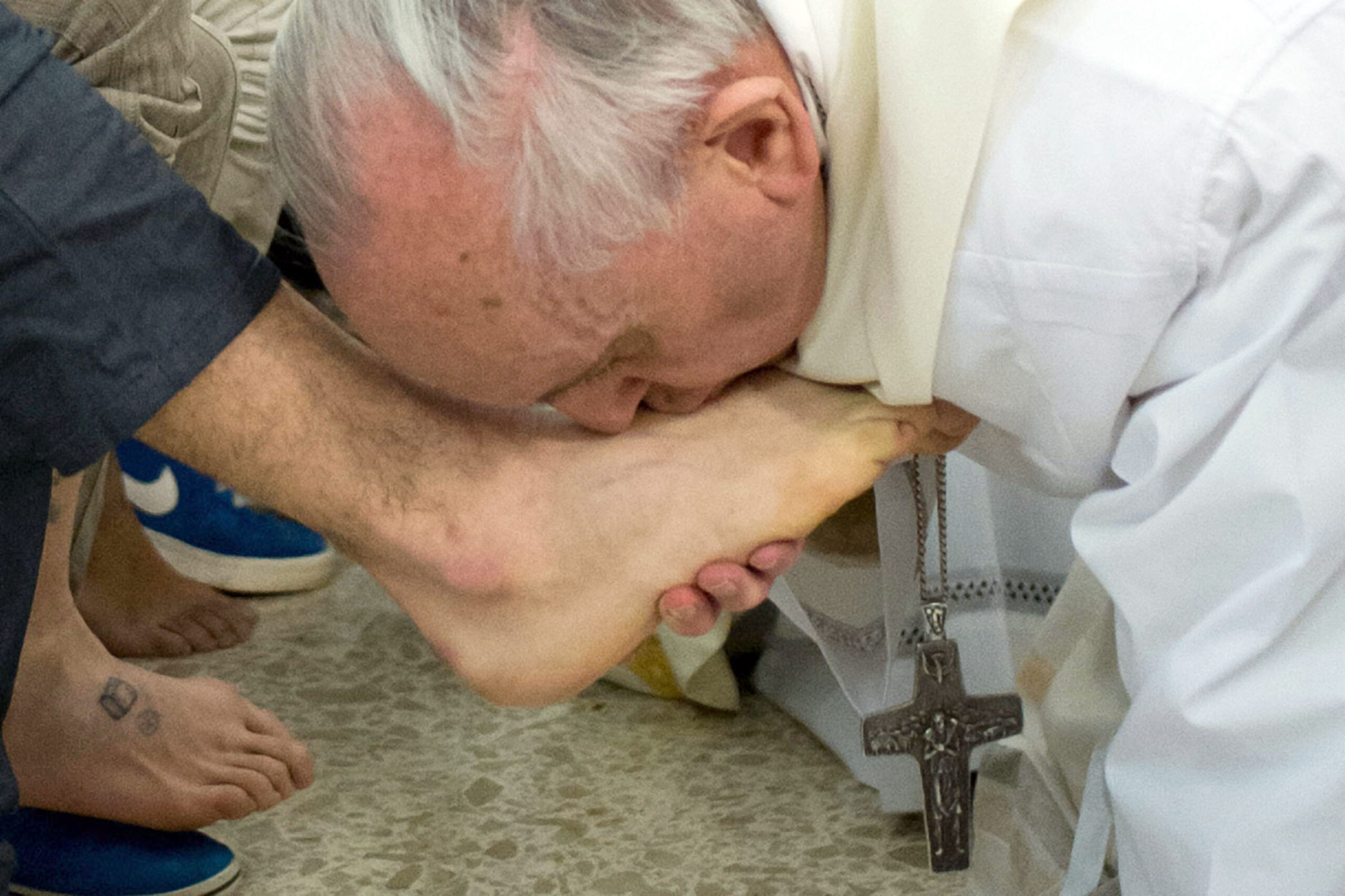
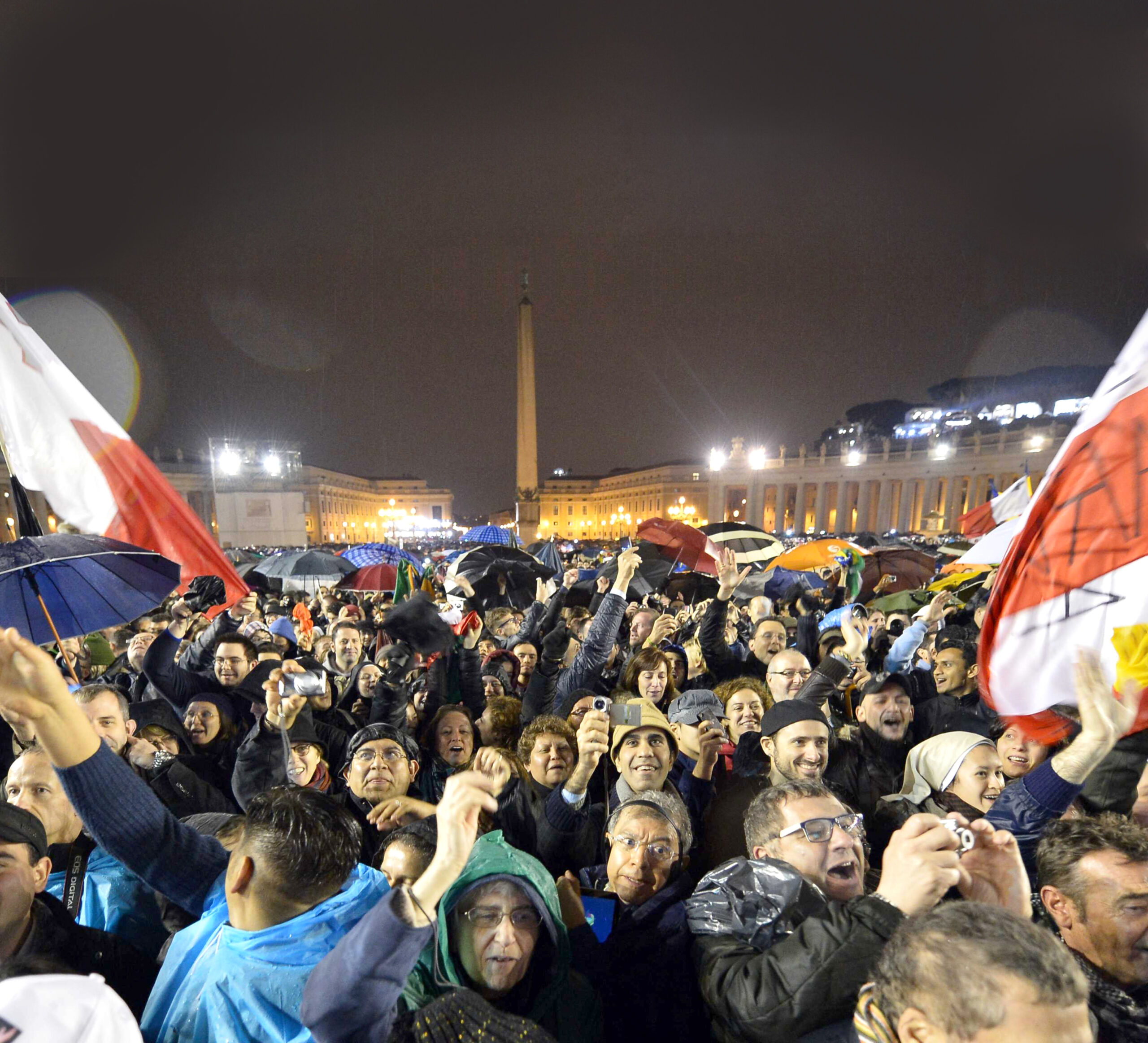
Last February, Pope Benedict XVI shocked the world when he suddenly resigned from the papacy. The announcement came in Latin – a language now spoken by no one and understood by a few – during an unrelated meeting. An Italian journalist, who heard the words ran a quick translation and, not believing her own work, retranslated it again. There was no doubt, Pope Benedict had said he would resign in a couple of weeks and leave the Vatican. He did so, mentioning his increasing inability to cope with the work and the speed of changes in the world. He was the first pope to resign after the famous “great refusal” – as Dante Alighieri wrote in the Divina Commedia – of Pope Celestino V in 1294. The Pope’s resignation opened many discussions about everything: from his right to do so to who the next pope would be. Most media focused on the Pope’s physical weakness or the difficulty of being the leader of a global religion in today’s world. A few, however, realized the real scope of the papacy today. The following dossier is an attempt to have an in–depth look at the most important challenges the Church is facing today. At the news of the resignation, many started asking if this was a signal for a renewed leadership in the Church. Pope Benedict said that he felt unable to face the speed of changes, the many challenges, the new areas where the Church is asked to intervene; this while his strength was diminishing due to age and ailments. What the Pope was saying is that leadership requires many skills, and the leadership of the Church is even more challenging. The Pope is not only a spiritual leader, but also an administrator and a political figure. To be able to adapt to all these roles is not easy. Besides, today, the world is highly specialized. Each area of knowledge requires competence and constant updating. The Church is also present all over the world, and new questions about Church life rise every day. No one is capable of handling all these instances alone.   Laypeople and bishops True, the Pope has many people working for him, preparing speeches and evaluating reports. Still, he remains in charge of the overall running of the Church. It was not always like that. Until the 19th. century, the Church was less centralized. Many decisions were delegated to local Churches. Distances and the difficulty of communication made it almost mandatory that the Vatican intervened only on major decisions. Today’s easiness of communication and the ever more centralized role of the Vatican make it harder to follow and resolve all questions. The problem is not new. Cardinal Martini, then Archbishop of Milan – the world’s largest diocese – realized it long ago and made some proposals. At the Synod of Bishops in 1999, he expressed his “dream” of a council and a form of government of the Catholic Church that would be an expression of collegiality. Regarding

Spirit And Mission

In many ways, the present time is a period of difficulty for mission and Christianity at large. The long standing and cherished dream for an ever more extended “Christendom” is being shattered under the pressure of historical events. The process of decolonization, along with post–colonial studies, has made untenable the traditional paradigm of mission for global Christianization, as its impracticality and inherent ambiguity are being uncovered. The new self–consciousness of peoples throughout the world has found expression in the reclamation of cultural identities, revitalization of traditional religions, and the affirmation of the human subject as self–master. As an effect of globalization and the related mobility of people, the world is increasingly turning into a global village of many cultures, religions, ideologies and ways of life; traditional geographical borders have lost most of their significance and replaced by boundaries of an anthropological character that defy borders and are growing ever more intertwined everywhere. If, on the one hand, this global village has great potential for mutual exchange and enrichment at all levels, and could be the melting pot of a new world, on the other, it is also the place of conflicts, marginalization and violence as daily experience tells us. In the fluidity of such a diverse world, the market has stepped in and taken over as the dominant and self–regulating force, by establishing an overarching business–oriented and business–driven culture in which profit redefines all values; the human being in himself, more than as a person, is treated as an economic resource and a consumer. The inner logic of self–interest and the greed of the market–driven world has become evident in the growing dominance of finance over real economy and politics (financial capitalism) and in the current global crisis, both economic and humanly–ethical, that it has caused. The pursuit of personal gain at all costs and rampant consumerism are having a destructive effect on the lives of billions of people and on the ecosystem. The best standpoint to feel the contours of our time and evaluate the extent of the crisis it is going through, is the standpoint of the victims, from where it becomes clear that we are in the midst of chronic global suffering and violence. Any approach to mission needs to take this hard fact as a normative point of reference. Anything less begs for credibility. In such a historical context, mission cannot limit itself to making new Christians, perhaps, in view of an afterlife. What is at stake is an in–depth reading of our time, to understand what the Spirit of God is saying to the Churches and where she is leading the world. What is at stake is a change of direction that gives new meaning to our lives, regenerates a collective hope and enables a new way of living together in our differences, in responsibility for each other and in mutual solidarity. What is at stake is the Gospel itself as a world–transforming instrument for the “kingdom of God.” Confronted by such a missionary challenge,

A Spirit–Shaped Mission

How would the rediscovery of the Spirit, as Protagonist of Mission, regenerate the missionary imagination, and so rekindle missionary fire and transform missionary praxis? How would the face of Christian mission in the world change? Here, we highlight a few aspects of a Spirit–shaped missionary imagination, as an invitation for further exploration.

Spirit And Mission

“Come, Holy Spirit, renew the face of the earth.” Mission is a continual invocation of the Spirit, whose presence and action has to do with the creation of the world according to God’s plan. Mission is an ongoing Pentecost.

Shopping Cart