WM Special
The Church’s Birthplace
The Church was born in the Holy Land. And, during some centuries, the Bishop of Jerusalem was the recognized authority over all Christians.


The Church was born in the Holy Land. And, during some centuries, the Bishop of Jerusalem was the recognized authority over all Christians.
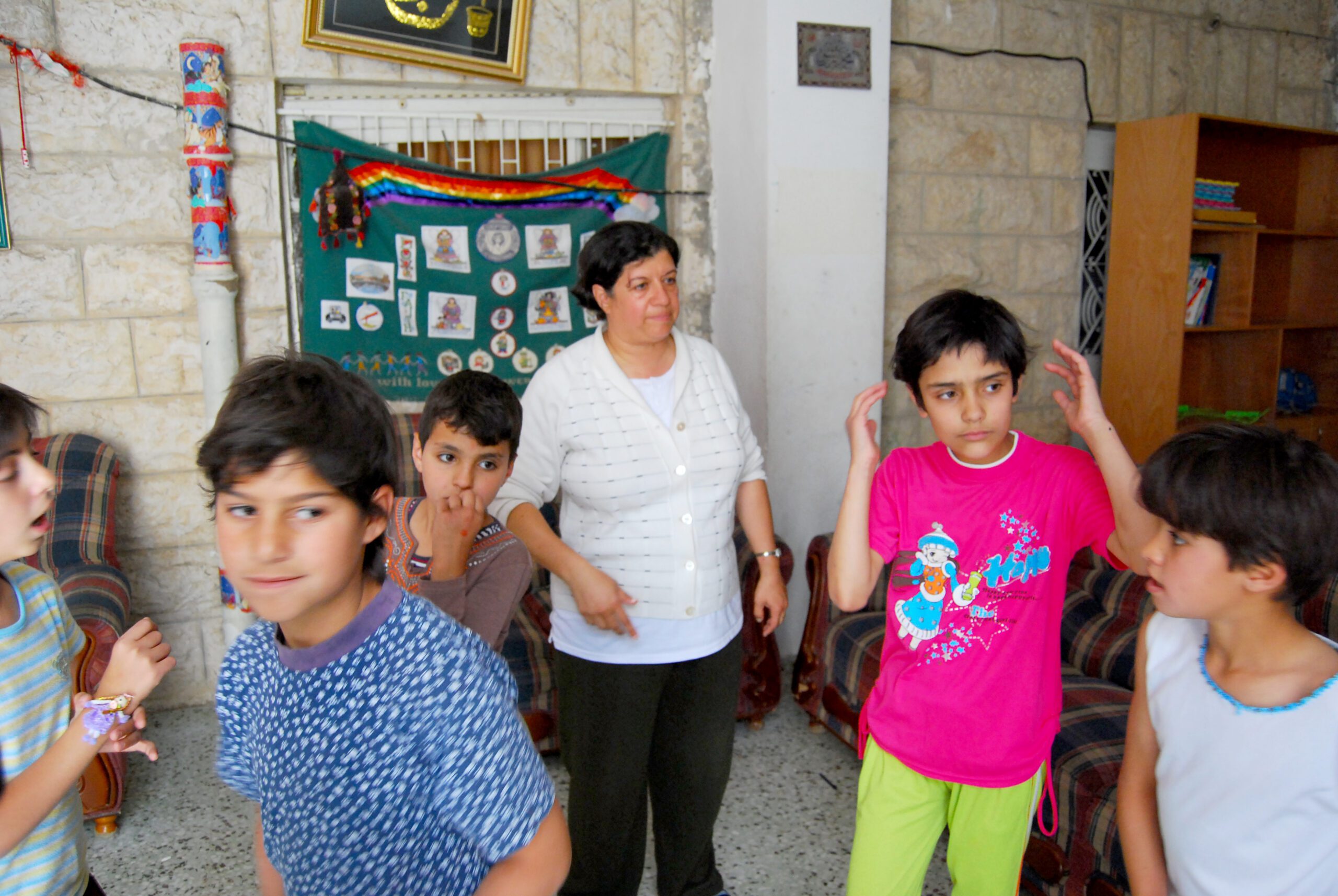
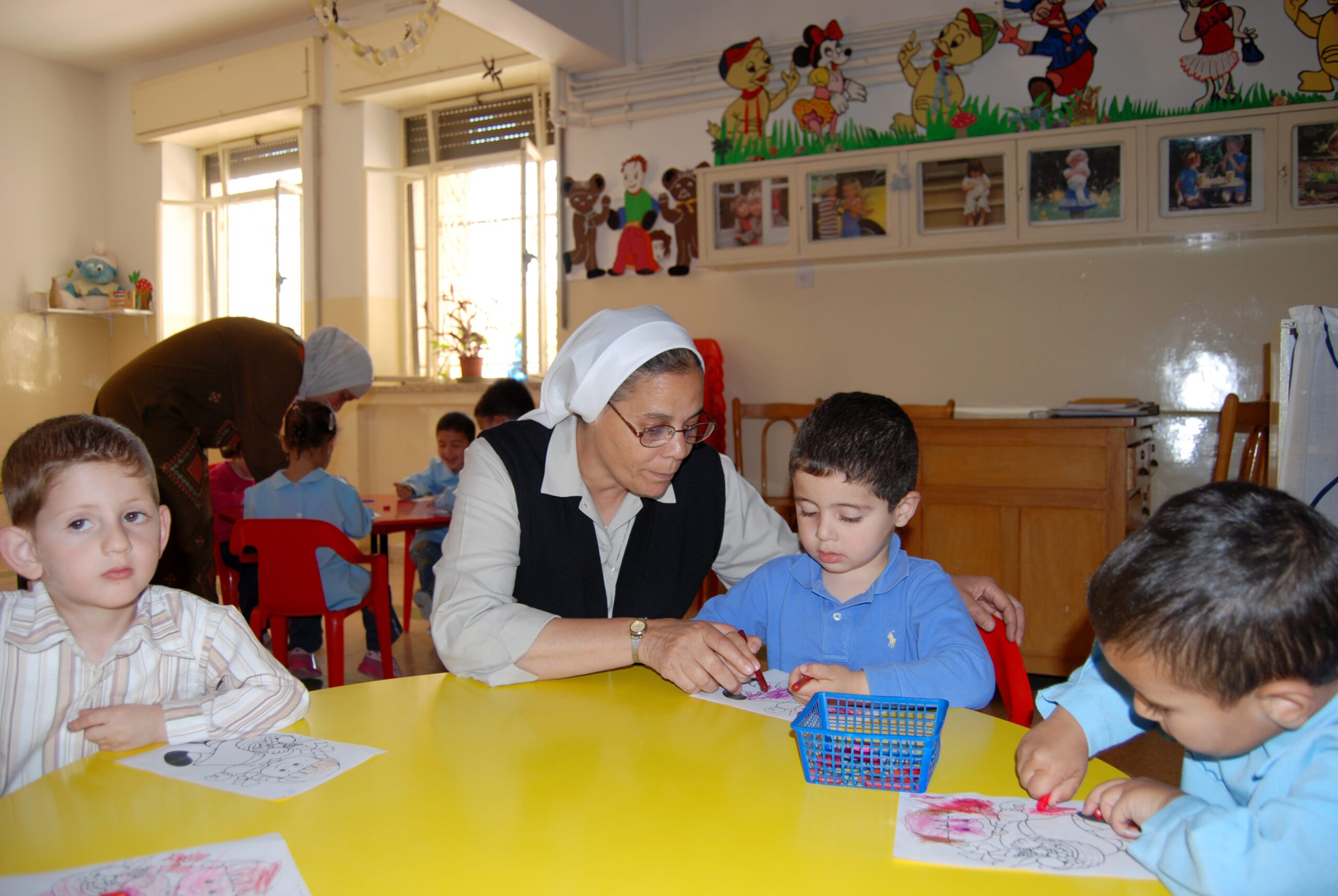
Where Bethany was, now stands an ugly concrete wall, nine meters tall, that blocks the way to East Jerusalem. The place where Jesus frequented his friends Lazarus, Martha and Mary remembers a ghetto but, even amid the poverty and the squalor, there is a spark of hope: the Christian projects that help Muslim children and girls.
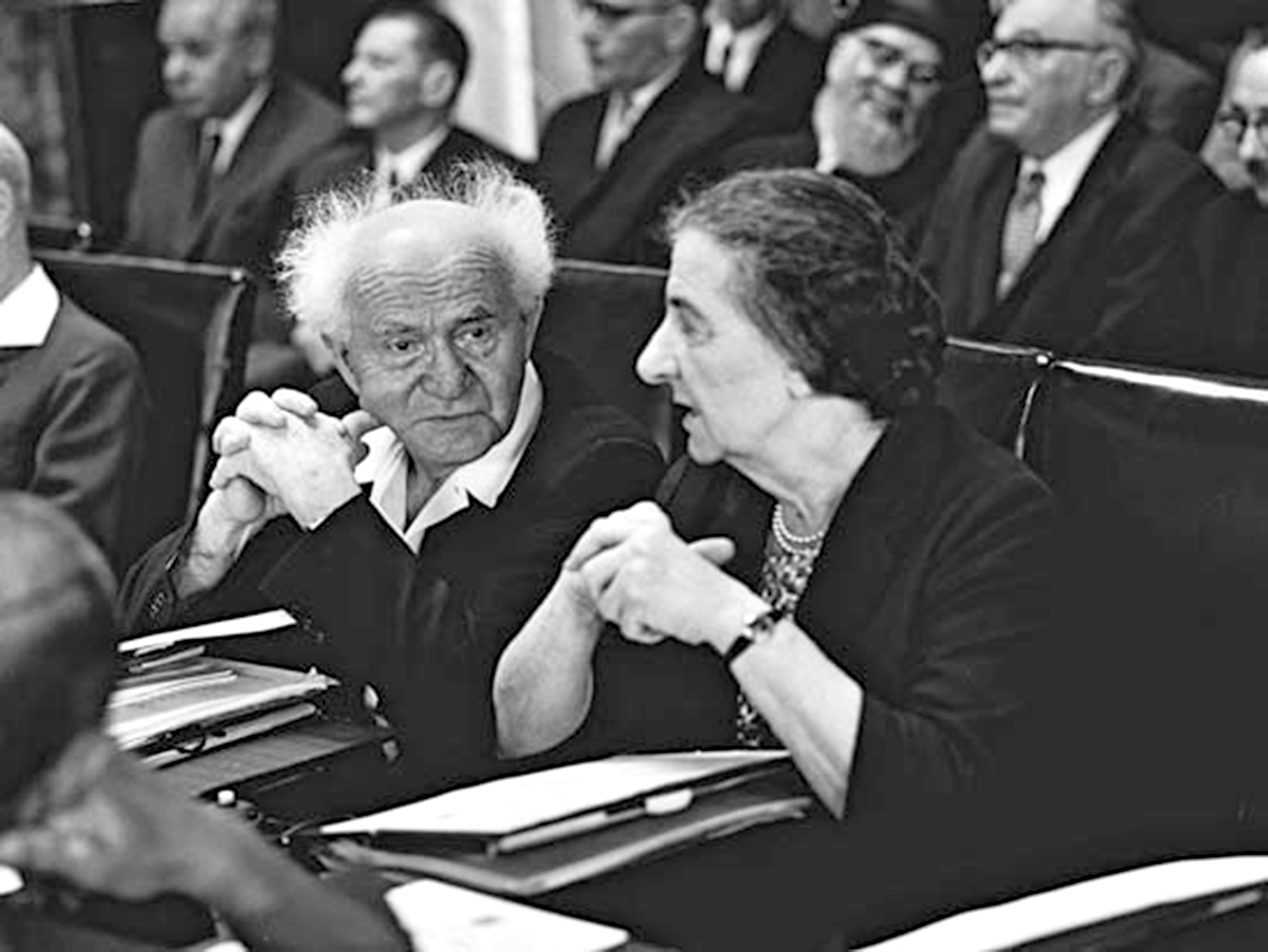
Throughout history, war has never been too far from the Holy Land. Yet, this is the land that God promised to His chosen people, a land that will have to find lasting peace through dialogue among the many people who inhabit it, most of whom trace back their origins to the same God of Abraham, Isaac, and Jacob.
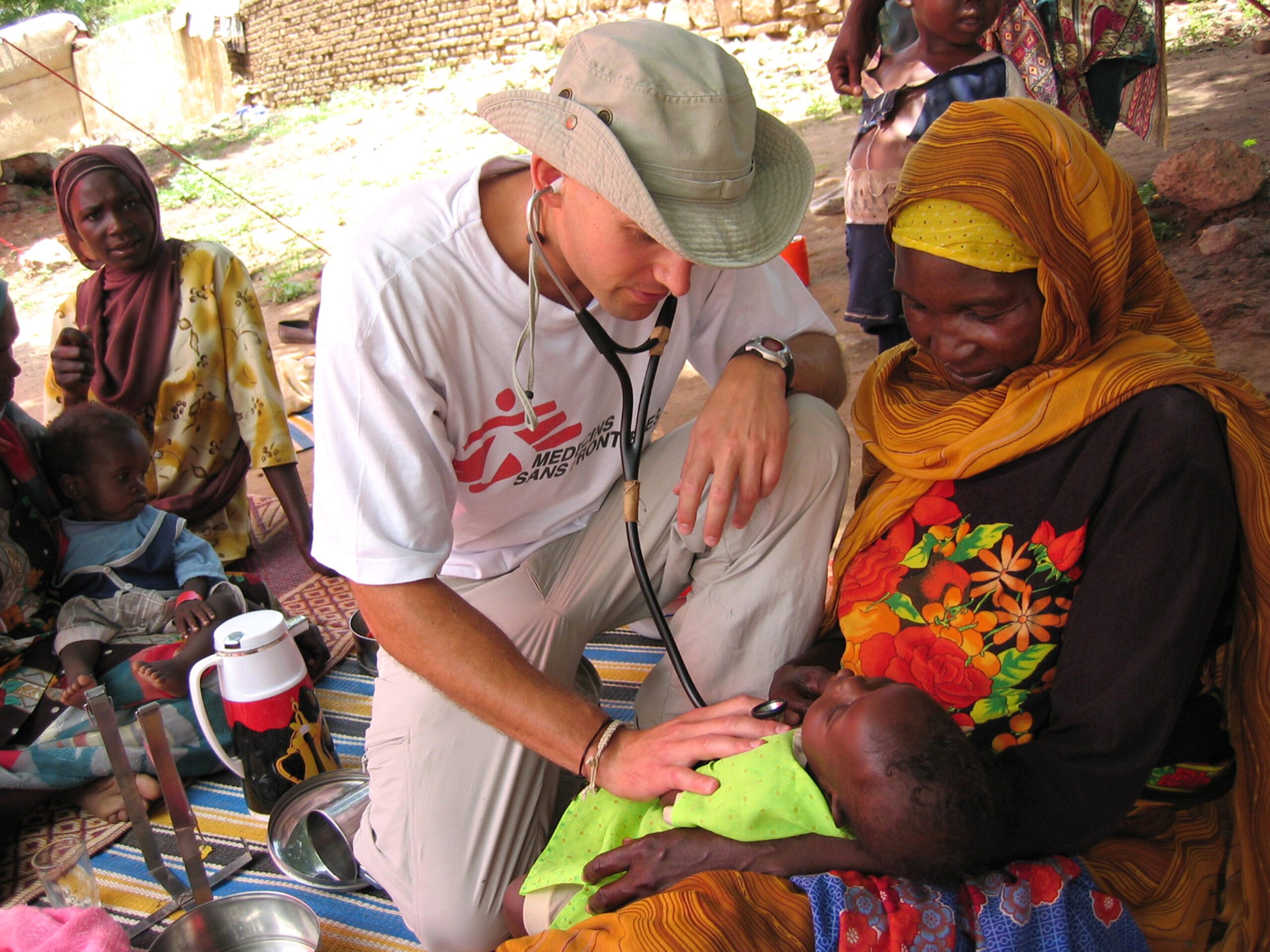
Sudan, Congo, Somalia, Ethiopia and Zimbabwe, Iraq, Myanmar and Pakistan. In Africa and Asia, these eight countries suffered, in 2008, the worst humanitarian and medical emergencies. Last year, the world was also affected by a surge of cases of tuberculosis in HIV patients and “pandemic” malnutrition that costed the lives of up to 5 million children under the age of five. According to the Doctors Without Borders, these are the “Top Ten” crises that need to be closely followed in the near future.

For St. Francis, every creature in the world was a mirror of God’s presence and, if approached correctly, a step leading one to God. The most popular saint among environmentalists, and certainly one of the most loved and respected by all sorts
of people is certainly a case apart in the history of Christianity. But his vision has strong echoes in the Bible, from the Genesis to Jesus’ teachings and Catholic tradition. Put together, these legacies allow us to elaborate a Creation Theology that teaches us to love and protect God’s gifts.
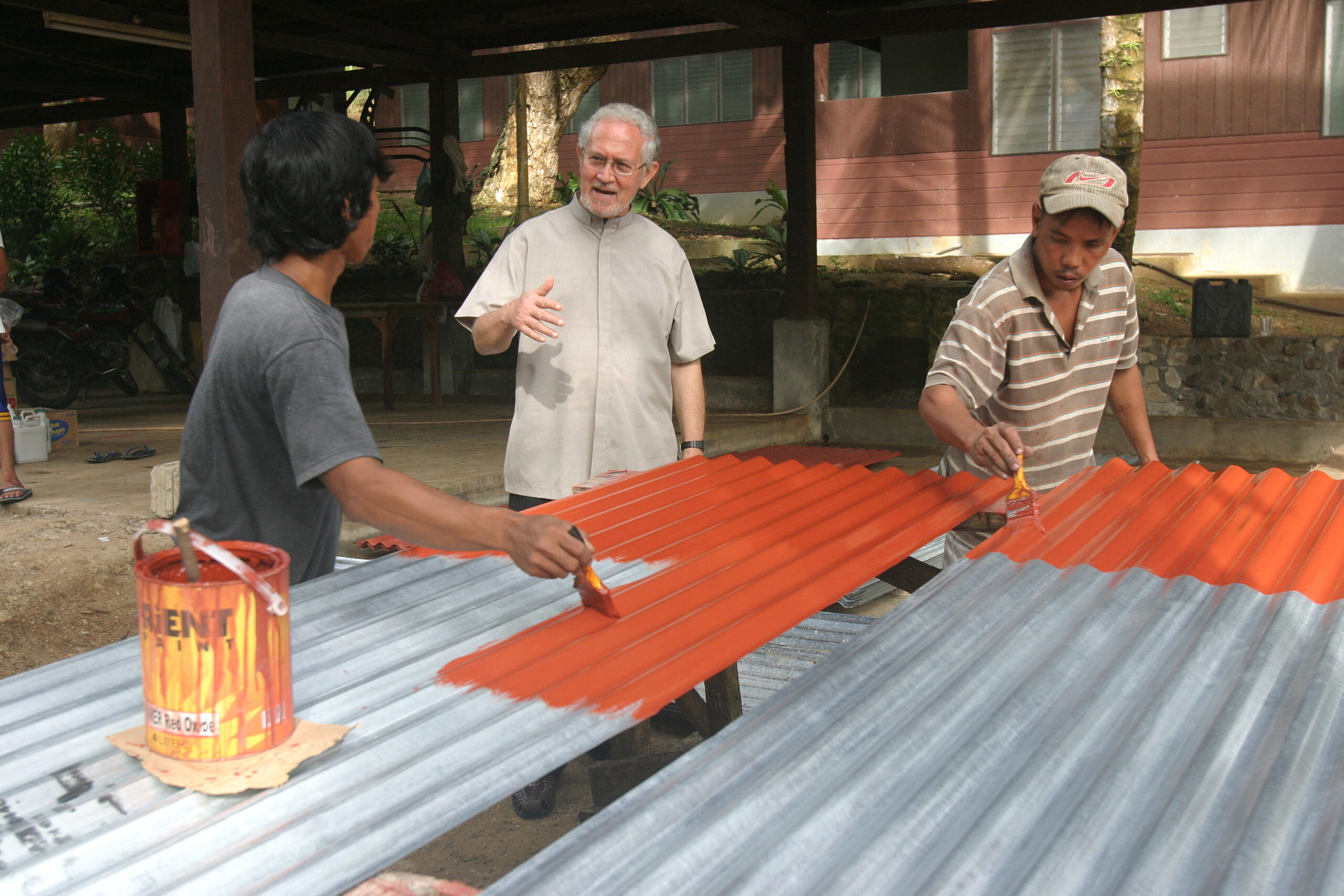
About to celebrate its 25th anniversary, the Zamboanga-based Silsilah Dialogue Movement has been opening paths of peace through dialogue. Dialogue with God, oneself, others and creation, is a spirituality. The history of the movement is interwoven with that of its founder, Fr. Sebastiano D’Ambra. The Italian-born missionary has suffered a few attempts against his life, perpetrated either by the military or the Moro rebel separatists, but never gave up his life’s dream – that became his mission – of making peace through dialogue.
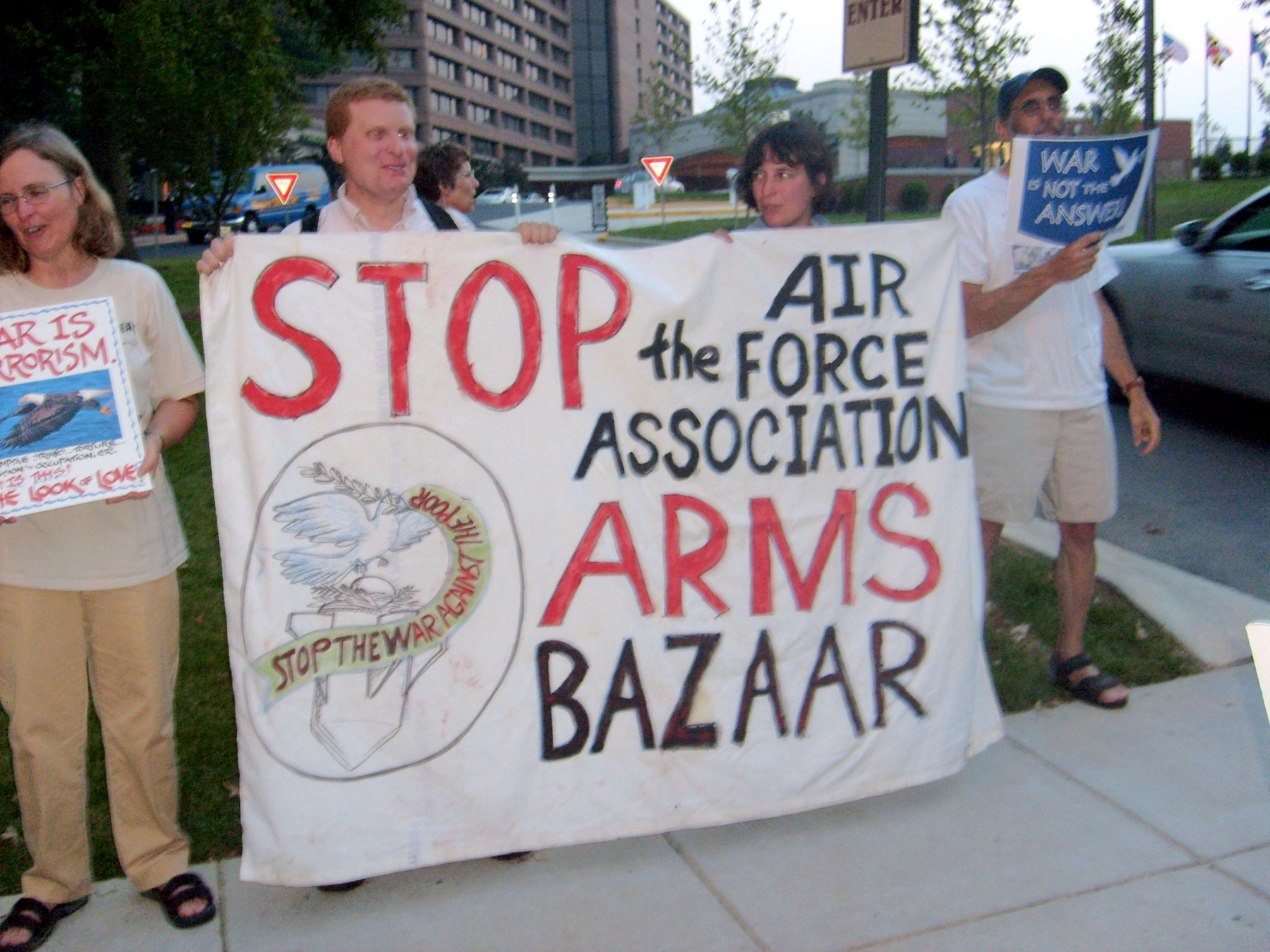
Encountering the true God is our only hope. It’s how we discover our own true nature and reclaim our fundamental humanity as peaceful, loving, nonviolent people. Encountering the true God will empower us to become peacemakers and fill us with the sense of being “sons and daughters of the God of peace.” On that day, we will fully know God, and peace and justice will flow naturally.
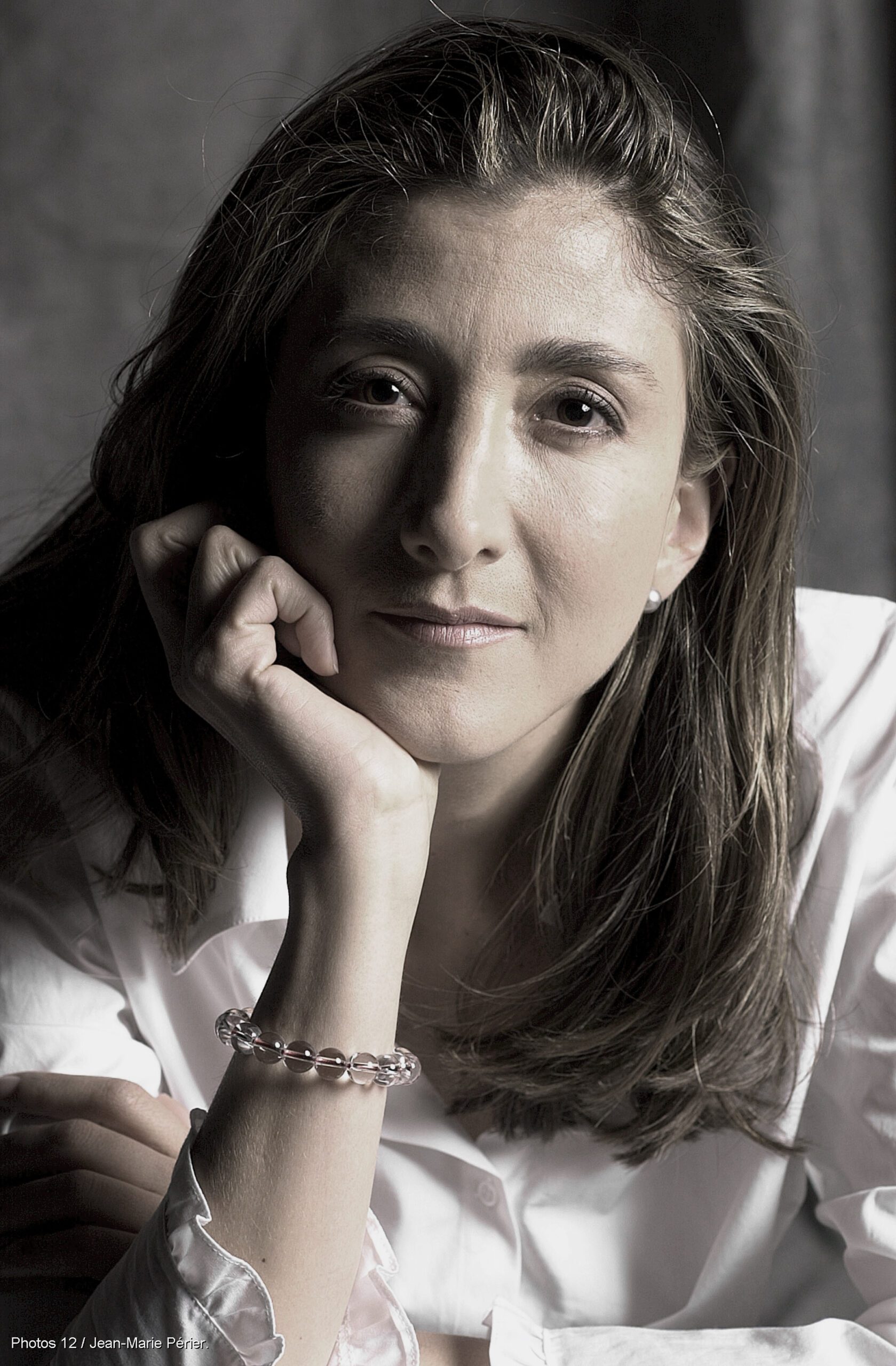
Sometimes, especially in hard times, we need life examples. From people like us, who, because of some trials or by choice, found a new path. The three figures World Mission chose could not be more different: a Colombian presidential candidate who was kidnapped and rediscovered faith in the hell of the jungle; a Palestinian beauty technician who was prepared to be a suicide bomber but became a peace fighter; and an American Jesuit who is a well-known preacher and practitioner of nonviolence. Each one, in her/his own way, has something to teach us about the conversion of the heart, the way to face adversity and find God. All of them have something in common: their lives deserved a peace award.
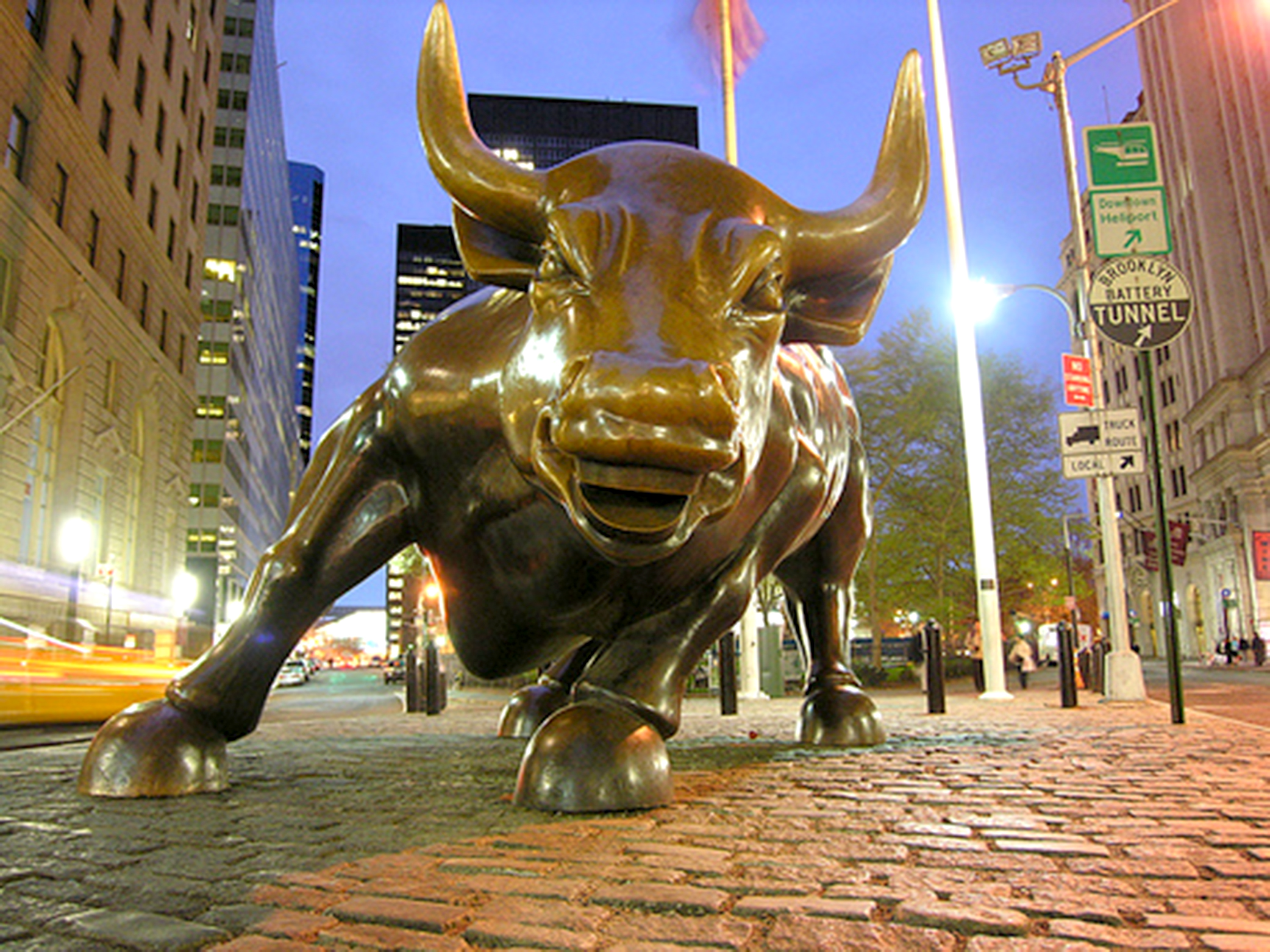
Let’s make no bones about it. This financial crisis is a major spiritual crisis. It is the crisis of a society that worships at the temples of consumption, and that has isolated and often abandoned millions of consumers now trapped in a treadmill of debt.
The “American Dream” of upward social mobility appears to have emigrated from its birthplace in the United States to northern Europe, according to a new major report of OECD on the growth of economic equality over the past 20 years. In terms of inequality, the Americans just lag behind Mexicans and Turks.
