WM Special
Poor Countries Face Disaster
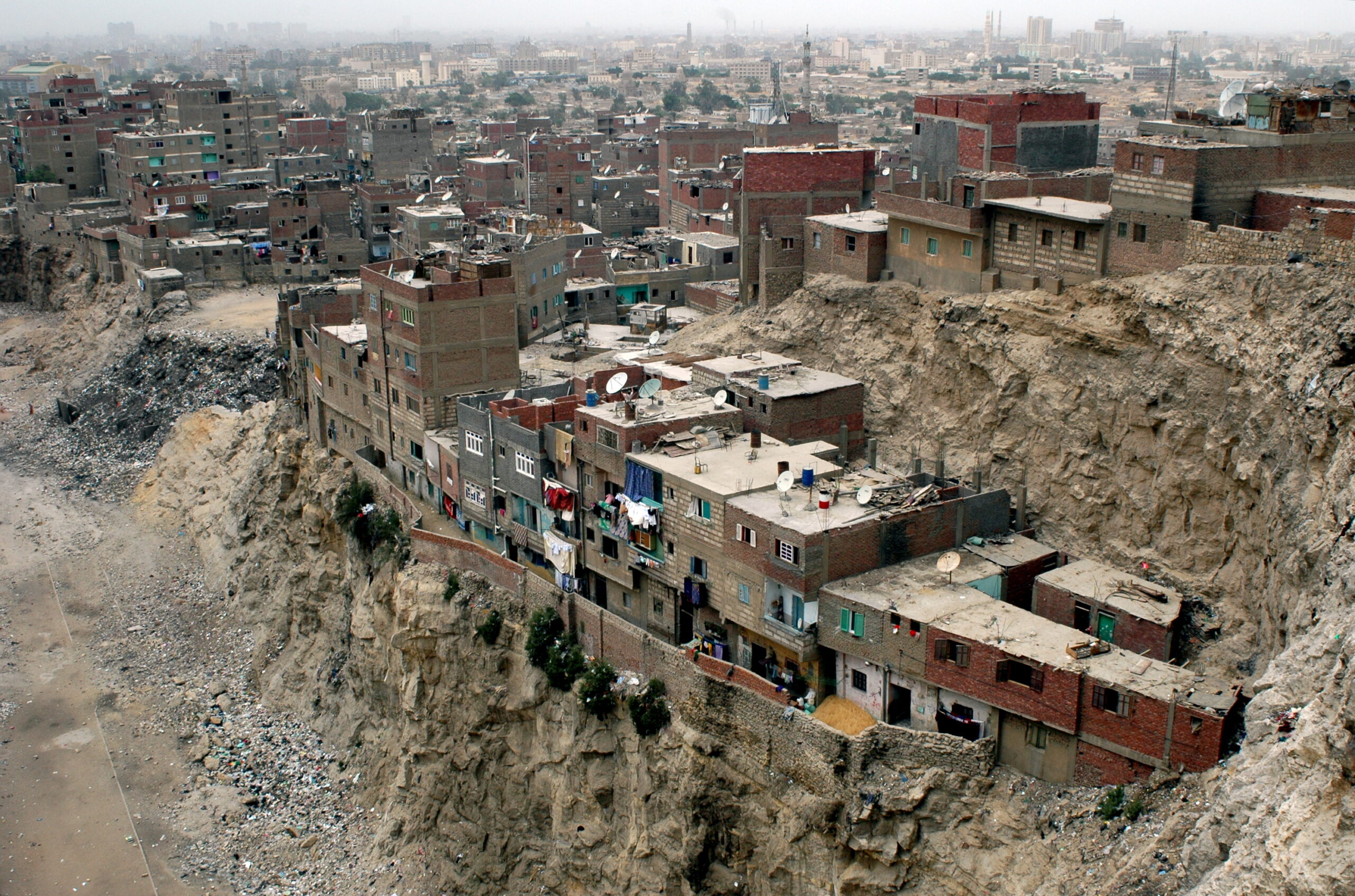
As the U.S., Europe and rich countries throw billions in lifeboats to end financial crises, let’s spare a thought for poorer developing nations which, without such means, are facing absolute disaster.


As the U.S., Europe and rich countries throw billions in lifeboats to end financial crises, let’s spare a thought for poorer developing nations which, without such means, are facing absolute disaster.

The global crisis, which is harming even the world’s strongest economies, is costing millions their houses, jobs and lifetime savings. To those who are already poor, the present is getting harder and harder and the future will be even bleaker. All this is the result of pure greed and of the “free-market religion.”
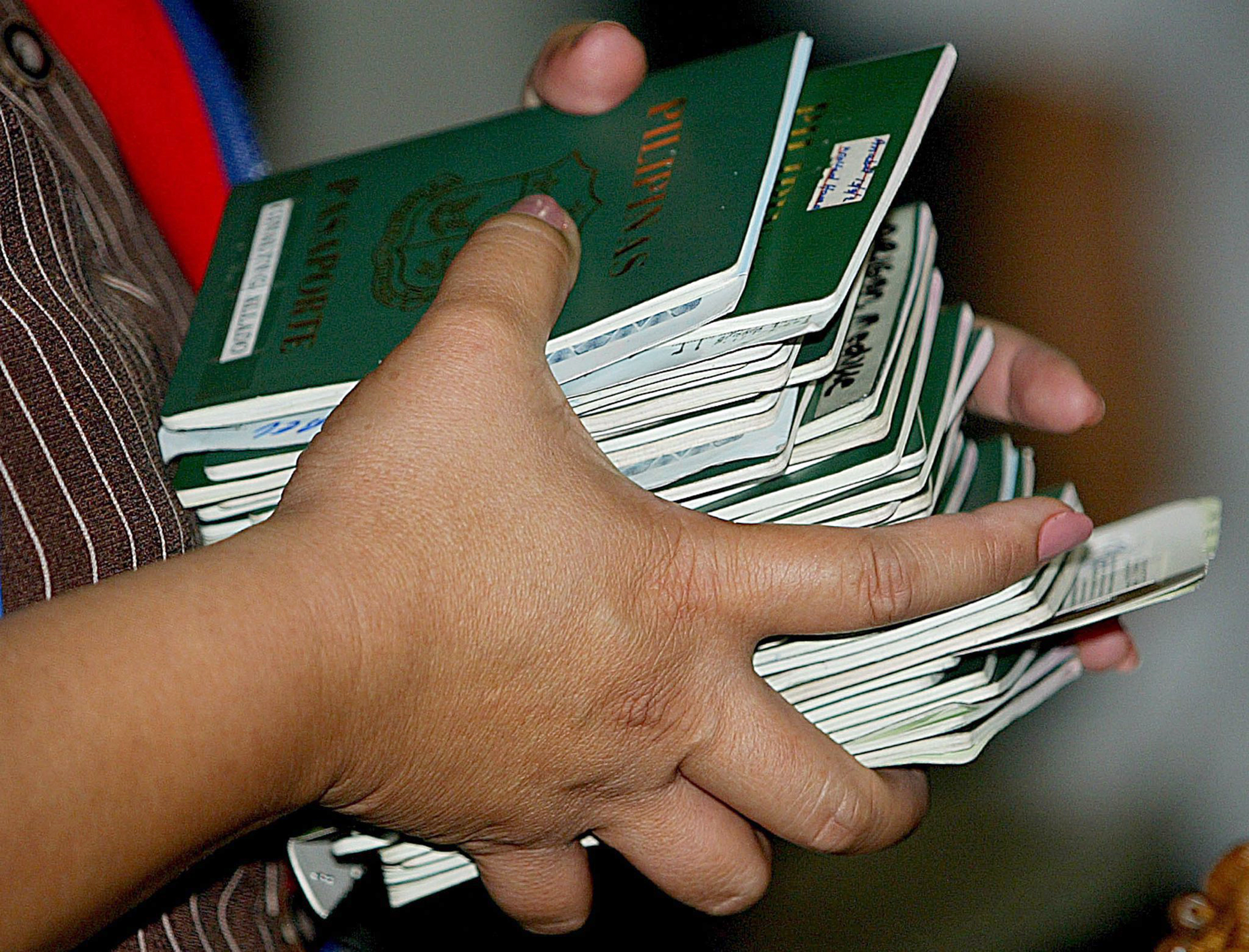
When 10% of a population is living abroad, its impact must be big not only on the over 8.7 million migrants but, above all, on the whole Filipino society – albeit they adapt well to foreign lands and take with them the essentials of their culture. Only last August, the president of the Catholic Bishops’ Conference of the Philippines warned that the magnitude of the process is putting a big stress on families. And there are also those who don’t feel at ease anymore when they come back, even for vacations.
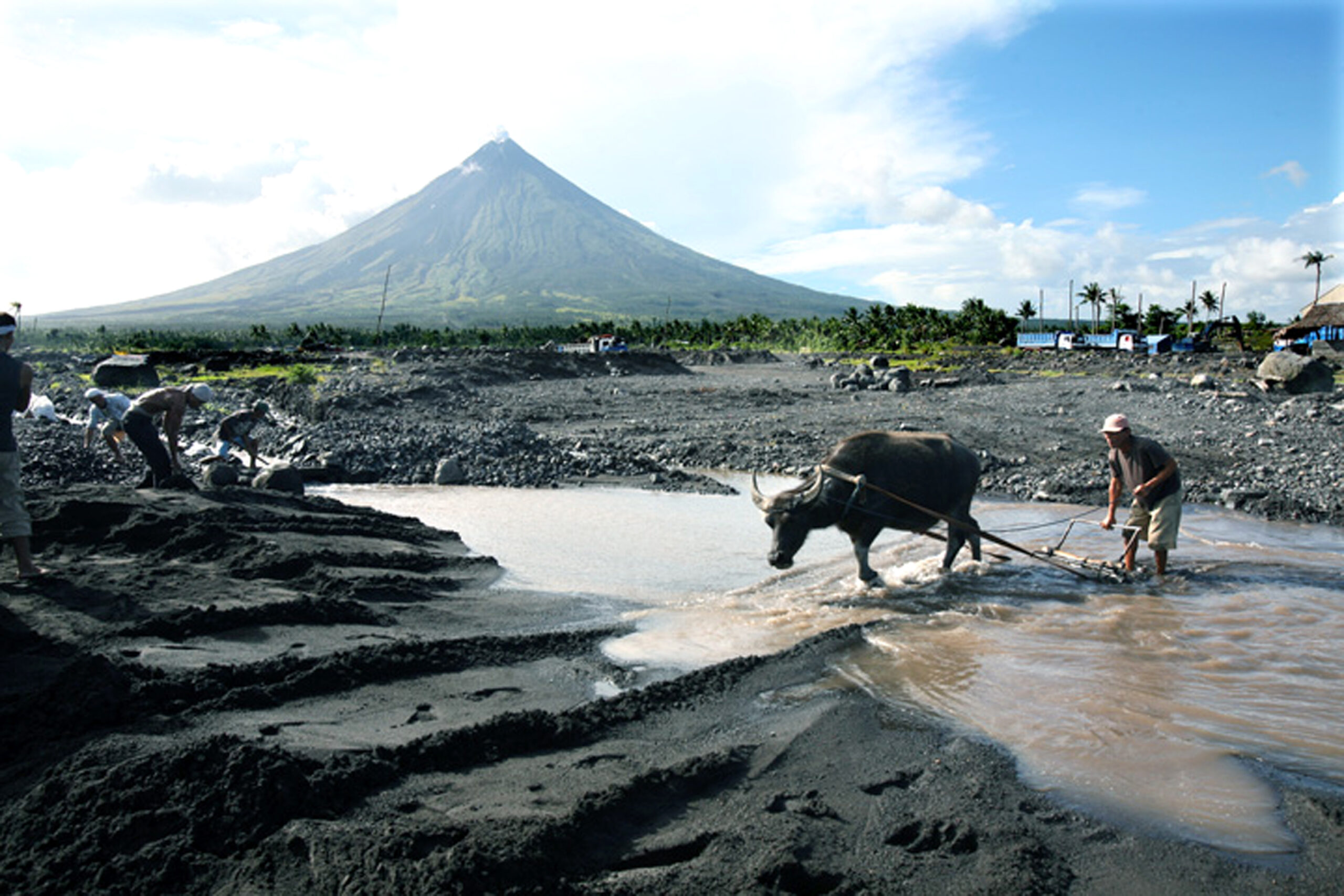
For the last 60 years, the Philippines has had problems with modernity.
One of the reasons is the absence of modern political parties with well-defined constituencies, thereby allowing networks like kinship groups to continue to serve as vehicles of political power. Banning dynasties from politics by legislation is not going to work unless there is, at the same time, a concerted effort to nurture stable vehicles of interest aggregation. Our people are fed up with our political elite – that’s the reason they are leaving the country.
But almost all of them are willing to return. A good reason to have hope.
Excessive “devotions,” ritualism, external practices that do not transform behaviors, traditions that are very close to idolatry. Catholic Filipino religiosity is, above all, a popular Catholicism. And one that, in real and daily life, generally ignores the teachings of the Gospel. That’s why, according to a survey, the country is number one in religiosity, but also number one in corruption.
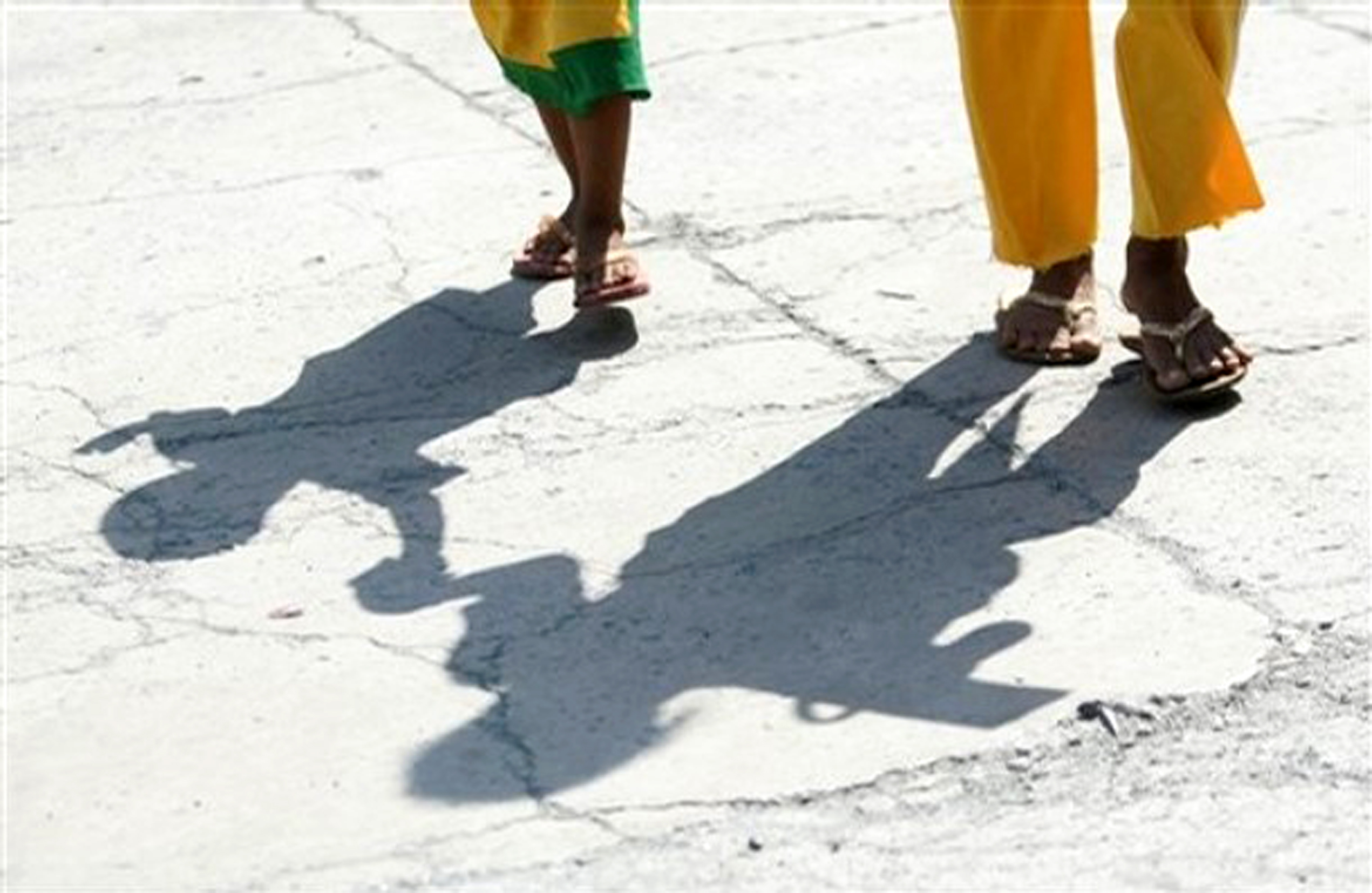
Over the years, the Filipino has continued to evolve as a global citizen but he/she also continues to carry the traits and characteristics that have made every Filipino distinct and, sometimes, inscrutable. But there is no denying that the so-called “globalized Filipinos” are among the most valued workers in foreign lands.
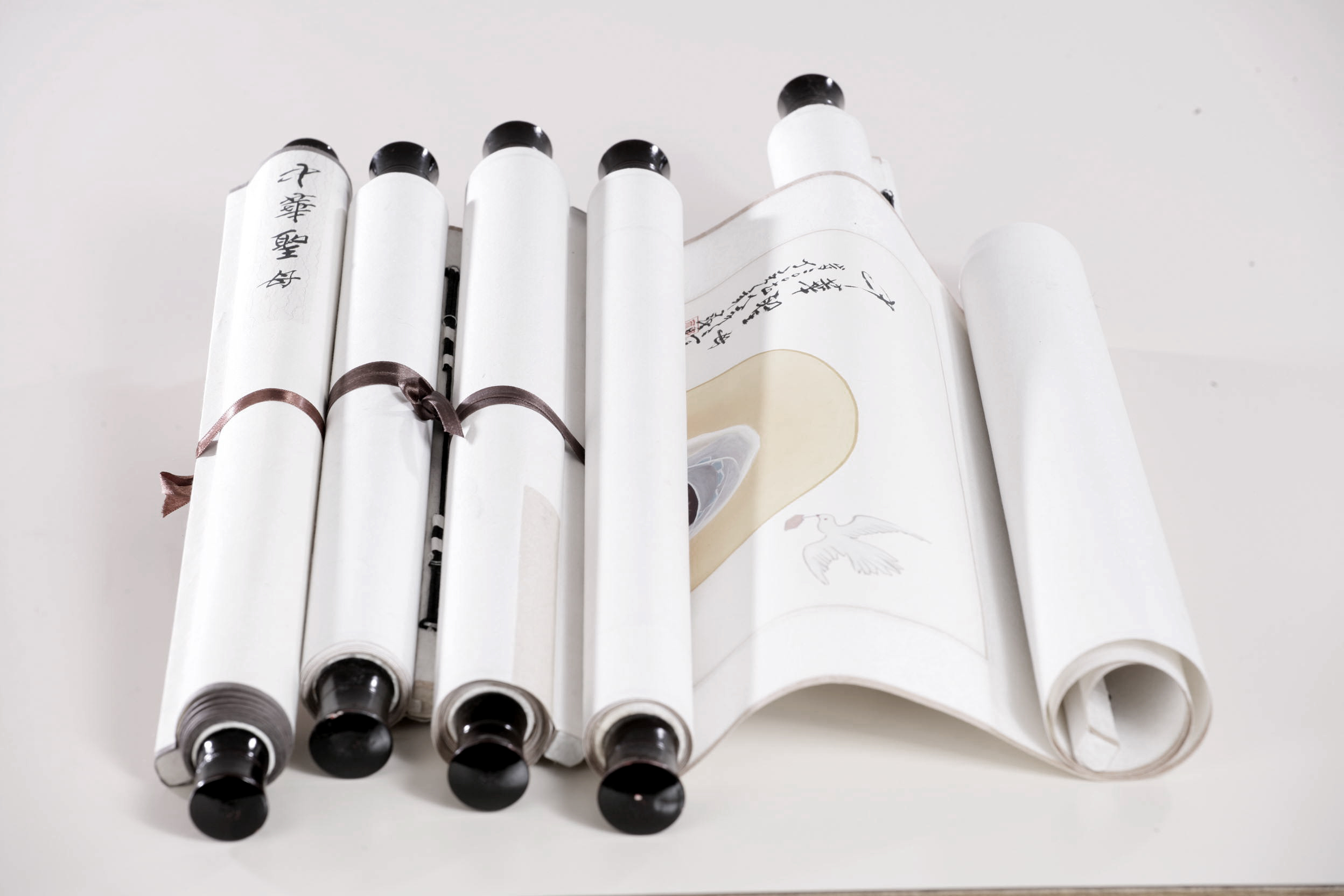
The “Asian Way,” an approach which emphasizes the dominant value of harmony in all of life’s relationships, seeks this harmony with one’s self, fellow humans, creation, and God. From this basis, faith-based alliances can be forged to raise a collective interreligious voice to bring about peace, justice, and reconciliation.
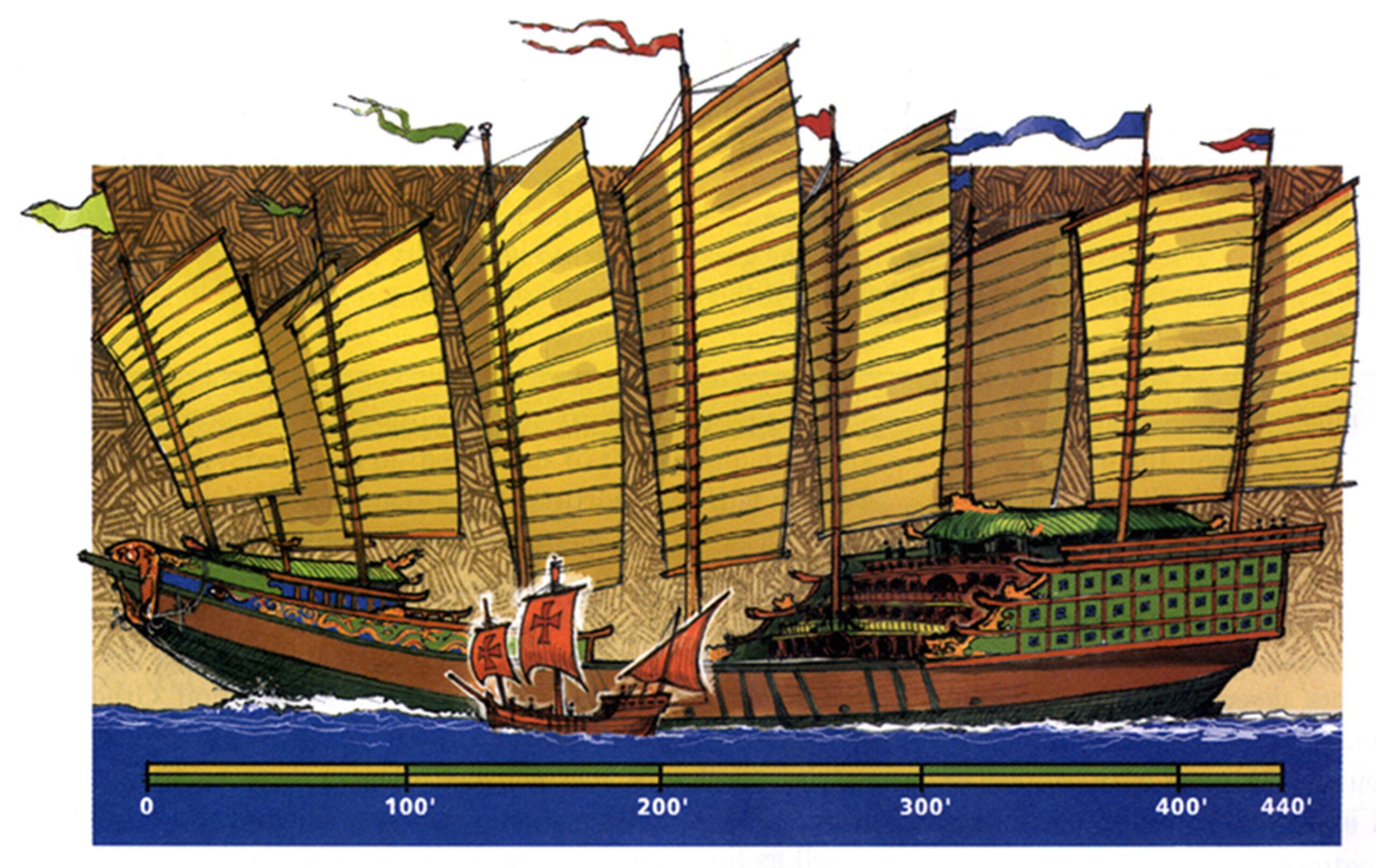
A century before Vasco da Gama, a forgotten navigator of Arabian descent, “almost” discovered the ocean route to the West, at the service of the Emperor of China. Admiral Zheng He’s boats were also the carriers of Chinese goods all over. If the voyages had not suddenly stopped, the world’s history could have been quite different. Curiously, exactly like the Europeans, the Chinese were trying to challenge the trade monopoly of the Arabs.
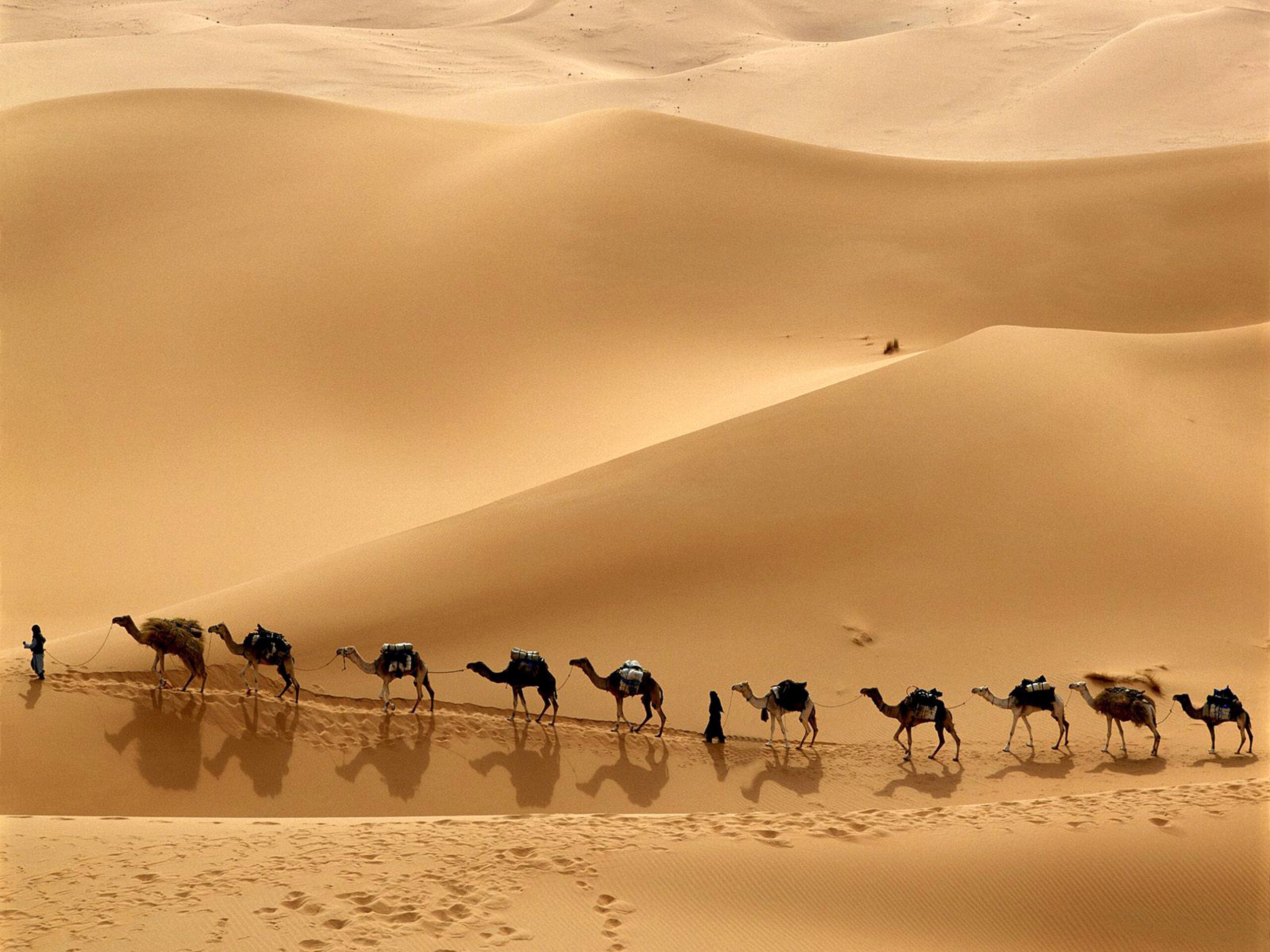
During many centuries, the treasures of Asia reached Europe through the long and dangerous Silk Road. When the Portuguese started the sea voyages that ended in the discovery of the ocean route to the East, what were before rare and very expensive goods became a fashion and a fever all around the European continent. Described by historians as the first step in the world globalization, this historical mark had winners and losers: the riches and the knowledge of the East helped the West to build empires and rule the world, while Asian potentates became weaker and weaker.
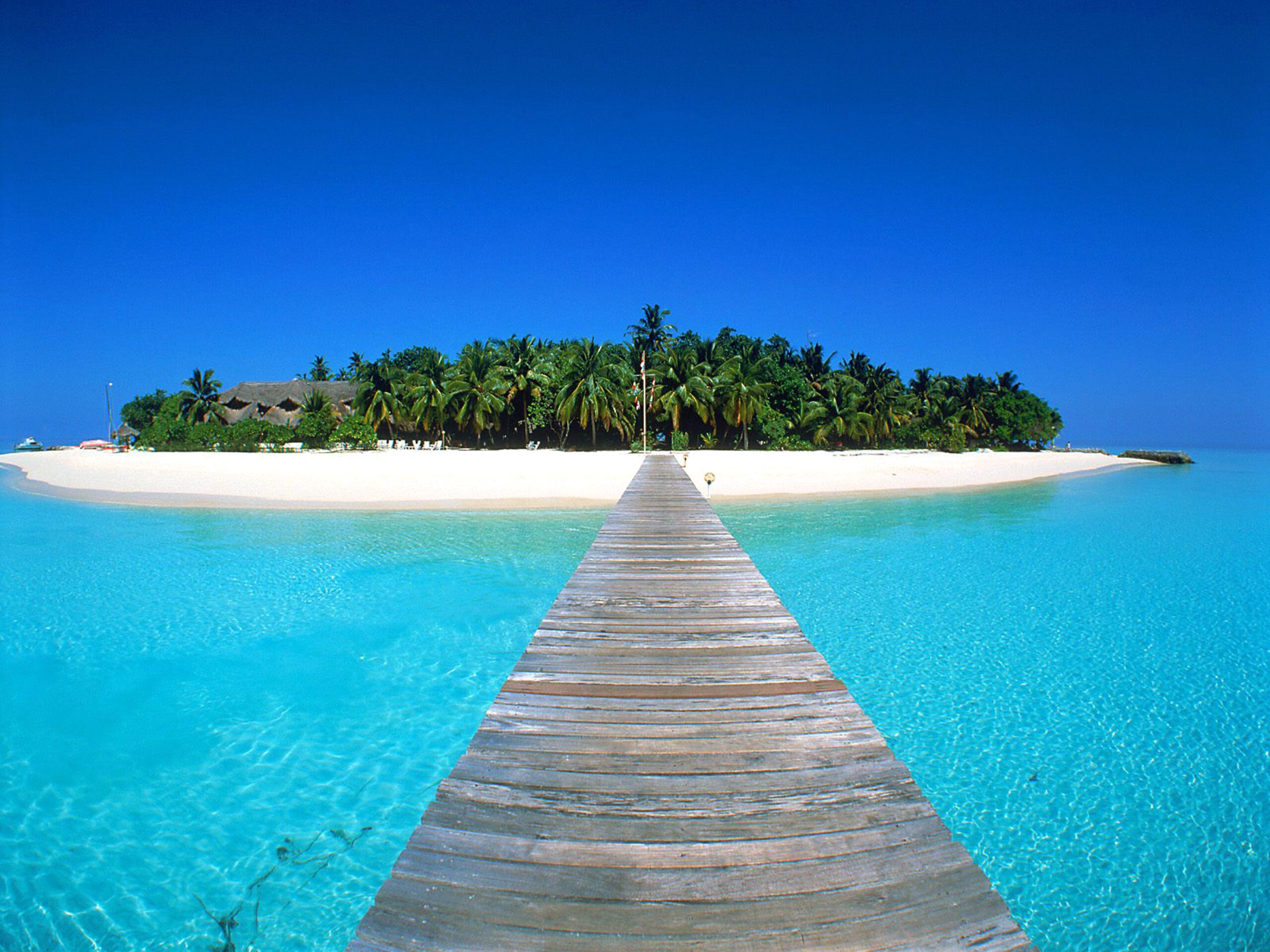
By demonstrating that climate change compromises basic human rights and halts socioeconomic development, the Maldives hopes to instill a moral and ethical imperative for the international community to take substantial action against it. For 20 years, they have been warning that island-states are especially vulnerable to the effects of global warming.
