
Our Common Path
Through the path of interreligious dialogue, we can build peace in our world. This dialogue is not reserved only for the elite – every believer is encouraged to engage in it.
Browse past isues
Help the mission
Support the mission
Get in touch


Through the path of interreligious dialogue, we can build peace in our world. This dialogue is not reserved only for the elite – every believer is encouraged to engage in it.


In the Philippines, the country that I know best because of my thirty years of mission in Mindanao and my commitment through the Silsilah Dialogue Movement, I observe that many Christian religious groups are now doing programs in line with dialogue for peace. In more recent time, we can observe a similar spirit among Muslims.


If nothing is done to curb the emissions of greenhouse gases that cause climate changes, the future of the Earth and humanity is at stake. The Nobel Peace Prize shared by Al Gore and the UN Intergovernmental Panel on Climate Change reminds the world that, without a healthy environment, there will be no peace.


The UN Conference on Climate Change, scheduled for this month in Bali, is going to deal not only with one of the biggest problems of the world, but also of the most serious ethical issues facing humanity and the Church in the 21st century.


In a recent and long document, “Water, an Essential Element for Life,” Vatican’s Pontifical Council for Justice and Peace states the need for a deep and worldwide engagement in favor of increased access to safe water and sanitation: the only way to save millions and help poor countries to develop. Some excerpts:


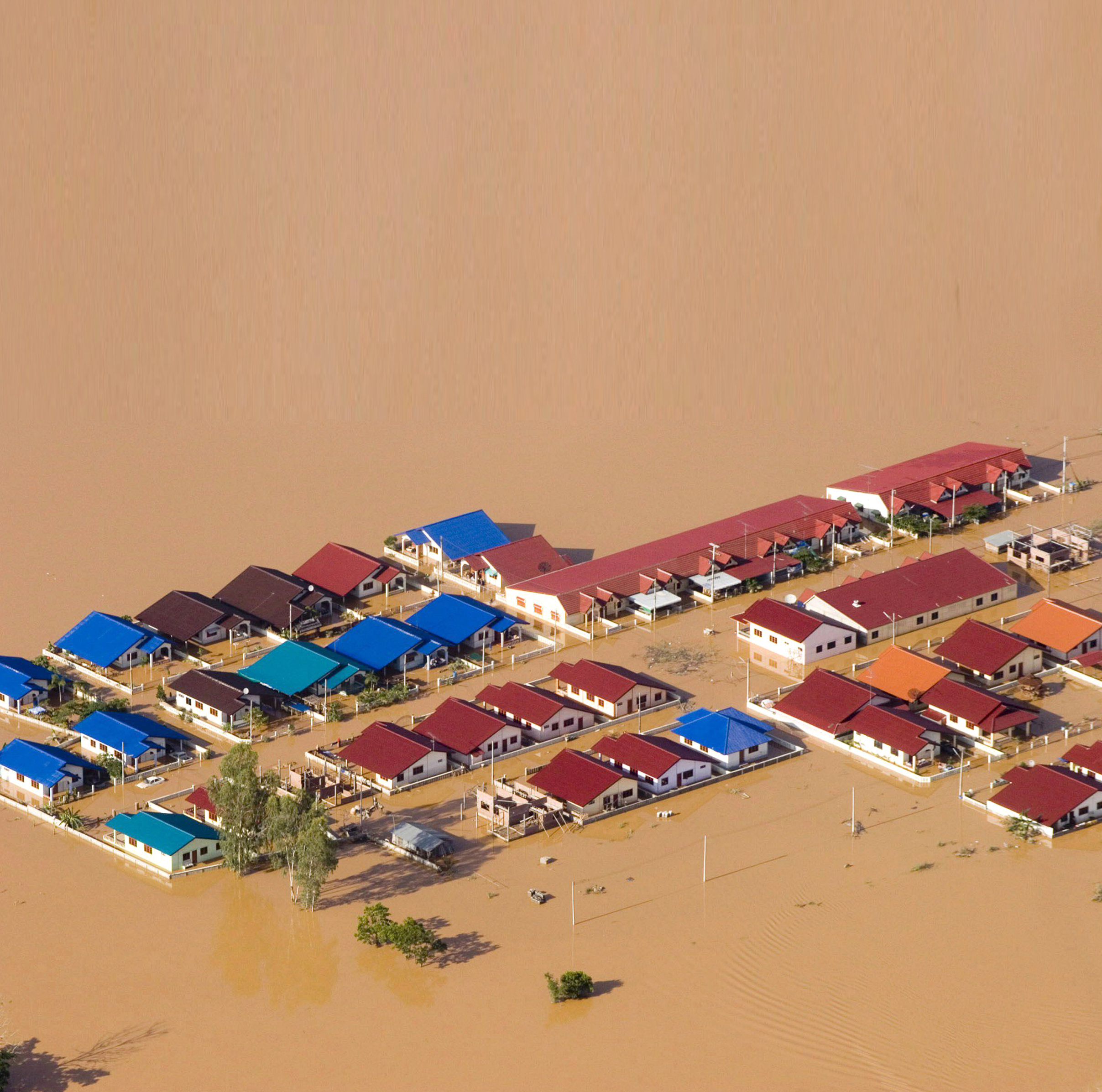
Considered as a universal and fundamental right of all human beings, water can also be used as a weapon against enemies in cases of conflict, or it can itself be a source of conflict among peoples. Studies carried out by the United Nations affirm that, in 50 years time, water will be more precious than oil. This is not a surprising statement because water is already, nowadays, a scarce good, which many people misuse.


The perspective of “mission-as-gift” contains several insights on the approach or manner of mission in Asia, which is necessarily the mode of dialogue. Christianstreasure the gift of their Trinitarian faith, offering it freely, even enthusiastically, to others. The gift is offered with a sincere heart; yet, they know that the other person is free to accept or reject the gift. The dialogue partner – Muslim, Buddhist – also has a gift to offer; thus, a wonderful “exchange of gifts” can result.
There are proverbs about almost any situation that affects people’s life. Let us see some about youth, friends, thieves, justice and love:


Words in Africa have weight, there is strength in them: “They create and give you life.” Some words are as solid as the yam (roots) and as sweet as kola (nuts), especially those spoken by the ancestors, who have handed them down to their descendants: for them … to eat. And to make them tastier,
they have flavored them with the oil of proverbs. The proverbs are like the oil with which we eat the words, the Igbo used to say.


Nairobi has a population of 4 million inhabitants, 2.5 million of whom live in over 200 slums – covering less than 5% of the whole urban area. Indeed, the towns of the world need to hear the liberating Good News of Jesus Christ, as well as see a committed Christian community taking charge of social change, such as in this city.