Category: World Touch

Egypt

Hidden Hands Stoke Sectarian Strife

Recent Muslim-Christian clashes have renewed fears of sectarian conflict in Egypt. But many local analysts – along with wide swathes of the public – believe sectarian tensions are being stoked by elements loyal to the ousted Hosni Mubarak regime in possible coordination with Israel. “Whoever is fanning the flames of sectarian conflict has two objectives: to distract attention from the ongoing prosecution of Mubarak and his henchmen, and to derail what’s being described as the Third Intifadah,” political activist Mugahid Sherara commented.

World

Restoring Forests While Feeding the Poor

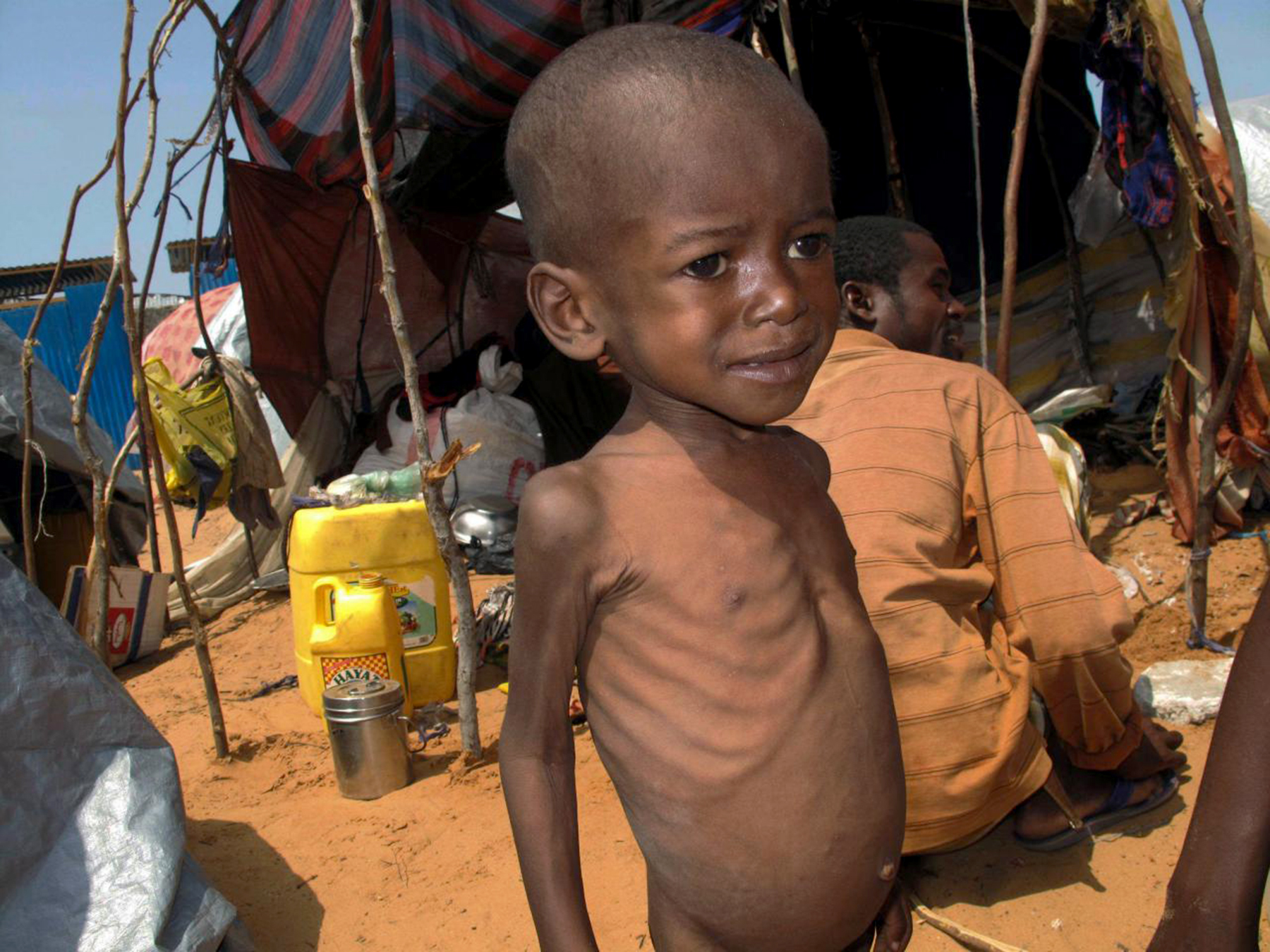
“We are one shock away from a full-blown crisis,” stated Robert Zoellick, the president of the World Bank, at a recent meeting of the Bank and the IMF. He was referring to a critical increase in poverty, resulting from the escalating cost of food. The UN’s food price index has risen 37% since March 2010. Basic cereal prices are up 60% over this period. Wheat is up 63%, and maize 83%. Roughly, 1 million people slide into extreme poverty for each 1% rise in global food prices, the Bank’s analysts calculate.

A Fruitful Centenary

After the conclusion of the second Archdiocesan Synod of Gulu (North Uganda), the Bishop of Lira, Giuseppe Franzelli, noted: “We recall that 100 years ago, in 1911, the first Comboni missionaries arrived here. And thanks to this, there exists a Church that walks together.”

DR Congo

48 Women Raped Every Hour

The central African nation of Congo has been called the worst place on earth to be a woman. A new study released by the American Journal of Public Health shows it’s even worse than previously thought: 1,152 women are raped every day, a rate equal to 48 per hour. That rate is 26 times more than the previous estimate of 16,000 rapes reported in one year by the United Nations.

Food

Learning How to Protect Crops

A recent study by the UN Food and Agriculture Organization (FAO) estimated global food loss and wastage at 1.3 billion tons a year, which it calls a “major squandering of resources.” The amount of food wasted is shared almost equally between industrialized and developing countries. But while developing country losses are largely the result of pests, diseases, poor storage and inadequate transport for agricultural produce, in richer countries, perfectly edible food is rejected by retailers or thrown away as household waste.

The Church Must Remain United

The independence of southern Sudan, on July 9, is approaching and there is a growing concern for the fate of Christians in northern Sudan. As underlined by Fr. Asfaha Yohannes Weldeghiorghis, Ethiopian Comboni missionary, pastor of Nyala, capital of south Darfur in an interview for Sudan Catholic Radio (SCR), Christians in the North are mostly of southern origin and the support of the Churches of the South are expected. The missionary added that, since the faithful of the two countries have deep human, spiritual and family ties, they have to remain united, just like the Church of the North and South Sudan must remain united after independence, to offer mutual support. Fr. Asfaha also claimed that the Church of the North does not have the same rights of worship as for Muslims, and fears the worst after the independence of South Sudan.

World

Vatican Conference Calls for Global Justice

Catholics are looking for guidance and a larger voice from the Vatican on ethical principles for the world of finance and the environment, according to participants at a Vatican meeting on social justice in a globalized world. Some 200 people involved in social justice issues for the Church gathered for an international conference sponsored by the Pontifical Council for Justice and Peace. The meeting celebrated the 50th anniversary of Blessed Pope John XXIII’s social encyclical, “Mater et Magistra.”

World

Least Developed Countries Stagnate

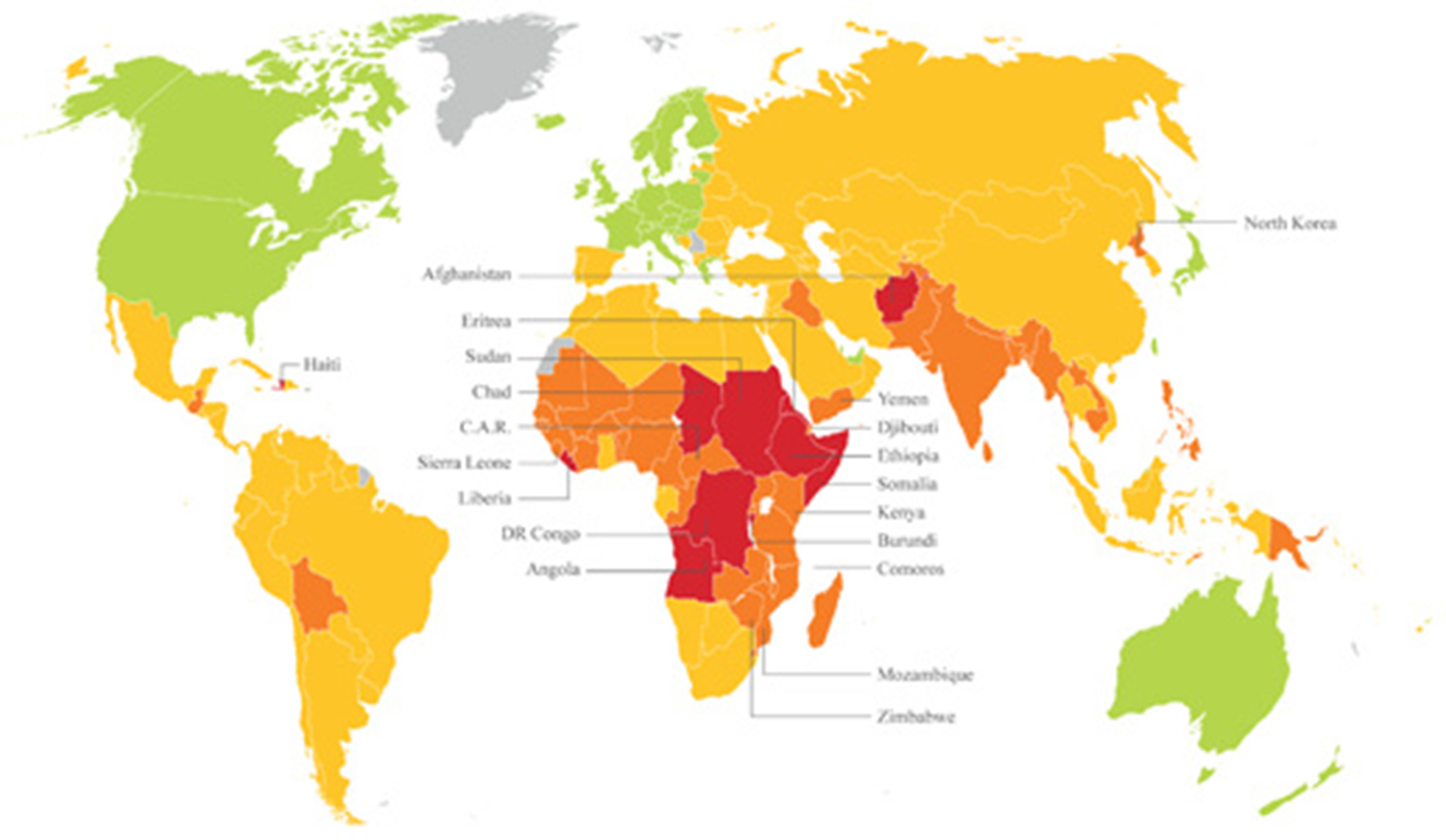
A report released by the International Labor Organization (ILO) for the Fourth Conference on the Least Developed Countries (LDCs) that took place in Istanbul, Turkey in early May expressed a strong critique of the snail’s pace of development. The report, entitled “Growth, Employment and Decent Work in the Least Developed Countries,” solidified widespread fears that the “graduation” rate of LDCs was abysmally low, with only three countries out of 51 – the Maldives, Botswana and Cape Verde – moving out of the category since it was created by the United Nations in 1970.

Bangladesh

When Wives are Set on Fire for their Dowry

At least 249 women were killed in 2010 for their dowry, this according to the Bangladesh Society for the Enforcement of Human Rights (BSEHR). Whether out of anger or for vengeance, husbands often beat their wives or set them on fire with kerosene, sometimes with the complicity of their families. In some cases, women are strangled and then hanged to simulate a suicide. The figures are incomplete though because many cases are not reported. In fact, if in 2007, there were 145 recorded cases, dropping to 114 in 2008 and 109 in 2009, the numbers last year showed a marked reversal. At the same time, the BSEHR also reported that, last year, at least 122 women were tortured.

U.S.A.

Majority Wants Clergy to Speak Out on Rich-poor Gap

A survey found that the majority of Americans believe that capitalism is not compatible with Christian values. The survey, conducted by the Public Religion Research Institute in partnership with Religion News Service, found that 44% of Americans expressed the belief that the two are at odds, while 36% asserted that capitalism is consistent with Christian values.

Shopping Cart