

Religious Freedom, the Path to Peace
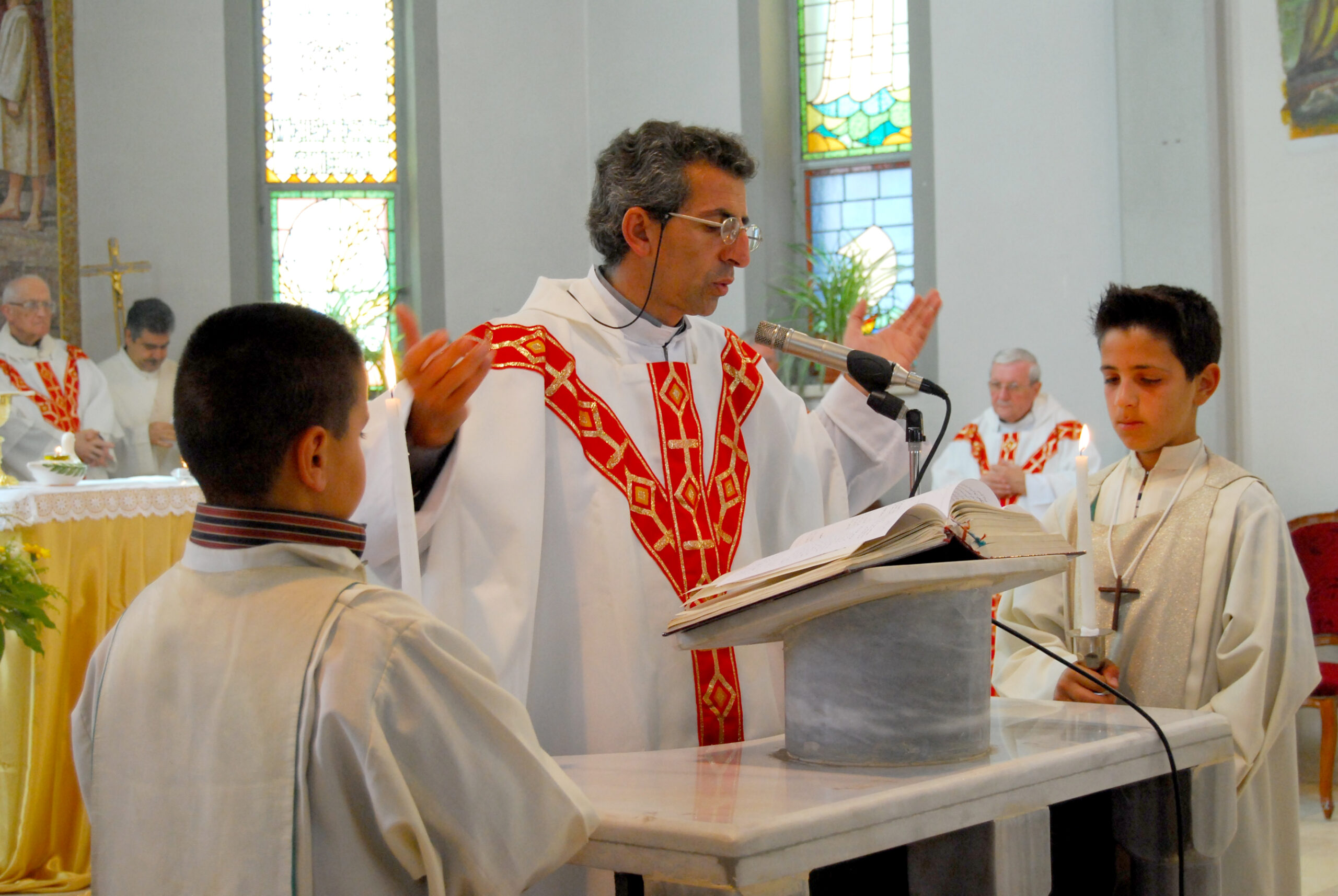
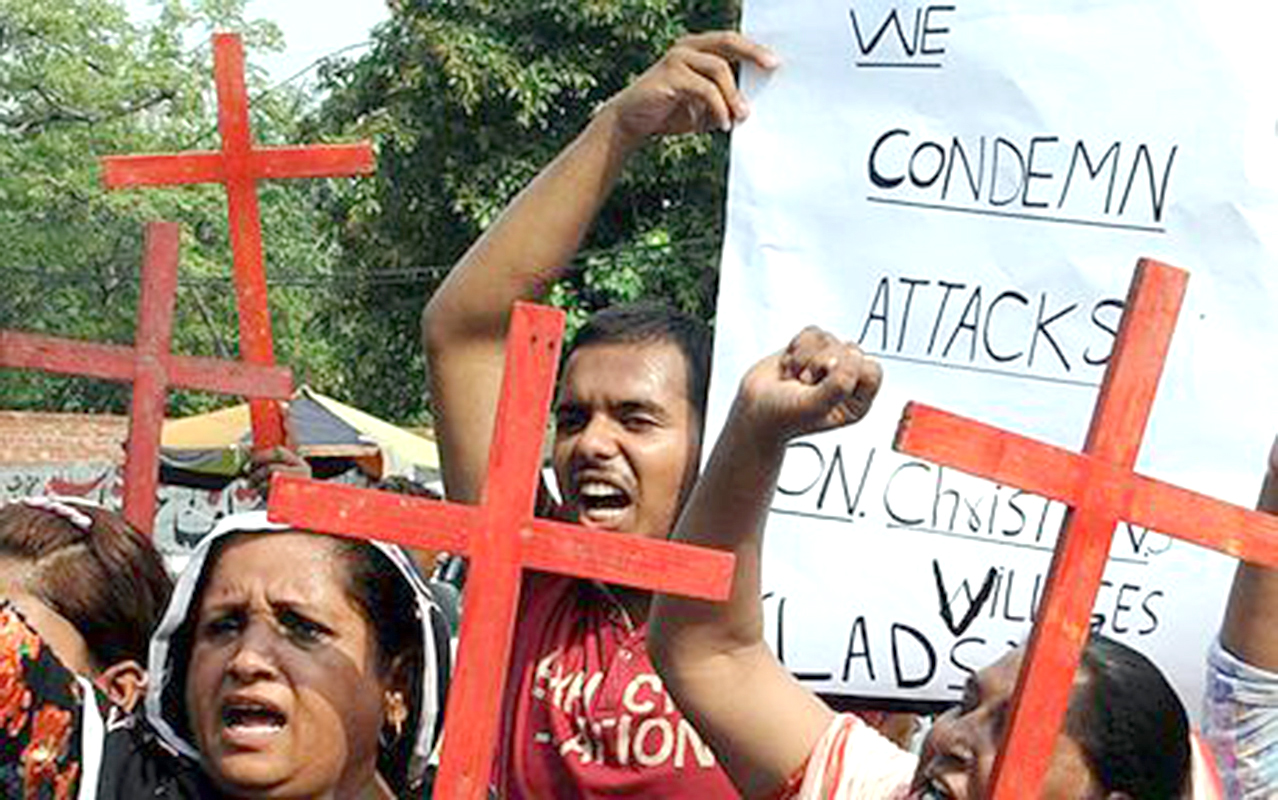
“Religious freedom, the path to peace” is the theme chosen by Pope Benedict XVI for the celebration of the 2011 World Day of Peace.
Browse past isues
Help the mission
Support the mission
Get in touch
“Religious freedom, the path to peace” is the theme chosen by Pope Benedict XVI for the celebration of the 2011 World Day of Peace.


A $7.3 billion pledge, including $5 billion from the Group of Eight countries, is not enough to stop millions of needless deaths among pregnant women and young children and is not enough for the G-8 leaders to say they’ve lived up to their responsibilities, representatives of Catholic aid groups said. “We’re disappointed with the G-8 leaders,” said Michael Casey, Executive Director of the Canadian Catholic Organization for Development and Peace, after the Group meeting in Huntsville, Ontario. “It’s kind of a failure,” said Alexis Anagnan of the French Catholic aid agency, World Solidarity.


Despite the cold winter in the Northern hemisphere, the global temperature this year reached its warmest on record. This is based on a twelve-month-rolling average, according to Dr. James Hansen, the top American climate scientist who works at the US National Aeronautics and Space Administration (NASA). In an article published on the NASA website in June 2010, Hansen and his three co-authors claim that the mean surface temperature in the year through April 2010 was 0.65 degrees Celsius warmer than the period between 1951 and 1980. NASA scientists came to this conclusion after reviewing data from 6,300 monitoring stations around the world. Hansen is adamant that this data demonstrates that climate change is taking place.


The fervor of millions of fans around the world, glued to their television screens as they followed the World Cup was matched by a concern that the event would propitiate an increase in human trafficking. Cardinal Wilfrid Fox Napier, the Archbishop of Durban in South Africa, said that there were signs that organized crime rings were smuggling people to provide sexual services during the event.


Amidst the enthusiasm over the World Cup Soccer tournament, L’Osservatore Romano published an article this week arguing that the Guarani Indians of Paraguay were the inventors of the game.


The 2010 FIFA (Fédération Internationale de Football Association) World Cup got underway in South Africa in June. This is the 19th time since the tournament has been held. It is the premier soccer tournament and it is safe to say that it now rivals the Summer Olympics in terms of the number of people who watch the games. Tens of millions of people watched individual games.
Bangladesh, Indonesia, Iran and Pakistan top a new ranking of countries at “extreme risk” of experiencing natural disasters compiled by a global risk assessment company. The Natural Disaster Risk Index (NDRI), released by Maplecroft, ranks 229 countries according to the human impact of natural disasters in terms of deaths per annum and per million of population, plus the frequency of events as well as the likelihood of earthquakes, volcanic eruptions, tsunamis, storms, flooding, droughts, landslides, extreme temperatures and epidemics. Asia accounts for most of the disaster-related deaths since 1980. Ranking countries most vulnerable to natural disasters over the past 30 years could enable businesses and investors to identify risks to international assets while supporting humanitarian efforts to push governments into investing in disaster risk reduction initiatives.


Since humanity is suffering from a lack of reflection and deep thought, evangelization has become an even more immense mission, underlined Benedict XVI. The Pope made this assertion when he received participants in the ordinary assembly of the Supreme Committee of the Pontifical Missionary Societies.


Fishing is a critical means of providing food, livelihood, trade, and economic growth in many developing countries – as well as in the United States. In many small island developing nations and coastal countries – such as Bangladesh, Sierra Leone, and Ghana – fish provide at least 50% of the population’s total animal protein intake. And approximately 43.5 million people’s year-round income depends on fish production while the income of another 4 million depends on seasonal jobs as fishers and fish product workers.


Though there is a declining number of children being forced to work, the trend over the last decade shows the rate of that decline is getting slow. According to the latest report from the International Labor Organization (ILO), there are still today more than 215 million children working, often in agriculture. More than half of them – 115 million – are employed in activities that the ILO describes as dangerous, although not reaching forms of slavery, per se.