Category: World Touch

UNESCO

Malnutrition is One of the Causes of Illiteracy

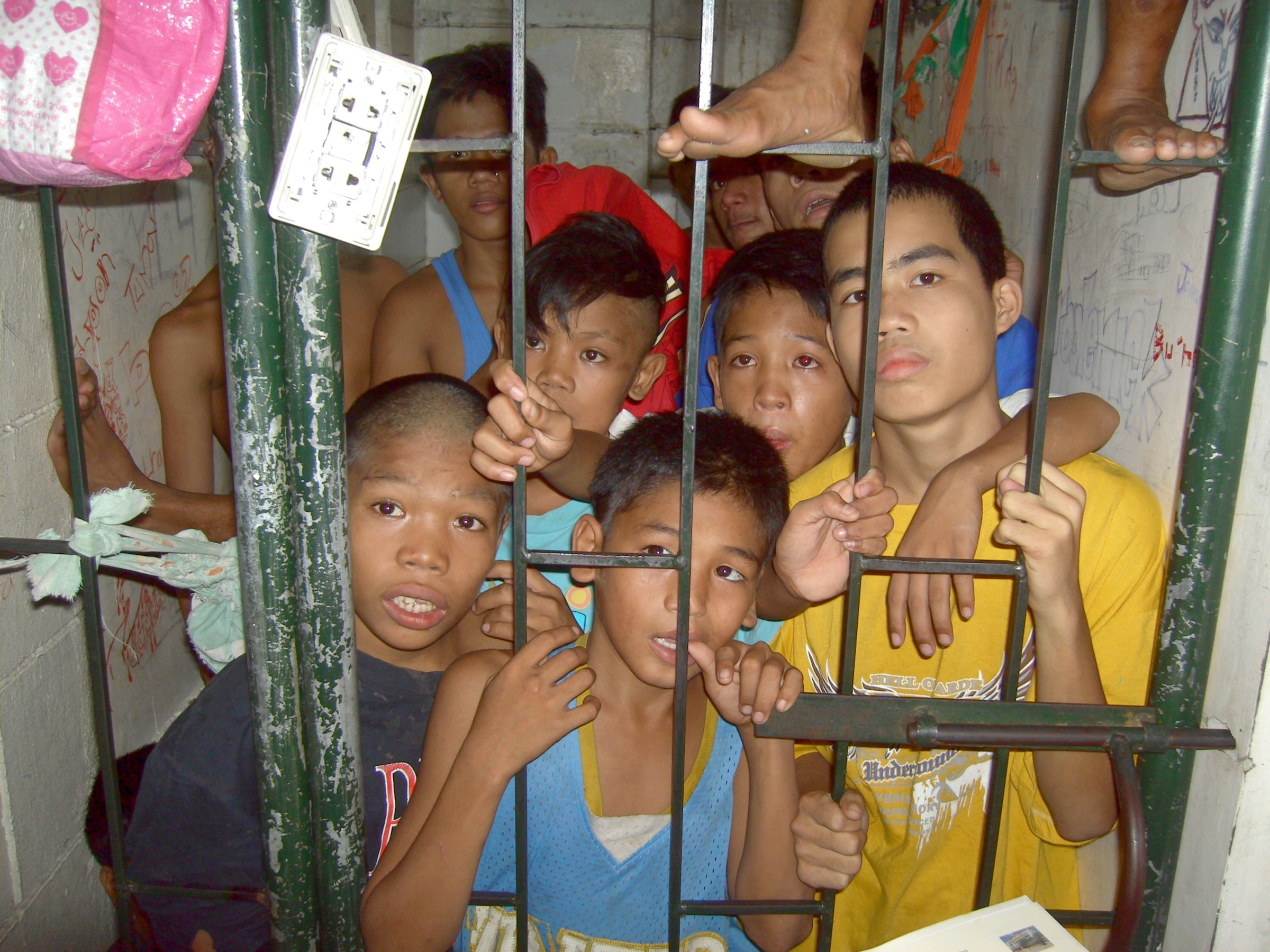
On a worldwide level, the disparity in access to education is extremely large; the gap between the rich and poor nations is growing, especially in the area of education. The economic crisis taking place has consequences not only on the food crisis and the financial market, but it has also a serious impact on the formation of the youth of developing countries. Large investments and efficient policies are needed in order to rescue the millions of children in the world who suffer illiteracy and lack of schooling.

World

The 21st Century Land Grab

“History may be repeating itself. Until the mid-20th century, many European countries grew rich on the resources of their colonies. Now, countries including China, Kuwait and Sweden are snapping up vast tracts of agricultural land in poorer nations, especially in Africa, to grow biofuels and food for themselves.” The warning sounded in an article published in the New Scientist. Signed by Debora Mackenzie, it goes on: “The land grabs have sparked accusations of neocolonialism and fears that the practice could worsen poverty.”

Vatican

Change the System, Asks the Pope

Pope Benedict has called for a “deep revision” of the world’s “dominant development model,” saying “the state of the planet’s environment and above all the cultural and moral crisis” are even more urgent than the financial crisis.

Asia

Vocations are on the Rise

Vocations are on the rise in Asia, and the missionary spirit is increasing, evangelization is proceeding along with human development, but there are “challenges like dialogue with the other great Asian religions, disrupted by fundamentalist groups that do not shy away from resorting to violence; the lack of practical respect for religious freedom in vast areas; the widespread spirit of secularism and consumerism.” These are some of the lights and shadows in the life of the Church in Asia, according to the analysis carried out during the 12th meeting of the Special Council for Asia of the General Secretariat of the Synod of Bishops.

Global Aid

Winners and Losers in Donor Contest

Do donor countries live up to the rhetoric and give emergency aid only where needed, without strings attached, and regardless of security and foreign policy priorities? A new report released reviews the performance of 23 donors against their own guidelines and finds most wanting, coming under fire from winners and losers. The Humanitarian Response Index 2008 (HRI), compiled by the international non-profit organization DARA (Development Assistance Research Associates), found that millions of people do not receive the relief they vitally need, in part because donor countries do not adhere to their own “Good Humanitarian Donorship” (GHD) principles. Among those principles, established in 2003, are that: emergency aid should be impartial, not driven by political, economic or security agendas; should strengthen capacity to respond to future crises, including prevention; assess needs and target effectively; and link relief efforts with long-term development strategies.

Asia

Church Defends Modernity’s New Slaves

The Church has to pave new paths of hope for the modern types of slaveries being created by the phenomenon of migration. This was one of 11 specific recommendations that came from a conference organized by the Pontifical Council for Migrants and Travelers and the Thai Episcopal Conference in Bangkok. The Conference’s theme was “Towards a Better Pastoral Care for Migrants and Refugees in Asia at the Dawn of the Third Millennium.” Participants were informed that the continent hosts nearly 25% of the 200 million international migrants worldwide.

A Wound in the Global Moral System

For a problem that is not exclusively financial, there needs to be a solution that is not exclusively financial, a Vatican representative recalled. Bishop Giampaolo Crepaldi, secretary of the Pontifical Council for Justice and Peace, underlined this on Vatican Radio when he discussed the ongoing worldwide economic crisis. “The crisis that the world is currently living is not just financial and, therefore, the solution cannot be purely financial,” he said. Instead, the economic crisis “verifies what the Church’s social doctrine has said for a long time: When an economic-financial system goes into crisis, it is never due to economic or financial motives, but because, in its origin, there has been a wound in the global moral system.”

A Symptom of an Unsustainable Lifestyle

European bishops say Christians should lead the way in using the climate change issue as an opportunity to analyze societal practices and return to the true values in life. The stance of Christians faced with global warming and other climate changes was one of the themes addressed by the Commission of the Bishops’ Conferences of the European Community during their plenary assembly.

Holysee

It’s Easier to Get a Gun Than Food or Education

The Holy See is decrying a world situation in which it is easier to get a weapon than to obtain food, shelter and an education. Archbishop Celestino Migliore, permanent observer of the Holy See to the United Nations, affirmed this at the U.N. Security Council meeting on “Maintenance of International Peace and Security: Strengthening Collective Security Through General Regulation and Reduction of Armaments.”

Cyprus

Peace Alone is Holy!

An appeal for world peace was passed from religious leaders to children to government officials in Nicosia, Cyprus. With the presentation of the appeal, the International Meeting of Prayer for Peace, traditionally sponsored by the Catholic lay Sant’Egidio Community, and this time co-sponsored by the Orthodox Church of Cyprus, came to an end. The 22nd meeting was on “The Civilization of Peace: Faiths and Cultures in Dialogue.”

Shopping Cart