Category: World Touch

Discovered World’s Oldest Church

The oldest church in the world is in Jordan. The discovery was made by a group of archaeologists, and has been published by the Jordan Times. According to researchers, the church dates back to between 33 and 70 A.D. “We have uncovered what we believe to be the first church in the world,” says Abdul Qader al-Husan, head of Jordan’s Rihab Centre for Archaeological Studies. The church is located beneath the Church of St. George (230 A.D.) in Rihab, in the northern part of the country near the Syrian border.

Quebec

Catholic Journalists are “Instruments of Hope”

The New Evangelization needs journalists to penetrate the current media-driven society, said Cardinal Marc Ouellet in the closing address of the Catholic Media Convention 2008. The archbishop of Quebec added that the New Evangelization is “the greatest challenge facing the Church at the beginning of the new millennium.” And remembered: “Let us never forget that the Church is communication and, therefore, the Church’s media work is inextricably linked with its other evangelization efforts.”

Hongkong

Vatican Helps Brokering Cluster Bomb Ban

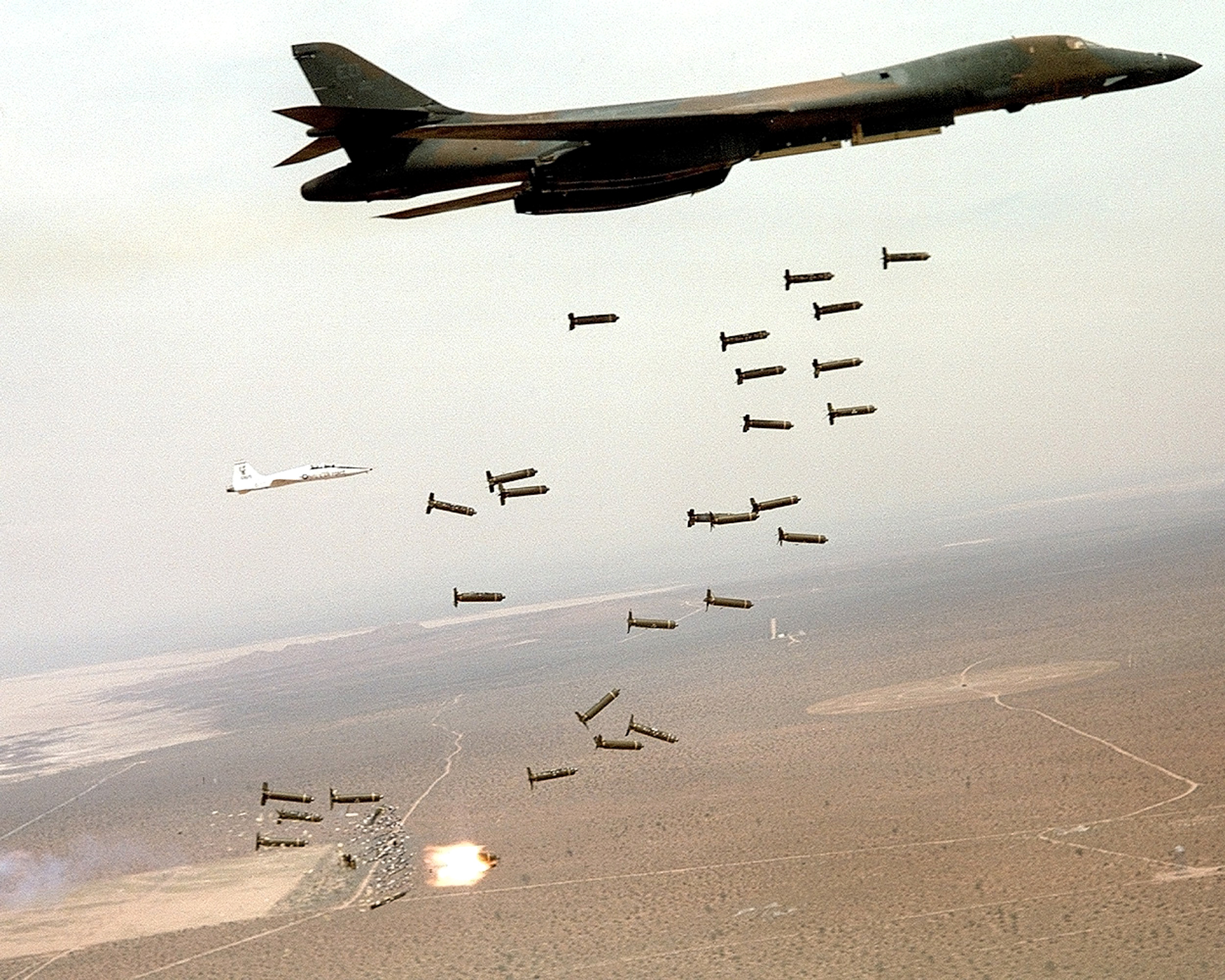
The Holy See played a key role in brokering a ban on cluster bombs, revealed Archbishop Silvio Tommasi. The Holy See permanent observer to the United Nations considered that the international agreement is a “big step,” even though there is still much work to be done.

Hongkong

Quake Revealed People’s Magnanimity

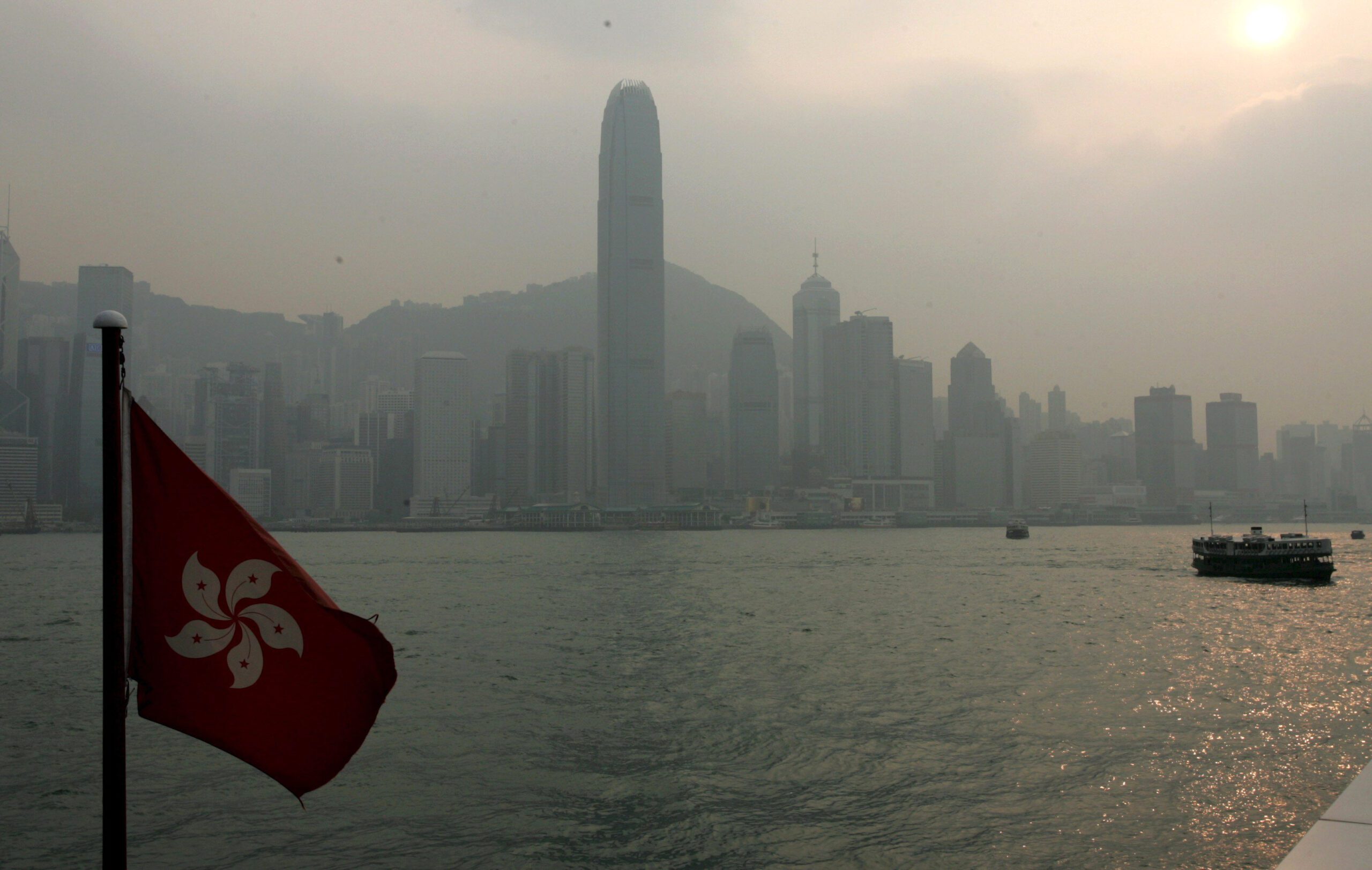
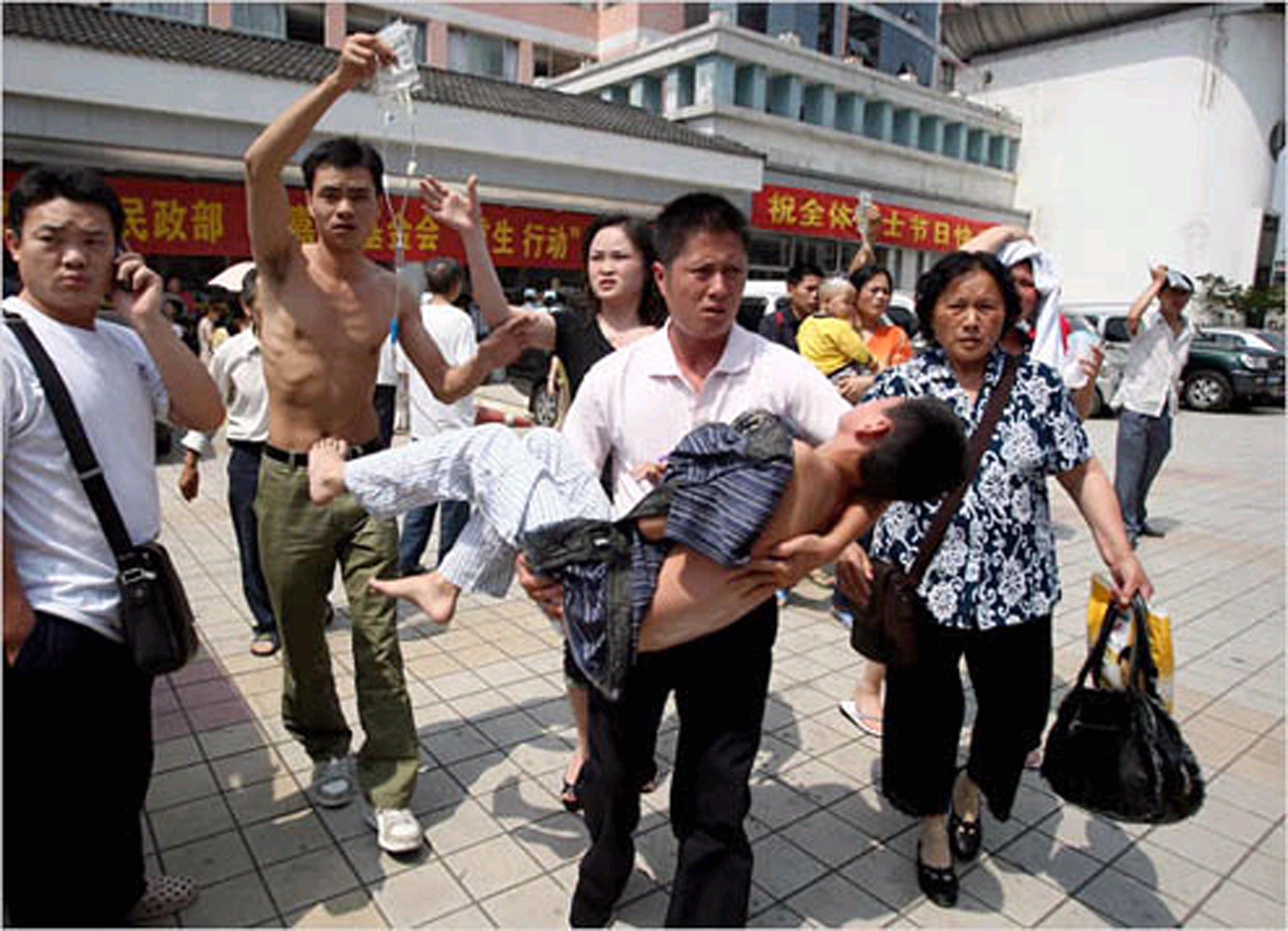
The openness the Chinese government has shown concerning earthquake relief work bodes well for human rights in China, Cardinal Joseph Zen Ze-kiun of Hong Kong said after a special Mass for Sichuan quake victims. Cardinal Zen also said in his homily that amid the suffering caused by the tragedy, God has revealed human magnanimity through love for the affected people. And even stated: “A new China has been born out of the quake.” Elaborating on this after Mass, he told the press that he appreciated the Chinese leaders’ openness to journalists reporting on the disaster and acceptance of foreign aid, which he said shows they really want to help the people.

Africa

India’s Growing Role

The world’s two most populous countries, China and India, are now seriously competing with each other to engage resource-rich Africa, thereby imparting a new dimension to South-South relations. Last April, New Delhi hosted heads of government of 12 African nation-states and a similar number of regional economic groupings. Many see this as a modest answer by India to the grand Africa summit that Beijing hosted in 2006.

Environment

Christians And Buddhists Must Work Together

Christians and Buddhists “can be harbingers of hope for a clean, safe and harmonious world.” They can do so by promoting a culture of respect for creation in the world, one that focuses on sustainable development and climate change. This statement is a part of a Holy See’s document published last month.

Holysee

Biofuels Shouldn’t Block Right To Food

The Vatican is asking for measures to keep the production of biofuels from bringing about increased food prices to the point of threatening starvation in many countries. The demand came from Monsignor Renato Volante, the permanent observer of the Holy See at the Rome-based U.N. Organization for Food and Agriculture (FAO), during the Organization’s Regional Conference for Latin America and the Caribbean, held recently in Brasilia, Brazil.

Qatar

Muslims Scholars Want Makkah Time

Muslim scientists and clerics have called for the adoption of Makkah time in lieu of GMT, arguing that the Saudi city is the true center of the Earth. The call was issued at a conference held in the Gulf State of Qatar under the title: Makkah, the Center of the Earth, Theory and Practice.

Globalization

Towards A Civilization Of The Common Good

It is in a new combination of subsidiarity and solidarity that one can find “the key” for transforming globalization – with its positive and negative effects on society – into a “civilization of the common good.” This was the “wager” in play at the plenary session of the Pontifical Academy of Social Sciences, held last month in the Vatican to examine the theme “Pursuing the Common Good: How Solidarity and Subsidiarity Can Work Together.”

After A Century, The Return

One hundred years ago, on June 18, 1908, the Japanese ship Kasato Maru, which had left from Kobe three months earlier, reached the wharf of the port of Santos (Brazil, 60 kilometers south of São Paulo). Seven hundred ninety-one Japanese farmers got off the boat. They were the first group of immigrants who had come to Brazil following an agreement between the governments. That little group put down solid roots. According to statistics compiled by the Nikkei Association (Japanese naturalized in foreign countries), today there are 1.6 million Japanese-Brazilians in Brazil, 62% of all the Japanese naturalized abroad.

Shopping Cart