
Editorial
A Duty for Everyone
“Who has a voice has the moral duty to speak up for those who cannot make their pleas heard. And to act, so that evil will not prevail.”


“Who has a voice has the moral duty to speak up for those who cannot make their pleas heard. And to act, so that evil will not prevail.”
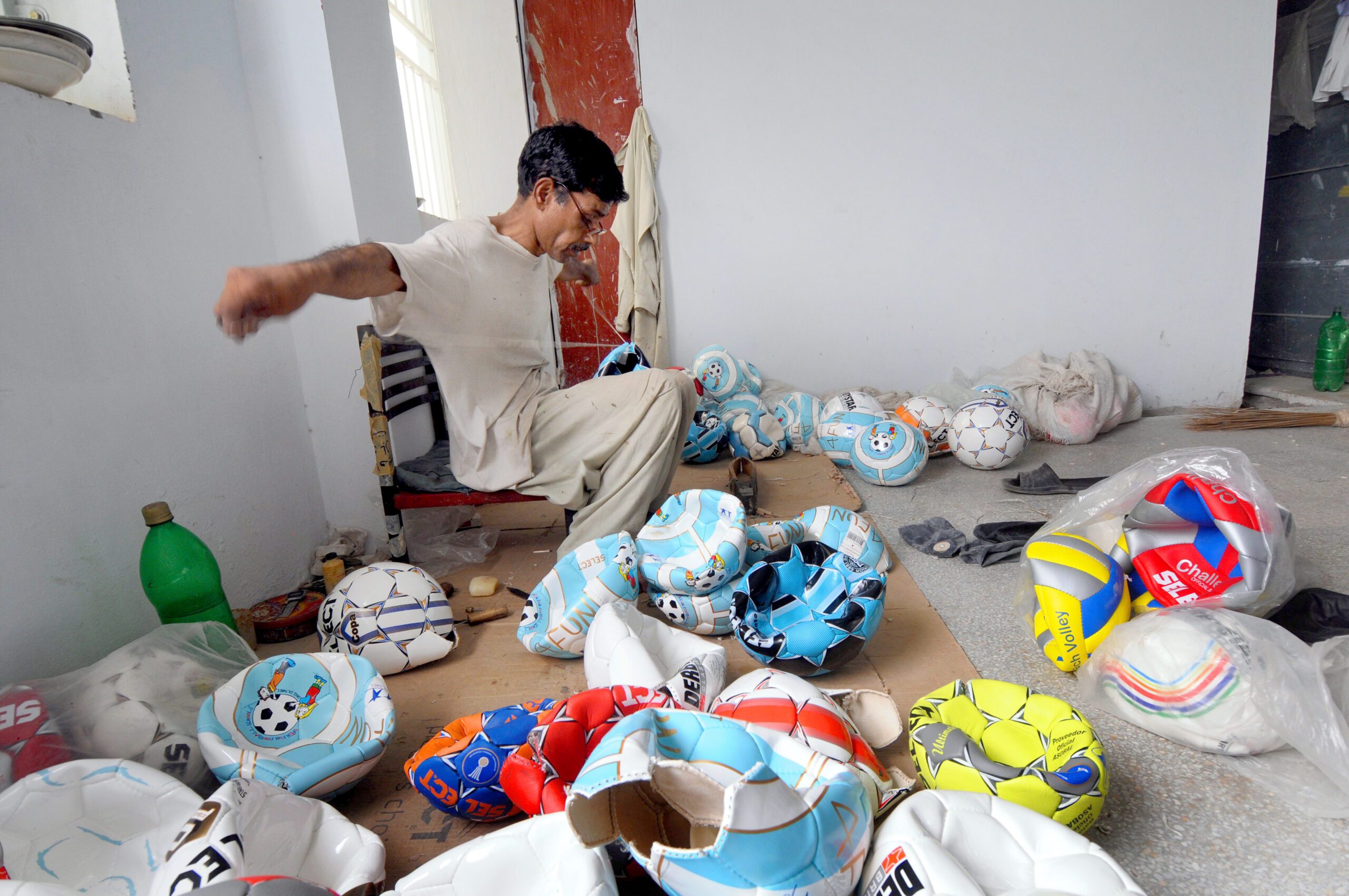
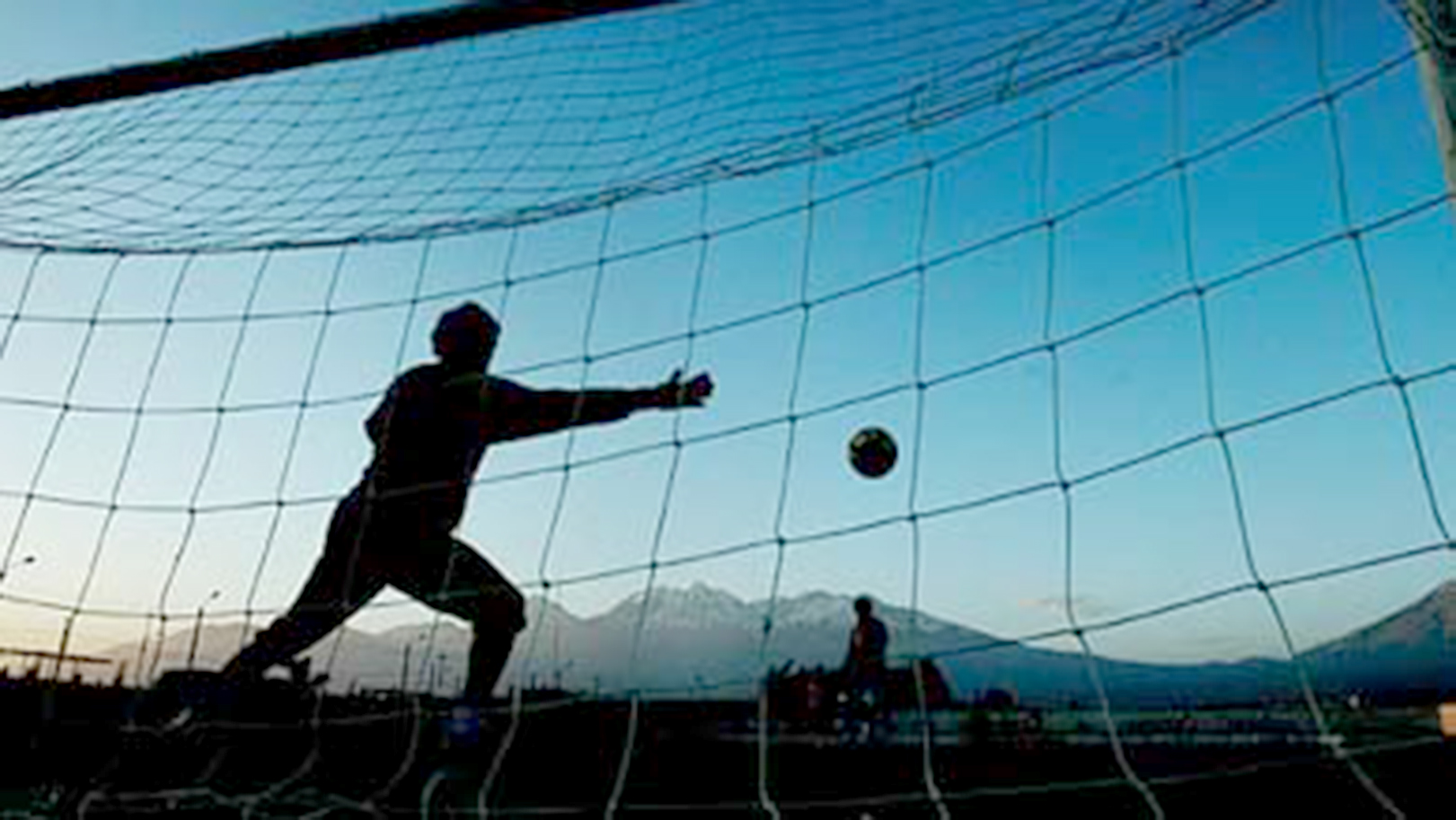
The 2010 FIFA (Fédération Internationale de Football Association) World Cup got underway in South Africa in June. This is the 19th time since the tournament has been held. It is the premier soccer tournament and it is safe to say that it now rivals the Summer Olympics in terms of the number of people who watch the games. Tens of millions of people watched individual games.
Amidst the enthusiasm over the World Cup Soccer tournament, L’Osservatore Romano published an article this week arguing that the Guarani Indians of Paraguay were the inventors of the game.
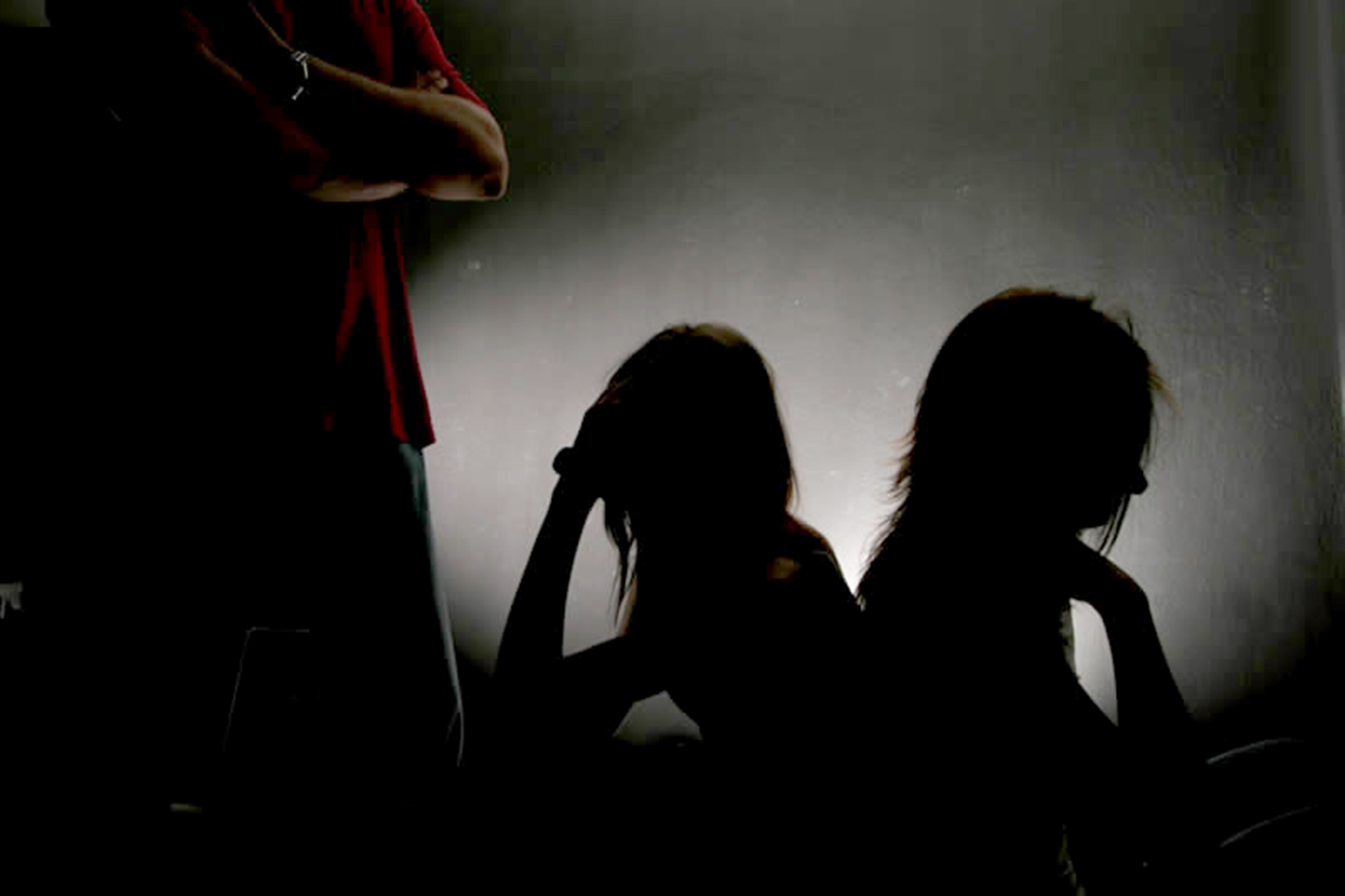
The fervor of millions of fans around the world, glued to their television screens as they followed the World Cup was matched by a concern that the event would propitiate an increase in human trafficking. Cardinal Wilfrid Fox Napier, the Archbishop of Durban in South Africa, said that there were signs that organized crime rings were smuggling people to provide sexual services during the event.
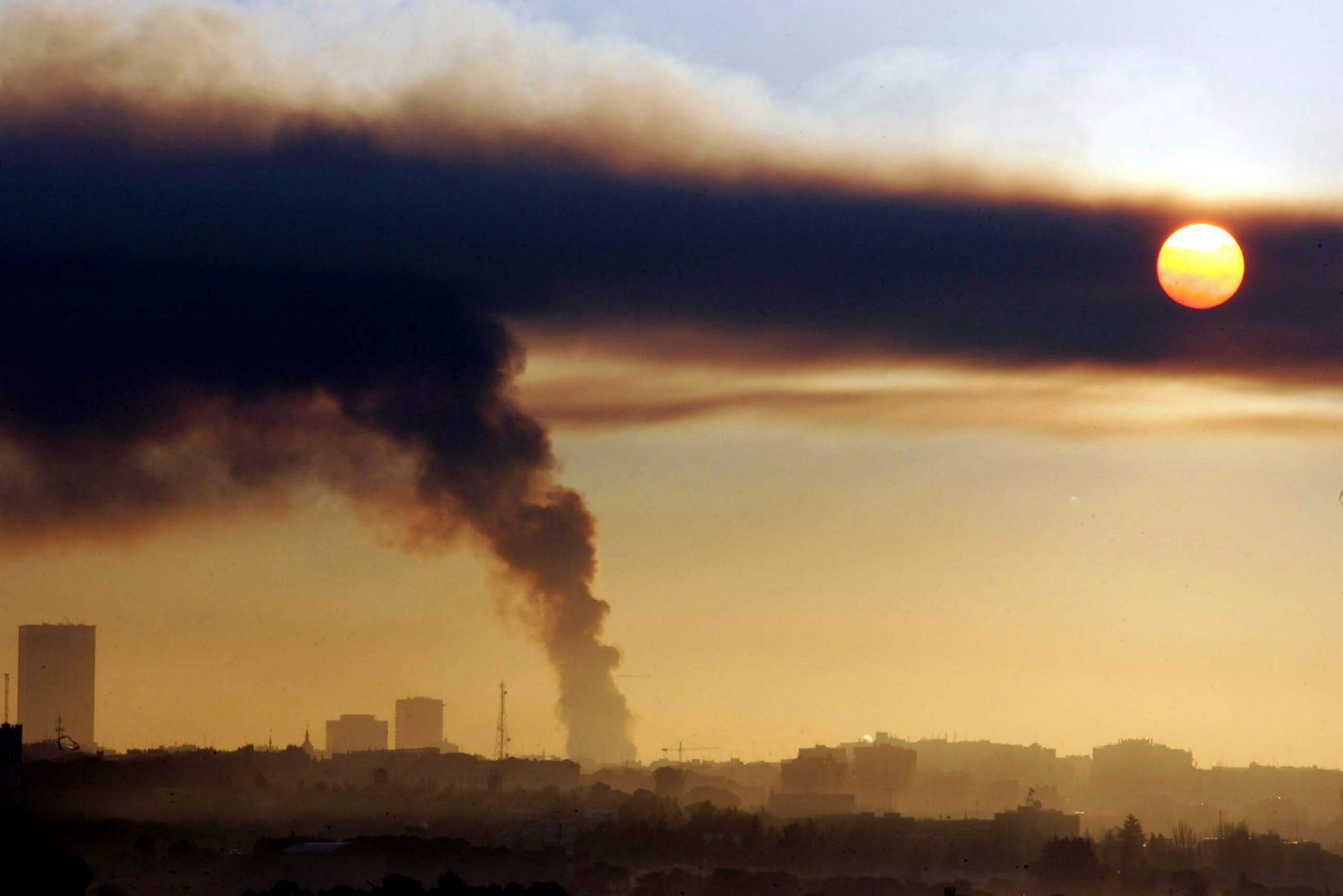
Despite the cold winter in the Northern hemisphere, the global temperature this year reached its warmest on record. This is based on a twelve-month-rolling average, according to Dr. James Hansen, the top American climate scientist who works at the US National Aeronautics and Space Administration (NASA). In an article published on the NASA website in June 2010, Hansen and his three co-authors claim that the mean surface temperature in the year through April 2010 was 0.65 degrees Celsius warmer than the period between 1951 and 1980. NASA scientists came to this conclusion after reviewing data from 6,300 monitoring stations around the world. Hansen is adamant that this data demonstrates that climate change is taking place.
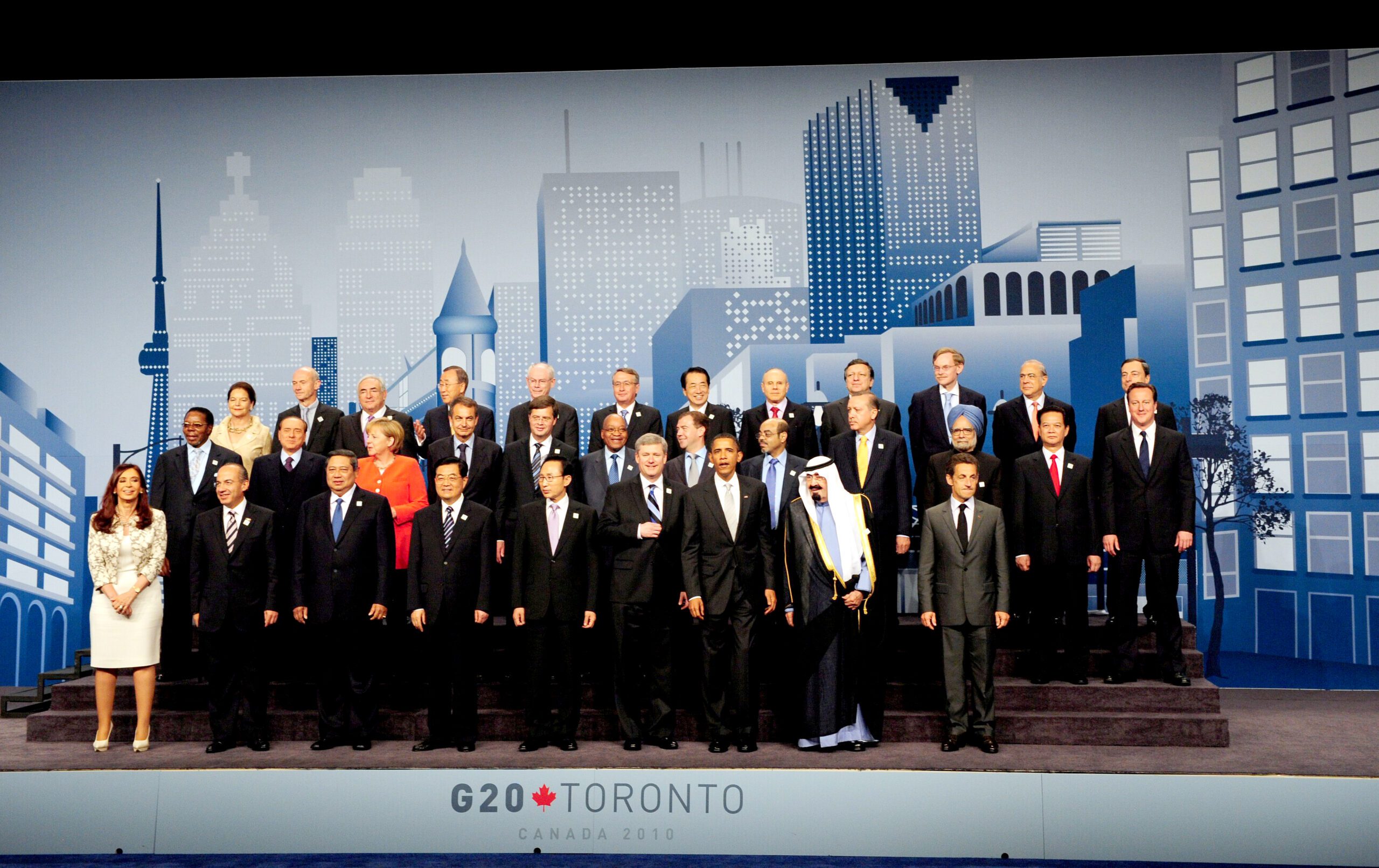
A $7.3 billion pledge, including $5 billion from the Group of Eight countries, is not enough to stop millions of needless deaths among pregnant women and young children and is not enough for the G-8 leaders to say they’ve lived up to their responsibilities, representatives of Catholic aid groups said. “We’re disappointed with the G-8 leaders,” said Michael Casey, Executive Director of the Canadian Catholic Organization for Development and Peace, after the Group meeting in Huntsville, Ontario. “It’s kind of a failure,” said Alexis Anagnan of the French Catholic aid agency, World Solidarity.
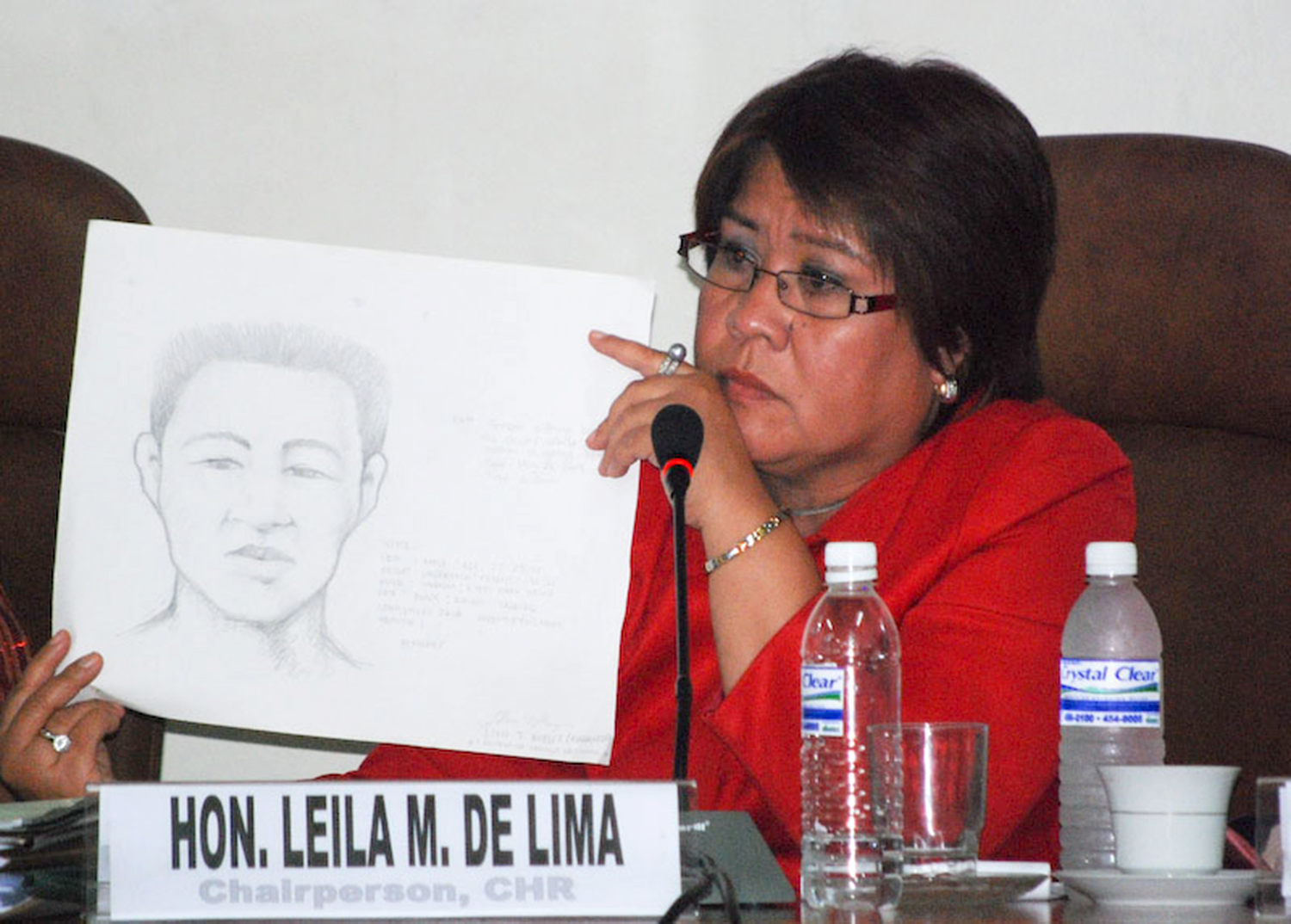
There is a new Philippine president. Noynoy Aquino has stepped into the challenging role as “hope of the nation” and has selected his Cabinet that promises a corruption-free Philippines. It is particularly outstanding because of the presence of designated Department of Justice Secretary Leila de Lima, the former Human Rights Commissioner who bravely sought to uncover the bloody hands behind countless assassinations and murders of social activists, human rights workers and leaders of civil society.
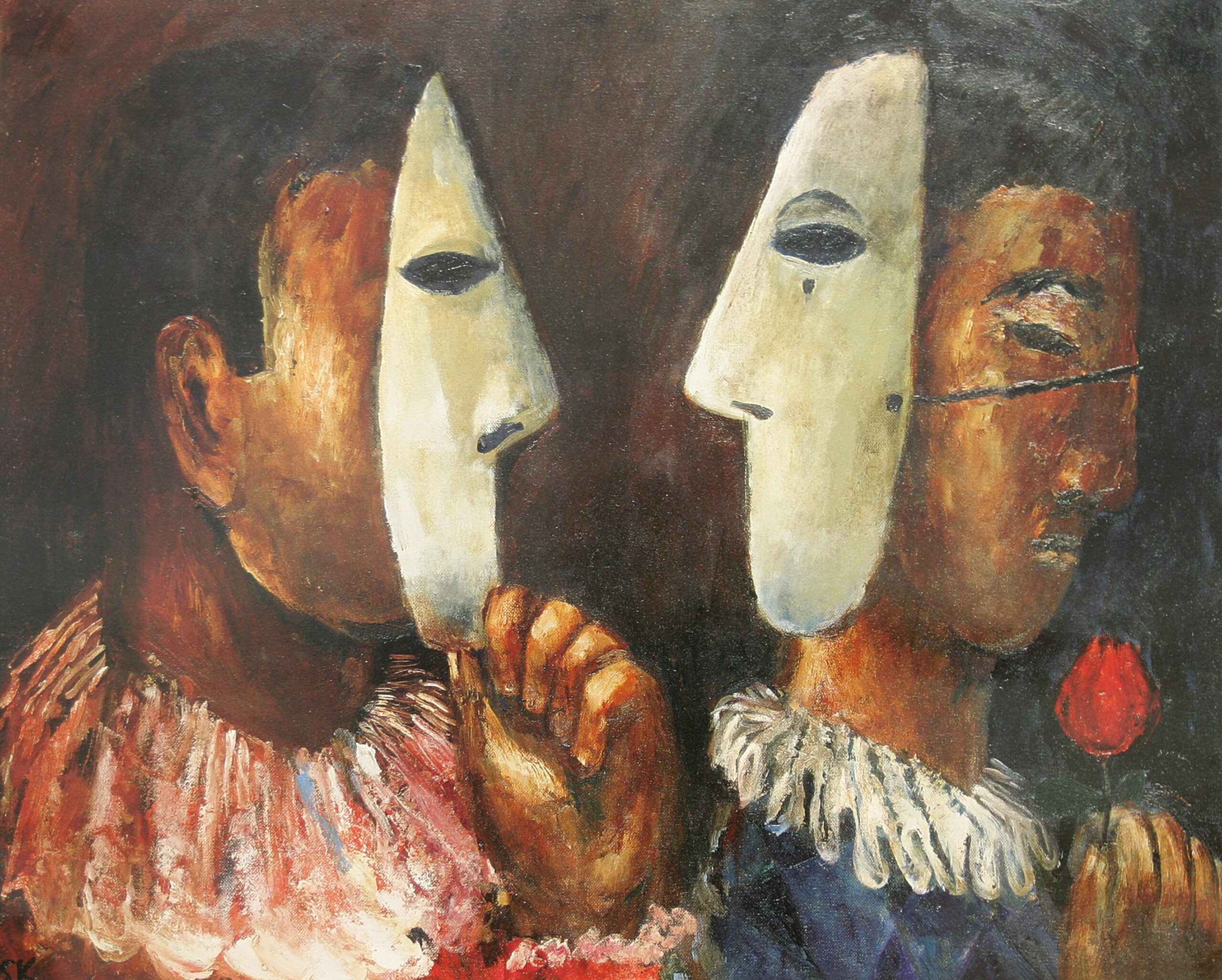
In societies apparently ruled by profit, competition, greed and the often uncontrolled power of the rich and mighty, one is tempted to ask: Is honesty a dying virtue? Fortunately, the world is not drawn in black and white, and there are still many people who are truly honest. A quality that really makes the difference, both individually and socially.
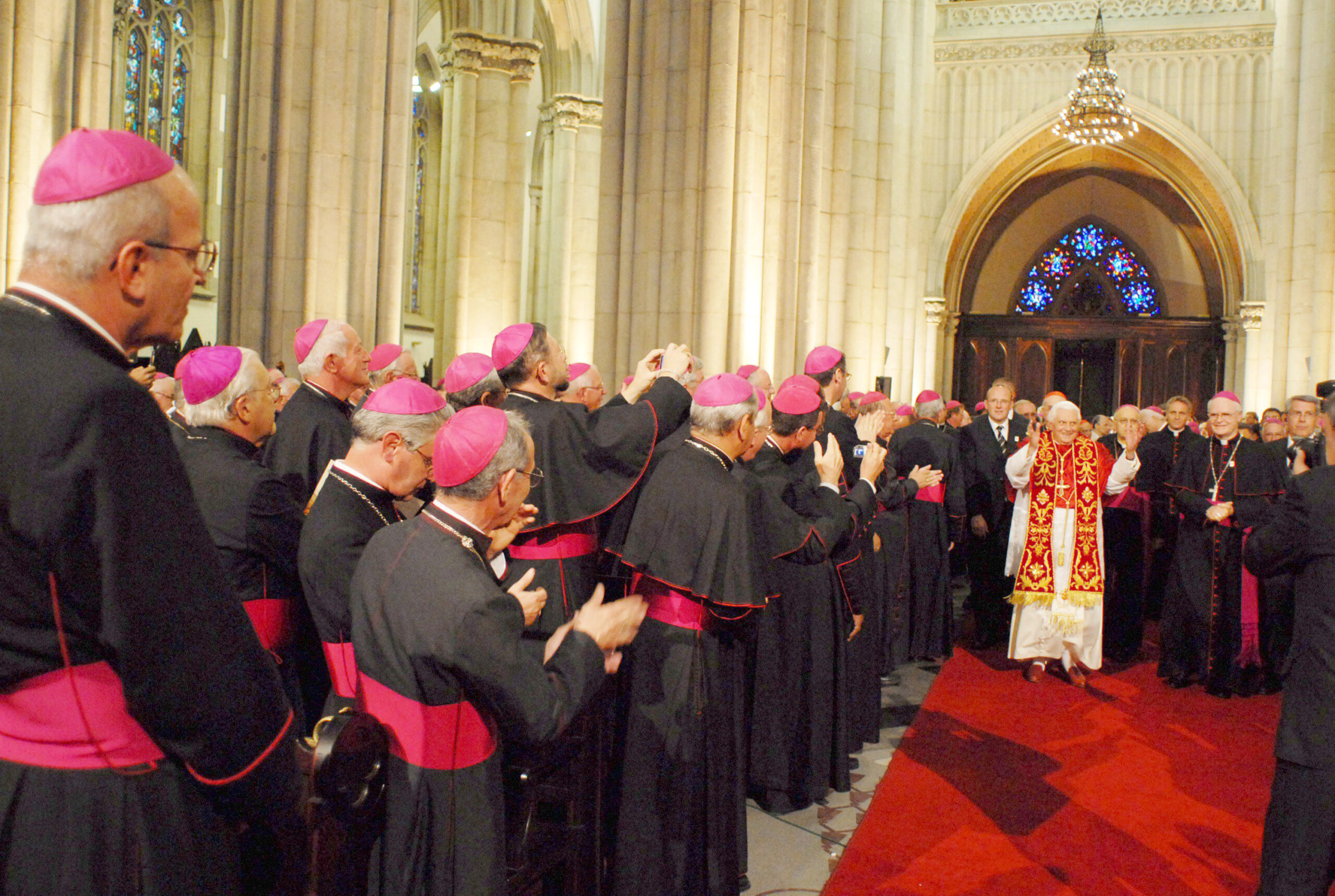
The Church must be involved in political life. The aim remains one: to help people build a just society, living fulfilled lives. This means that the Church supports all journeys that bring people together and favor communion with God. The tools to shape political life are well known: forming people and their leaders, taking a prophetic role, and encouraging personal commitment. There is no good political life without formation. This is not for leaders olone; all should strive to have the basic knowledge of political living. There is no good choice if the mind has not been informed properly.
The Church’s role in teaching political virtues is an important one that cannot and must not be given up. But in the performance of this role, the Church works through the consciences of individuals. It does not itself become a “political subject” directly acting in the political terrain, and taking up positions in partisan conflicts. It forms consciences, but it does not substitute itself for the individual consciences of the members of its flock.
