Editorial
Restoring the Face of the Earth
“A Creation Theology is needed to help us reconcile with our kin creatures, correct social and environmental injustices and achieve a sustainable future for all.”


“A Creation Theology is needed to help us reconcile with our kin creatures, correct social and environmental injustices and achieve a sustainable future for all.”
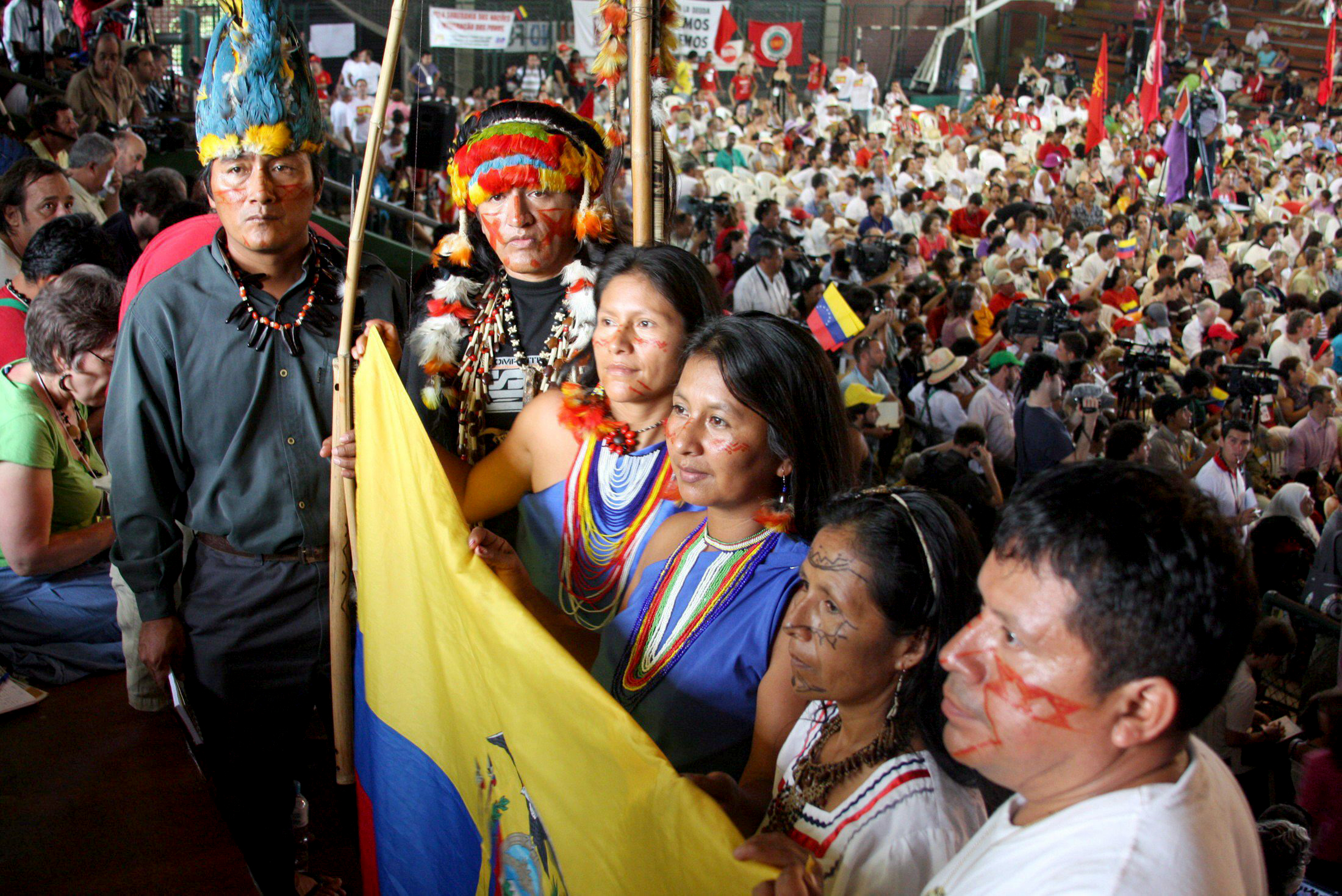
During the 2009 World Social Forum that took place in Belém, Brazil, Catholic activist Chico Whitaker told a forum on liberation and theology that the global economic crisis was also an opportunity “to build another world.” Said the Brazilian co-founder of this global event: “At this forum, it is clear that it is really possible to have another world, and not just possible, but urgent and necessary.”
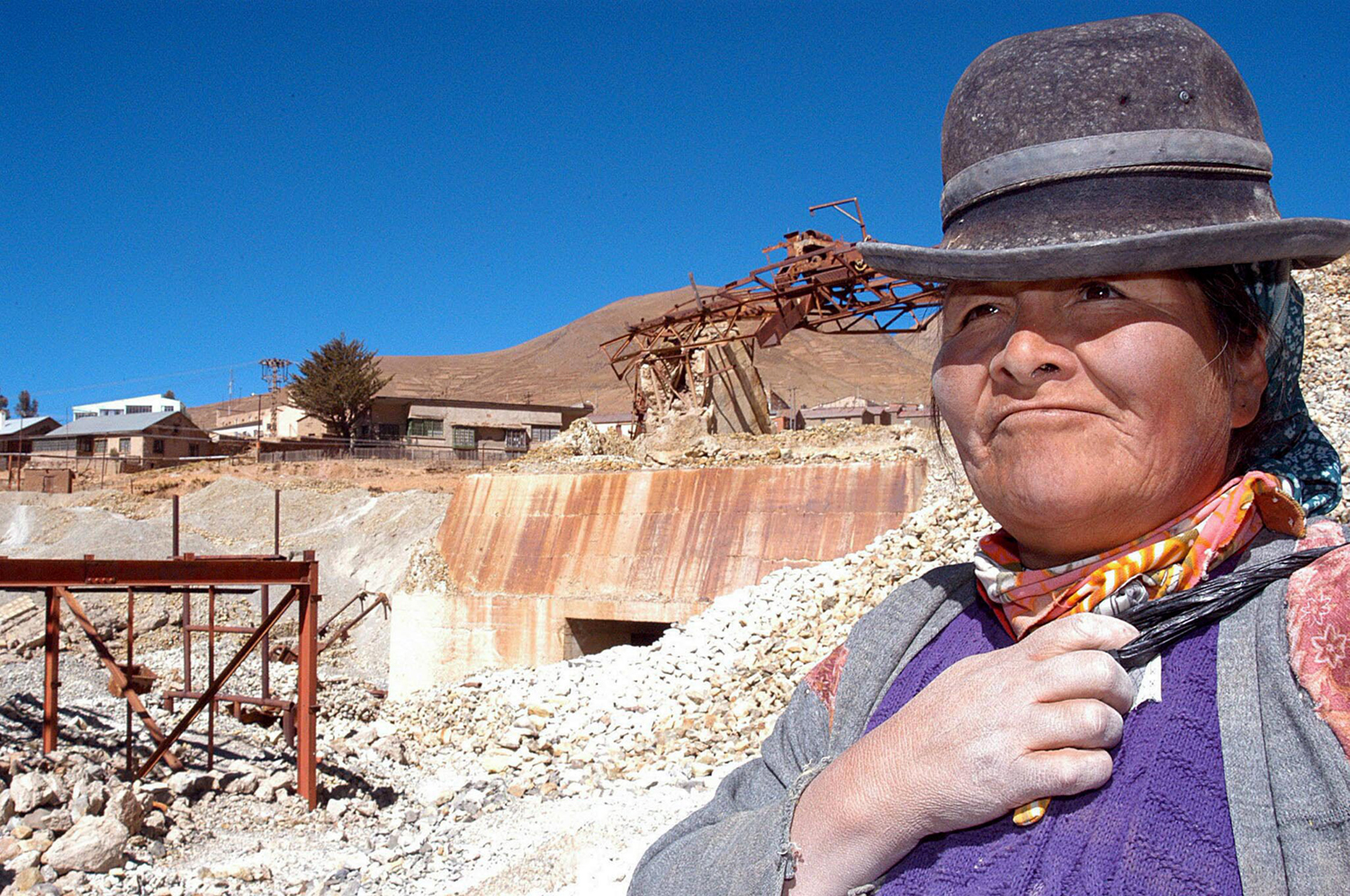
Catholic development network, CIDSE, has slammed current methods of extracting natural resources in Latin America as leading to loss of livelihood, violent conflict, persistent human rights violations and environmental degradation. “Local communities living in areas rich in natural resources are threatened. We demand that their basic social and environmental rights are respected,” CIDSE’s representative at the World Social Forum in Belém, Brazil, Geneviève-Camille Tournon, said. “This includes the right to be consulted and to refuse a project in cases where the social and environmental costs are too high.”
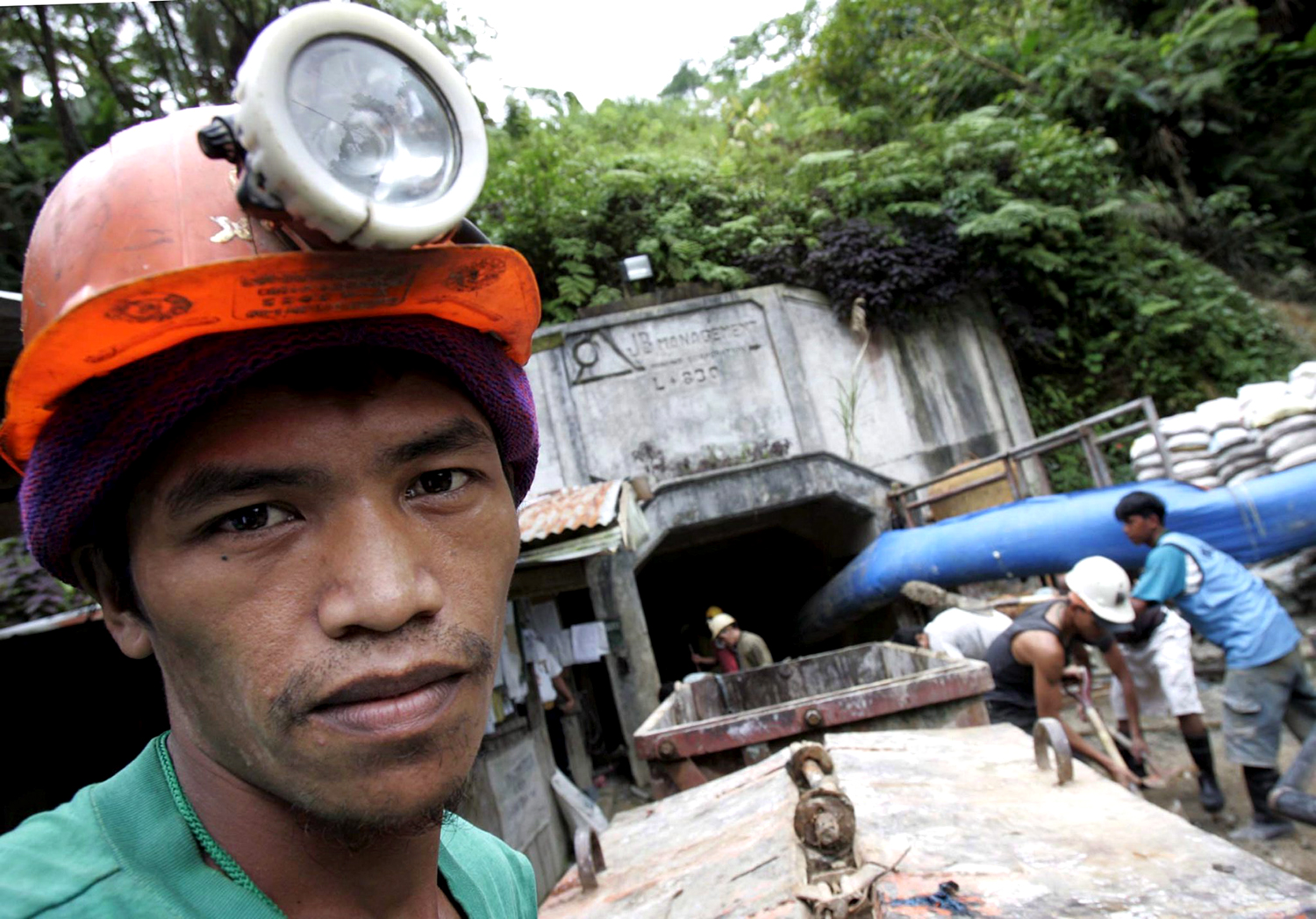
Citing food security and environmental concerns, Philippine bishops have called for a country-wide moratorium on mining as another part-Australian owned mine project in Mindanao comes under fire over fears of damage to agriculture. A moratorium on mining is needed if the country is to avoid a rice shortage in the long term, foreign environment experts have found after a study done in six mining sites across the country, echoing the sentiment raised by the Catholic Bishops Conference of the Philippines.
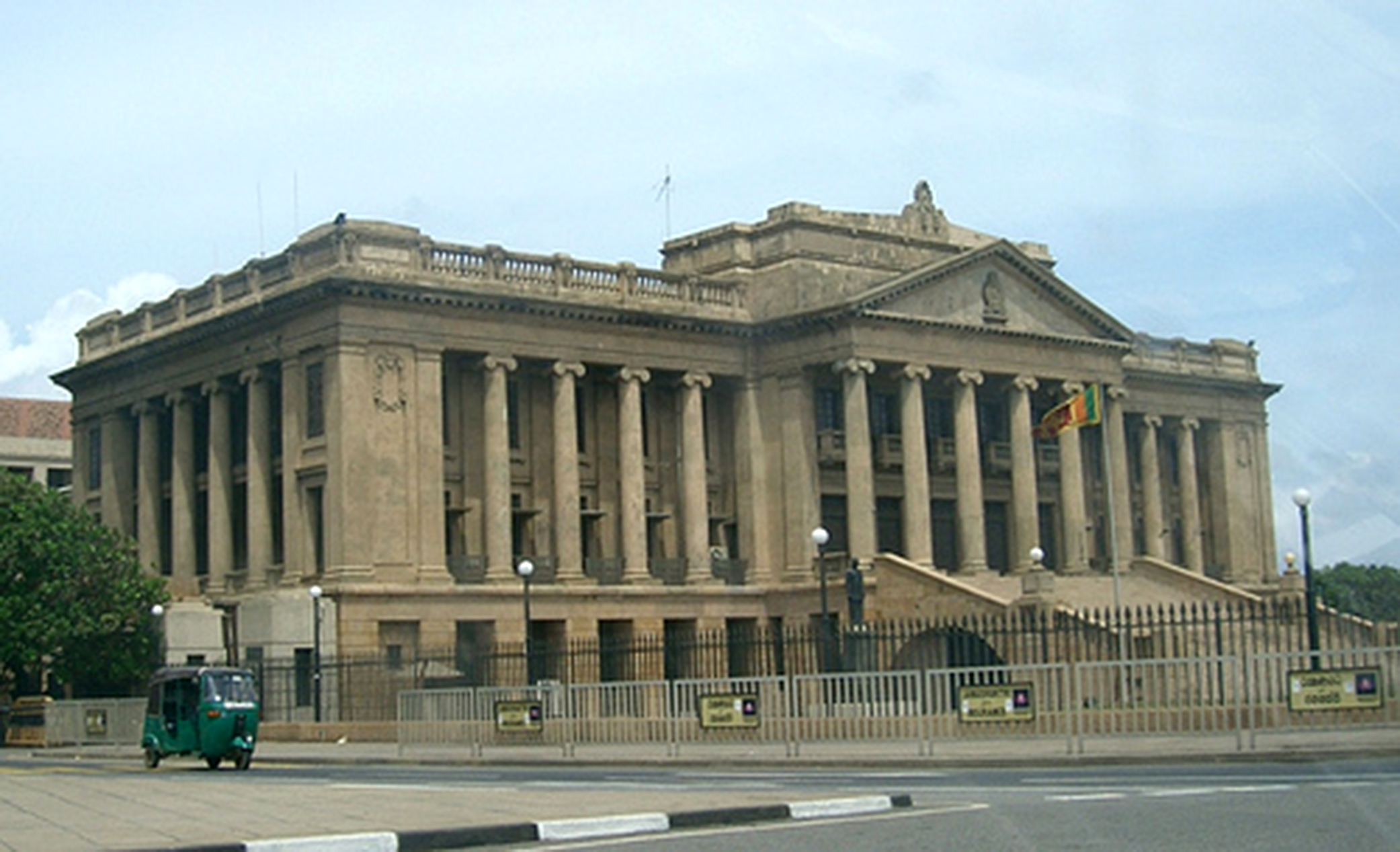
The Catholic Church in Sri Lanka is closely following the legal process of the new anti-conversion law that has been presented in recent days to the country’s Parliament. It is a strong measure being taken by the political parties of Buddhist influence, which will now be up for debate. The law, based on the model already approved in several states of India, would “impede the conversion of a person from one religion to the other, if carried out with the use of force, trickery, or fraudulent measures.”
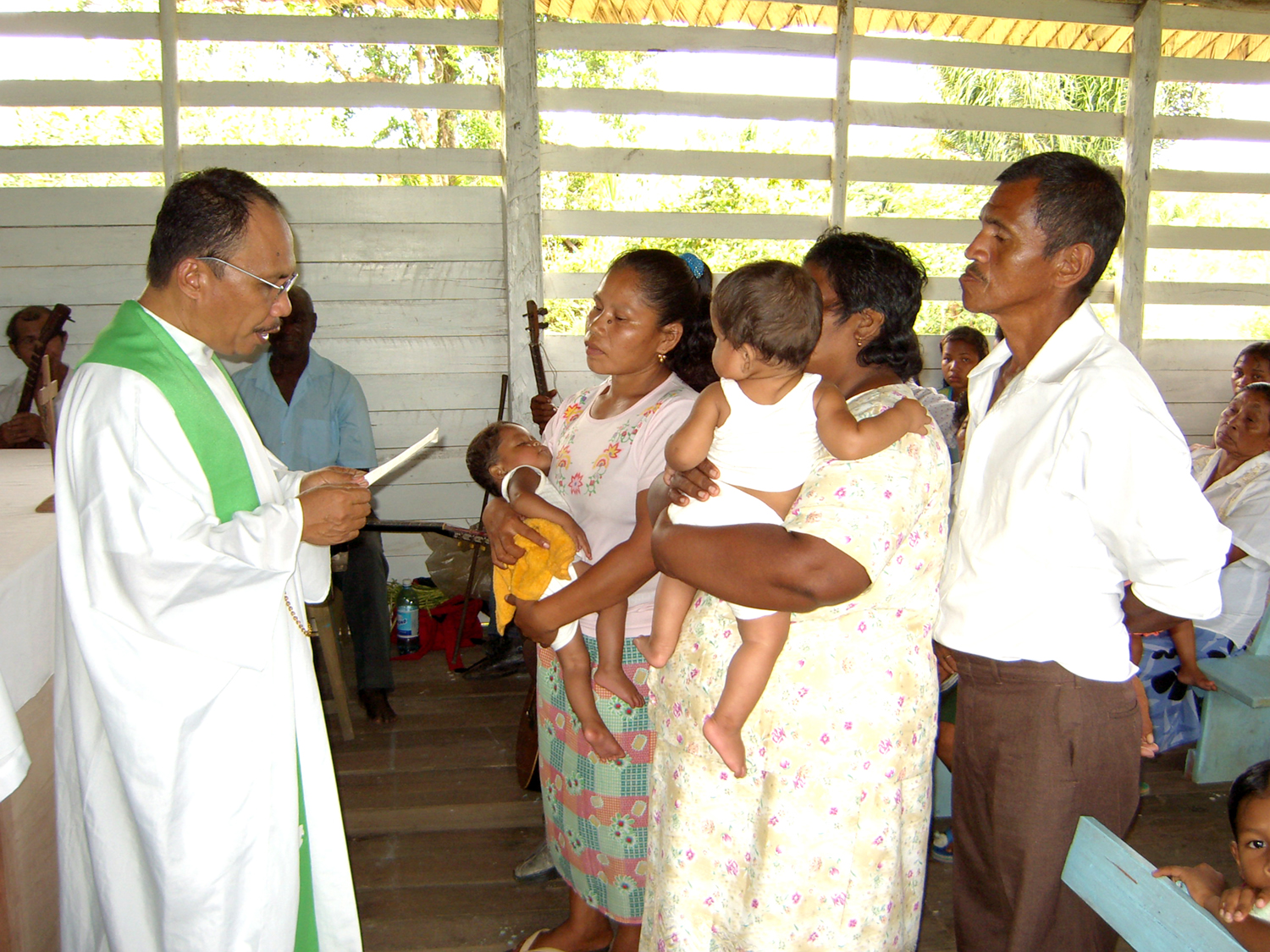
Canonical recognition was given to the Mission Society of the Philippines (MSP), the first society of priests founded in Asia, now present in 13 countries. Asianews reported that the prefect of the Congregation for the Evangelization of Peoples, Cardinal Ivan Dias, signed the pontifical decree. MSP was created in 1965 by the Filipino bishops, on the fourth centennial of the nation’s evangelization. Their goal was “to express in the concrete our gratitude to God for the gift of our faith,” sharing it with “the peoples in Asia and the rest of the world.”
President Robert Mugabe, clinging illegitimately to power, is perpetrating genocide, the Catholic bishops of southern Africa have said. He should leave now: “We call on Mugabe to step down immediately.”
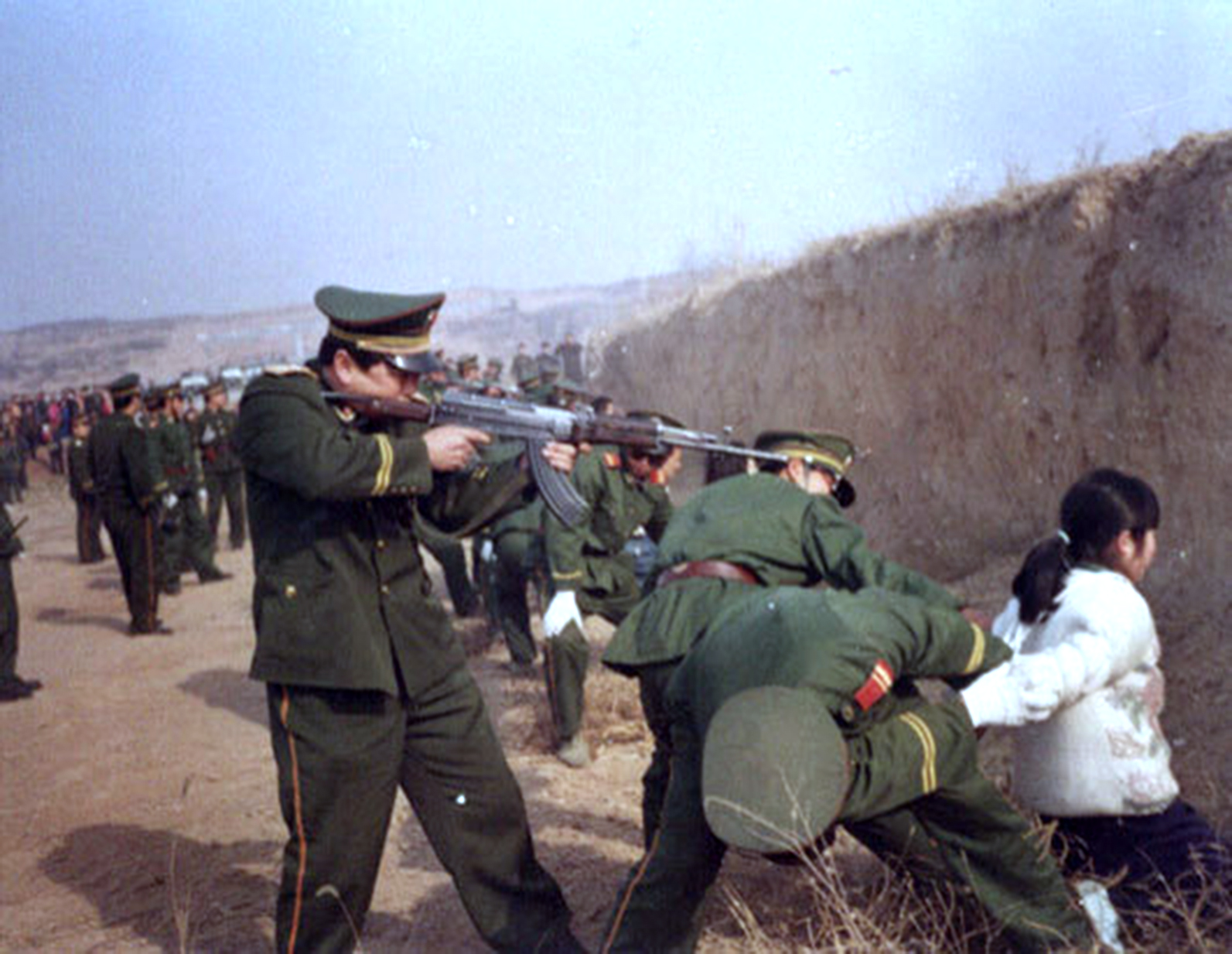
Pro-rights organization listed a number of issues the United Nations should raise with China, whose human rights record went under scrutiny last month, when a UN commission examined the country’s “performance” in Geneva (Switzerland). According to Chinese Human Rights Defenders (CHRD), a pro-rights group which has published a list of questions that need answers covering every aspect of Chinese life, the list of problematic issues start with personal freedom.
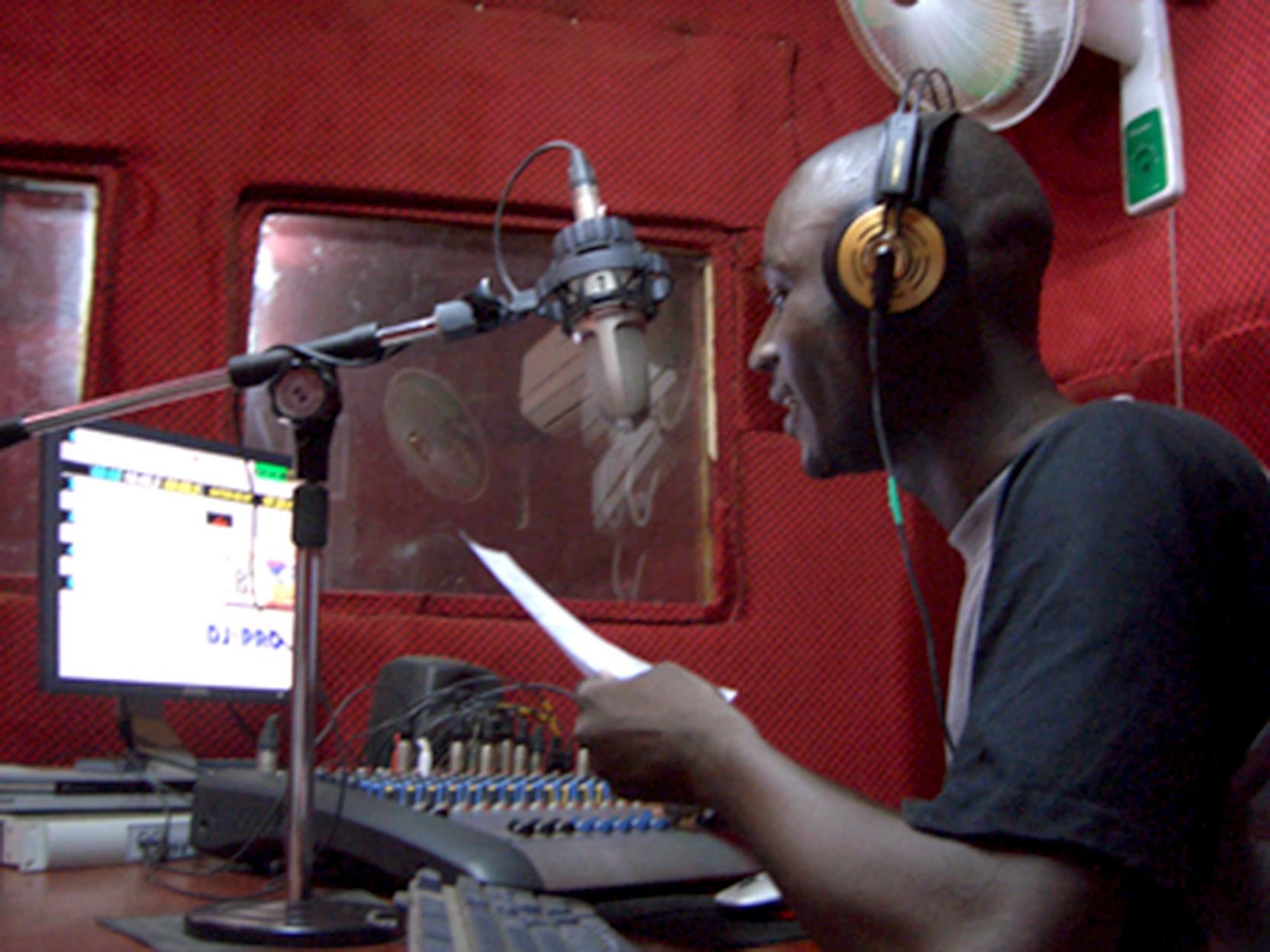
God has a role in the media, and the Church should have a voice to evangelize souls through all modern means of communication, says the Social Communications Council president. Archbishop Claudio Celli affirmed this at a conference in Dallas, USA, that was sponsored by the New Evangelization of America. His presentation was titled: “The Role of Mass Communications in Evangelization.”
Thousands of small farmers in the Philippines face a bleak 2009. A small group of them representing thousands more marched, demonstrated, staged a sit-in, shaved their heads, and went on hunger strike in a desperate last-minute effort to win their land due to them under the Comprehensive Land Reform Act of the Philippines and the Constitution. They got nothing but were arrested and jailed for trespassing. From behind prison bars, they called for help and with the help of some church people and a bishop fighting for social justice, they were freed.
