Editorial
Gentle Diplomacy
“The pope appealed to both sides to tear down all walls. Starting from the barriers
Of resentment, hate and revenge
Built around their hearts.”


“The pope appealed to both sides to tear down all walls. Starting from the barriers
Of resentment, hate and revenge
Built around their hearts.”
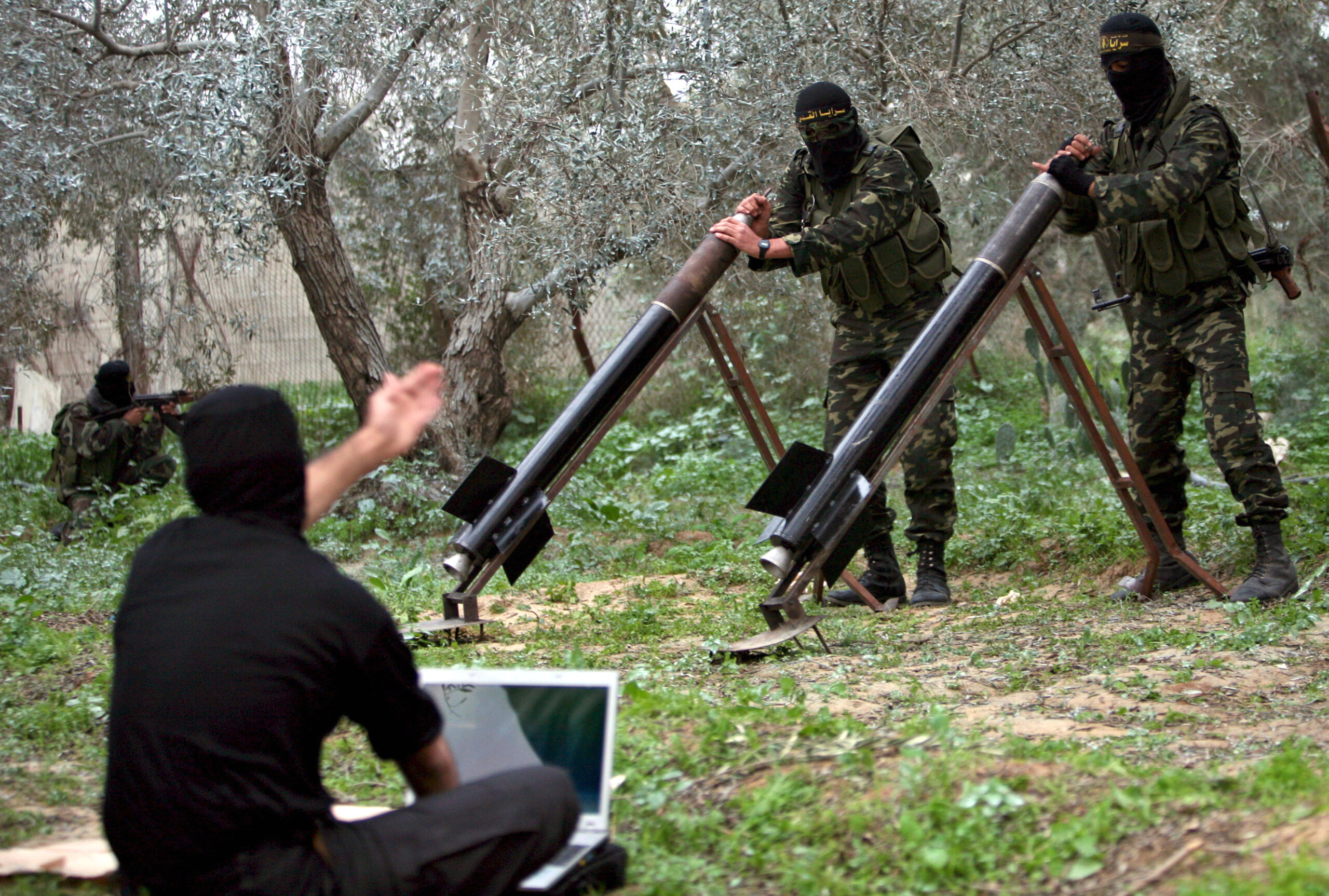
“The Tamil civilians affected by the violent conflict underway are experiencing a second tsunami,” this is the advisory being sent out by Fr. Ajith Perera, a priest from Trincolmalee who has been at Tamil refugee camps, helping people with material and spiritual support.
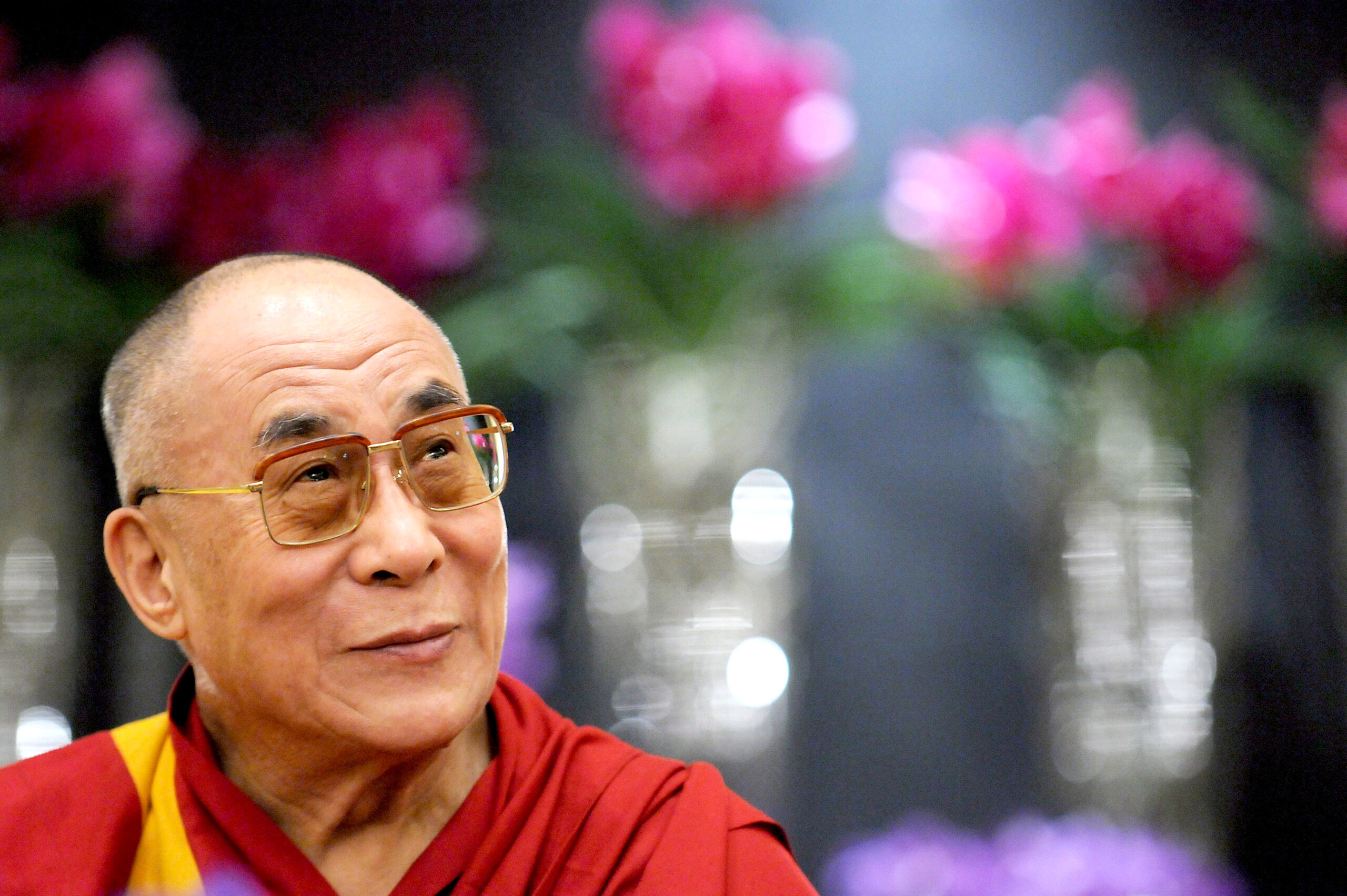
The Dalai Lama said, in a CNN interview broadcast last May, that his reincarnation would be found in the “free world” rather than in Chinese-occupied Tibet. The 73-year-old spiritual leader of Tibetan Buddhists also accused China’s communist government of “cultural genocide” in its assault on Tibet’s way of life but stressed that the future looks brighter for his people as China itself modernizes.
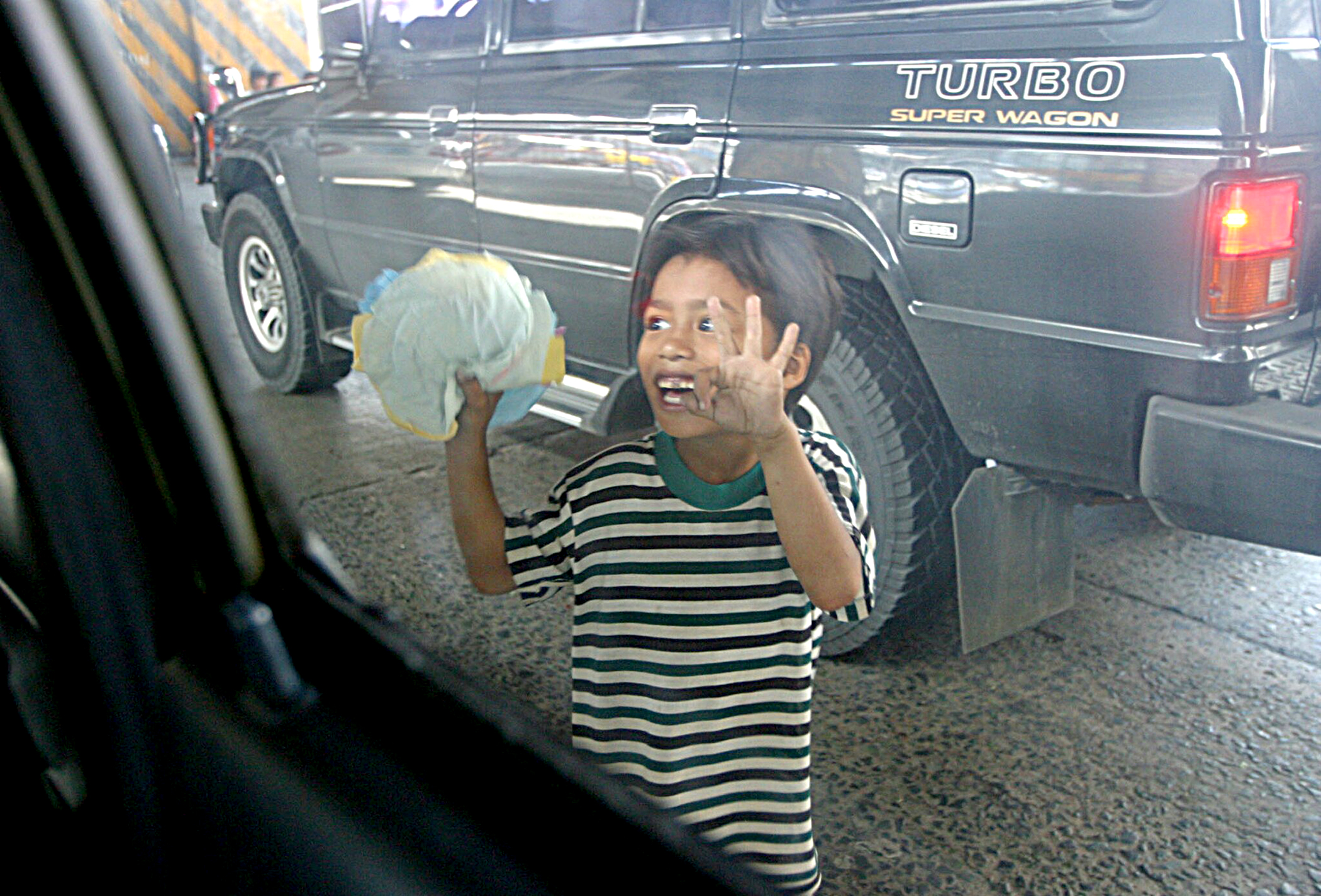
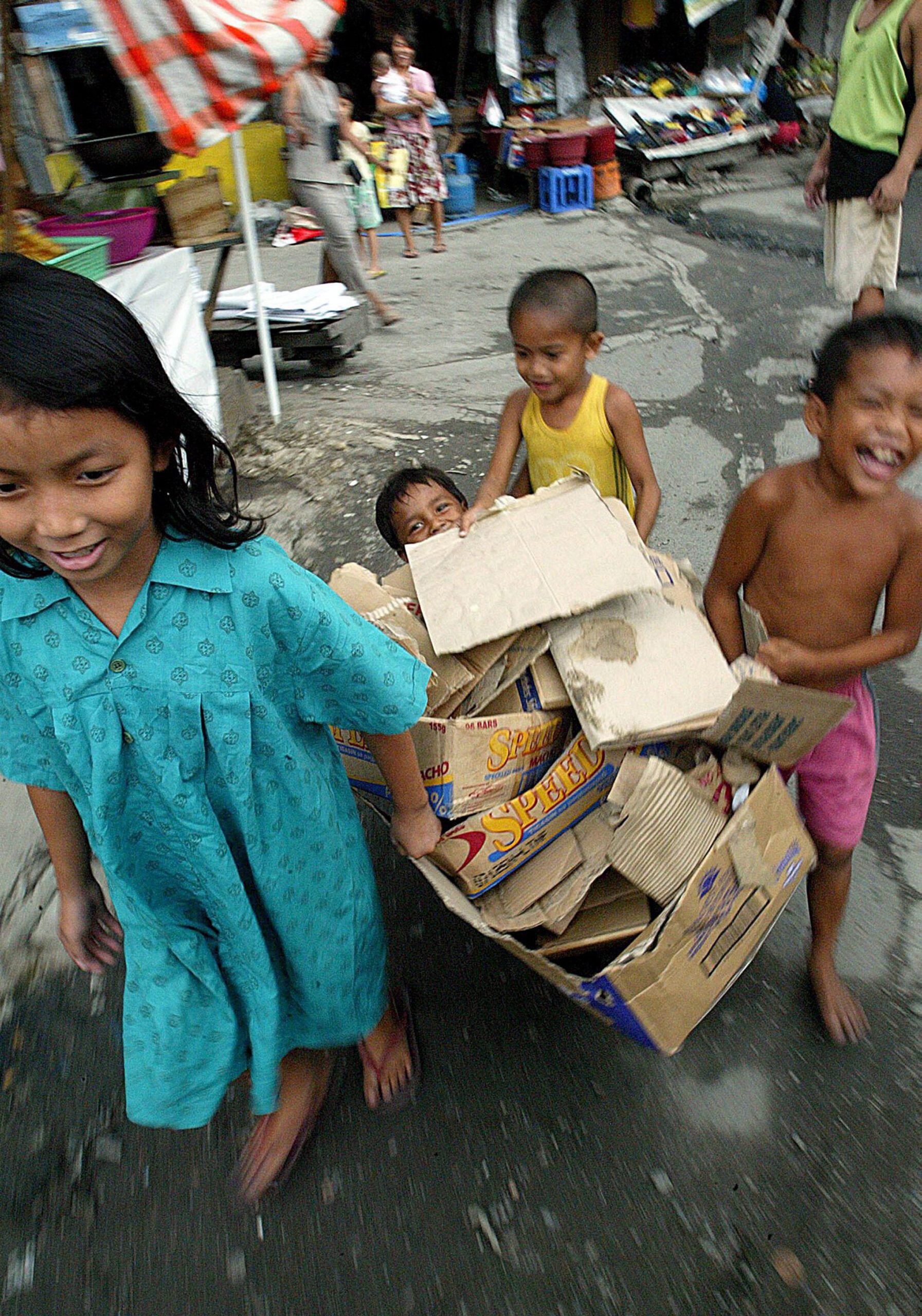
In the Philippines, children are victims of prostitution rings, sex slaves for hire and are forced to work in high seas or open fields for up to 15 hours a day. They till the land, labor in the mines or scrub floors as domestic workers, on call 24 hours a day, seven days a week and work for at least 15 hours a day. Child labor is a curse that touches the lives of about four million children.
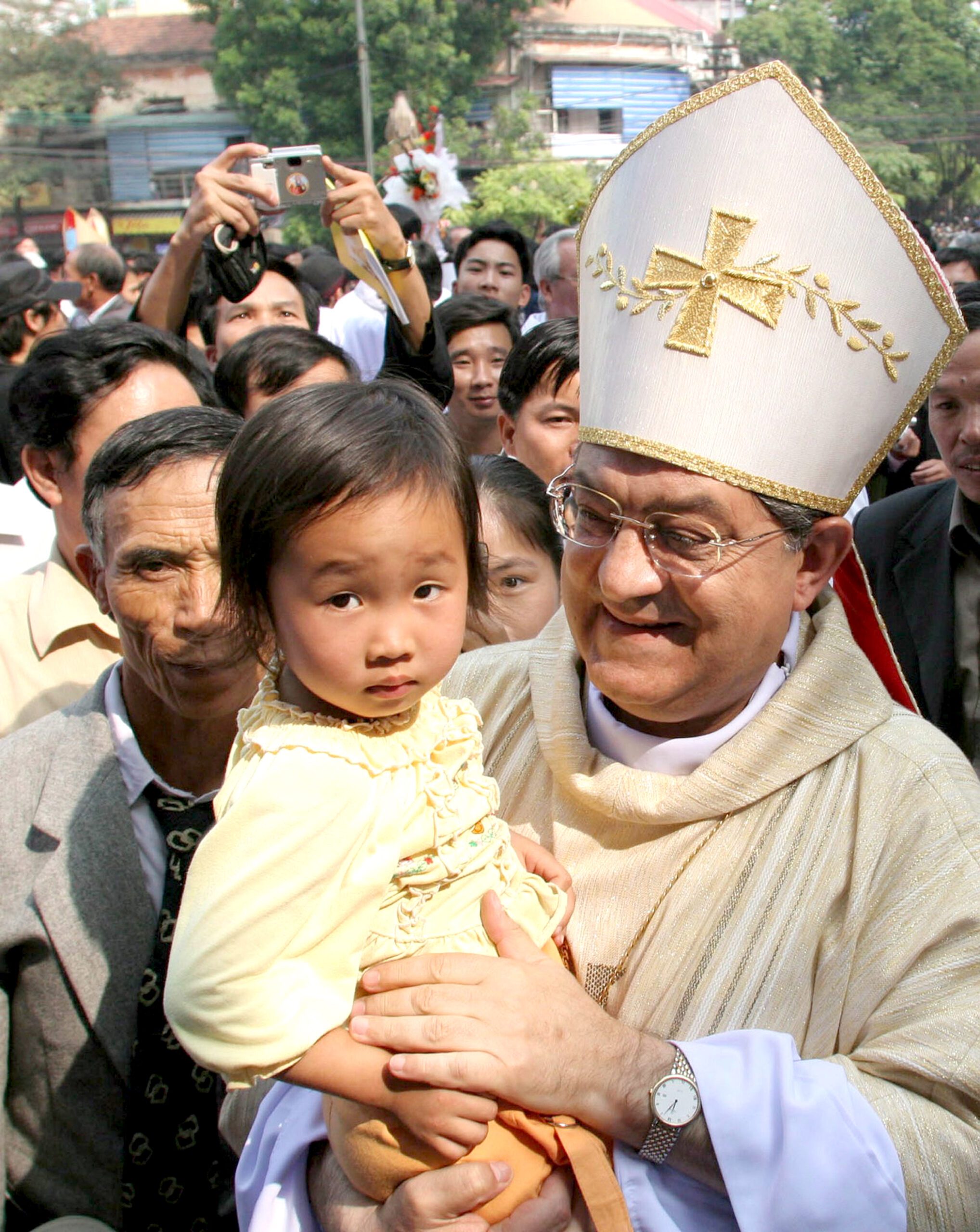
Cardinal Crescenzio Sepe (see photo) is responding to the world economic crisis with more than exhortations; he is donating a year’s stipend and part of his personal savings to initiate a diocesan bank that will offer micro-credits to the poor. The Naples archbishop explained his plan in a pastoral letter titled “Where Can We Buy Bread?” The letter takes its title from the question posed to Jesus by the disciples before the miracle of the multiplication of the loaves and fishes. He said the initiative aims to respond to the needs of “unemployed young people, and also of all those who have lost or will lose their jobs.”
“The basis of human rights has been the message of Christ that the Church has interpreted with various notions that have arisen in the Christian world, like the idea of the person, the idea of freedom as the essential component of man.” This is what Bishop Marcelo Sanchez Sorondo, Chancellor of the Pontifical Academy of Social Sciences, affirmed in presenting the conclusions from the 15th Plenary Assembly of the Academy, whose theme was: “Catholic Social Doctrine and Human Rights.” In the press conference held in the Holy See Press Office, Mary Ann Glendon, President of the Academy, and Ombretta Fumagalli Carulli, Professore of Canon Law at the University of Milan, were also present. Glendon highlighted the fact that, in today’s world, there are still many problems with the protection of human rights, and mentioned that next year, the workshops will be centered on the economic crisis and its social consequences.
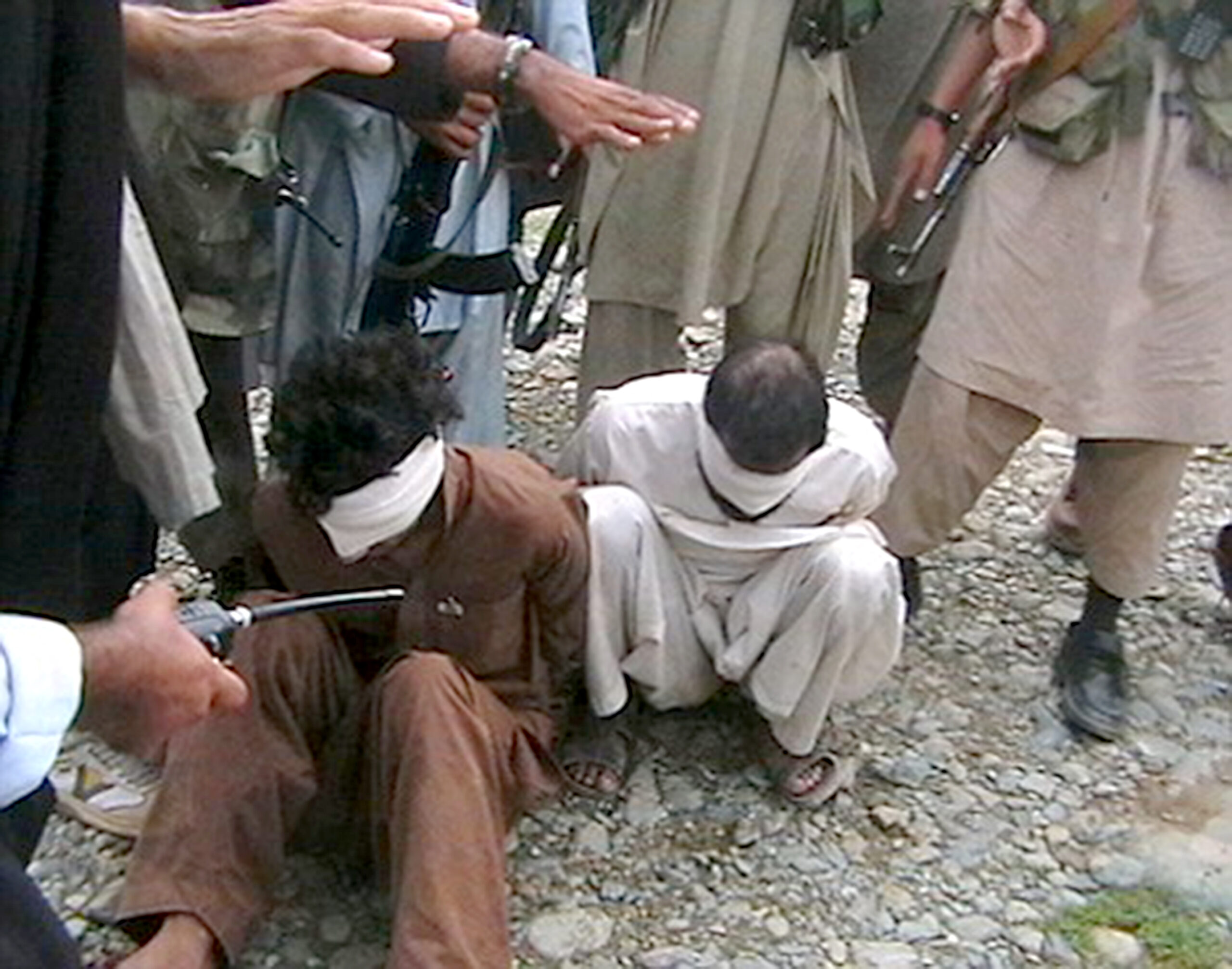
There is a fear that Taliban violence will increase, as a result of weakness being shown on the part of the government, police, and civil institutions. The Christian families of the city of Karachi, who suffered attacks from armed members of the Taliban, are terrorized and living locked-up in their own homes. This is what Fr. Mario Rodriguez, Director of the Pontifical Mission Societies (PMS) in Pakistan, said in expressing his concern and alarm at the spread of violence of groups of Islamic militants in the country, not only in the Province of the North-West Frontier Province, but also in Pakistan’s largest cities.
NGOs have criticized a decision by the Asian Development Bank (ADB) to triple its capital, claiming projects it funded have done more harm than good to communities it aims to help. On 30 April, ADB shareholders agreed to increase the bank’s capital base from US$55 billion to $165 billion to allow it to respond to the global economic crisis and help Asia’s poorest countries achieve the Millennium Development Goals, including halving the number of people living in poverty by 2015.
People power – the peaceful uprising of a country’s citizens against an oppressive government – is generally admitted to have started in the Philippines. So we Filipinos are being asked today if we have lost that collective power to eliminate evil. For evil, there is in the Philippines great evil. Corruption in government seems to be at an all time high, people are wondering why there is no real groundswell against it in the general perception that it is even more corrupt than the one overthrown in the first people power rebellion. And they ask if corruption is so systemic and hopeless that any effort to correct it ends in futility. Further, if in the people power revolution of 1986 the Church played a vital role, why is it not doing so now? It seems the Church has lost the vibrancy it had in the ‘70s and ‘80s.
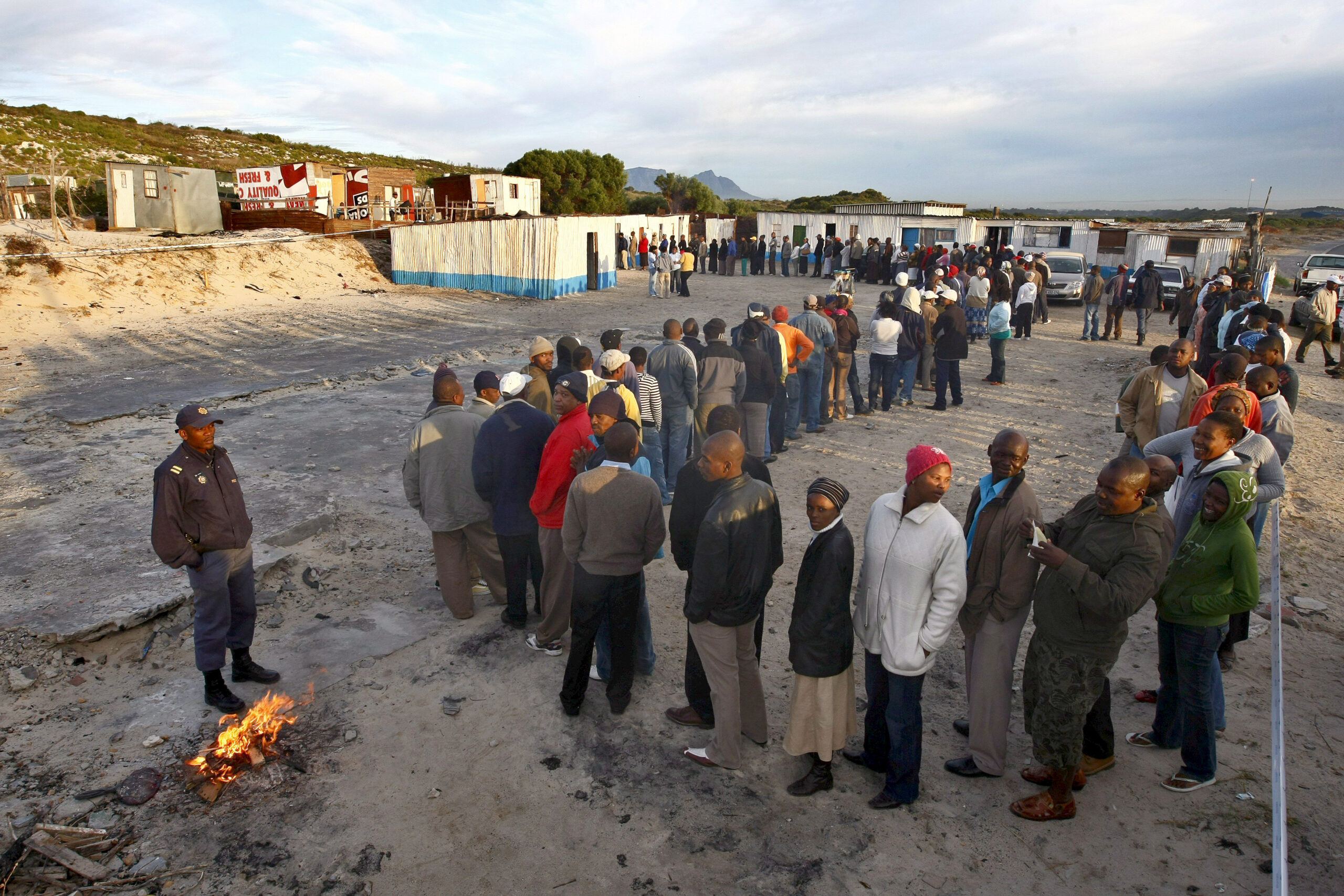
In South Africa, the problems are as huge as the country and its enormous potential. But some small steps are being made. In the mentality of a people that not so long ago lived the drama of the most radical form of racial segregation. But also in the missionary field: there we can find this sense of celebration that is undoubtedly Black Africa’s special gift to the universal Church.
