Editorial
Fighting Addiction
“Fazenda’s 82% recovery rate, after a one-year rehabilitation program, shows that there’s still hope for drug addicts and other ill-dependent patients. The fight against addiction is winnable.”


“Fazenda’s 82% recovery rate, after a one-year rehabilitation program, shows that there’s still hope for drug addicts and other ill-dependent patients. The fight against addiction is winnable.”
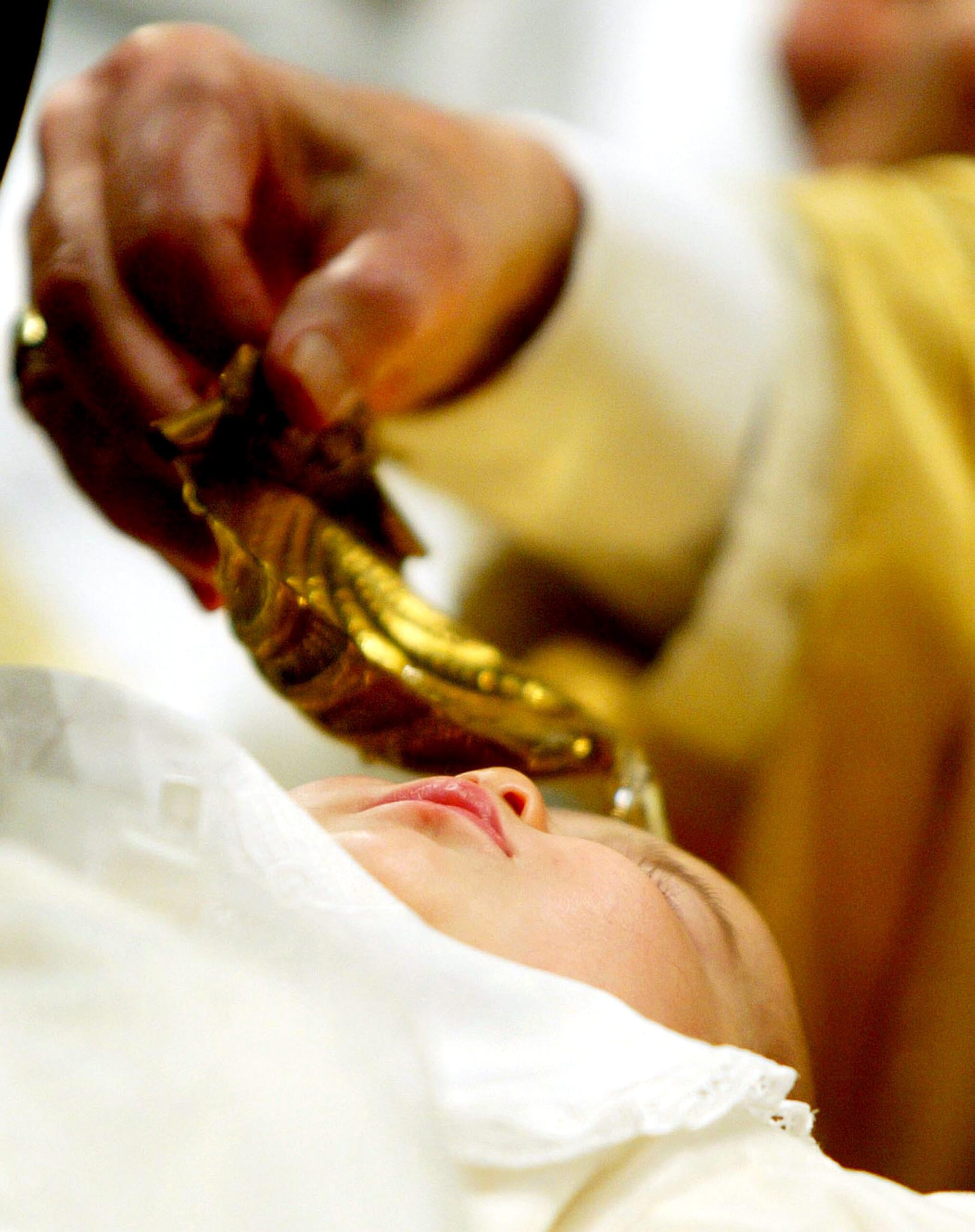
The number of Catholics in the world is increasing – albeit not much: they were 1.31 billion in 2006, an increase of 1.4% compared to the 1.15 billion in 2005. And there is a continuation of the trend that, since 2000, has seen an increase in the number of priests, both diocesan and religious, who went from 406,411 in 2005 to 407,262 in 2006, an overall change of 0.21%. These are some of the figures contained in the Annuario Pontificio for 2008 presented by the Pope.

Qatar has it first church in 14 centuries, and it opened just in time for Easter. Costing $15 million raised from donations from the Christian community, the Our Lady of the Rosary Church has been built on land donated by the Emir of the Gulf State, Sheikh Hamad bin Khalifa al-Thani.

As India develops economically, its citizens face the temptation of putting money-making too high on the priority list, says the president of the Pontifical Council Cor Unum. Cardinal Paul Cordes affirmed this during his five-day trip to India, which coincided with the plenary assembly of the bishops’ council.

Benedict XVI’s personal commitment to safeguarding the planet, shown in part by his numerous public appeals, has inspired a change in lifestyles in favor of the environment, affirmed Archbishop Celestino Migliore, permanent observer of the Holy See to the United Nations. “The ongoing debate on climate change has helped put into focus the inescapable responsibility of one and all to care for the environment, thereby building consensus around the common objective of promoting a healthy environment for present and future generations,” he noted.
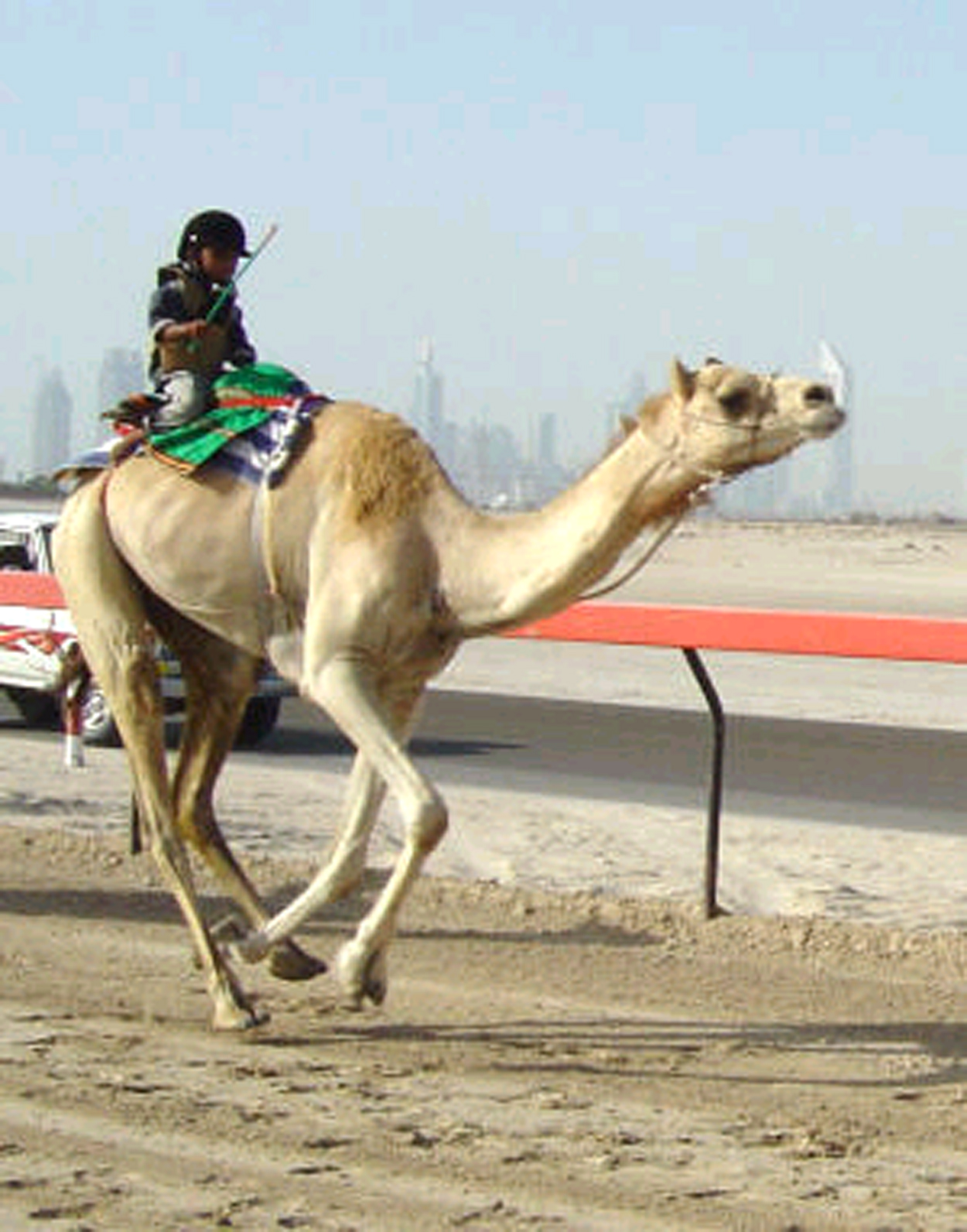
The drama of child trafficking is a plague for Yemen, where about 1.2 million children are sold every year to criminals in Saudi Arabia and in the rich Gulf countries. For millions of young Yemenis, beyond the borders of their country the gates of hell are opened: they end up begging on the streets, working as domestic servants in the homes of the more prosperous, exploited as factory workers, or as camel jockeys.

When considering the problem of poverty, instead of looking at why people are poor, we should consider what creates wealth, said a participant in a Rome conference.” Michael Miller, the director of programs for the Acton Institute, a Michigan and Rome-based think tank, affirmed it during a conference hosted by the Institute, with the theme “Has International Development Failed the Poor?” The event commemorated the 40th anniversary of the social encyclical Populorum Progressio issued by Pope Paul VI in 1967.
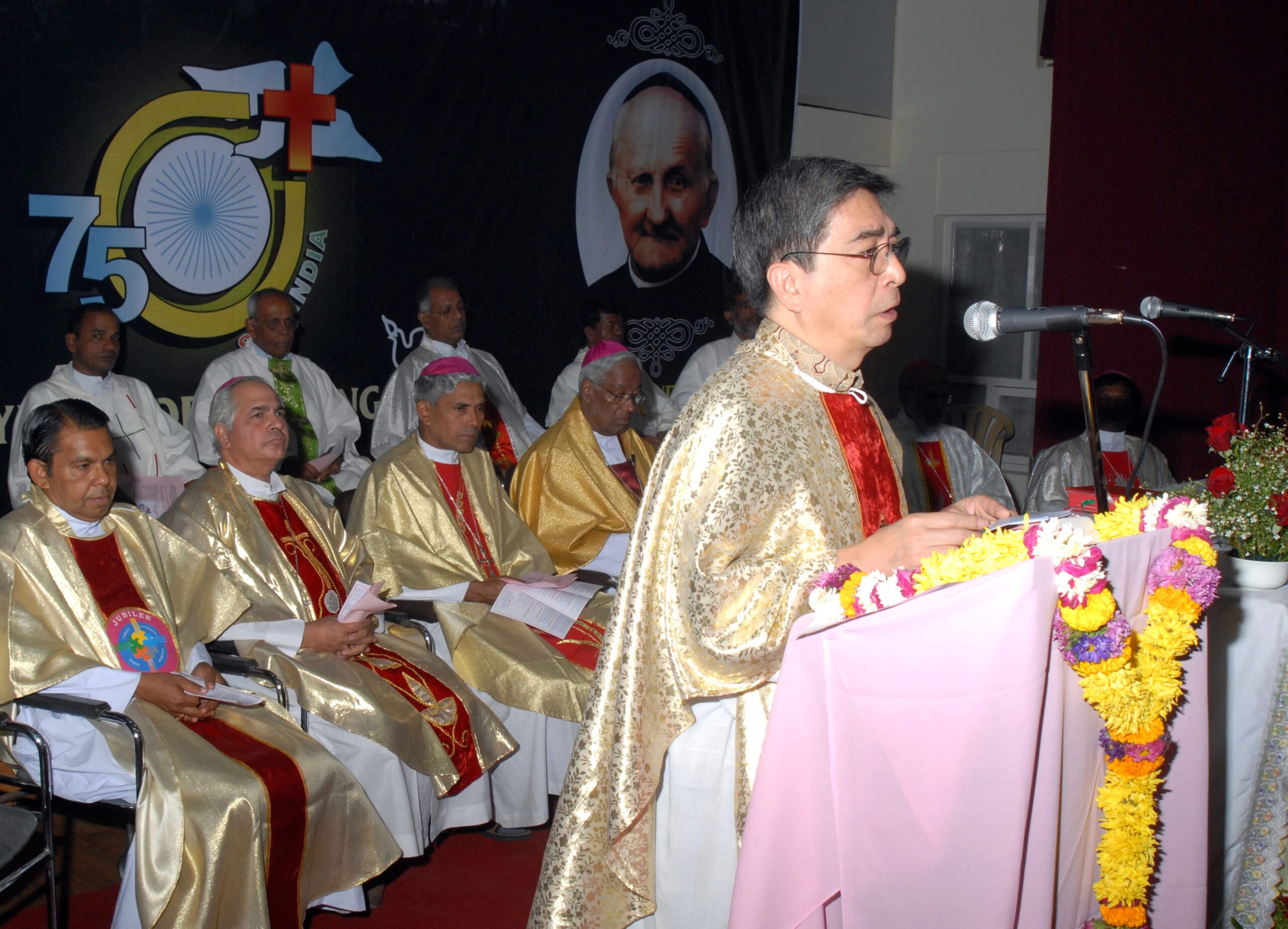
“I believe we need to maintain this spirit of seeing whatever we do here in India as God’s mission and not our mission, or even the Society’s mission. This is important if we are to hope that God continue to bless our efforts here. And there seems to be a danger of losing this perspective,” said Fr. Antonio M. Pernia, the Superior General of the Society of the Divine Word, in the context of the platinum jubilee celebrations of the Society in India.
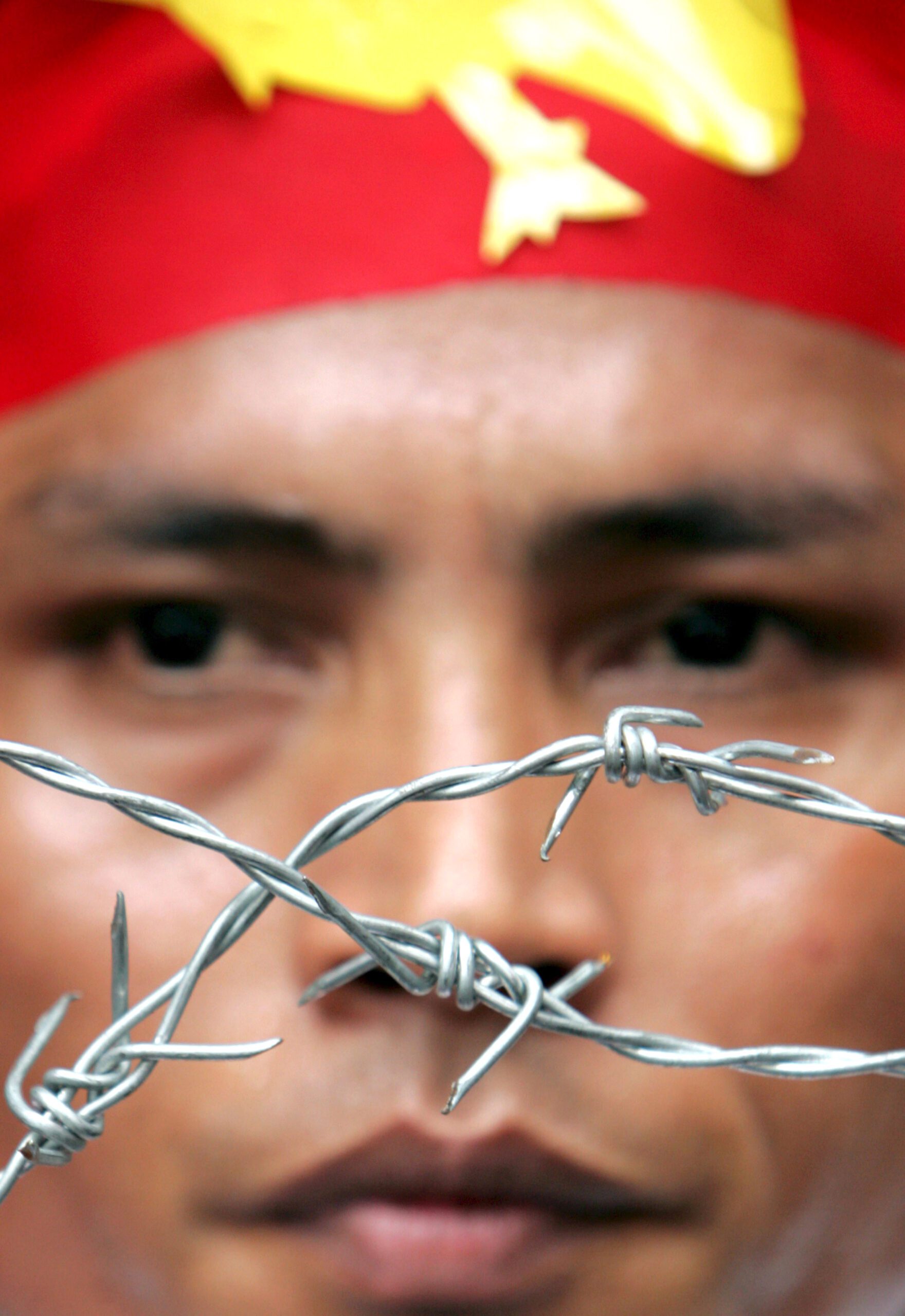
A Burmese Catholic recounts how, behind the calm and the apparent freedom of movement, the most savage oppression, which prevents any step “outside of the lines,” is hidden. “We are like half statues, half human beings. We can feel and see the suffering of our people, but we cannot speak.” This is part of a testimony on the difficult situation of “religious freedom” in Burma – renamed Myanmar by the military junta – obtained by AsiaNews. The name of the source is not mentioned for security reasons.
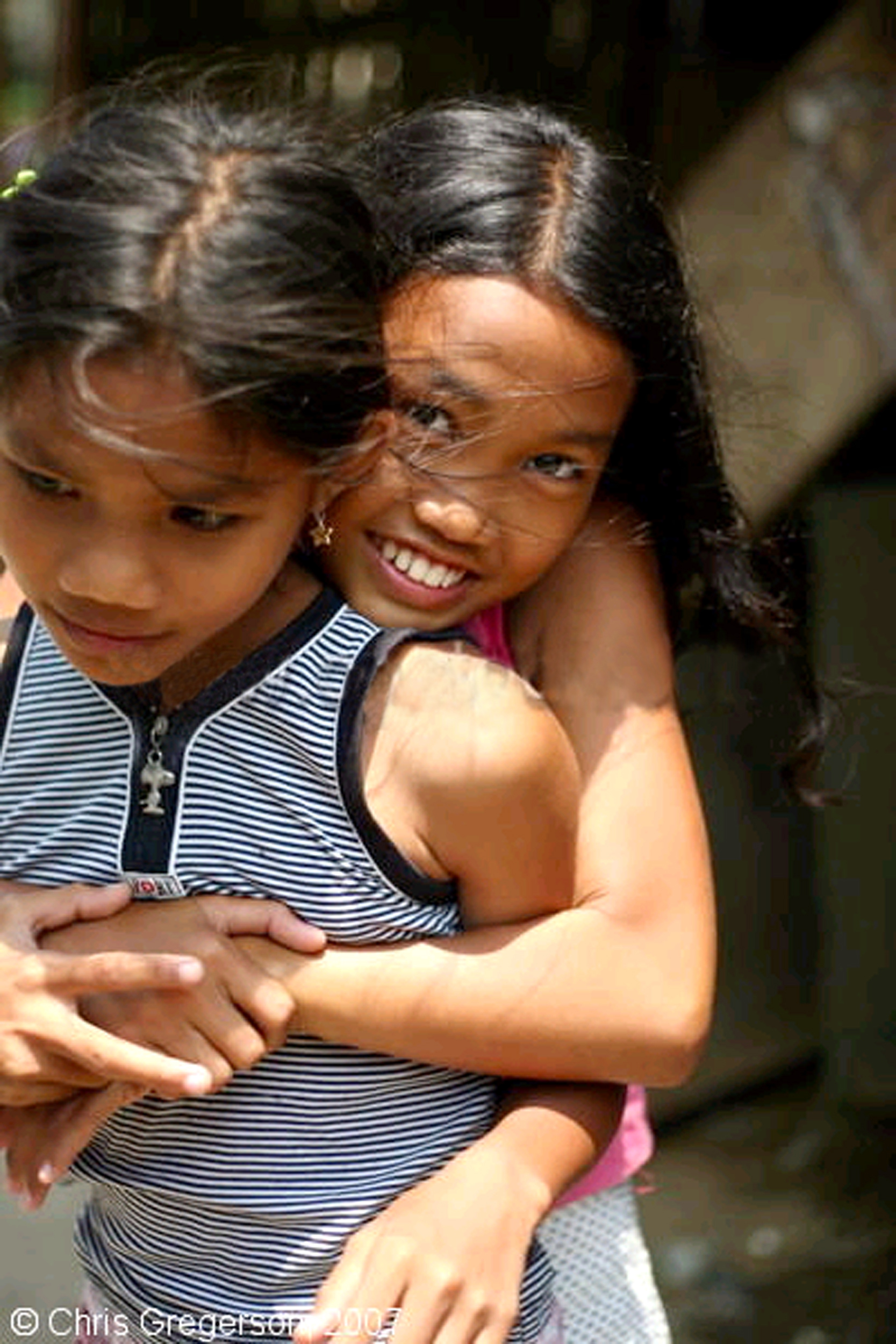
Anna Maria, 15, is recovering at the PREDA Center. She goes to school and loves to learn. She travels to school with 35 other children who are also recovering and overcoming the trauma of abuse. Given care, affirmation support and good therapy, victims are not damaged forever. They can recover and make a success of life. That is the goal of the Childhood for Children Life Recovery Program. There are 53 children recovering in PREDA at present, not all are ready for school.
