Series: Religions’ Peace Dialogue

WM Special

Sufism: A bridge Over Troubled Waters

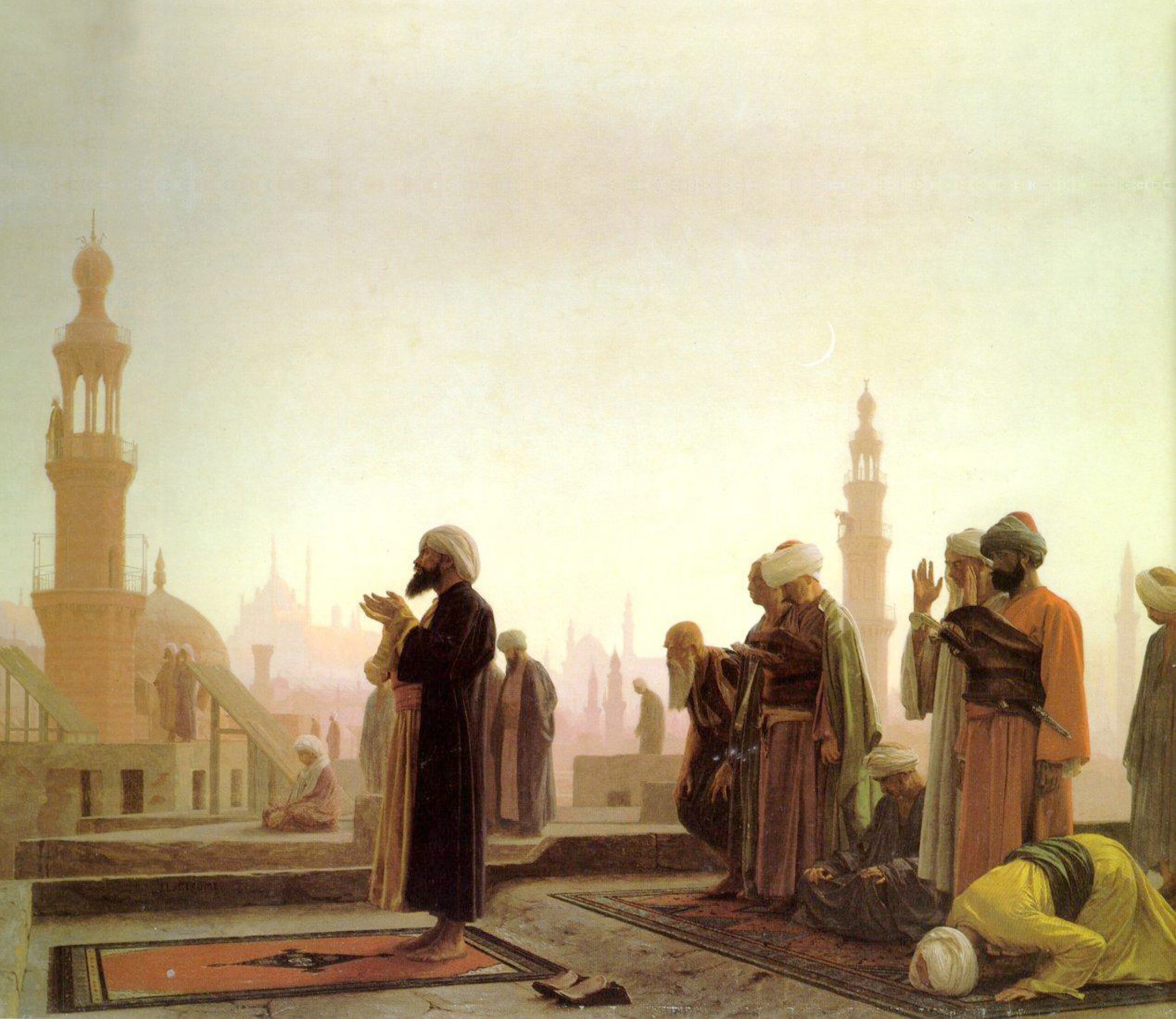
In times of religious and cultural clashes, it is possible to find in the experience and vision of mystics a bridge over troubled waters. For instance, the basic points of the Islamic spirituality are similar to the Christian spirituality. To use a metaphor, we can imagine Christian and Muslim “pilgrims” working together toward a common goal. Both can be considered “pilgrims” as they follow the same path of a common spiritual journey.
WM Special

The Good that Wants to Grow

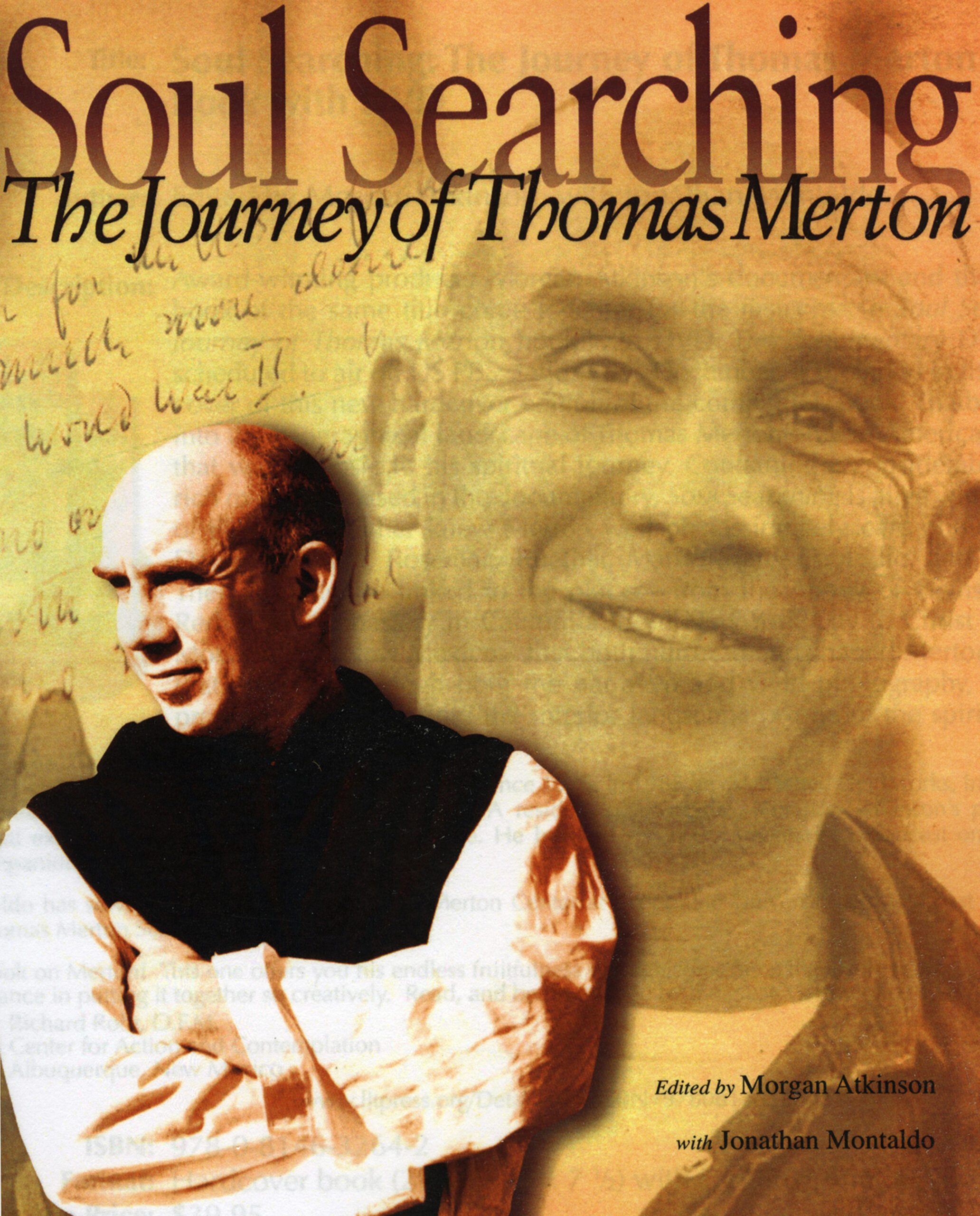
Part of Trappist monk and writer Thomas Merton’s enduring appeal is surely the presentation, in his writings, of a contemporary human soul struggling with the challenges of his time, yearning to live in God’s presence, constantly in touch with the illumination that is the life of Christ. He wrote: “Christianity should make us more visibly human, passionately concerned with all the good that wants to grow in the world and cannot grow without our concern.”

WM Special

Struggling with Oneself

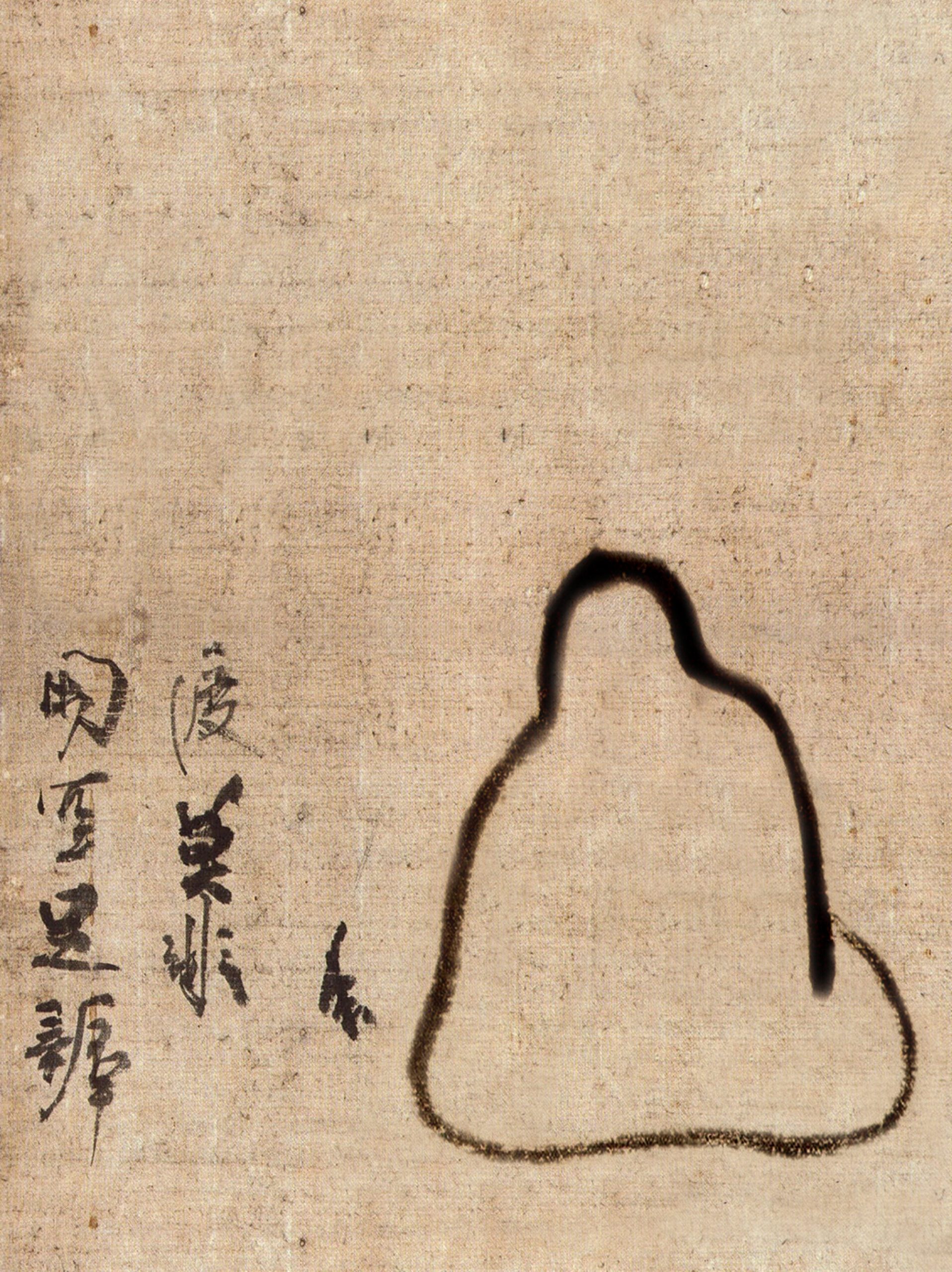
Seon meditation, a form of meditative prayer, is focused on the continuing dialogue between God and the individual. The purpose of the dialogue is to develop a better relationship between the individual, the inner self, and God. The better one listens, the better the relationship. When God spoke to Jesus, Jesus attentively listened. And, when Jesus spoke, God listened to His favorite Son. Engaging in Seon means seeking to answer the questions: “Who is this God?” and “Who am I?” This ongoing struggle with one’s self is a constant practice of Seon.

Frontline

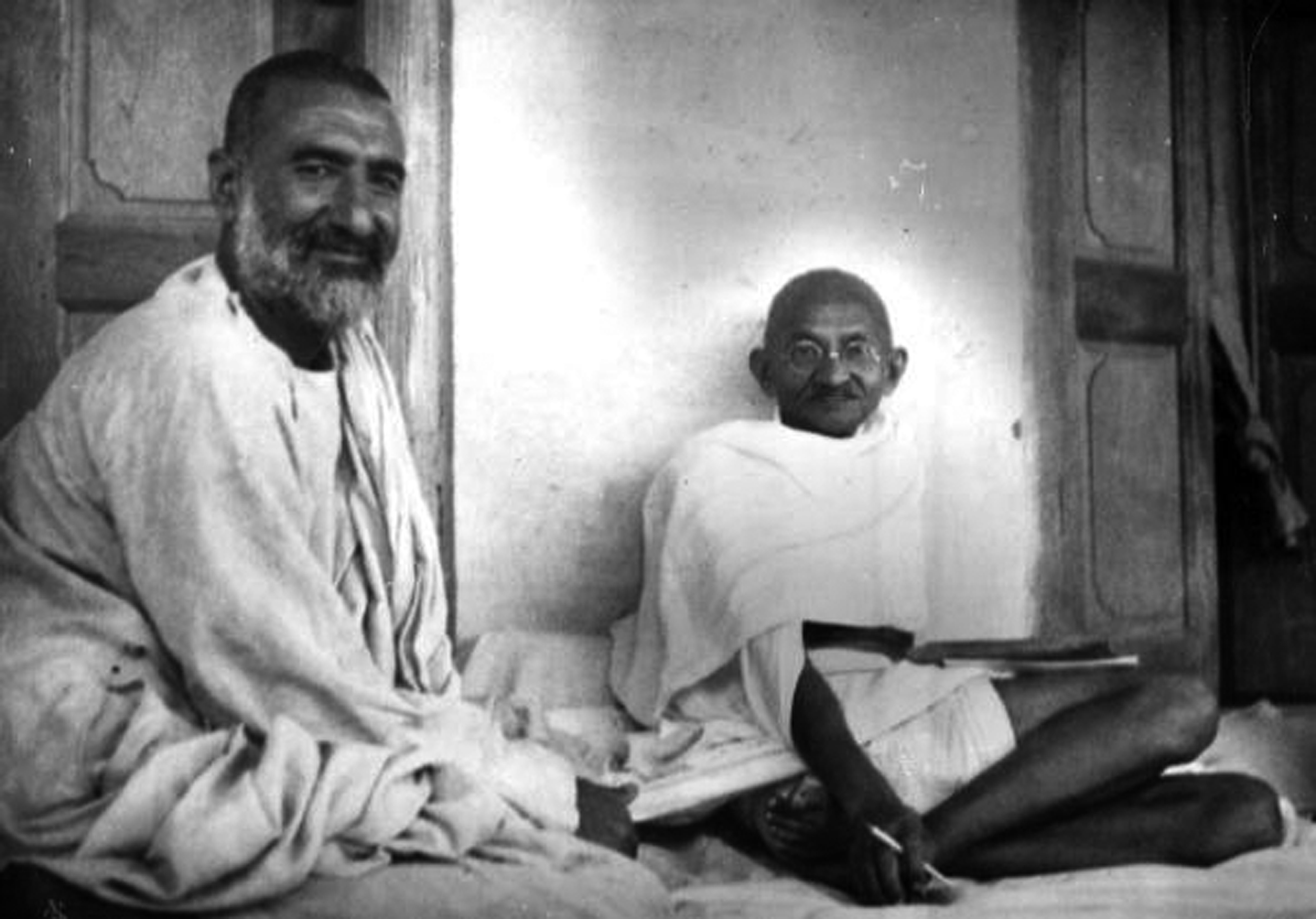
Pakistan’s Gandhi

Everyone has heard about Gandhi, but almost no one knows Abdul Ghaffar Khan. Coming from Pakistan and Afghanistan, he fought for peace and justice with the power of active nonviolence for more than eighty years – and did it all because of his Muslim faith.

Missionary Vocation

Facing Planet Islam

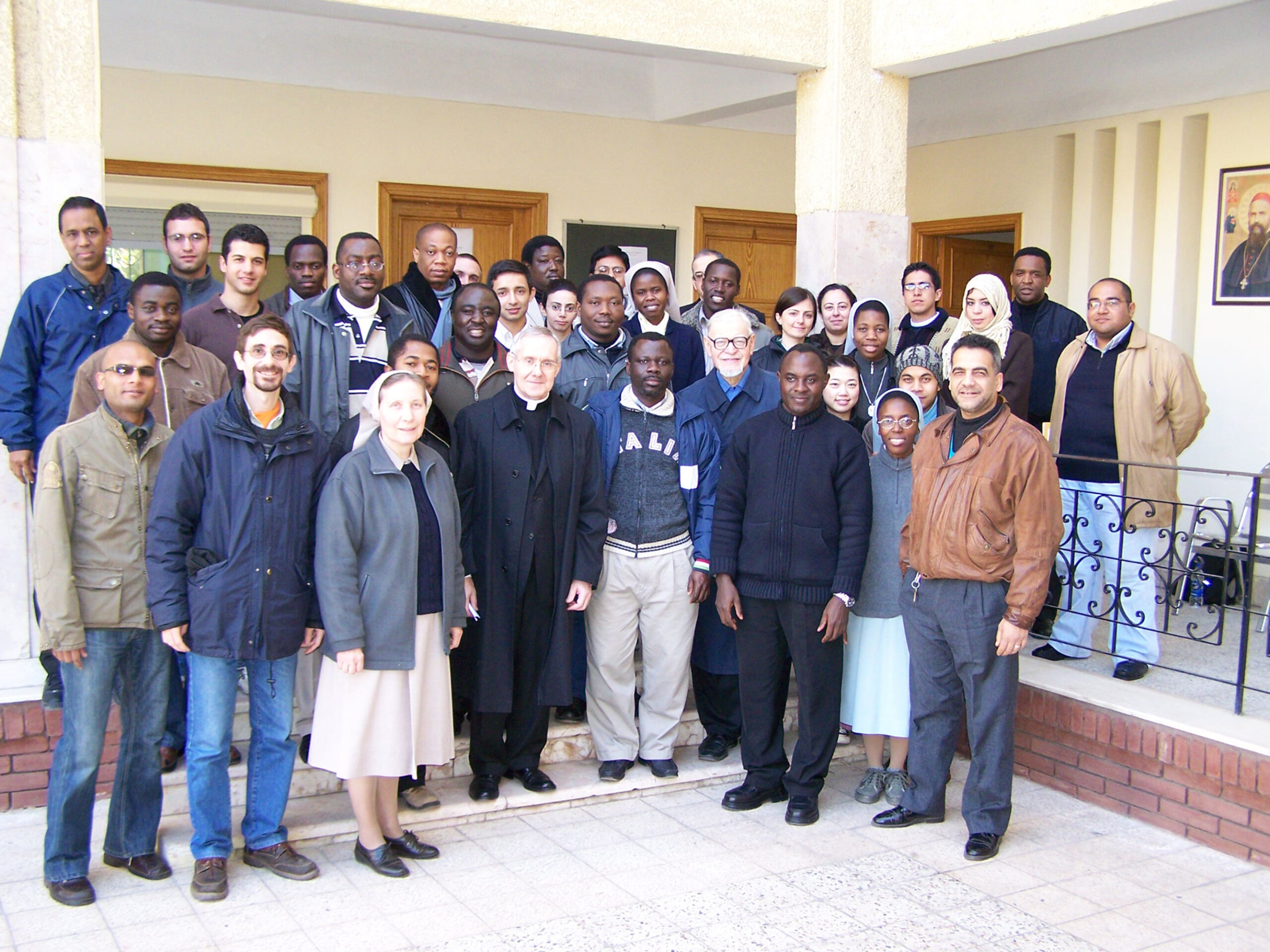
“You cannot understand the Arabic language and literature if you do not go to the desert,” stated the Egyptian scholar Wael Farouq. More so, Islam in its origin. This is why, at the borders of the largest desert, the Sahara, two Catholic Institutes of Studies are training people to face the unknown world of Islam in its historical roots and present-day relevance. They are: Dar Comboni of the Comboni Missionaries,
based at Cairo, and PISAI of the Missionaries of Africa (White Fathers), based first in Tunis and now in Rome. They are laboratories of ideas at the service of the Universal Church. As the prophetic vision of Vatican II foresaw, it is vital to look for understanding and dialogue in view of a greater harmony between Christians and Muslims who are called by the circumstances, in many countries, to live more and more side by side.

Uncategorized

To ‘Eat’ the Others or to Eat with Them?

“The growing presence of immigrants puts us face to face with different cultures and traditions that sometimes clash with our own. In the last years, e.g. polygamy, once confined in Asian or African countries, has been spreading (in a more or less hidden way) even in Europe. What has the Church to say about this phenomenon (spoken of, anyway, several times in the Bible)?”
­– Elisabetta Viganò, Milan

Shopping Cart