Series: The Gospel of the Rose

Frontiers

A One-Sided Report

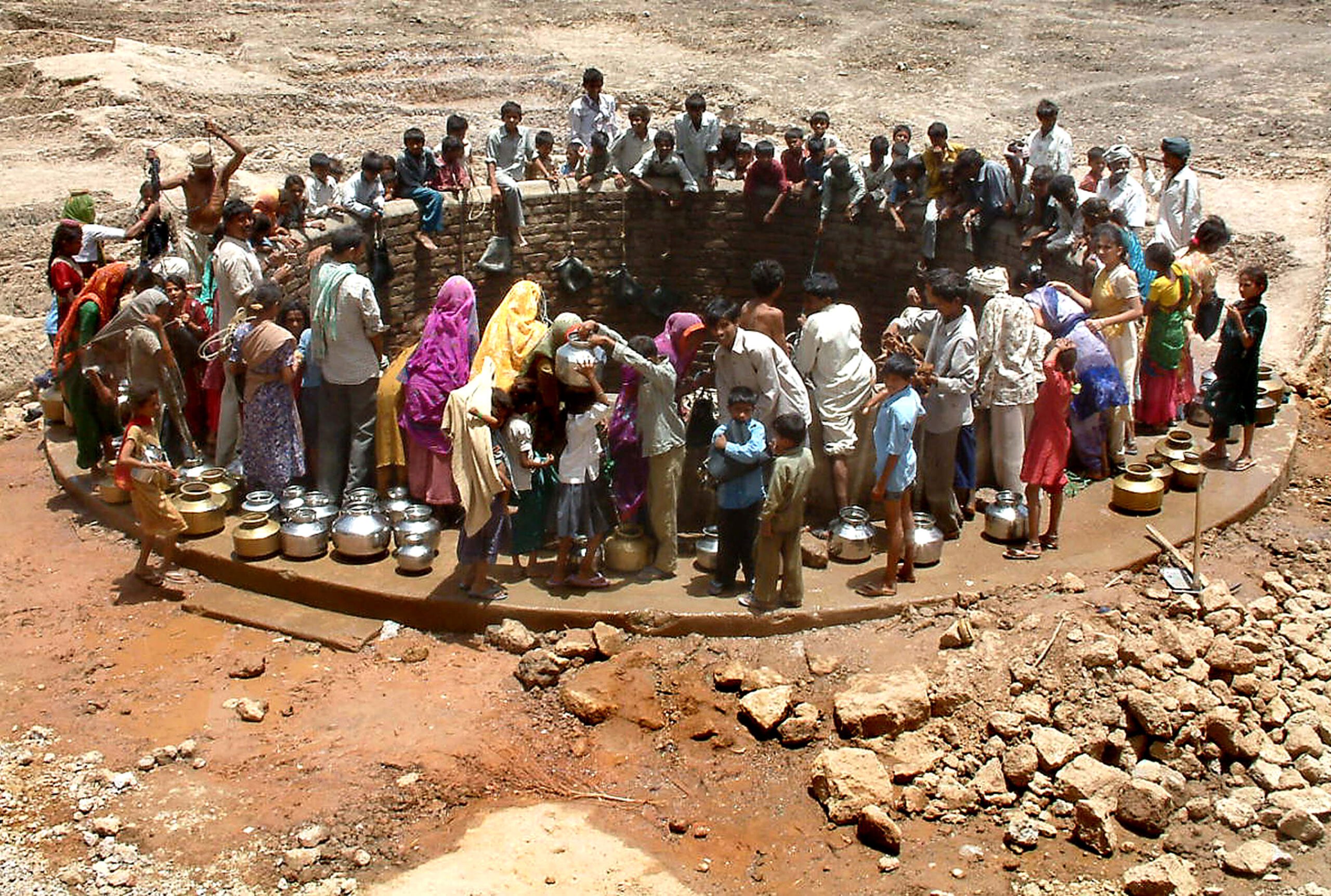
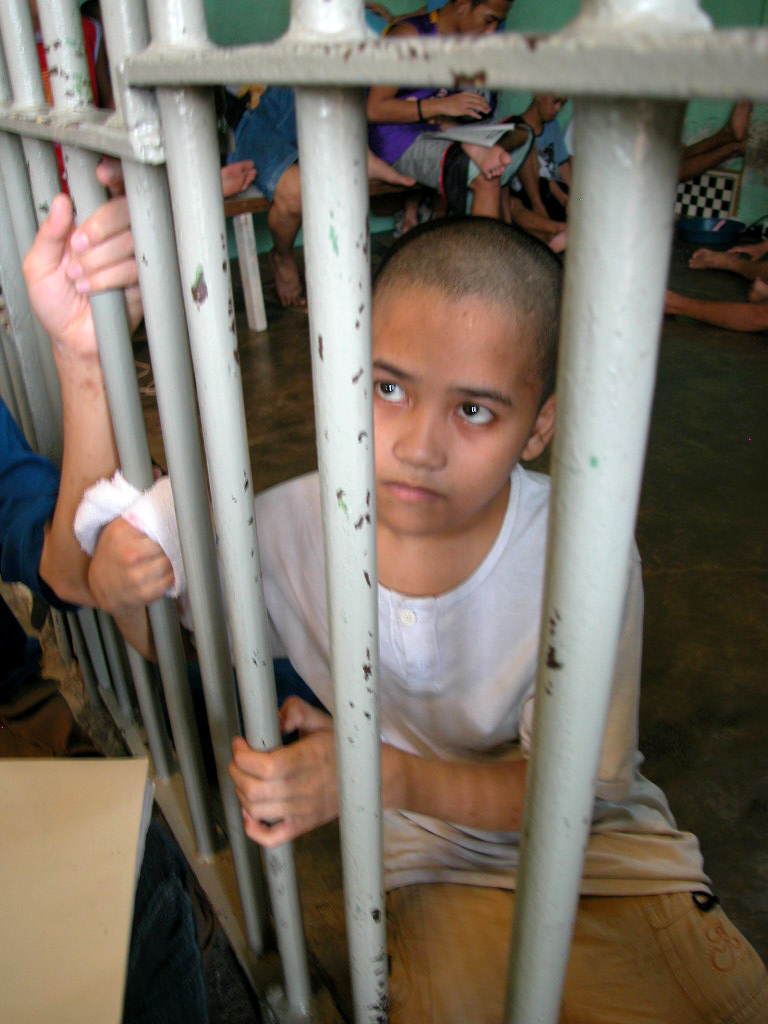
There was no comfort in the Philippine report to the UN Human Rights Council in Geneva for 14-year-old Felix Avila, emaciated, half-staved, brutalized, shocked and dazed as he was helped walk from behind the bars of a police detention center in Metro Manila. Like a skeletal survivor of Auschwitz, he was helped walk on weak unsteady legs to a rescue van and away to freedom. Rescue, because it was as if he was released from the pains of hell to the joys of heaven. Heaven was when they stopped at the first restaurant and he devoured his first proper meal in months.
Filipino Focus

A Lesson In Being Filipino

History is the story of how the nation came to be, and more often than not, history illustrates how people fail to be the nation they want to be. History is not the only way to learn love of country, but it has a unique way of showing the different ways we see and deal with the past. These different ways of seeing is also a lesson in being Filipino.

Filipino Focus

The Birth Certificate

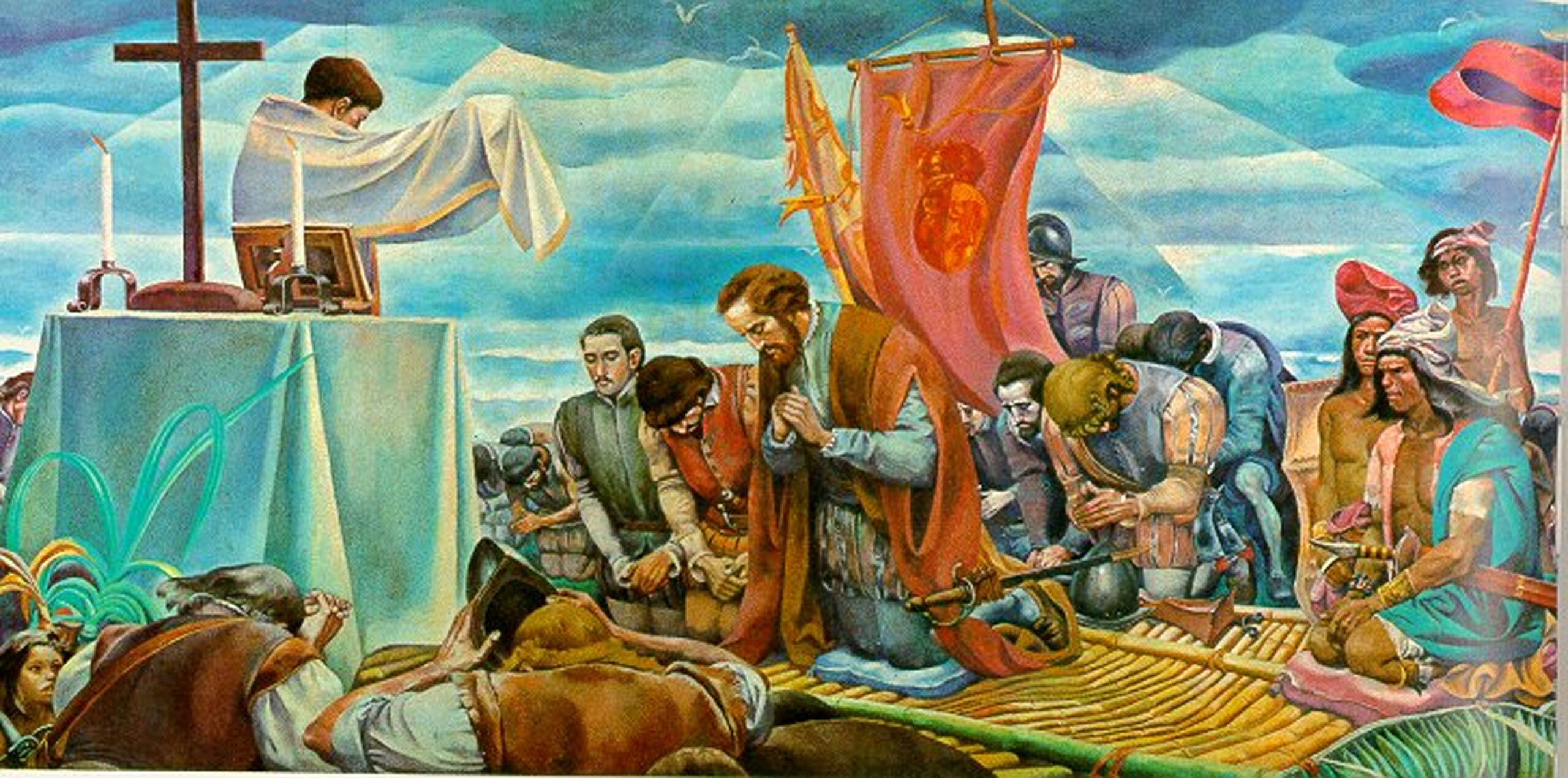
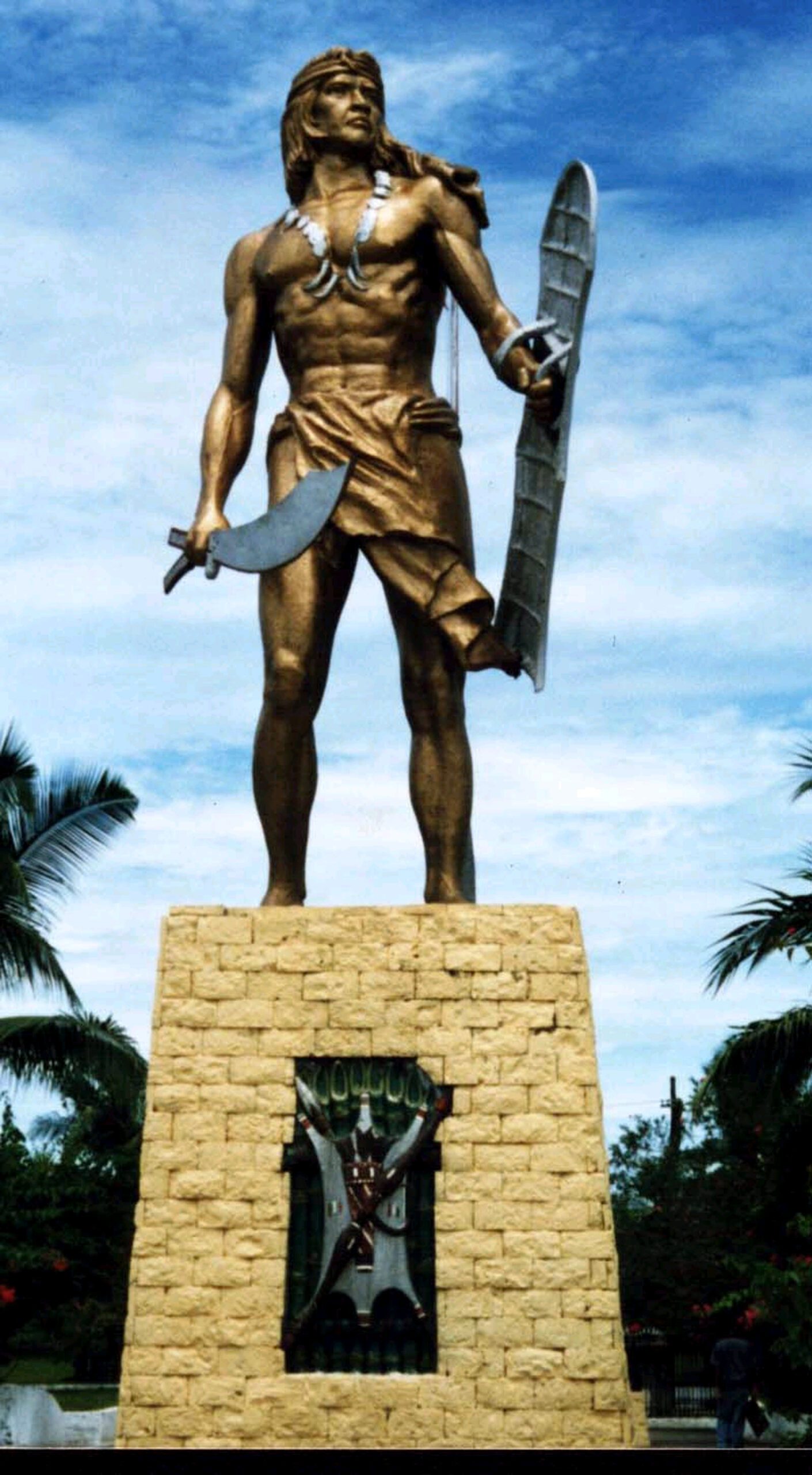
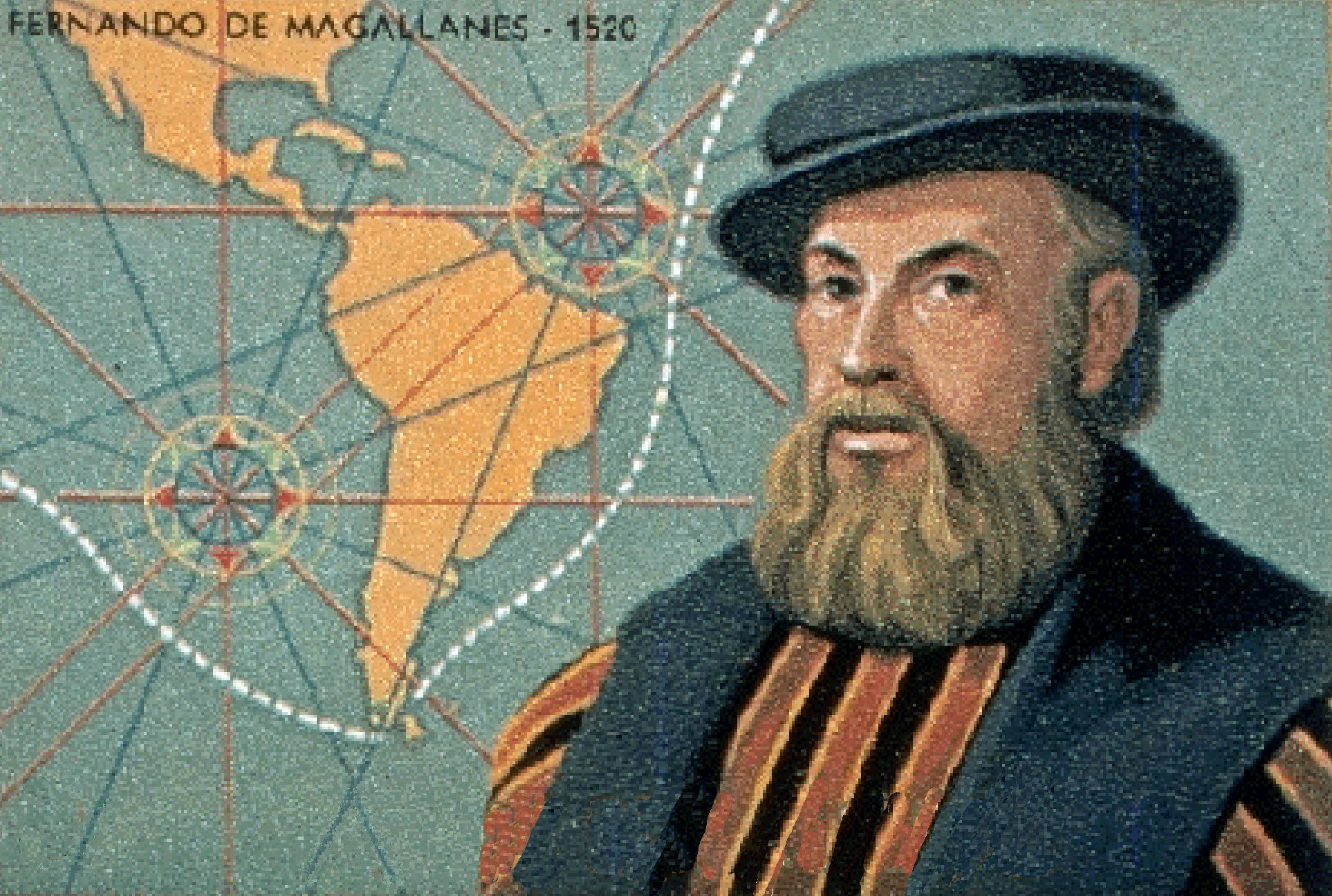
On an Easter Sunday, almost five centuries ago, Ferdinand Magellan participated in the first mass on Philippine soil. It is not difficult to see in this first communion between Europeans and natives the “birth certificate” of Christianity in the Philippines. And the first step of a fertile cultural encounter, even with all the shadows that, together with the mutual enlightenment, usually surround this kind of asymmetrical meetings.

Filipino Focus

The First Communion

As a young boy, I used to hear my teacher say that history knows no if. But let us pretend that this exercise is legitimate. Why is the Philippines the biggest Christian country in Asia? Would it be, if it were not for the heroic and tragic expedition led by Magellan and the Spanish colonization that followed? Real history tells us that, for centuries, there were Muslim sultanates in the Sulu archipelago and Mindanao. “Fictional history” can tell us that what happened to the biggest Muslim archipelago in the world, Indonesia – where the other Catholic country in Asia is Eastern Timor, a tiny spot on the map – could have happened to the Philippines. The seeds of the Gospel were also planted there but are now concentrated in just a small corner of one of Indonesia’s thousands of islands.

In Focus

An Apostle To All Peoples

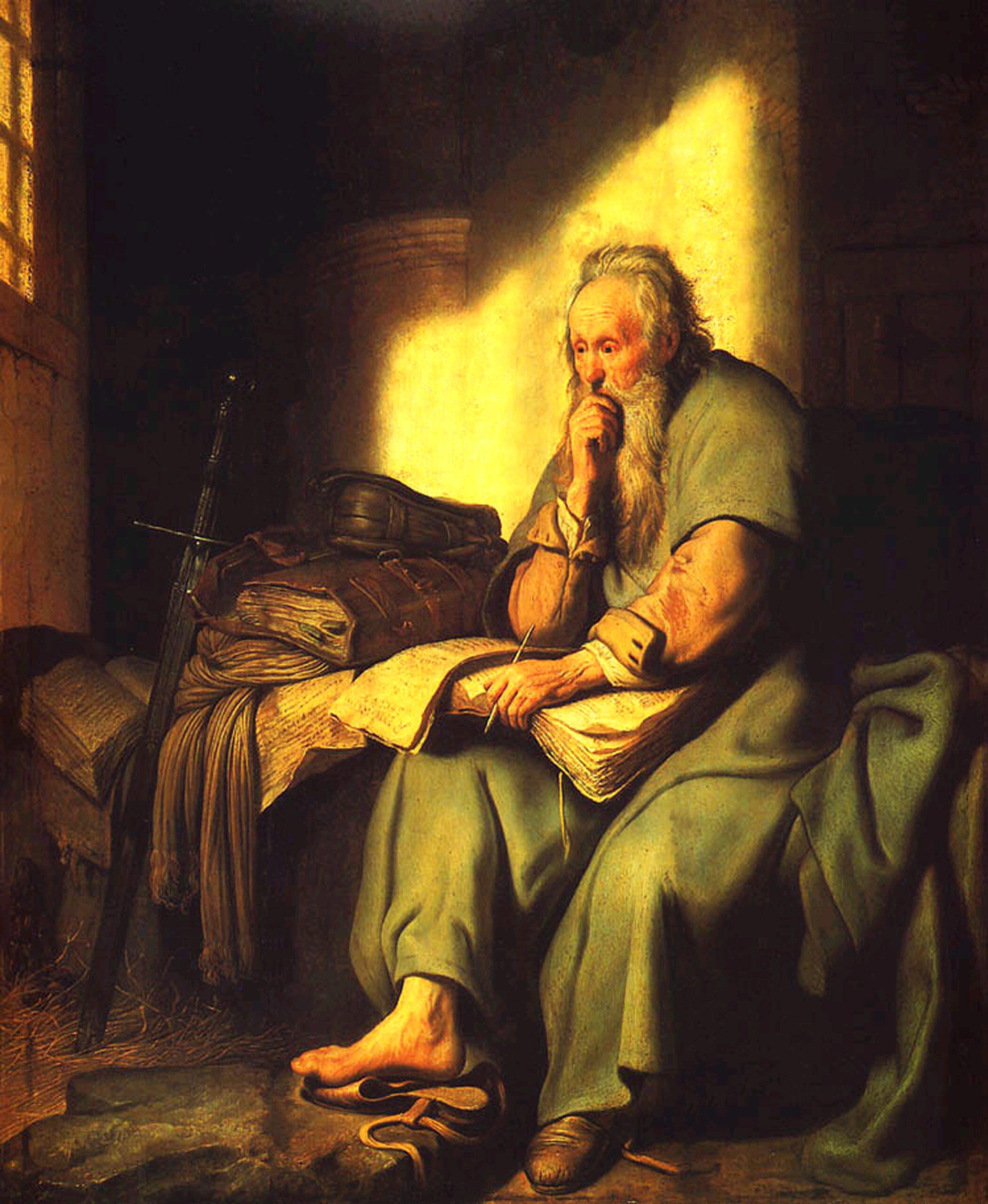
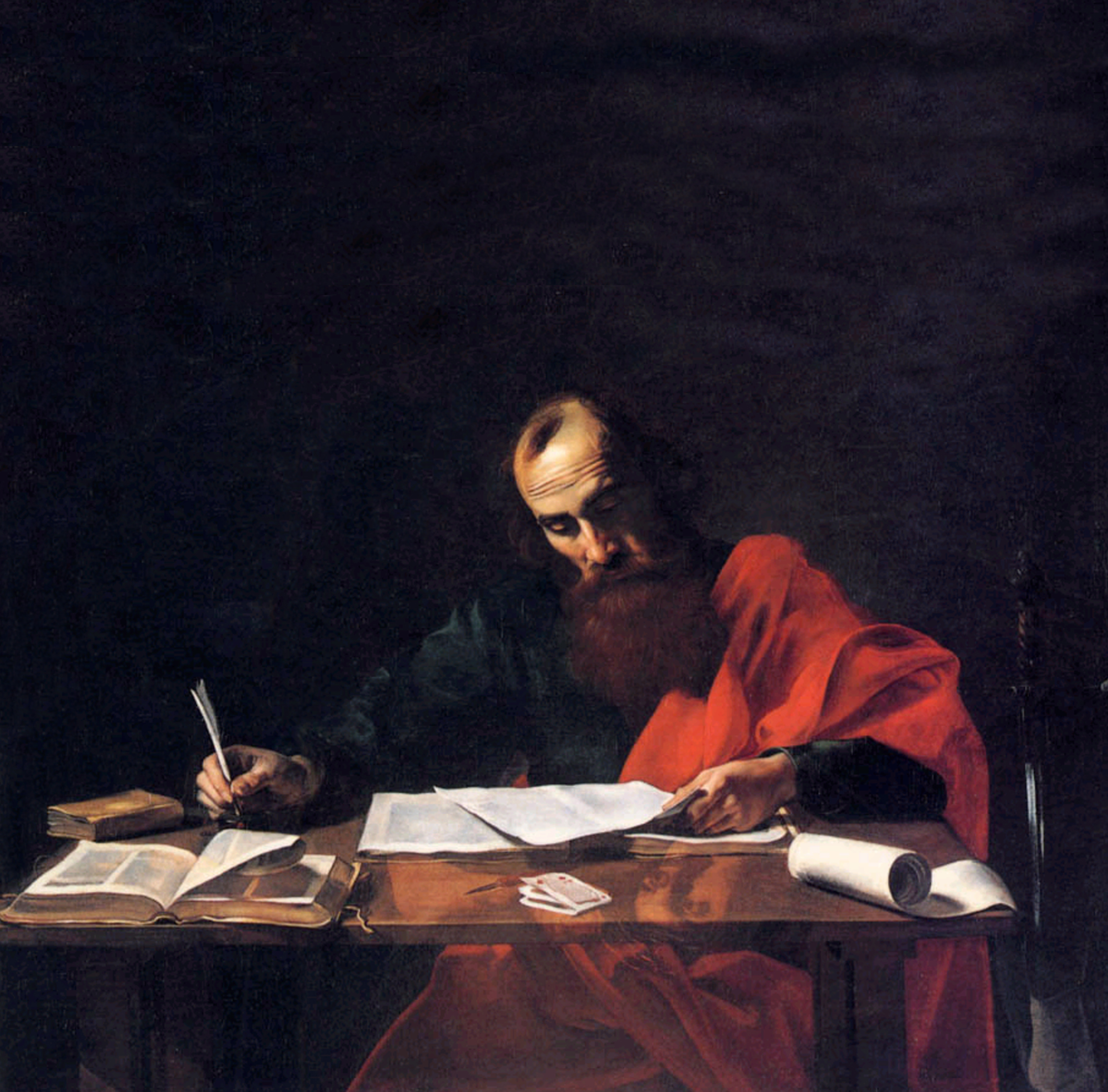
This month will begin all over the world, and particularly in Rome, the celebrations of a special Jubilee Year dedicated to St. Paul. The events will underline the ecumenical dimension. Explains the Pope: “The Apostle to the Gentiles, who was especially committed to taking the Good News to all peoples, left no stones unturned for unity and harmony among all Christians.”

In Focus

Inculturation And The Word

Paul had detractors in his lifetime and even until now. But it is beyond question that Pauline Christianity greatly shaped the history of Christianity from its early period. His inculturation of the gospel of Christ helped turn the Jesus movement into a universal religion.

WM Special

The Dialogue Of Life

Dialogue of faith, cultural dialogue. For Asia, all levels of dialogue are relevant. However, given the minority situation of Christians in Asia, the most effective will be the dialogue of life and common concerns. It is here that our witness will be tangible and effective.

WM Special

The Challenges Of Globalization

The Pope urged the Church to promote cultural development in this era of fast globalization. And gave an example of the challenges the world is facing: “The Philippines, considered a Christian country, is more subjected to globalization standards than Gospel influence.”

Frontline

A Cultural Mission

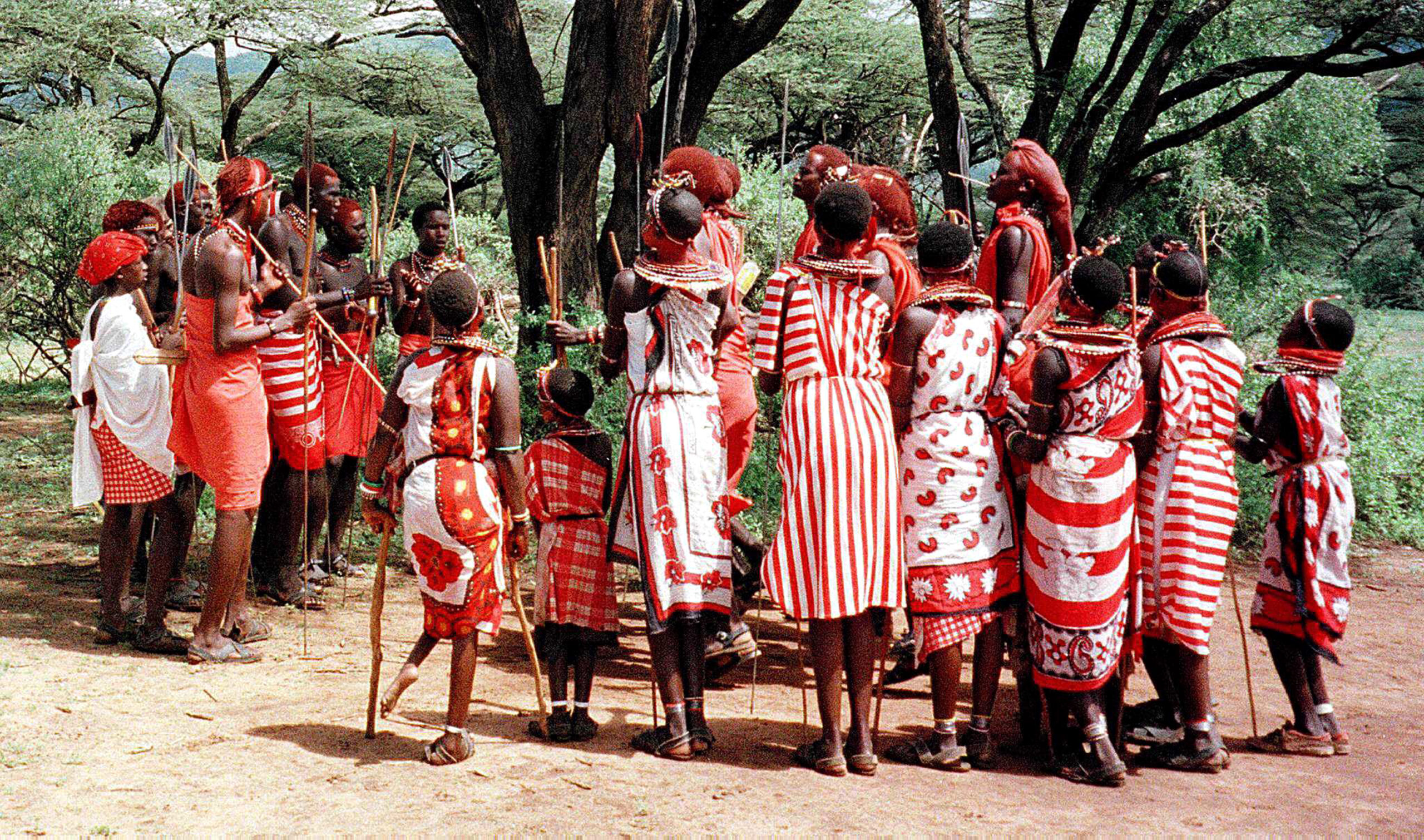
Not long ago, the Maasai had one of the richest cultures in Africa, so impressive that it attracted the attention of experts and artists. Now, the young are even forgetting their language. To fight this loss, Fr. Oberprantacher built, among the plains they roam, a cultural center. Where he wants to promote, at the same time, the defense of their heritage, evangelization and inculturation.

Frontline

From The Swamps To The Catacombs

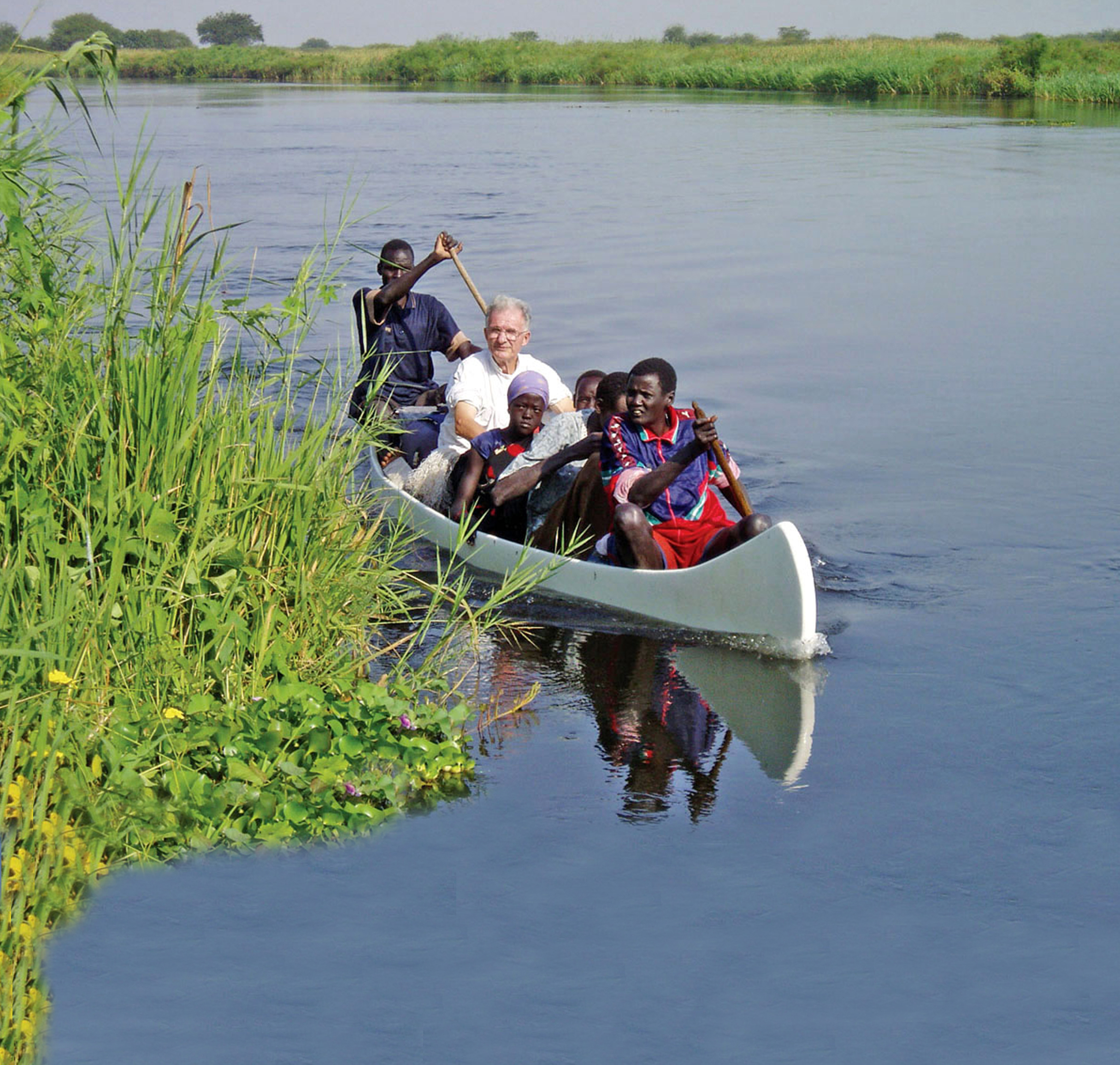
Comboni missionary Fr. Antonio La Braca, after 35 years of work in Africa, leaves Sudan to be a hermit in the catacombs of Rome. During his missionary life, he learned to live in poverty among the poor. He even spread the Word on foot, in a region full of swamps. Now, he wants to share the spirit of the first Christians, persecuted because of their faith.

Shopping Cart