Editorial
A Culture of Solidarity
“A culture of solidarity is the way
To preserve the planet, save people
And have access to god.”


“A culture of solidarity is the way
To preserve the planet, save people
And have access to god.”

India celebrated Slumdog Millionaire’s sweeping success at the Academy Award ceremony. In addition to the movie by director Danny Boyle, which took home eight Oscars, Smile Pinki won for Best Documentary Short Subject, telling the story of a six-year-old girl from the village of Dabai in Uttar Pradesh who becomes a social outcast because of a cleft lip. From the victories of British director Boyle and US documentary maker Megan Mylan, few Indians received also an award: they were composer A.R. Rahman, singer Sampooran Singh Gulzar and sound designer Resul Pookutty.
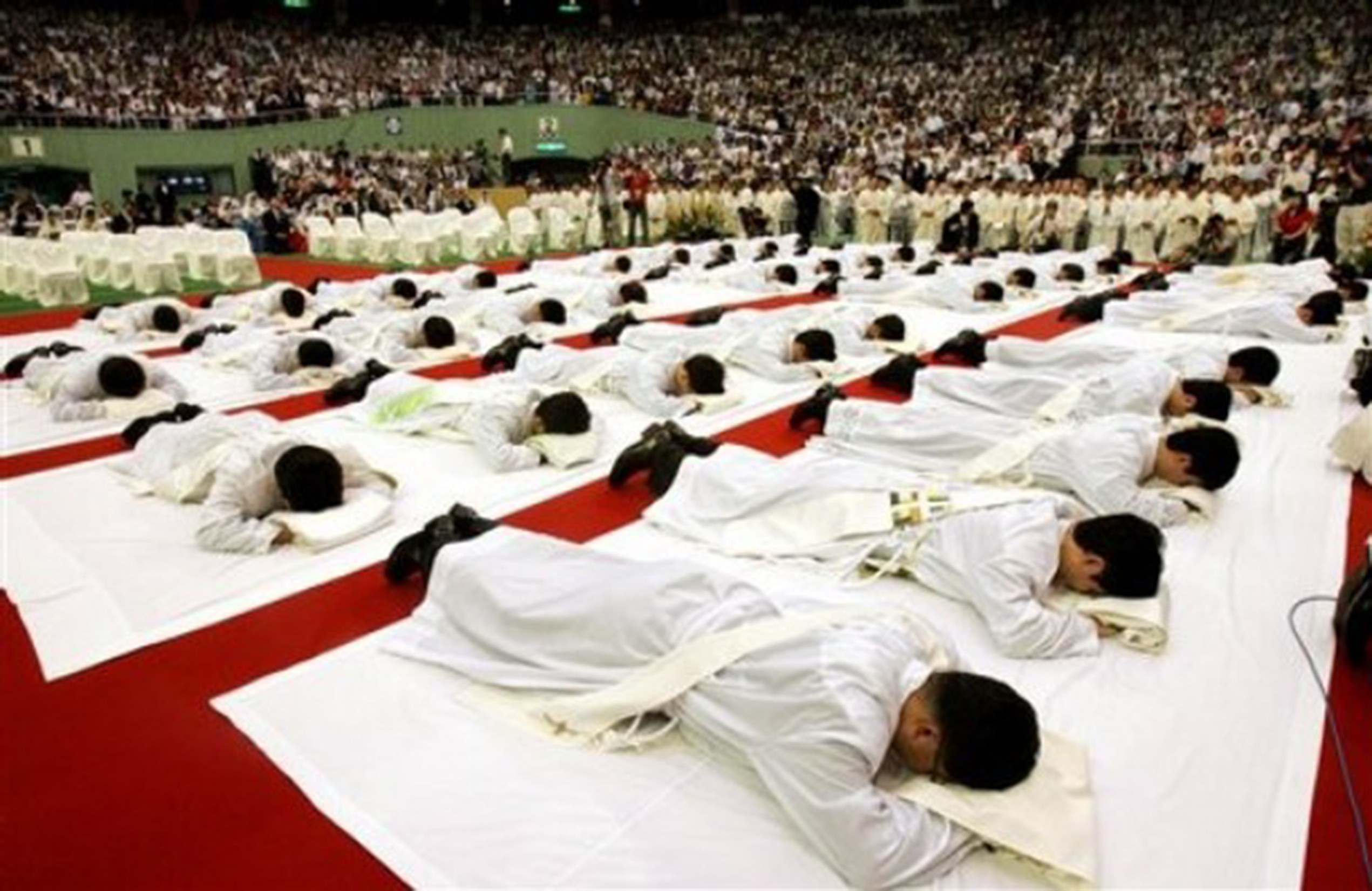
The number of Catholic priests has increased in Asia and Africa but dropped in the Western world, according to the Vatican’s latest statistical yearbook released in February. The number of Catholic priests worldwide rose from 405,178 in 2000 to 408,024 in 2007, after markedly dropping in the previous two decades, reported Radio Vatican and other media.
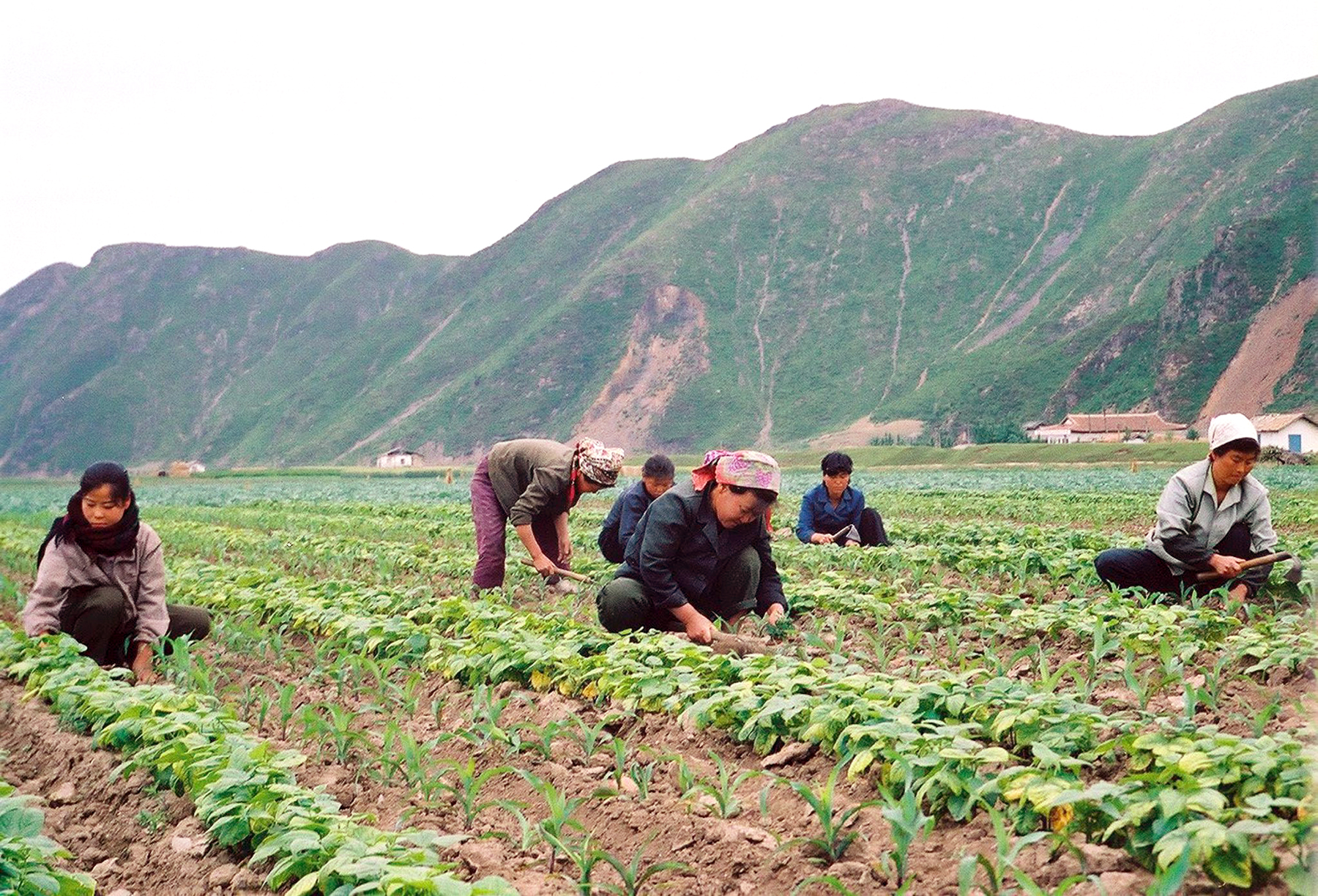
Assistance given to rural communities contributes to food security for the whole planet, said Benedict XVI. The Pope affirmed this in an address to members of the International Fund for Agricultural Development, who were marking the 30th anniversary of the Fund’s establishment. The International Fund for Agricultural Development (IFAD), a specialized agency of the United Nations, was established in 1977 as one of the major outcomes of the 1974 World Food Conference; the conference was organized in response to the food crises of the early 1970s that primarily affected Africa. The Holy Father affirmed that since its earliest days, the Fund “has achieved an exemplary form of cooperation and co-responsibility between nations at different stages of development.”
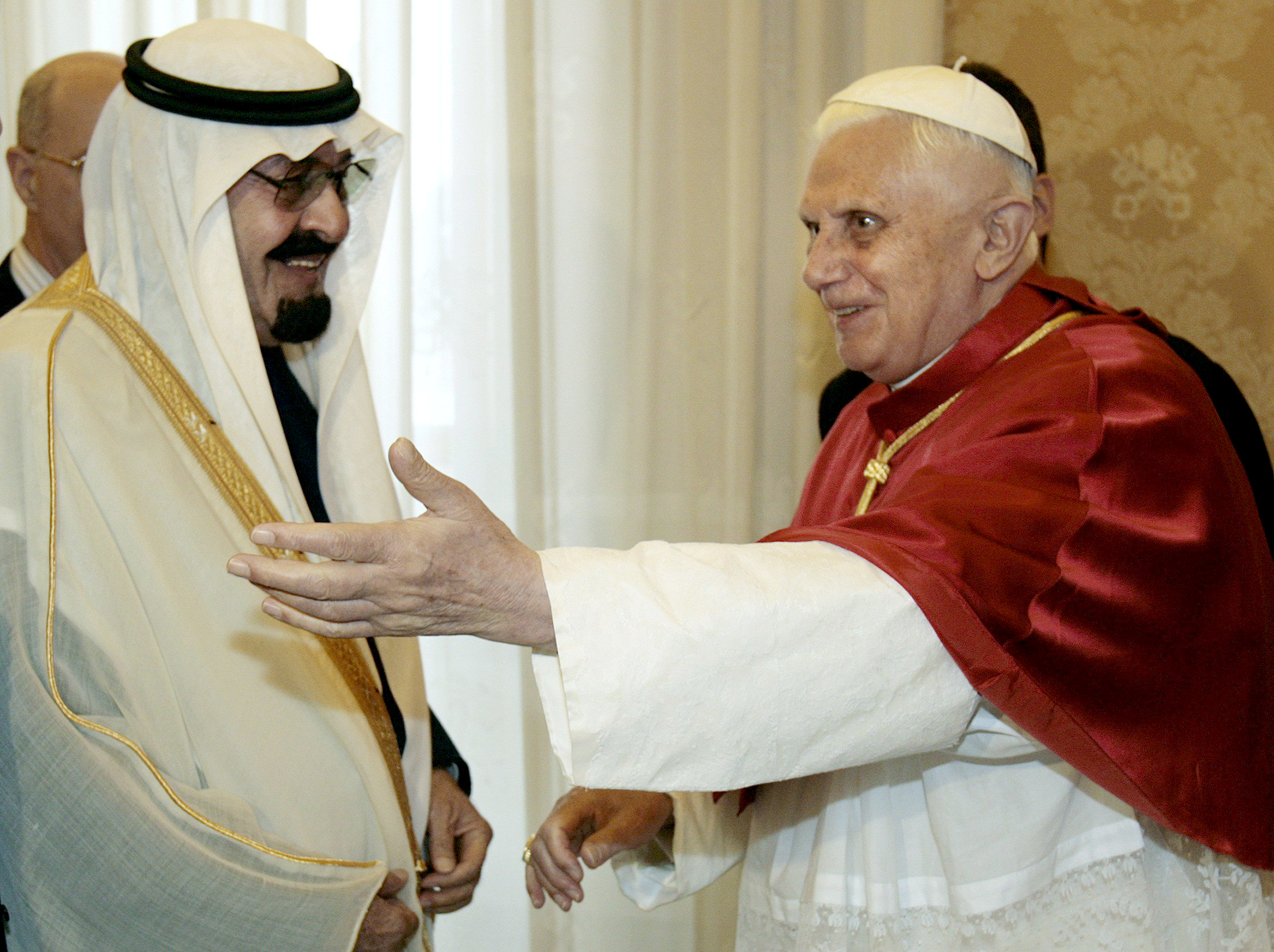
Muslims and Catholics have much in common when it comes to beliefs about peace, participants decided at an interreligious meeting: Both faiths consider that peace should permeate all aspects of life. This was a conclusion from the Joint Committee for Dialogue of the Pontifical Council for Interreligious Dialogue and the Cairo-based Permanent Committee of al-Azhar for Dialogue Among the Monotheistic Religions. The group had their annual meeting last February.
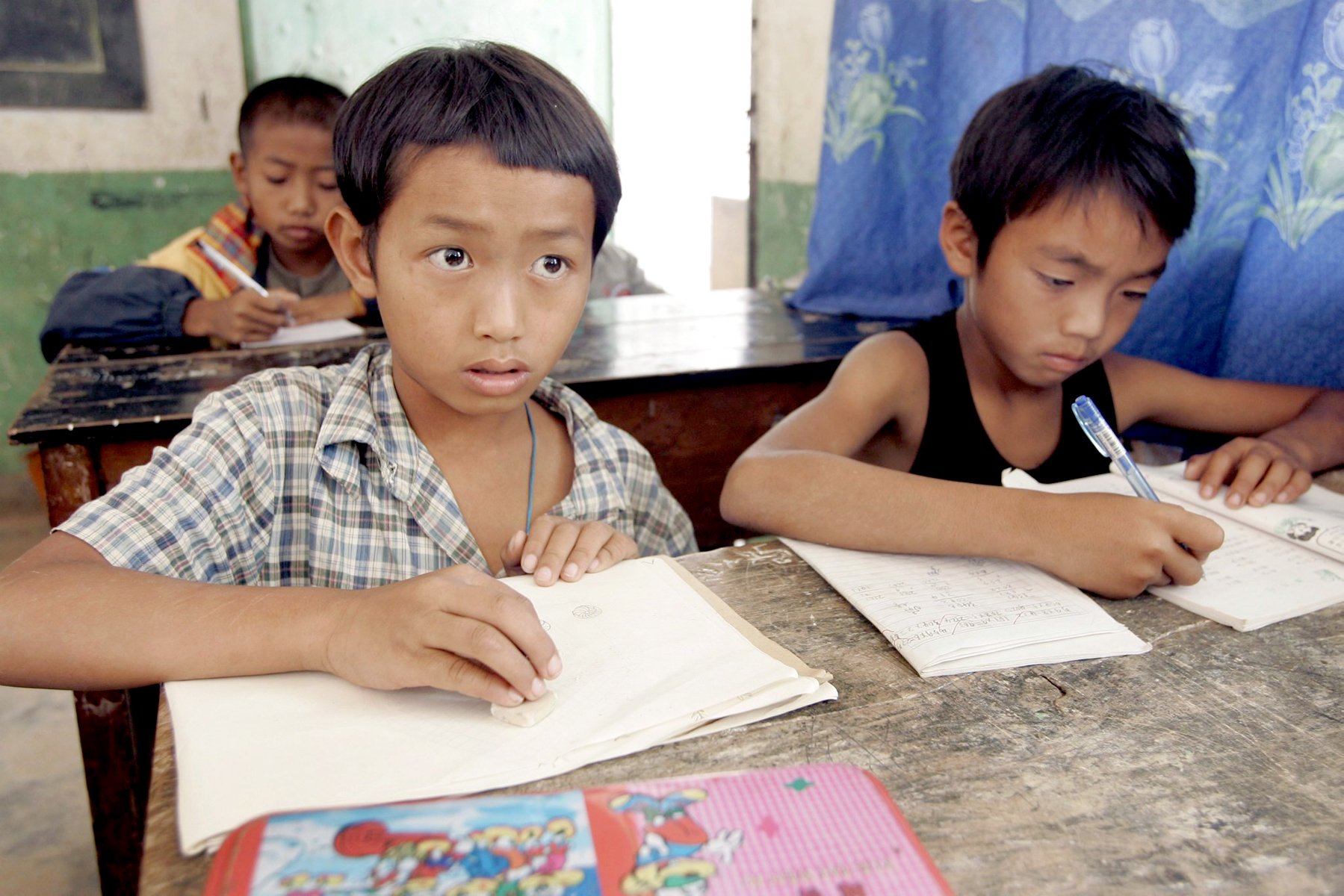
The fight against poverty and underdevelopment, in Asia and in other parts of the world, is not only overcome through a growth in the Gross Domestic Product (GDP), but in an increase in access to health and education. This is what the international association “Social Watch” is showing in its new annual report entitled “Rights is the Answer.” Social Watch has developed a new method for measuring the social and economic conditions of the world population: the Basic Capabilities Index (BCI), for analyzing the state of healthcare and level of basic education in 176 countries.
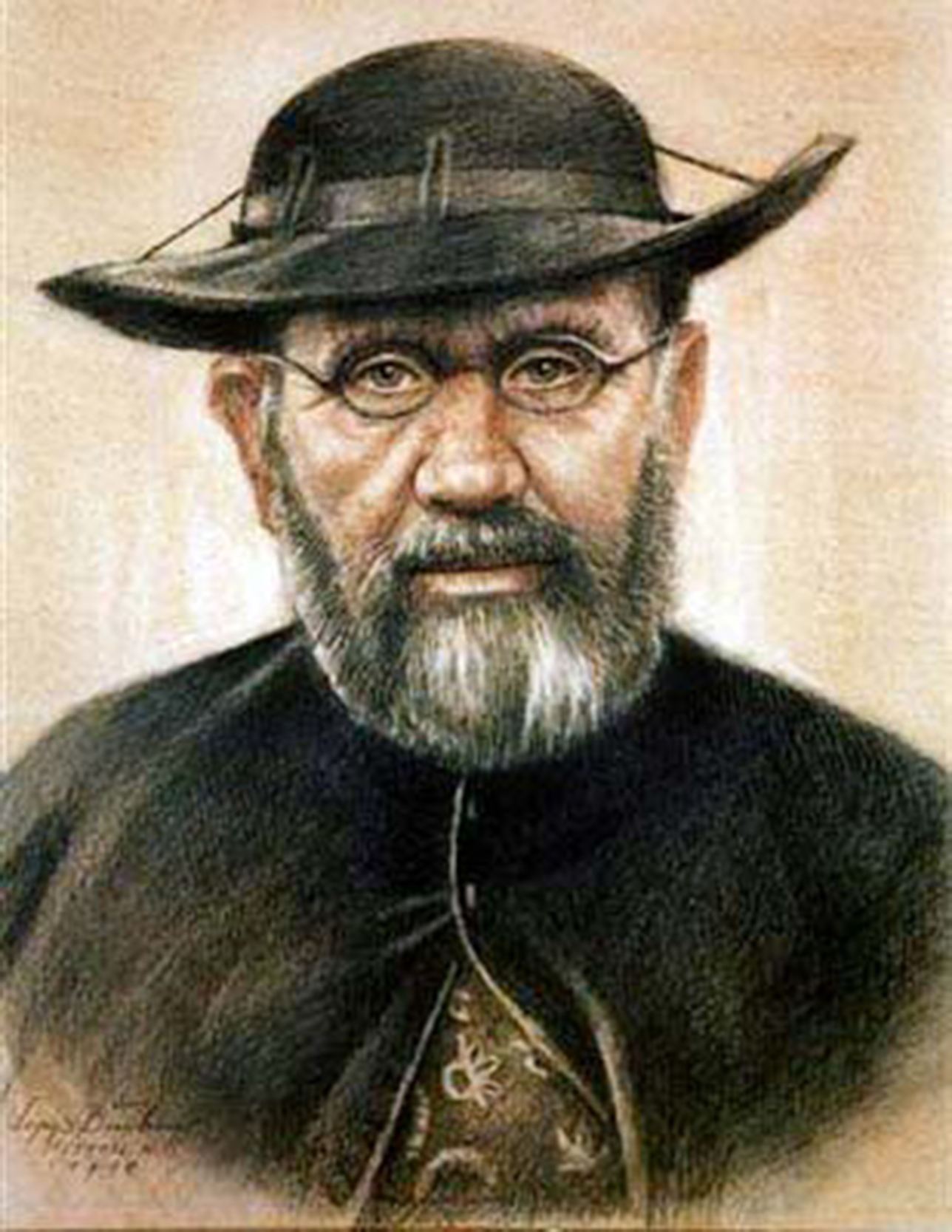
The miraculous healing of a Hawaiian woman with cancer is leading to the canonization of a priest known for his ministry with lepers relegated to a sequestered community. Belgian Father Damien de Veuster (1840-1889) is known as “the apostle to the lepers,” for his ministry on the island of Molokai. Pope John Paul II beatified Father Damien in 1995.
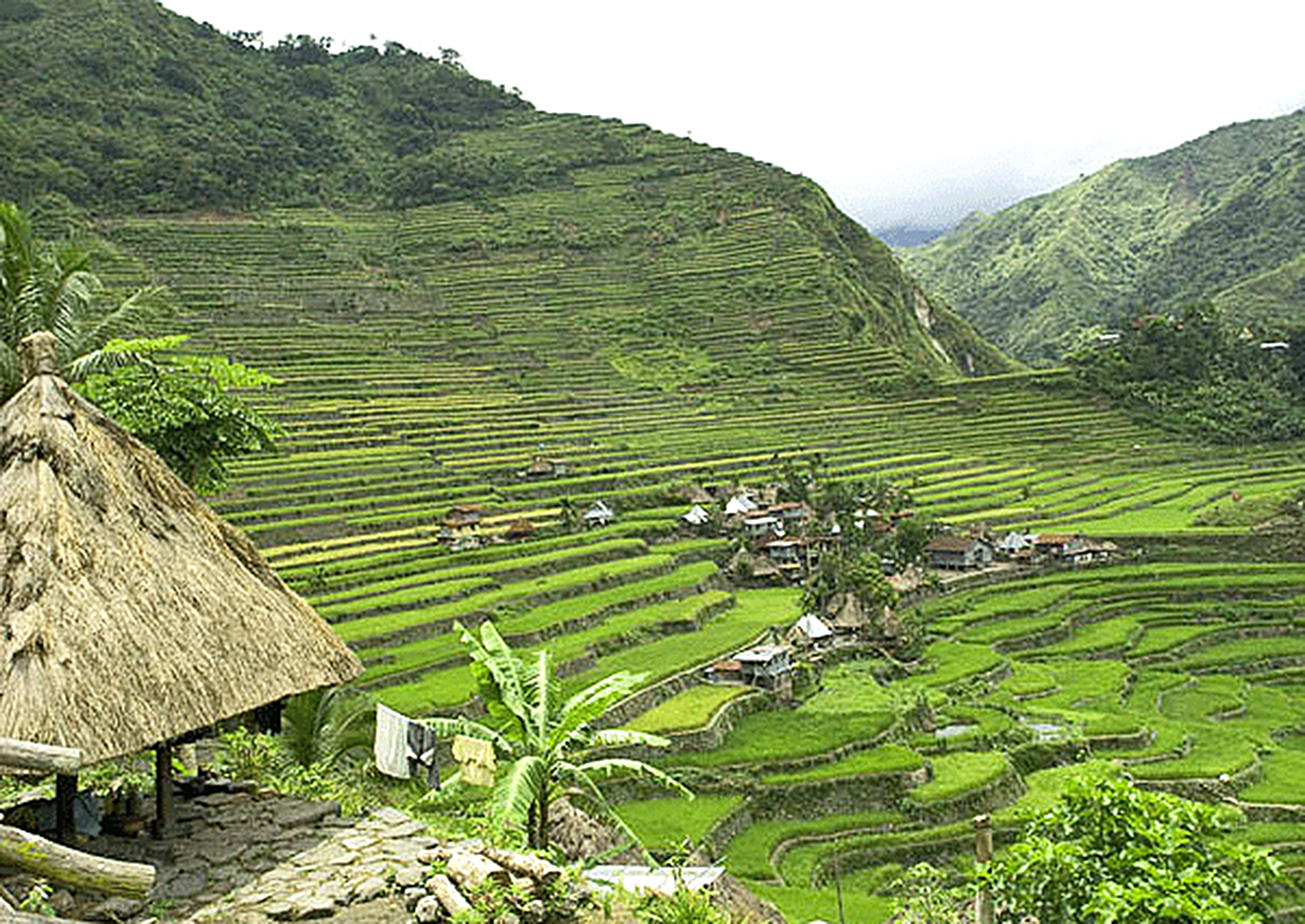
Vatican officials are urging tourists to use ethics and intelligence and engage in pastimes that respect man and creation, as the planet faces the challenge of climate change. In a letter sent to participants in a congress on international tourism, Cardinal Renato Martino and Archbishop Agostino Marchetto, president and secretary of the Pontifical Council for the Pastoral Care of Migrants and Travelers, said that everyone is responsible for climate change.
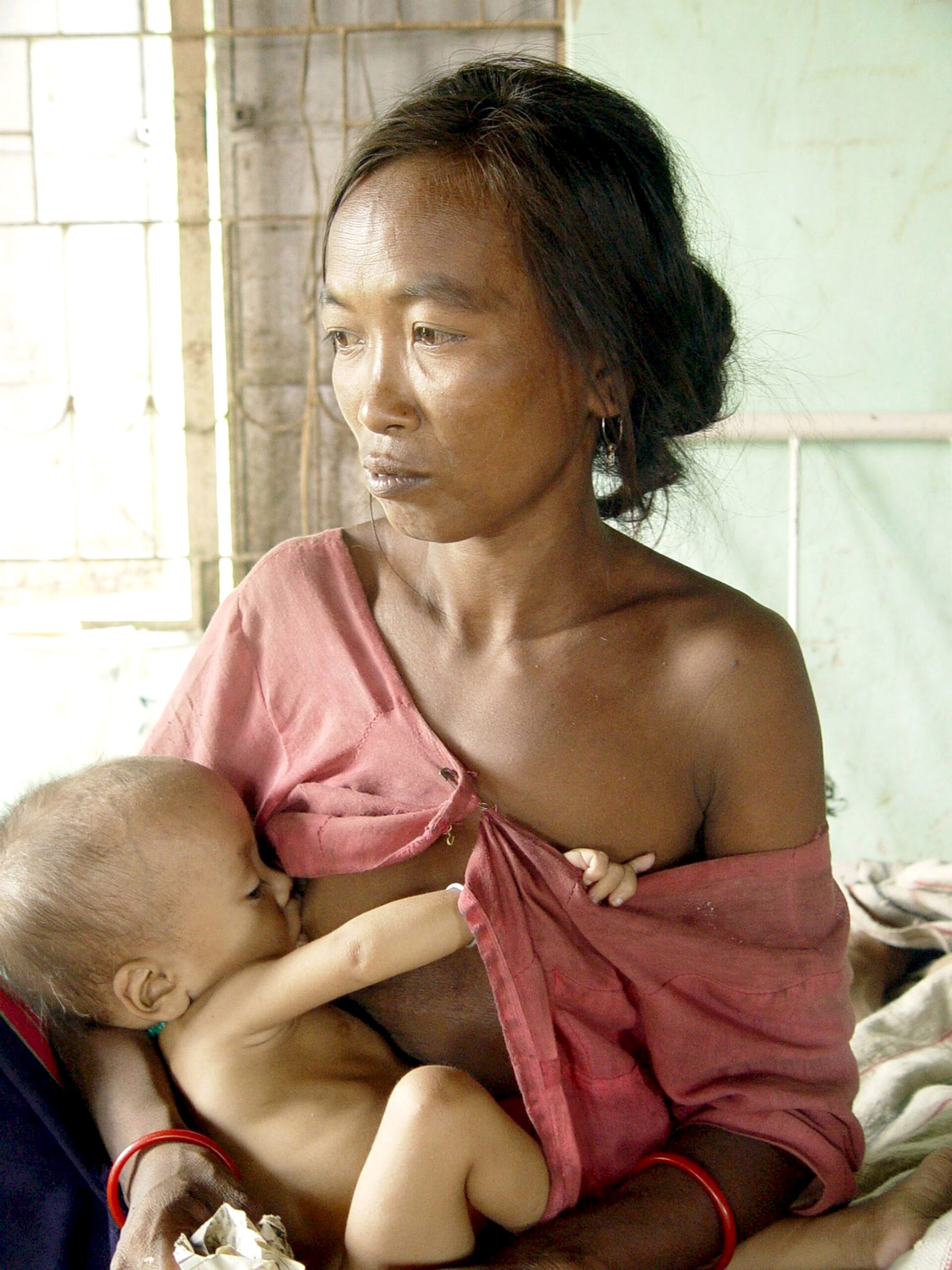
The financial crisis has bigger effects than the developed world has to face, says Archbishop Silvano Tomasi, pointing to an expected rise in infant mortality in poor countries this year. The Holy See’s permanent observer to the U.N. offices in Geneva reflected on the causes and effects of the financial crisis while addressing the 10th special session of the Human Rights Council.
Huge fire balls from massive bush fires engulfed homes and incinerated unfortunate people in South Australia, the result of prolonged drought while massive floods swamped the North Territories. In the Caribbean, massive storms, greater than previously experienced, created havoc and loss of life and property. Europe and North America have been hit with ice and snowstorms greater than previous years. Climatic extremes are on the increase and they are not a natural occurrence these days unlike 12,000-and-a-half-million years ago. Then, climate change came slowly and the earth and plants and animals had time to adapt, change and survive.
