
Editorial
Passion for Communication
“One can only imagine how the great mission animator Daniel Comboni would have made use of modern means of communication!”


“One can only imagine how the great mission animator Daniel Comboni would have made use of modern means of communication!”
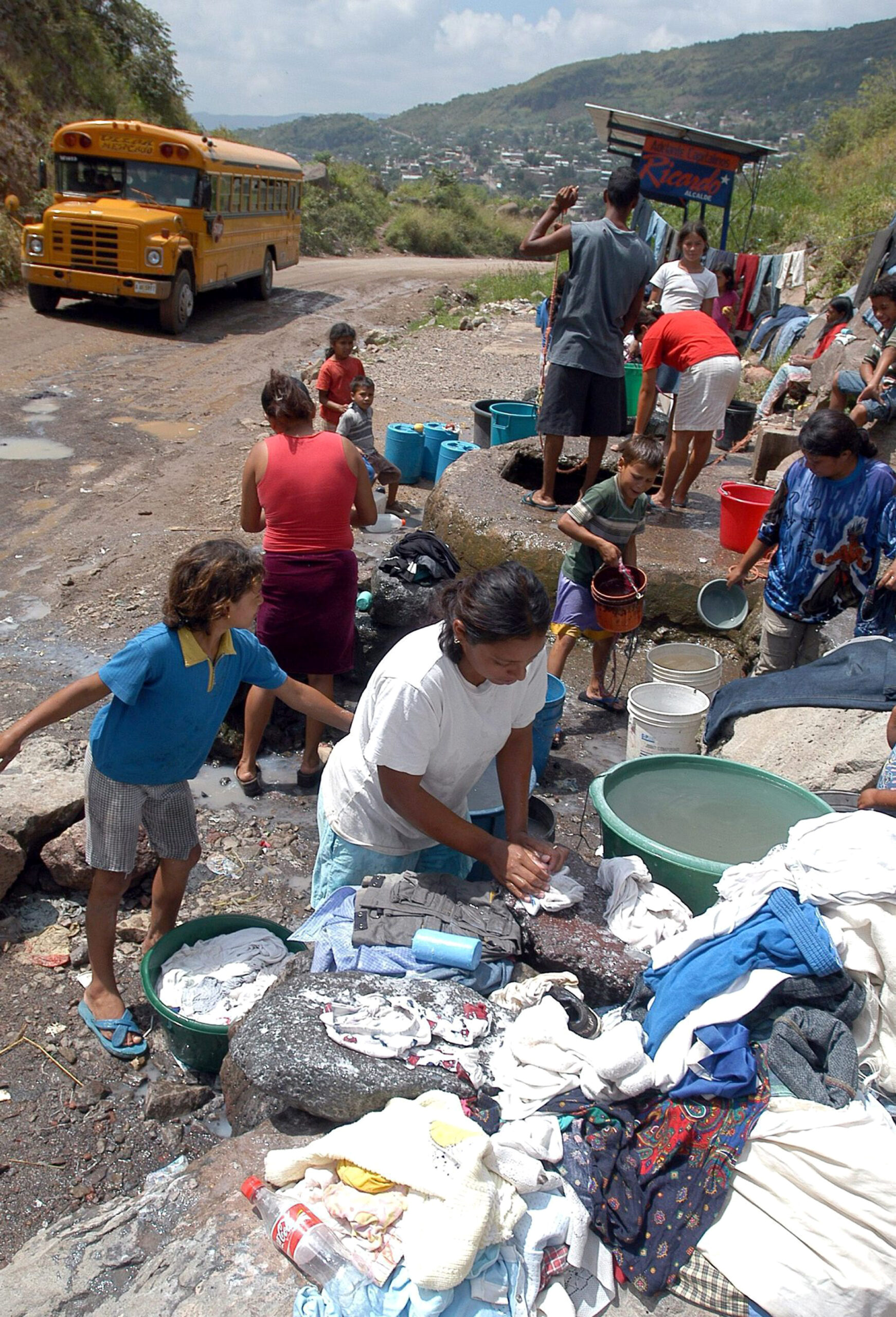
When visiting Rome, the Honduran Cardinal Oscar Rodríguez Maradiaga spoke about the challenges facing Latin America, including emigration. He affirmed that “the solution does not lie in building walls, but instead in helping poor countries.” The president of Caritas Internationalis explained: “No one emigrates for pleasure, but out of necessity. When young people can’t find work, they must necessarily look for it in other places, if they are not to enter the drug circuit. We are convinced that the international community must recognize that development cannot exclude anyone, and solidarity and justice must prevail. Without solidarity and social justice, in fact, it is difficult to have peace.”

Christians should not label politics as the realm where corruption flourishes, but should engage in politics as an instrument for building up a society worthy of man. The statement was made by Cardinal Renato Martino, president of the Pontifical Council for Justice and Peace, when he concluded a two-day Vatican conference on “Politics, a Demanding Form of Charity.”

Vacationers face a choice: to be pro-earth or anti-earth tourists. Encouraging vacationers to choose the former was the core of the message from the Pontifical Council for Migrants and Travelers for this year’s World Tourism Day, scheduled for Sept. 27: a tourist “can contribute to keeping the planet alive and to curbing the gradual increase of alarming climate change.”

Corruption, on all levels of society, is an extremely widespread evil in the Asian continent and forms the root and primary cause of the poverty in which millions of people live. Effectively fighting it is the main path to development. This was affirmed in the UN Report recently presented in Jakarta (Indonesia) that touches on a sore point that affects many Asian nations and that constitutes one of the “worst evils” in modern society.
At the end of 2007, there were 11.4 million refugees and 26 million internally displaced people forced to flee their home by conflict or persecution, this according to figures released by the Office of the United Nations High Commissioner for Refugees (UNHCR). These numbers indicate that after a five-year decline between 2001 and 2005, the number of refugees has risen for two years in a row, about half of them Iraqis and Afghans.
Till the end of October, dissidents in Shanghai are prohibited from speaking with foreign journalists, leaving the city, protesting, or petitioning the government. Meanwhile, the International Olympic Committee (IOC) criticizes China for “politicizing” the passage of the torch through Tibet.
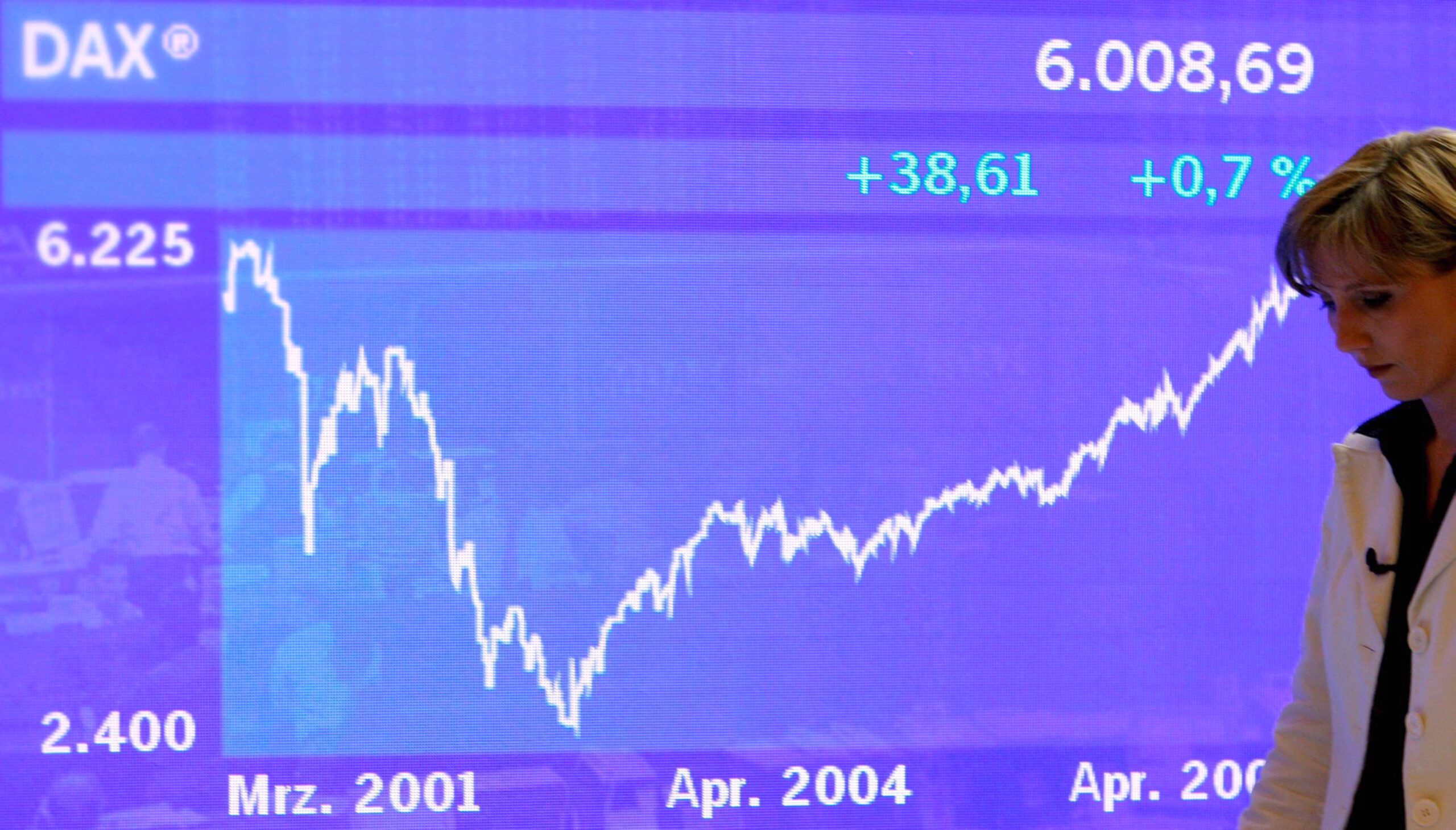
Asia’s growth is threatened by spiraling inflation from higher food and fuel costs, an Asian Development Bank executive warned, and called on governments to tighten monetary policies to deal with the scourge. The Bank is reviewing its growth forecast of 7.6% this year for Asia, excluding Japan, amid concerns inflation will widen income inequality and cause more people to plunge into poverty, said its managing director general, Rajat M. Nag. This comes after Asia’s growth last year hit a two-decade high of 8.7%.

International tourism is undergoing very rapid changes. New traveling habits, an increased awareness of price, short notice and short-term holidays – and the wish for more flexibility and individuality as well as rising energy prices are constantly creating new challenges for the tourism industry. Unpredictable incidents have added to this: terrorist attacks (New York, Bali, Djerbra, Morocco, Egypt, Istanbul, Madrid, London), risks of epidemics (SARS), and regional wars. However, in the future, one factor in particular will affect the tourism industry in the long term: climate change.
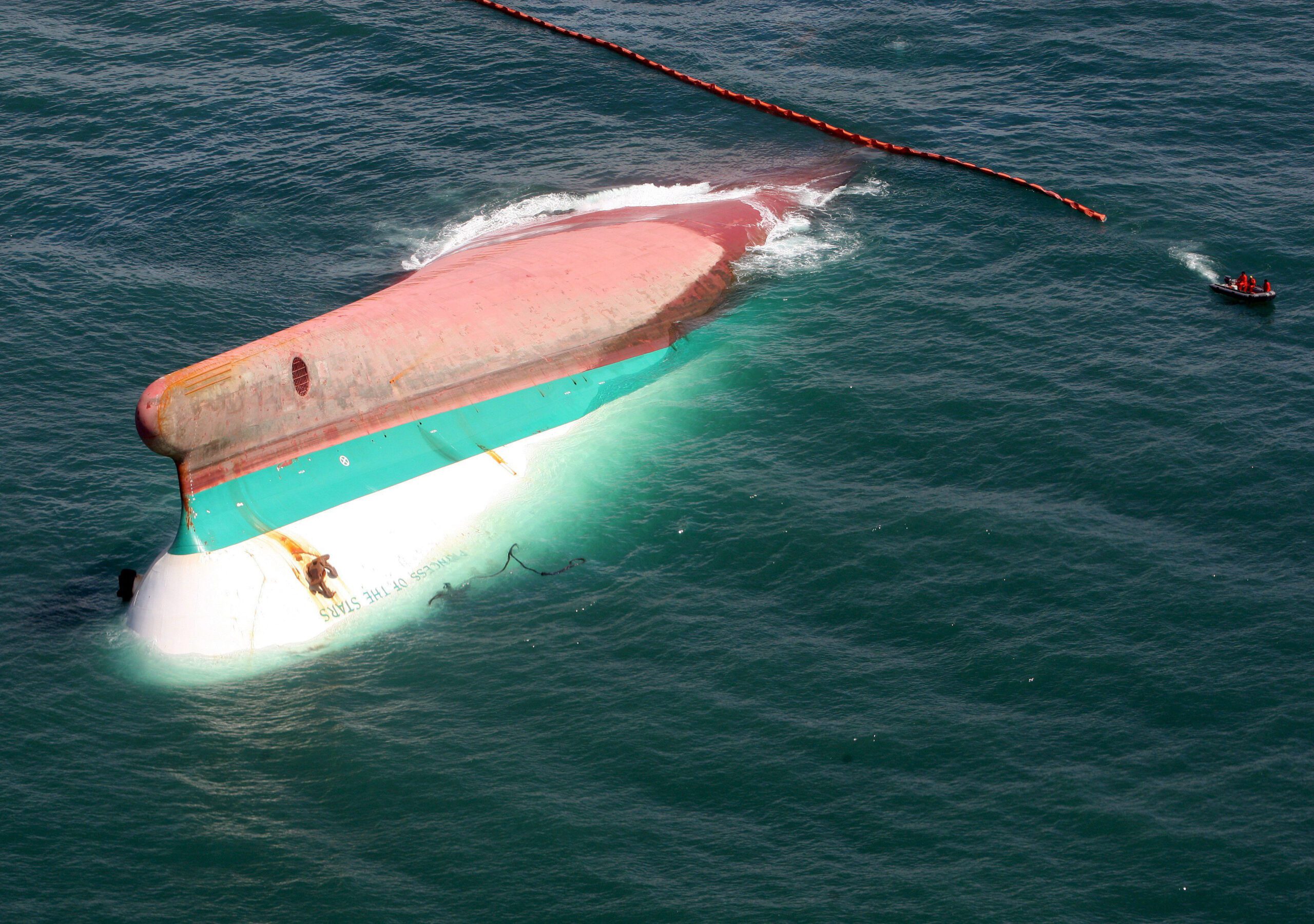
The storm clouds were dark and threatening, weather stations had raised and broadcast danger signals, the radio was announcing the approaching onslaught of “Frank,” or by its official international name “God of the Winds,” a massive typhoon packing 150 kilometer-an-hour wind. And yet, the ill-fated ferry MV Princess of the Stars put to sea with 862 passengers and crew amid treacherous waters from Manila to Cebu City last 21 June.
