World Report
Knowledge Poverty
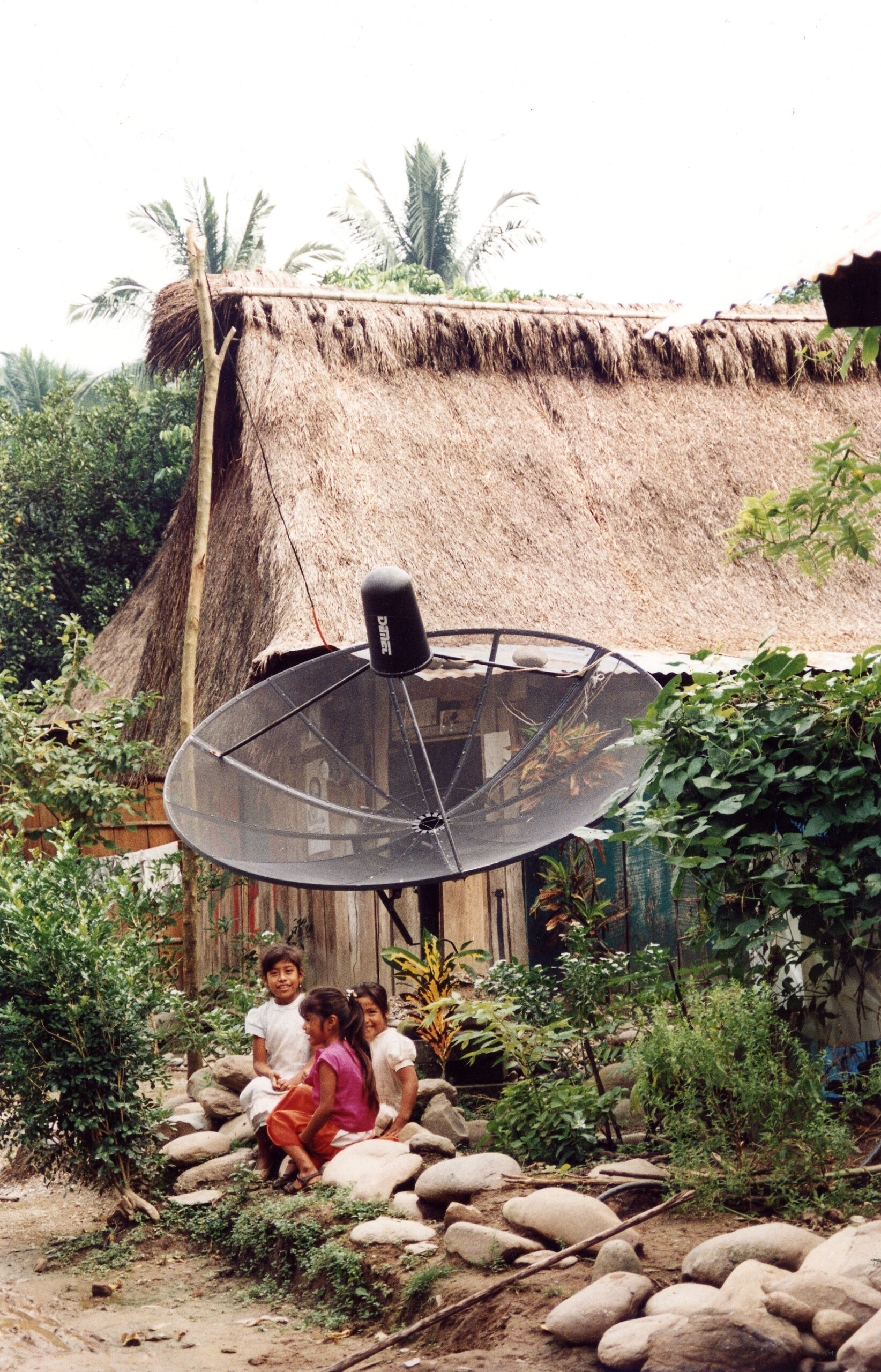
One of the causes of the inequality in Asia is ‘knowledge poverty’ – the lack of information that helps prevent the impoverished from taking part in the economic, social and political processes.


One of the causes of the inequality in Asia is ‘knowledge poverty’ – the lack of information that helps prevent the impoverished from taking part in the economic, social and political processes.
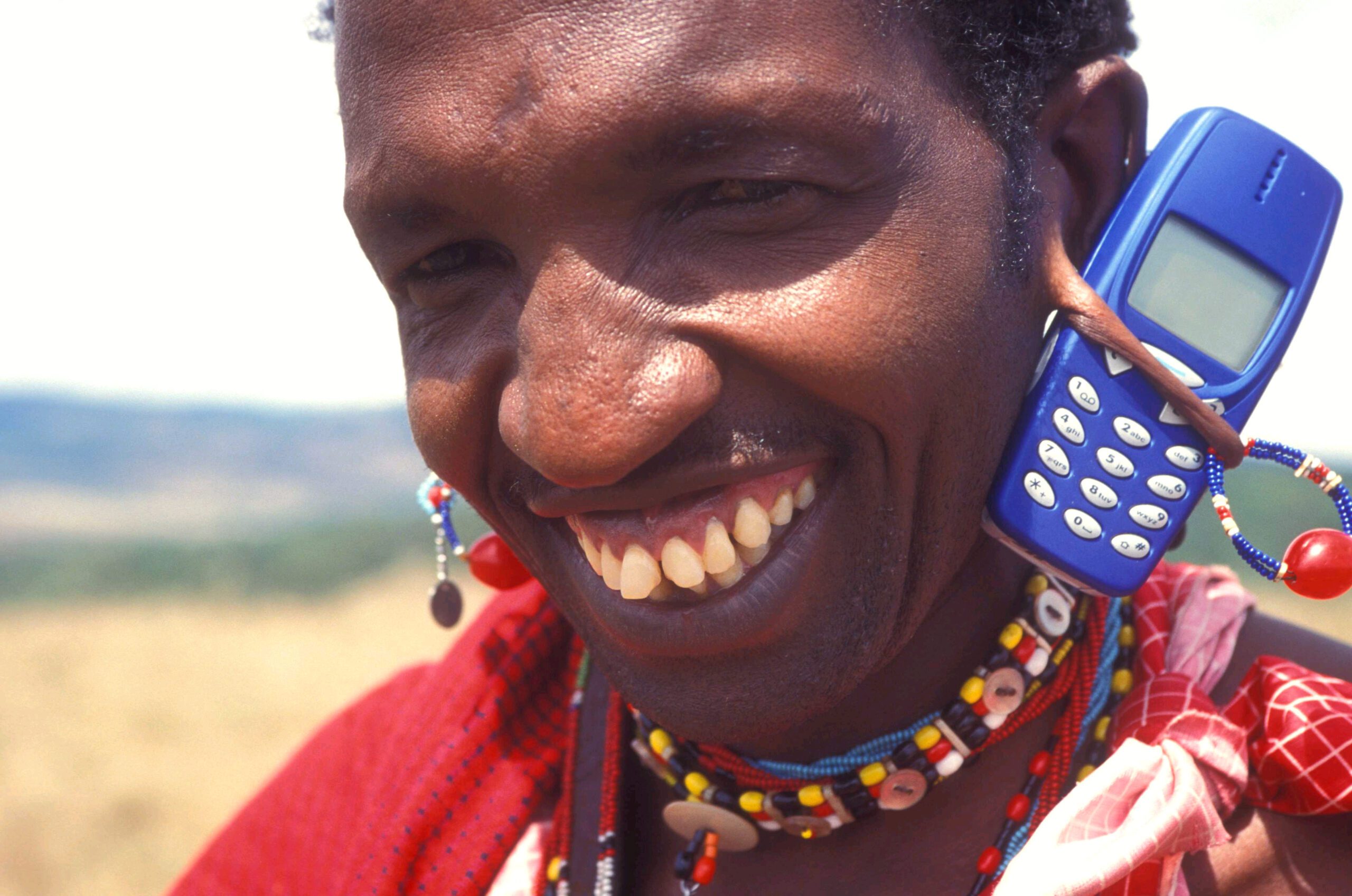
Information is everywhere − at our homes or in the streets; in traditional newspapers and magazines, in television and radio, in the ads or in the web, in our PC’s, laptops or even mobile phones. For the first time in history, we all live in a “global village” where, wherever we are, we can follow a war in the East, an election in the West or a storm or a flood in the South. Almost at the same moment they are happening.
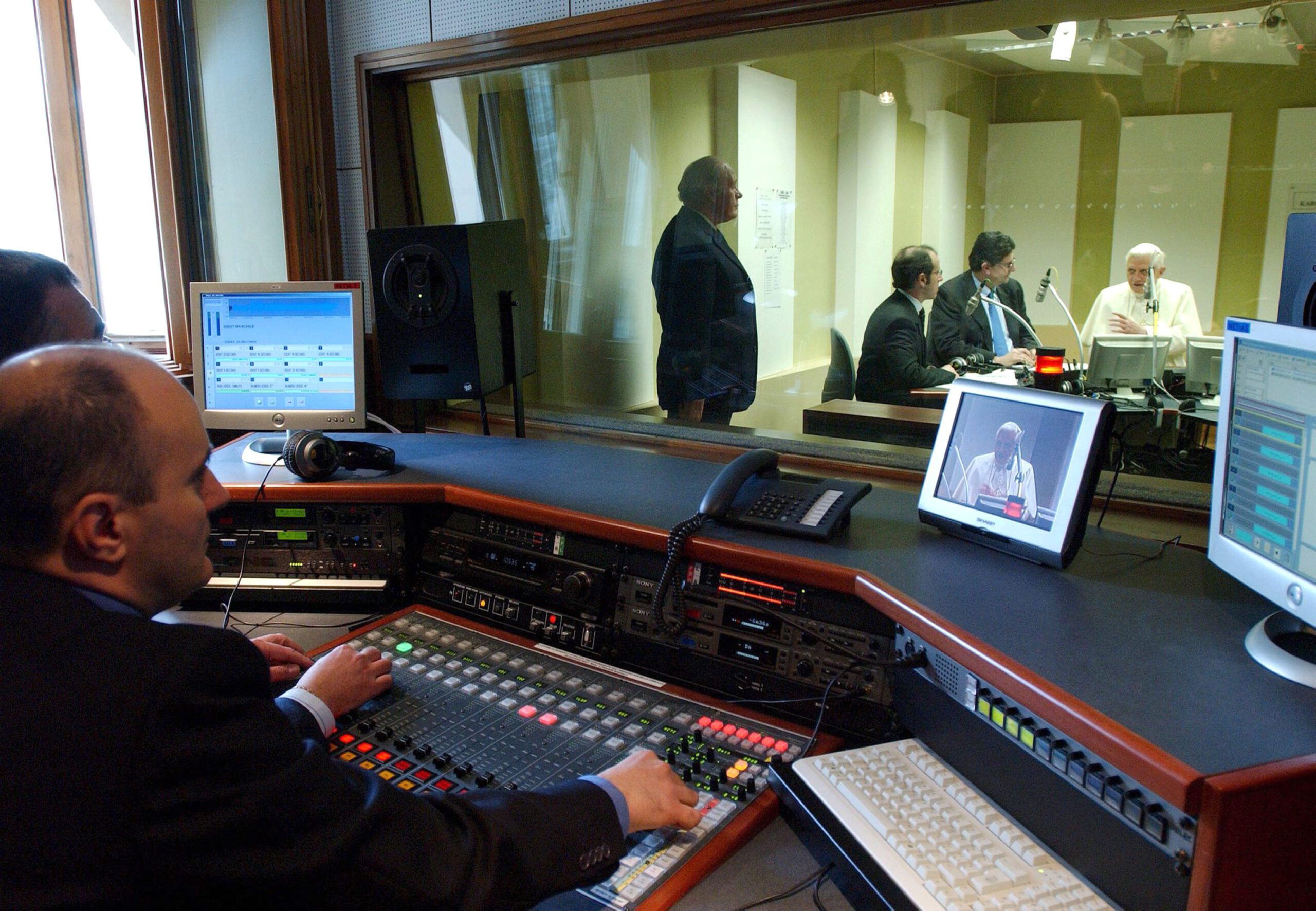
Catholic media – even when they have a wider circulation than secular media – do not seem to have a great impact on society at a larger scale. Why? The answer is simple. Much too often, our media speak to the Church, forgetting to evangelize society. There is plenty to do to reach people where it counts: in their mentality, in their social attitudes, in offering possible alternatives enlightened by the Gospel.

Even recognizing the contribution mass media make to the modern world, Benedict XVI pointed some dangers of their sometimes unrestricted power. And warned: “The media can also present and support models of development which serve to increase rather than reduce the technological divide between rich and poor countries.”
Waseda University in Tokyo is opening Japan’s first graduate school of journalism. The school’s program was patterned largely upon that of Columbia University’s Graduate School of Journalism, in New York (U.S.A.), and similar programs in other schools overseas.
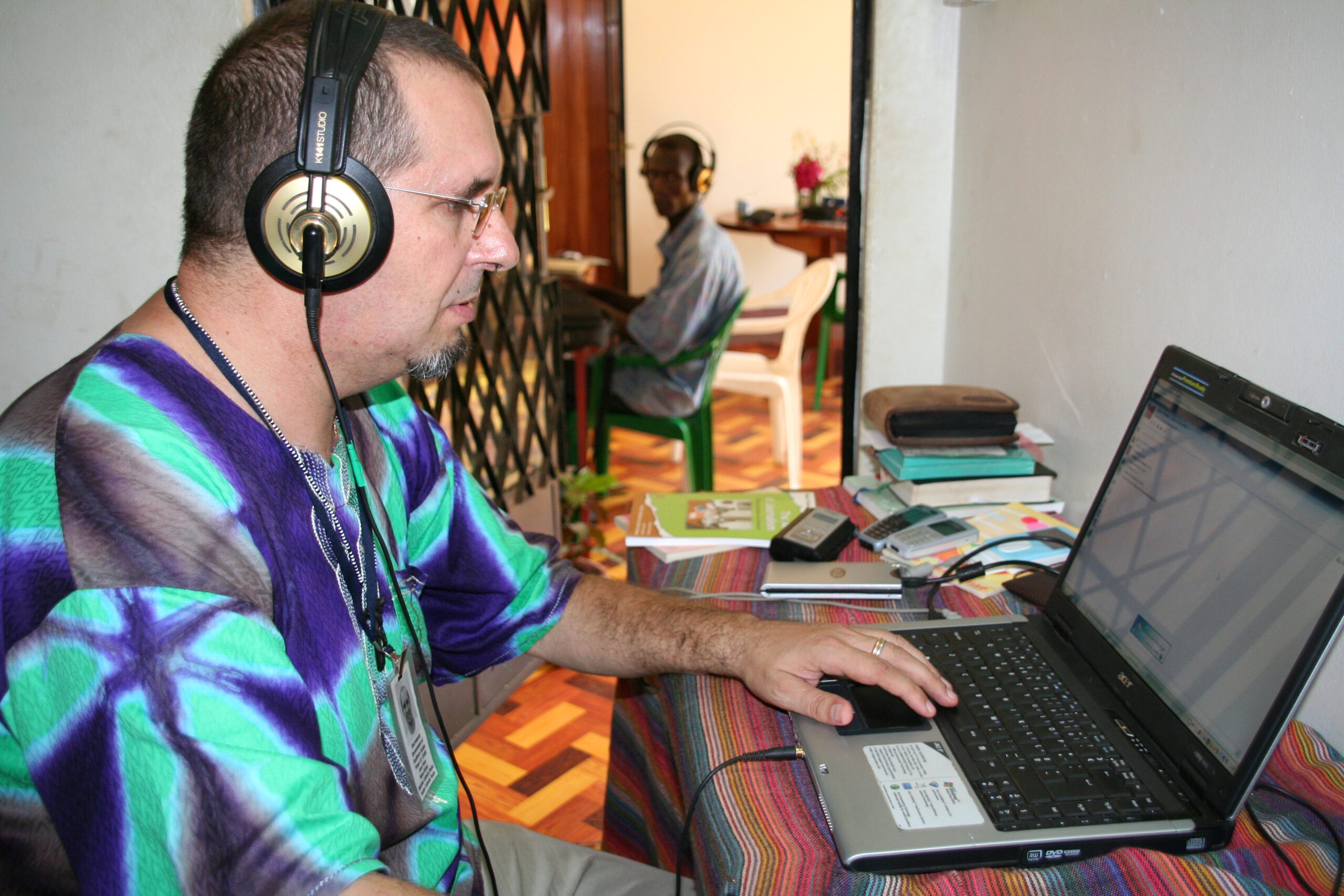
Bakhita Radio, founded by Comboni Missionaries, provides a forum for Juba, the capital of Southern Sudan. Its aim is to promote reconciliation and healing: the region has been at war on and off since the 50’s, even before the country’s independence.
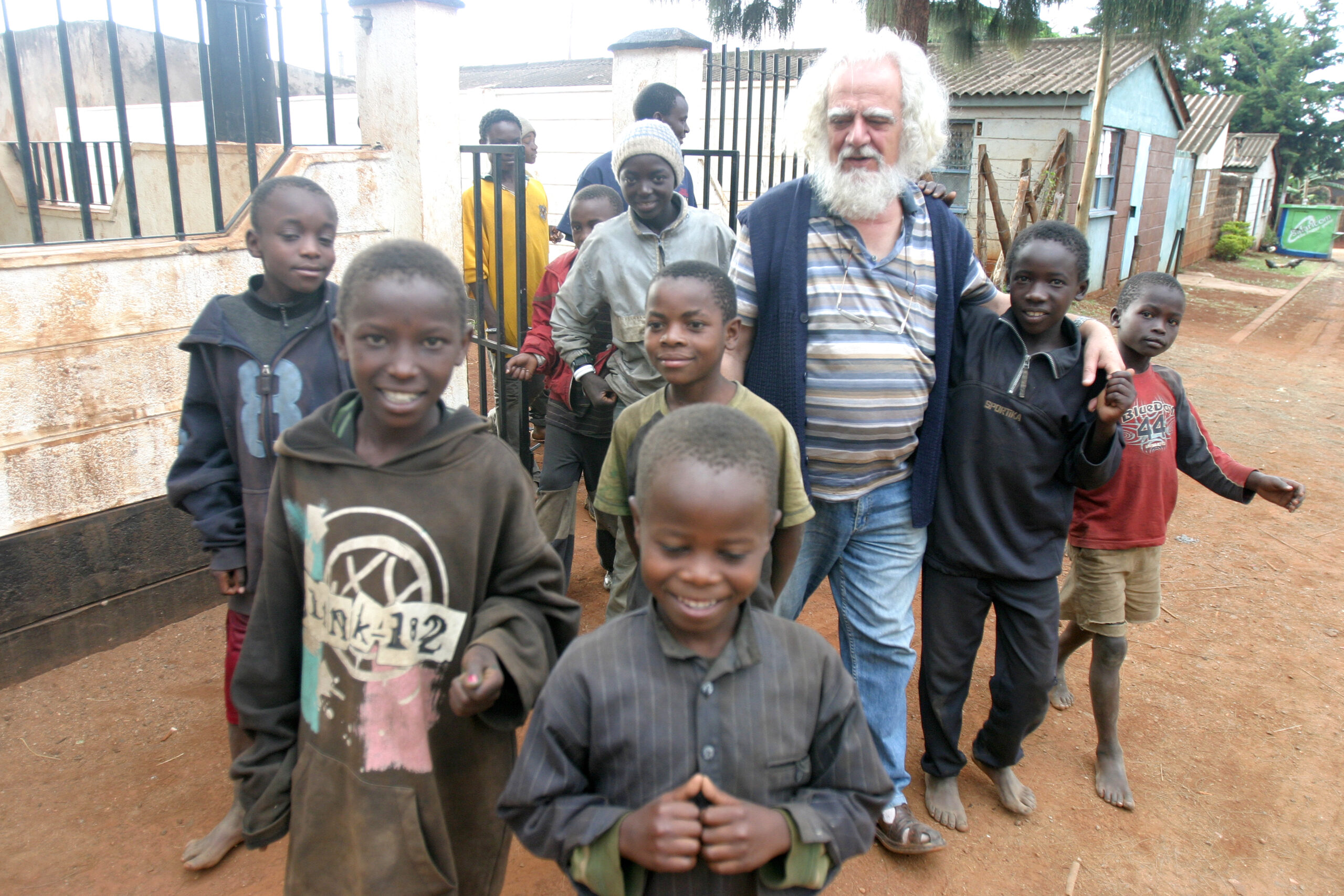
Comboni Missionary Father Renato Kizito Sesana is a communicator. He has edited two magazines, set up a radio station, published a few books and has been collaborating with various publications, radios and televisions. Recently, he became a blogger. But all these activities have always coexisted with field work. His involvement with the media goes hand-in-hand with the causes to which he has been dedicating his life, especially the youth and the street children. His ultimate aim is to make the Gospel relevant in the different circumstances of life.
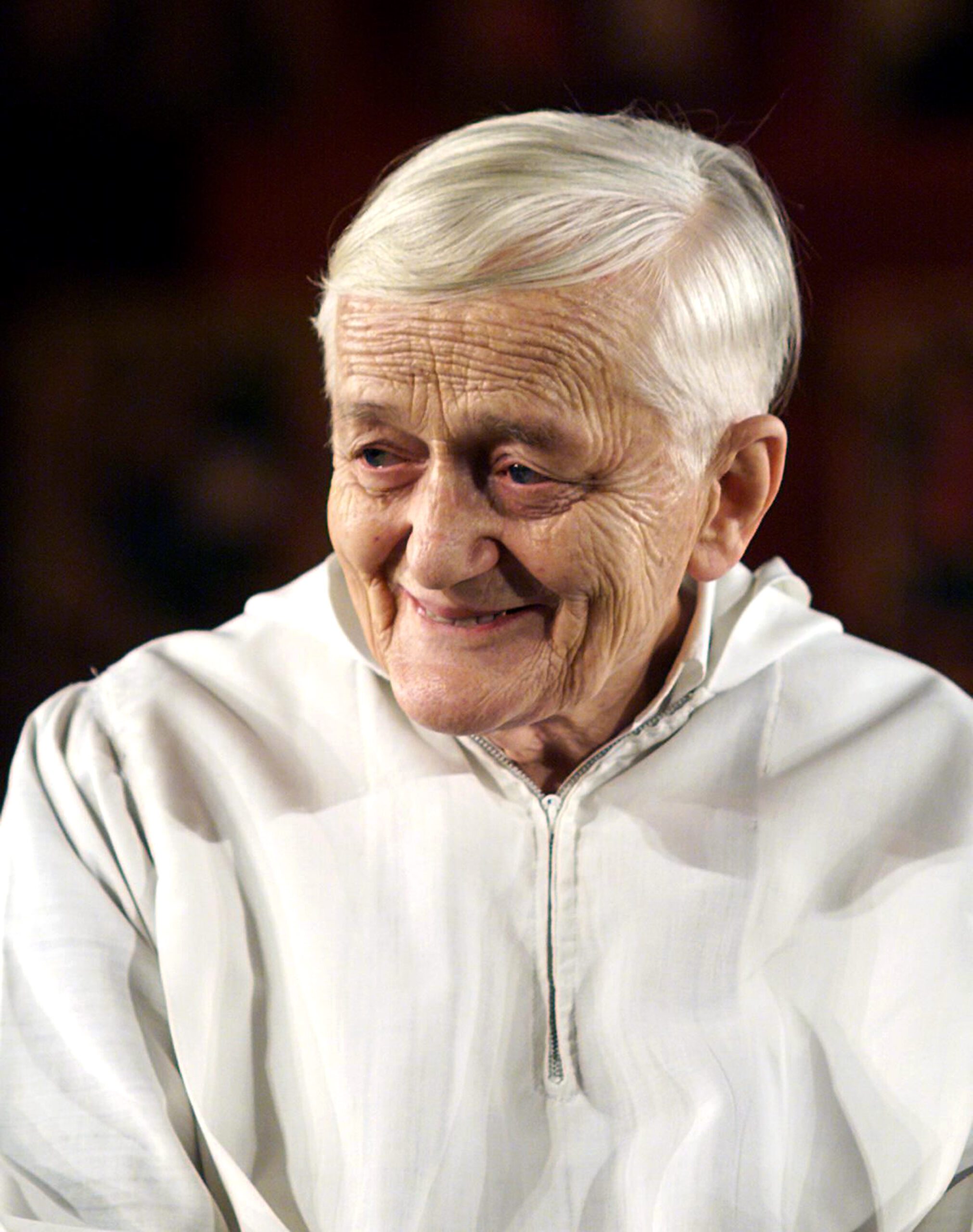
A strange and unexpected tragedy ended the long life of Brother Roger Schultz, the founder of the ecumenical “monastery” of Taizé. An icon to tens of thousands of youth, humble and stubborn, childlike and cunning, mystical and realistic, he was a pioneer in the ecumenical field and never wavered in his self-imposed lifelong mission: to work towards the reconciliation of all Christians.
“You do not know what spirit you are made of.” (Read Luke 9:51-56)
