Editorial
Need of Saintly Politicians
“It is difficult to see how the Church can effectively help the poor when it closes its eyes to injustice, violence and pillage.”


January 2010
“It is difficult to see how the Church can effectively help the poor when it closes its eyes to injustice, violence and pillage.”
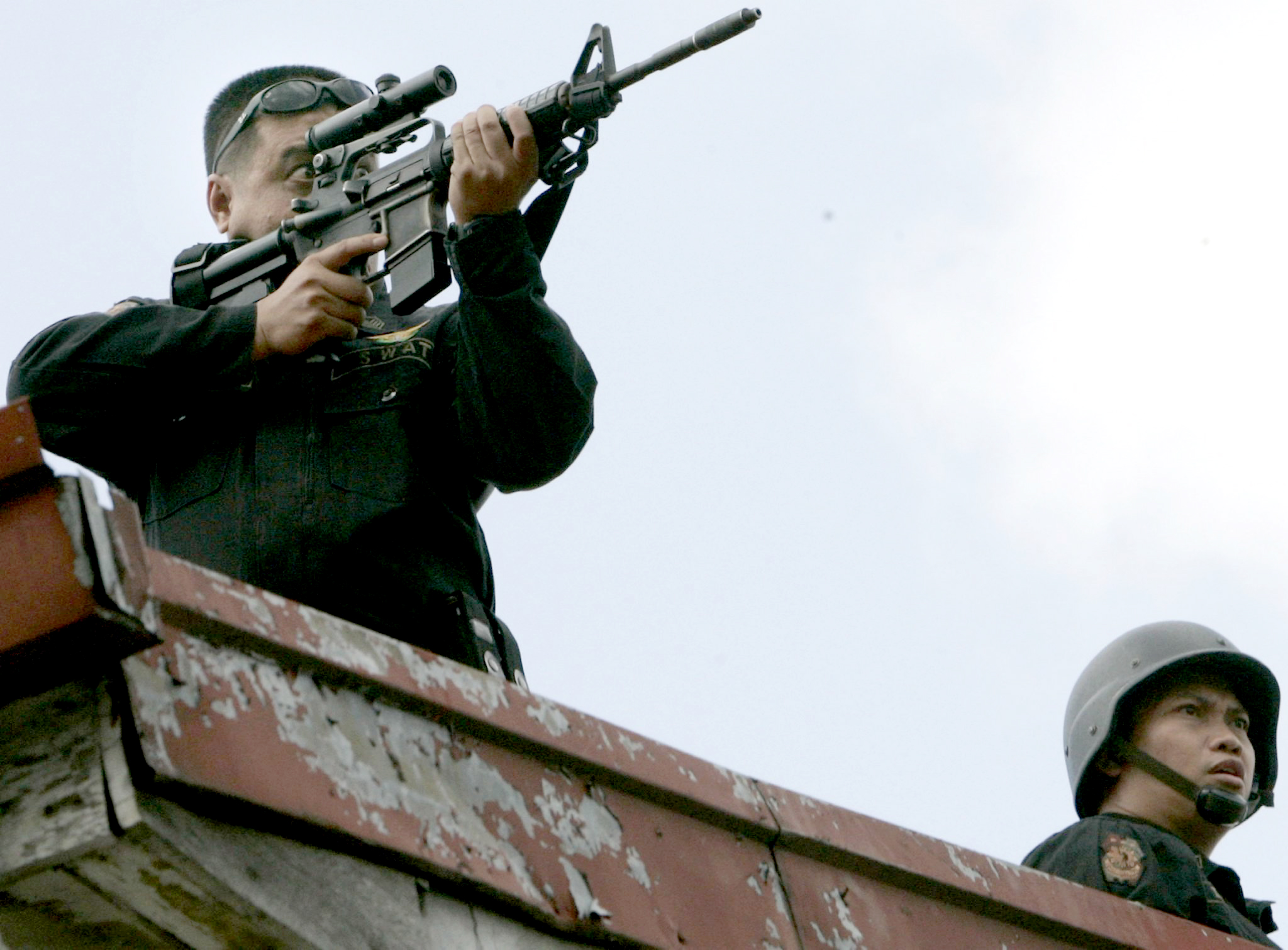
Among civilians in Cotabato and neighboring provinces, there is great fear and indignation at what they call, in Mindanao, “war road”: violence between paramilitary groups and the proliferation of various militia groups. These armed forces belonging to clans with strong political or ideological-religious reference (defined by “Muslim” or “Christian” antagonism), are often manipulated by the interests of powerful men in local areas or by corrupt members of the army.
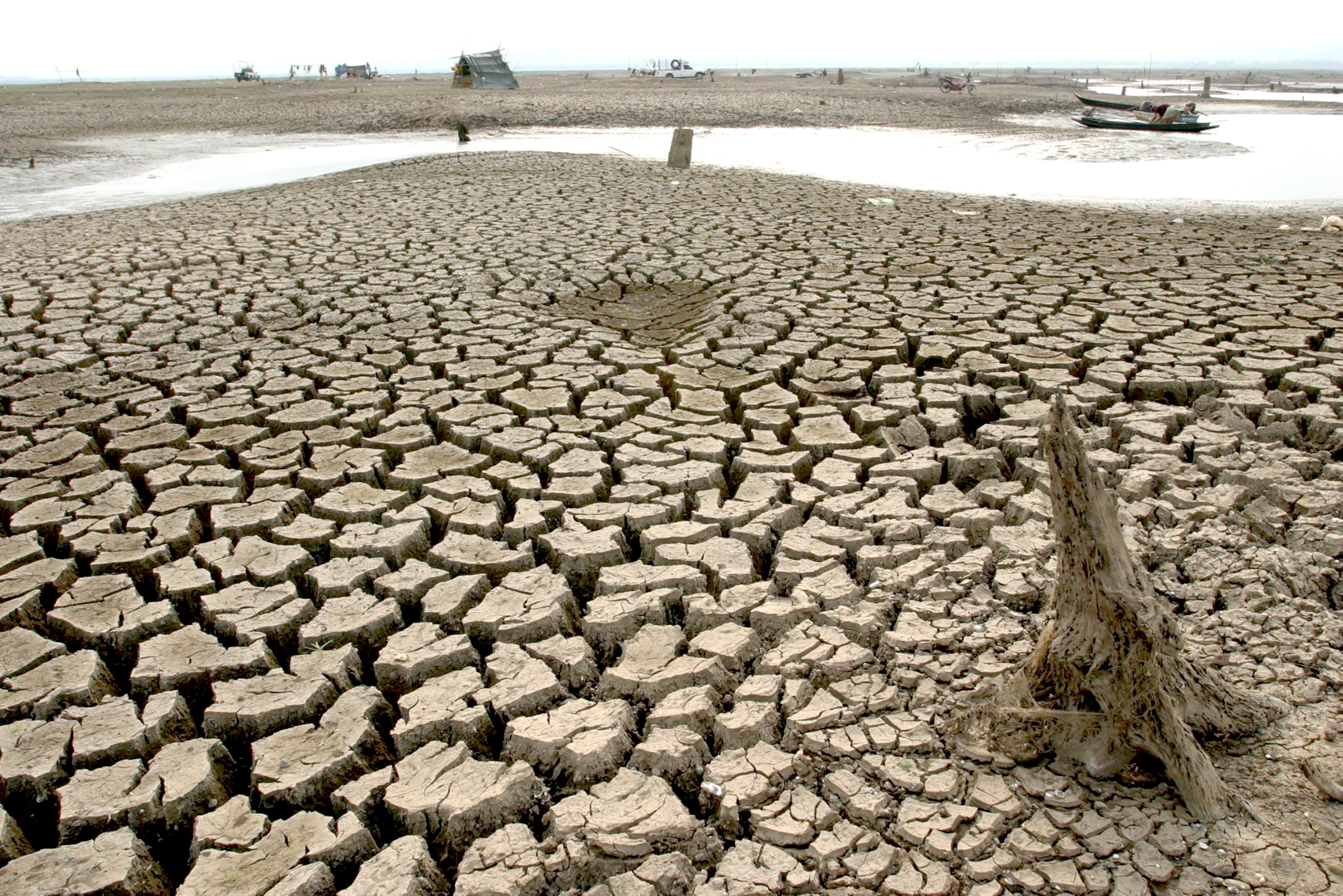
Seven children die of hunger every minute because they do not have access to treatment, but the impact of climate change on the drivers of undernutrition – food insecurity, health threats and water stress – could push up this number, the UN Standing Committee on Nutrition (UNSCN) said at the UN Conference on Climate Change in Copenhagen (COP15).
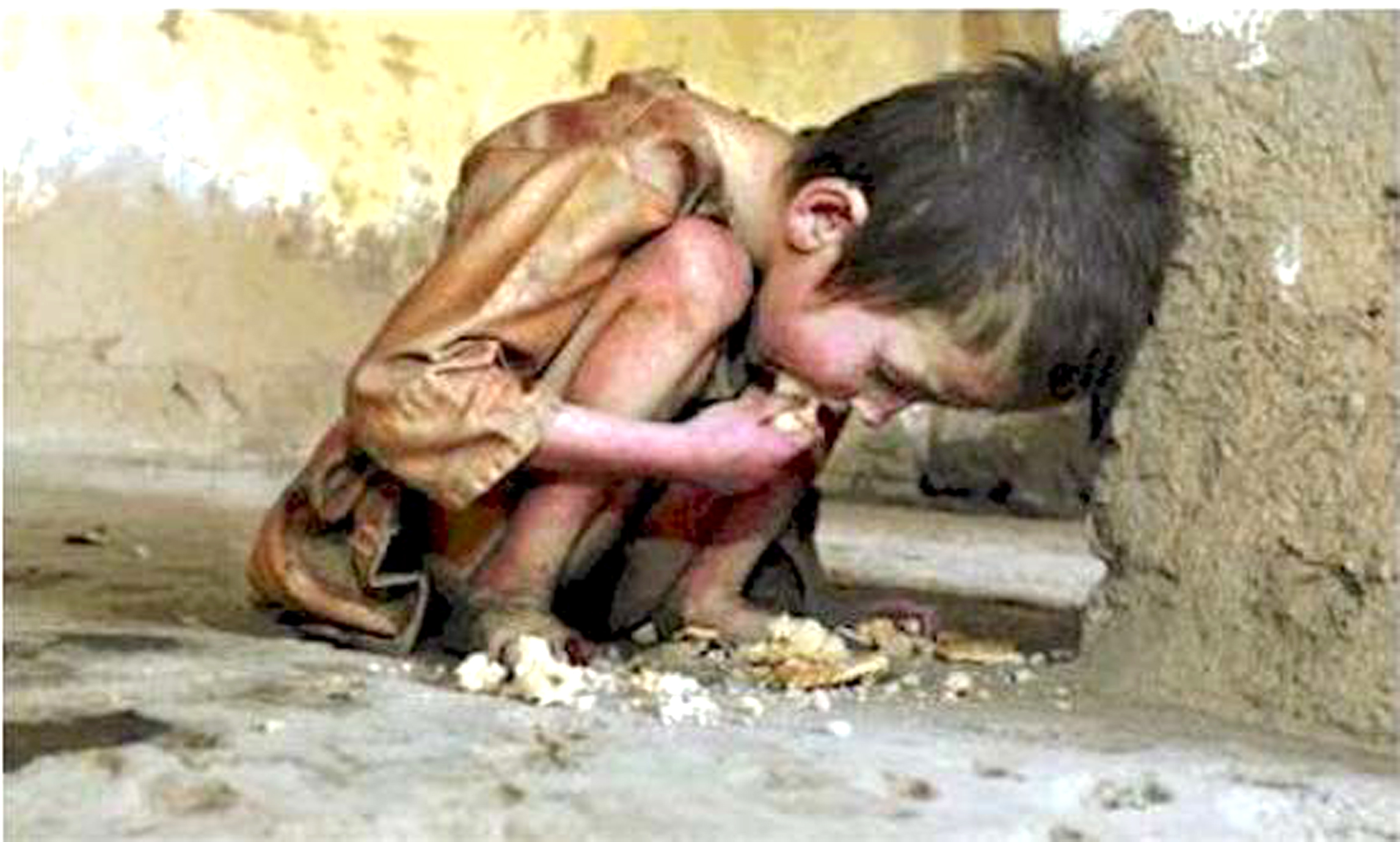
The world celebrated recently the 20th anniversary of the United Nations Convention on the Rights of the Child, approved on 20 November 1989.
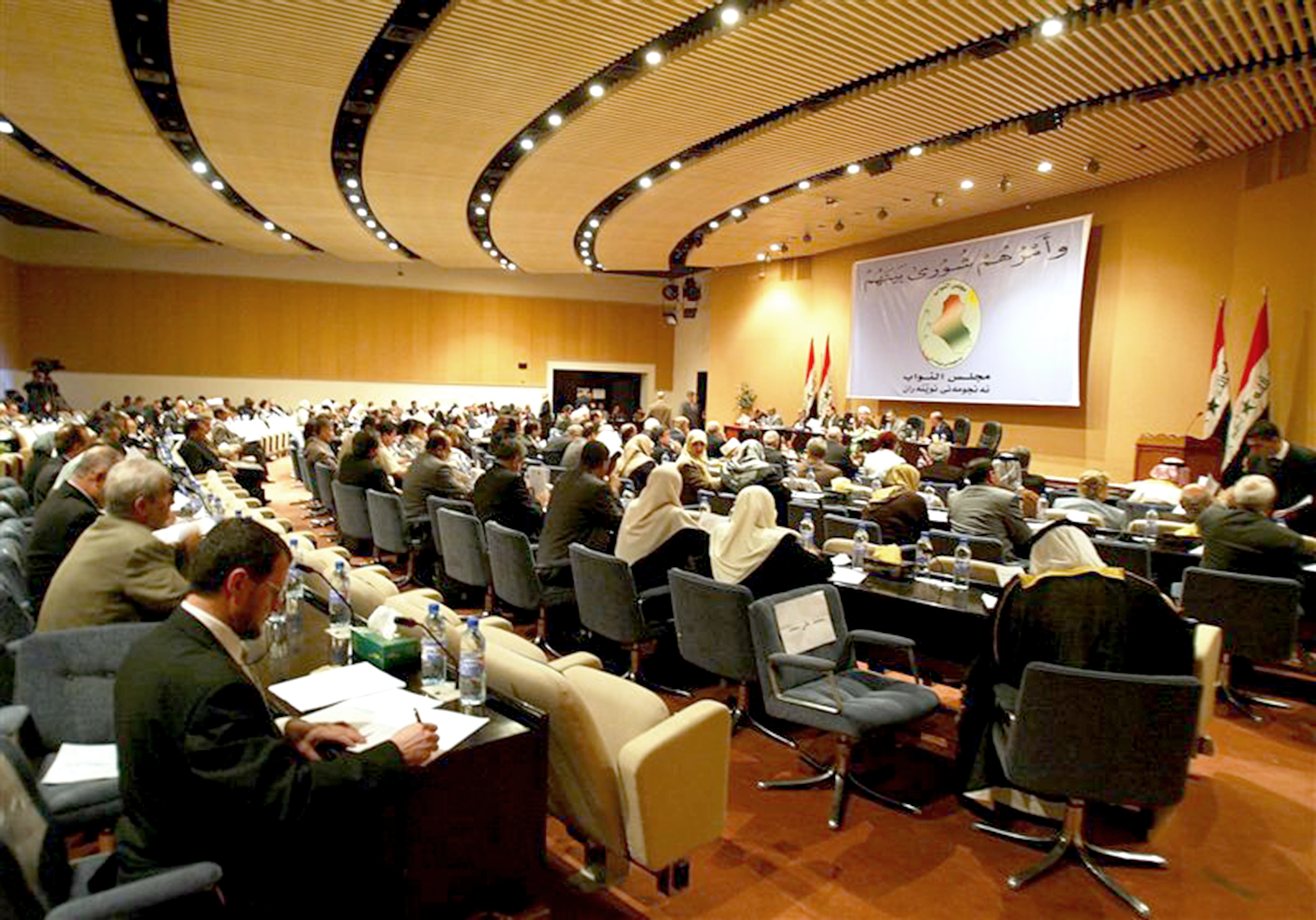
The Iraqi Parliament has approved almost unanimously the new election law, paving the way for the vote in 2010. The green light came during an emergency session that ended shortly before the deadline for an agreement. It should put an end to a period of political deadlock. Sources in Baghdad have called it a “truce” between political factions, but warn that “tension remains high.”
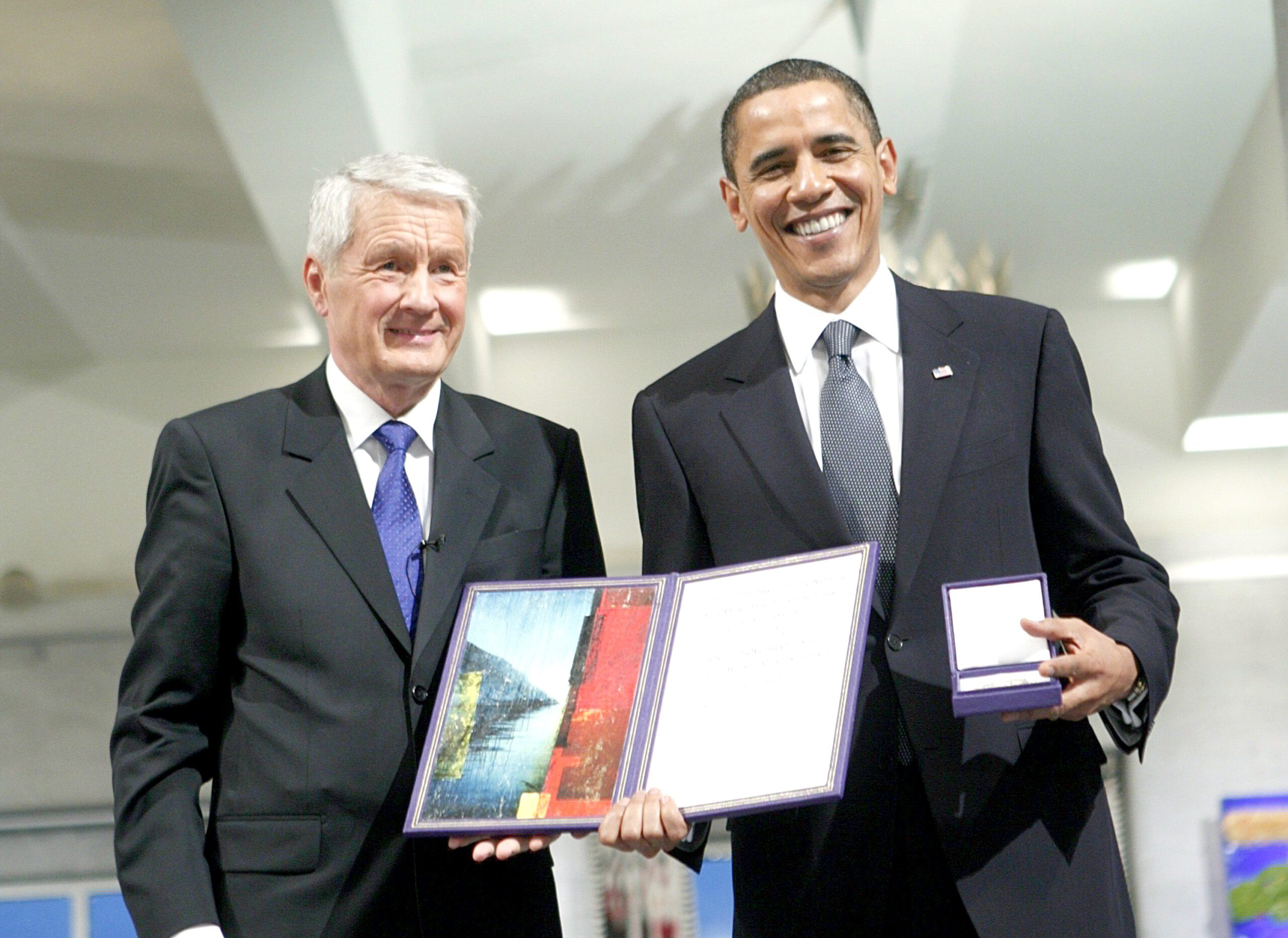
Barack Obama defended America’s involvement in Afghanistan as a just war as he received last December the Nobel Peace Prize in Oslo. Addressing head-on the incongruity of receiving the prize days after announcing a military “surge” in Afghanistan, the US said American forces were in Afghanistan, in a conflict that he did not start.

In 2003, Ms. A paid a job broker to smuggle her from Myanmar into Thailand where she was promised work as a maid in Bangkok. She did not know that the broker had sold her to her Thai employer for five years during which she would be paid no salary, and be effectively a slave in a strange country where she did not speak the language. It would be comfortable to think that Ms. A’s was an isolated case but it is not. Every year, an estimated 2.4 million people are sold into slavery, although today we call the crime trafficking.
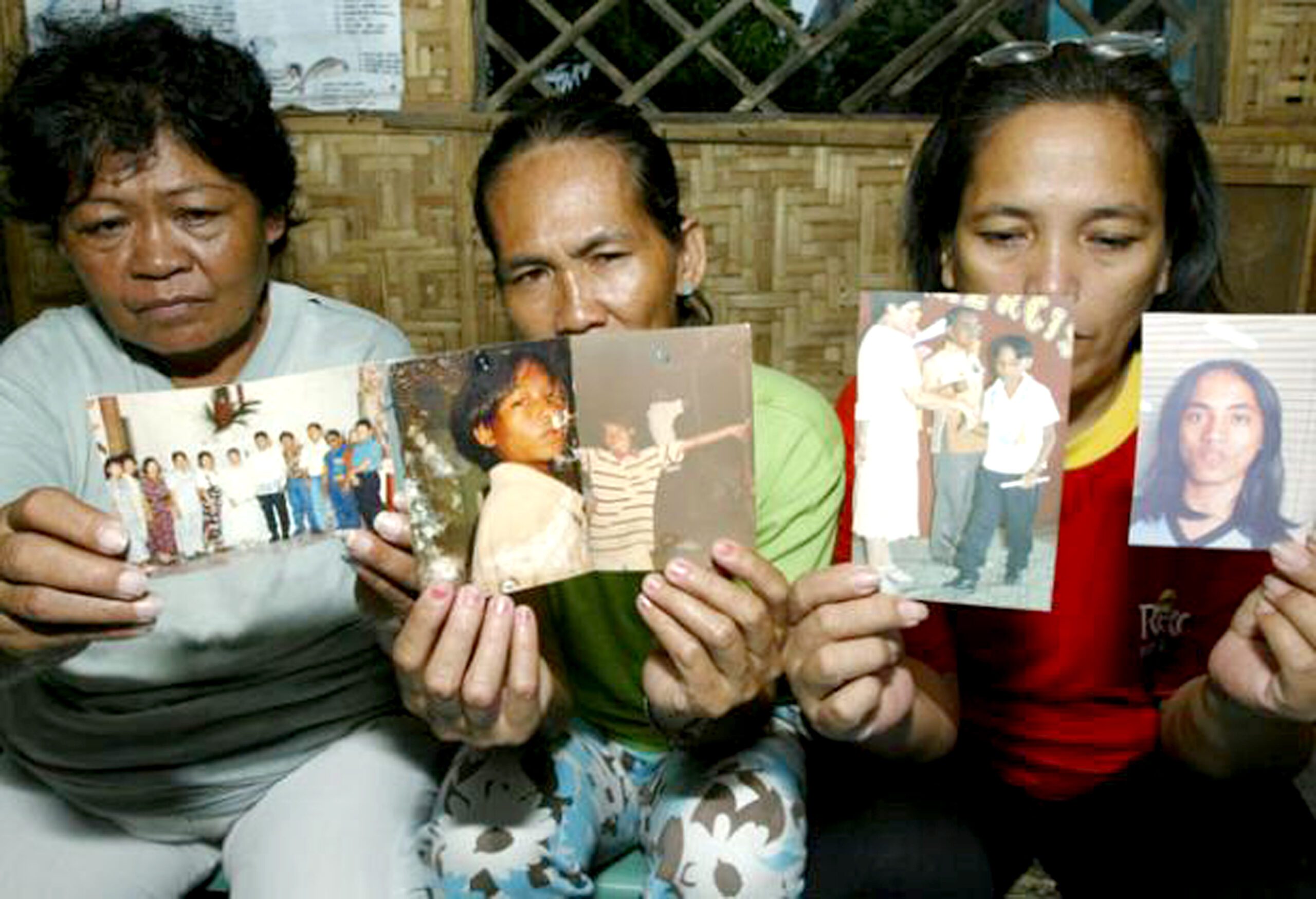
Why would Philippine judges hamper a human rights investigation into a killing field where many human remains are found in Davao, victims allegedly of the infamous death squad? Why would the members of the Commission on Human Rights be charged themselves? Human Rights Watch says local authorities are obstructing the course of justice and investigation into almost a thousand assassinations in the past decade. How can this be in an Asian democracy?
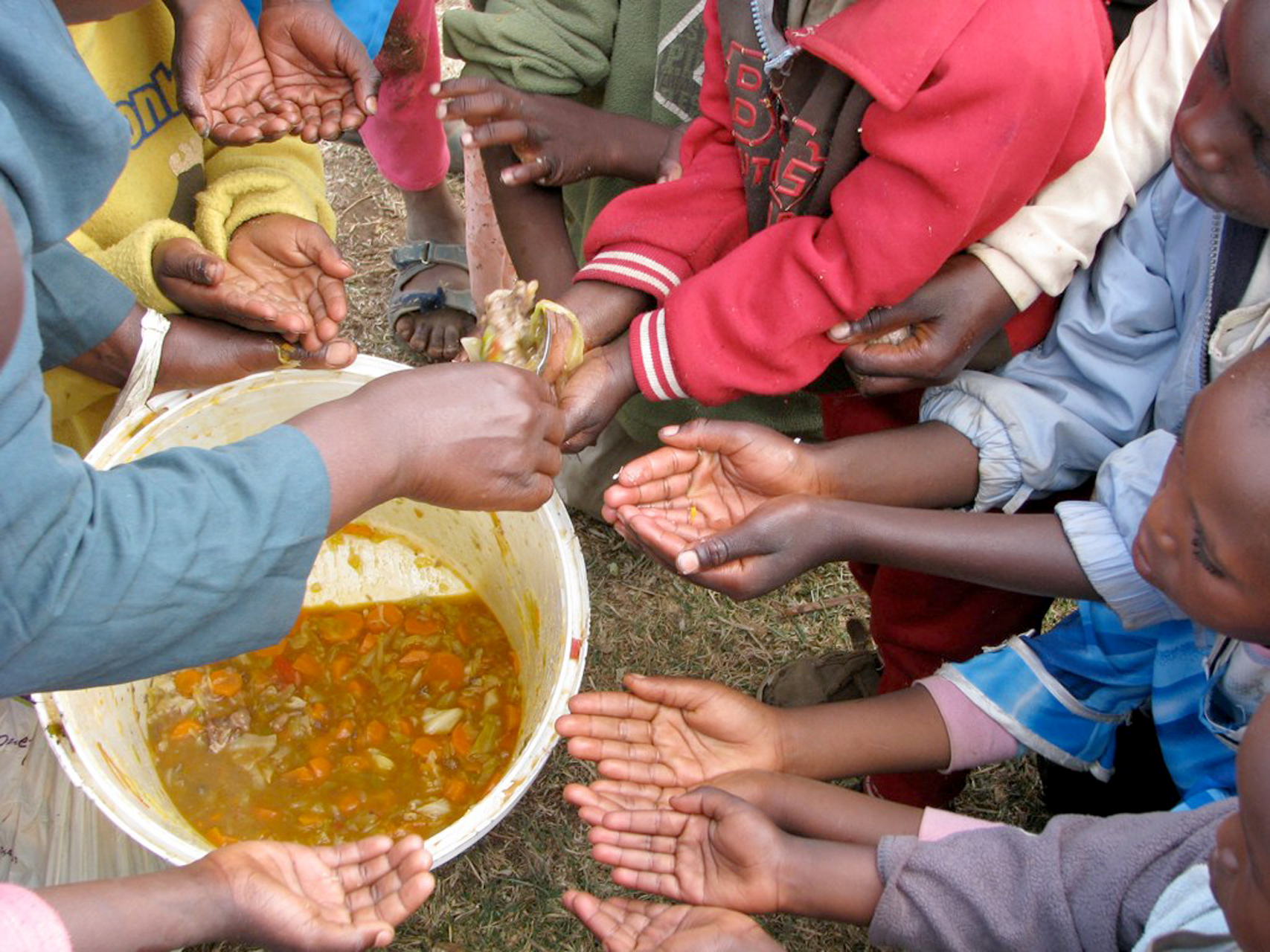
There is no doubt that God wants His people to mirror not only His attention to the poor, the oppressed, the forgotten last, but also His attention to prophecy, that those responsible might hear His voice, change their hearts and contribute to building God’s Kingdom. This is why the Church fosters the awareness of justice and peace among the faithful. The knowledge, understanding and practice of this social teaching can lead to a silent revolution.

We ought to continue our journey of faith by learning ever more about God and the way He wants His Kingdom to grow. The social teaching of the Church is part of this journey, and we are called
to know and make it a part of our lives.
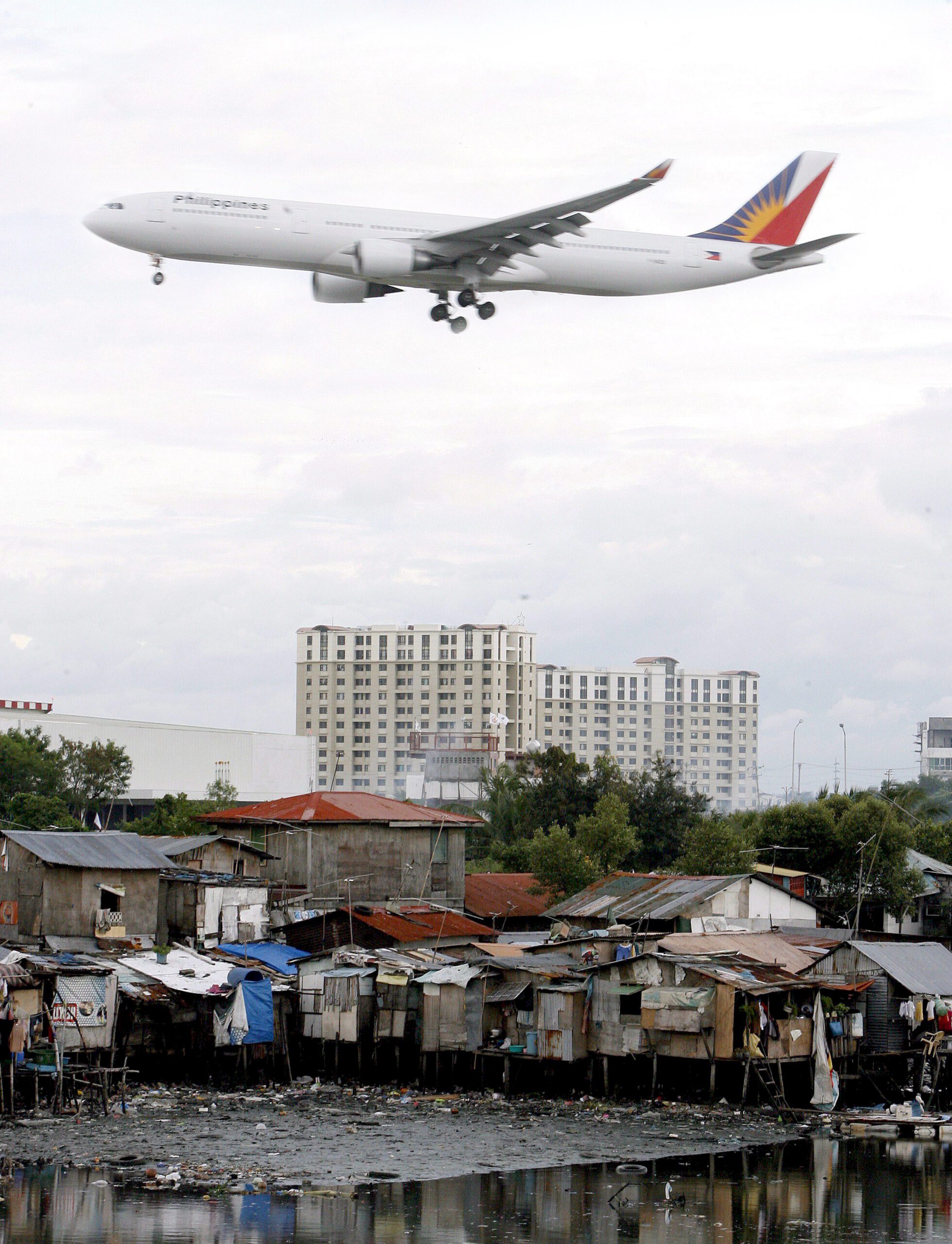
A little reflection will show how far we are, the only Christian nation in the Far East,
from living the Gospel of the Kingdom and incorporating it into the structures of our society. To make the reflection more realistic, one might imagine taking Jesus Christ on a sight-seeing tour. Hear the Lord ask you: “How can it be that a society which calls itself by My name, Christian, can permit such gross inequalities in the distribution of goods which were created for all, such violations of the dignity of human beings made in My image?”
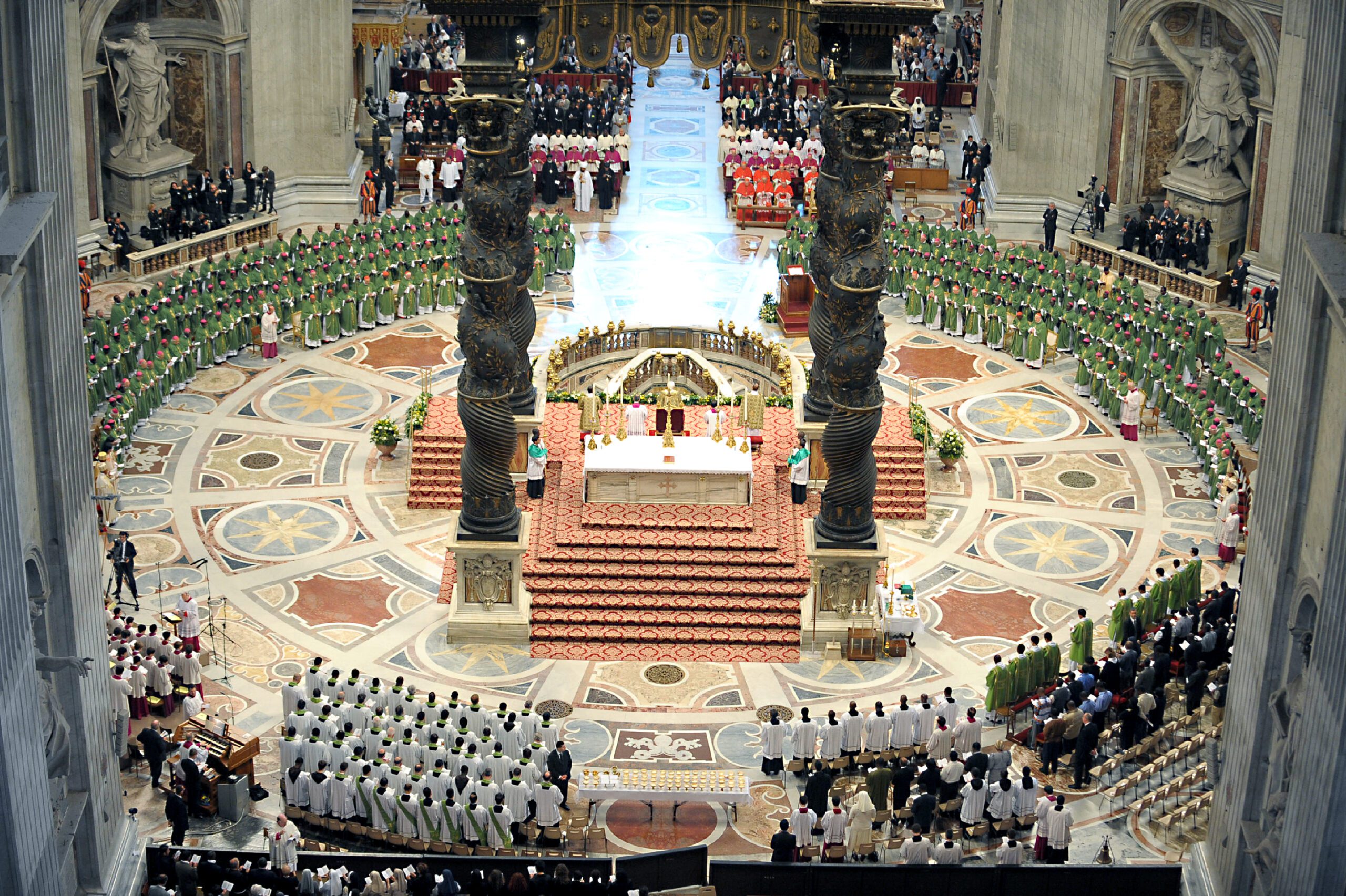
Reconciliation, justice and peace, the main issues of Africa’s public life today, were at the core of the Second African Synod. The Catholic Church has the moral authority and the competence to speak and act about them, especially when considering the dramatic failure of the continent’s states and governments.
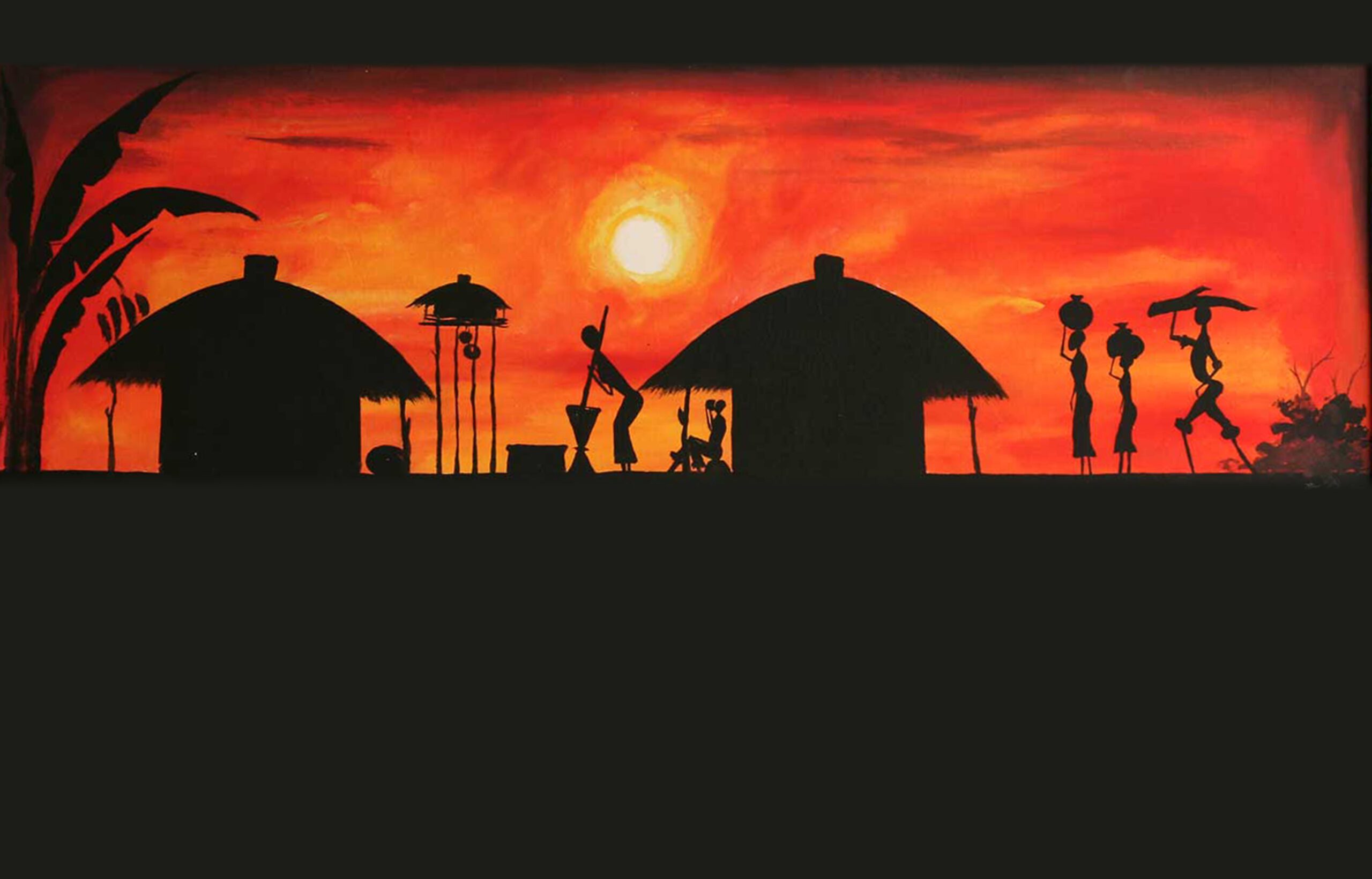
Riddles, like puzzles, are among the oldest forms of human entertainment and of informal education. Through them, socializing and learning are fostered, a vision of the world is inculcated, practices, customs, usages are handed down, together with knowledge about farming, cattle breeding, trades and other forms of human social activities. They foster social cohesion, strengthen the spirit of emulation, spur a keener observation of the universe and of the environment in which a person lives. In Africa, they are a widespread kind of oral art.
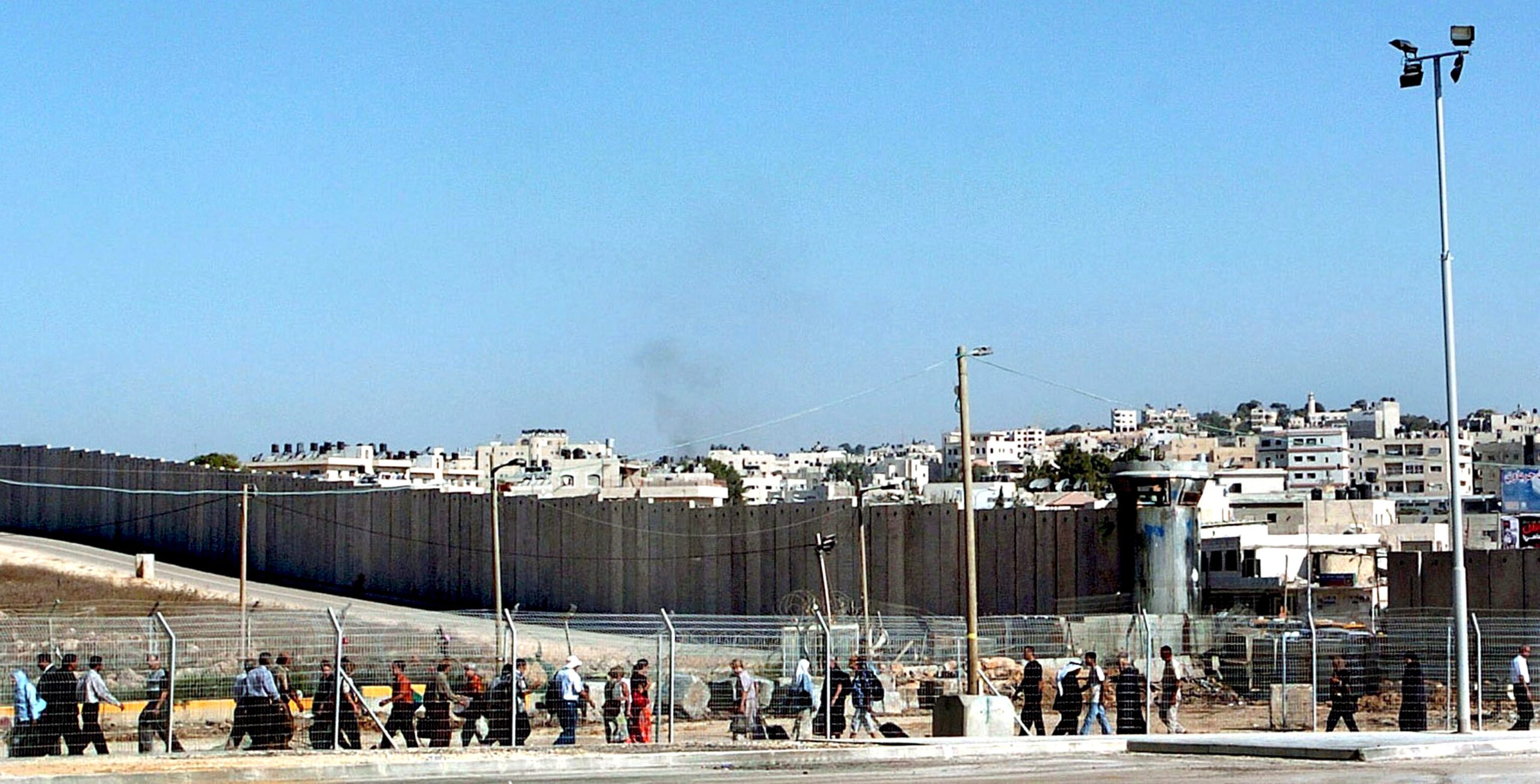
One day, those who attend the Comboni Sisters’ nursery school at Bethany and the many other thousands of Palestinian and Jewish children, who now live in the shadow of the wall of hatred and division, will also dwell in concord and peace – without walls and barbed wires. This is, at least, our dream and our hope.
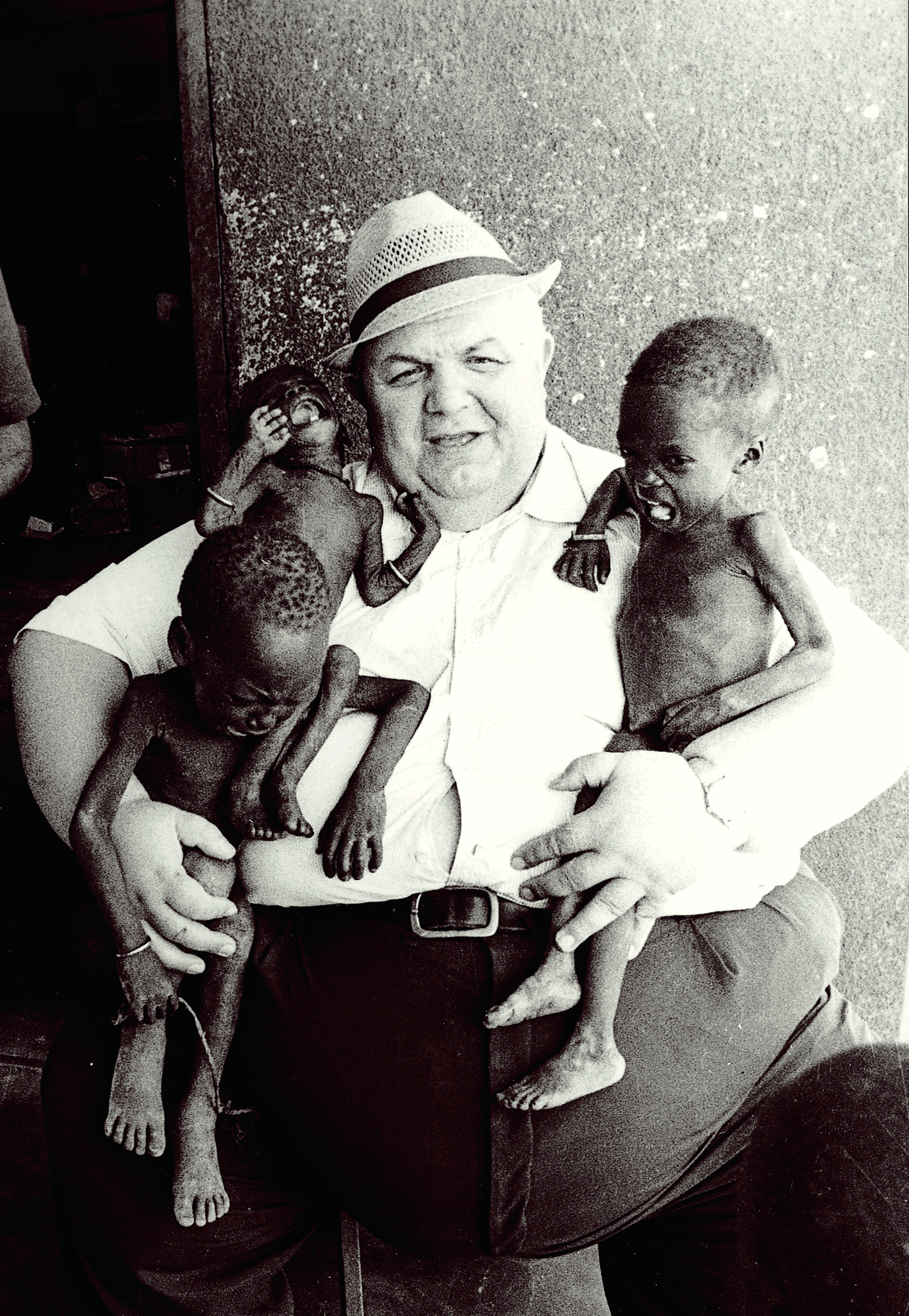
“Those who are hungry are hungry now. Poor people cannot wait.” This was the motto of Vittorione (Big Victor), a successful hotelier turned missionary, who would have liked to sit at table all the starving people of Uganda, to taste the gourmet course of his incredible generosity. Helped by a precarious band of volunteers, he travelled 147 times from Italy to Africa, bringing the poor all kinds of goods until his enormous size got the better of him. He is the founder of “Cooperation and Development,” a lay organization that still continues to help the poor of Uganda, 15 years after his death.
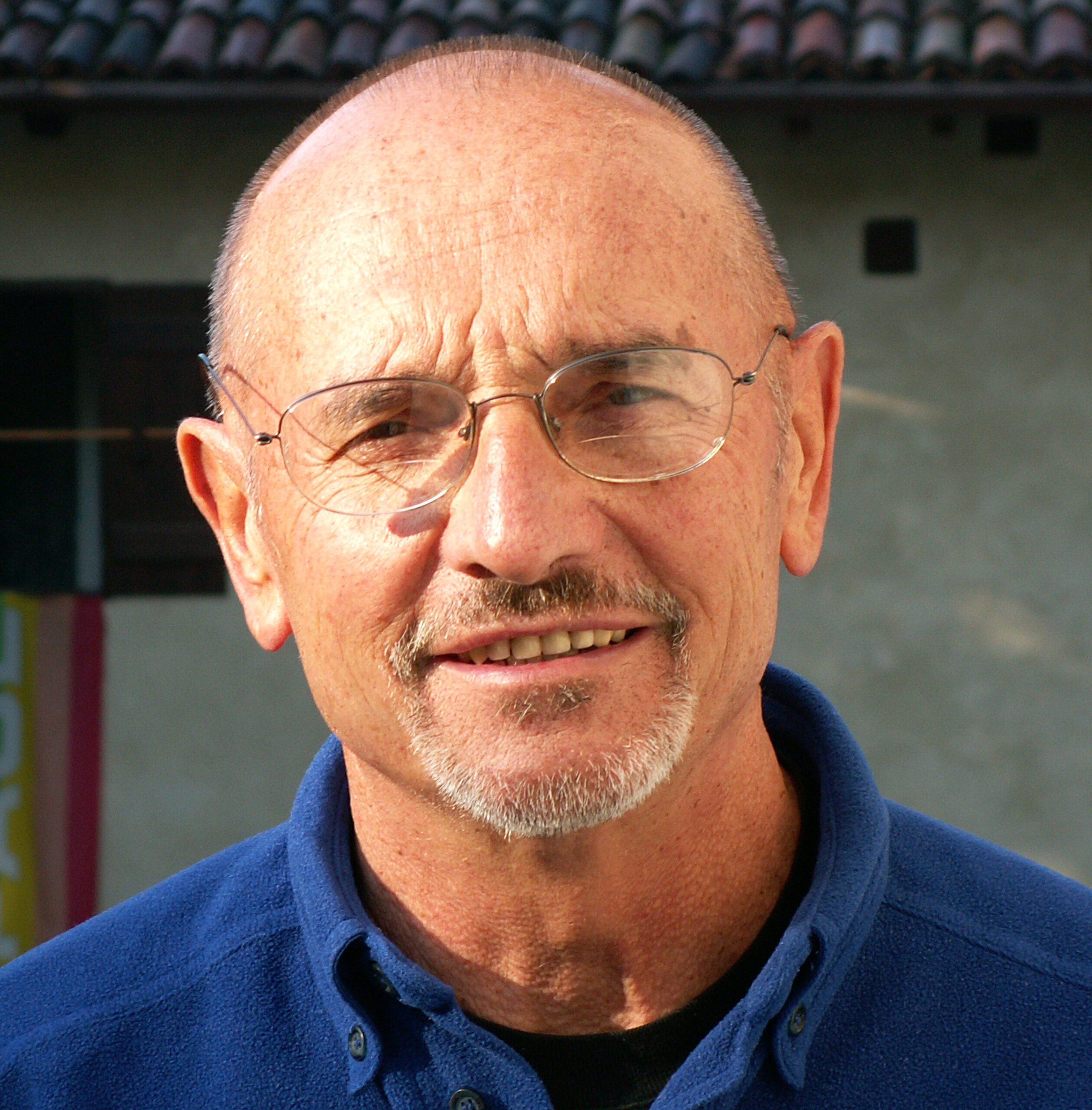
“After this the Lord appointed seventy-two others, and sent them on ahead of Him, two by two, into every town and place where He Himself was about to come.” (Read Luke 10:1)
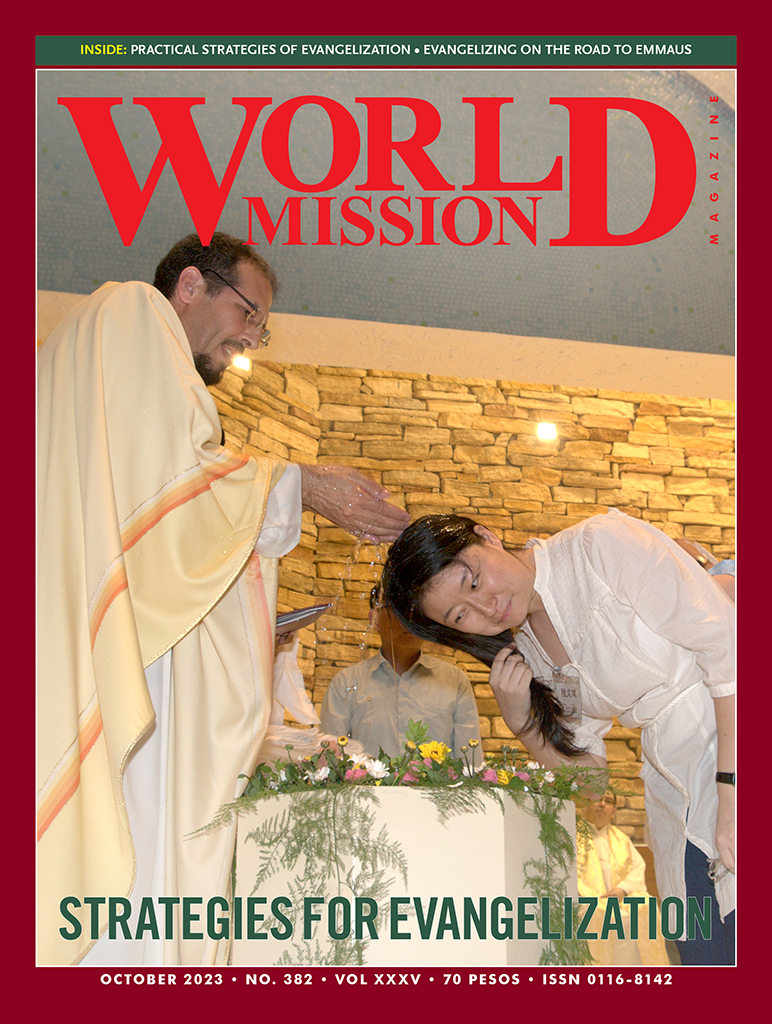
October 2023 Issue
The latest issue is reserved for paying Subscribers only.
