
Category: In Focus

The Apostolic Church

The apostolic Church. Where does this particular word come from? The word itself cannot be found in the texts of the Bible, but what we mean by it certainly comes from the very person of Jesus, from His words and deeds and, of course, from the teachings and the actions of His Apostles.  Already in the first decades of the life of the early Christian communities, people started using this word to speak about the Church and its members. For the very first time, we also find the word ‘apostolic’ referring to the Church in a letter written by Saint Ignatius, bishop of Antioch in Syria, to the Trallians while he was on his way to Rome where he suffered martyrdom, killed by the beasts, probably in the Coloseum in the year 107. The second time we find this word is in the Martyrdom of Polycarp. Here, Polycarp himself is called ‘apostolic.’ He was the bishop of Smyrna until around the year 155. (Smyrna is today called Izmir, a city on the west coast of Turkey.) The most important reference to this term is in our Creed which was decisively shaped in the Council of Nicea (325) though, at that time, the text ended with the words.. “and (we believe) in the Holy Spirit.” The part that we continue to recite today: “… the Lord, the Giver of Life, and in the one….. apostolic Church…” was officially included there by the Council of Constantinople in the year 381, though the council fathers probably took the words from an earlier document written around 374 by Epiphanius, bishop of Salamis on the island of Cyprus.     ‘Apostolic’ in the New Testament The word is not there, but those who began to use it certainly did so to say that both what we believe in, as Christians, and also much in our way of living, as a Church, certainly come from Jesus and His Apostles. We could say that the first ‘apostolic person’ in the New Testament is Jesus Himself. The word comes from the Greek verb apostellein which means to send. We remember, at once, that Jesus used the words of Prophet Isaiah to introduce Himself to His contemporaries in the synagogue of Nazareth – precisely as the One who has been anointed by the Spirit of God and sent (Lk. 4:18). The idea that He was sent by the Father is clearly seen as the main motivation behind everything that Jesus said and did. No wonder that the author of the Letter to the Hebrews will call Jesus ‘Apostle and High Priest of the faith that we profess’ (Heb. 3:1). But Jesus is not the only one sent. From the very beginning of His mission, He extended to His disciples this fundamental dynamics of His own intimate life: “As the Father sent me, so I’m sending you” (Jn. 20:21). After His death, His every appearance to His disciples ends with words or gestures that send them (e.g. Jn. 20:17–18). And His

The Apostolic Church

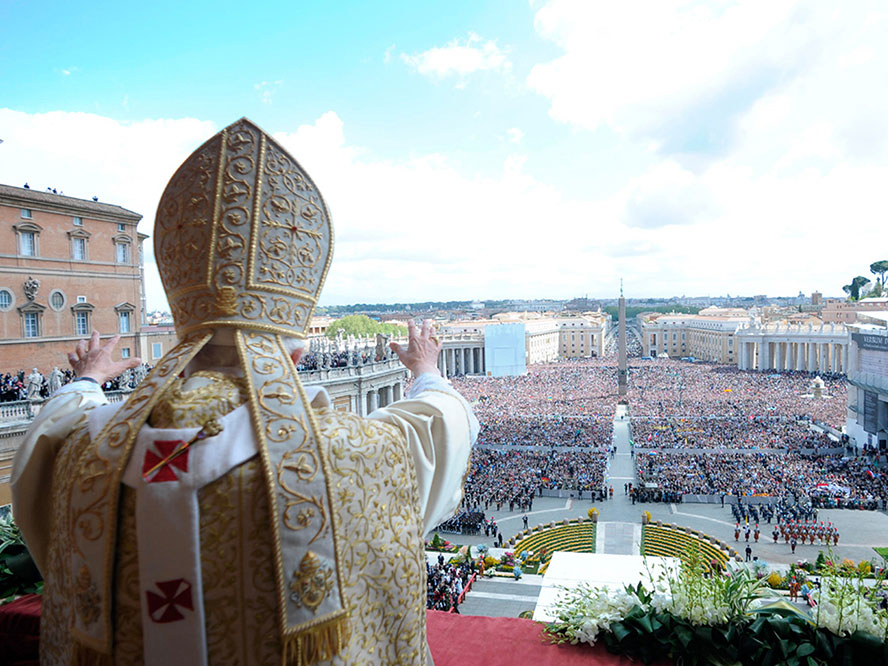
The adjective ‘apostolic’ is one that we specifically use about the Church. It is, in fact, one of the four words (one, holy, catholic and apostolic) that Christians, down through the centuries, have always used to say what we basically believe about the identity, the life and the mission of the Church.

In Focus

The Catholic Church

Fortunately, it is God Himself who looks after the Church making sure that she remains catholic and continually sends the Holy Spirit upon us to cultivate the ever–growing variety of ecclesial expressions of Christian life while, at the same time, ensuring that a truly universal communion among all grows deeper and develops at the same speed.

In Focus

The Highest Level of Living

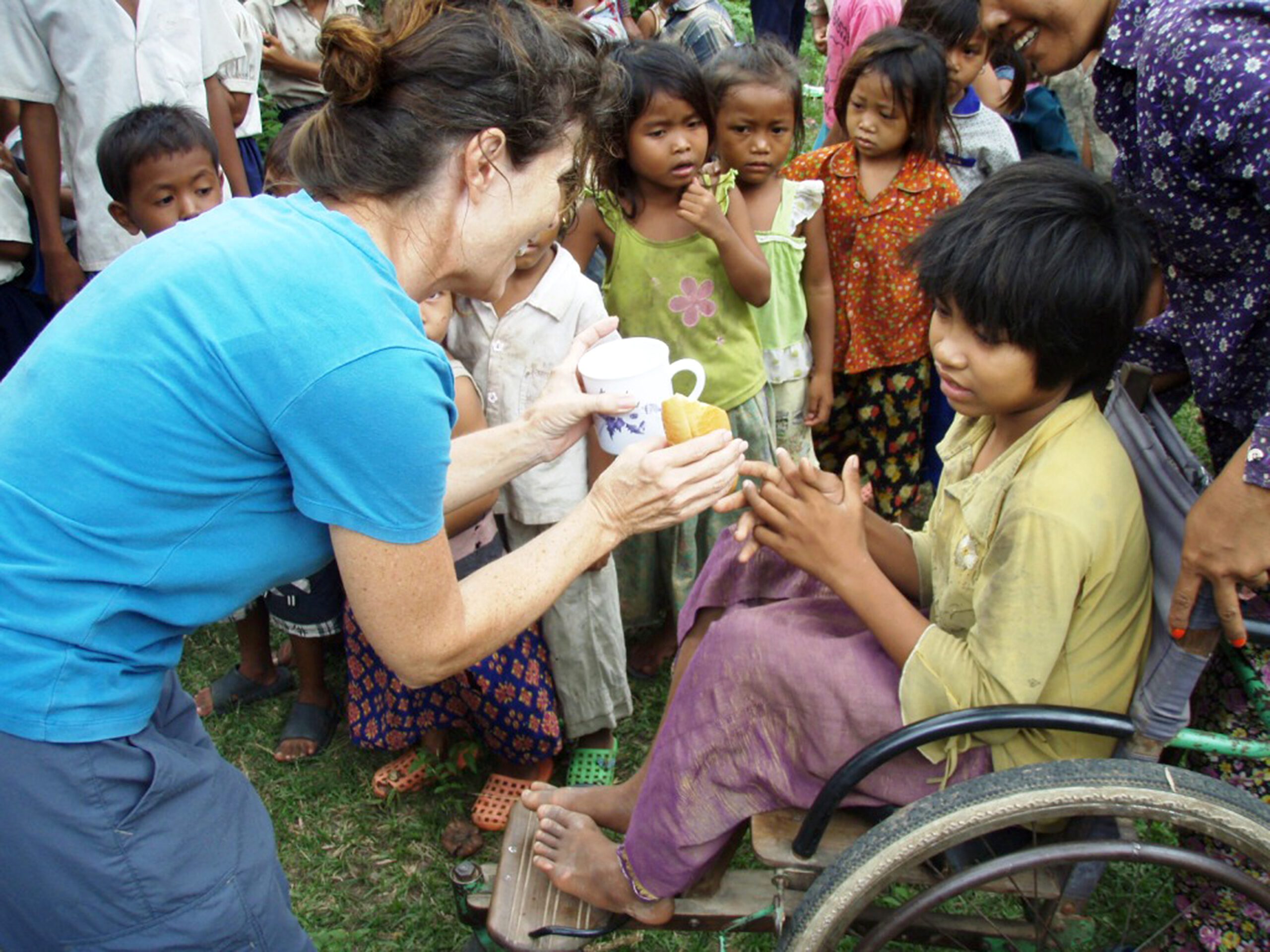
“Giving,” Maxwell believes, “is the highest level of living.” Duane Hulse puts it in another perspective, “We make a living by what we get; we make a life by what we give.”

In Focus

Chosen by Allah

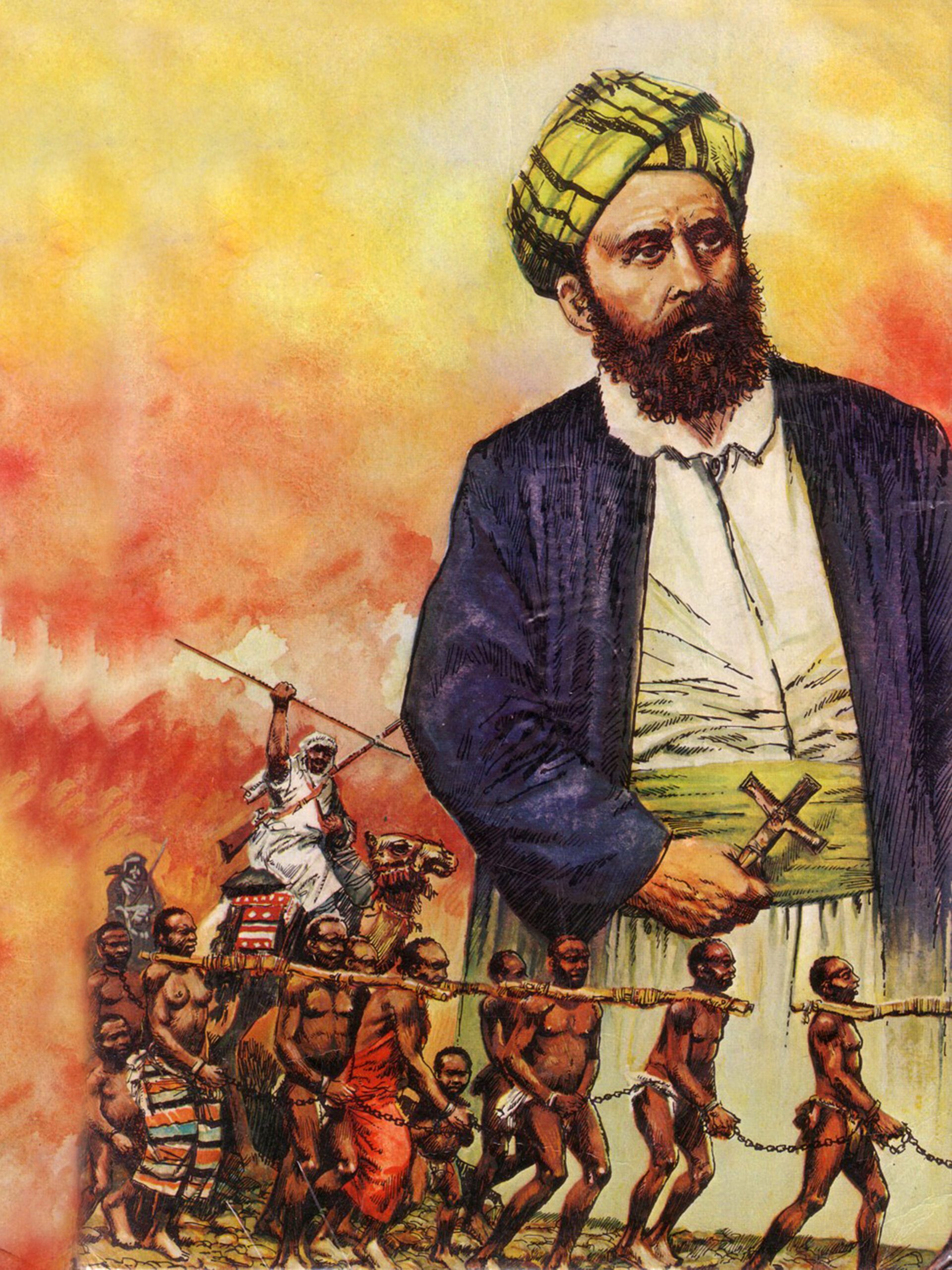
According to the Muslim witnesses who testified, in 1929, at the process to verify the sanctity of Daniel Comboni, he had been chosen by Allah as a “prophet” like Jesus, kind and charitable towards all, Blacks and Arabs, Christians and Muslims alike. Moreover, the miracle which opened the way to the canonization of Comboni, happened to a person of Muslim faith, Lubna Abdel Aziz. This is the only miracle of its kind which has ever come before the Congregation of the Causes of the Saints. What was God trying to tell us through this choice of a Muslim woman?

In Focus

Bringing Hope to the Youth

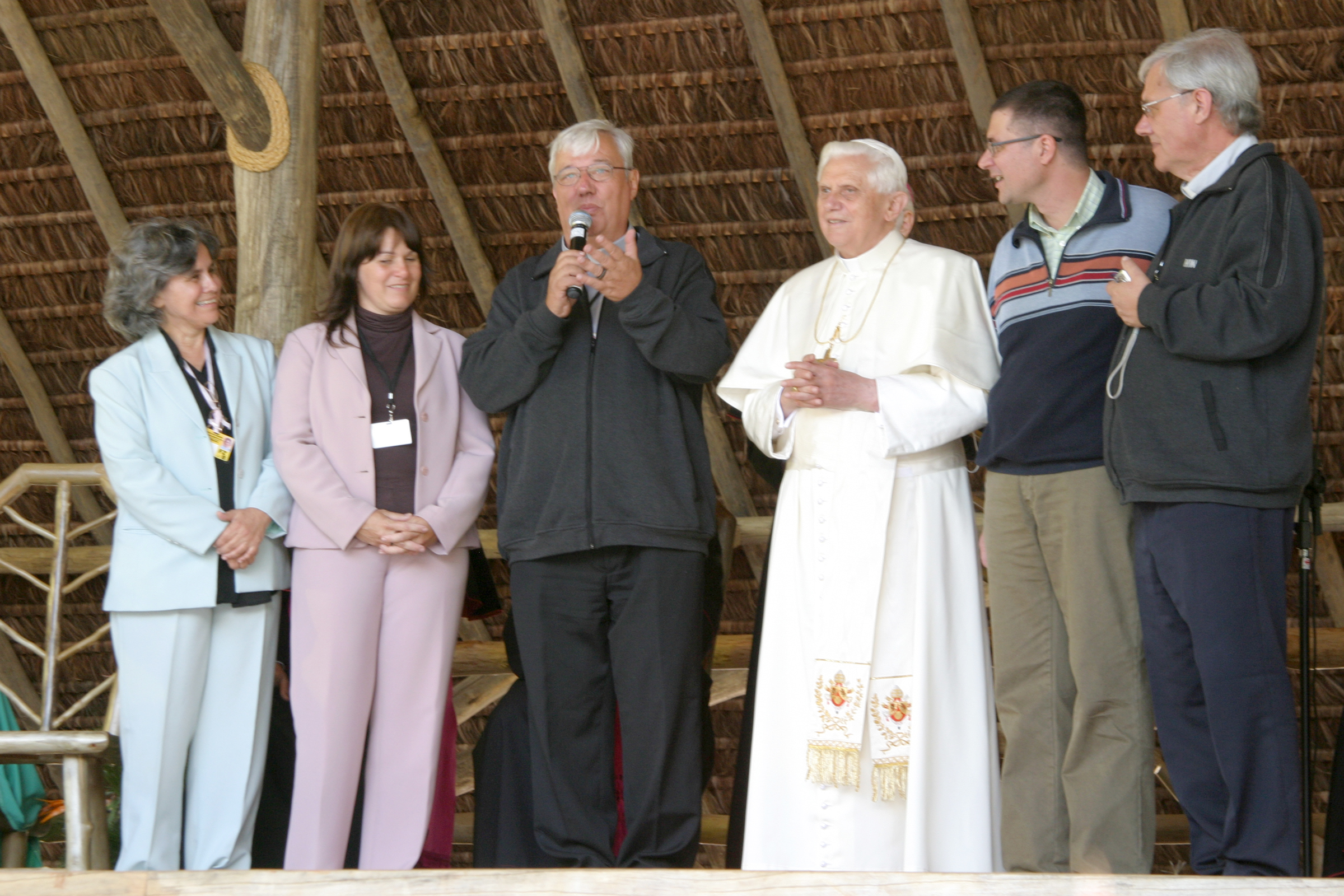
The Family of Hope is a new ecclesial community with more than 600 members. It runs 81 therapeutic communities (in Brazil and other countries) which host over 2,500 youth willing to recover from any kind of addiction, especially from drugs and alcohol. What was a little seed has become, in 30 years, a great tree with branches spread already in 10 countries. Nelson Giovanelli, its co-founder, says that the mission of giving hope to the youth has been entrusted to them by Pope Benedict XVI.

In Focus

A Model Farm

The Farms of Hope came about and exist to help young people to overcome their sick compulsions. Through their work and active participation in the running of the farm, the youth more easily forget their dependence, contribute to feed themselves, learn the dignity of work and put up model farms that could inspire a much-needed agricultural revolution.

In Focus

Reconstructing Lives

In the three Philippines’ Farms of Hope, more than 80 youth have been helped to overcome their addiction, especially from drugs and alcohol, in the last eight years – through spirituality, manual work and community life. After rehabilitation, a good number of them have been joining the Family of Hope to dedicate their lives to help their peers build a new life in freedom.

In Focus

Resourcement, Rediscovery and Revival

So long have we been compliant backseat riders that it’s like lifting a 300-lb heavyweight to the front seat just to be a co-navigator. In this equation of lay empowerment, is the clergy disposed to give or let go of certain practices and prerogatives? And is the laity disposed to receive and take on certain rights and duties? These are some of the questions.

In Focus

Christmas, a Harvest Festival

In Sri Lanka, a Buddhist state, December has always been a popular festive season. It’s harvest time. After the first conversions to Catholicism in the 16th century – even in the Sinhala Royal Court – the month was renamed “Nattal mase,” which literally means “Christmas month.” Till today, it remains a mixture of a harvest festival and Christian traditions.

Shopping Cart