A Continent Increasingly Urbanized
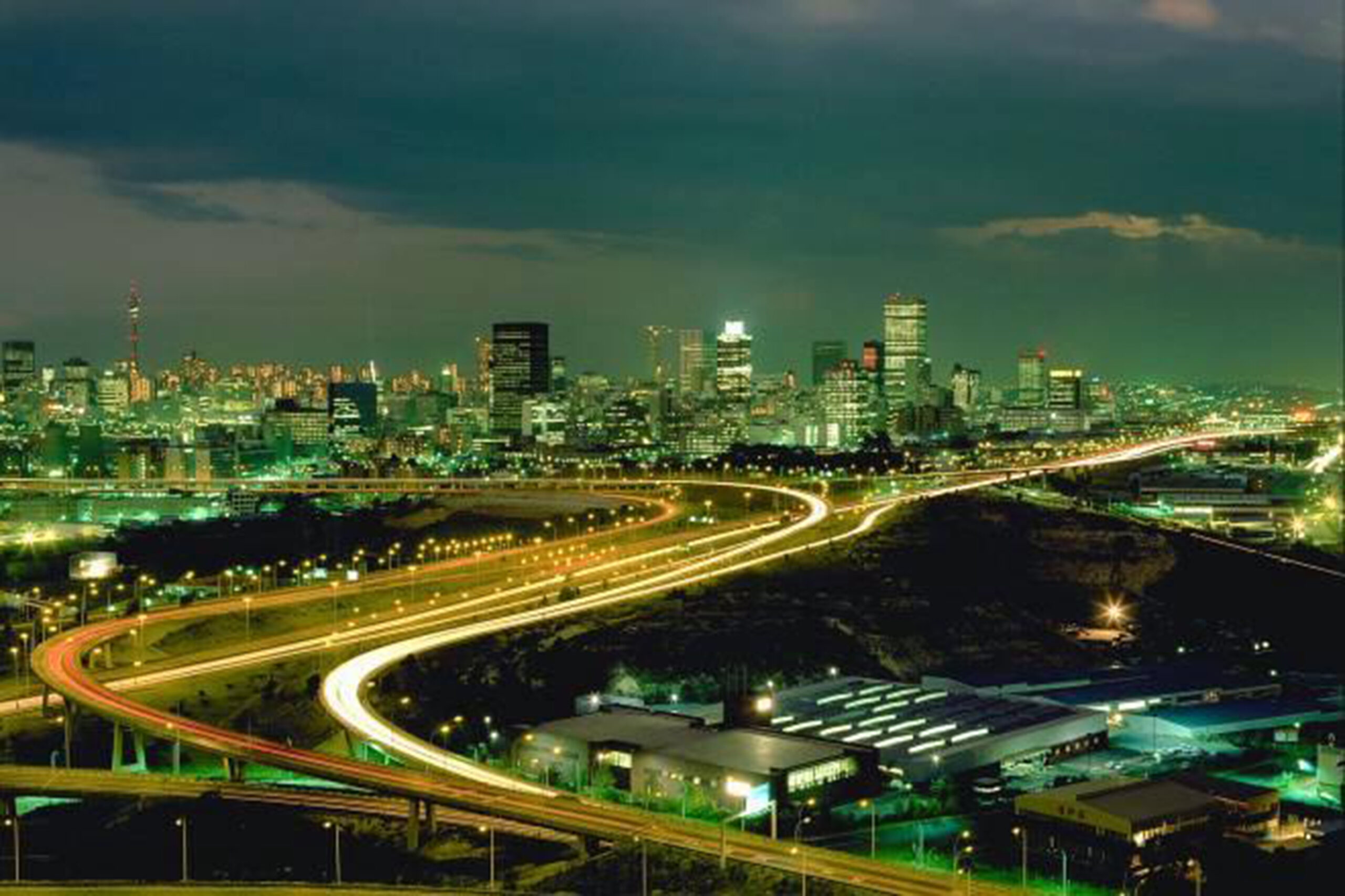
This development will have dramatic consequences, particularly because – according to data from UN-Habitat, a United Nations agency based in Nairobi, Kenya which deals with urban settlements – currently, two thirds of Africa’s population lives in urban slums or at least in “informal” conditions, without running water, sewerage, transport systems and adequate sanitation. The agency predicts that, by 2030, the African population will mainly live in urban settings rather than in the countryside. Therefore, there must be a serious prospect of living offered to young people in slums who are uprooted from traditional African culture and likely to fall into the temptation of crime or even terrorism. The rapid and chaotic urbanization is creating serious environmental hazards with serious consequences on the health of the inhabitants of the most disadvantaged neighborhoods. Among the risk factors, we can count contaminated water, lack of sanitation, air pollution, and the proliferation of disease-carrying insects. These problems are exacerbated by the use of chemicals in agriculture and industry. In addition to the diseases that have traditionally affected the African people (tuberculosis, AIDS or malaria), other diseases typical of industrialized countries such as cancer, cardiovascular diseases, and asthma are also spreading, as a result of pollution. From the standpoint of urban development, it should be noted that a large number of African cities were developed in colonial times as administrative centers and for trade, not as modern industrial and services centers designed to accommodate a large population. Consequently, several African cities have a structure based on a center with neighborhoods for the wealthy, for businesses, and for the government, surrounded by slums. This presents a challenge for the Church and mission in Africa, where there have long been examples of missionary witness in the world’s poorest slums, like those in Nairobi.