
Category: China

Church Fails To Follow Population Growth

The statistics do not distinguish between the government-approved and “underground” Church communities. The report states that figures for the latter may not be entirely accurate due to the difficulties involved in getting information. The FICS spent three months gathering information through e-mails, phone calls, faxes and personal interviews. The report says there are now 628 seminarians studying in 10 major seminaries plus another 630 in 30 minor seminaries. There are a total of 5,451 nuns from 106 congregations, and only 350 Religious men. The survey also lists more than 400 Church-run organizations, including schools, research institutes, publishing houses, medical facilities and homes for the aged and orphans. A Church observer, using the pen name “Dade,” says the survey shows how small the number of Catholics still is compared to China’s 1.3 billion people. He says the Church needs to evangelize more for its overall development. Dade, whose views were posted on the website of Hebei Faith Press, noted that there were more than 3 million Catholics out of a 500-million-strong population in 1949, when the Communists took power. Over a span of 60 years, the number of Catholics has not even doubled, he said. Dade added that Church communities had not made evangelization a priority over the decades, but had instead engaged in disputes, thus missing opportunities for growth. However, statistics compiled by Hong Kong diocese’s Holy Spirit Study Centre (HSSC) in 2008 show a marked difference from FICS’ figures. HSSC puts the number of mainland Catholics at about 12 million last year, more than double the figure given by FICS. Anthony Lam Sui-ki, HSSC’s senior researcher, said his institute began collecting data from mainland dioceses in 1988, and there has always been a marked difference between its figures and the mainland Church’s official figures.    
China

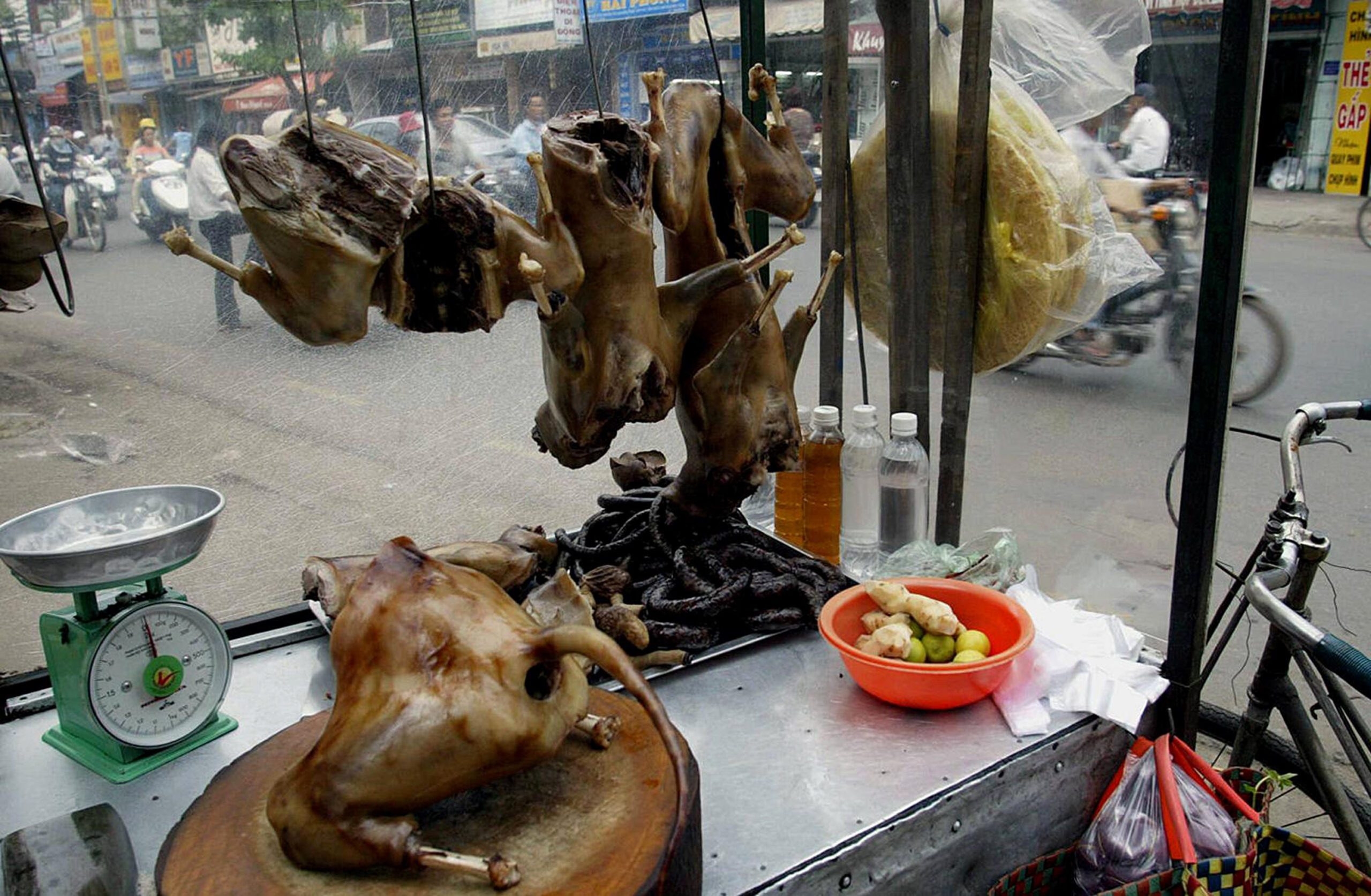
No More Dog or Cat Meat on the Menu

For the first time in Chinese history, an animal rights proposal has been made, which would ban selling, cooking and eating dogs and cats. If adopted, it would make such commerce a criminal offence carrying a maximum 5,000 yuan (US$ 730) fine and 15 days detention. The proposal’s main advocate is Chang Jiwen, a social law researcher at the Chinese Academy of Social Sciences. He has spearheaded animal welfare legislation for the past 11 years. His 181-clause proposal was presented last September for public consultation.

China

Church Fails to Follow Population Growth

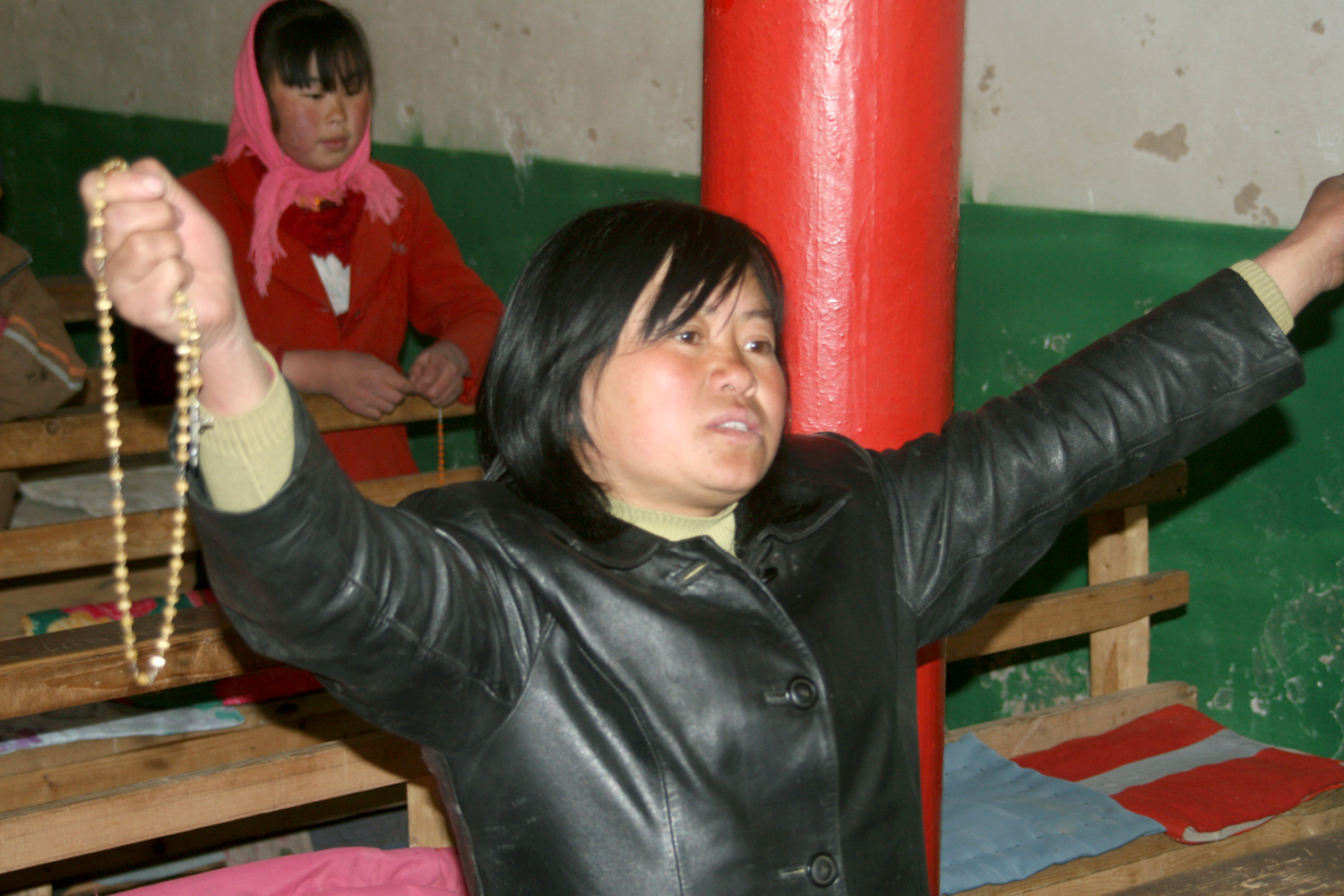
The largest survey ever conducted of the Catholic Church in mainland China has indicated that the Catholic population has not kept pace with overall population growth. According to the results of the study conducted by the Faith Institute for Cultural Studies (FICS), a Church-run organization based in Shijiazhuang, Hebei province, there are now about 5.71 million Catholics in mainland China, served by 3,397 bishops, priests and deacons. A total of 3,268 priests are serving in more than 100 dioceses.

China

The List of Human Rights Dark Areas

Pro-rights organization listed a number of issues the United Nations should raise with China, whose human rights record went under scrutiny last month, when a UN commission examined the country’s “performance” in Geneva (Switzerland). According to Chinese Human Rights Defenders (CHRD), a pro-rights group which has published a list of questions that need answers covering every aspect of Chinese life, the list of problematic issues start with personal freedom.

China

Credit Crisis “Made In China”

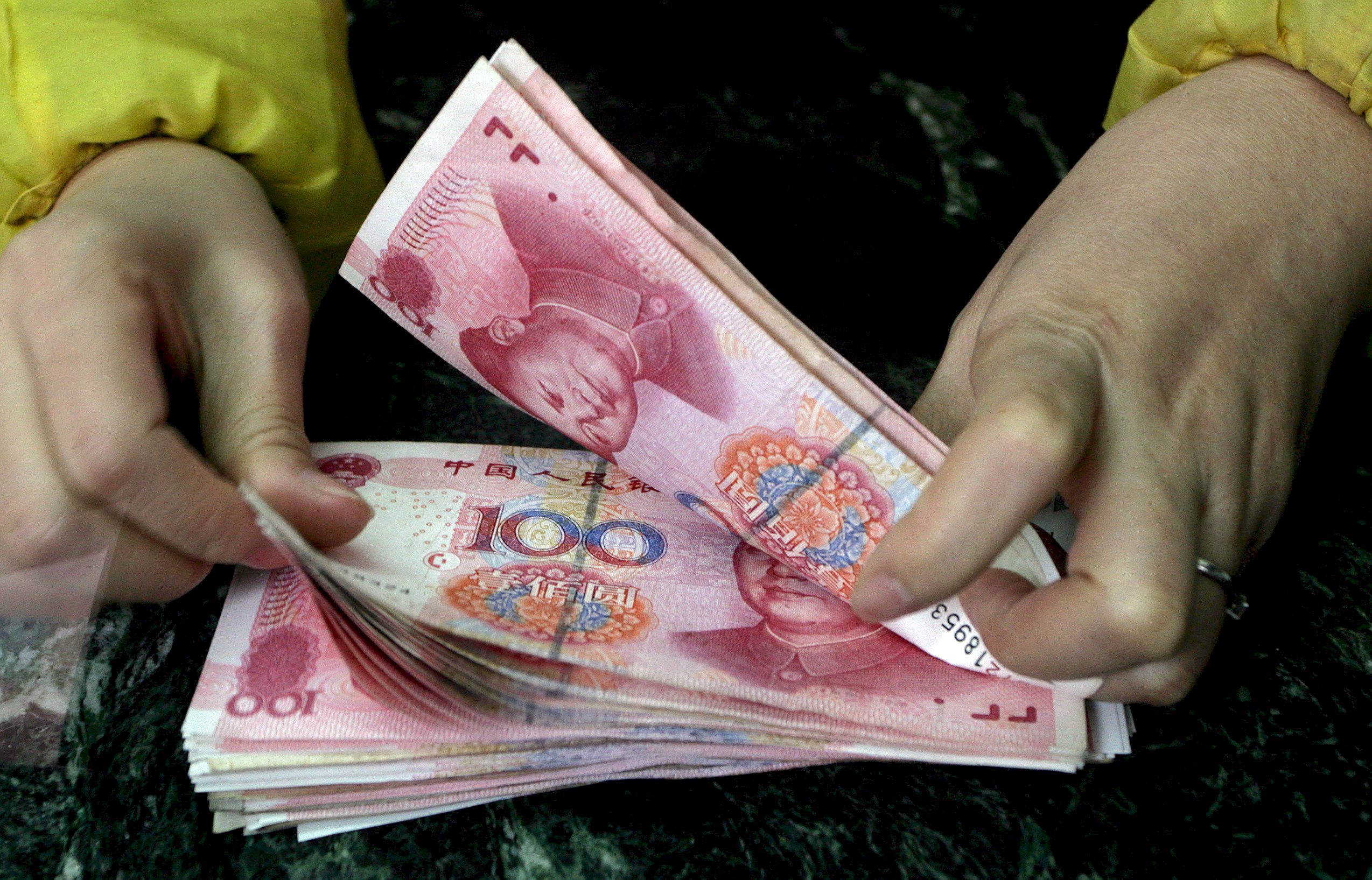
Dark clouds are gathering over China’s economy as it feels the pinch from the US credit crisis and the slowdown in the world economy. The China Construction Bank, the country’s second largest bank but its top mortgage lender, expects its profits to slow down considerably for the rest of the year and in the second half and next year.

China

Global Trade Agreement Collapses

China and India rejected accusations that, with the United States, they are responsible for the collapse of talks in the World Trade Organization (WTO), failing to reach an agreement on more open import rules, lower domestic subsidies and import duties. “In the face of a world economic downturn, serious inflation and imminent financial risks, the failure will have a major impact on the fragile multilateral trading system,” said China’s Minister of Commerce Chen Deming.

No Protests or Talks with Foreign Press

Till the end of October, dissidents in Shanghai are prohibited from speaking with foreign journalists, leaving the city, protesting, or petitioning the government. Meanwhile, the International Olympic Committee (IOC) criticizes China for “politicizing” the passage of the torch through Tibet.

China

Air Pollution Kills 10,000 People

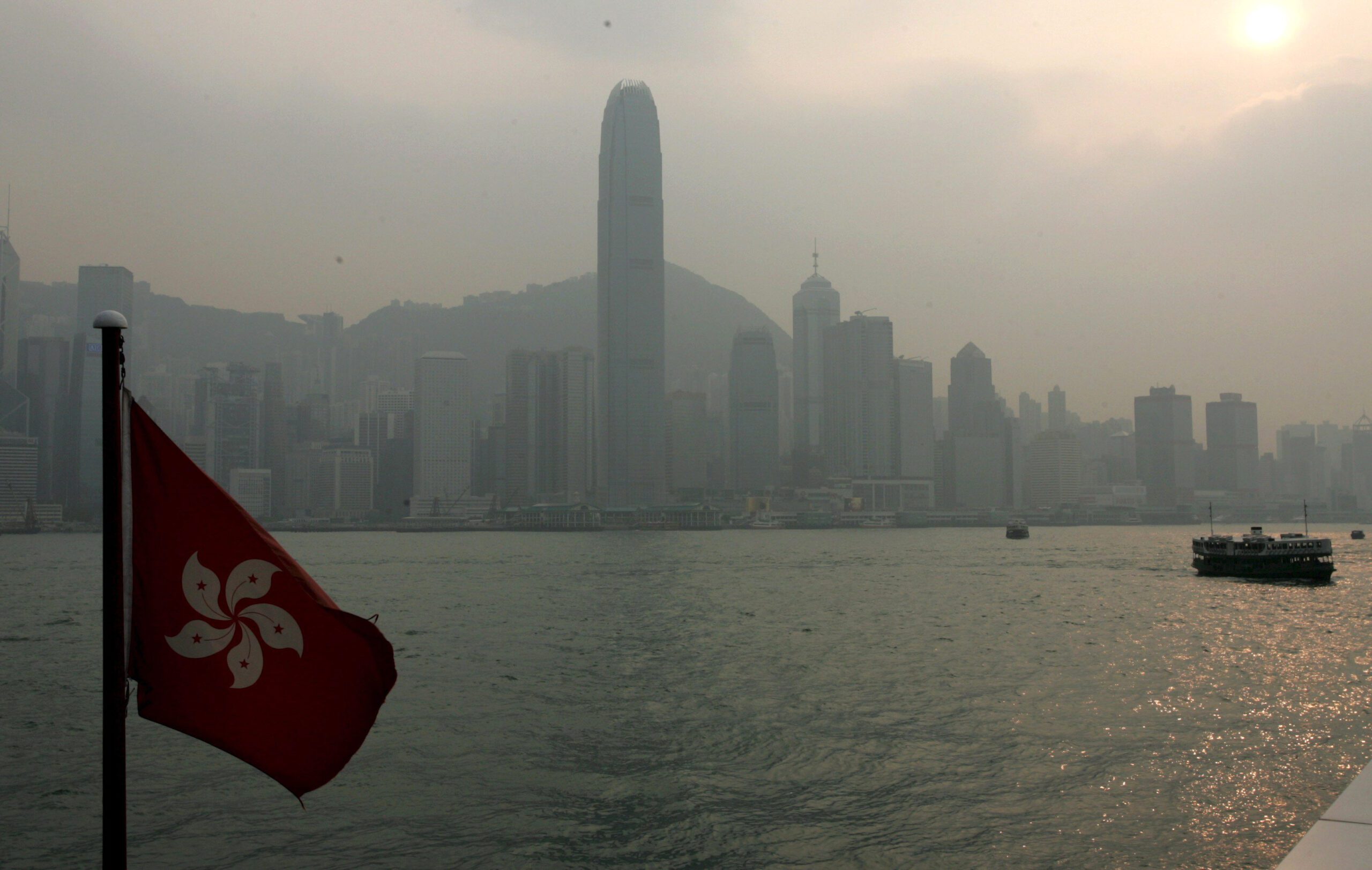
Rising pollution levels are responsible for the death of at least 10,000 people and 440,000 hospital bed days in Hong Kong, Macao and southern China, a study released by the Civic Exchange Institute found. “We estimate that there are about 10,000 deaths occurring which are attributable to daily pollution, deaths which are potentially avoidable,” said Anthony Hedley, a professor in the Department of Community Medicine at Hong Kong University, who was part of the team conducting the study.

China

Inflation in the Year of the Olympics

In his New Year’s Day address, President Hu Jintao said that China was facing “unprecedented opportunities as well as challenges” in 2008. Rhetoric aside, analysts agree that 2008 will be a landmark year for the mainland.

Convicts’ Organs For Sale

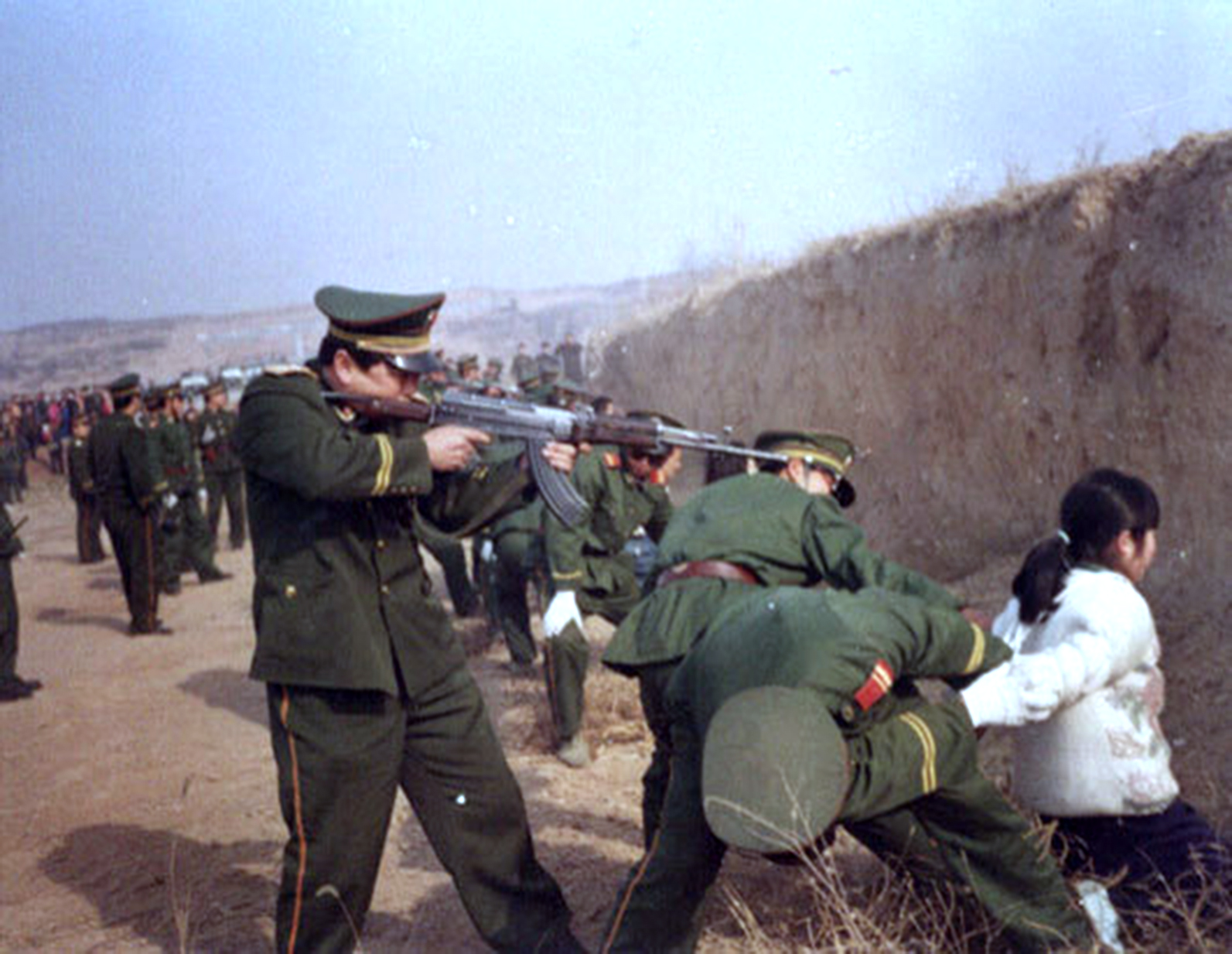
In an undercover investigation, a BBC correspondent visited a hospital in Tianjin, where he was told he could get a new liver at the cost of something less than 95,000 US dollars. The chief surgeon confirmed that one of the China’s many executed convicts would be the “donor”: death row inmates “offer” their organs “as a gift to society.” The organs, taken from the bodies of executed prisoners, are largely sold to foreigners who need a transplant.

Shopping Cart