Egypt
Government Expropriates St. Catherine’s Monastery
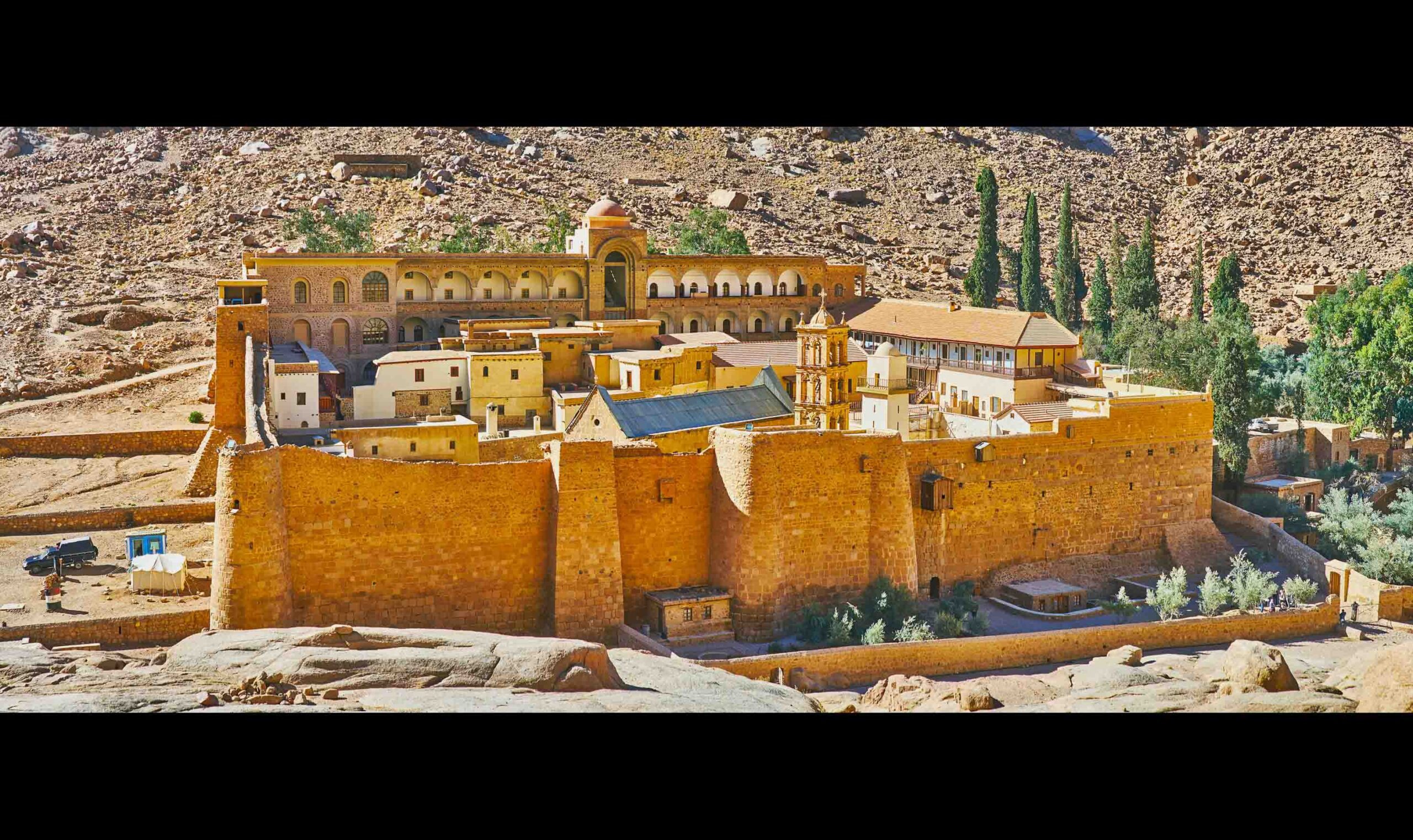
After fifteen centuries of autonomy, the Orthodox Monastery of St. Catherine on Mount Sinai has passed into the hands of the Egyptian State.


After fifteen centuries of autonomy, the Orthodox Monastery of St. Catherine on Mount Sinai has passed into the hands of the Egyptian State.
Health Minister Mohamed Mustafa Hamed said that 20% of hospitals in the rural south have no doctors, and that only 40% of necessary medicines are available in government hospitals and clinics. Pharmacy students from Mansura University recently treated 400 patients during a trip to Samanoud, in the Governorate of Gharbia, 126km north of Cairo, the capital. “We discovered that the few clinics that existed in this area were only about the walls and the doors – no medicines and no service at all,” said Aly Kishk, one of the pharmacy students. Kawthar Mahmud, head of the health ministry’s nursing administration, said her ministry was dealing with a shortage of 40,000 nurses in the nation’s hospitals and clinics. The Medical Association says that as many as 230,000 doctors are registered with them, but around 30,000 have left to work in other countries. “There is mass migration of doctors from Egypt because of lack of money and tough work conditions in this country’s hospitals,” said Mohamed Hassan Khalil, head of the Right to Medicine Centre, a local NGO that defends the rights of doctors and patients to better work conditions and services.
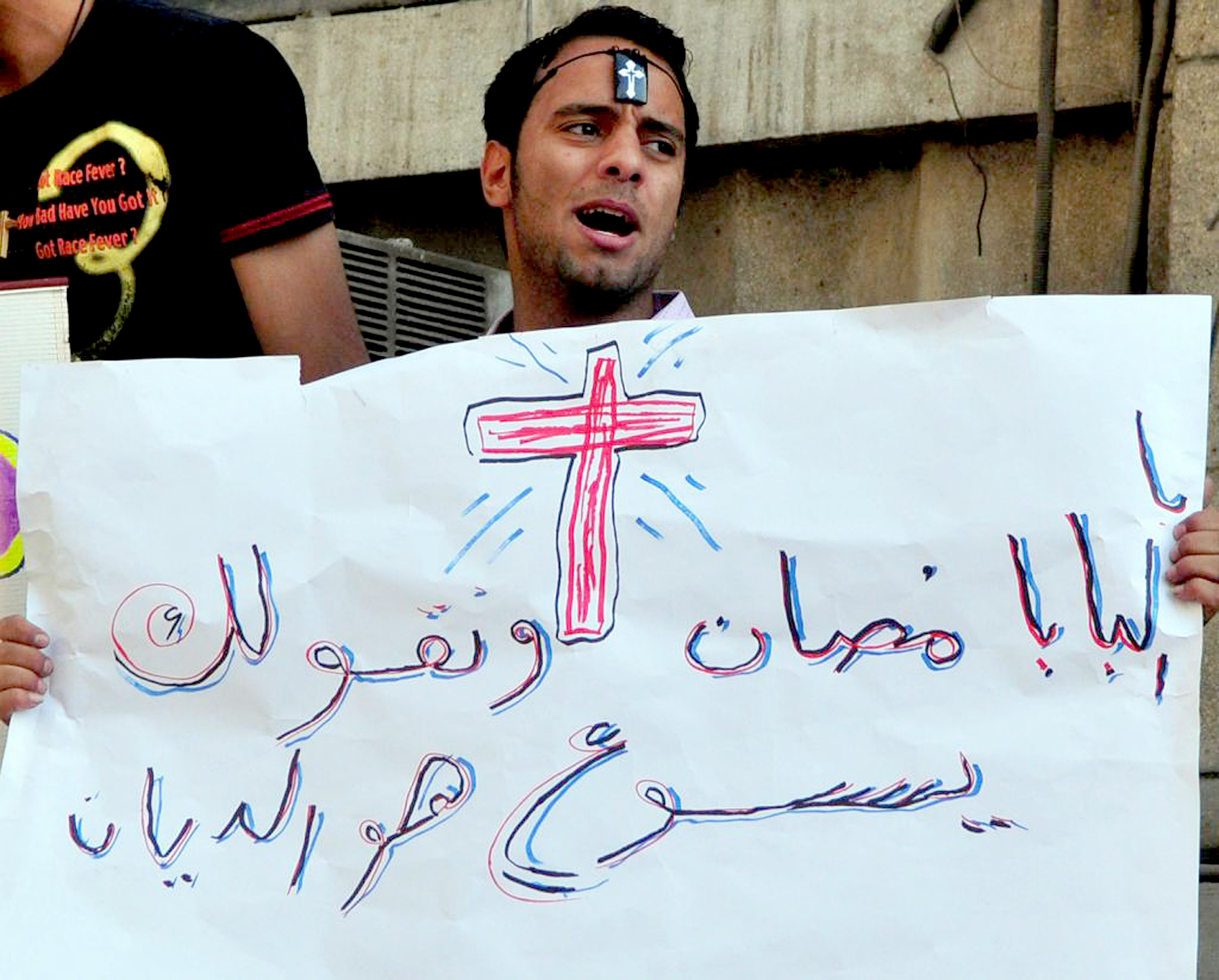
Recent Muslim-Christian clashes have renewed fears of sectarian conflict in Egypt. But many local analysts – along with wide swathes of the public – believe sectarian tensions are being stoked by elements loyal to the ousted Hosni Mubarak regime in possible coordination with Israel. “Whoever is fanning the flames of sectarian conflict has two objectives: to distract attention from the ongoing prosecution of Mubarak and his henchmen, and to derail what’s being described as the Third Intifadah,” political activist Mugahid Sherara commented.
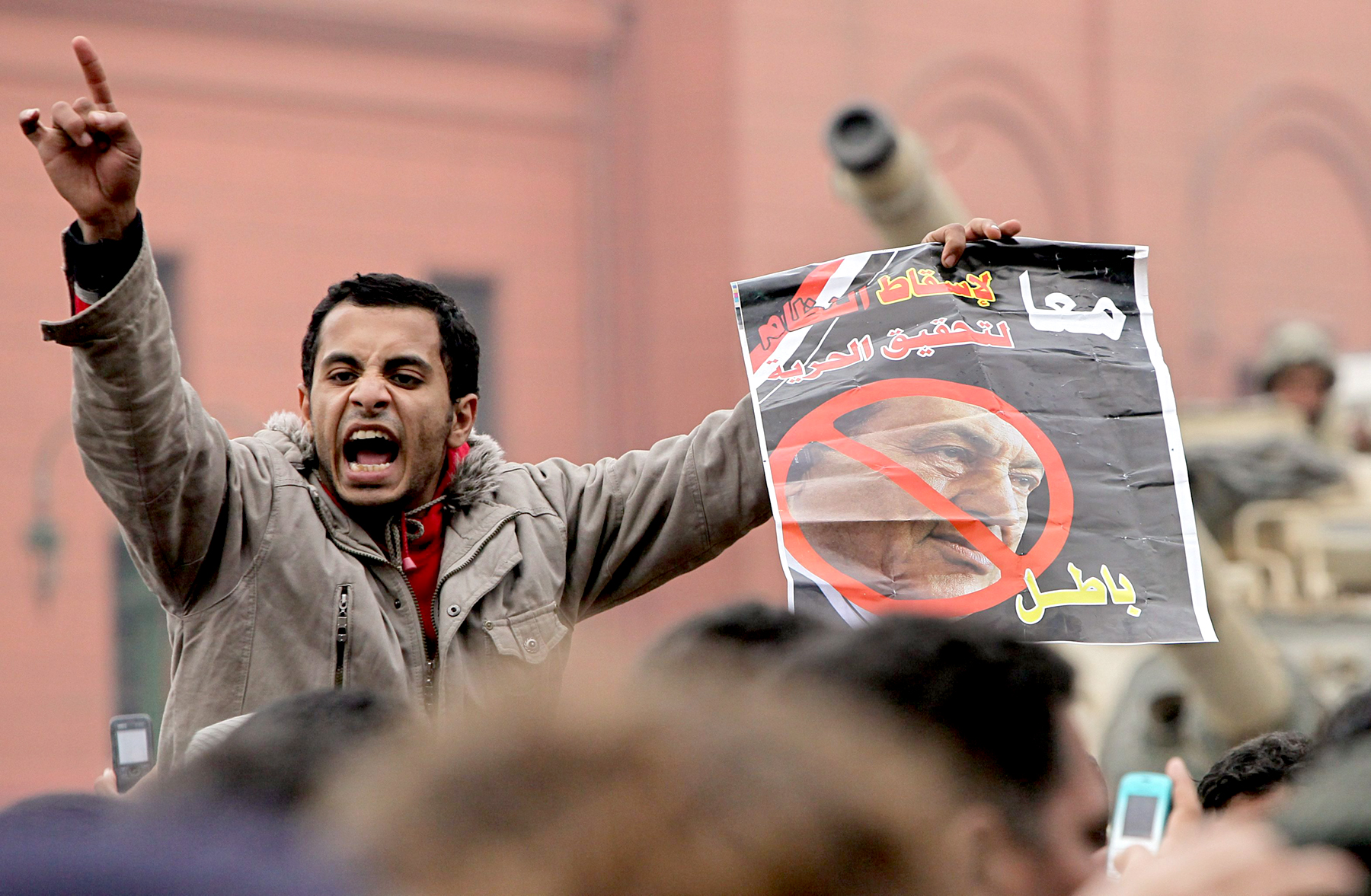
“The crisis involving all Arab countries has various motives, among which economics weighs heavily, considering even just the unemployment which, above all, affects the youth,” explained Father Giuseppe Scattolin, Comboni missionary and scholar of Islamic mysticism who lives in Cairo, capital of Egypt, where people’s protests forced President Hosni Mubarak to resign. “Added to this, is the tension that has lasted for years in the Middle East between extremists and non-extremists. There is also a cultural crisis that has lasted almost two centuries, stemming from the confrontation between Islamic tradition and the modern world. Finally, the local conflicts, which contribute to inflaming people’s souls. Without going into the details of individual events and those who have encouraged them, in my view, these are the main problems.”
