Category: Iraq

Iraq

After the Massacre, the “Dilemma”

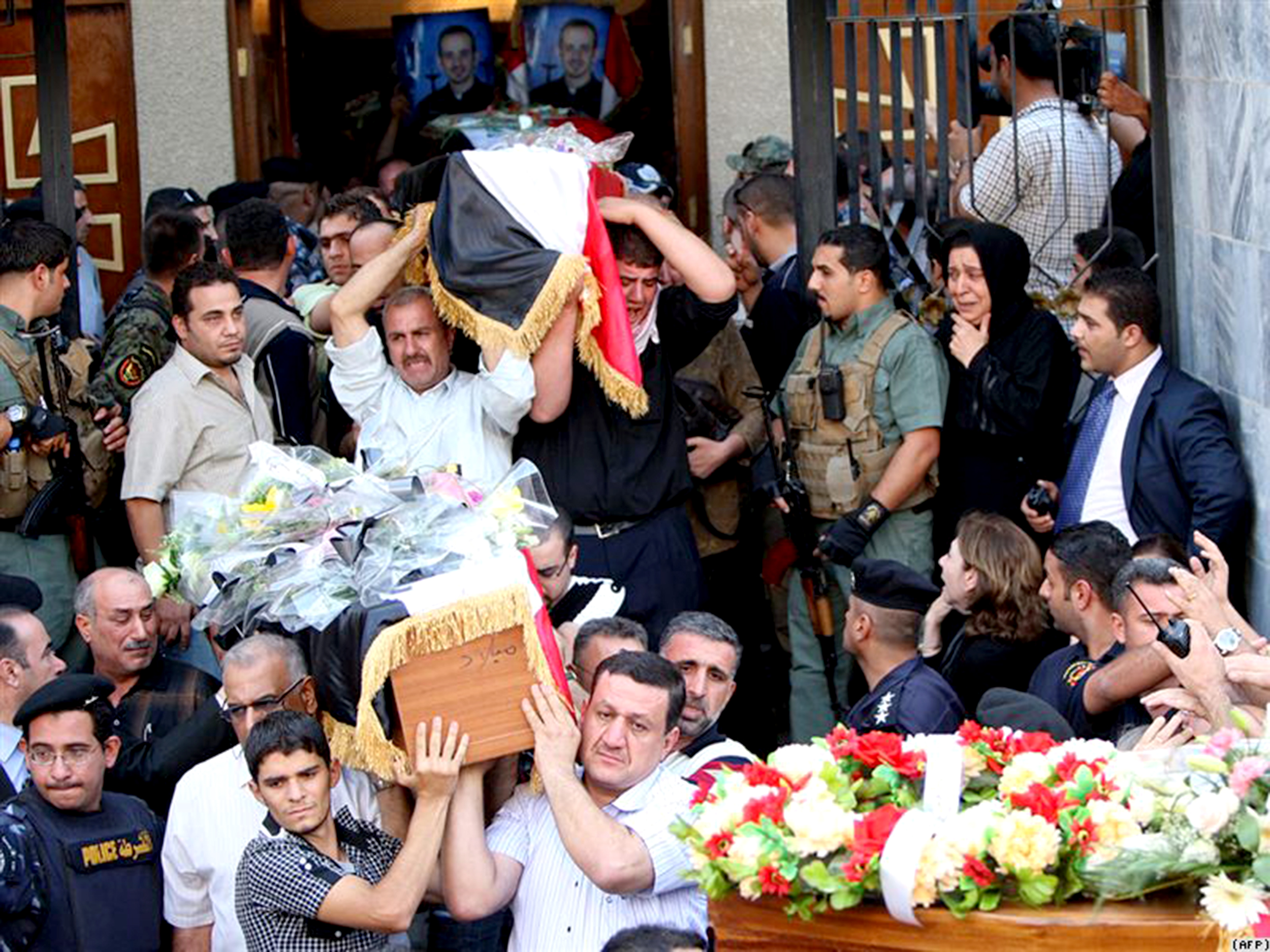
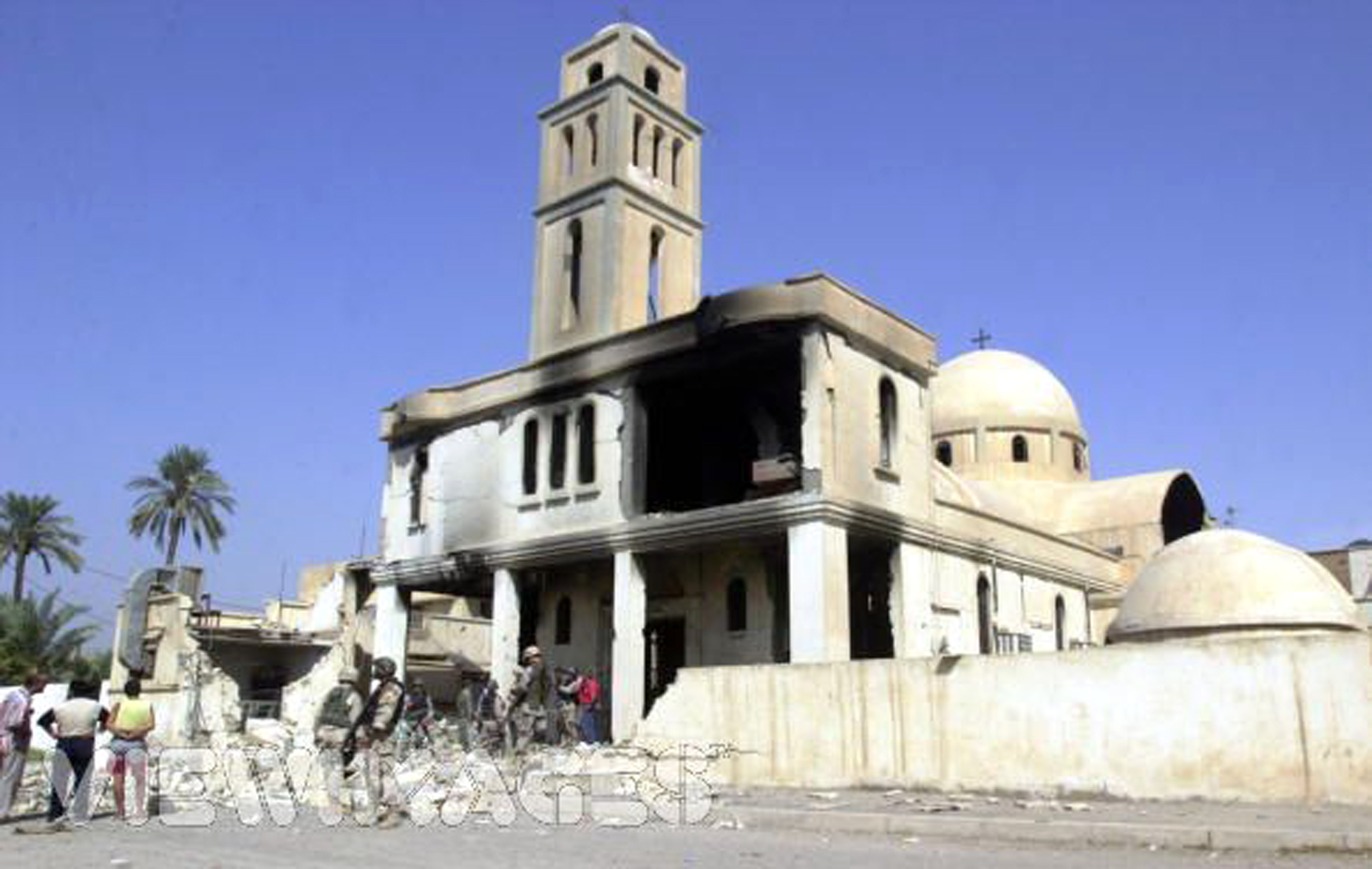
“Iraqi Christians are now terrified and in shock. They are faced with a terrible dilemma: emigrate and save the lives of their loved ones, or stay in the country and witness to the faith, risking death,” said Fr. Vincent Van Vossel, CSSR, Superior of the Redemptorists in Baghdad, after the massacre that took place October 31 in the Syrian Catholic Church of Our Lady of Salvation (pictured). A commando of terrorists stormed the church, crowded with the faithful during the Mass, taking those present hostage. Iraqi security forces made a raid to free them, but the militants reacted with a massacre that left 58 dead, including two priests, and about 70 wounded. The killers, nine armed men, claimed to belong to the Islamic state of Iraq, a Sunni-militant group that is allied with Al-Qaeda, Later on, the group announced that Christians and Shiites are their targets because both are “infidels.”

Iraqi Parliament Approves Electoral Law

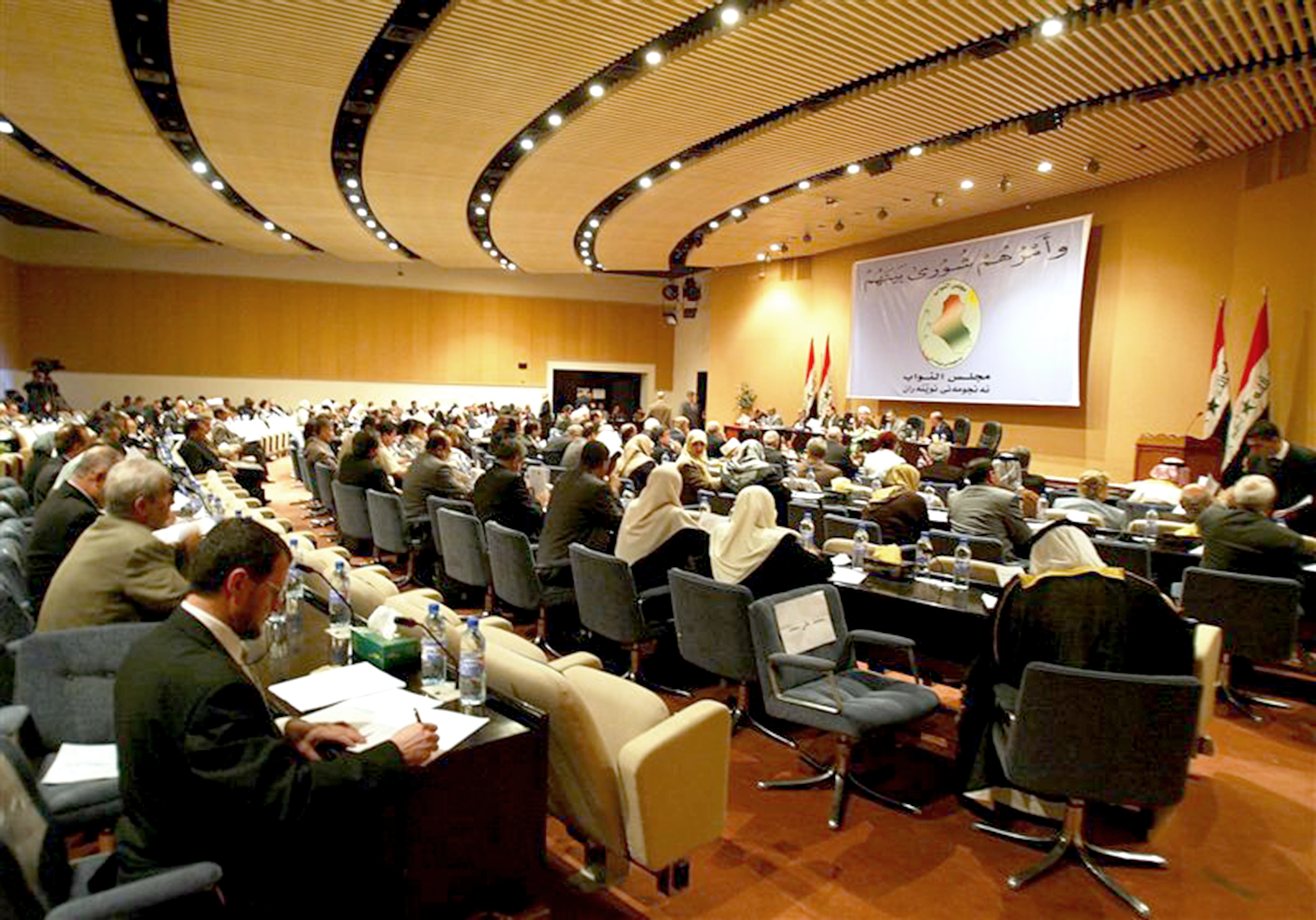
With the approval of the law, the date of elections remains to be discussed, originally planned for January 16. The vice-president of Parliament announced that it could be held February 27, 2010, but is not yet clear if all the necessary steps will be completed in time for the vote to be held.  Sunni Vice-President Tareq al-Hashemi has congratulated “all the Iraqi people for this historic victory” and adds that the compromise “will pull the country out of the impasse” into which it had slipped. He had rejected the previous reform of the electoral law, because it did not provide enough seats for the ethnic Sunni minority in Iraq, even if it held power under the dictatorship of Saddam Hussein. Another element of contrast is Kirkuk, a city in the north, the centre of a dispute between Arabs, Kurds and Turkmen over its vast oil reserves. The new law provides for an increase in the number of parliamentary seats, from the current 275 to 325. Kurds will get 41 seats for the three northern provinces and a further dozen additional seats. Iraqis abroad can also vote for the provincial college of their place of origin. The Christian minority will have eight seats. One-third of Parliament will be formed by women.  Sources in Baghdad show a cautious optimism about the signing of the agreement. “The tension – they explain from the capital – among the ethnic groups remains high.” Its ratification seems more like a “truce,” because the leadership has understood “that the Iraqi people are tired of quarrels, divisions and violence that blood the country.”  

After The Massacre, The “Dilemma”

Fr. Vincent, who has lived in Iraq for 40 years and teaches at Babel College in Baghdad, the college affiliated with the Pontifical Urban University, has issued a heartfelt testimony: “We are living something that is really terrible. There had never been a massacre of such magnitude, all within a church during the celebration of the Holy Eucharist. I have visited the church and listened to the testimonies of the faithful in shock. The terrorists mercilessly killed women and children. The community is traumatized. The church looked like a cemetery.”During the massacre, the Christian community in Baghdad has lost two young Syro-Catholic priests, Fr. Wasim Sabieh and Fr. Thaier Saad Abdal (gravely wounded, a third priest, Chorepiscop Fr. Rufail Quataimi, died later in the hospital). “What a tragedy! The two priests, not yet in their thirties, were my students at the Babel College. They were very active in Bible apostolate, in interfaith dialogue, and charity. Fr. Thaier was in charge of a Center for Islamic Studies, and Fr. Wasin was very involved in helping poor families. We will miss them,” says Fr. Vincent. The Redemptorist recalls that days later “a number of attacks hit Baghdad and Shiite areas, which means that not only Christians are under attack, but the whole area is flooded by terrorism. It is hard to see a hopeful future for the nation right now,” he says. “We do not know who is behind these acts, nor where the nation is headed. Meanwhile, the people suffer. There are such great evils that beset the country.” Hence, the dilemma for Christians: “The faithful say their life has become impossible. Many Christian families are organizing themselves to leave the country. The excruciating dilemma is whether to flee in search of a better future, or stay, risking their lives. In this tragic moment, the bishops have a great responsibility to speak to the faithful, to give them reasons and hopes, to convince them to stay. The task of our pastors, today, is very difficult,” he remarked. The funeral of the victims “was attended by many Muslim leaders who asked the government to defend Christians. We hope that, after yet another massacre, civil authorities listen to the cry of Christians in Iraq and place an end to their suffering.”  On the occasion of the funeral, celebrated on November 2, the Holy Father Benedict XVI sent the following message to Archbishop Athanase Matti Shaba Matoka, Archbishop of Baghdad for the Syro-Catholics: “Deeply moved by the violent death of so many faithful and their priests Tha’ir Saad and Boutros Wasim, I wish, during the sacred funeral rite, to share spiritually on this occasion and pray that these our brothers and sisters are welcomed by the mercy of Christ into the Father’s House. For years, this country has been suffering untold hardships and even Christians have become the subject of brutal attacks that, in total disregard of life – an inviolable gift from God – seek to undermine confidence and peace. I renew my


2,000 Deaths And 600,000 Christian Refugees

The following figures, compiled through local Church sources in Iraq, provide a comprehensive picture of the suffering of Iraqi Christians: – Since 2003: about 2,000 Iraqi Christians have been killed in several waves of violence; – Between February 27 and March 1,2010: 870 families, a total of over 4,400 faithful, left Mosul due to anti-Christian violence; – October 2008: more than 12,000 Christians fled Mosul due to a wave of violence; – 40% of Iraqi refugees abroad (a total of about 1.6 million) are Christians (Source: UNHCR); – 44% of Iraqis who have applied for asylum in Syria are Christians. Asylum applications are growing in Jordan, Turkey and in Western countries (especially Sweden and Australia); – The total number of Christians in Iraq: in 1987, 1.4 million; in 2003, 1.2 million; in 2009, 600,000, many of whom were internally displaced; – Iraq’s total population: 27.5 million – 97% Muslim (65% Shiite, 35% Sunni), 3% Christian and other religious minorities.    

Iraq

2,000 Deaths and 600,000 Christian Refugees

The following figures, compiled through local Church sources in Iraq, provide a comprehensive picture of the suffering of Iraqi Christians: – Since 2003: about 2,000 Iraqi Christians have been killed in several waves of violence; – Between February 27 and March 1,2010: 870 families, a total of over 4,400 faithful, left Mosul due to anti-Christian violence; – October 2008: more than 12,000 Christians fled Mosul due to a wave of violence; – 40% of Iraqi refugees abroad (a total of about 1.6 million) are Christians (Source: UNHCR); – 44% of Iraqis who have applied for asylum in Syria are Christians. Asylum applications are growing in Jordan, Turkey and in Western countries (especially Sweden and Australia); – The total number of Christians in Iraq: in 1987, 1.4 million; in 2003, 1.2 million; in 2009, 600,000, many of whom were internally displaced; – Iraq’s total population: 27.5 million – 97% Muslim (65% Shiite, 35% Sunni), 3% Christian and other religious minorities. www.fides.org

Iraq

Iraqi Parliament Approves Electoral Law

The Iraqi Parliament has approved almost unanimously the new election law, paving the way for the vote in 2010. The green light came during an emergency session that ended shortly before the deadline for an agreement. It should put an end to a period of political deadlock. Sources in Baghdad have called it a “truce” between political factions, but warn that “tension remains high.”

Iraq

Christians Rebuild Churches

The Christian communities of southern Iraq launched a campaign for the restoration of churches that have been damaged due to negligence and the war.

Shopping Cart