
Category: World Touch

Environment

Rio+20 to Seek a Sustainable, Global Future

Twenty years ago, a 12-year-old girl stood before government officials from most of the world’s countries and pleaded for her future. Worried about pollution and overuse of natural resources on her finite planet, she begged: “If you don’t know how to fix it, please don’t break it!” The occasion was the 1992 Earth Summit in Rio de Janeiro, which ended with the world’s countries committing – at least on paper – to make environmental concerns a priority and eliminate unsustainable forms of production and consumption. Above all, delegates agreed that development must not jeopardize the welfare of future generations. Another go at sustainability: Canadian Severn Cullis-Suzuki, who pleaded on behalf of her generation in 1992, returned to Rio in late June for the Rio+20 Summit.

Spain

Tragic Numbers and a Somber Reality

Recently, UNICEF released its latest annual report, titled “The State of the World’s Children 2012: Children in an Urban World,” which examines the plight of children and young people living in urban environments. A rather cold, aseptic foreword, considers the scandalous reality that emerges from the report. Reading through it, we perceive, beyond the numbers, the suffering of millions of children, their tears, and their cries for help. This data should upset us and commit us to the pursuit of radical change.

Pakistan

Extreme Poverty is a Baby Killer

The murder of infants, particularly girls, by poverty-stricken parents in Pakistan appears to be on the rise. Late at night some months ago in a village in Pakistan’s Punjab Province, the parents of a two-day-old infant girl smothered the child, and then buried her tiny body in a distant field, carefully patting down the soil to hide any signs of digging. The mother cries often and says she still has nightmares about the event. Suriya Bibi, a ‘dai’ or traditional midwife from the village, says: “I myself cried. I had delivered the baby and she was perfectly healthy. But her parents had two daughters already, and felt they couldn’t afford another. The father, a laborer, earned only 4,000 rupees (US$46.50) a month, and I know those people ate just once a day.”

Asia

Natural Disasters Costlier than Ever

Natural disasters in Asia in 2011 could be the costliest ever, experts say. “Never before has this world suffered so much economic loss due to natural disasters, most of which have been in Asia and the Pacific,” said Sanjay Srivastava, UN regional adviser for disaster risk reduction. Of the global US$270 billion of economic losses to natural disasters in 2011, 90% were in Asia.

Rural Poor at Risk of Climate Change

Building local resilience will prove key to better addressing the effects of climate change in Cambodia, last year’s Cambodia Human Development Report (CHDR) stated. “Local action and local solutions are what is needed most,” Tin Ponlok, deputy director-general for climate change of the Cambodian Ministry of Environment, said. “This is where we can make the most difference.”

World

200 Million Depend on Glaciers for Water

At least 200 million people in the world are in danger of being left without water because they depend for their supply on glaciers that are melting although, paradoxically, the process creates the illusion of plentiful water resources. While the average global temperature has risen by 0.6 degrees Celsius in the last 100 years, the temperature of glaciers has increased by 1.5 degrees in just two decades. Local communities, especially in the Himalayan and Andes mountain ranges, are the most affected.

Rwanda

The Search for Truth Will Set Us Free

Dr. Theogene Rudasingwa, a former Rwandese Patriotic Front (RPF) Secretary General, Ambassador to the United States, and Chief of Staff for President Paul Kagame, confesses at last that he knew all the time that it was Kagame who, in 1994, started the genocide in which over 800,000 Rwandans died in just 100 days. He says: “By killing President Habyarimana, Paul Kagame introduced a wild card in an already fragile ceasefire and dangerous situation. This created a powerful trigger, escalating to a tipping point towards resumption of the civil war, genocide, and the region-wide destabilization that has devastated the Great Lakes region since then.” Now he felt the need to ask the families of the victims and God’s forgiveness, saying: “Our individual and collective search for truth will set us free.”

China

Building Churches and Selling Bibles in Africa

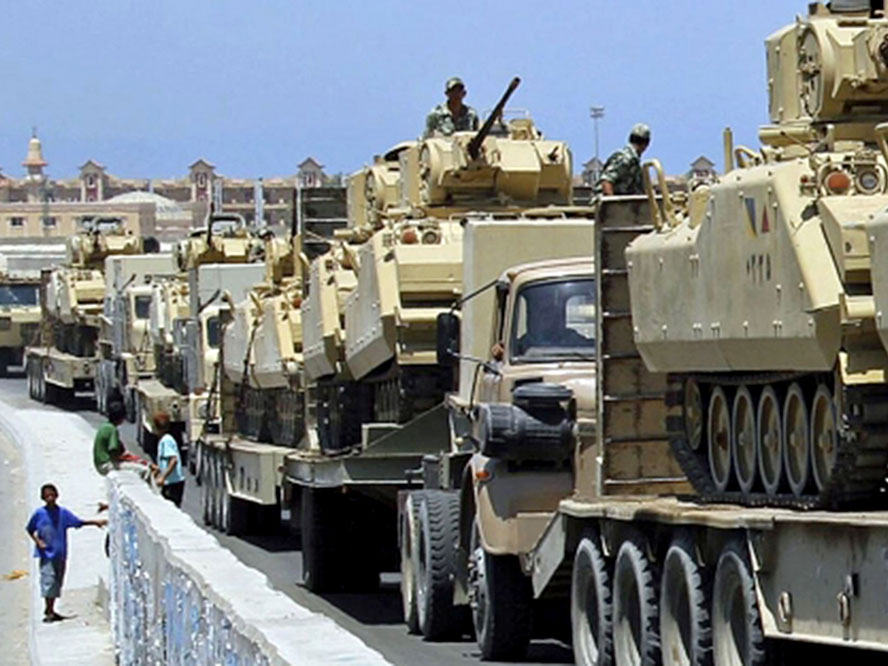
At All Saints Roman Catholic Church Cathedral in Nairobi, African workers were recently singing lively Christian worship songs as they broke ground for the construction of a new office block for the Nairobi Archdiocese. However, they were not working for an African or British construction company. China Zhongxing Construction is building Maurice Cardinal Otunga Plaza, one of many church contracts Chinese construction companies have won in recent years as China has expanded its influence in Africa. Now, Chinese firms build many bridges, roads and stadiums across the continent.

Iran

More than Seven Millions of “Missing Girls”

India is the fourth country in the world where the female gender is most at risk, after Afghanistan, Congo and Pakistan. But, in this case, the reason is unique: the widespread practice of selective abortion of female fetuses. The national average has dropped to 914 girls per 1000 boys from 927 per 1000 in the 2001 census. That year, demographers said that there were six million ‘missing girls’ in India; now, of a total population of 1.21 billion people, 7.1 million are missing.

Health Care

Better Food: Key to Malnutrition and Obesity

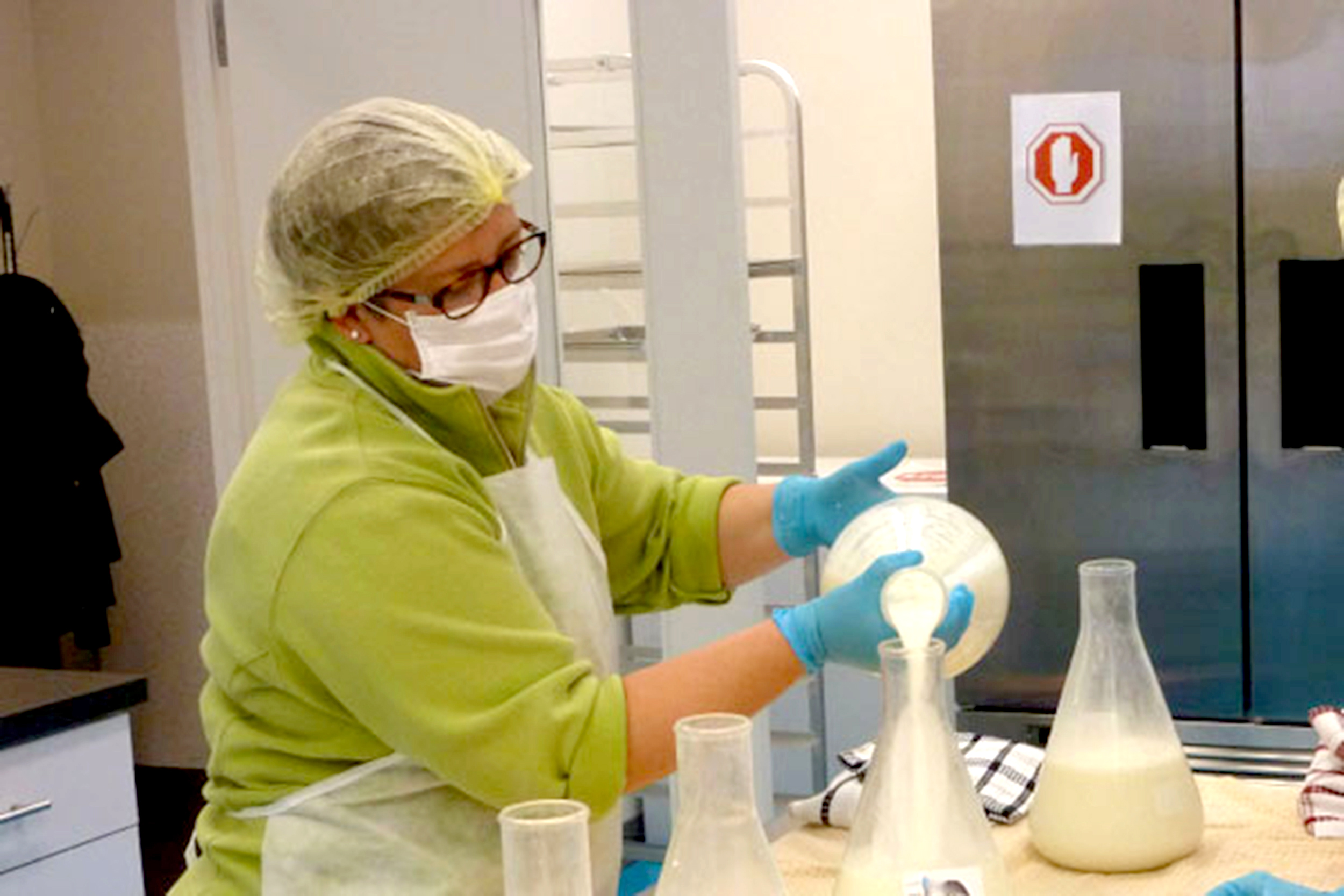
Simultaneously tackling obesity and malnutrition may seem like “polar opposites,” conceded UN Secretary-General Ban Ki-moon at the High-Level Meeting on Prevention and Control of Non-Communicable Diseases in New York, but an increasing number of countries are experiencing higher rates of both and the answer to reducing this phenomenon is the same: better nutrition.

Shopping Cart