
Category: Philippines

Illegal Weapons Are A Plague In Mindanao

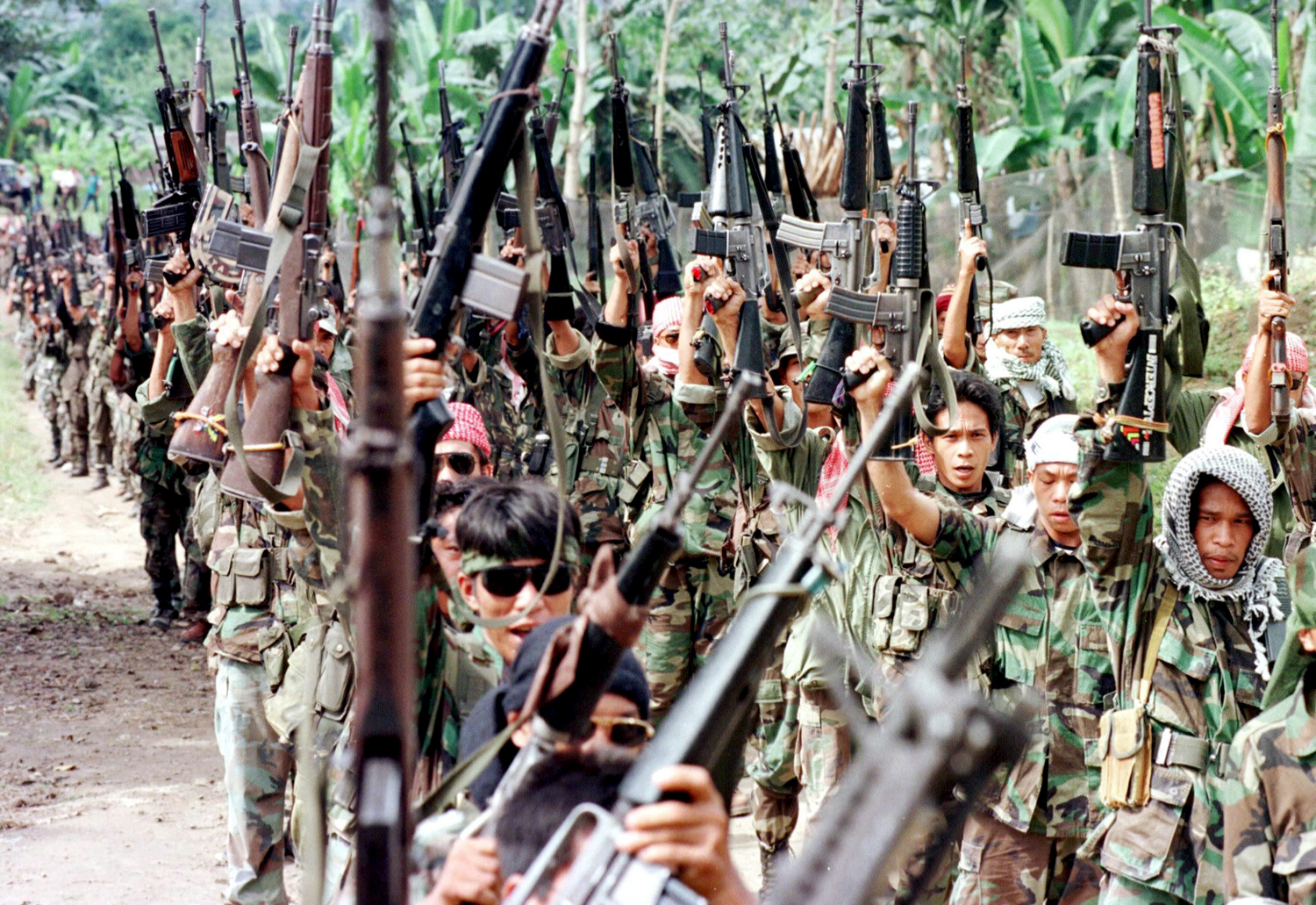
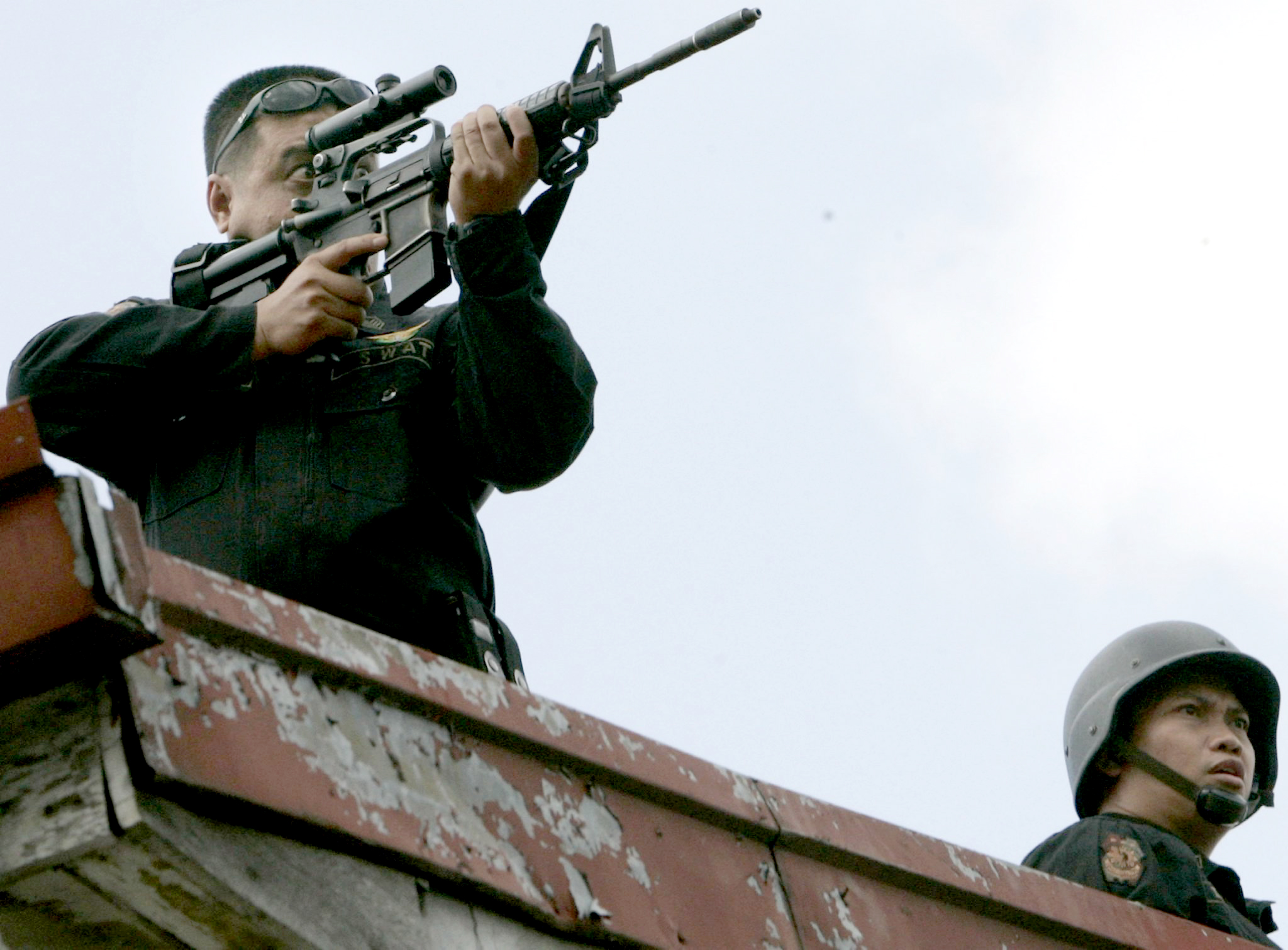
The climate of violence, lawlessness and impunity makes life difficult for the people of Mindanao. The incident of kidnapping and barbaric execution of 57 people in the province of Maguindanao has gained the attention of the international press. Philippine President Gloria Arroyo declared Martial Law (lifted after eight days) in the southern provinces of Maguindanao, Sultan Kudarat, and Cotabato City allegedly to prevent further violence among the clans (especially among the Mangudadatu and Ampatuan, long-time rivals). Thousands of soldiers have been deployed and the Government has assured that they will make “every effort to punish those responsible with utmost rigor.”  But the issue is upstream, according to Fr. Eliseo Mercado of the Oblates of Mary Immaculate, Professor at Notre Dame of Cotabato and well-informed on the area of Mindanao: “There is no doubt that the proliferation of illegal small arms in southern Philippines is the main problem, which contributes to an increase in the number of wounded and dead, to human rights violations, and to fueling the war between rival gangs.”  The point is that even the civilians have begun to arm themselves to defend themselves from the violence that abounds. It is estimated that over 1.1 million illegal weapons without license are in circulation in the Philippines, a large majority of the percentage being in the South. In addition, there are 1.8 million legally held weapons in the entire nation. According to data from the police, 97% of crimes recorded between 2004 and 2008 were committed using illegal weapons. “It’s a phenomenon that helps to create instability and deteriorates peace and public order,” notes Fr. Mercado.  Recently, the government issued an “amnesty” in which the owners of illegal weapons that had them registered would not incur penalties. But the results were not satisfactory, indicating that most of the weapons are in the hands of criminal gangs. “This is an important issue that the new legislators and the new government (elections are in 2010) must urgently address,” notes the missionary. “It is the future and social peace in Mindanao.”  The world’s biggest exporter of small arms is the United States, from whence come the vast majority of the weapons found in the Philippines. Recently, U.S. Secretary of State Hillary Clinton publicly declared that its government will work to stop the proliferation of small arms in the world. “It is a position we welcome, hoping that it could affect the plight of the Southern Philippines,” said Father Mercado.  
World Touch

Illegal Weapons are a Plague in Mindanao

Among civilians in Cotabato and neighboring provinces, there is great fear and indignation at what they call, in Mindanao, “war road”: violence between paramilitary groups and the proliferation of various militia groups. These armed forces belonging to clans with strong political or ideological-religious reference (defined by “Muslim” or “Christian” antagonism), are often manipulated by the interests of powerful men in local areas or by corrupt members of the army.

World Touch

Illegal Firearms Compound Mindanao Insecurity

A .45 caliber pistol is tucked into the waistband of a tricycle driver as he speeds along a desolate stretch of highway that cuts through a Muslim rebel stronghold in the southern Philippine town of Datu Piang in Mindanao. “I can get attacked by bandits, rebels or my enemies, and my gun spells the difference between life and death,” he explains.

World Touch

Art as an Instrument of Islamic-Christian Dialogue

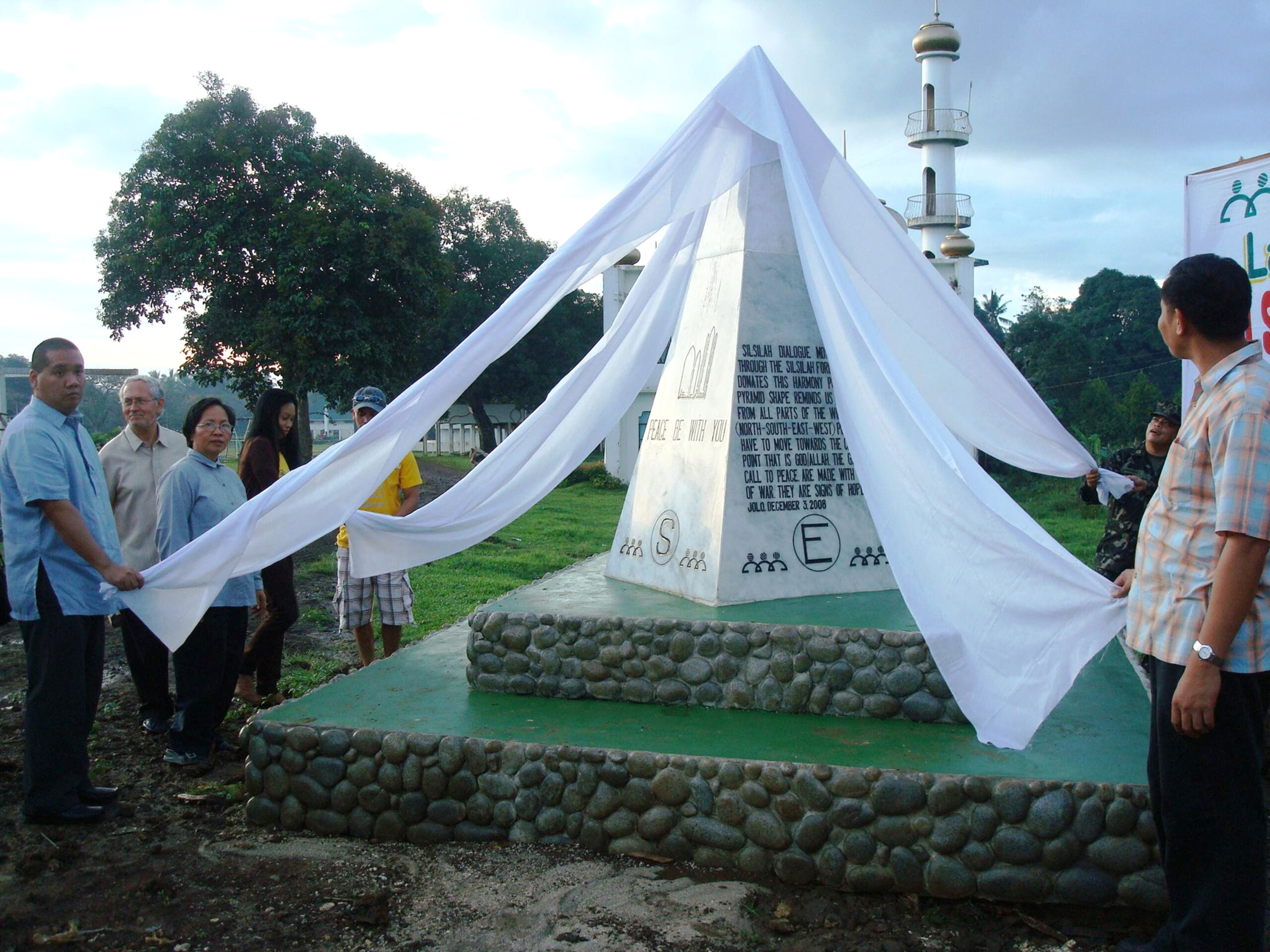
Islamic-Christian dialogue can make great progress through art: this is what is taking place in the southern Philippines, on the island of Mindanao, in the Sulu Islands, thanks to a new initiative involving Christian and Muslim artists and scholars, using film, photographs, paintings, and sculptures with the motto: “Art: Instrument of Peace.” Through this exposition, organizers are leading an awareness campaign in the multi-religious society of the southern Philippines.

World Touch

New Director of the Pontifical Mission Societies

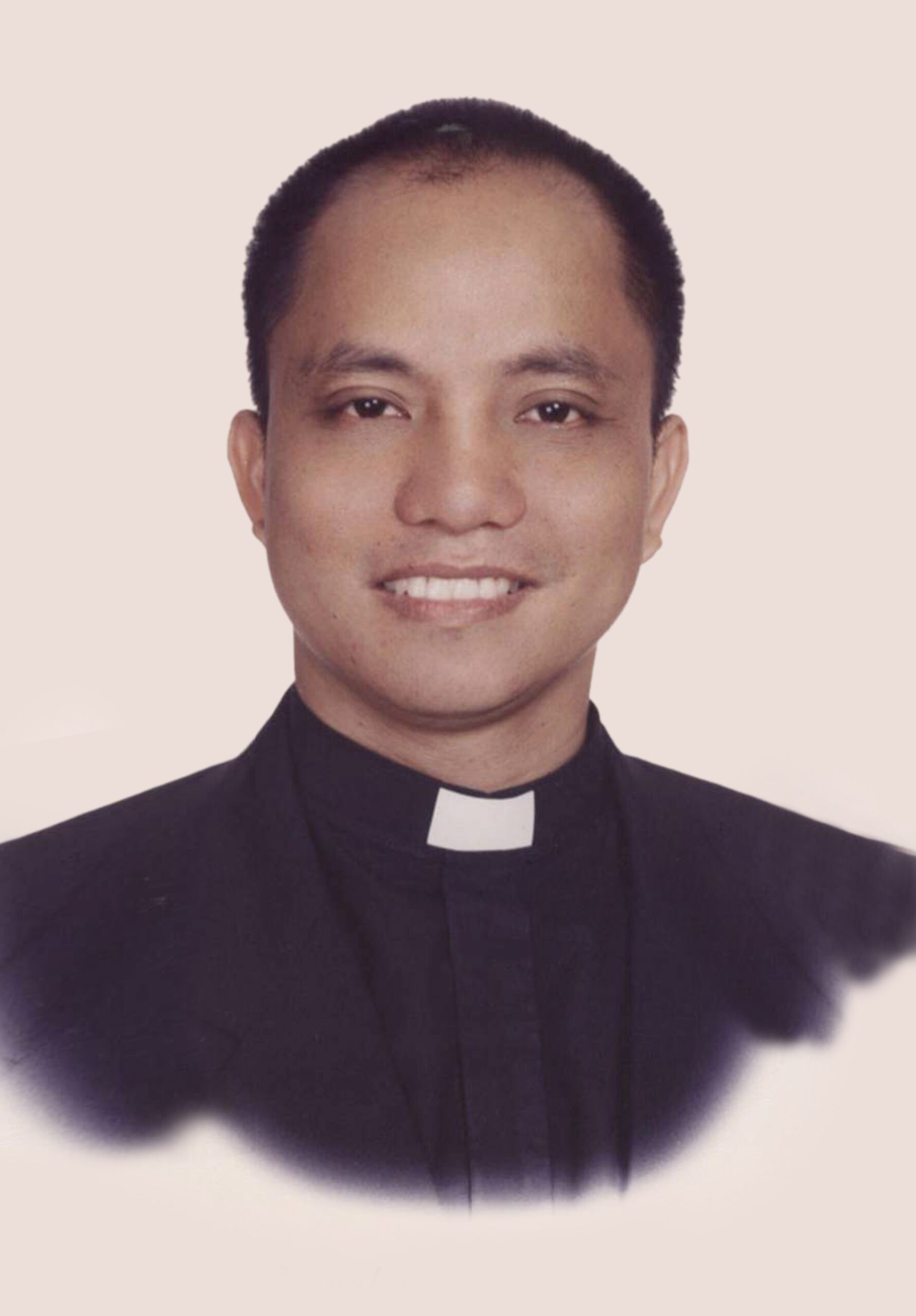
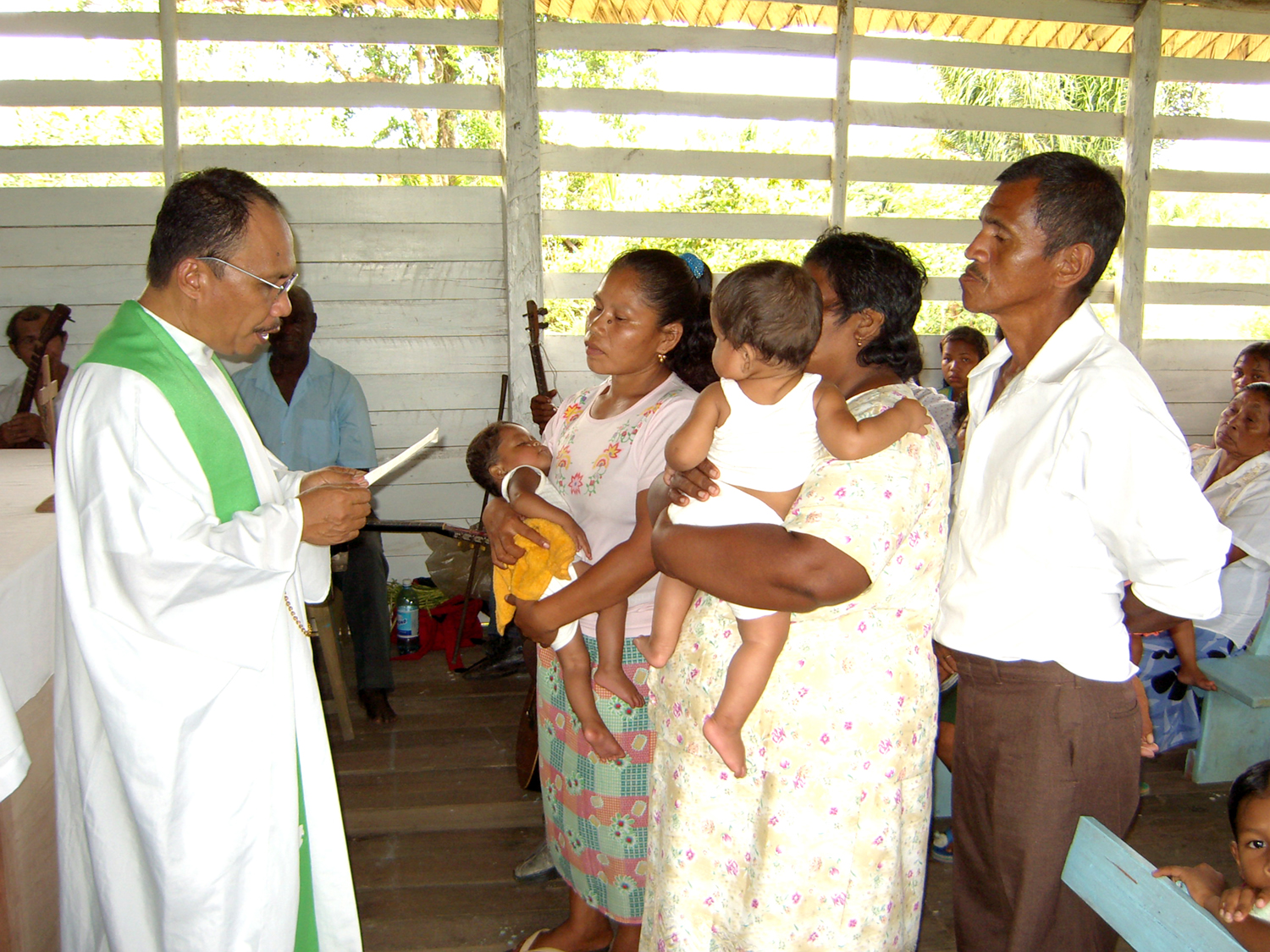
Cardinal Ivan Dias, Prefect of the Congregation for the Evangelization of Peoples, appointed Fr. Socrates C. Lesiona (see photo), of the Mission Society of the Philippines (MSP), as National Director of the Pontifical Mission Societies in the Philippines for the five-year term 2009-2014.

World Touch

Four Million Child Slaves

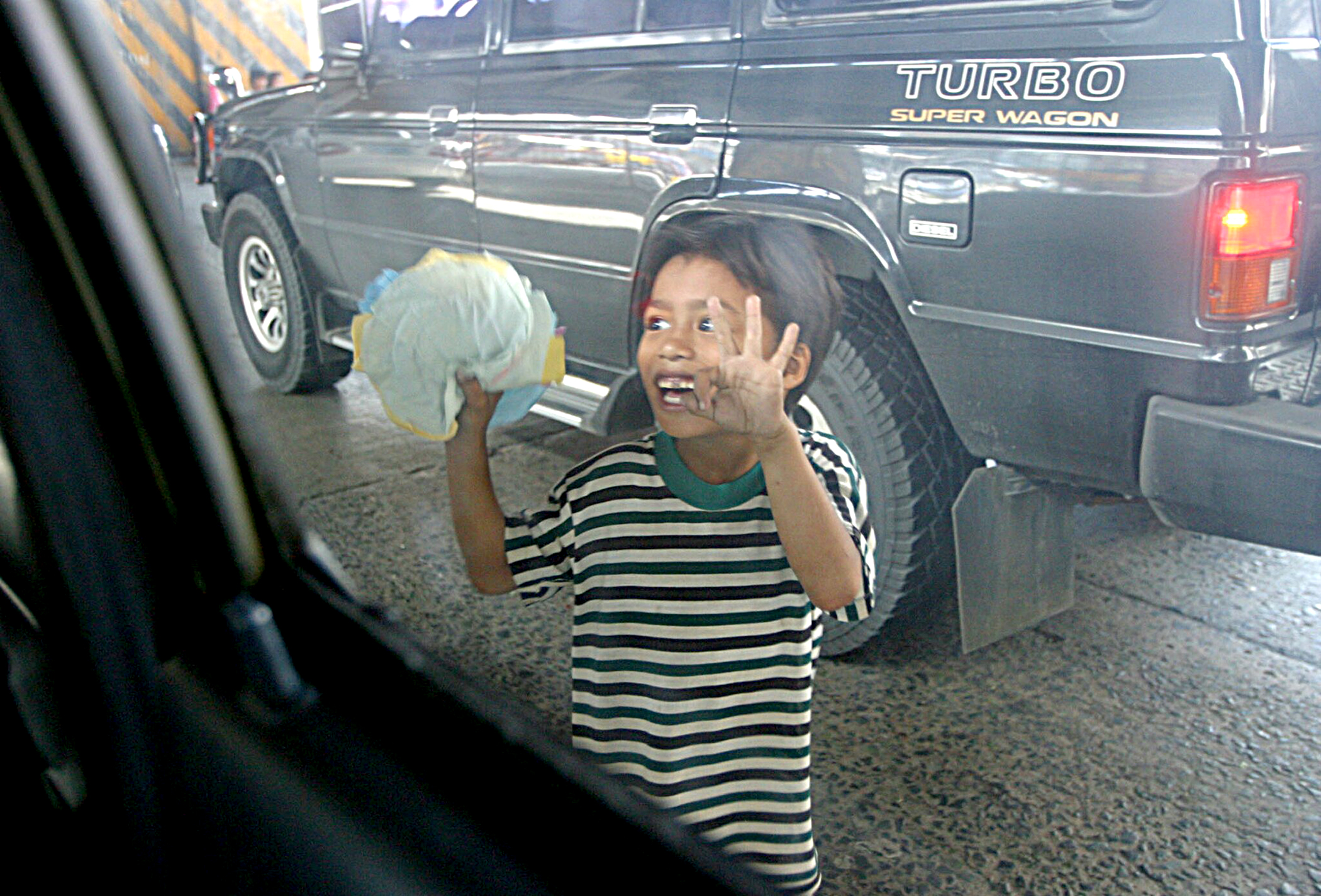
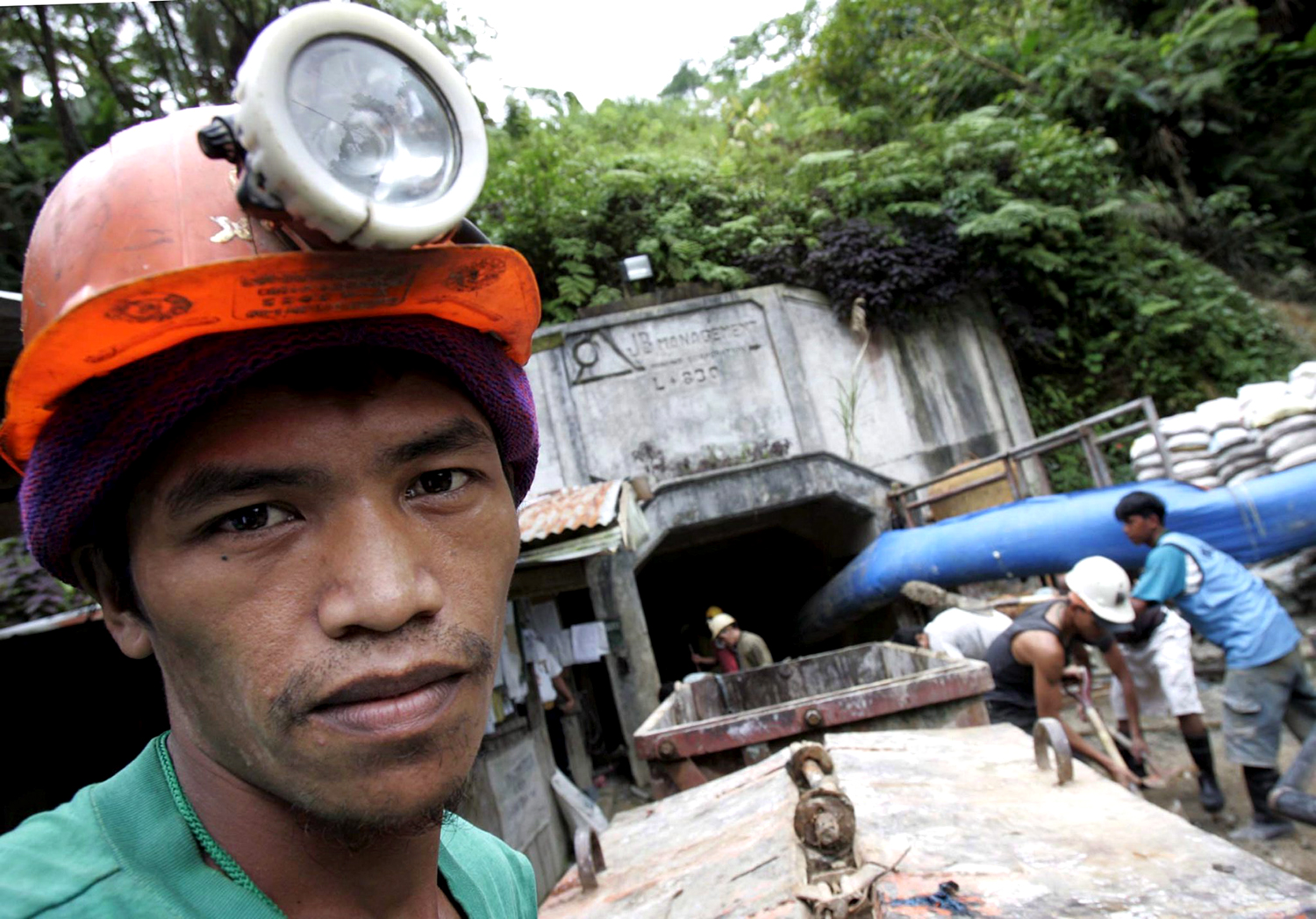
In the Philippines, children are victims of prostitution rings, sex slaves for hire and are forced to work in high seas or open fields for up to 15 hours a day. They till the land, labor in the mines or scrub floors as domestic workers, on call 24 hours a day, seven days a week and work for at least 15 hours a day. Child labor is a curse that touches the lives of about four million children.

Philippines

Vatican Recognizes First Asian Society of Priests

Canonical recognition was given to the Mission Society of the Philippines (MSP), the first society of priests founded in Asia, now present in 13 countries. Asianews reported that the prefect of the Congregation for the Evangelization of Peoples, Cardinal Ivan Dias, signed the pontifical decree. MSP was created in 1965 by the Filipino bishops, on the fourth centennial of the nation’s evangelization. Their goal was “to express in the concrete our gratitude to God for the gift of our faith,” sharing it with “the peoples in Asia and the rest of the world.”

World Touch

Miners Under Fire Over Rice Shortage

Citing food security and environmental concerns, Philippine bishops have called for a country-wide moratorium on mining as another part-Australian owned mine project in Mindanao comes under fire over fears of damage to agriculture. A moratorium on mining is needed if the country is to avoid a rice shortage in the long term, foreign environment experts have found after a study done in six mining sites across the country, echoing the sentiment raised by the Catholic Bishops Conference of the Philippines.

World Touch

Detained Children Suffer Abuse and Torture

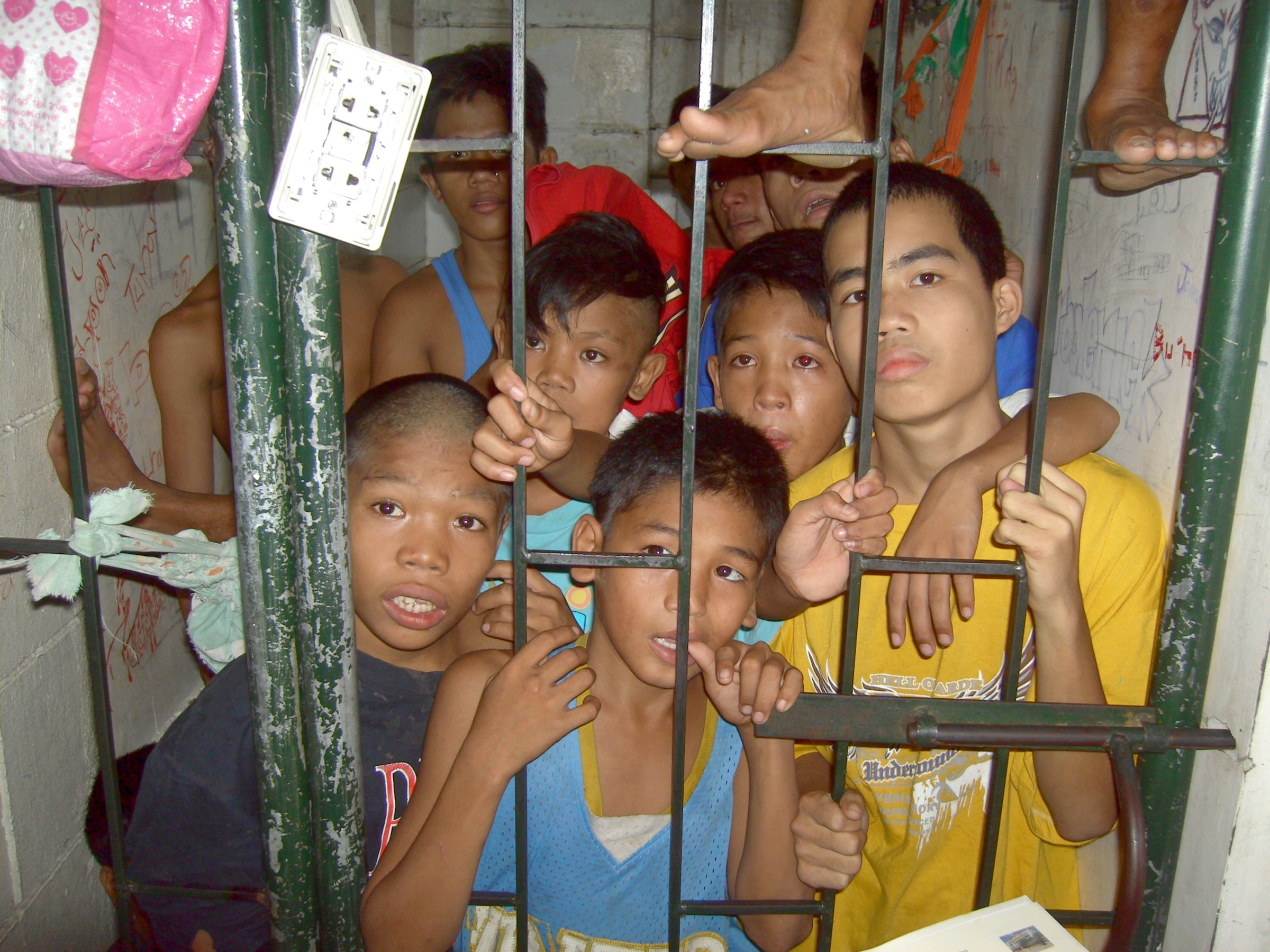
A report launched by PREDA Social Development Foundation uncovers the horrific conditions in Philippine children’s detention centers, police cells where youths and minors are suffering abuse and even torture. The children, guilty of no crime other than homelessness and begging or sniffing industrial glue, are even detained for weeks in some holding cells of the government social services. This well-documented report is based on sound research and the eyewitness testimony of Filipino social workers, paralegal officers and international human rights researchers and lawyers and the testimony of child victims of human rights abuses. The text is supported by graphic photographs from inside the jails covering decades of abuse and the hand-drawn pictures of the children themselves. The full report is available on www.preda.org and the ITV/CNN video, that first revealed the horror of children in prison to the world, is on Youtube.

Migration with a Human Face

Government officials and civil society members from 163 countries, gathered in the Philippines for a meeting on migration, agreed that it was time to look beyond economic benefits and give the phenomenon a ‘human face.’ As the four-day ‘Second Global Forum on Migration and Development’ drew to a close, the consensus was that there needed to be a ‘’rights-based approach’’ to migrant workers, taking into consideration the benefits they bring to both home and host countries.

Shopping Cart