World
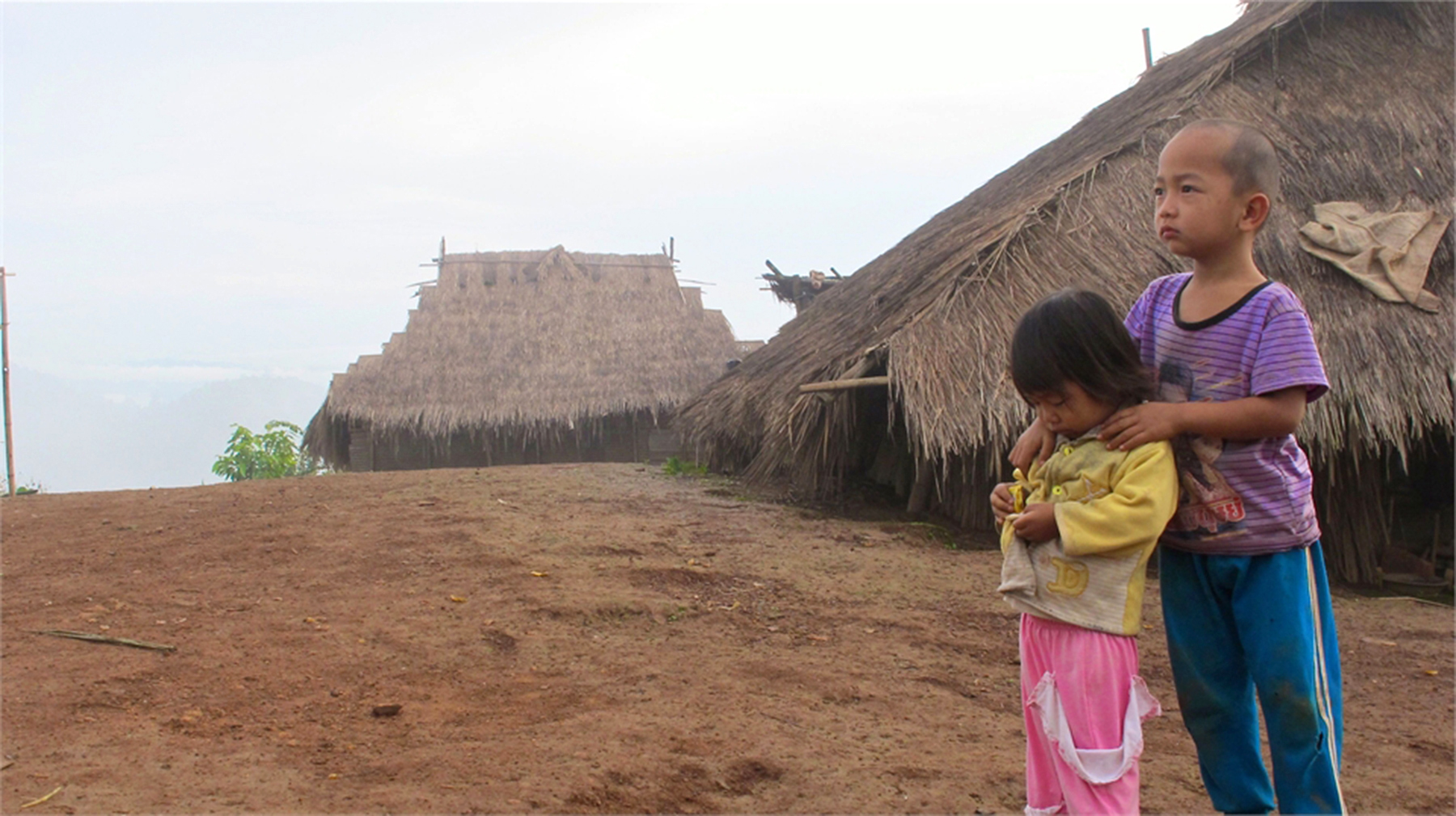
12 Million People Still Stateless
Fifty years after the adoption of the Convention on the Reduction of Statelessness, 12 million people remain without citizenship, most of them living in Asia, according to the UN refugee agency.


Fifty years after the adoption of the Convention on the Reduction of Statelessness, 12 million people remain without citizenship, most of them living in Asia, according to the UN refugee agency.
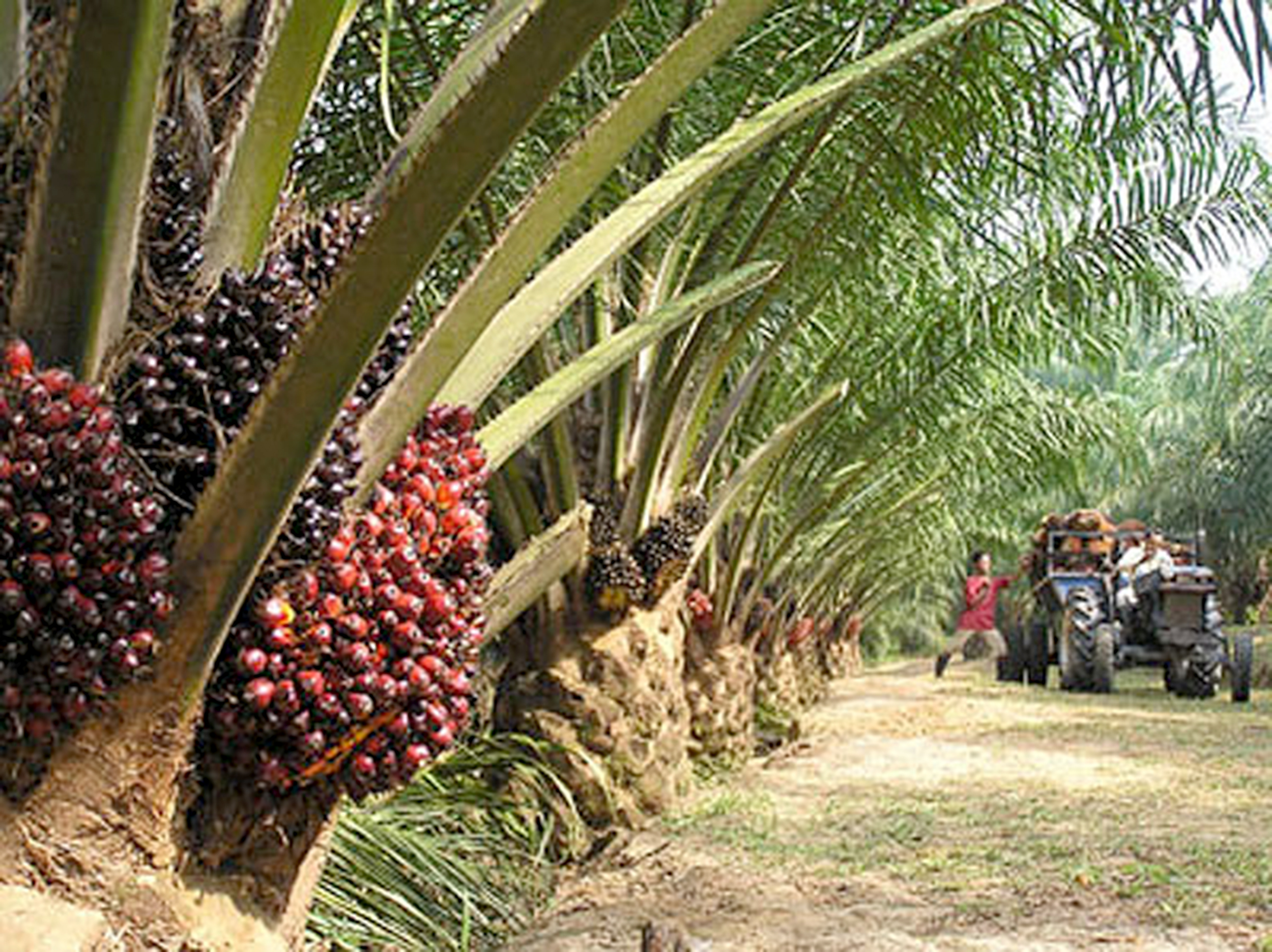
“We are one shock away from a full-blown crisis,” stated Robert Zoellick, the president of the World Bank, at a recent meeting of the Bank and the IMF. He was referring to a critical increase in poverty, resulting from the escalating cost of food. The UN’s food price index has risen 37% since March 2010. Basic cereal prices are up 60% over this period. Wheat is up 63%, and maize 83%. Roughly, 1 million people slide into extreme poverty for each 1% rise in global food prices, the Bank’s analysts calculate.

Catholics are looking for guidance and a larger voice from the Vatican on ethical principles for the world of finance and the environment, according to participants at a Vatican meeting on social justice in a globalized world. Some 200 people involved in social justice issues for the Church gathered for an international conference sponsored by the Pontifical Council for Justice and Peace. The meeting celebrated the 50th anniversary of Blessed Pope John XXIII’s social encyclical, “Mater et Magistra.”
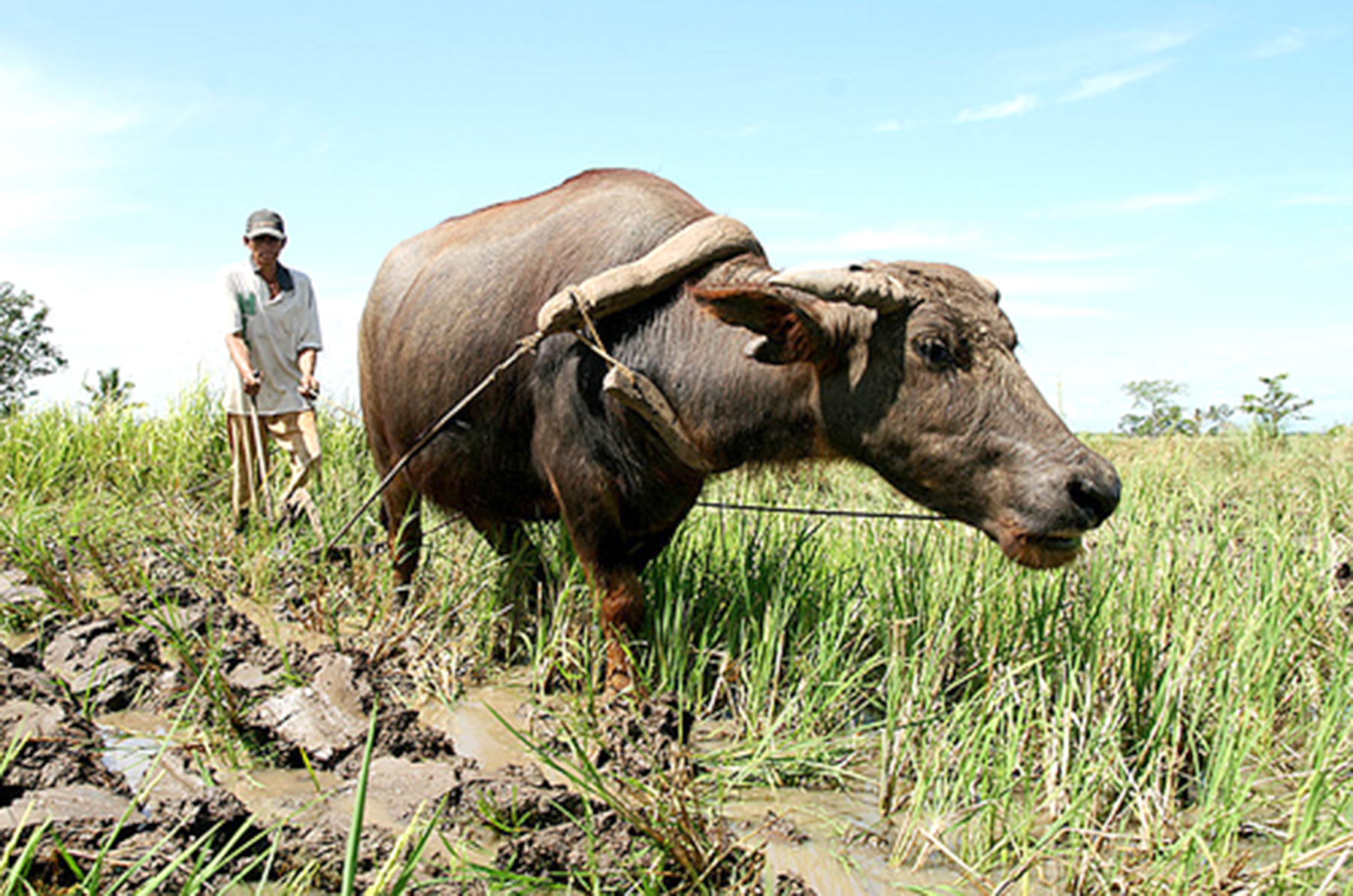
A report released by the International Labor Organization (ILO) for the Fourth Conference on the Least Developed Countries (LDCs) that took place in Istanbul, Turkey in early May expressed a strong critique of the snail’s pace of development. The report, entitled “Growth, Employment and Decent Work in the Least Developed Countries,” solidified widespread fears that the “graduation” rate of LDCs was abysmally low, with only three countries out of 51 – the Maldives, Botswana and Cape Verde – moving out of the category since it was created by the United Nations in 1970.

At a time when most conventional fuels cast ever longer shadows of unintended consequences, algae – that lowly pond scum – offers a pleasant surprise: a near-term, low-tech alternative with apparently few of the hidden costs of more elaborate, expensive and exploitive energy sources, writes Mark Sommer.* The first, simplest, and fastest-growing life form, algae holds unheralded promise to become a pivotal resource for the planet’s future as the basis for a high-quality biodiesel that doesn’t (like corn) siphon food from humans. And it’s not just a fuel. It’s animal feed, human food (think spirulina), and the building block for a wide range of biodegradable bio-plastics to replace petroleum-based plastics. And algae does all this as it grows by absorbing enormous amounts of CO2 – the very greenhouse gas we most urgently need to reduce.

Billions of dollars are being made by investors in a speculative “food bubble” that’s created record food prices, starved millions and destabilized countries, experts now conclude. Wall Street investment firms and banks, along with their kin in London and Europe, were responsible for the technology dot-com bubble, the stock market bubble, and the recent U.S. and UK housing bubbles. They extracted enormous profits and their bonuses before the inevitable collapse of each.
Since 1998, every year, on 3 December, the International Day of Persons with Disabilities is celebrated worldwide, officially promoted by the UN. Last year’s data showed: about 10% of the world population (650 million people) has a disability; 80% of disabled people (more than 400 million) live in poor countries; 90% of children with disabilities in developing countries are excluded from school; about 20 million women are disabled due to pregnancy or childbirth complications.
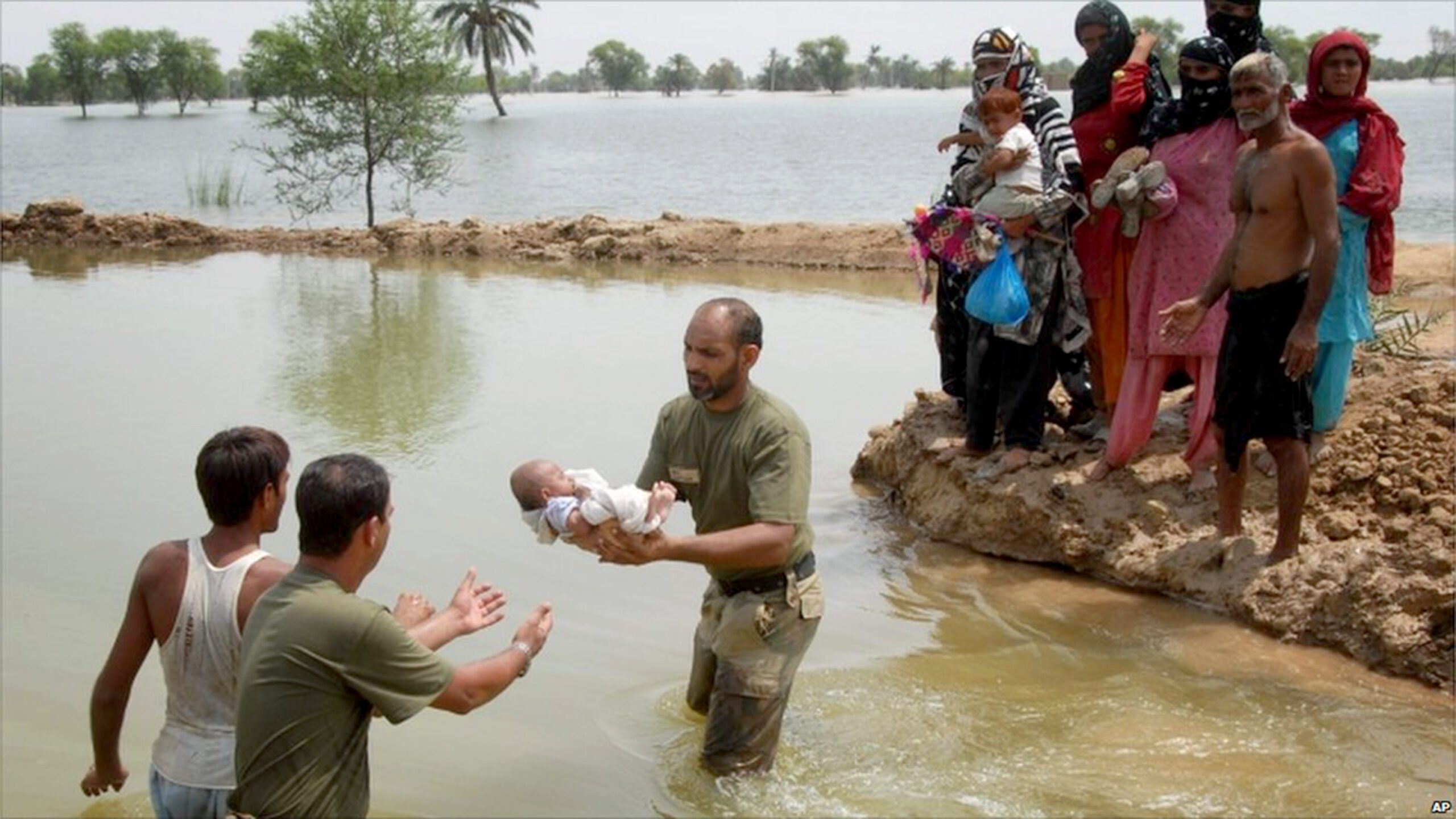
Extreme weather is one of the clearest signals that climate change is happening. During the first part of August 2010, news of extreme weather in various parts of the world was seldom off the headlines. Pakistan suffered its worst monsoon-related floods in 80 years. More than 1,600 people were reported dead, though the real number is probably a multiple of that figure. Rivers burst their banks sweeping away houses, food crops, roads and bridges, leaving areas, such as Gilgit Baltistan, cut off from the rest of the country. The extreme flooding in the Swat valley was partly due to the fact that, since the Taliban took over, the area’s forests had been chopped down at an alarming rate. By the end of the first week of August, it was estimated that around 12 million people have been affected.

The fervor of millions of fans around the world, glued to their television screens as they followed the World Cup was matched by a concern that the event would propitiate an increase in human trafficking. Cardinal Wilfrid Fox Napier, the Archbishop of Durban in South Africa, said that there were signs that organized crime rings were smuggling people to provide sexual services during the event.
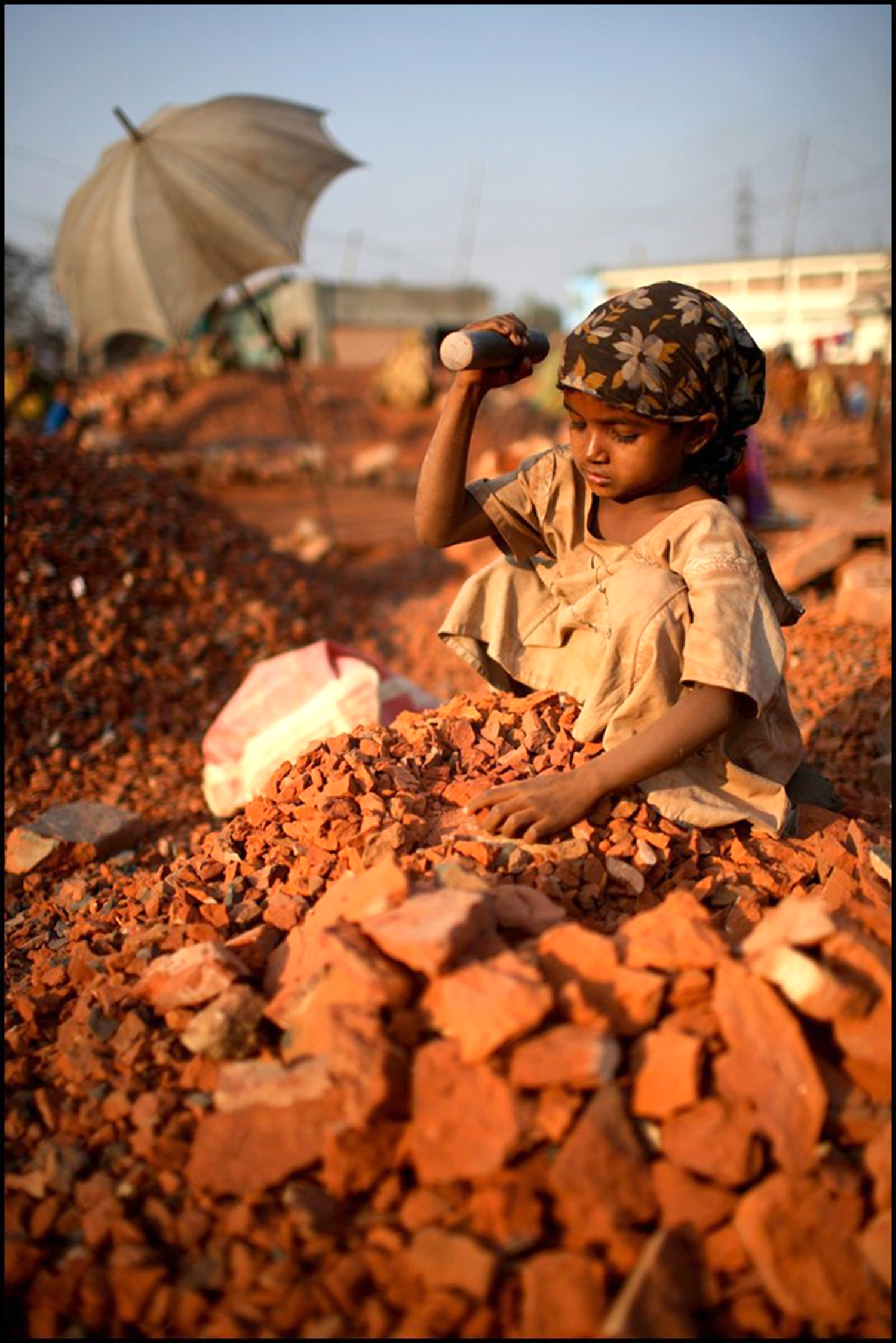
Though there is a declining number of children being forced to work, the trend over the last decade shows the rate of that decline is getting slow. According to the latest report from the International Labor Organization (ILO), there are still today more than 215 million children working, often in agriculture. More than half of them – 115 million – are employed in activities that the ILO describes as dangerous, although not reaching forms of slavery, per se.
