
Editorial
Be Protagonists, Not Spectators!
It is, therefore, imperative that we instill in our minds and hearts a positive outlook towards today’s youth and provide them with venues and means to make them protagonists.


It is, therefore, imperative that we instill in our minds and hearts a positive outlook towards today’s youth and provide them with venues and means to make them protagonists.
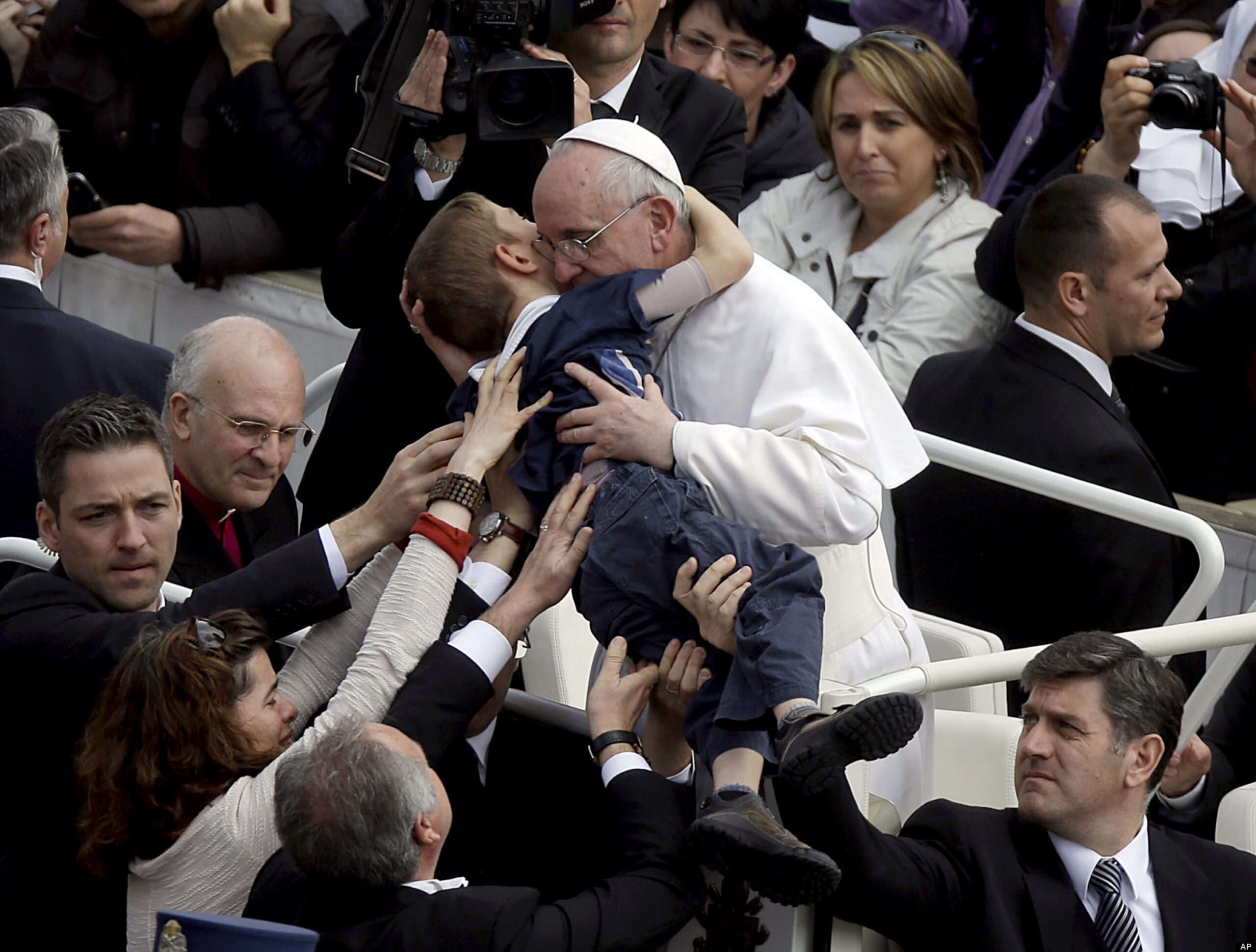
On papal trips, what one usually gets are pieces of a pope’s vision, meaning speeches targeted for special groups or occasions that beckon one emphasis or another. Every now and then, however, a pope has a chance to lay out his views in a programmatic fashion, and brought one of those rare moments in a speech Francis delivered to Brazil’s bishops. Jesuit Fr. Federico Lombardi, the Vatican spokesman, said the Pope’s speech was the longest of Francis’ papacy so far and, if not its most important, certainly “very significant.” Five ideas loomed over the rest:
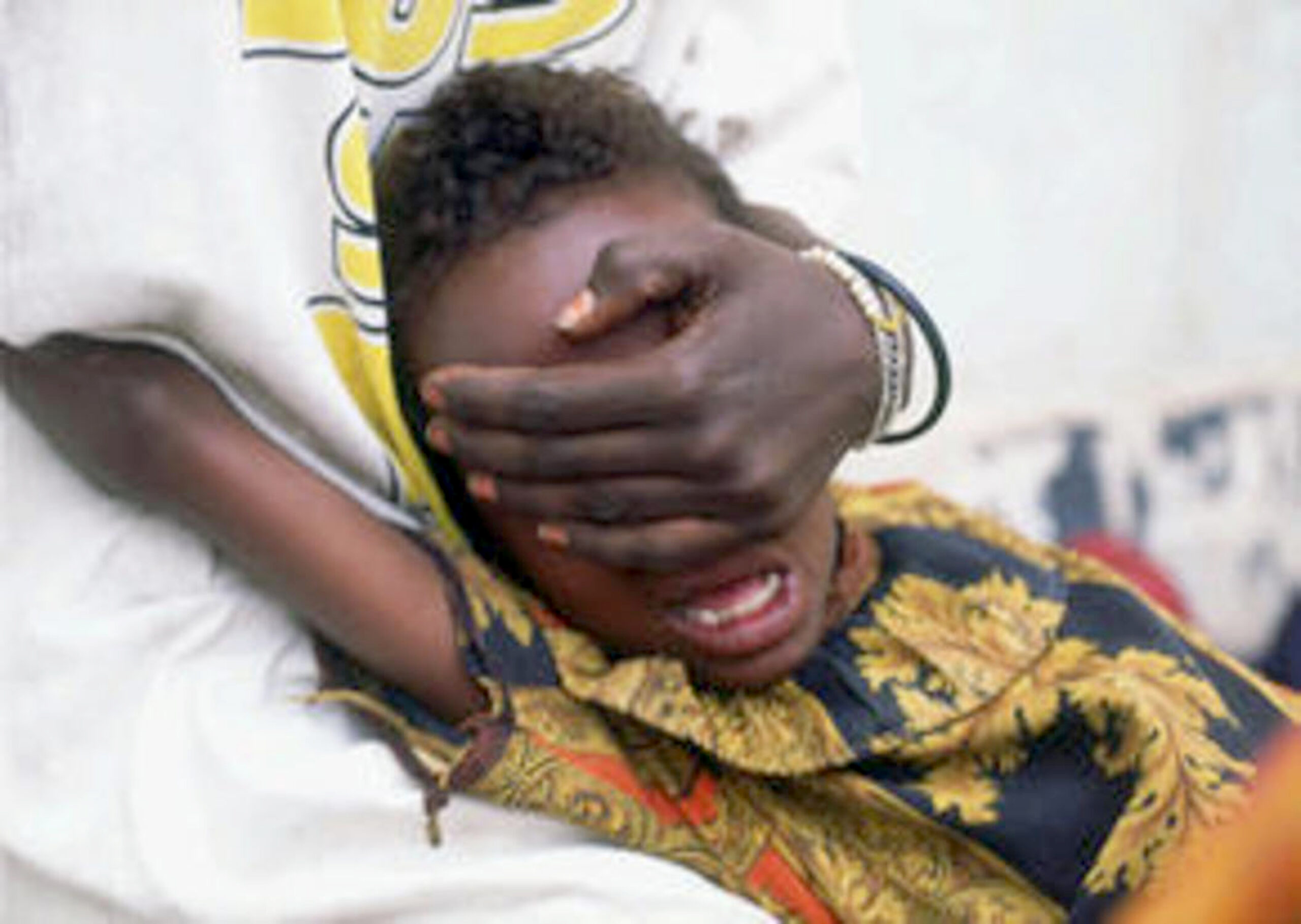
The true extent of female genital mutilation or cutting is huge, a report from UNICEF last July revealed. It says that a total of 125 million women and girls are now living with the consequences of FGM – and yet the report suggests that the practice continues only because of social convention, while most women and men wish it would end.
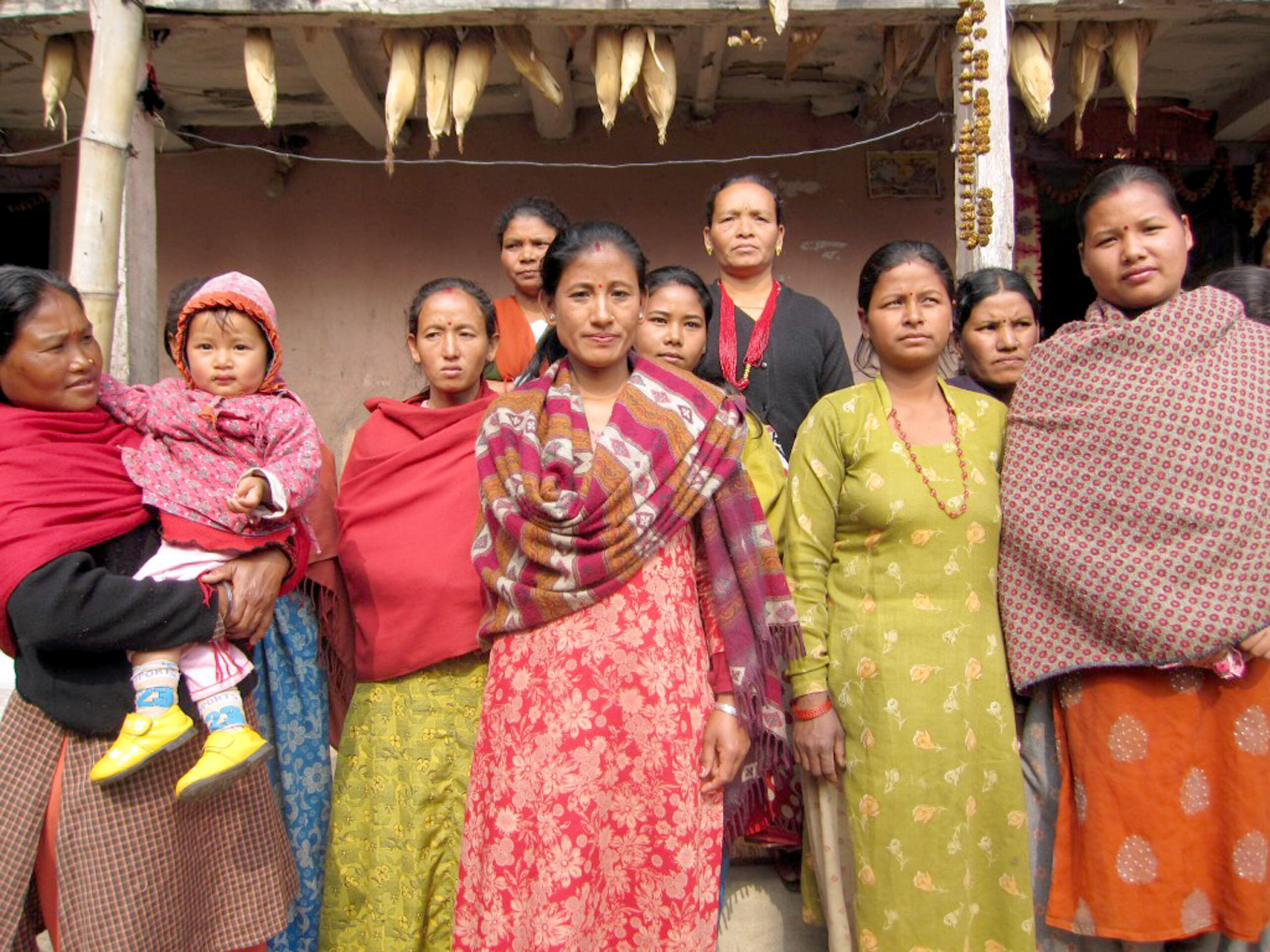
Shakti Samuha, a group of former Nepali sex slaves that frees Asian women and girls from human trafficking in India and China, is among the five recipients of the ‘Ramon Magsaysay Award’ for 2013. Viewed as Asia’s Nobel Prize, the award recognizes people and organizations that have distinguished themselves for changing their societies for the better. The Filipino government, which established the award in 1958, announced.
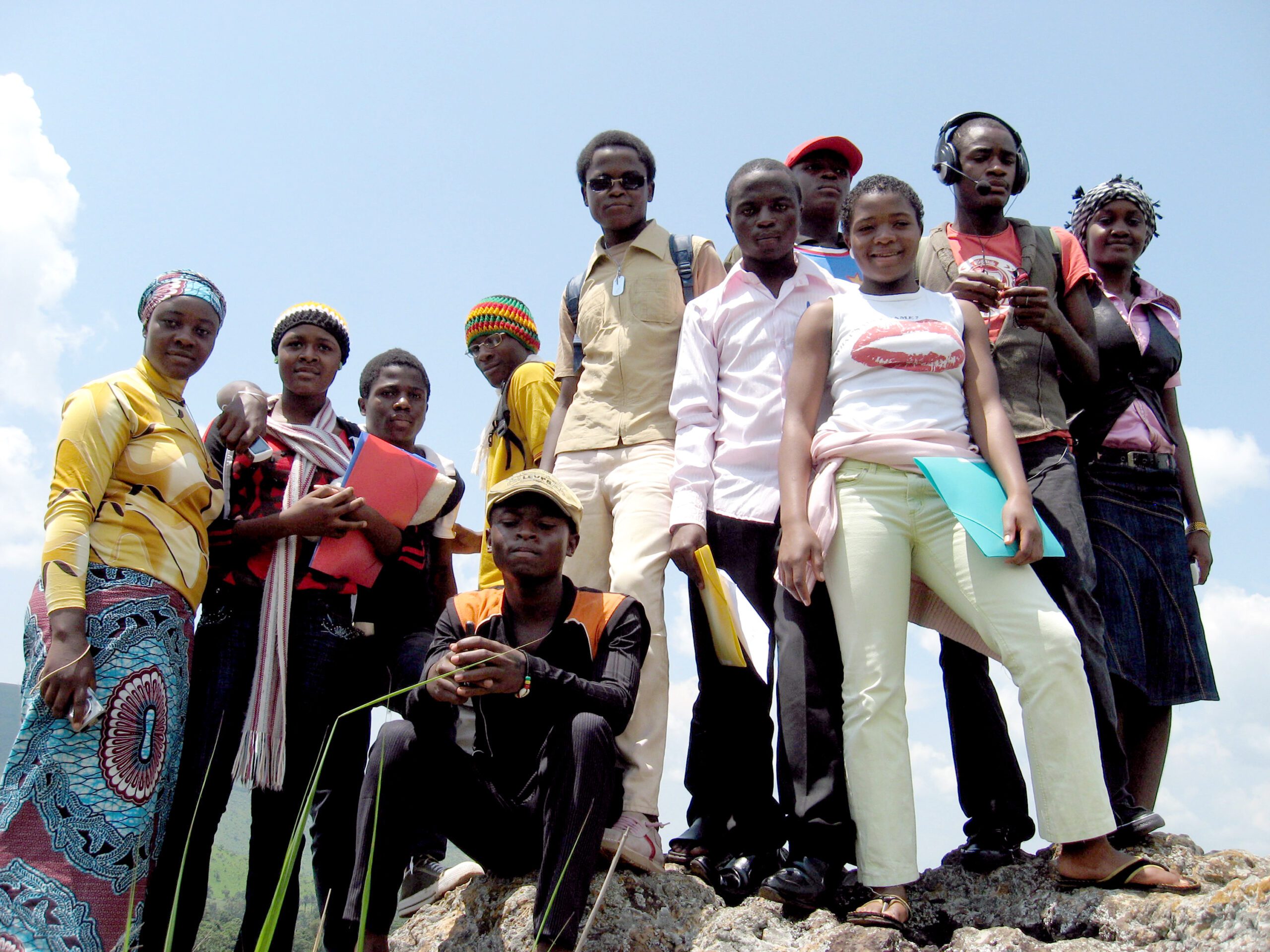
Unemployment, poverty and political marginalization are contributing to the Islamic radicalization of Kenya’s youth, a situation, experts say, that must be addressed through economic empowerment and inclusive policies.
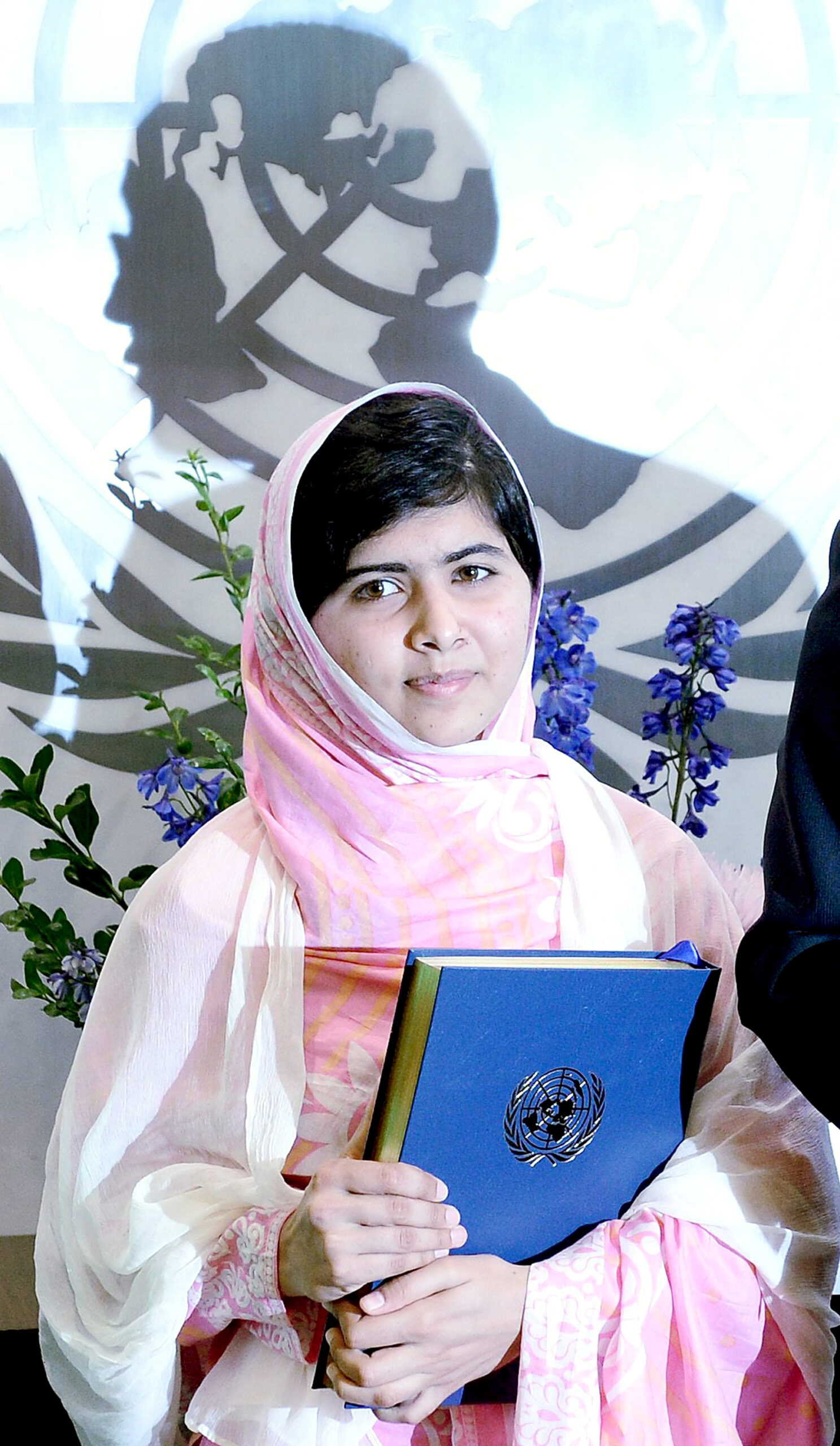
Young people are filled with a desire to reach out to those who are suffering and in need, especially, the disabled, mentally challenged, infirmed, aging and the youth and children hurt and harmed by the injustice of the adult world. They love to protect the environment and work for the restoration of degraded nature.

The youth issue will surely be one of the major and enduring challenges for the modern Catholic faith. No doubt, modern technology will play a major role in the agenda but, above it all, the humility, sensitivity and creativity of the youth ministers will also prove vital. A carefully planned online strategy will be greatly instrumental but, in some cases, the little things such as a surprise birthday party for a friend or a casual personal invitation to a prayer meeting could spell the difference.
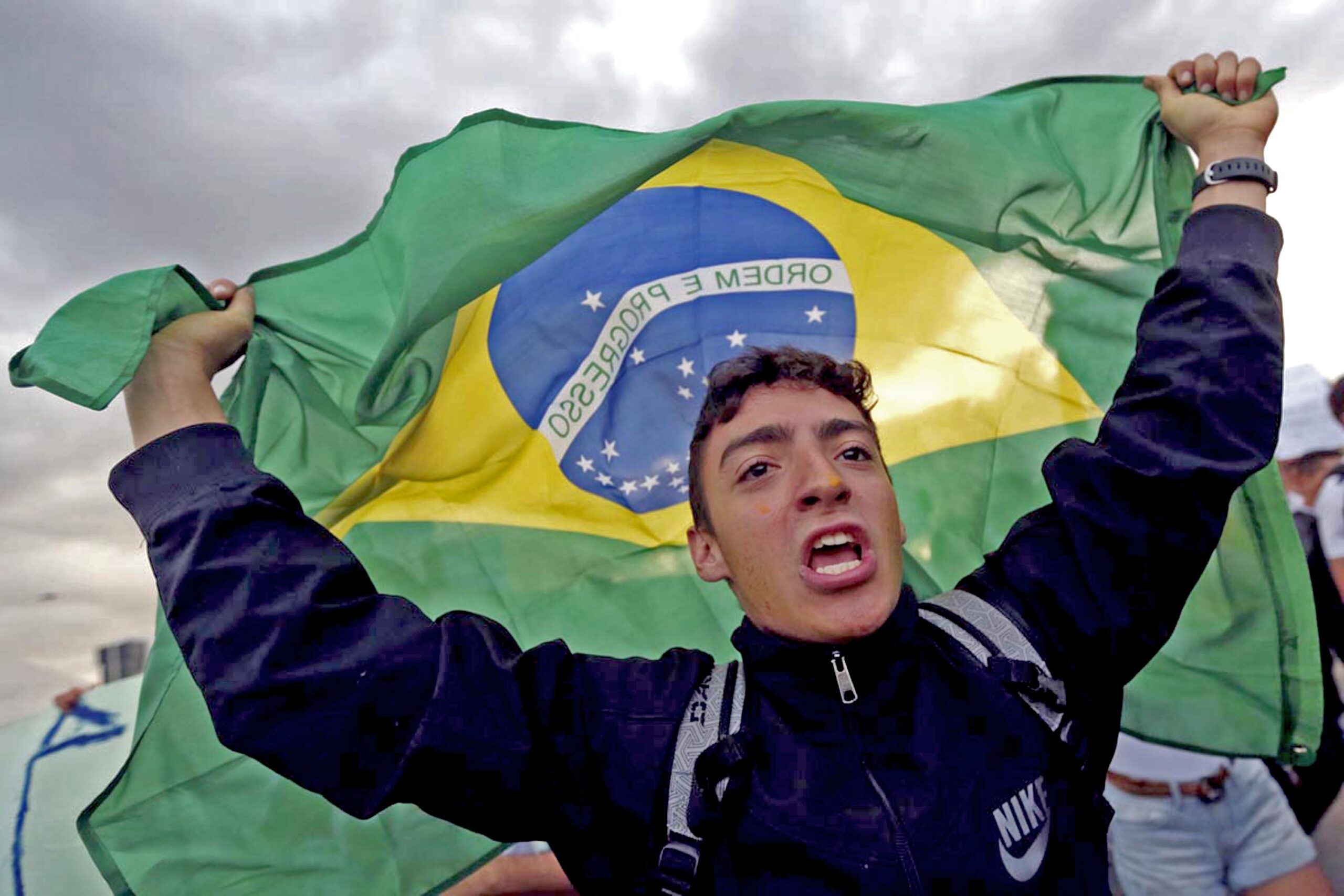
Brazil, despite so many changes in social, political, economic and religious sphere, is still a Catholic country largely with young members. The recent census of 2010 reports that, of the 200 million population, 123 million (64.6%) declare themselves Catholic. There is an outstanding growth among the Pentecostal groups (22.2%) over the past decade. The youth (15 to 24 years old) form 20% of the Brazilian population. The World Youth Day that was held in Rio de Janeiro, in July 2013, called the world´s attention to the current situation of the Brazilian youth and to the challenges they face.
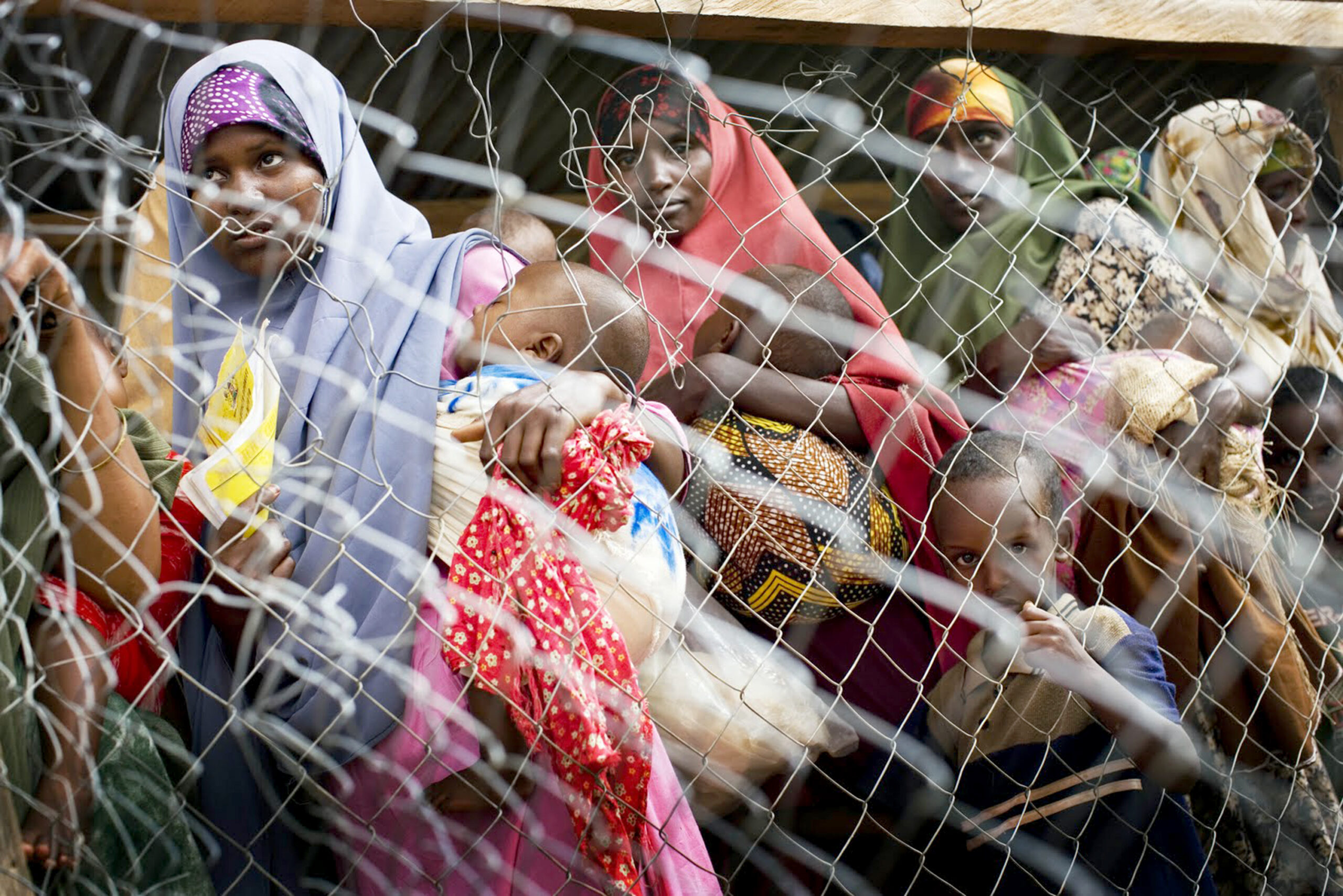
About 45.2 million people have been forced to leave their homes due to conflict and/or violence. According to the U.N., this means that each day, another 23,000 people begin to search for safety from harm or persecution: the world has a new refugee or internally displaced person every 4.1 seconds.
