
Category: Frontiers

Running Out Of Forests?

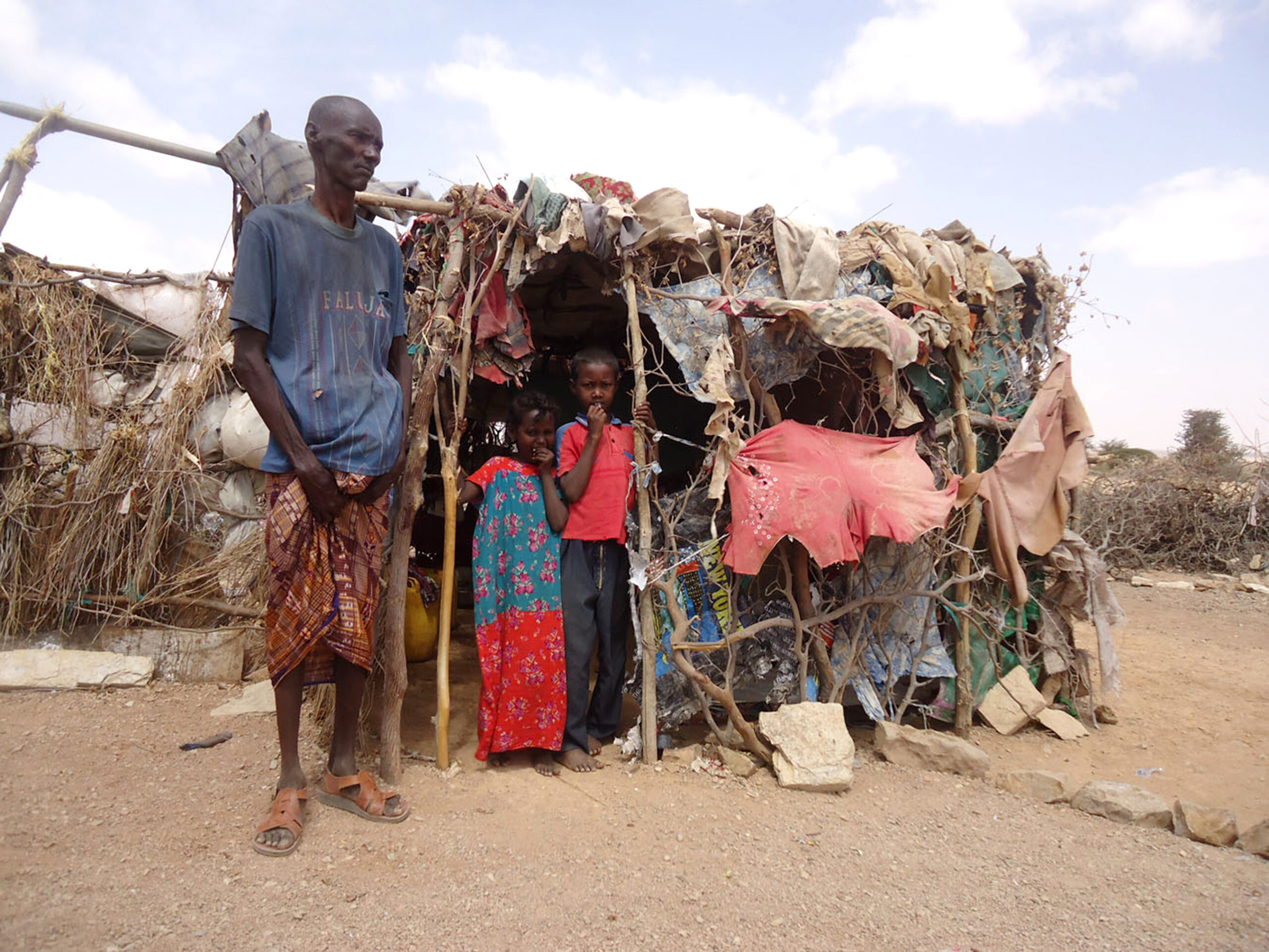
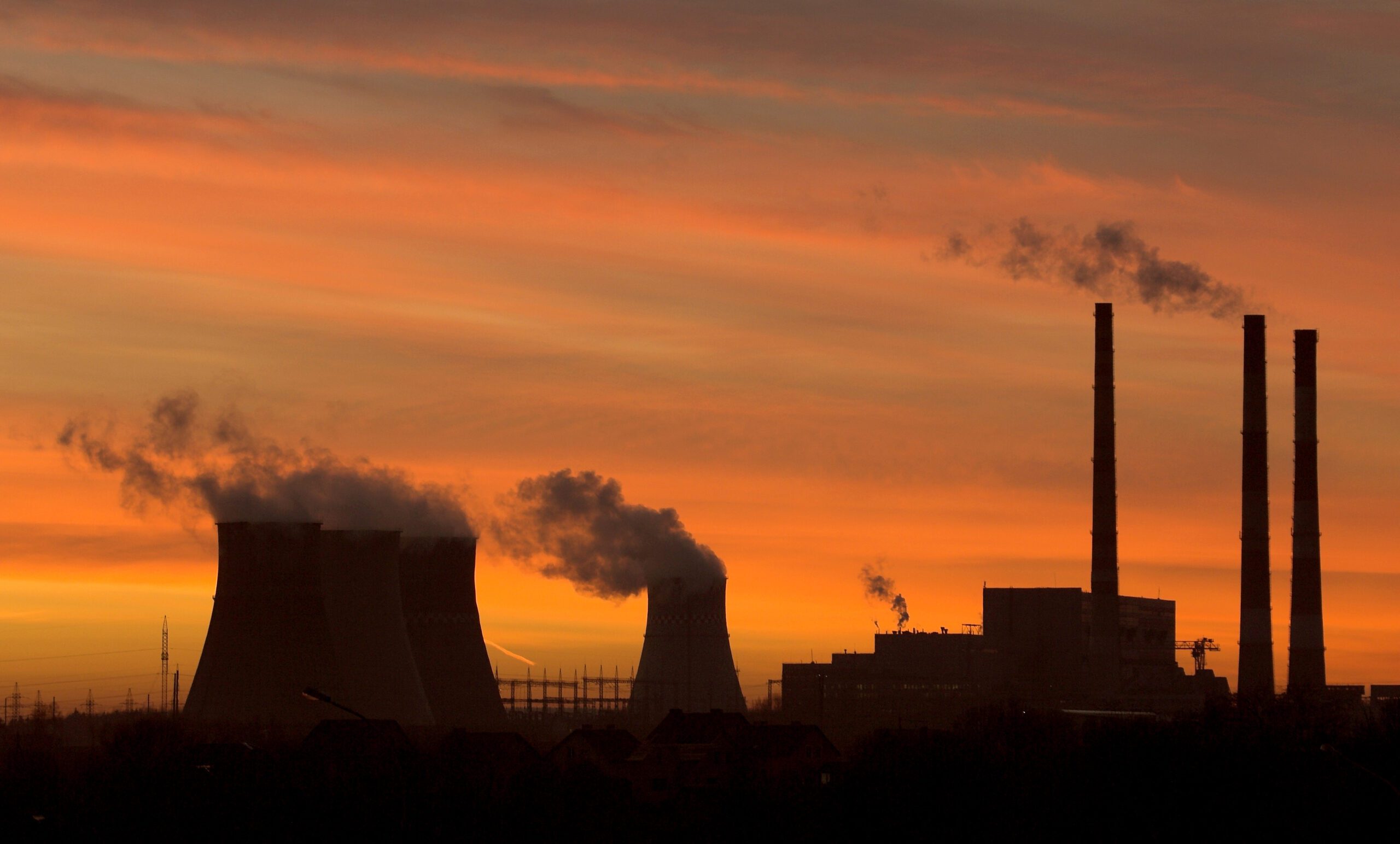
The wage of sin is death, declares the Holy Bible (Romans 6:23). The innocents – most of them living in slums – are paying the sin of the chosen few rich in the past! In December 2011’s “Sendong,” vast sections of Northern Mindanao, an area previously thought to be away from the path of storms, were laid to waste. The typhoon killed more than 1,500 people. Also in December, “Pablo” left almost 400 people dead and hundreds more injured as it slowly exited the country. More than 300 are still unaccounted for. Most of the fatalities – some of them still unidentified – died from flash flood and mudslide. “The root cause is the denudation of our forests,” commented one environmentalist. “This is a sin of the past that we are paying now.” Harold R. Watson, a former American agriculturist who had been helping the locals in Mindanao, agreed. “When man sins against the earth, the wage of that sin is death or destruction,” he explained. “This seems to be a universal law of God and relates to all of God’s creation. We face the reality of what man’s sins against the earth have caused.”  It is impossible to exaggerate the ecological debacle. More than 90 years ago, the Philippines was almost totally covered with forest resources distributed throughout the 30 million hectares. These resources provided income, employment, food, medicine, building materials, and water as well as a healthy environment. In the 1950s, only three–fourths of the archipelago was covered with forest, according to the Department of Environment and Natural Resources (DENR). By 1972, the figure had shrunk to half and, by 1988, only a quarter was wooded and just one tiny fraction of this was virgin forest. The United Nations Food and Agriculture Organization (FAO) said about 7,665,000 hectares of the country are forested. Between 1990 and 2010, the country lost an average of 54,750 hectares per year. According to environmentalists, logging operations – legal and otherwise – are mowing down the country’s remaining forest cover. Rev. Peter Walpole, executive director of the Ateneo de Manila University’s Environmental Science for Social Change, said the Philippines “trusted” logging companies to cut down trees and manage the forest. “But they did a very bad job,” he decried. “That started the problem that we have now.” DENR, the lead agency responsible for the country’s natural resources and ecosystems, is virtually powerless in stopping rampant illegal logging. It has no guns, no radios, no boats, and only few men to roam the jungles where they are usually terrorized by armed men or rebels. Another culprit of the rapid disappearance of forests in the country: mining operations.  Other causes of deforestation include forest fires, volcanic eruptions, geothermal explorations, dam construction and operations, fuelwood collection, and land development projects (construction of subdivision, industrial estates, and commercial sites). The country’s surging population has likewise contributed to the problem. At least a fourth of the total population lives in the upland areas where most trees are located.
A Heroic Mother’s Instinct

Lou Xiao Ying’s youngest adopted son, Zhang Qilin, now aged just seven, was found in a dustbin by Lou when she was 82. “Even though I was already getting old, I could not simply ignore the baby and leave him to die in the trash. He looked so sweet and so needy. I had to take him home with me,” she said. “I took him to our home, which is a very small, modest house in the countryside and nursed him to health. He is now a thriving little boy, who is happy and healthy. My older children all help look after Zhang Qilin; he is very special to all of us. I named him after the Chinese word for rare and precious.” She continued: “The whole thing started when I found the first baby, a little girl, back in 1972 when I was out collecting rubbish. She was just lying amongst the junk, in the street, abandoned. She would have died had we not rescued her and taken her in.  Watching her grow and become stronger gave us such happiness and I realized I had a real love for children. They are all precious human beings. I do not understand how people can leave such vulnerable babies on the streets.” Now suffering from heart and kidney failure, Lou is finally being recognized for her years of quiet service, with many in her community stepping forward to lend a hand in her final days. According to the Chinese state-run news agency Xinhua, Lou is still thinking of her beloved children even after becoming so ill that she has almost lost the ability to speak and move. “I don’t have many days left, but what I want to see most of all is for my 7–year–old Qiling to go to school. That way, even after I am gone, there will be no regrets left in my life,” she told Xinhua from her hospital bed.    Strict birth control China’s controversial ‘policy of birth planning’ was introduced in 1978 to reduce the strain on the country’s burgeoning population and reduce the strain on resources. It officially restricts married, urban couples to having one child and those who break the rules have to pay a fine or fee. Those who stick to the rules are usually awarded a certificate and can benefit financially, such as receiving an additional month’s salary every year until the child turns 14. The policy allows exemptions in some cases – including rural couples, couples without siblings on either side, and ethnic minorities. Residents of Hong Kong and Macau are exempt from the policy, as are foreign nationals living in China. In certain rural parts of the country, couples are allowed to have a second child if the first born is a girl but many parents feel pressured to produce an heir and end up abandoning the females. If the second child is also a girl, no more children are allowed. It is extremely rare to find a family

Running Out Of Forests?

The wage of sin is death, declares the Holy Bible (Romans 6:23). The innocents – most of them living in slums – are paying the sin of the chosen few rich in the past! In December 2011’s “Sendong,” vast sections of Northern Mindanao, an area previously thought to be away from the path of storms, were laid to waste. The typhoon killed more than 1,500 people. Also in December, “Pablo” left almost 400 people dead and hundreds more injured as it slowly exited the country. More than 300 are still unaccounted for. Most of the fatalities – some of them still unidentified – died from flash flood and mudslide. “The root cause is the denudation of our forests,” commented one environmentalist. “This is a sin of the past that we are paying now.” Harold R. Watson, a former American agriculturist who had been helping the locals in Mindanao, agreed. “When man sins against the earth, the wage of that sin is death or destruction,” he explained. “This seems to be a universal law of God and relates to all of God’s creation. We face the reality of what man’s sins against the earth have caused.”

Frontiers

Growing Climate Crisis

On November 28, 2012, the third day of the United Framework Conference on Climate Change (UNFCCC) in Doha, Qatar, a report released by the World Meteorological Organisation (WMO), stated that ice melt in the Arctic Ocean reached a record new low with a loss, from March to September, of a staggering 11.83 million square miles, an area larger than the United States. In the words of Michel Jarruad, secretary–general of the WMO, “the alarming rate of its melt this year highlighted the far–reaching changes taking place on Earth’s oceans and biosphere. Climate change is taking place before our eyes and will continue to do so as a result of the concentrations of greenhouse gases in the atmosphere, which have risen constantly and again reached new records.”

Frontiers

I Met World Hunger On A Hillside

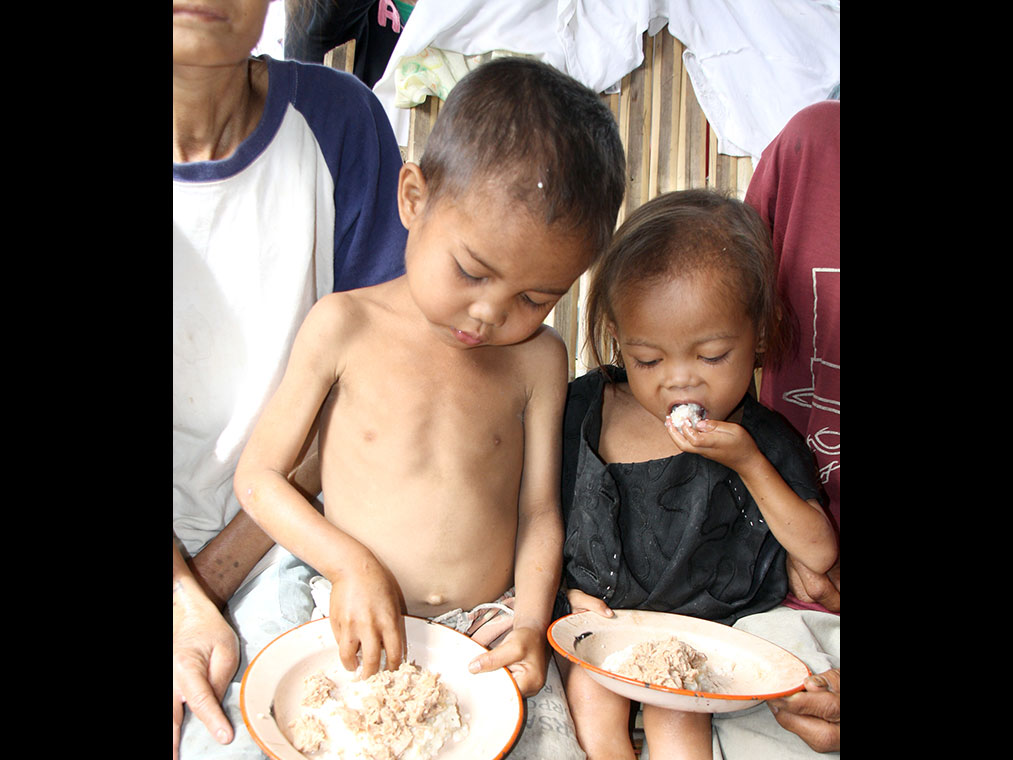
I will not easily forget the dark night of the great typhoon; the wind was howling and tearing at the metal sheet roofs, the trees were bowed toward the earth in submission, the rain was lashing from the sky, and throwing itself like an angry demon on the mission hut where I was staying for a few days in a remote mountainous part of Zambales, Philippines. There was a persistent banging on the door. A voice cried out in Filipino. “Come quickly, Padre, my child, little Angelica, is dying; bring medicine, food. Please come now I am Juanito, I need help.”

Frontiers

“Papa, What’s on Mars?”

It was a wet and gloomy day. The 6-year-old looked out at the torrents of rain that were streaming from the dark gray gloomy sky that were spoiling the European summer and wet down some of the Olympic events. In Asia, it was far worse. The tropical rain storms went on for days, the rivers overflowed, people waded through floods carrying their meager possessions on their heads in plastic bags and basins. Their villages were submerged; the towns and cities were flooded chest high, food was lost, possessions destroyed. Lives and fields of crops were ruined, homes buried by landslides and most could not understand why there was such harsh and violent weather, the worst for decades.

Frontiers

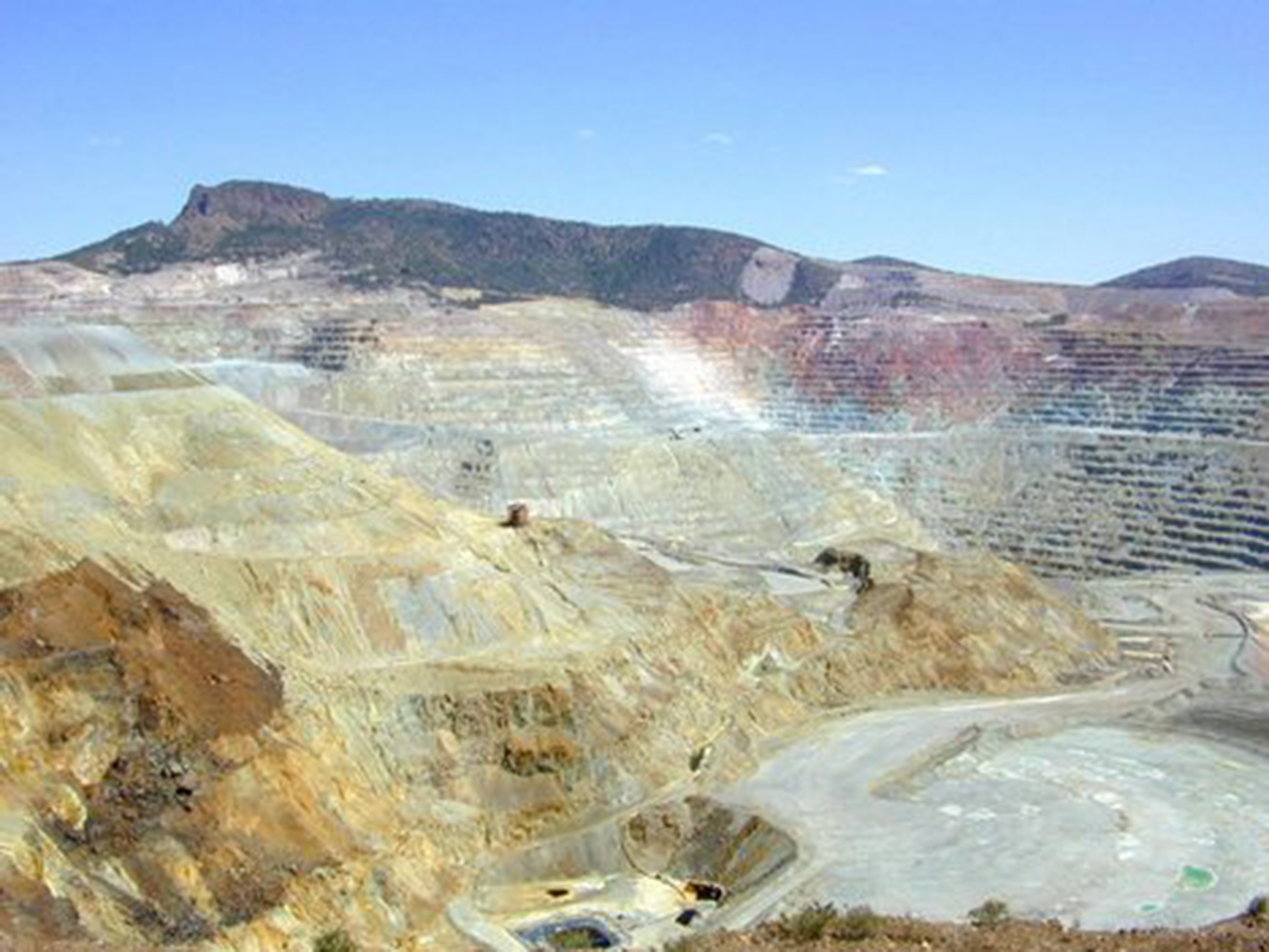
Paradise Lost to Destructive Mining

President Aquino plans to issue a historical Executive Order (EO) to regulate the mining industry to protect the environment and the rights of people. A strict order is needed and, hopefully, it will levy at least a 20% tax on mining profits. Hundreds of thousands of justice-loving Filipinos live in hope and expectation that it will be so.

Frontiers

It’s Time to Move Forward

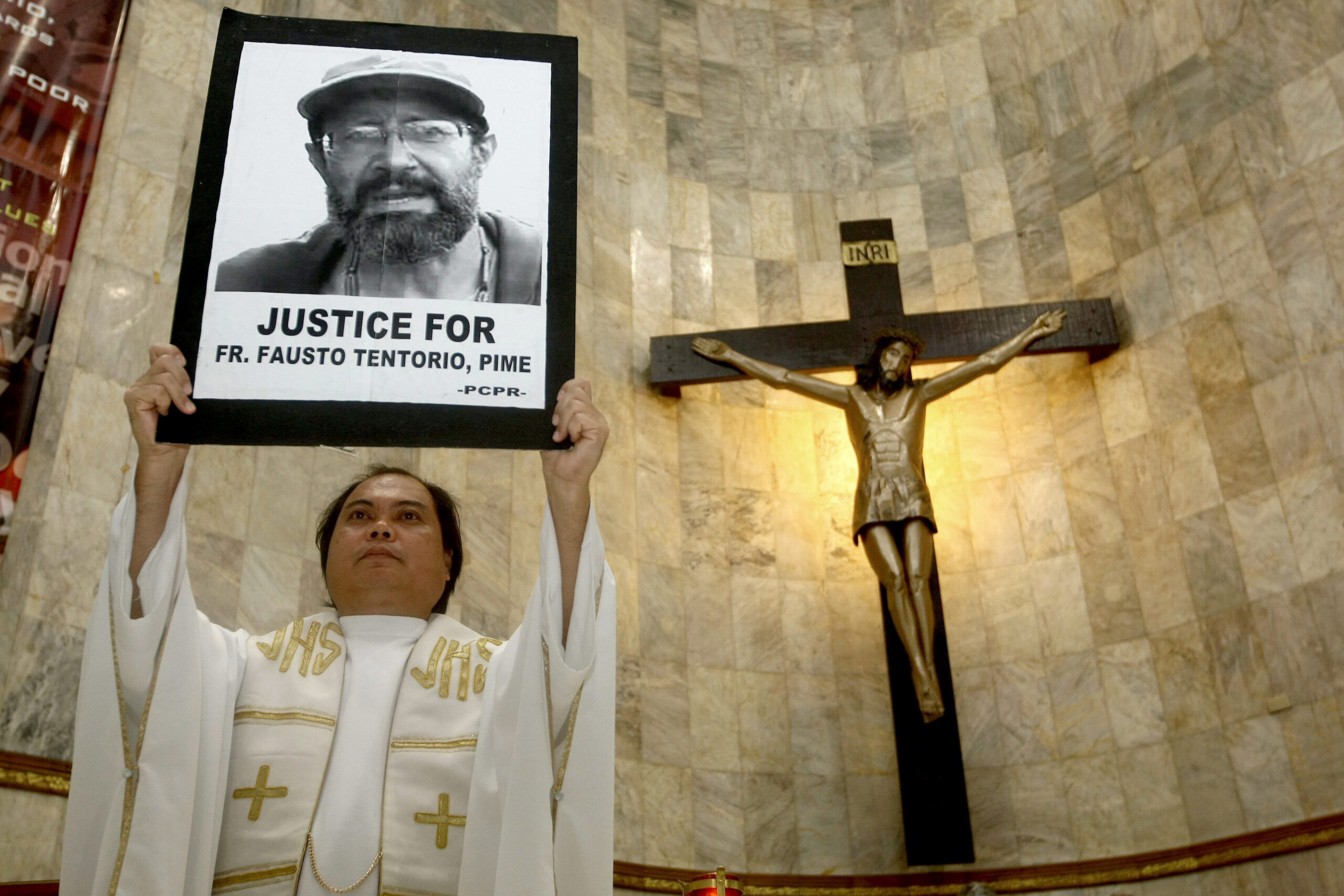
I was in Italy when I learned of the killing of Fr. Fausto Tentorio, a member of the Pontifical Institute for Foreign Missions (PIME). Immediately after, I started receiving calls and messages from the Philippines and Italy expressing solidarity. I said to myself that Fr. Fausto Tentorio is the third PIME priest killed in the Philippines – Fr. Tullio Favali in 1985, Fr. Salvatore Carzedda in 1992, and now Fr. Fausto. After this thought came the realization that Fr. Tullio was killed in the context of living in a parish to help the Christian community to grow; Fr. Salvatore in the context of dialogue between Christians and Muslims; and now Fr. Fausto, who lived with the tribal people.

Frontiers

Can the Guilty Rich Repent?

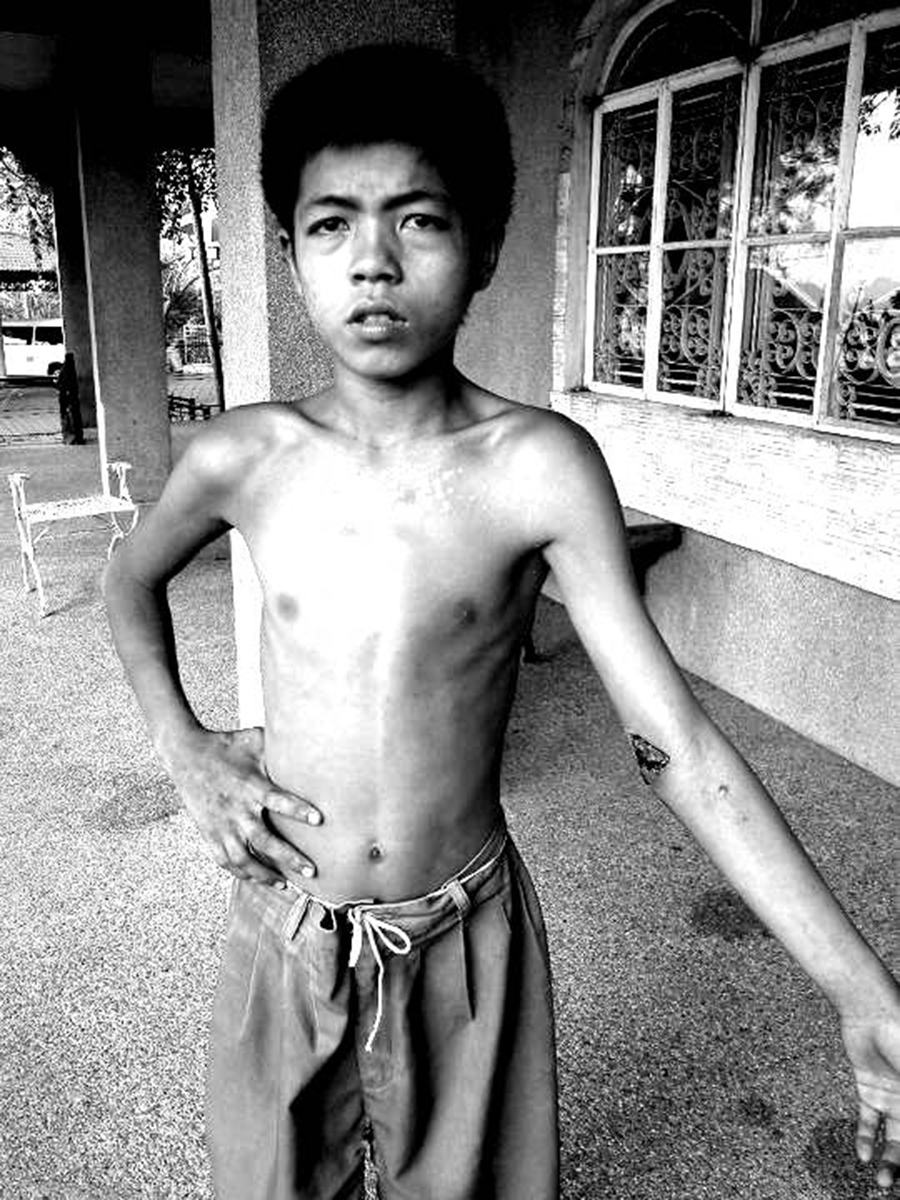
The photograph of Juanito, a street boy, 14, dressed in nothing but dirty shorts, his only earthly possession. He was poverty personified.

The Economics of Happiness

We live in a time of high anxiety. Despite the world’s unprecedented total wealth, there is vast insecurity, unrest, and dissatisfaction. In the United States, a large majority of Americans believe that the country is “on the wrong track.” Pessimism has soared. The same is true in many other places.

Shopping Cart