Category: WM Special

WM Special

Change Through the Eyes of History

The process of change and transformation is sometimes taken for granted as a mere transition from one event to another. However, as the great thinkers of the 20th century – Teilhard de Chardin, St. John Paul XXIII, and Peter Ducker – have shown, change and transformation also involve the adoption of attitudes by, and the active participation and decision-making of all the key players in history to drive society (and, eventually, history) to adopt and surmount the social and evolutionary challenges of the time.

WM Special

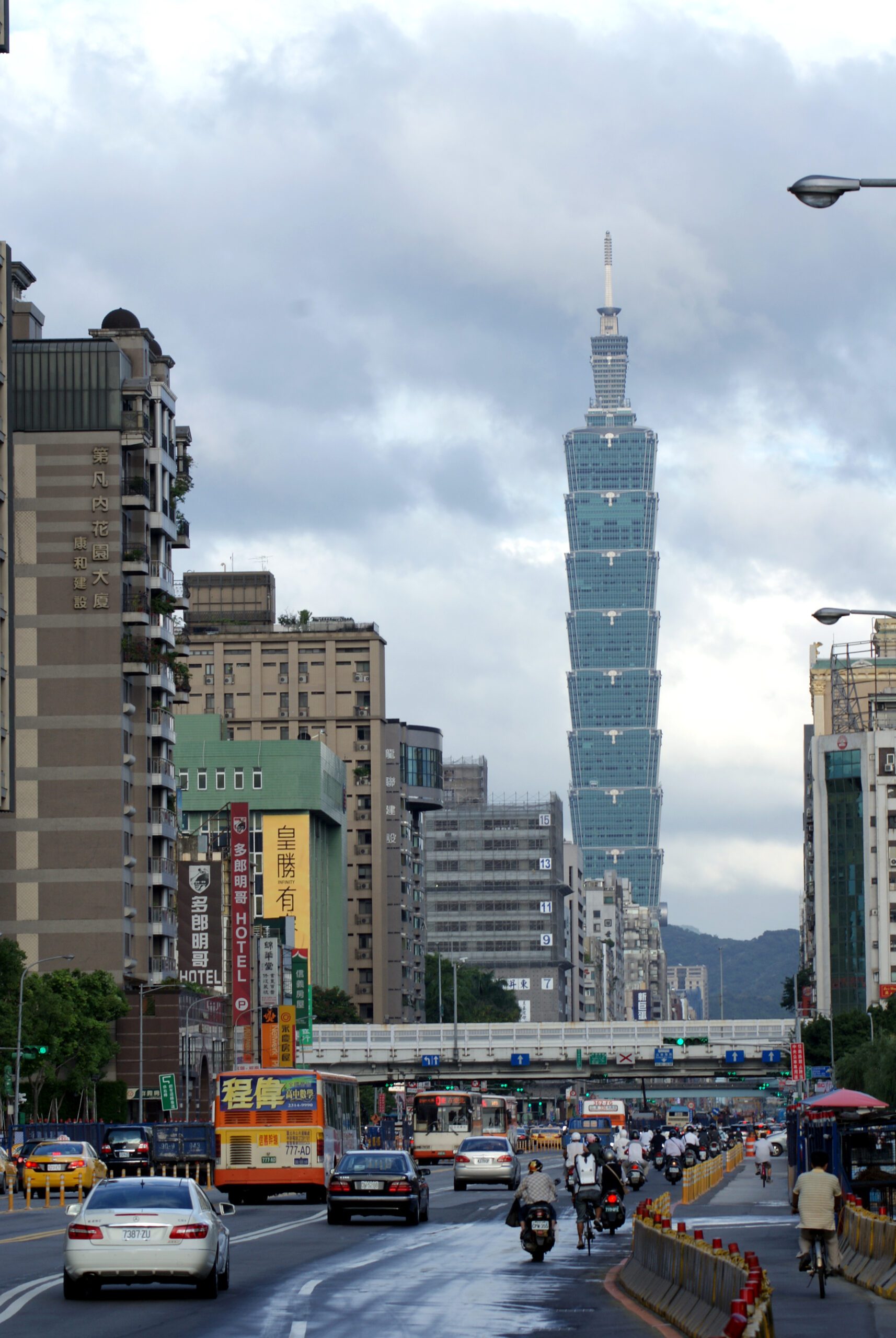
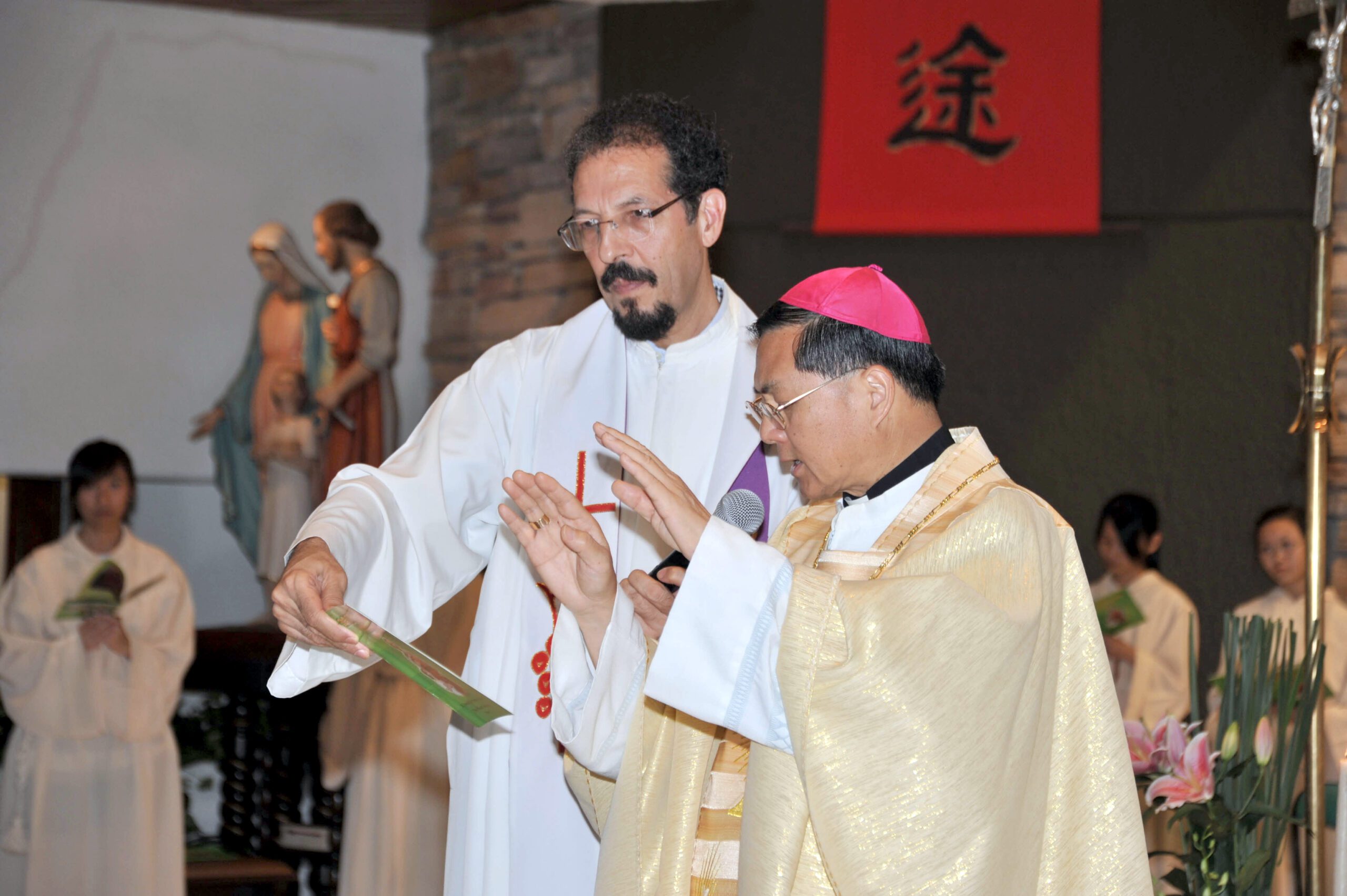
Taiwan: The Other China

The following is a conversation with Fr. Paolo Consonni, a Comboni missionary, who relates his missionary experiences in Taiwan. He considers it his first missionary love and instantly felt part of this society.

WM Special

Comboni Missionaries in China: A New Frontier

By deciding to devote themselves to the evangelization of Asia, the Comboni Missionaries have also chosen to be present in China, given the importance of the country and the plight of the Church there.

WM Special

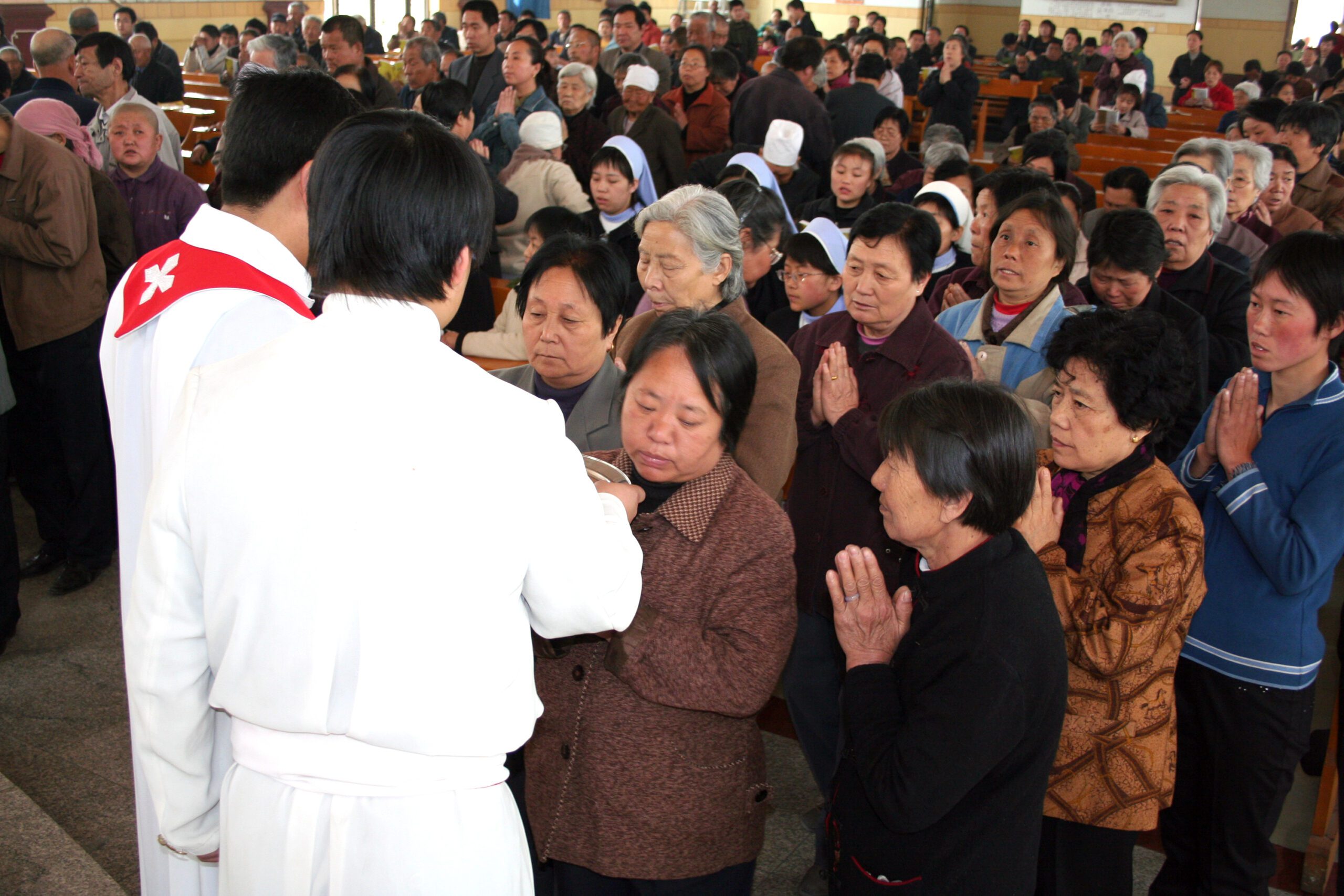
Missionaries in China: Reinventing the Mission

How many Catholics are there in China is a difficult question to answer. When the Communists assumed power, it was estimated that there were between five and six million Catholics in the country. Today, it is estimated that this number has doubled, thus, there are now twelve million Catholics in China. Despite persecution, the Catholic faith is passed on from parents
to children. And, more recently, a wave of interest in Christianity brought in new believers, especially among the youth. That is why members of the unregistered Church and the foreign missionaries, who dare to work in China today, have to reinvent their mission: from protagonists to discrete collaborators.

WM Special

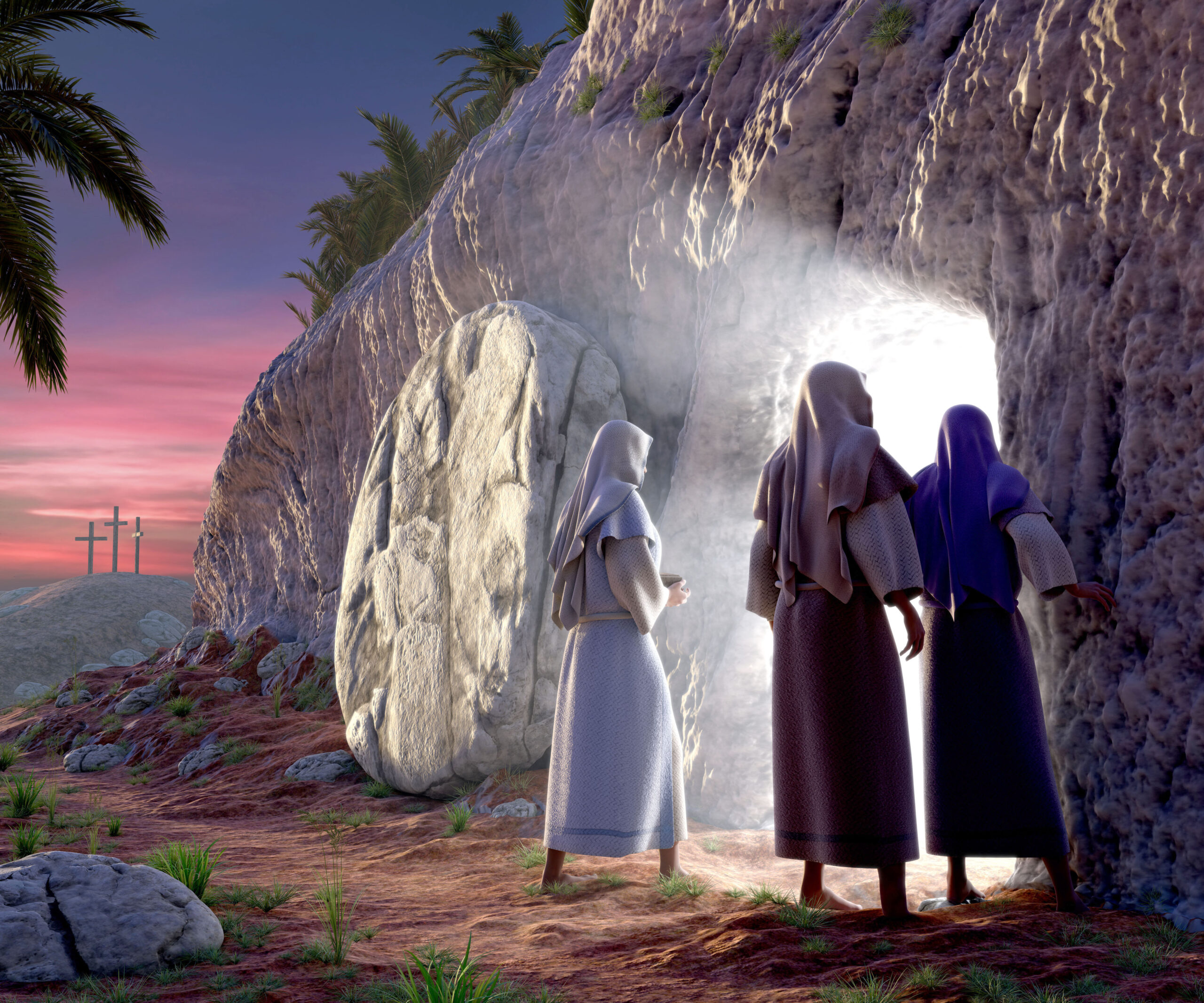
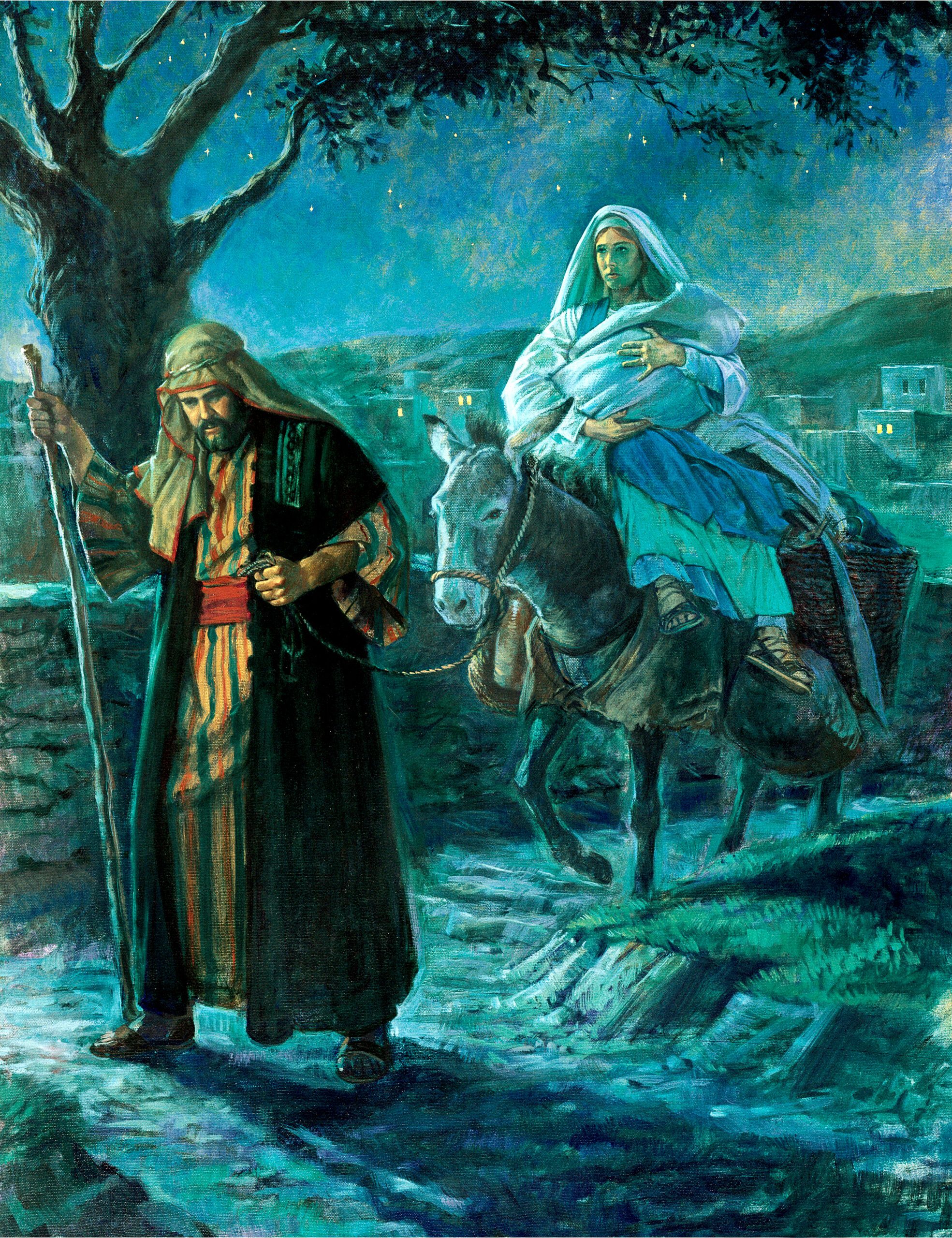
“Flight into Egypt” Past and Present

The Gospel narrative of the “Flight into Egypt” is rarely discussed, if at all commemorated, in Church liturgy today. Many have, therefore, lost sight of its significance in relation to the accounts of Jesus’ infancy. However, the story finds its true meaning today in the “plight” and “flight” of thousands of refugees around the world, who, like Jesus, Mary, and Joseph lived in fear and uncertainty while in exile.

WM Special

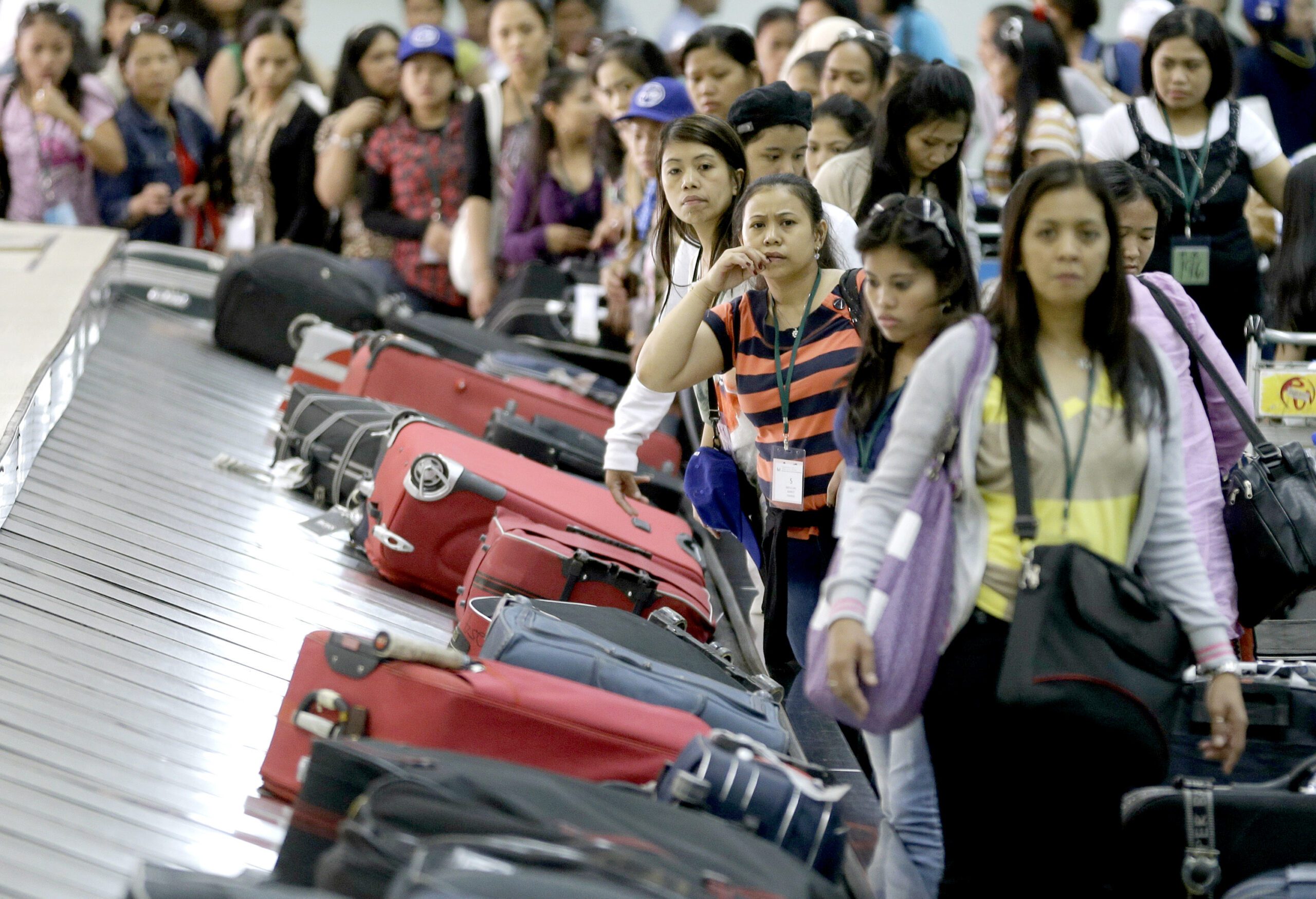
Opportunities and Costs

During the 2014 Synod on the Family in Rome, Manila Archbishop Luis Antonio Cardinal Tagle brought to the fore the main reason why Filipino families are torn apart. While many Western families are divided by divorce, Filipinos are “separated out of love” because they have to work abroad to provide for their families. While employment-related migration has become a common phenomenon in the Philippines, utmost care and concern for the plight and welfare of Filipinos working abroad should be a paramount concern not only of the government, but of those who benefit from remittances or who have been left behind.

WM Special

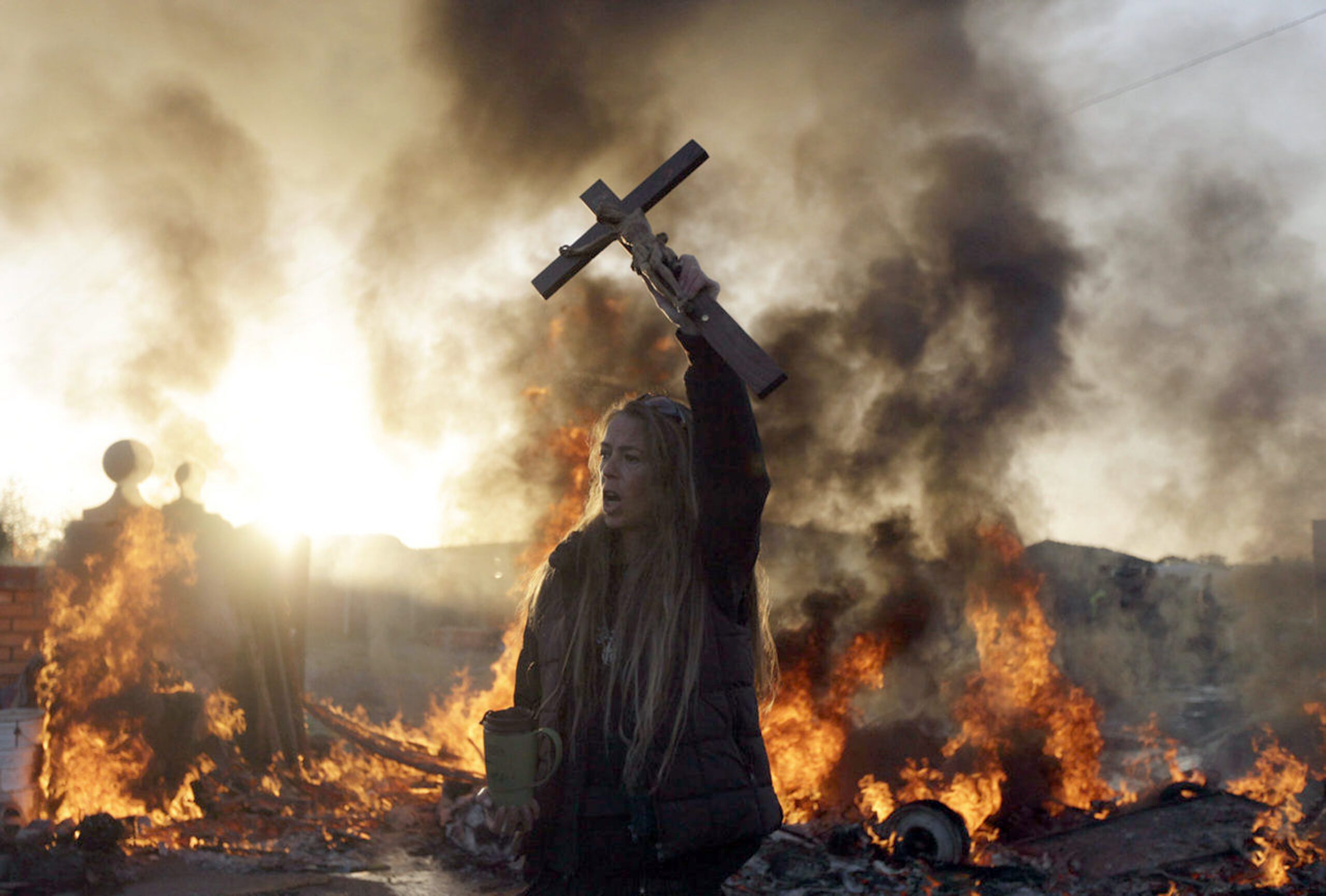
Faces Of Jesus Among The Poor

The congested, foul-smelling, and disease-ridden slum communities all over the world are usually associated with violent urban poor communities. Some say it will be difficult to see Jesus there because of all the filth and transgressions. There is no doubt that squalor and criminality are pervasive, but Jesus is surely present, too. How could He not be, when the Church teaches that God is with the poor in a special preferential manner?

WM Special

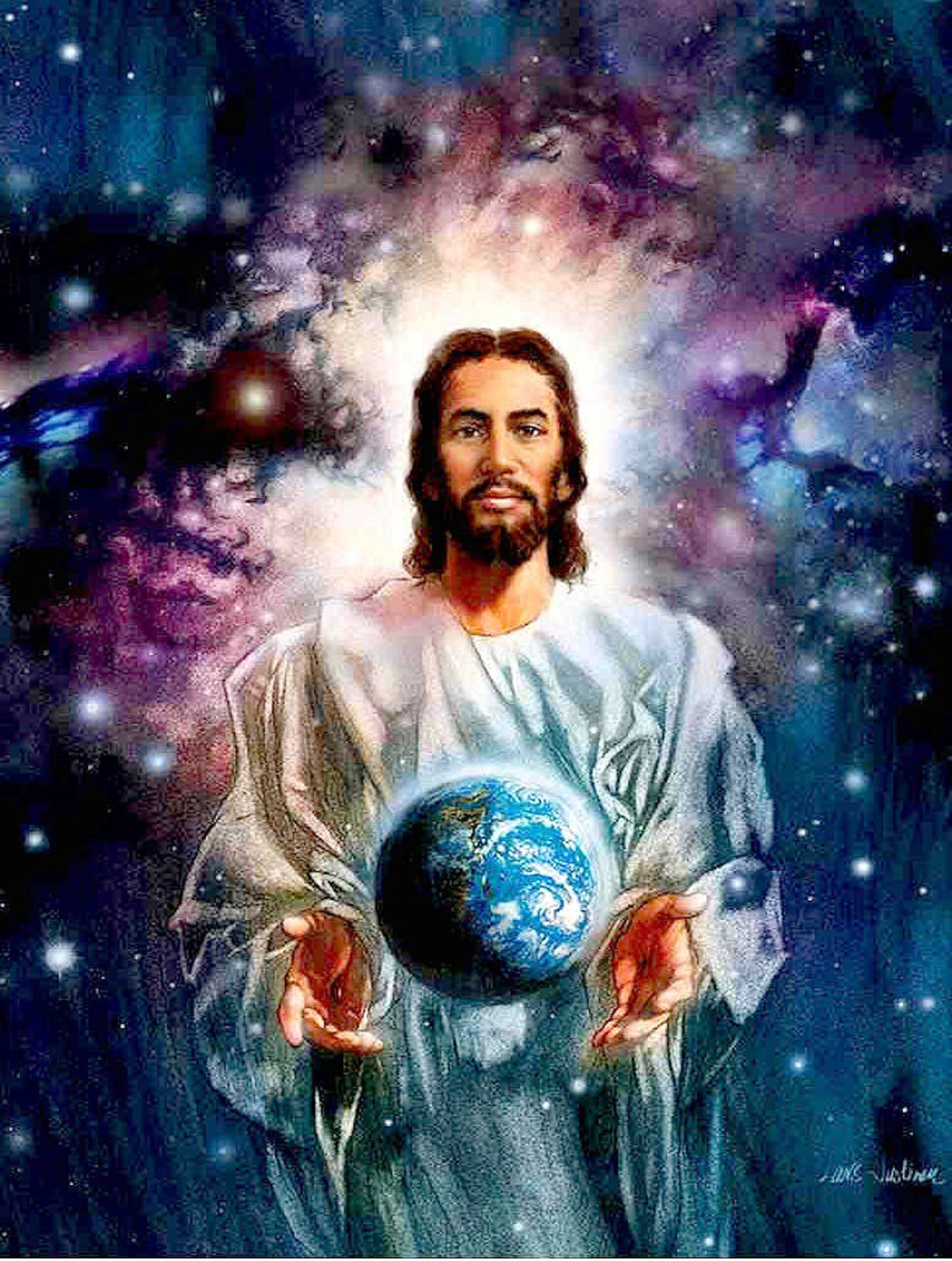
Images Of God

Throughout history, the Transcendental Force, the Supreme Being or the Divine, has been given different names, forms and images, depending on the circumstances, culture, and prevailing situation of a community, race, or people. Many of these images of God are distorted, if one were to go back to the pre-historic concept of the “spirit living in the heavens.” But all these images of God were shattered with the coming of Jesus Christ, the God of Love, “God with us.”

WM Special

Spirit-Filled Evangelization

As part of his Petrine duty, Pope Francis offers his first Apostolic Exhortation, Evangelii Gaudium, a reflection on the propositions made during the 13th Ordinary General Assembly of the Synod of Bishops held in Rome last 7-28 October 2012, with the theme “The New Evangelization for the Transmission of the Christian Faith.” Evangelii Gaudium has six parts: an introduction, 5 chapters,
and a concluding section within the 5th chapter. What is curious in the document is the mention of the Holy Spirit, whose Person and Mission in the light of spreading the Good News of salvation in today’s society, 77 times. As it were, the Pope is encouraging Christians to hinge their evangelizing mission on the Person of the Holy Spirit, and become Spirit-filled evangelizers.

WM Special

Always Alert To God’s Action: Evangelii Gaudium And The “Signs Of The Times”

The Catholic Church asserts that the Gospel and the deposit of faith are constants; they do not change with the passing of time. However, the Church also holds that the teachings of Christ are best interpreted, received, and shared if one considers the current social, cultural, and political realities of the human situation, humanity’s ups and downs, the “signs of the times.” It is with such clear attention to these “signs” that the Holy Father, in his year-old Apostolic Exhortation, Evangelii Gaudium, continually exhorts us to better understand the contemporary demands of the Gospel.

Shopping Cart