Category: Philippines

World Touch

Banking Breast Milk to Save Lives

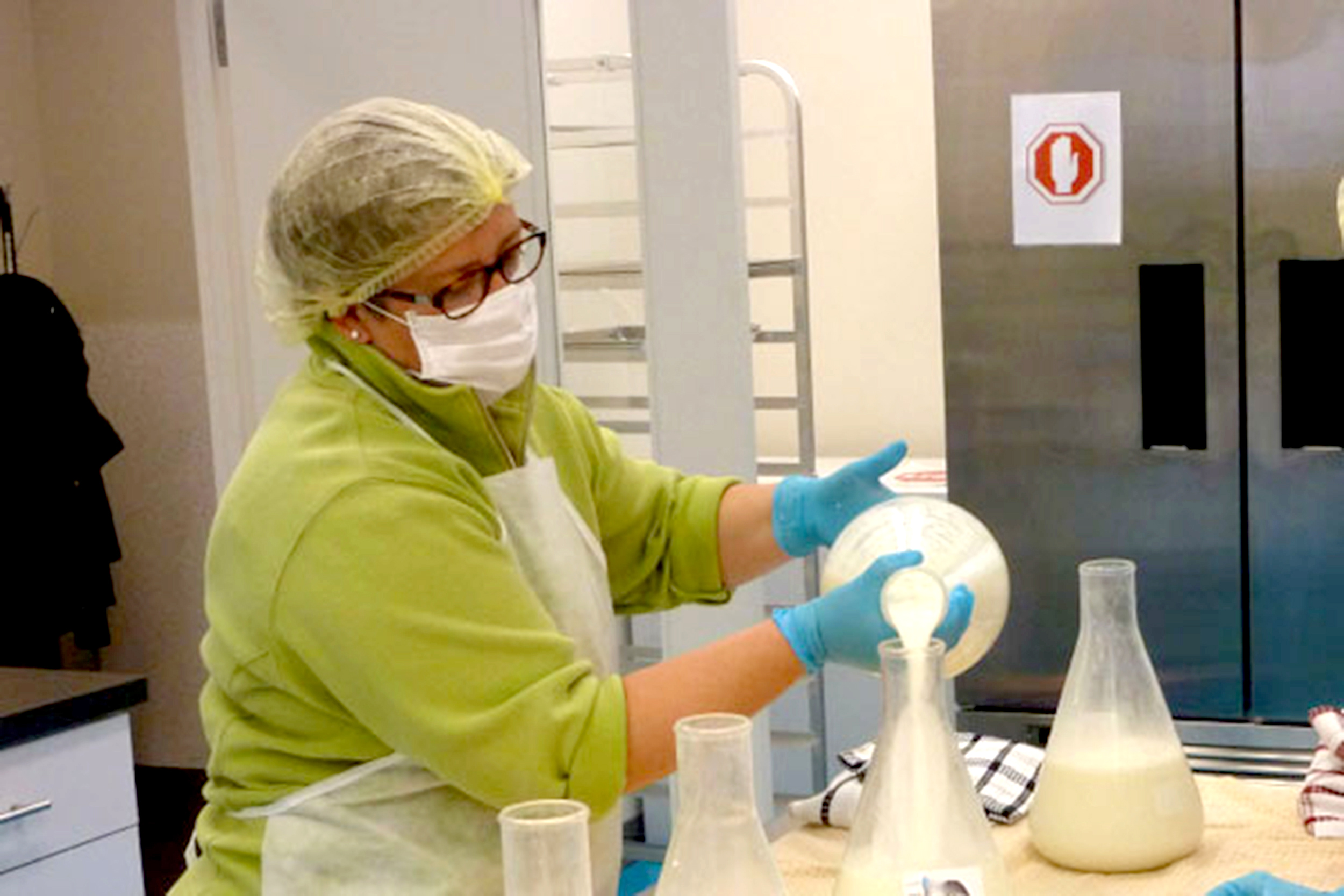
The Philippine government’s state-run breast milk bank is intensifying collection efforts to boost breastfeeding among the poor and help women return to work immediately after giving birth if they want to do so. Hundreds of women come to deliver their babies at the Jose Fabella Memorial Hospital, the busiest maternity institution in Manila, the capital, where more than 12 million people live. Many women are barely able to afford even the minimal payment and, to help cover their costs, some of them donate breast milk to the hospital’s milk bank, which is used to feed babies whose mothers have lactation problems.

World Touch

Fewer Filipinos Marry Due to Poverty

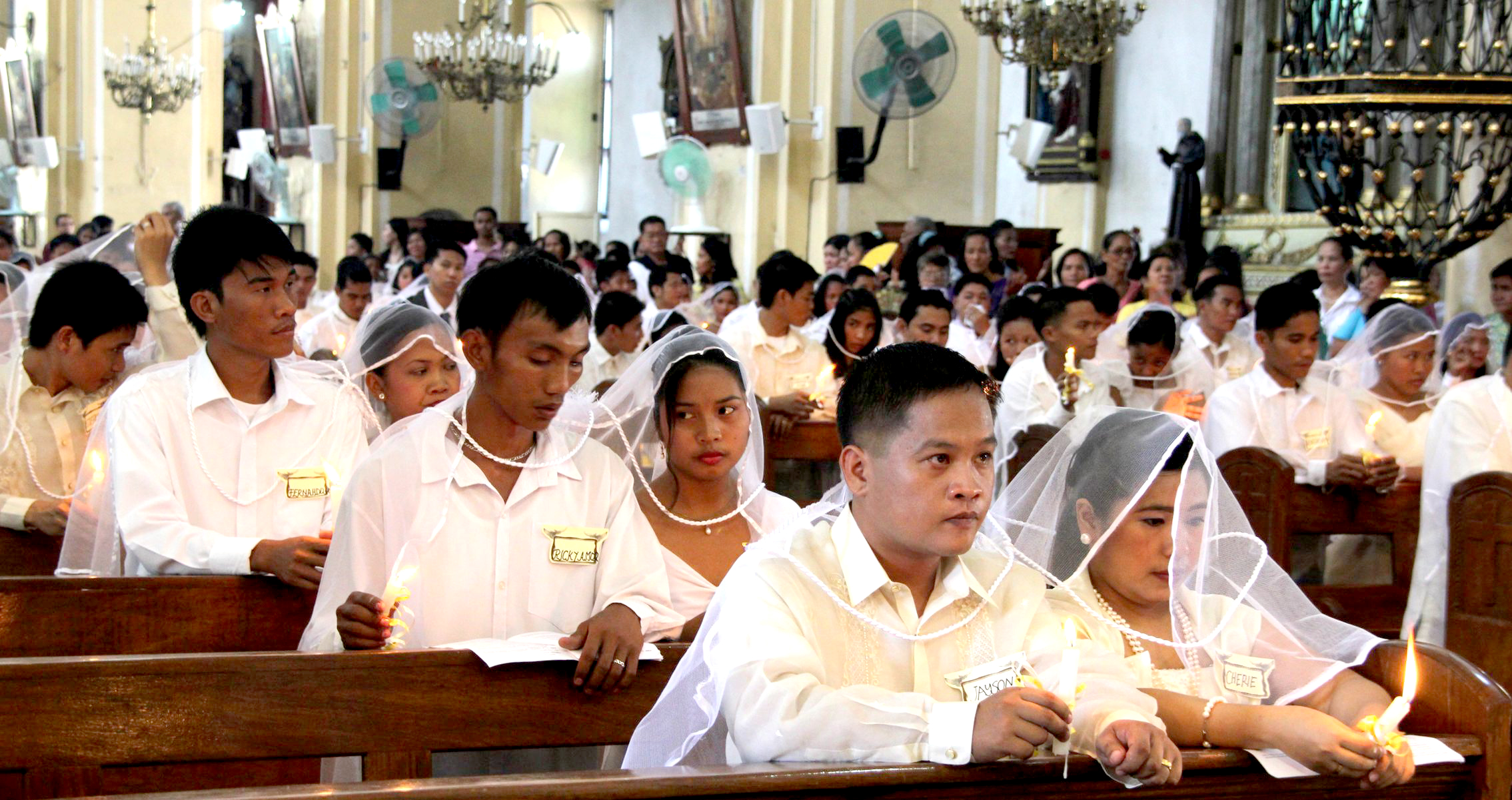
Fewer Filipinos have been tying the knot in the past decade as marriage has taken a low priority for courting couples because of rising poverty. The recent National Statistical Coordination Board (NSCB) Report on the declining number of marriages from 2001 to 2010, particularly church weddings, was “only a manifestation of the poverty and helplessness of the majority in our country today,” said Pangasinan Rep. Kimi Cojuangco.

World Touch

Muslim-Christian Dialogue in a Mosque in Manila

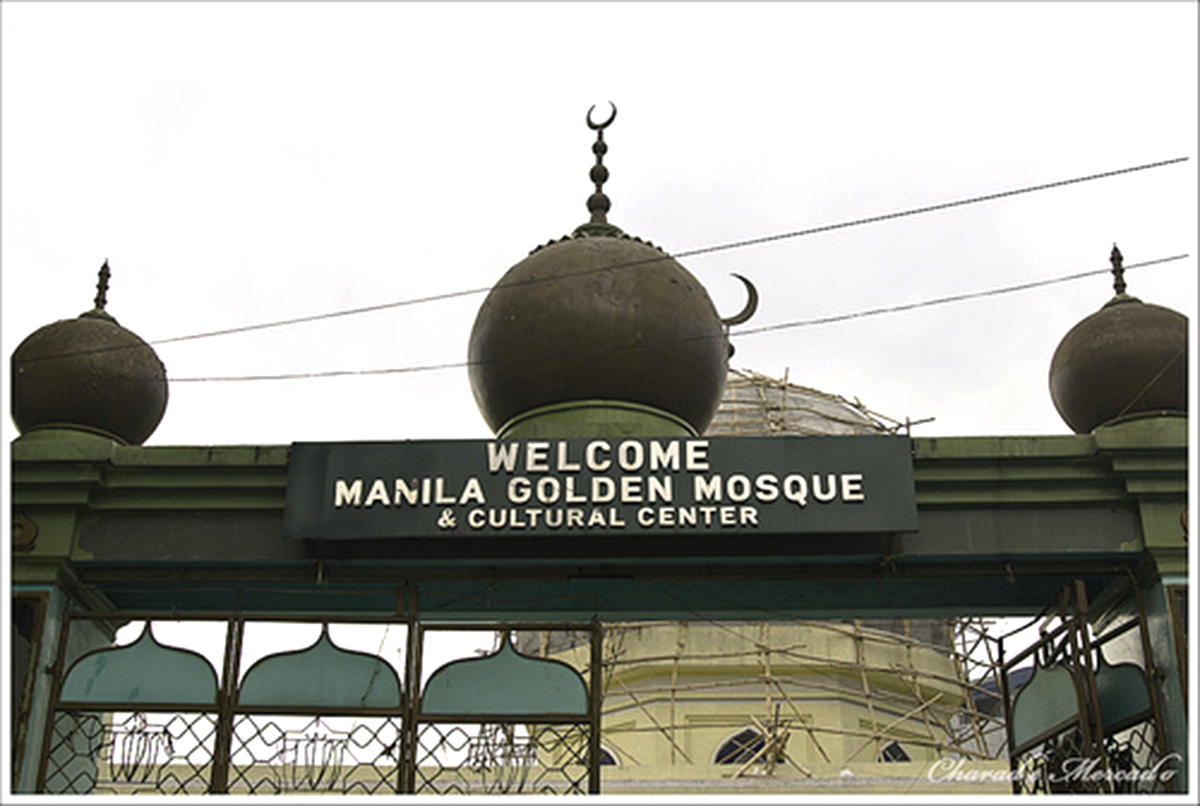
One of the fruits of extensive work on dialogue, carried out by Christians and Muslims, and motivated by goodwill, is the Muslim-Christian Center near the Great Mosque of Quiapo in Manila, one of the commercial districts of the capital. It was opened during the holy month of Ramadan 2011. Called the Golden Mosque, because of its towering golden dome, it is the main center of Islamic activities in Manila and is a benchmark for all Muslim Filipinos coming from the south, where there is a substantial minority of 6 million Muslims. Quiapo is also the district where the famous Church of the Black Nazarene (due to its black statue of Jesus) is situated, and the destination of pilgrimages from all over the country. The initiative to establish a center for dialogue became successful, thanks to the efforts of Fr. Clemente Ignacio, parish priest of Quiapo, the Catholic missionaries and other Muslim leaders who have made the Quiapo area a place of dialogue and cooperation between Muslims and Christians.

World Touch

Still Too Many Child Soldiers

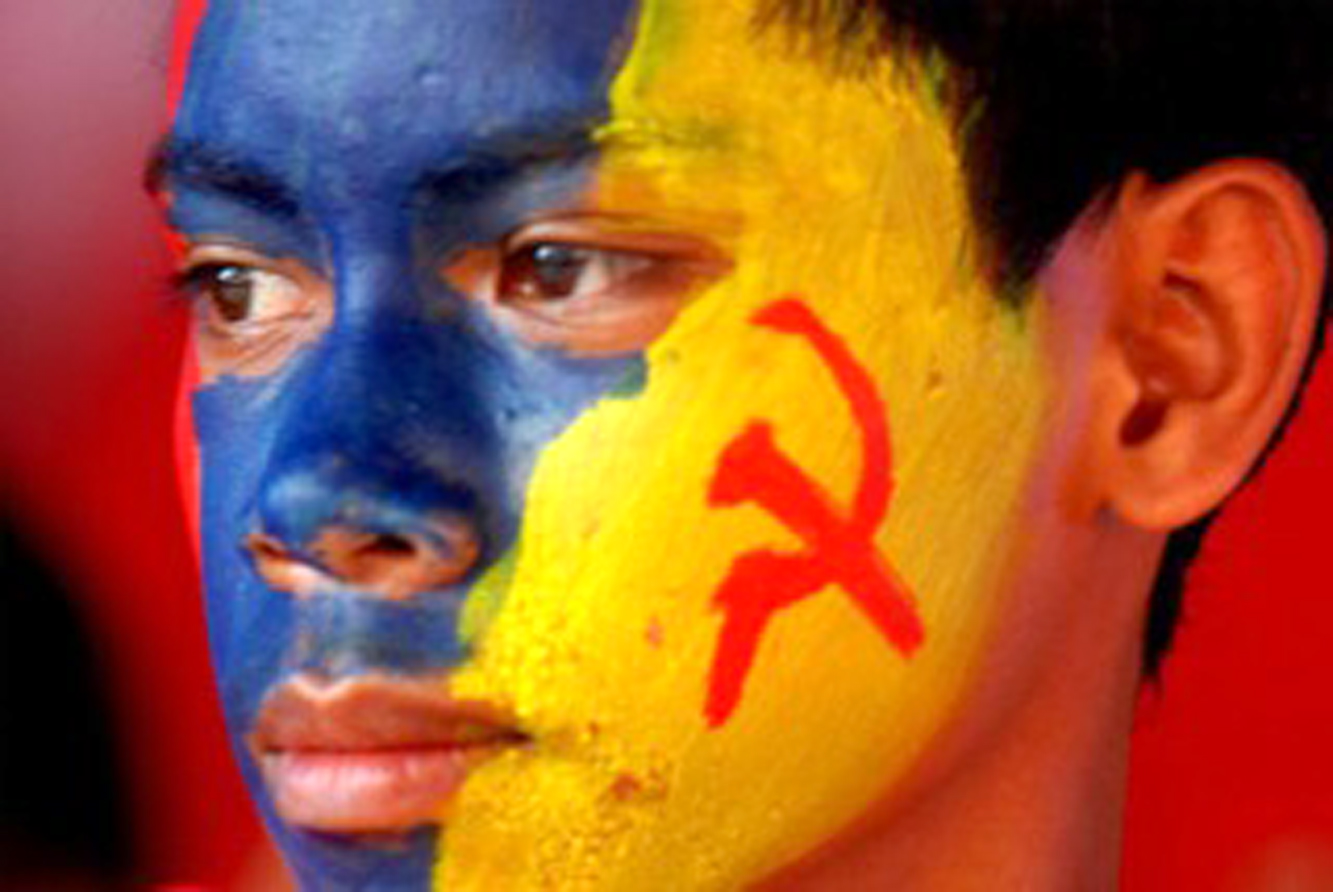
Significant progress has been made in the Philippines against the use of child soldiers committed by rebel groups, but the problem still persists.

World Touch

Designing Defense Against Climate Change

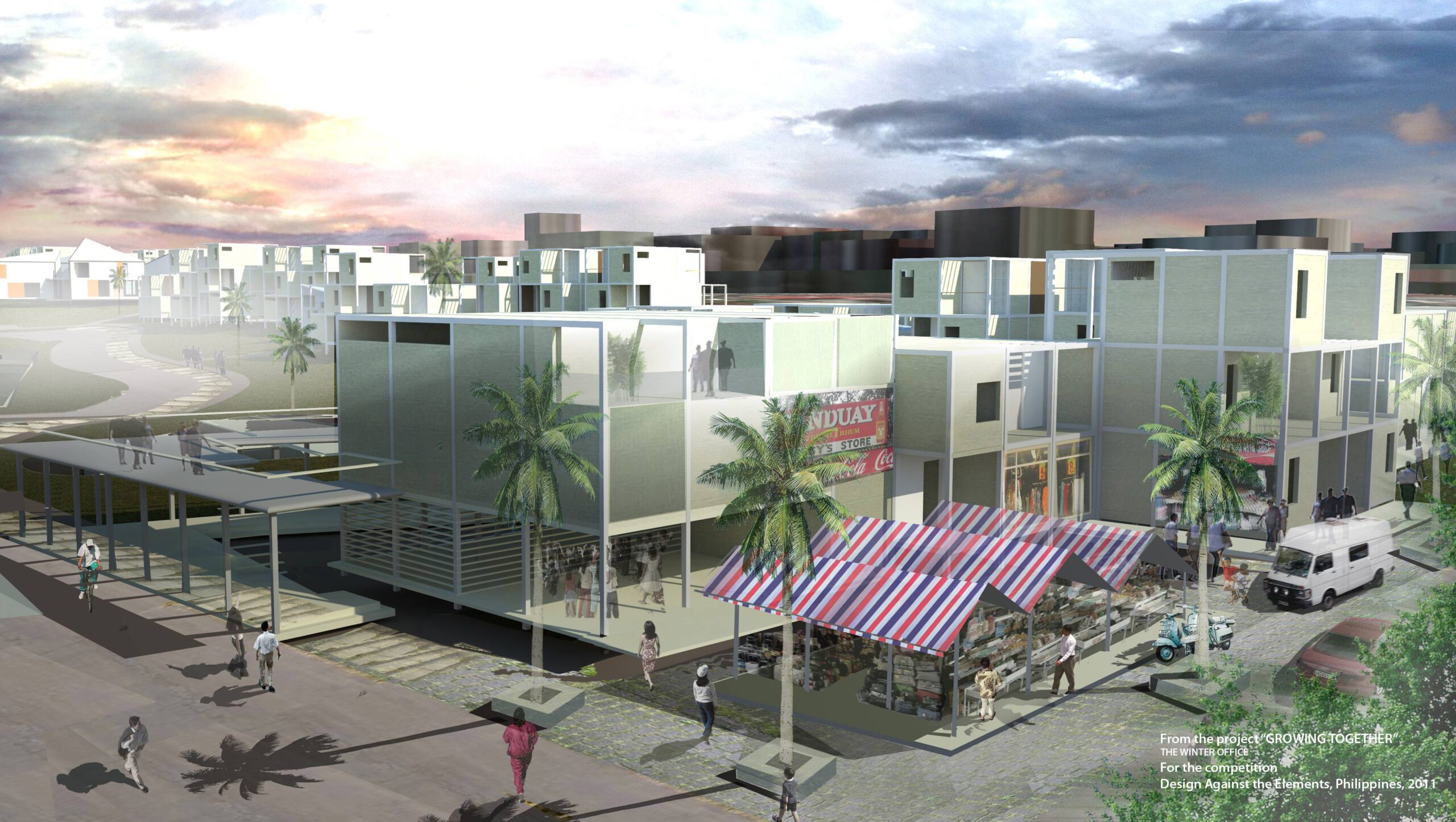
As the impact of climate change worsens around the globe, a disaster-resilient village is poised to be a solution for urban poor battling the constant floods and typhoons that hit the Philippines.

World Touch

Judges Under Fire for Scrapping Truth Body

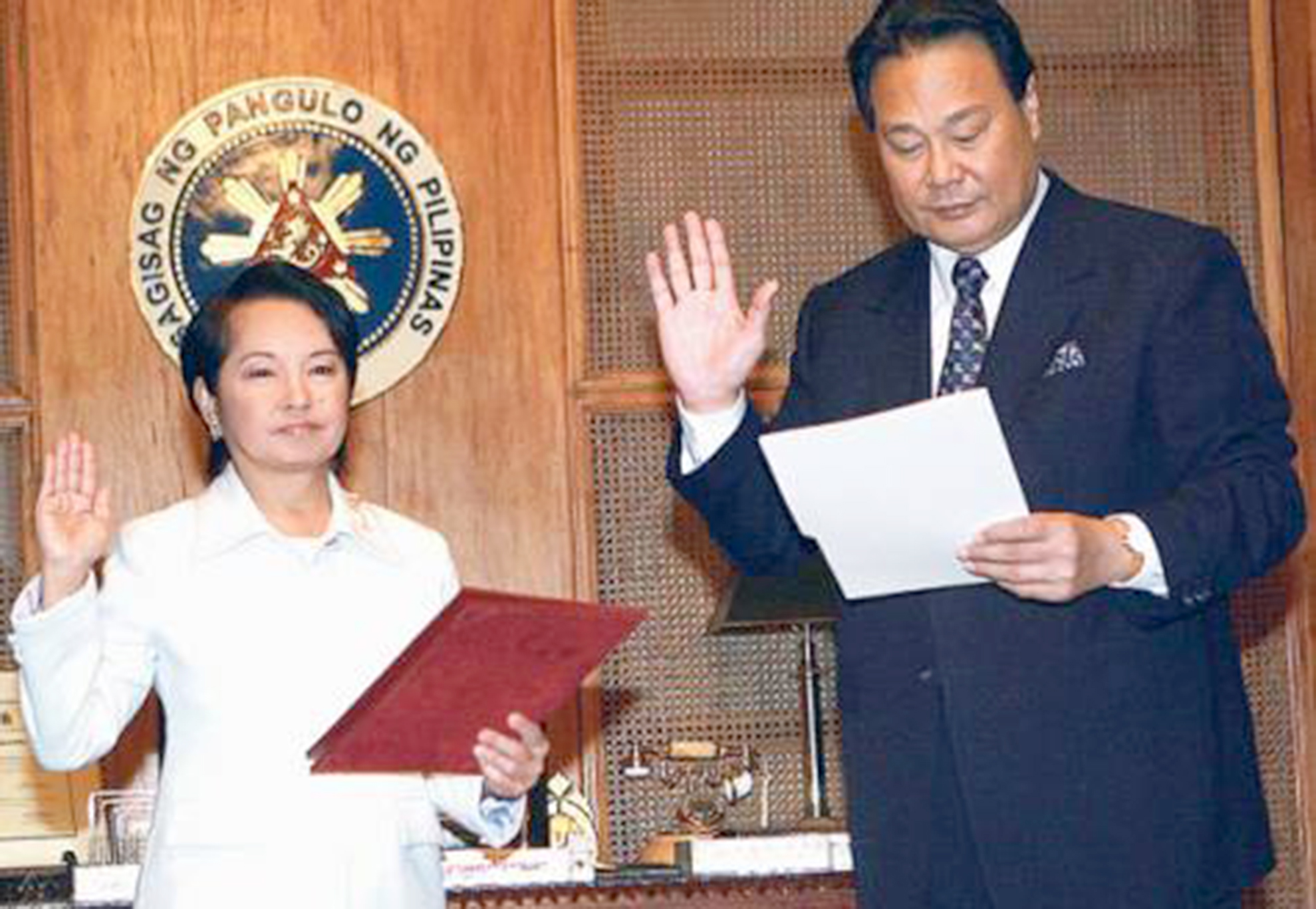
A former lawmaker called for the resignation of Philippine Supreme Court justices after the High Court declared the country’s Truth Commission unconstitutional. “They should pack their things and leave their posts. What they did was not only indefensible and unforgivable, it is also an affront to the entire judiciary system and the people,” said former Akbayan Rep. Risa Hontiveros, an ally of Aquino.

World Touch

Mindanao is the Worst Place for Children

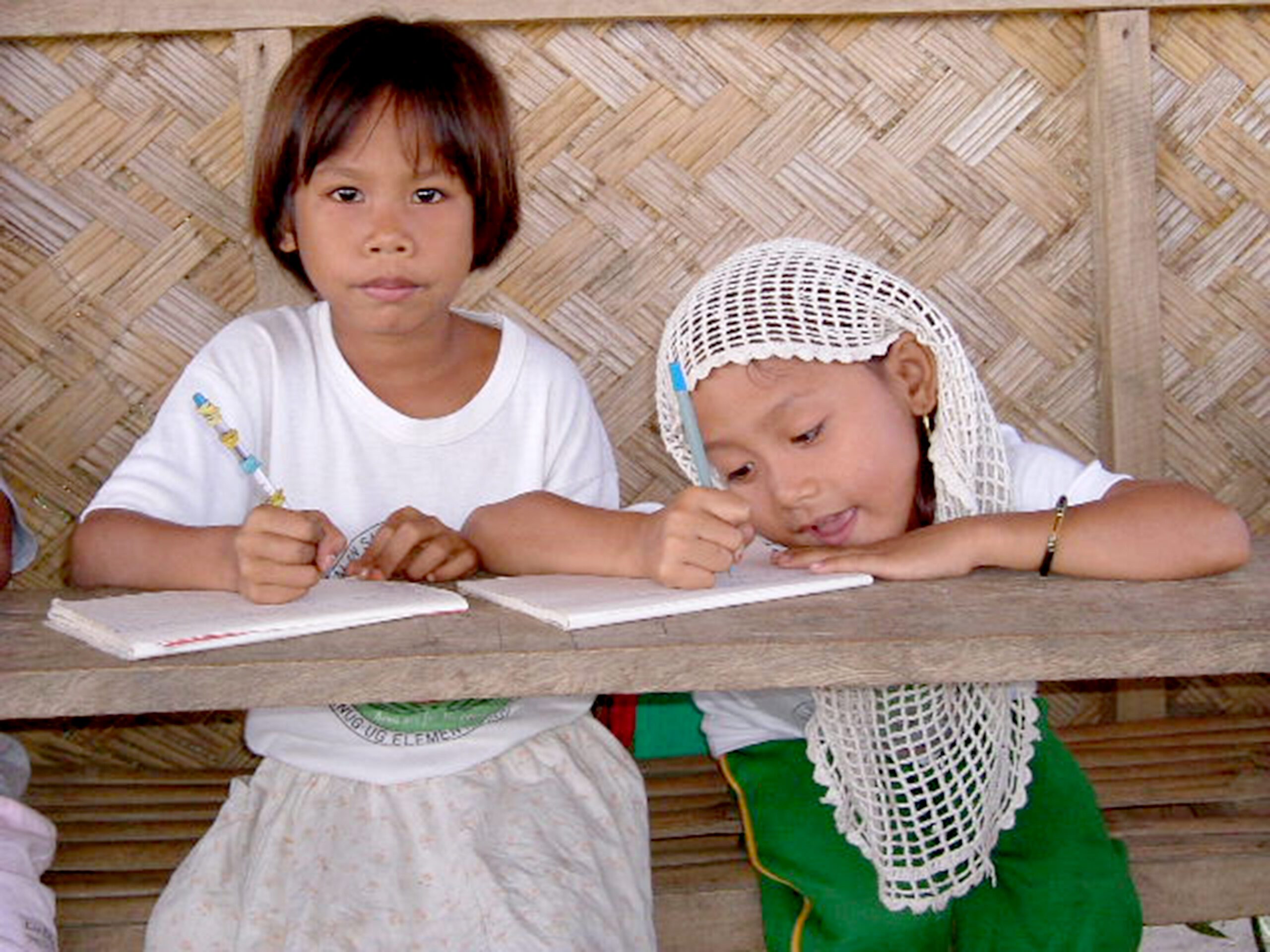
The Philippines will likely fail in meeting its Millennium Development Goals (MDGs) by 2015 in conflict-affected Mindanao, the UN Children’s Fund (UNICEF) warns. And adds: “If it wants to achieve the MDGs without major disparities, then focus must be put on Mindanao where the indicators are far below many of the national averages,” Vanessa Tobin, UNICEF country representative, said in Manila.

World Touch

Bukas Palad Award for Fr. Sebastiano D’Ambra

Fr. Sebastiano D’Ambra, PIME, the founder of the Silsilah Dialogue Movement, was honored on July 22, 2010 by the Ateneo de Manila University with the Bukas Palad Award. The awarding ceremony was held at the Erwin Shaw Theater on the Loyola Heights campus of the university. Other awardees at this year’s ceremony were Monsignor José C. Bernardo, Jr., also for the Bukas Palad Award; Federico Aguilar Alcuaz for the Gawad Tanglaw ng Lahi; and Dr. Alfredo R. A. Bengzon for Lux-in-Domino Award.

Bukas Palad Award For Fr. Sebastiano D’ambra

The Bukas Palad Award was originally named after Fr. Manuel Peypoch, a Jesuit who taught at the Ateneo de Manila and distinguished himself in serving the Jesuit Order, the Church and society in the areas of education and culture, in social and human development concerns. The Award was first given, in 1963, to Msgr. José Jovellanos. It was renamed BUKAS PALAD AWARD to “capture the Ignatian spirit of “generosity” and to give recognition to the unconditional, dedicated service of the Religious in Christ’s Kingdom. Motivated by Gospel values, [the awardee’s] “notable and invaluable contribution is an unmistakable evidence beyond the ordinary of an understanding of the prophetic role of the Church in today’s world and giving tangible proofs of this in the service given to his/her fellowmen, especially the poor, the oppressed, the marginalized, the sick, the suffering – in faith, justice and love.”  The award to Fr. Sebastiano is in recognition of his founding of the Silsilah Dialogue Movement “which helped plant the seeds of interreligious dialogue in the Philippines, particularly, in Mindanao, and nurturing and spreading them through leadership roles in the interreligious dialogue thrusts of Pontifical Institute for Foreign Mission (PIME) and the Catholic Bishops Conference of the Philippines (CBCP).” In his acceptance speech, Fr. Sebastiano expressed his deep gratitude to the Ateneo for the award and he said: “It is not just an honor but a responsibility to fulfill.” He added he shares the award with every Christian and Muslim in Mindanao who are committed to the mission of dialogue and peace. Further, he said: “Many are not ready for peace… peace must be sincere. In the deeper part of the conscience of each person, there is goodness. In dialogue, we have to reach that level. It is like a soil; you allow putting some elements just for the seed to grow. This is a movement, not an NGO in the usual sense; it is a movement and we want to stress this point. Thanks be to God that there are people entering in this spirit.” Fr. Sebastiano is a native of Sicily, Italy. He was assigned to the Philippines in 1977. He founded the Silsilah Dialogue Movement in 1984. The Movement marked its 25th anniversary in May, 2009. Over the 26 years of its existence, Silsilah has focused its efforts and resources on the promotion of dialogue, to bring people to a greater awareness of and faithfulness to what is taught in their respective religions. Because Christians and Muslims are the two dominant groups in this part of the country, Silsilah focuses on the promotion of dialogue between these two groups – in the hope that the understanding born of dialogue will bring out the fruit of peace in the region. 

Mindanao Is The Worst Place For Children

In the Autonomous Region for Muslim Mindanao, only 40% of children complete primary school, against the national average of 75%, while younger-than-five mortality remains three times as high as the national rate.  In August 2008, renewed hostilities between government forces and the separatist Moro Islamic Liberation Front (MILF) broke out when a memorandum, that would have given the MILF control over land they claimed as ancestral domain, was declared unconstitutional by the Supreme Court, resulting in more than 700,000 displaced. According to the International Organization for Migration, close to 83,000 people remain displaced due to conflict or clan violence, also known as Rido.  

Shopping Cart