Category: World

World

Is Humanitarianism Genetic?

That creatures like ants and bees are willing to sacrifice their lives for the sake of the colony seems to defy Darwin’s theory of the survival of the fittest, UK researchers noted in a recent paper on the genetics of altruism. “Altruism reduces the reproductive process of the altruist – so why is it not weeded out by natural selection?”

Climate Change And Extreme Weather

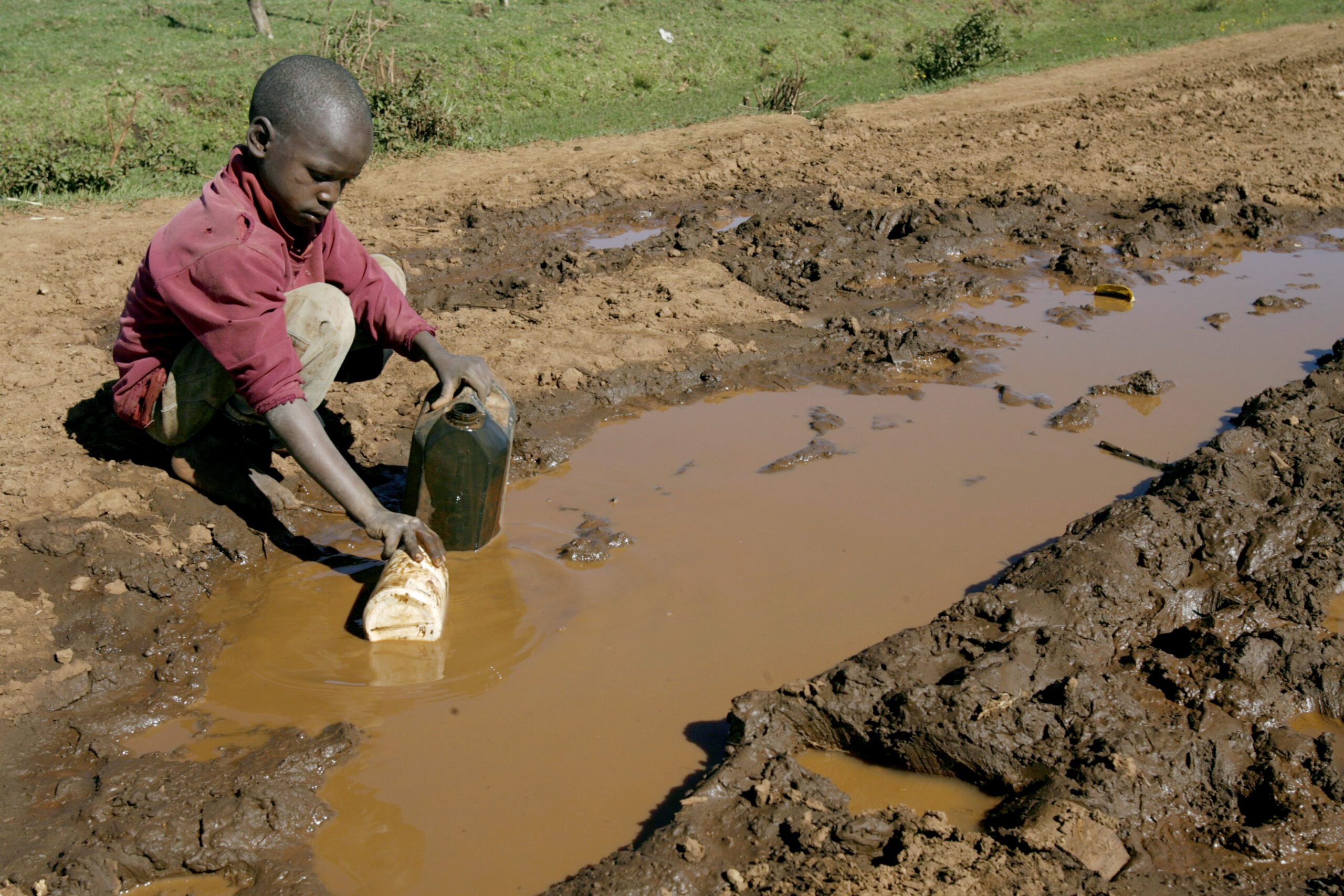
Further east, 127 people died and almost 2,000 were reported missing on August 8 after mudslides in north-western China. At least one village in Gansu province was buried entirely in mud forcing 45,000 people to evacuate. One half of Zhouqu County was submerged by flood waters which forced 50,000 to flee their homes. The flood waters swept away cars, trucks and even houses. According to figures issued by the Chinese government, the number of people who have died in flooding in the first seven months of 2010 stood at more than 2,000. The number of people forced out of their homes by the recent flooding has reached 12 million.  Poland, Germany and the Czech Republic have also been hit by extreme weather events. On August 7, 2010, torrential rain caused rivers to burst their banks in south western Poland, submerging towns and causing at least 3 fatalities.  Further east in Russia, the problem is not excessive rain or floods, but the opposite, a prolonged heatwave with temperatures at record levels of 38 degrees Celsius. These have led to numerous forest and peat fires right across the country. A government minister, Sergei Shoigi, told the media that there were more than 550 fires, covering 17,000 hectares, burning across Russia. As a consequence, Moscow and its many landmarks, such as the Kremlin, have been shrouded in a toxic smog for weeks. Further south, there are fears that the fires could release radioactive nuclides from the land contaminated by the Chernobyl nuclear accident. We can include in the list the severe drought which is causing hunger and malnutrition in the eastern Sahel in West Africa. It is estimated that 10 million people are affected in four different countries. In Niger, the worst affected area, it is estimated that 7.1 million people are hungry and facing a bleak future as livestock have been lost and food prices are soaring. This catastrophe has received very little coverage in western media.  In Latin America, in April 2010, heavy rains in the state of Rio de Janeiro caused floods and mudslides leading to the death of at least 212 people. In June, Brazil experienced severe floods once again, this time in the states of Alagoas and Pernambuco in the north eastern part of Brazil. At least 1,000 people died or were reported missing.  Another spectacular event happened on August 5, 2010, when a section of the Petermann Glacier on the north western coast of Greenland, measuring 97 square miles, broke off. While there is nothing new in icebergs ‘calving’ this is the largest break off since 1962. Robert Bindschadler, a senior research scientist at MASA Goddard Space Flight Center, points out that changes in calving will happen as climate changes because the environment is changing.”  Peter Scott, who is head of climate monitoring and attribution at the Met Office, has been sifting through the data on the extreme weather events during the past few months in Asia and Russia. He writes that, “evidence, including in India and


Is Humanitarianism Genetic?

The suicidal defenders of food stores and the sterile workers of the social insect world are the “extreme altruists.” But the lineage of a colony means everyone is related. So, the authors conclude, nature’s altruists are actually boosting the chances of passing on their genes – either directly or indirectly – by being selfless, and ensuring the growth of the nest.  Is the altruism of humanitarians a genetically programmed function to preserve our global hive? “By asking if humanitarianism is genetic, you assume aid work is attached to altruism, which I do not believe to be the case for all aid workers by any stretch,” commented one aid worker, who has been in the field for a decade, and asked to remain anonymous.  Genetics cannot explain all behaviors, Stuart West, co-author of the report commented. “There does seem to be some evidence that genes directly influence the level of helping in humans. However, this is relatively negligible when compared to other factors such as environmental conditions [and] learnt behaviors.”  

Child Labor Shows Disturbing Trends

Between 2004 and 2008 the number of child laborers decreased from 222 million to 215 million, with a drop of just 3%, whereas between 2000 and 2004, the number decreased by 10%. For some age ranges, the struggle against child labor during those years actually went into regression. In the age range between 15 and 17, there was an increase of 20%, from 52 million to 62 million child workers. The greatest progress was made in the age range between 5 and 14 years, with a significant reduction of 10%. The number of children in this age in hazardous work decreased by 31%. At the moment, the worst situations are found in Sub-Saharan Africa, where one child out of four is obliged to work, often in dangerous situations. “Progress is uneven: neither fast enough nor comprehensive enough to reach the goals that we have set,” said ILO Director-General Juan Somavia. “New and large-scale efforts are needed. The situation calls for a re-energized campaign against child labor. We must scale up action and move into a higher gear.”  The director added that the economic downturn should not be an “excuse for diminished ambition and inaction. Instead, it offers the opportunity to implement the policy measures that work for people, for recovery and for sustainable development.”  

Three-Quarters Of The Hungry Are Rural Poor

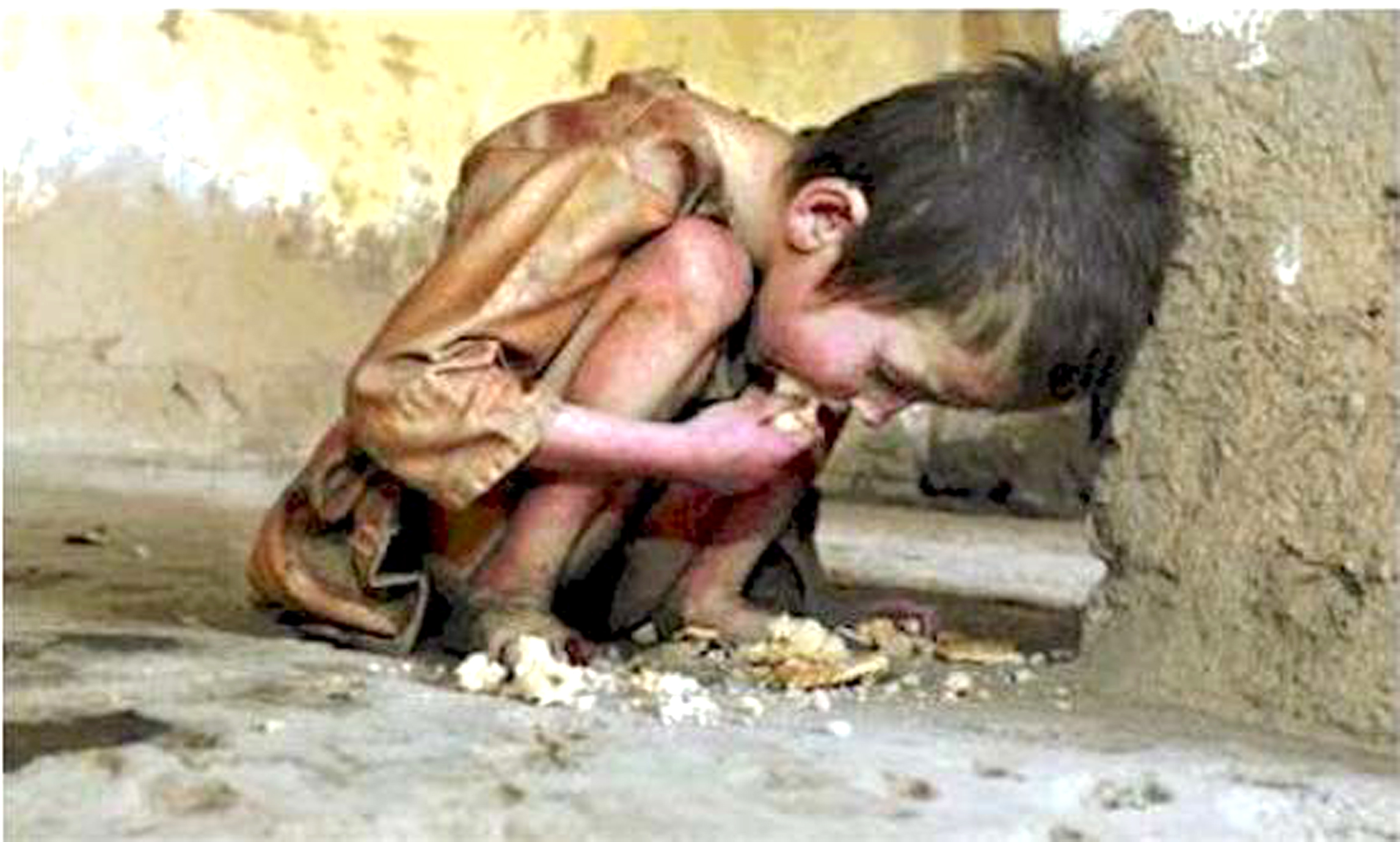
Lodesani said three-quarters of the more than one billion hungry people in the world are poor farmers, a vulnerable population that will bear the brunt of the consequences of global warming through catastrophes like drought and flooding. “We are already seeing the impact of climate change on food production patterns. We know there are poor areas of the world that will become poorer through lack of rainfall. Desertification is already happening,” he warned. “We have to address this now, through specific measures,” said the expert, who previously coordinated emergency food aid plans in countries like Sudan and Ivory Coast. The WFP report titled Climate Change and Hunger: Responding to the Challenge says that “by 2050, the number of people at risk of hunger as a result of climate change is expected to increase by 10 to 20% more than would be expected without climate change.” Lodesani emphasized the need for specific programs to encourage sustainable development, through “the use of land resources to produce food” without further harming the environment. With respect to biofuels, produced by Brazil and other countries, the WFP official’s view is that they reduce environmental pollution, but that further research on their disadvantages is needed. Biofuels, such as ethanol and biodiesel, are derived from crops like sugarcane and vegetable oils and, therefore, take up agricultural land. Lodesani stressed that growing plants for biofuels must not displace food crops, “especially since world population will be over nine billion in 40 years’ time.” Population growth is another challenge to be faced “when over one billion people already lack access to enough food to meet the nutritional recommendations of international bodies like the World Health Organization,” Lodesani said. When global population reaches over nine billion in 2050, it will be even more difficult to meet nutritional needs, creating a new vicious circle of poverty to be solved, he warned. “Three-quarters of the more than one billion people who are hungry today are poor farmers. This means they don’t have enough food to live a normal life, and above all a productive life, while they are the very people who are relied on to produce food,” he added. In recent years, the WFP has made it a top priority to buy food from developing countries for its aid programs. Lodesani said that, in the last three years, WFP food purchases from developing countries amounted to 80% of the total outlay of close to 2.9 billion dollars. In 2008 alone, 427 million dollars were spent in African countries, out of a total of 1.4 billion dollars. “WFP’s policy is to buy food as close to where it is needed as possible. We used to buy it through the regular markets, which is a good thing, but they don’t always benefit poor small-scale producers,” he said, referring to a new WFP program called Purchase for Progress. This program aims to give poor farmers access to a market for their surplus produce, providing them with more income while guaranteeing the subsistence needs of

Stop Small Arms’ Epidemic

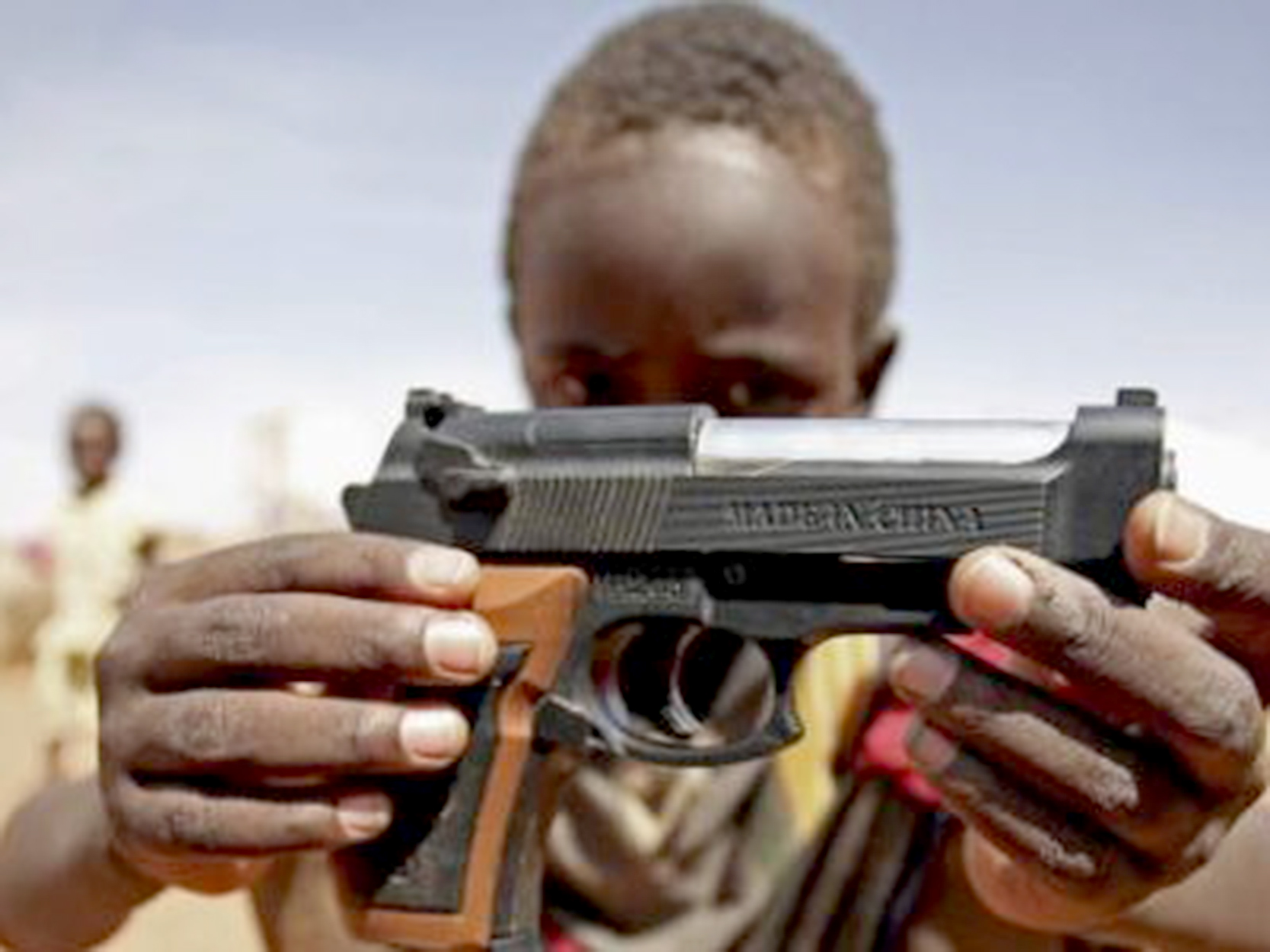
In 2009, the International Action Network on Small Arms’ (IANSA) members, in more than 90 countries, highlighted the human cost of small arms proliferation and misuse; they also demanded that governments enact policies that put their citizens’ security first. Civil society organizations taking part in the Week of Action organized public events, conducted media work, and generally engaged more people in the global movement against gun violence. They publicized the UN small arms process, emphasized the importance of an Arms Trade Treaty, promoted implementation of the UN Firearms Protocol, and supported policies linking armed violence and development, among other activities. Also in 2009, the Disarm Domestic Violence Campaign was launched with over 30 events worldwide. The goal of the campaign is to ensure that anyone with a history of domestic abuse is denied access to a firearm, and has their license revoked. In its last annual report, “Gun Violence: The Global Crisis,” IANSA reminded: “A thousand people die every day by gunshots, and three times as many are severely injured. Spinal cords severed, bones shattered, families destroyed, hearts broken. If the death, injury and disability resulting from small arms were categorized as a disease, we would view it as an epidemic. And no country is immune.”  

World

Stop Small Arms’ Epidemic

The Global Week of Action Against Gun Violence, that will take place from the 10th to the 16th of May, highlights the international campaign to stop the proliferation and misuse of small arms. Each year, activists around the world use the Global Week to raise awareness, campaign for better gun laws and push for stronger regulation of the global arms trade.

World

Three-quarters of the Hungry are Rural Poor

Climate change, associated with a four-fold increase in natural disasters in the last decade, and the growth of world population, which is expected to reach nine billion by 2050, pose new challenges for aid initiatives like those of the United Nations World Food Program (WFP). This warning comes from Gemmo Lodesani, head of the WFP office in Brussels, who is in charge of relations with the European Union and of fund-raising to fulfill the organization’s primary commitment: fighting hunger worldwide.

World

Rich Countries Have a Huge “Ecological Debt”

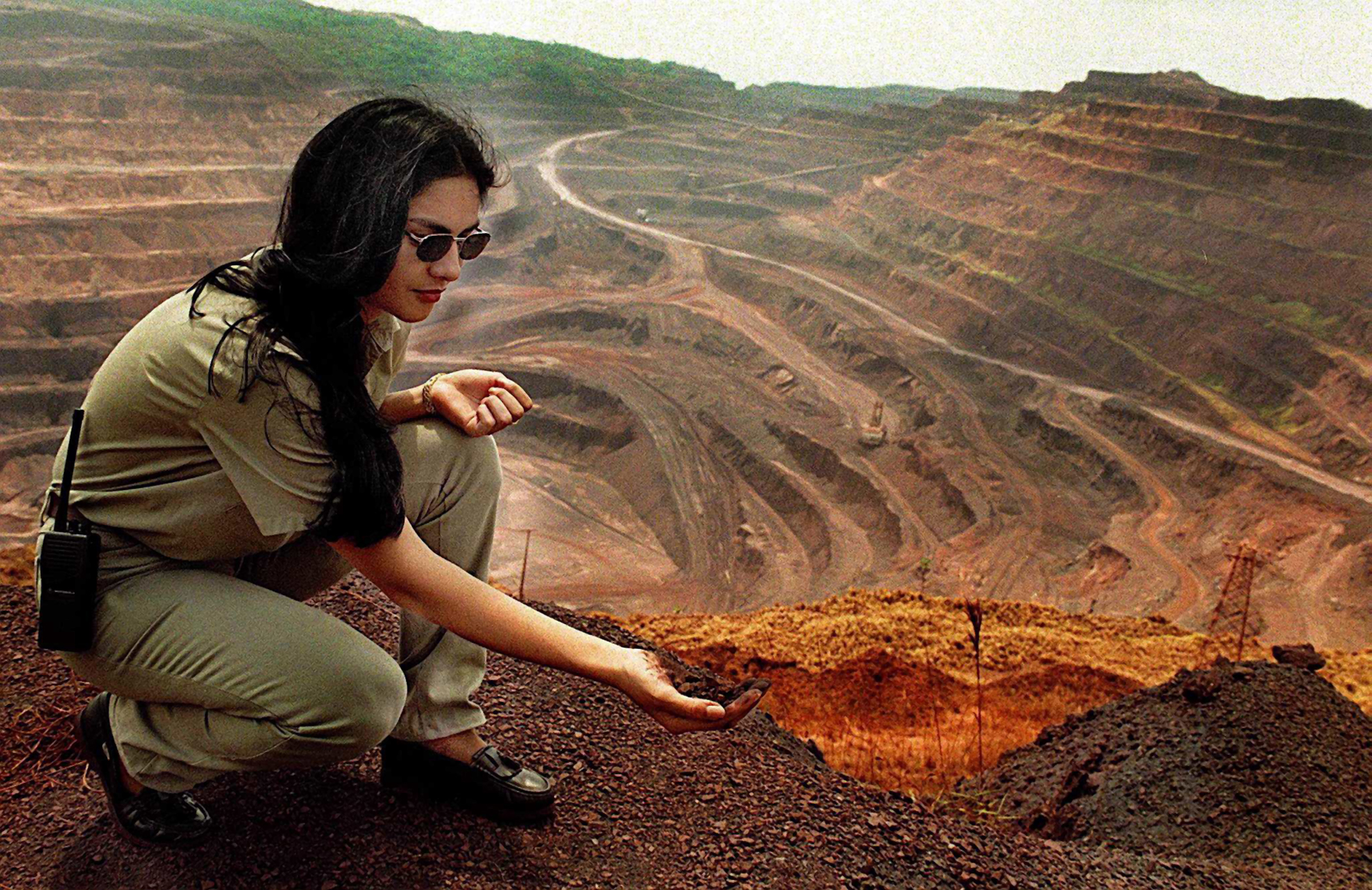
Industrialized nations owe the poorer countries a US $2.3 trillion “ecological debt,” said a University of California study, and it should be assessed and penalized by an international court, an ecumenical gathering heard. “Ecological debt keeps growing,” Joan Martinez Alier, a university professor in Barcelona, told the World Council of Churches hearing in Geneva, held during a meeting of the WCC’s main governing body, Ecumenical News International reported. “The demand for economic growth means more use of energy and resources, which produces more waste.”

Shopping Cart