Category: World

World

Land Grab is Accelerating at an Alarming Rate

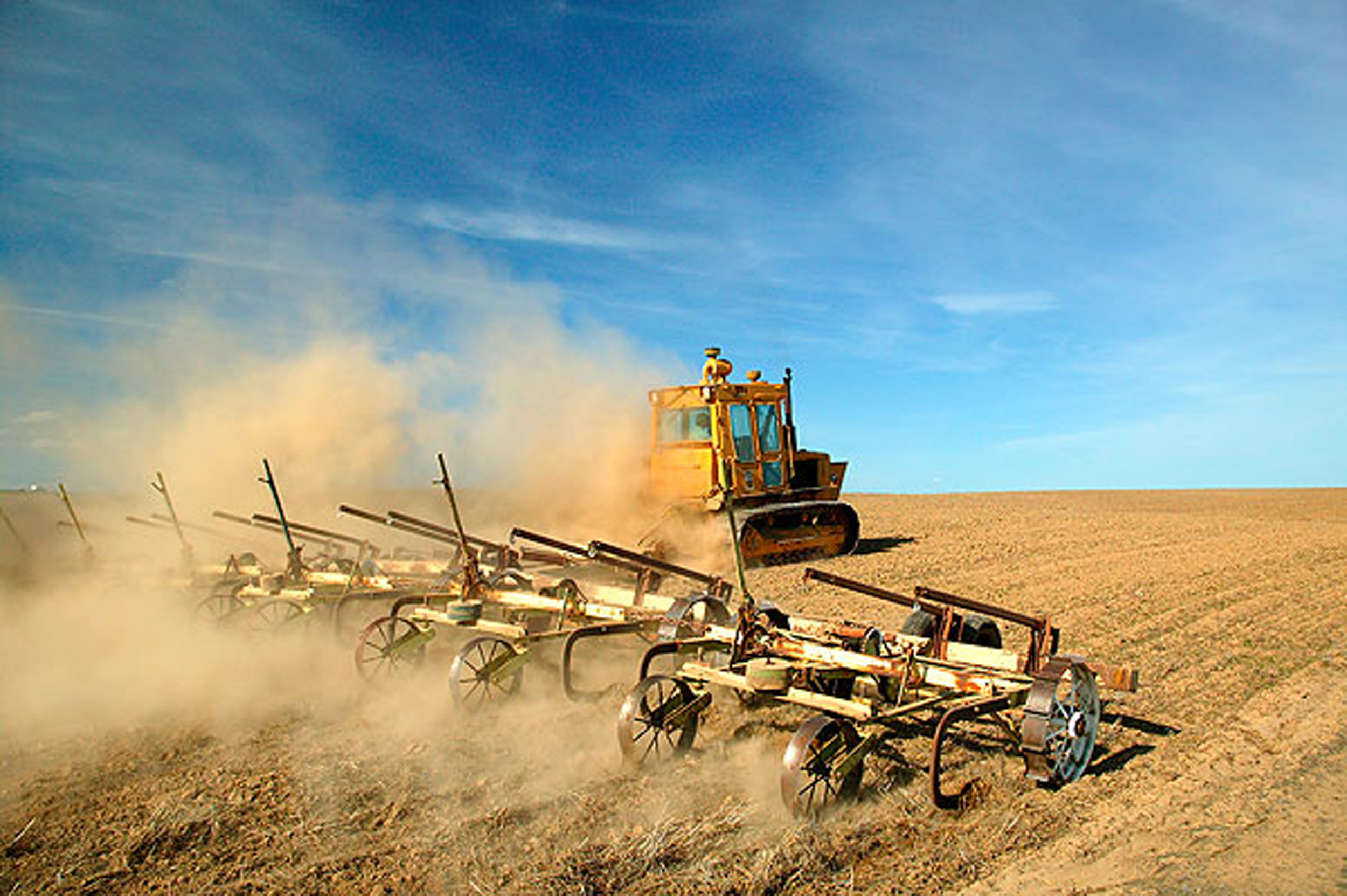
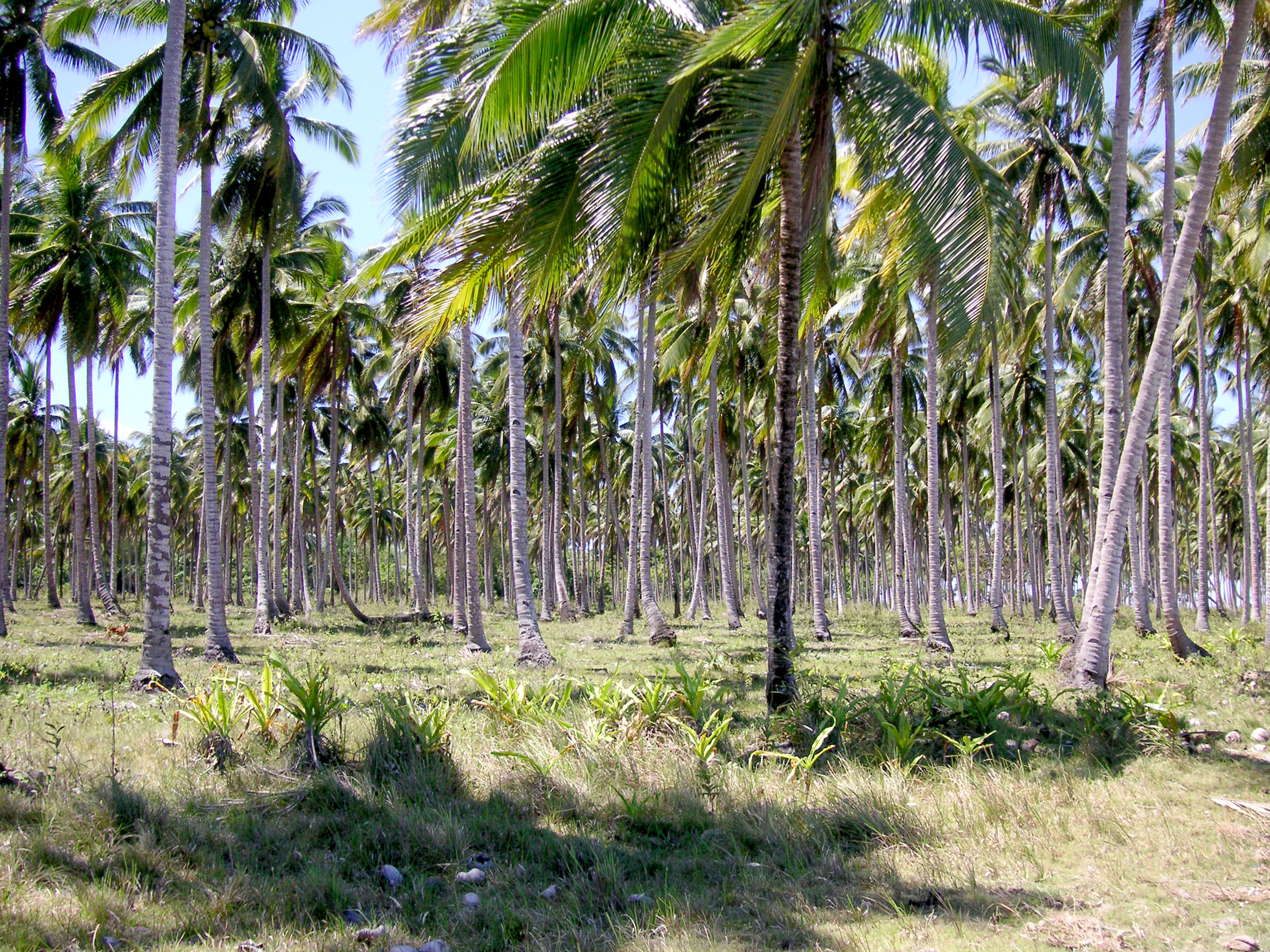
According to The Guardian, the acquisition of farmland from the world’s poor by rich countries and international corporations is accelerating at an alarming rate, with an area half the size of Europe’s farmland targeted in just six months. New reports from the UN and analysts in India, Washington and London estimate that at least 30m hectares are being acquired to grow food for countries such as China and the Gulf states which cannot produce enough for their populations. The land grab trend is accelerating and could severely impair the ability of poor countries to feed themselves.
World

Food Prices Will Rise Again

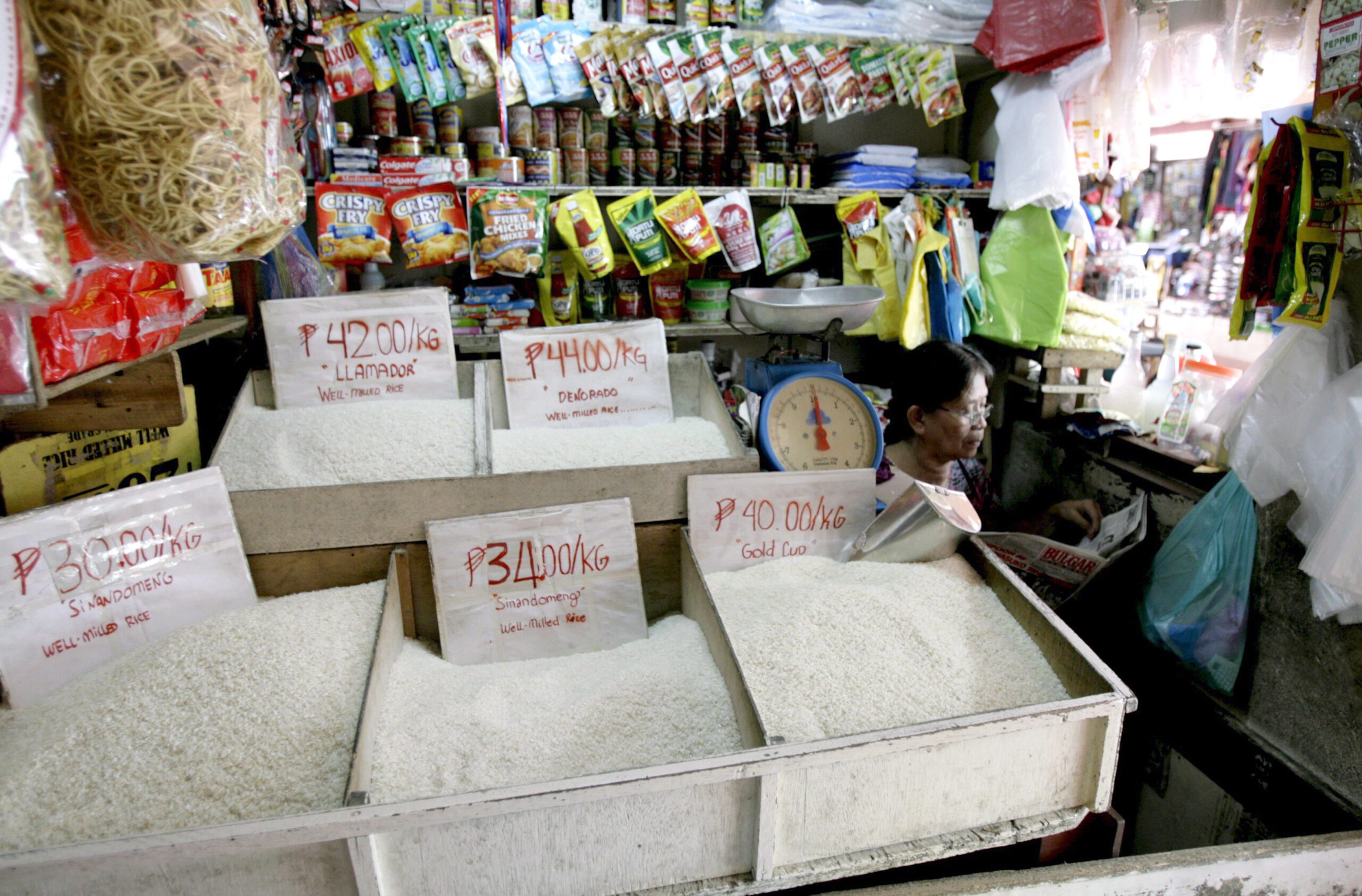
Food prices will rise again by 2015, when economies are expected to have recovered from the global recession, pushing up demand once more, says a recent UN report. 2008 is seen as the year of food crisis, prompted in part by high fuel prices, but these started declining as the global recession got underway in late 2008 and eventually returned to 2006 levels, though food prices in many developing countries are still higher than they were then.

World

Mining Methods Threaten Local Communities

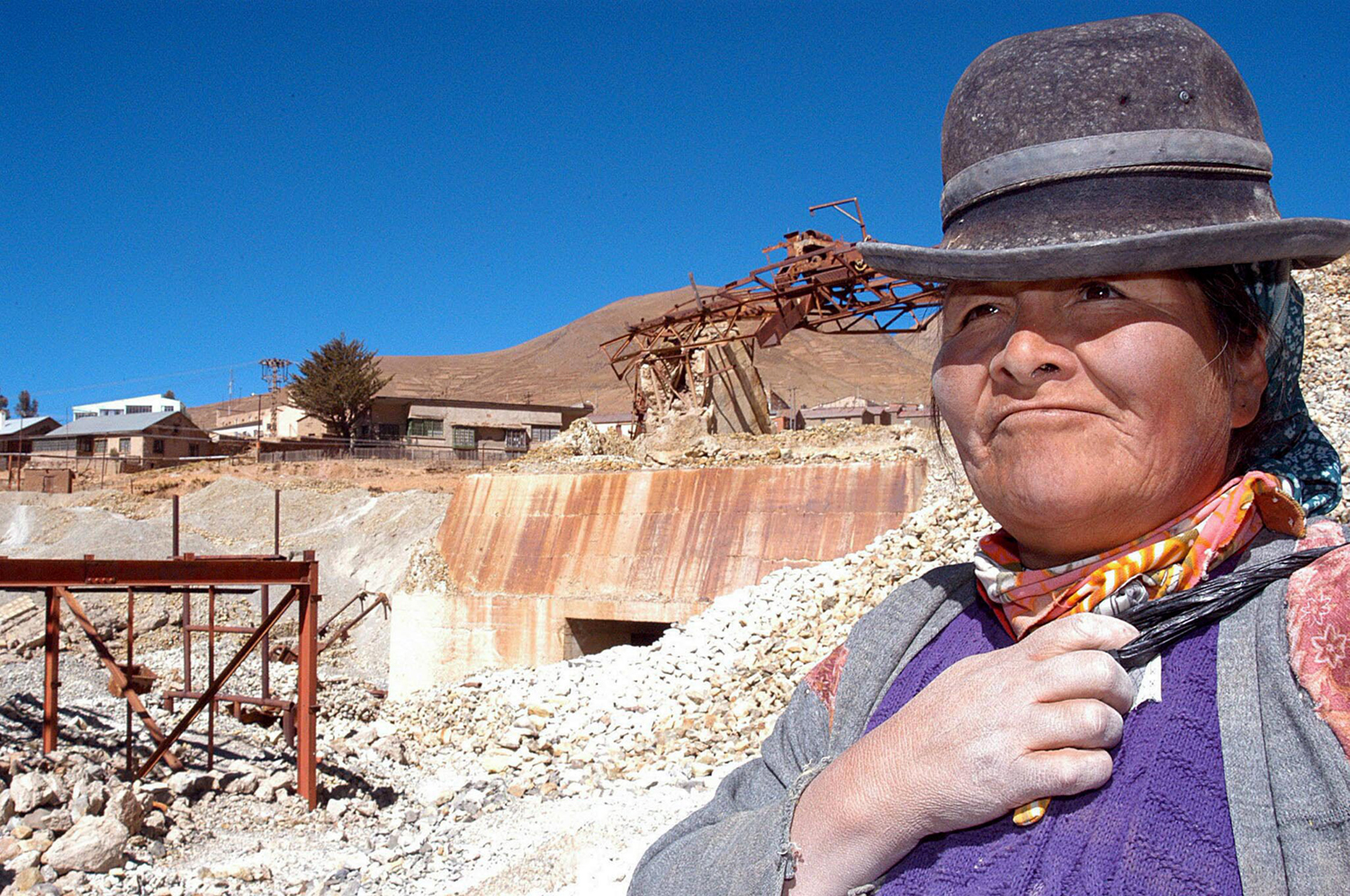
Catholic development network, CIDSE, has slammed current methods of extracting natural resources in Latin America as leading to loss of livelihood, violent conflict, persistent human rights violations and environmental degradation. “Local communities living in areas rich in natural resources are threatened. We demand that their basic social and environmental rights are respected,” CIDSE’s representative at the World Social Forum in Belém, Brazil, Geneviève-Camille Tournon, said. “This includes the right to be consulted and to refuse a project in cases where the social and environmental costs are too high.”

World

The 21st Century Land Grab

“History may be repeating itself. Until the mid-20th century, many European countries grew rich on the resources of their colonies. Now, countries including China, Kuwait and Sweden are snapping up vast tracts of agricultural land in poorer nations, especially in Africa, to grow biofuels and food for themselves.” The warning sounded in an article published in the New Scientist. Signed by Debora Mackenzie, it goes on: “The land grabs have sparked accusations of neocolonialism and fears that the practice could worsen poverty.”

World

Without Development, Peace Will Not Be Achieved

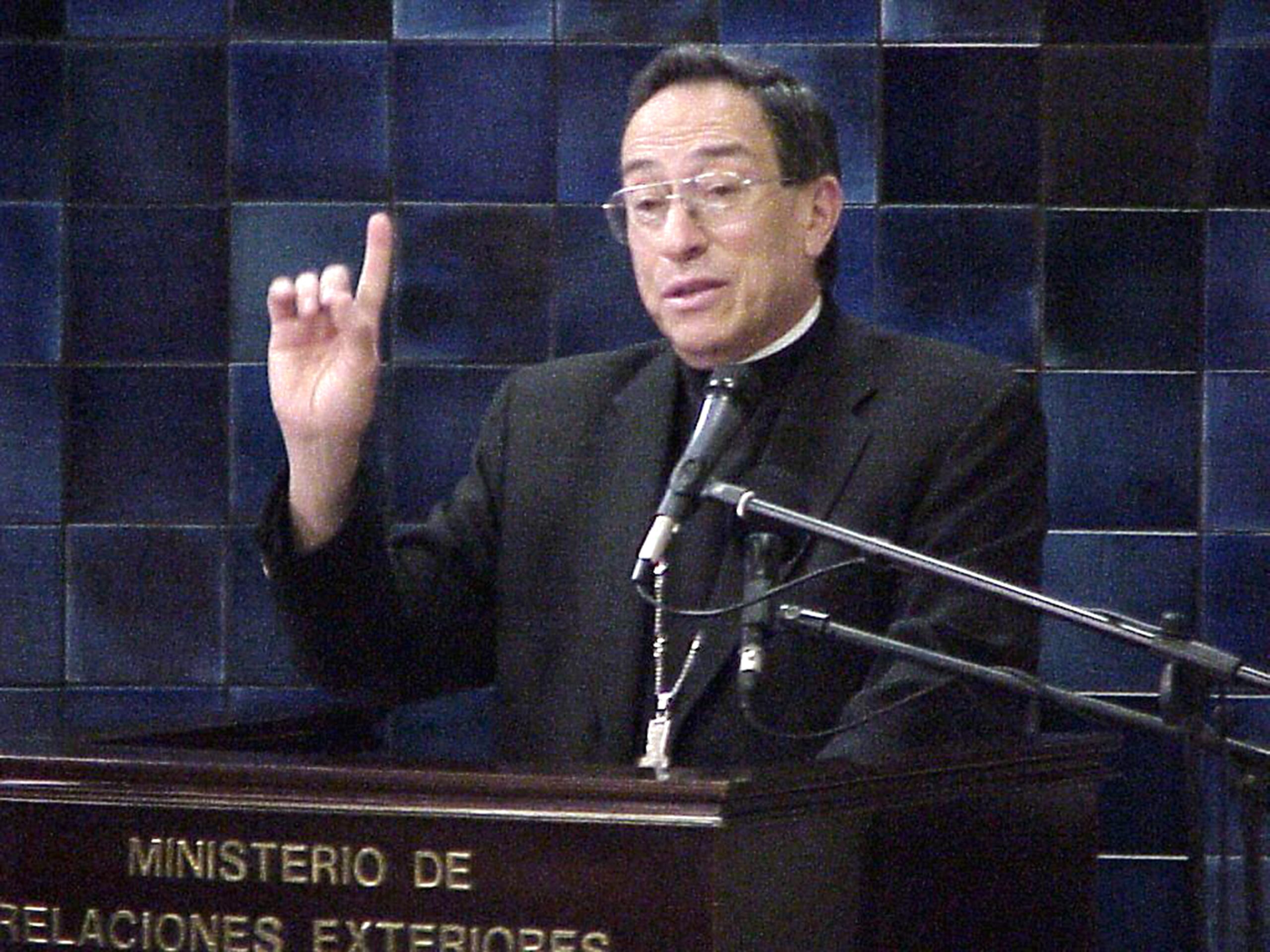
Caritas Internationalis president Cardinal Oscar Rodriguez Maradiaga has told the United Nations that a lack of leadership is delaying the achievement of Millennium Development Goals and appealed to leaders of industrial nations to lower carbon emissions. The Cardinal was addressing the summit on development and climate change at the invitation of UN Secretary General Ban Ki-moon. The Cardinal urged the world leaders to make “courageous decisions and fulfill past promises,” so as to achieve the development goals by the original deadline of 2015.

Number of Refugees is Rising

At the end of 2007, there were 11.4 million refugees and 26 million internally displaced people forced to flee their home by conflict or persecution, this according to figures released by the Office of the United Nations High Commissioner for Refugees (UNHCR). These numbers indicate that after a five-year decline between 2001 and 2005, the number of refugees has risen for two years in a row, about half of them Iraqis and Afghans.

World

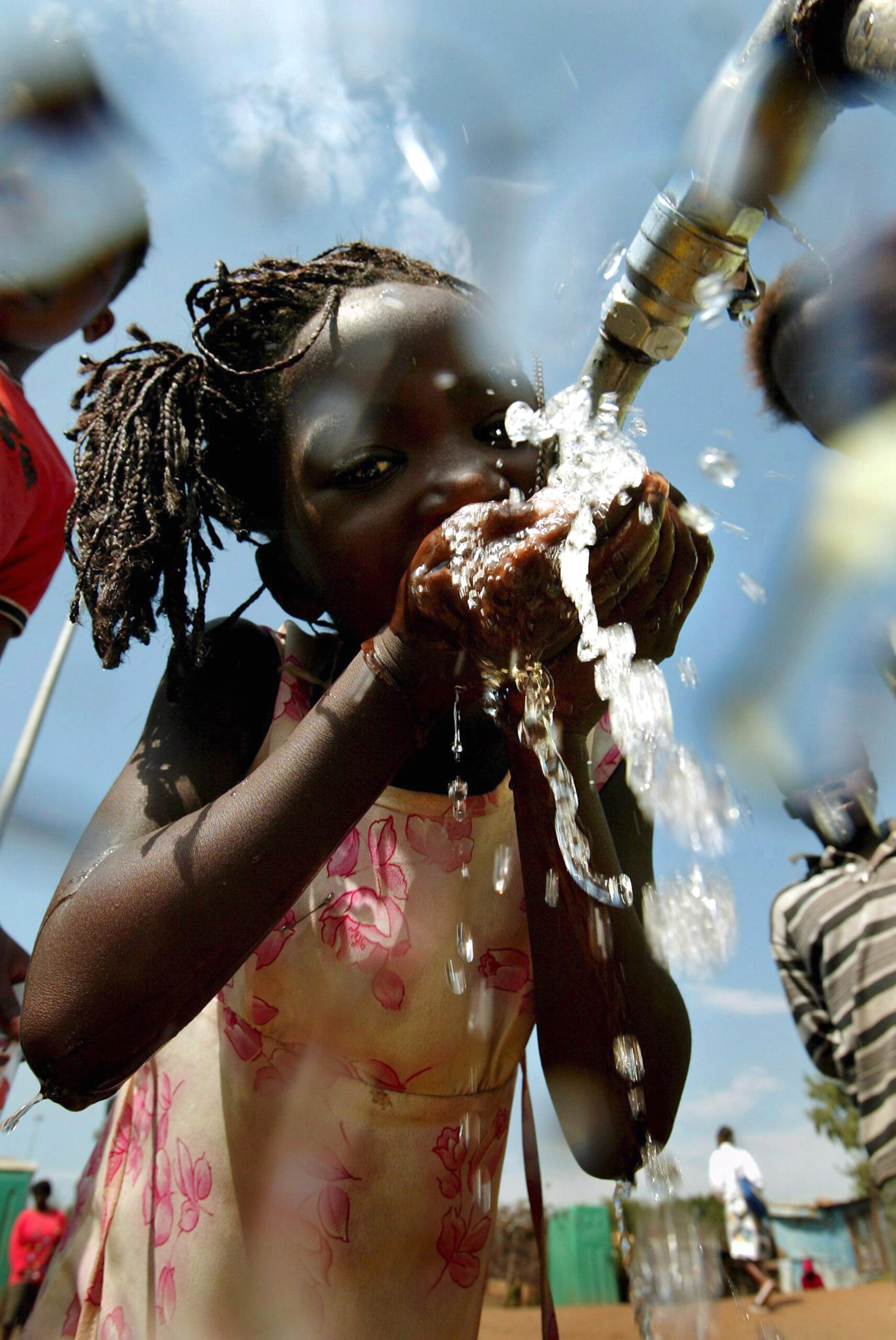
UN Calls Water Top Priority

U.N. Secretary-General Ban Ki-moon urged the world to put the looming crisis over water shortages at the top of the global agenda this year and take action to prevent conflicts over scarce supplies. He reminded business and political leaders at the World Economic Forum that the conflict in the Darfur region of Sudan was touched off by drought – and he said shortages of water contribute to poverty and social hardship in Somalia, Chad, Israel, the Palestinian territories, Nigeria, Sri Lanka, Haiti, Colombia and Kazakhstan.

World

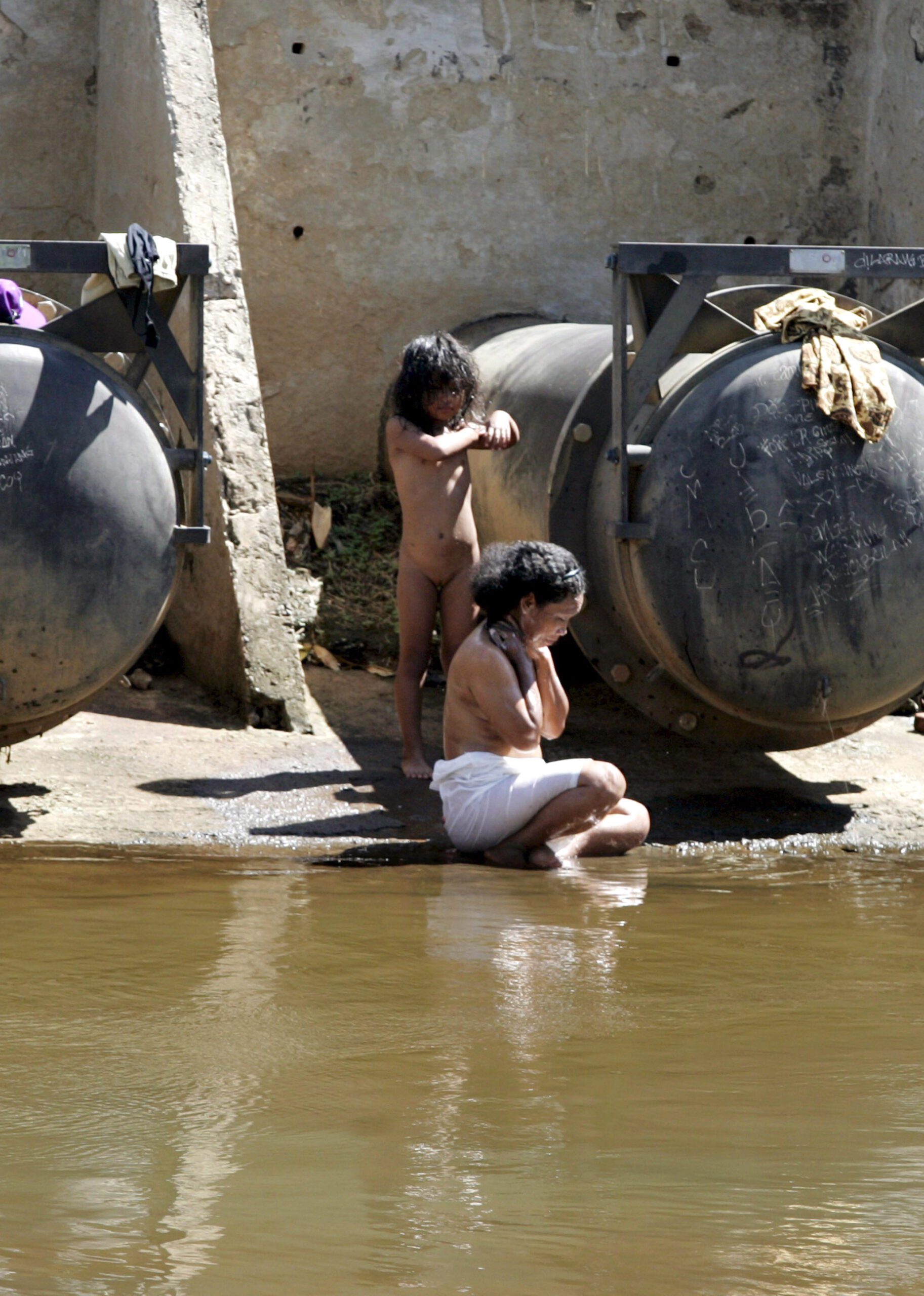
More Than 40% Has No Water Or Sanitation

“In some of the poorest countries in Asia, Africa, Latin America and the Caribbean, there are no toilets – private or public” said the London-based NGO End Water Poverty, after a survey and the world campaign ‘Water and Sanitation for Everyone’.

World

Preserving Religious Sites

Hundreds of thousand of sacred places will be integrated in a UN-backed network in order to preserve threatened wild species, announced the English newspaper, The Independent. It explained the reason of the initiative of the United Nations Development Program, similar to the one that UNESCO took when it was necessary to save Abbu Simbel’s temple (Egypt), which would come to give origin to the creation of the famous label World Heritage, which today classifies and protects hundreds of cultural and natural sites all over the world: The great religions, according to an Atlas recently published, own over 7% of the habitable land of the planet; and those sacred places, in many cases protected by spiritual traditions, are privileged “habitats” for fauna.

Shopping Cart