
Editorial
Brother Sun and Sister Earth
Humanity is going through an anthropological and ecological crisis. The way out from this crisis is to pay attention to our “inner home,” that is, a “personal interior conversion.”


Humanity is going through an anthropological and ecological crisis. The way out from this crisis is to pay attention to our “inner home,” that is, a “personal interior conversion.”
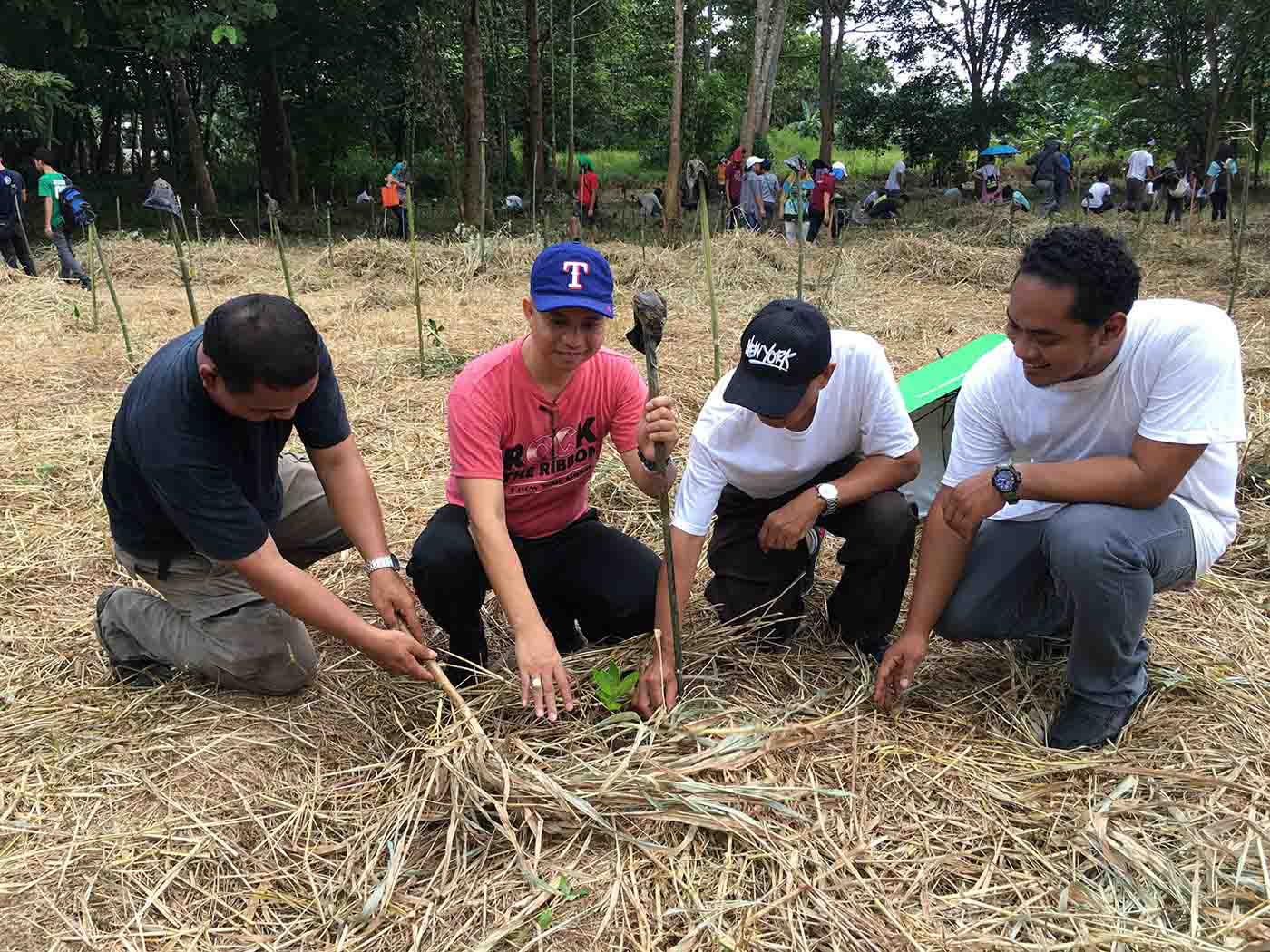
On the 10th anniversary of the publication of the encyclical Laudato Si’, we propose a reflection on the nature and fundamental aspects of this document, which has generated so many fruitful processes in the Church and continues to be widely recognized beyond the Catholic world.

In the Bull of Indiction for the Jubilee of 2025, Pope Francis recalled the Canticle of the Poverello of Assisi, exhorting us “to have the simple eyes of St. Francis, who in his Canticle of Creatures, written 800 years ago, perceived creation as one big family and called the sun ‘brother’ and the moon ‘sister’.”
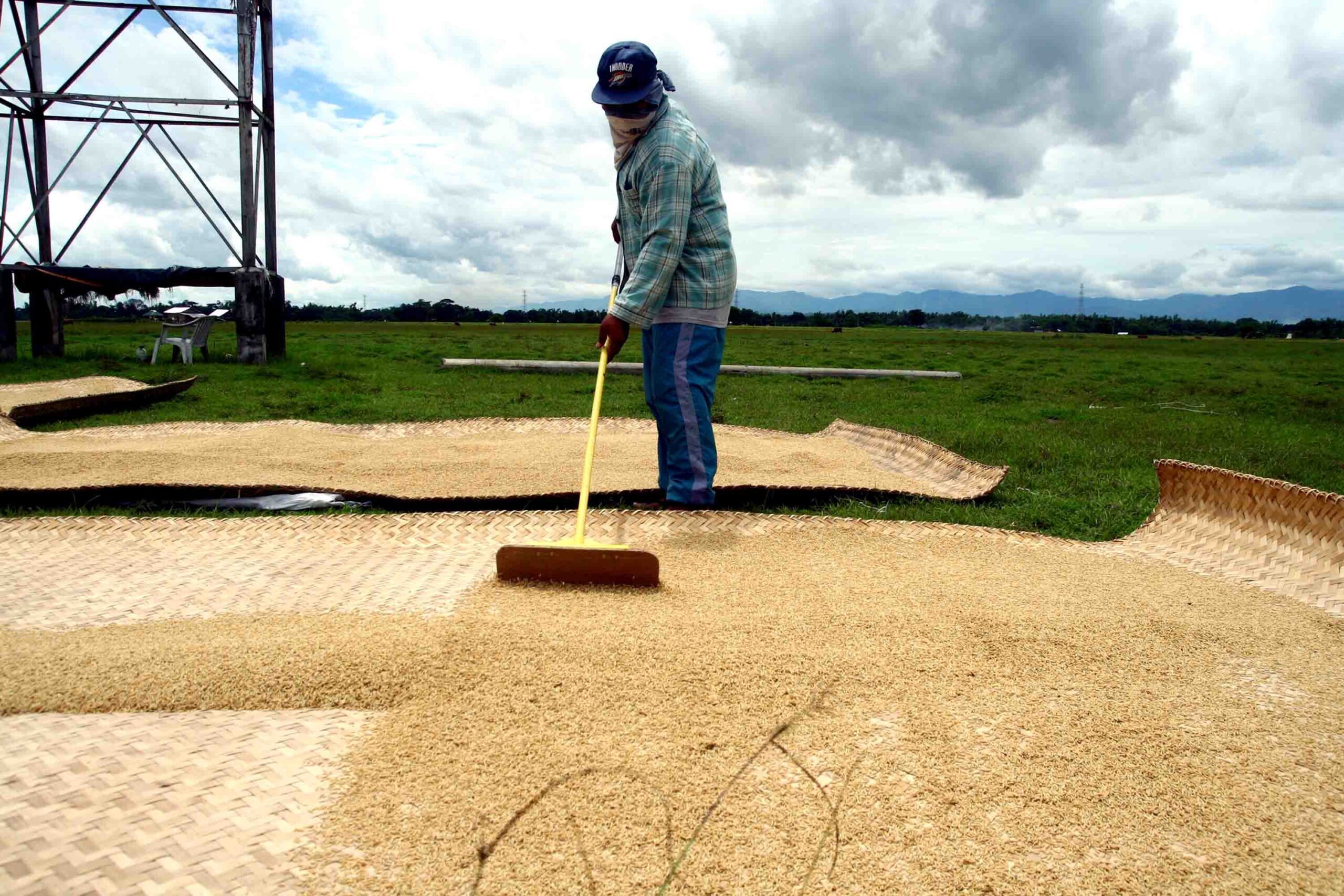
The Philippines is the hardest-hit country in Asia by the frequency and greater intensity of typhoons indisputably caused by climate change. The World Meteorological Organization says climate disasters have become five times more intense in the archipelagic country in the past 50 years.
The bishops’ conferences and councils from Asia, Africa, and Latin America, with the Pontifical Commission for Latin America, have released a document calling for climate justice and ecological conversion ahead of the UN Climate Change conference, COP30, set to take place from November 10 to 21 in Belém, Brazil. Below is a summary.
Ten years ago, Pope Francis wrote the first environmental encyclical letter in the history of the Catholic Church. As he was writing it, so many of us concerned about the sickening state of our wonderful earth home, waited with hopeful anticipation.
The vast waters surrounding the Philippines and the hundreds of thousands of people who depend on them for their livelihood are facing threats that are, in some ways, more serious than those posed by China and its maritime assertions.
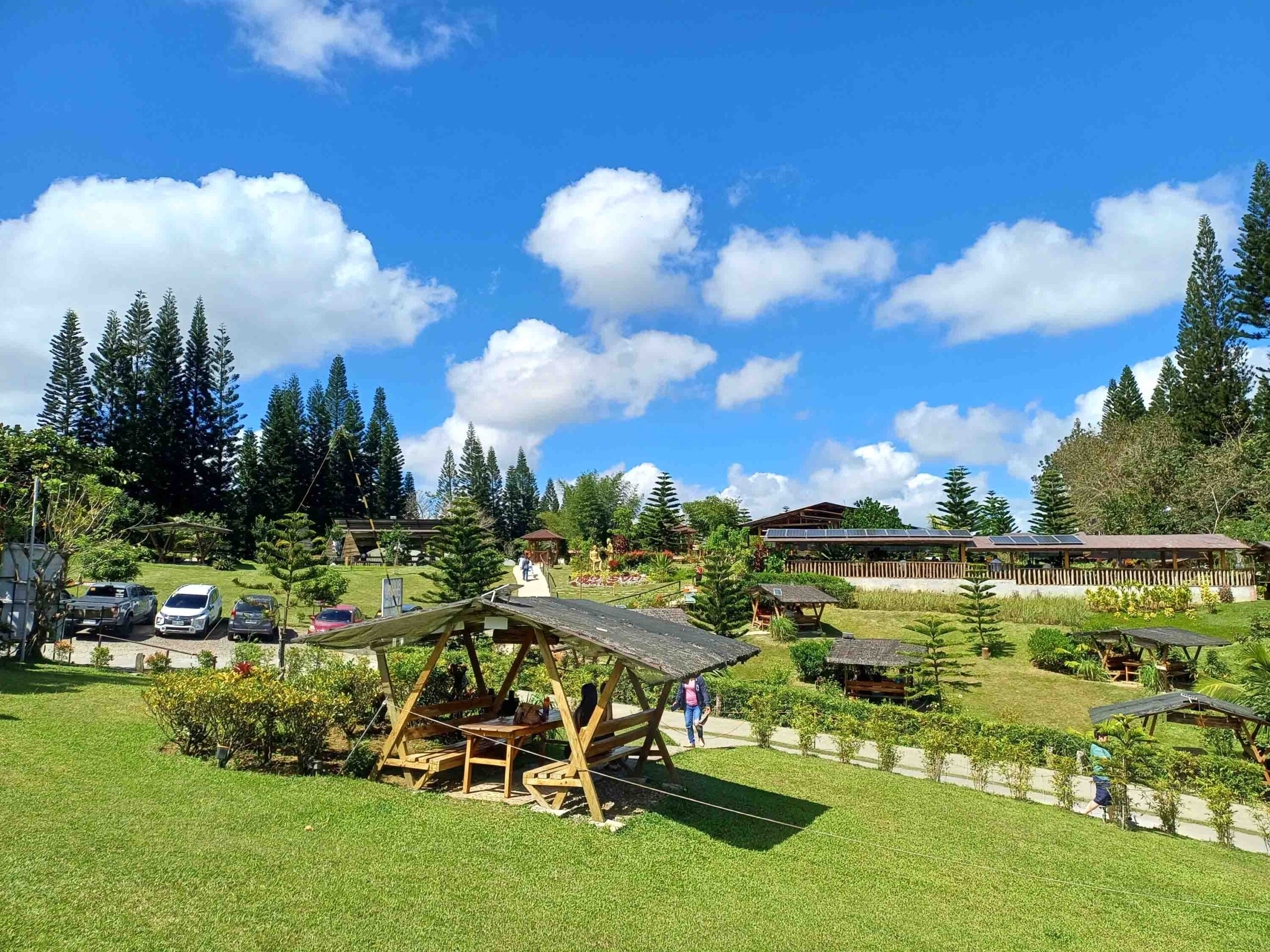
Four years ago, the Society of the Divine Word in the Philippines started to transform a land they own that had been idle for decades into an ecotourism destination. Today, it employs more than 100 people to grow crops with solar-powered materials.

The economy has its importance; however, economic success cannot be the ultimate goal in human affairs. It cannot be allowed to entice and enslave human beings, erase cultures, and ruin the environment. The economy, on the contrary, must have a human face.
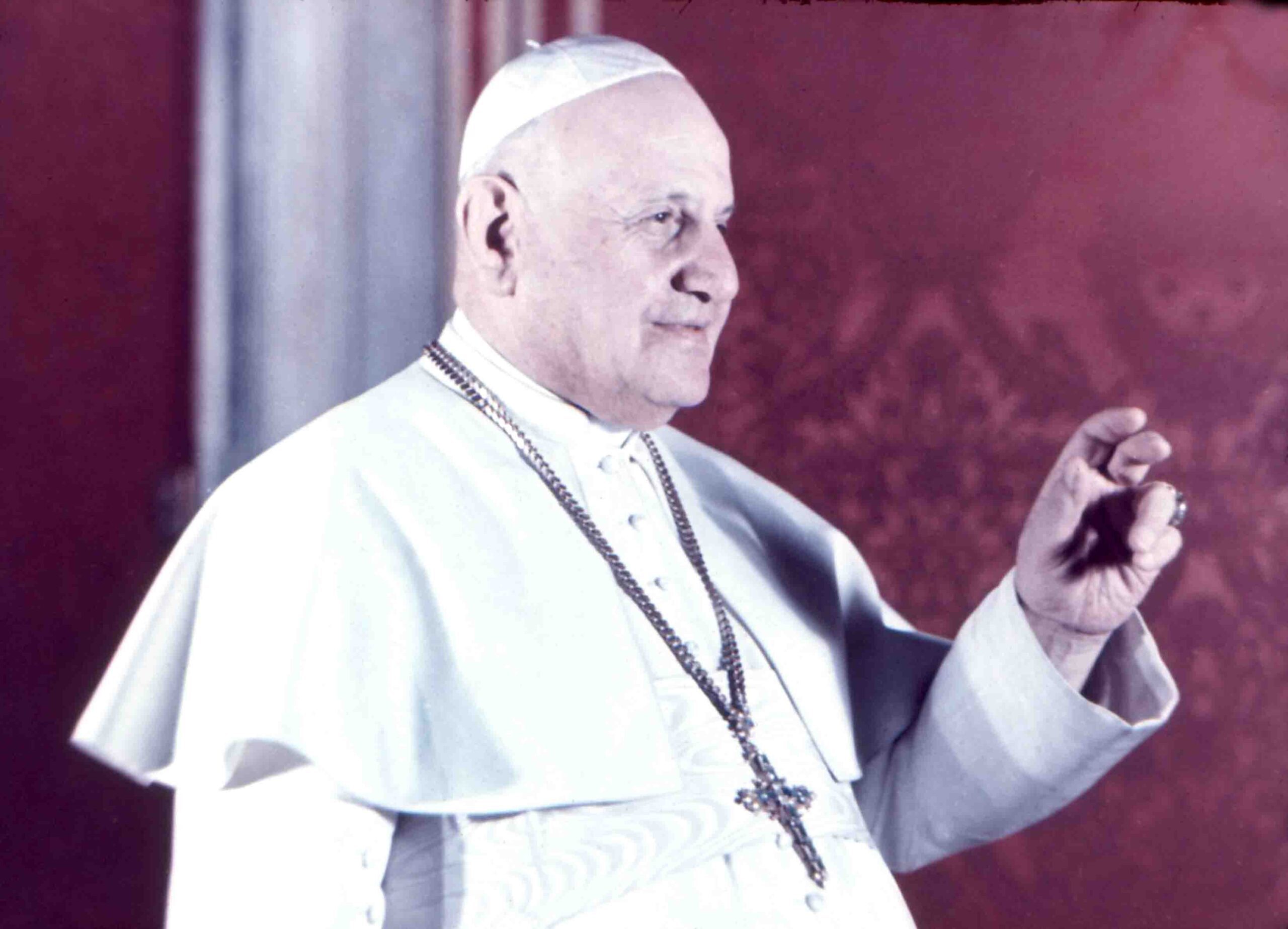
One must remember that the Council was attended by over 2,500 bishops as well as additional theologians, experts, and observers, all adding up to over 3,000 persons. This short essay only highlights eight pivotal figures.
