
Editorial
When Migrants Become Scapegoats
Foreigners will leave but the problems of inequality and poverty will stick around. Foreigners have become a scapegoat for the mess created by years of corruption in government.


Foreigners will leave but the problems of inequality and poverty will stick around. Foreigners have become a scapegoat for the mess created by years of corruption in government.
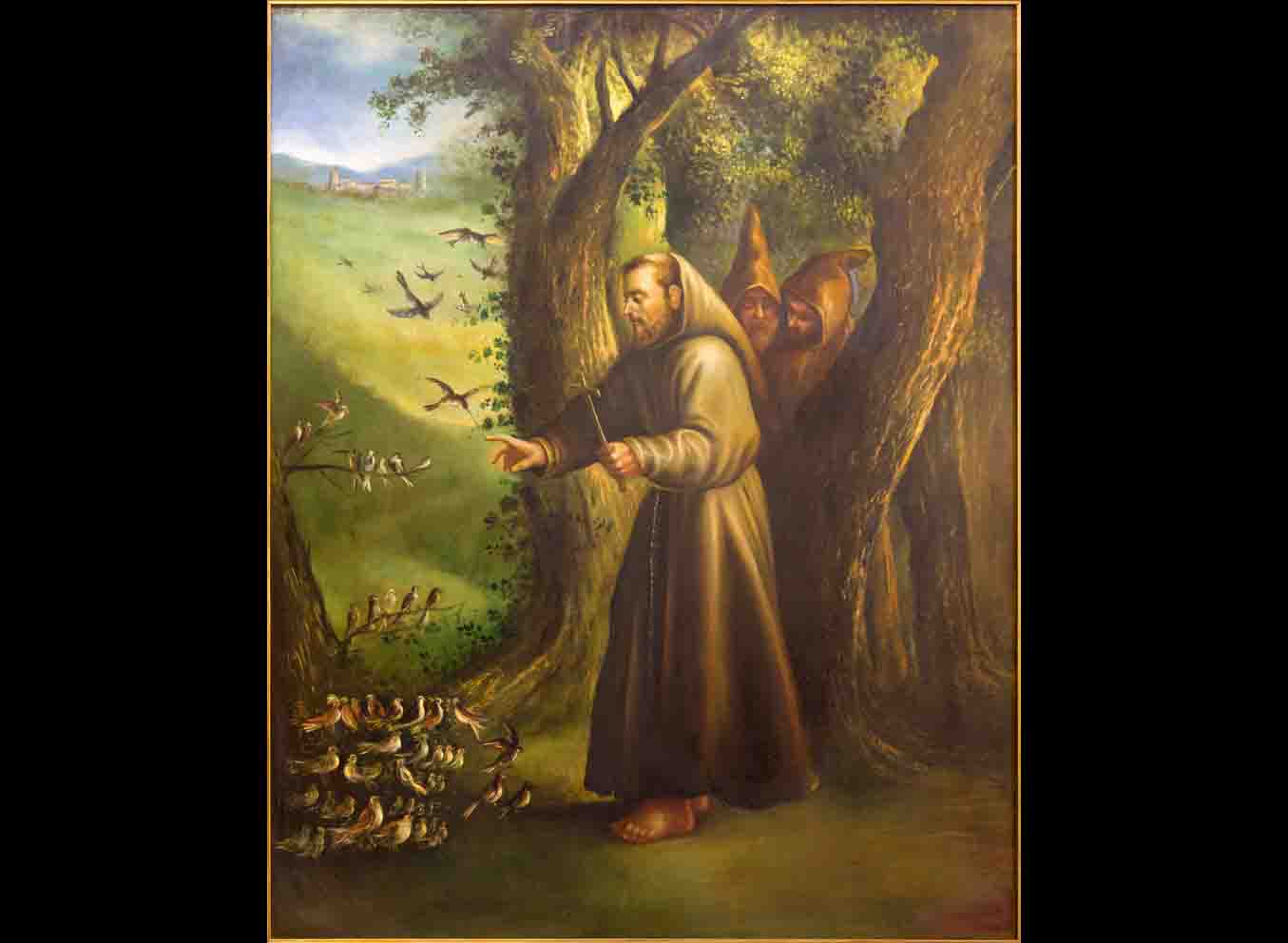
Eight hundred years after his death, Francis of Assisi’s legacy of poverty, peace, and reverence for nature continues to influence Catholic life worldwide, from the Franciscan order to the papacy’s stance on social and environmental justice.
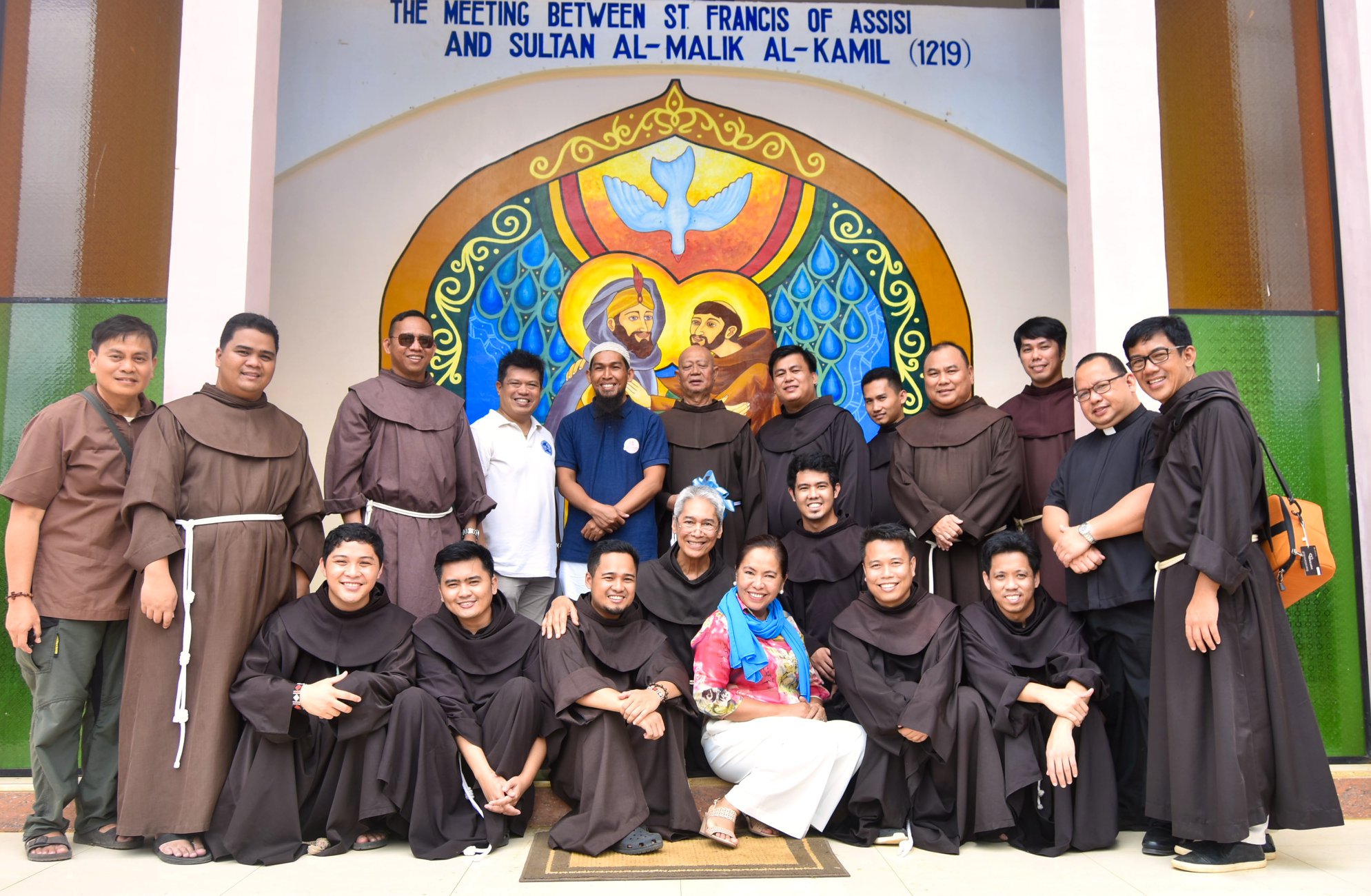
Rather than imagine St. Francis as some sort of medieval superhero, we would do well to remember his full humanity and lifelong journey of conversion, including the inevitable stumbles and mistakes he made along the way. In this way, he models for us how to embrace an authentic journey of faith.
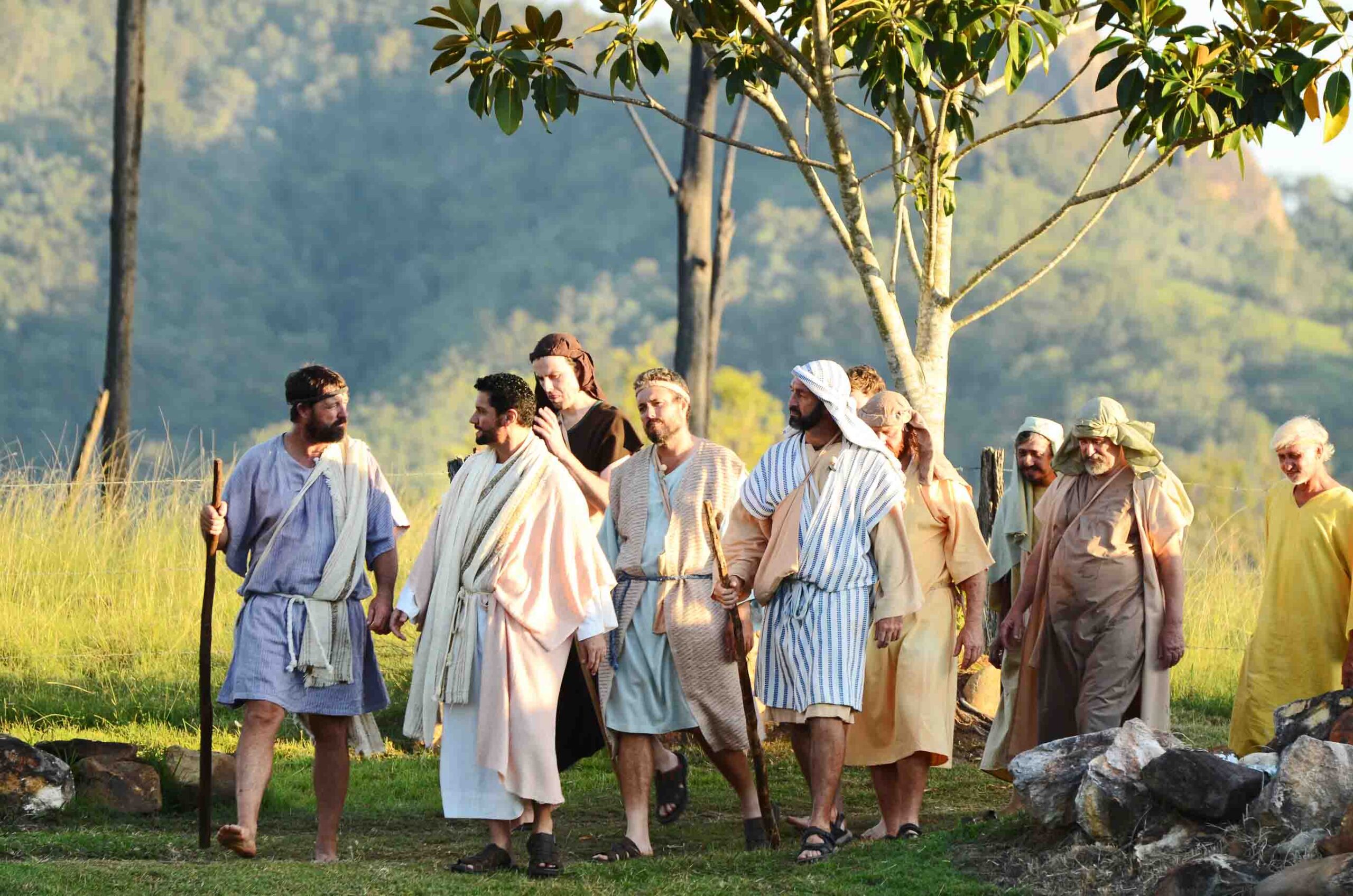
St. Francis told stories that were retold and passed down across generations. They invited hearers to place themselves within the narratives and imagine themselves living in a way more aligned with the Gospel in everyday life.

The French geneticist who discovered the extra chromosome behind Down Syndrome devoted his career to using genetics to heal, not to eliminate, even as his discovery was tragically repurposed to justify prenatal eugenics. His courageous witness earned him papal honors and lasting admiration.

Goodbyes are bittersweet and never easy, yet for missionaries, they become sacred acts of trust–entrusting loved ones to God while embracing His call. We hold on to God's promise: “I am with you always.”

The central message of Pope Leo XIV’s Magnifica Humanitas can be expressed in a single principle: The human person must remain above every machine, every algorithm, every market incentive, and every technological system.

Franciscan catechists carry out their ministry in some of Manila’s most vulnerable communities. Over the years, their presence and accompaniment have helped steer many children away from crime, contributing to a decline in petty offenses such as pickpocketing and snatching in the communities they serve.

One path leads toward gradual irrelevance–a Church respected for its history yet increasingly distant from the lives of ordinary people. The other path is more demanding. It requires personal conversion, institutional renewal, synodal listening, courageous witness, and creative evangelization.

Christian mission history reveals the acceptance of the faith by remarkable persons in equally special circumstances; three unique examples of native faith-filled women provide inspiration and hope.
