The Catholic Church in the Philippines stands at a critical crossroads. For centuries, it helped shape the nation’s memory, language, holidays, moral imagination, and public life. Church bells once served as the heartbeat of Filipino towns. Their sound marked births and burials, harvests and holidays, moments of grief and celebration. Processions filled the streets. Faith was often passed from one generation to the next as naturally as family names and treasured traditions.
Millions of Filipinos continue to believe in God. Yet belief in God is not always the same as confidence in religious institutions. The Church remains deeply rooted in Filipino society, but it now faces challenges that require honest reflection and renewed pastoral imagination.
The first challenge concerns moral credibility. Moral authority today can no longer depend solely on clerical office, institutional history, or inherited respect. Many faithful Catholics continue to esteem priests, religious, and Church leaders. Yet younger generations increasingly look for visible signs of accountability, humility, and integrity before granting their trust. They listen not only to what is preached but also to what is practiced.
Respect is no longer assumed automatically. Respect is cultivated through credible witnessing and authentic service. And I should say this reality should not be viewed as a threat but as an invitation. Like a lighthouse facing relentless winds and waves, the Church must continually maintain its structure if its light is to remain visible amid gathering storms.
RITUAL AND REALITY
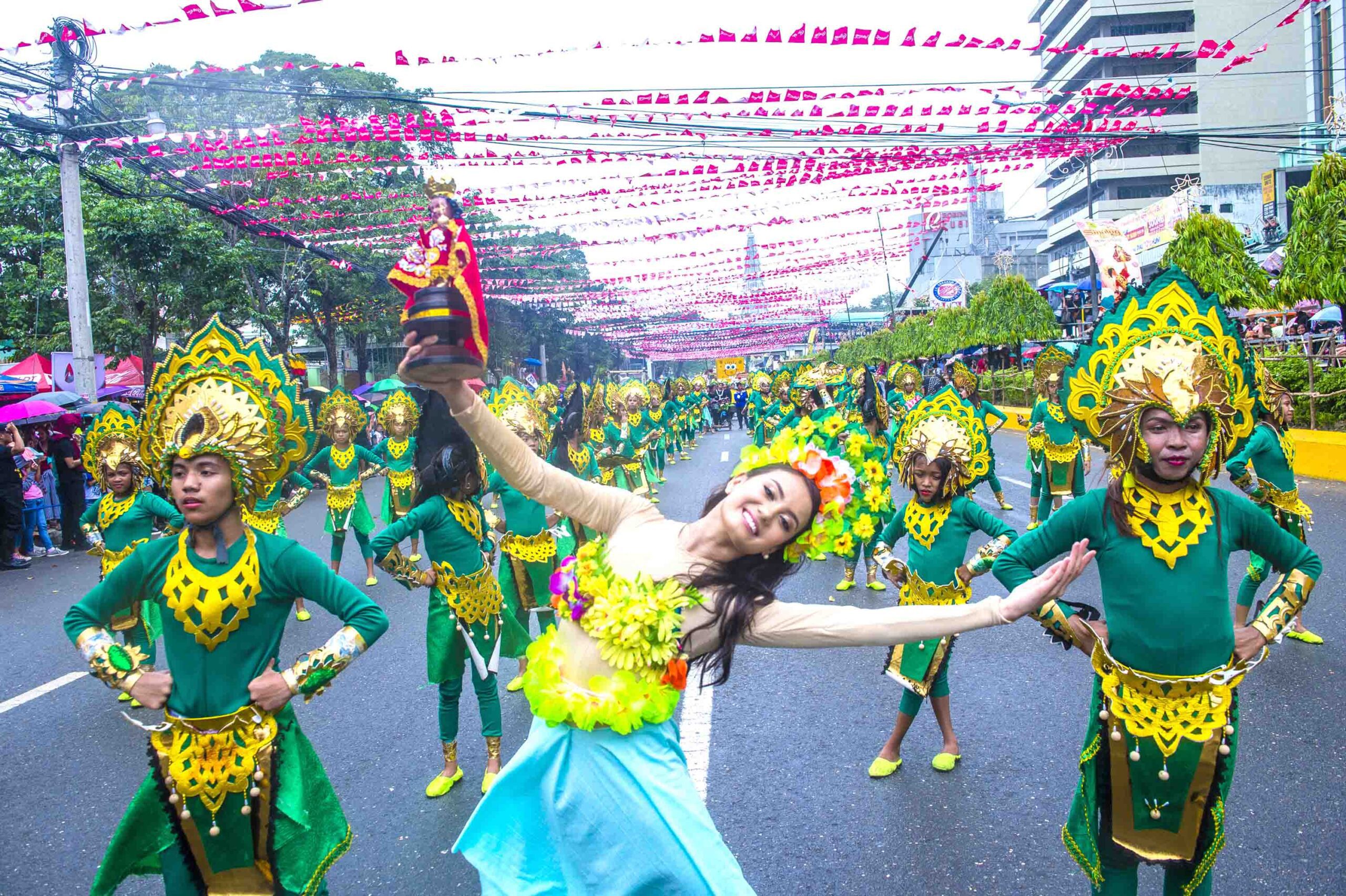
The second challenge is the need to bridge ritual and reality. Filipino Catholicism remains richly adorned with fiestas, processions, novenas, pilgrimages, and countless expressions of popular devotion. These practices are not merely customs. They are vessels carrying faith, memory, and identity across generations.
Yet every vessel must remain connected to its source. Religious rituals flourish when they lead believers toward love of neighbor, justice, and solidarity with the suffering. When faith appears disconnected from the struggles of ordinary people, questions naturally arise.
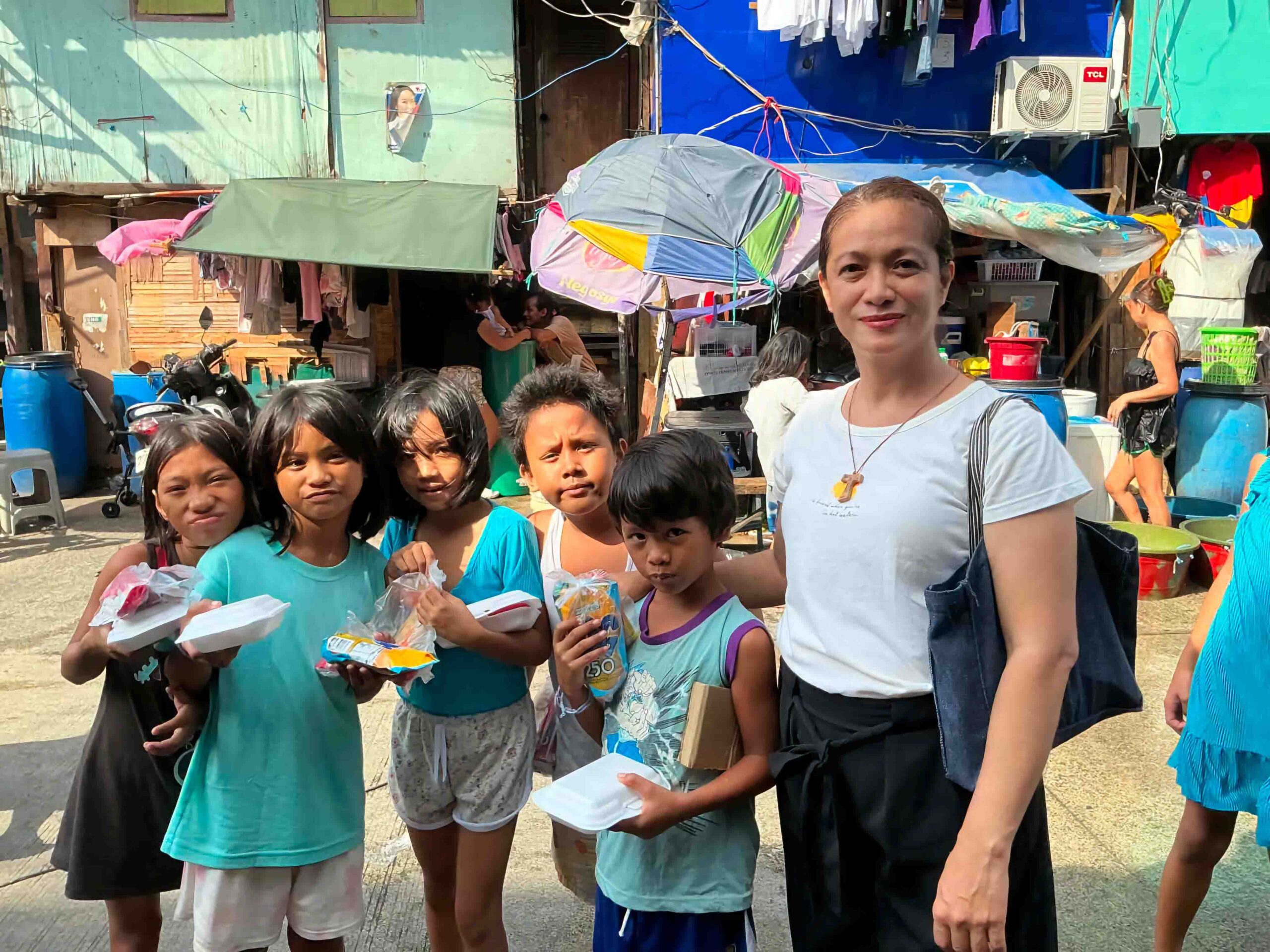
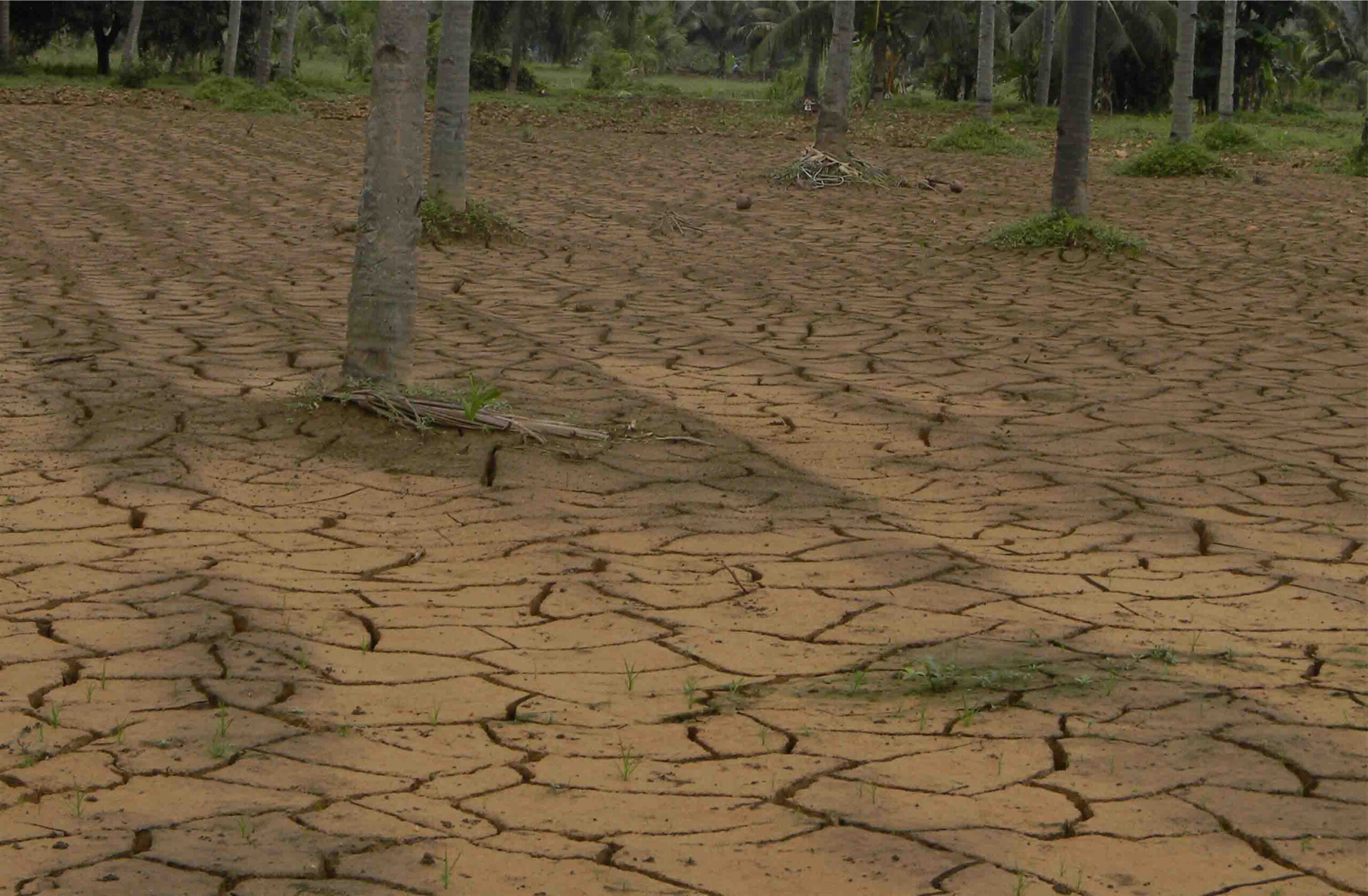
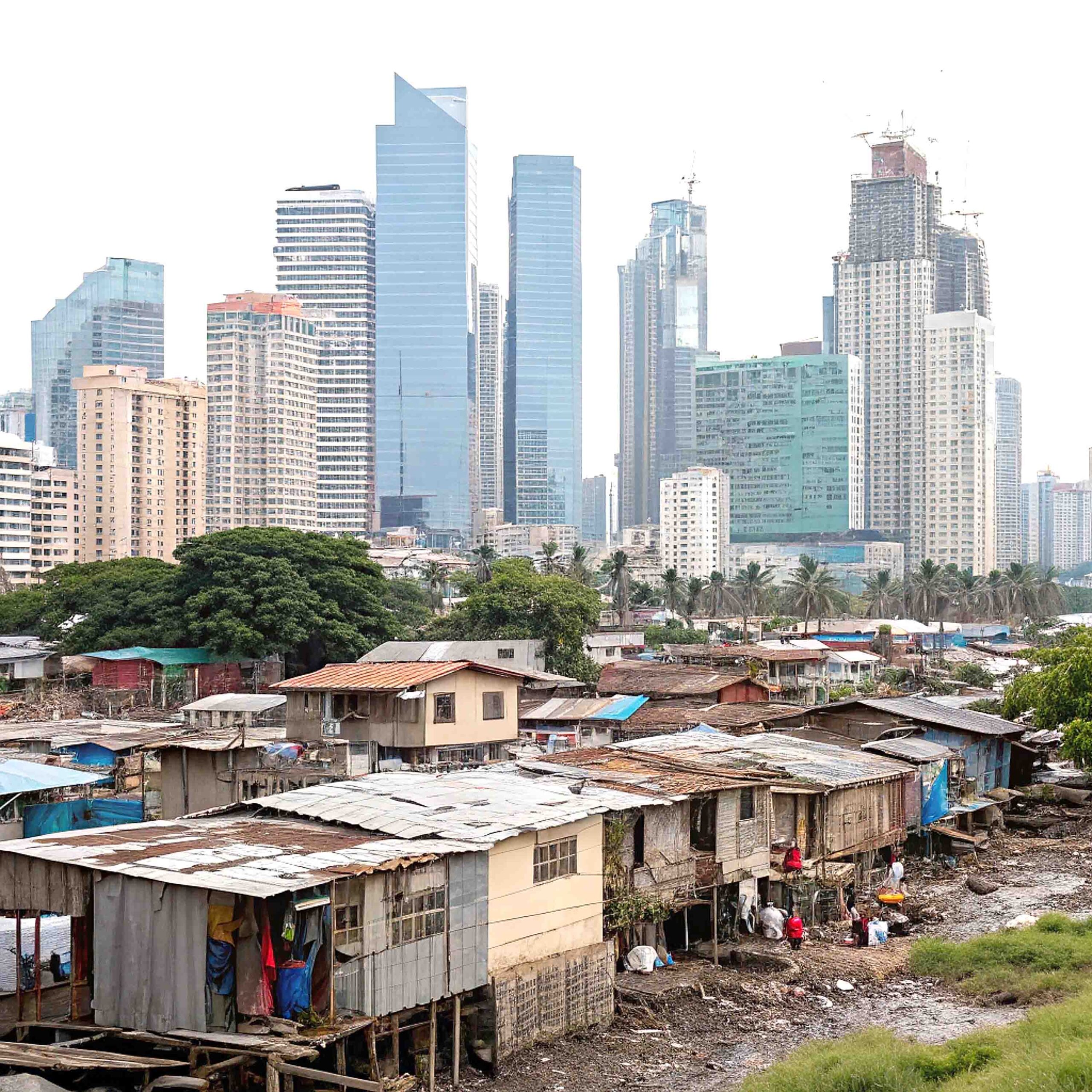
Many Filipinos wonder whether the Church is sufficiently present where wounds are deepest: among the poor, among displaced communities, and among those affected by corruption, environmental destruction, exploitation, and violence.
The Church is at its strongest not when it occupies the highest platform but when it accompanies the most vulnerable. A faith that walks with wounded communities speaks more powerfully than any sermon using the pulpit.
EMPTYING OF THE PEWS
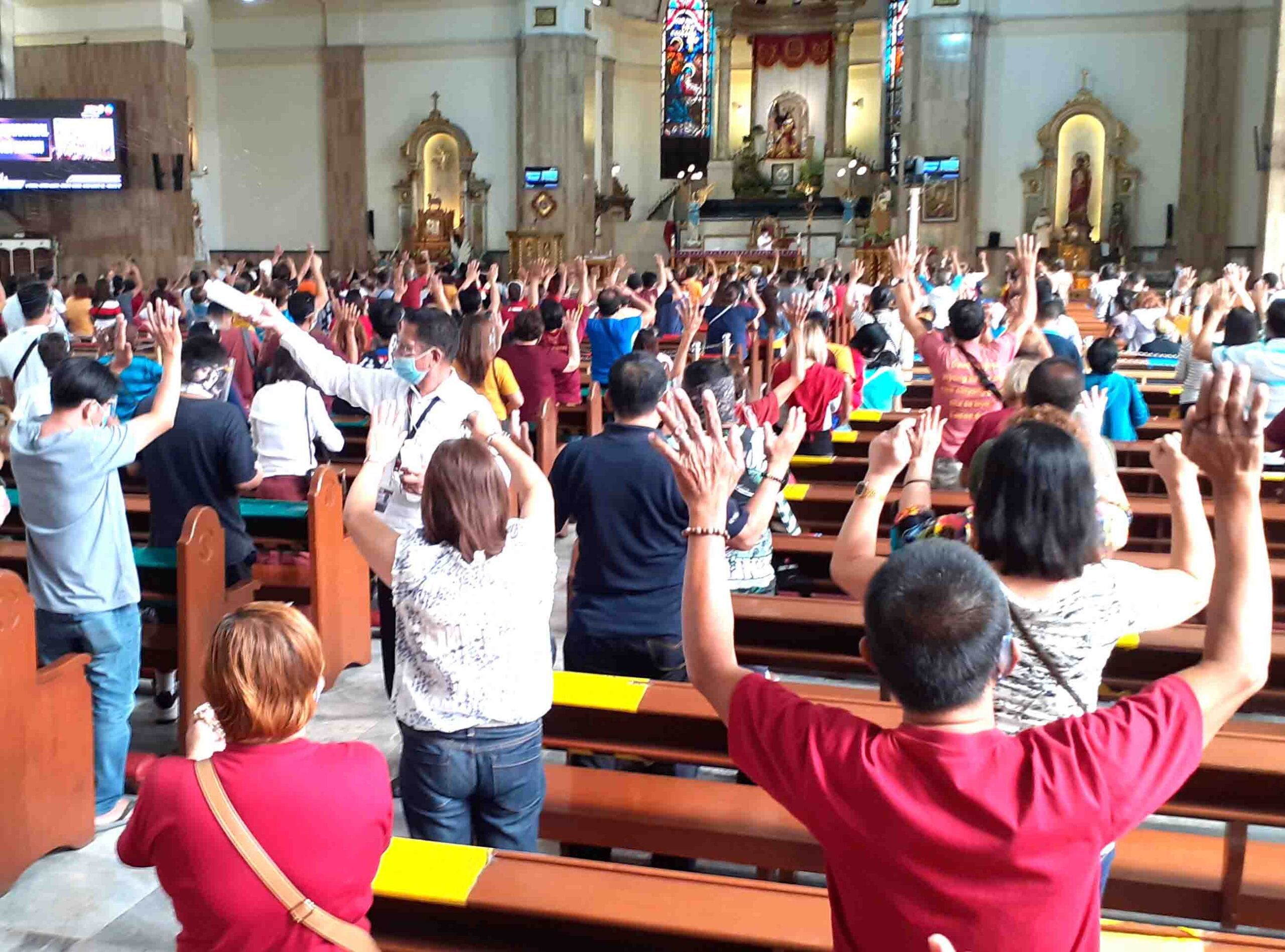
The third challenge is the gradual erosion of active participation. The Philippines remains overwhelmingly Catholic in affiliation, yet many parishes are experiencing a slow decline in engagement, especially among younger adults. Numerous communities rely heavily on aging volunteers. Vocations to the priesthood and religious life face increasing difficulties. Many young people drift away after graduation or major life transitions.
Inherited religion no longer functions as it once did. Younger generations often make religious commitments more consciously and selectively. Family tradition remains influential, but it no longer guarantees long-term participation.
The Church, therefore, faces an important reality: cultural Catholicism alone cannot sustain faith in an age shaped by migration, economic pressures, and social change. If younger Filipinos fail to see how faith speaks to their hopes and struggles, many may not reject Christianity outright; they may simply drift into indifference.
FROM PEWS TO PIXELS
The fourth challenge emerges from the digital revolution. A Filipino teenager today can encounter more competing ideas, beliefs, lifestyles, and identities online in a single evening than previous generations did in years. The parish is no longer the sole moral classroom. The smartphone has become a portal into a vast global marketplace of meaning. In earlier generations, religious belief was often inherited with relatively little competition. Today, beliefs are compared, questioned, debated, and personalized.
Young people formed by digital culture can instantly compare viewpoints, verify claims, and encounter voices from every corner of the world. When Church communication appears distant or disconnected from contemporary realities, many simply direct their attention elsewhere.
Yet this transformation also presents opportunities. The digital world is a mission field. Behind countless screens are people wrestling with loneliness, confusion, anxiety, and spiritual hunger. The internet has become a new public square where the Church should be present.
THE ROAD AHEAD
The future of our Mother Church will not be secured by nostalgia alone. She possesses a rich spiritual heritage and deep reservoirs of faith. If she can unite that heritage with renewed credibility, synodality, and missionary creativity, she can continue to serve not merely as a monument to the past but as a living shelter for future generations–a community where faith remains credible, where hope does not disappoint, and the Gospel continues to illuminate the path ahead.
José Mario Bautista Maximiano co-authored with Cardinal Pablo David the Quo Vadis (Paulines, 2026). He is also the author of Church Reforms 1, 2, 3, and 4, which are available at Lazada and Shopee. Email: jomaximiano@gmail.com