A False Answer to Hunger

INTRODUCTION

Conventional wisdom claims that the only way to increase agricultural output is through modernizing agriculture. But, in the contrary, experts say that organic farming holds the key to food security in Africa.

WRITTEN BY

SHARE THE WORD

PUBLISHED ON

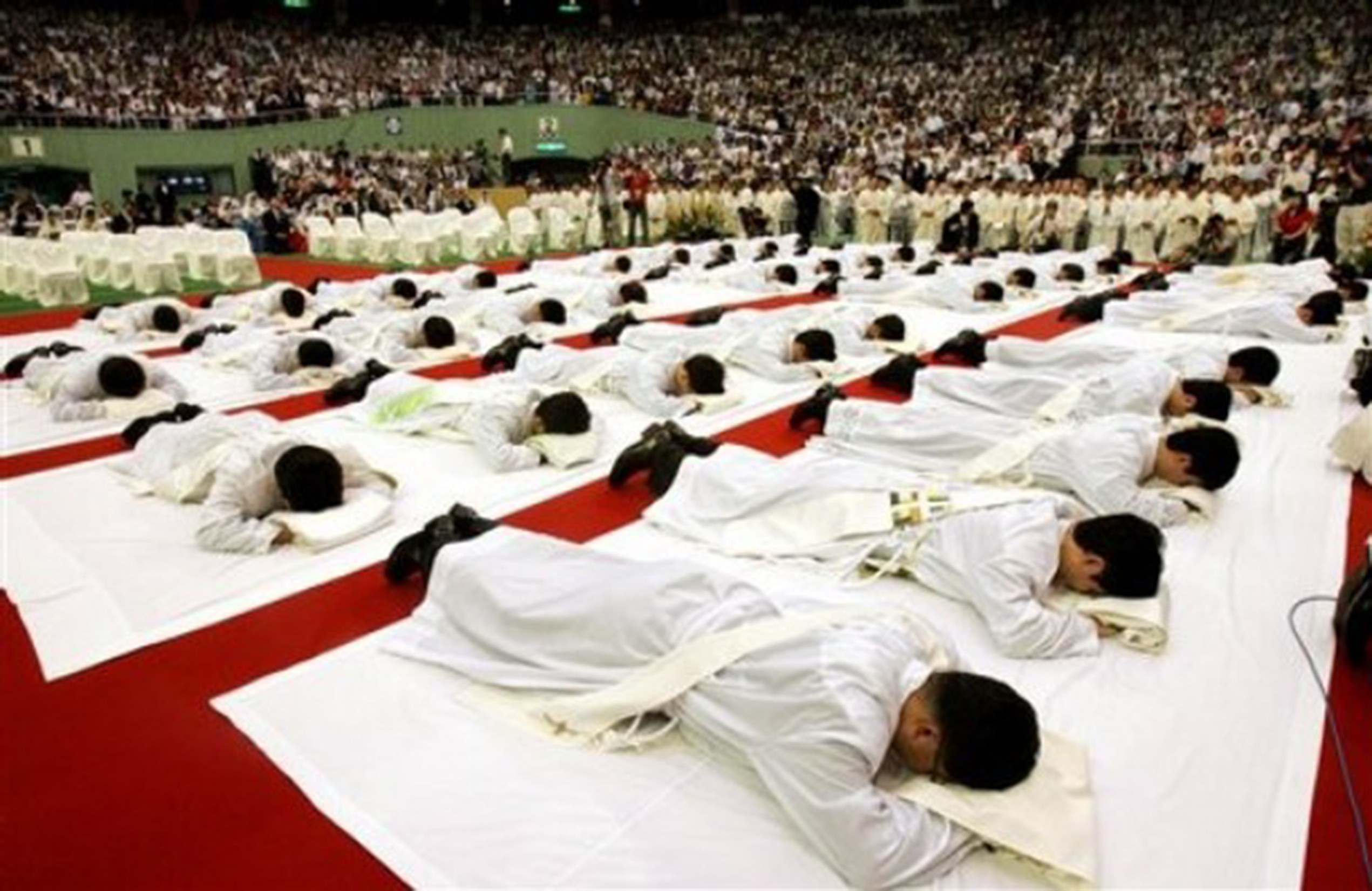
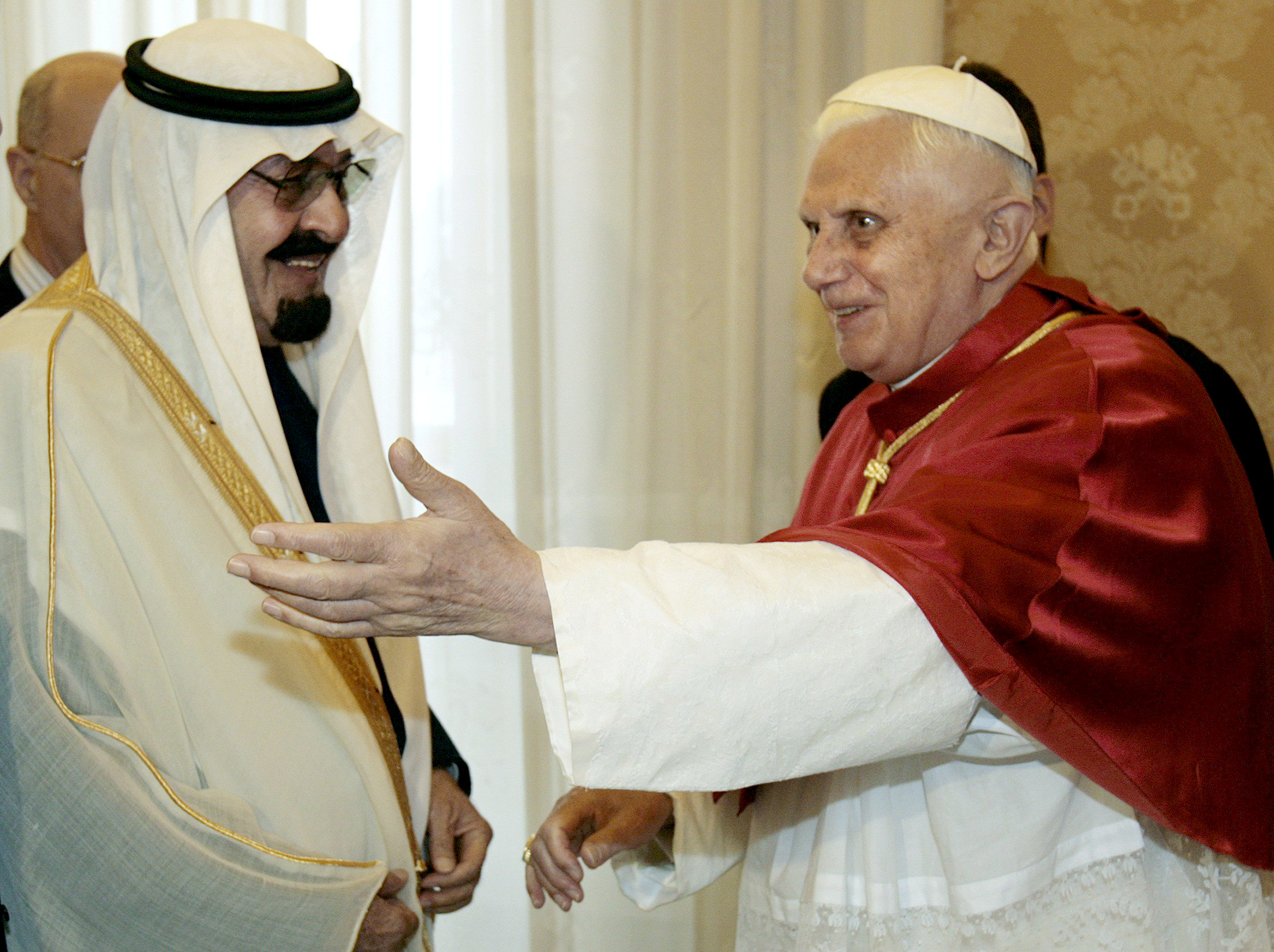
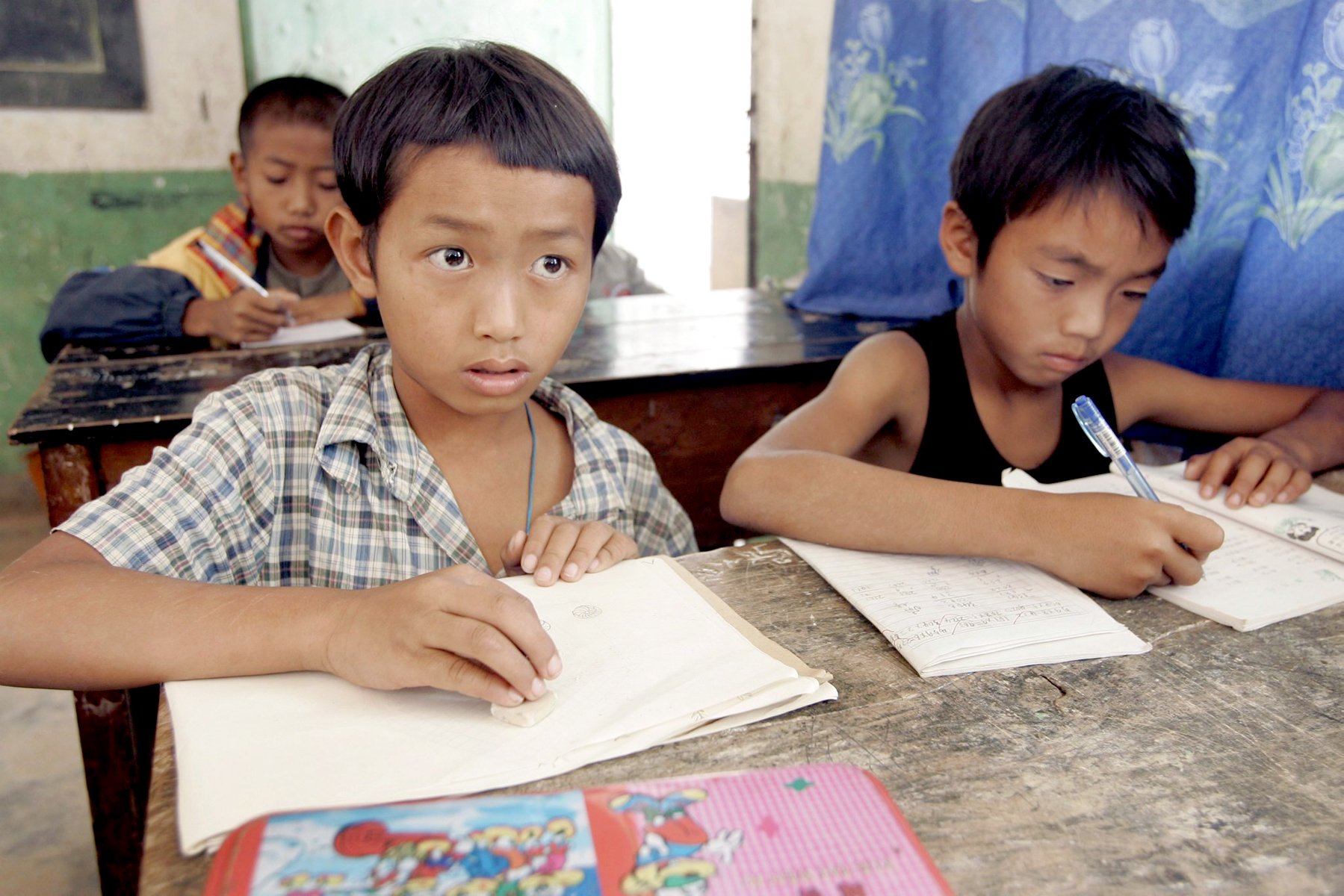
The introductory page for the Pontifical Academy of Sciences Study Week on Genetically Modified (GM) crops states that “poverty in developing countries is usually linked with low agricultural productivity. Inadequate quantity and quality of food impacts human development potential, physically and mentally.” The author, Ingo Potrukus, goes on to claim that “plant biotechnology has a great potential to improve the lives of the poor.”

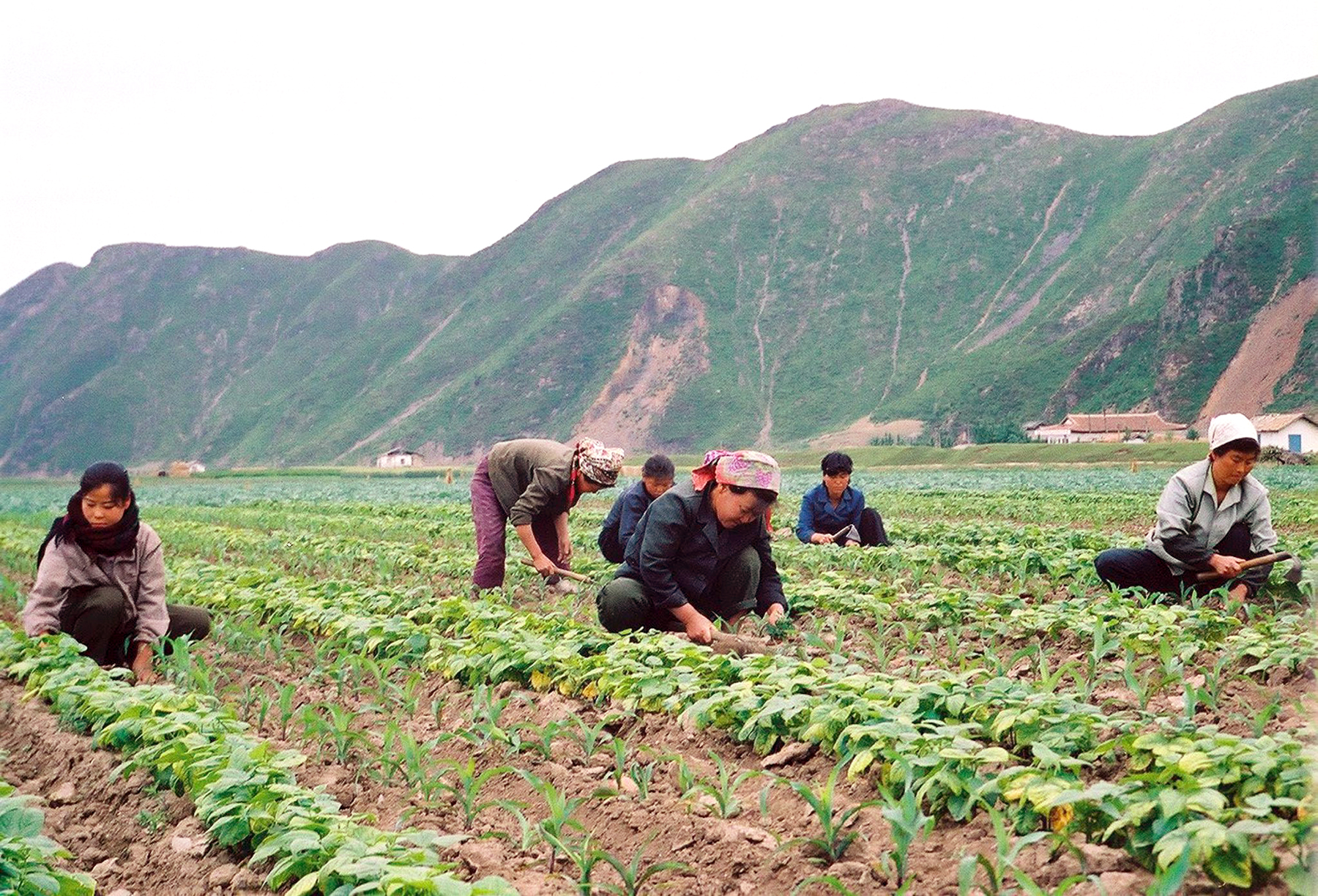
Anyone submitting a paper or thesis in any graduate institute worth its salt, would be expected to begin with a review of recent literature on the particular subject. Nowhere in the above documentation have I seen any reference to two recent, independent studies on sustainable agriculture and providing food for a growing world population. In 2008, the United Nations Conference on Trade and Development (UNCTAD) and the United Nations Environment Program (UNEP) produced a document entitled “Organic Agriculture and Food Security in Africa.” The researchers found that, contrary to conventional wisdom which claims that the only way to increase agricultural output is through modernizing agriculture, organic farming holds the key to food security in Africa. An exhaustive report from the International Assessment of Agricultural Science and Technology for Development (IAASTD), published in April 2008, came to the same conclusion.*

LACK OF CHANGE
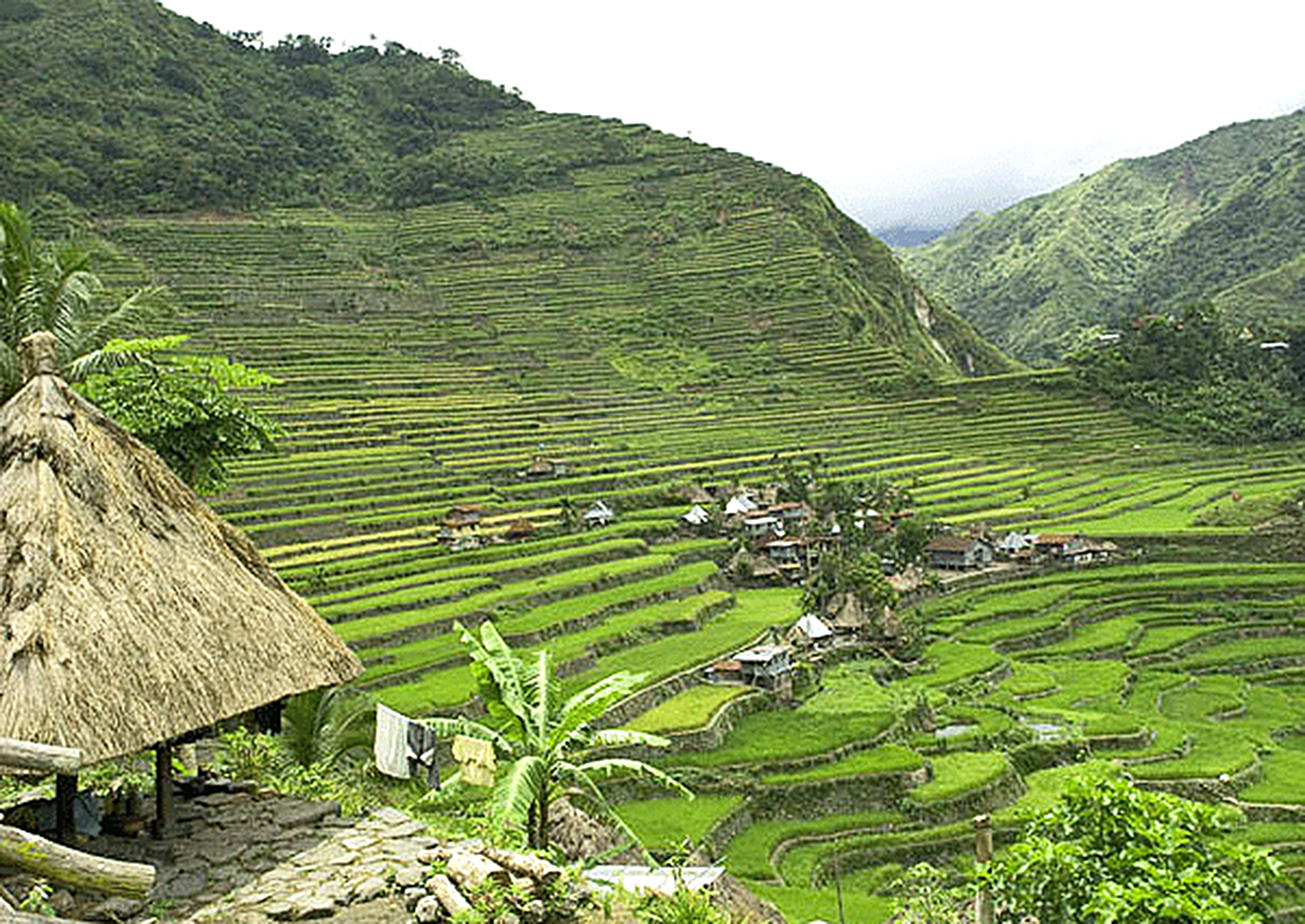
These documents admit that modern agricultural methods have increased output in spectacular ways. It has resulted in more cereals and animals per hectare and more output per person of those involved in agriculture. Therefore, it is easy to see how anyone, wishing to increase food production, would immediately opt to further modernize agriculture, especially in the majority world. However, such technological progress in the past half-century, has not led to a major reduction in hunger and poverty in the majority world. This has led the authors to conclude that the “most sustainable choice for agricultural development and food security is, therefore, to increase total farm productivity in situ in developing countries. Incidentally, I came to the same conclusion myself during the 10 years I spent working with the Tiboli in the Southern Philippines in the 1980s.

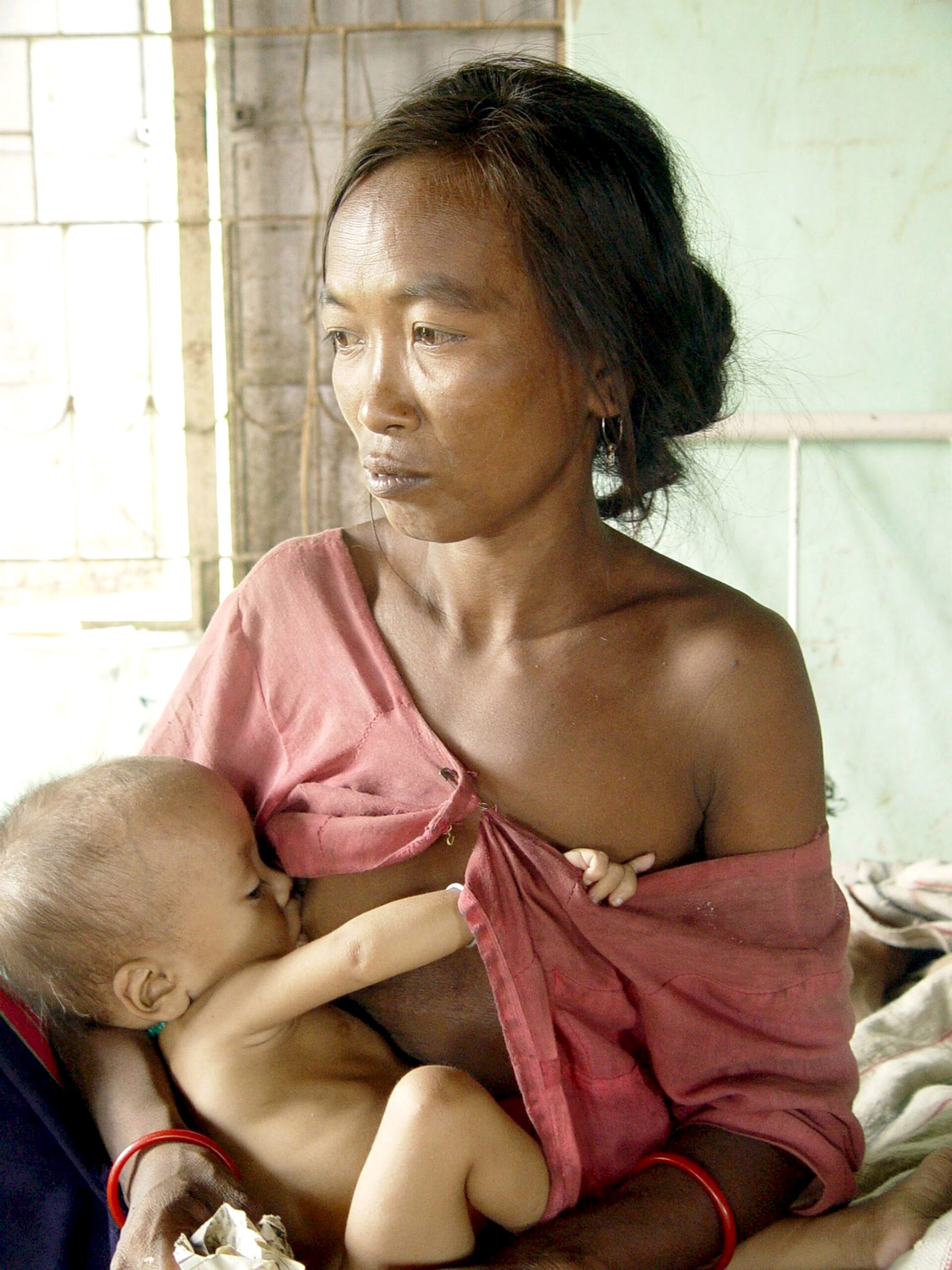
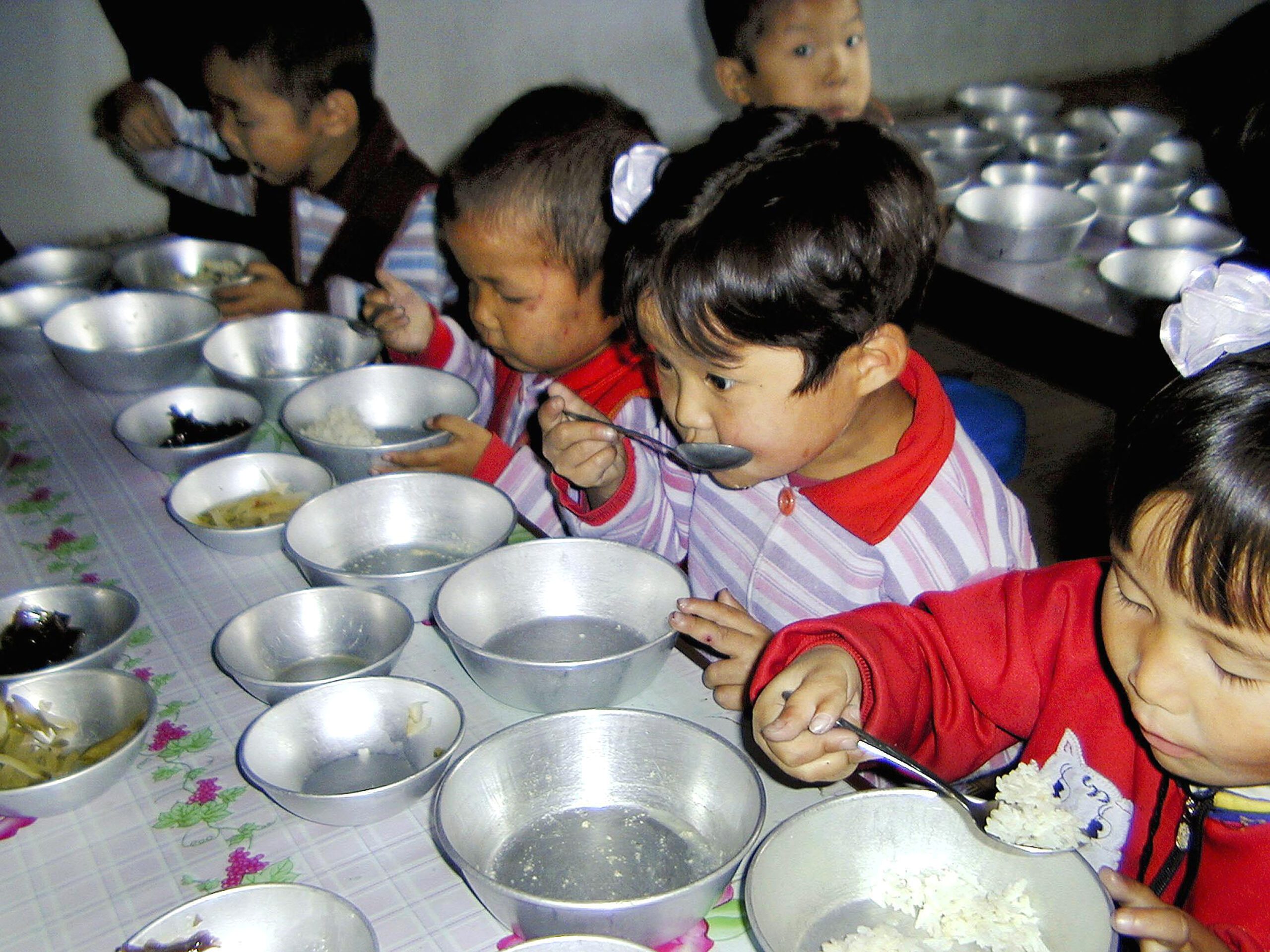
Whereas the biotechnologists would have us believe that there is a single, silver bullet solution to world hunger, namely their GM crops, both these studies and my own experience, point out that food production is a much more complex process. In reality, hunger, malnutrition and starvation around the world has much more to do with the absence of land reform, social inequality, lack of access to cheap credit and basic technology, rather than the lack of agribusiness super seeds. Banishing hunger is also about distributing food to those who need it. The authors state that: “Increased food supply does not automatically mean increased food security for all.”

COMMUNITY INVOLVEMENT
According to “Organic Agriculture and Food Security in Africa, organic farming builds up five crucial sets of capital assets in communities where it is practiced. While I have reservations about using economic language to describe human skills or environmental well-being, the claim that organic farming builds up five crucial sets of capital is accurate. Over time, organic agriculture builds up stocks of natural, social, human, physical and financial capital which reduces many of the factors that lead to food insecurity in the first place.

Research found that agricultural yields in organic farming do not fall, and during the period when the farmer is moving from conventional – petrochemical driven agriculture – to organic practices. The authors found that organic farming increases access to food on several levels. Firstly, the increase in the quantity of food per farm means that everyone in the household has access to enough food throughout the year. Secondly, the production and marketing of food surpluses means that farmers benefit from high incomes and have money to spend in the local economy. Finally, organic agriculture creates niches for other members of the community to get involved in other aspects of agriculture or horticultural production. This might involve growing fruit or coffee or any other cash crop.

ENVIRONMENT-FRIENDLY
Organic agriculture is based on the fact that individuals and family must be embedded in vibrant, functioning human communities. The study found that this leads to improvement in social capital with stronger social organizations and many cooperative ventures.

Organic agriculture also improves the environment. In 93% of the case studies, there was improvement in soil fertility, water supply, flood control and biodiversity. All of this underpins local food security. The Pontifical Academy of Sciences would be better employed disseminating these initiatives, which are in line with Catholic Social Teaching, than on giving a platform for biotech corporations to make more money on the backs of the poor.

* “Organic Agriculture and Food Security in Africa,” United Nations Conference on Trade and Development (UNCTAD), United Nations Environment Program (UNEP), United Nations, New York and Geneva, 2008.


Share Your Thoughts

All comments are moderated

From The Same Issue

The articles and content about this issue

From The Same Issue

The articles and content about this issue

From This Topic

The articles and content about this topic

From This Topic

The articles and content about this topic

Explore Other Topics

Browse other coverage

Explore Other Topics

Browse other coverage

WM SPECIAL

Presents, discusses and draws readers to reflect on issues of outmost relevance to the world today.


FRONTIERS

Very often, mission is carried out in frontier situations around the world. Those who embrace these situations have much to share.


UNITY IN DIVERSITY

Writer Ilsa Reyes will be exploring the richness of Pope Francis’s latest encyclical Fratelli Tutti with a view of helping our readers to get a grasp of the this beautiful papal document.


FRONTLINE

Puts to the front committed and inspiring people around the world who embrace humanitarian and religious causes with altruism and passion.


IN FOCUS

Focus on a given theme of interest touching upon social, economic and religious issues.


FAITH@50

As the Philippines prepares to celebrate 500 years of the arrival of Christianity. Fr. James Kroeger leads us in this series into a discovery journey of the landmark events in the history of faith in the Philippine archipelago.


INSIGHT

Aims to nurture and inspire our hearts and minds while pondering upon timely themes.


FILIPINO FOCUS

The large archipelago of the Philippines, in its richness of peoples and cultures, offers varied and challenging situations for mission.


FOLLOW ME

Reflections and vocation stories that shape up the lives of young people.


MISSION IS FUN

As humor and goodness of heart are qualities of Christian and missionary life, the new column “Mission is fun” will be publishing some anecdotes and stories that have happened in a missionary context to lighten up the spirits and trigger a smile in our faces.


LIVING COMMUNION

To help readers of World Mission live this year dedicated to Ecumenism, Interreligious Dialogue and Indigenous Peoples, Tita Puangco, writer and lecturer, shares in this section insights on the spirituality of communion.


WINDS OF THE SPIRIT

A historic view of the Catholic movements that emerged from the grassroots as an inspiration by the Holy Spirit.


BRIDGE BUILDERS

On the Year of Ecumenism, Interreligious Dialogue and Indigenous Peoples, radio host and communicator Ilsa Reyes, in her monthly column, encourages Christians and people of good will to be one with their fellow people of other sects, religions and tribes.


INTERVIEW

Questions to a personality of the Church or secular world on matters of interest that touch upon the lives of people.


WORLD TOUCH

News from the Church, the missionary world and environment that inform and form the consciences.


CARE OF THE EARTH

A feature on environmental issues that are affecting the whole world with the view of raising awareness and prompting action.


EDITORIAL

The editor gives his personal take on a given topic related to the life of the Church, the society or the world.


YOUNG HEART

A monthly column on themes touching the lives of young people in the Year of the Youth in the Philippines by radio host and communicator I lsa Reyes.


SCROLL

A missionary living in the Chinese world shares his life-experiences made up of challenges and joyous encounters with common people.


EXTRAORDINARY PEOPLE

Life stories of people who deserve to be known for who they were, what they did and what they stood for in their journey on earth.


ONE BY ONE

Stories of people whom a missionary met in his life and who were touched by Jesus in mysterious ways.


INCREASE OUR FAITH

Critical reflection from a Christian perspective on current issues.


SPECIAL MOMENTS

Comboni missionary Fr. Lorenzo Carraro makes a journey through history pinpointing landmark events that changed the course of humanity.


PROFILE

A biographical sketch of a public person, known for his/her influence in the society and in the Church, showing an exemplary commitment to the service of others.


WM REPORTS

Gives fresh, truthful, and comprehensive information on issues that are of concern to all.


LIFE'S ESSENTIALS

A column aimed at helping the readers live their Christian mission by focusing on what is essential in life and what it entails.


ASIAN FOCUS

Peoples, events, religion, culture and the society of Asia in focus.


THE SEARCHER'S PATH

The human heart always searches for greatness in God’s eyes, treading the path to the fullness of life - no matter what it takes.


INDIAN FOCUS

The subcontinent of India with its richness and variety of cultures and religions is given center stage.


AFRICAN FOCUS

The African continent in focus where Christianity is growing the fastest in the world.


JOURNEY MOMENTS

Well-known writer and public speaker, Fr. Jerry Orbos, accompanies our journey of life and faith with moments of wit and inspiration based on the biblical and human wisdom.


IGNATIUS STEPS

On the year dedicated to St. Ignatius of Loyala, Fr. Lorenzo Carraro walks us through the main themes of the Ignatian spirituality.


THE SEVEN LAST WORDS OF JESUS

Fr. John Taneburgo helps us to meditate every month on each of the Seven Last Words that Jesus uttered from the cross.


INSIDE THE HOLY BOOK

In this section, Fr. Lorenzo delves into the secrets and depths of the Sacred Scriptures opening for us the treasures of the Sacred Book so that the reader may delight in the knowledge of the Word of God.


CONVERSATIONS

Reflections about the synodal journey on a conversational and informal style to trigger reflection and sharing about the synodal path the Church has embarked upon.


VATICAN II

This 'mini-course' series provides a comprehensive exploration of Vatican II, tracing its origins, key moments, and transformative impact on the Catholic Church.


COMBONIS IN ASIA

This series offers an in-depth look at the Comboni Missionaries in Asia, highlighting their communities, apostolates, and the unique priorities guiding their mission. The articles provide insights into the challenges, triumphs, and the enduring values that define the Comboni presence in Asia.


BEYOND THE SYNOD

Following the Synod on Synodality, this series examines how dioceses, parishes, and lay organizations in the Philippines are interpreting and applying the principles of the synod, the challenges encountered, and the diverse voices shaping the synodal journey toward a renewed Church.


A TASTE OF TRADITION

This series introduces the Fathers of the Church, featuring the most prominent figures from the early centuries of Christianity. Each article explores the lives, teachings, and enduring influence of these foundational thinkers, highlighting their contributions the spiritual heritage of the Church.


A YEAR OF PRAYER

In preparation for the 2025 Jubilee Year under the theme “Pilgrims of Hope,” 2024 has been designated a Year of Prayer. World Mission (courtesy of Aleteia) publishes every month a prayer by a saint to help our readers grow in the spirit of prayer in preparation for the Jubilee Year.


OUR WORLD

In Our World, the author explores the main trends shaping contemporary humanity from a critical and ethical perspective. Each article examines pressing issues such as technological advancement, environmental crises, social justice, and shifting cultural values, inviting readers to reflect on the moral implications and challenges of our rapidly changing world.


CATHOLIC SOCIAL DOCTRINE

This series unpacks the principles of Catholic Social Doctrine, offering a deep dive into the Church's teachings on social justice, human dignity, and the common good.


HOPEFUL LIVING

Hopeful Living’ is the new section for 2026, authored by Fr. James Kroeger, who dedicated most of his missionary life to the Philippines. In this monthly contribution, he will explore various aspects of the virtue of hope. His aim is to help readers align their Christian lives more closely with a hopeful outlook.


PHILIPPINE CROSSROADS

Filipino Catholic scholar Jose Bautista writes each month about how the Philippines is at a crossroads, considering the recent flood control issues and other corruption scandals that have engulfed the nation. He incorporates the Church’s response and its moral perspective regarding these social challenges.


BIBLE QUIZ

Test your knowledge and deepen your understanding with our Bible Quiz! Each quiz offers fun and challenging questions that explore key stories, themes, and figures from both the Old and New Testaments.


Shopping Cart