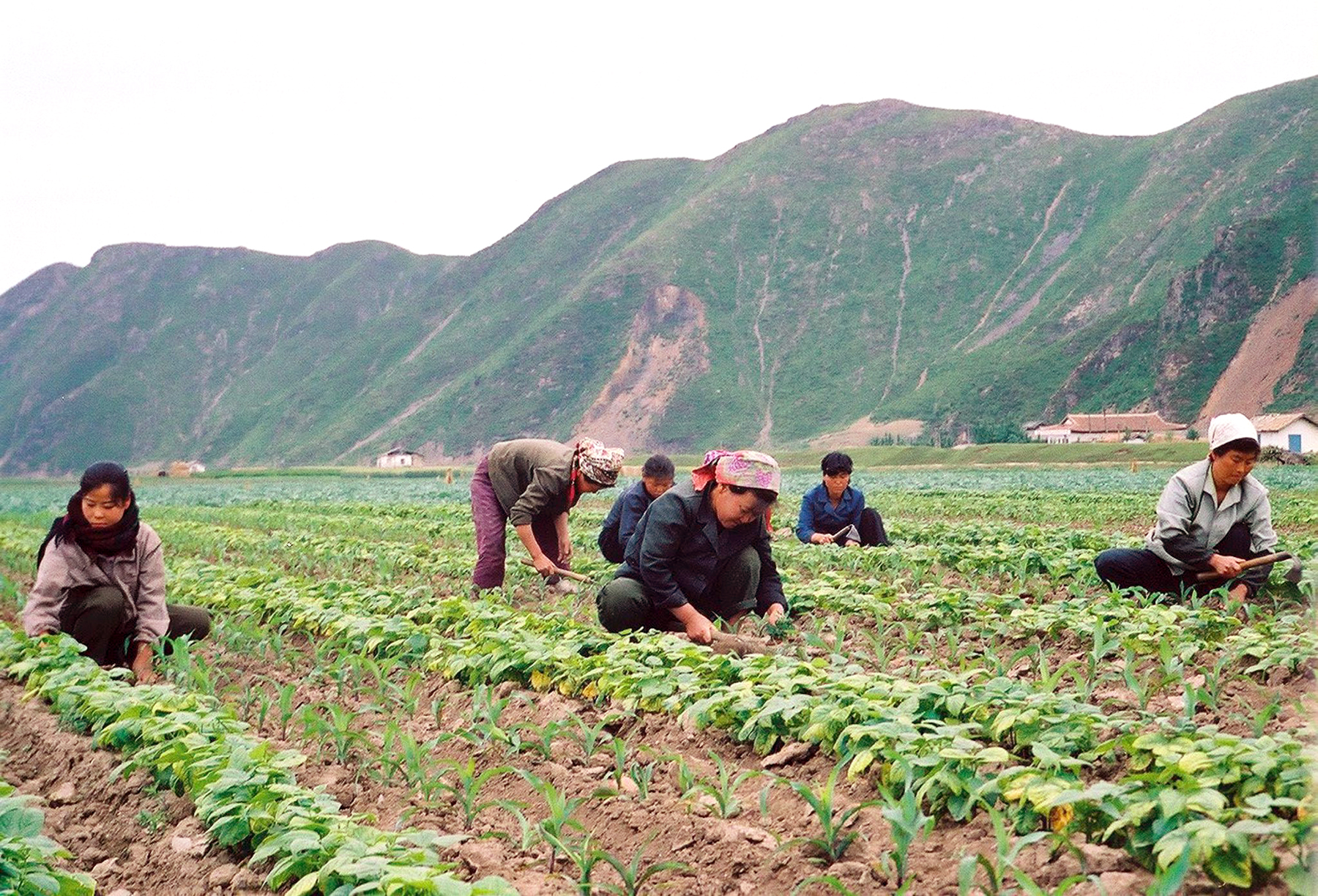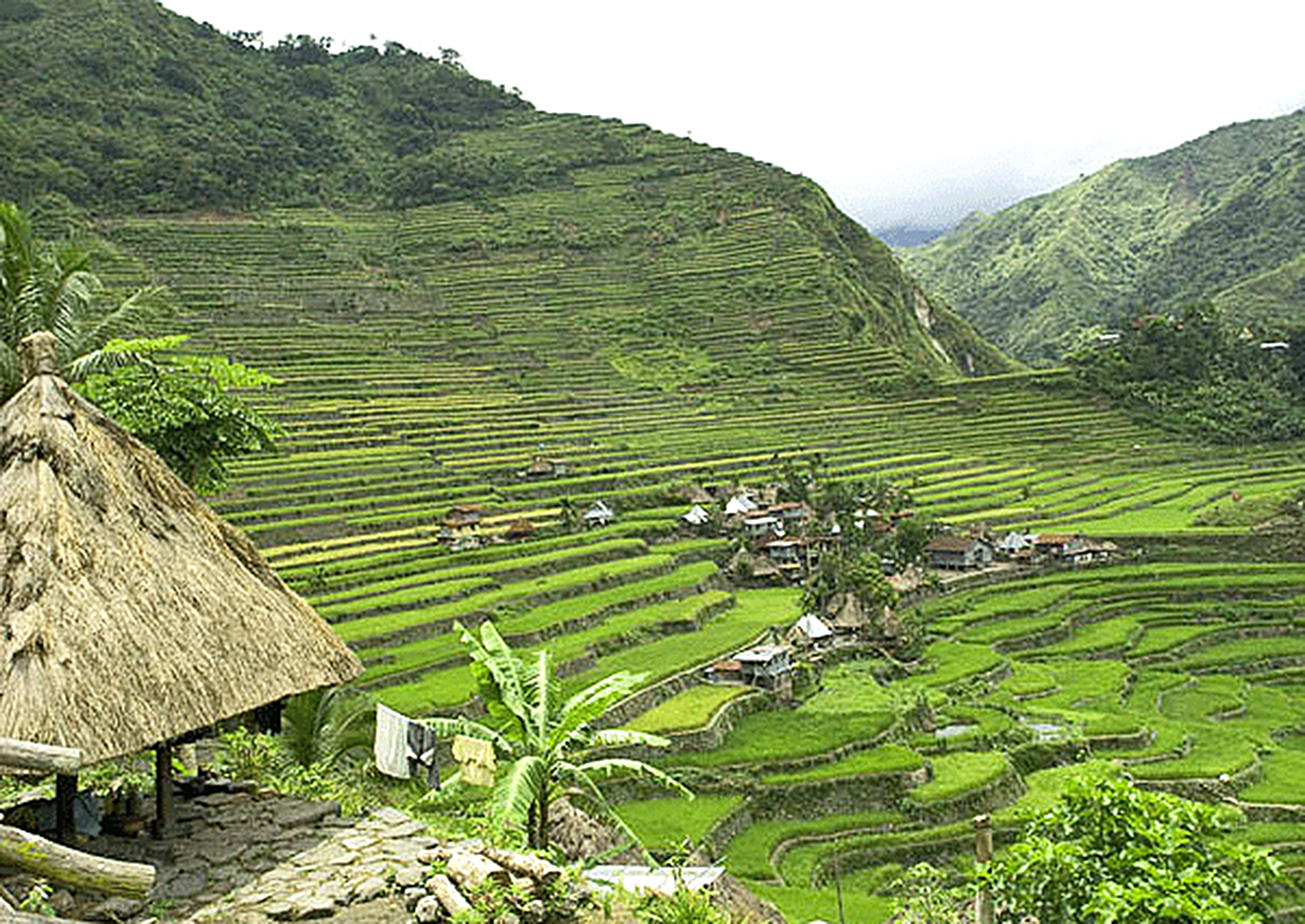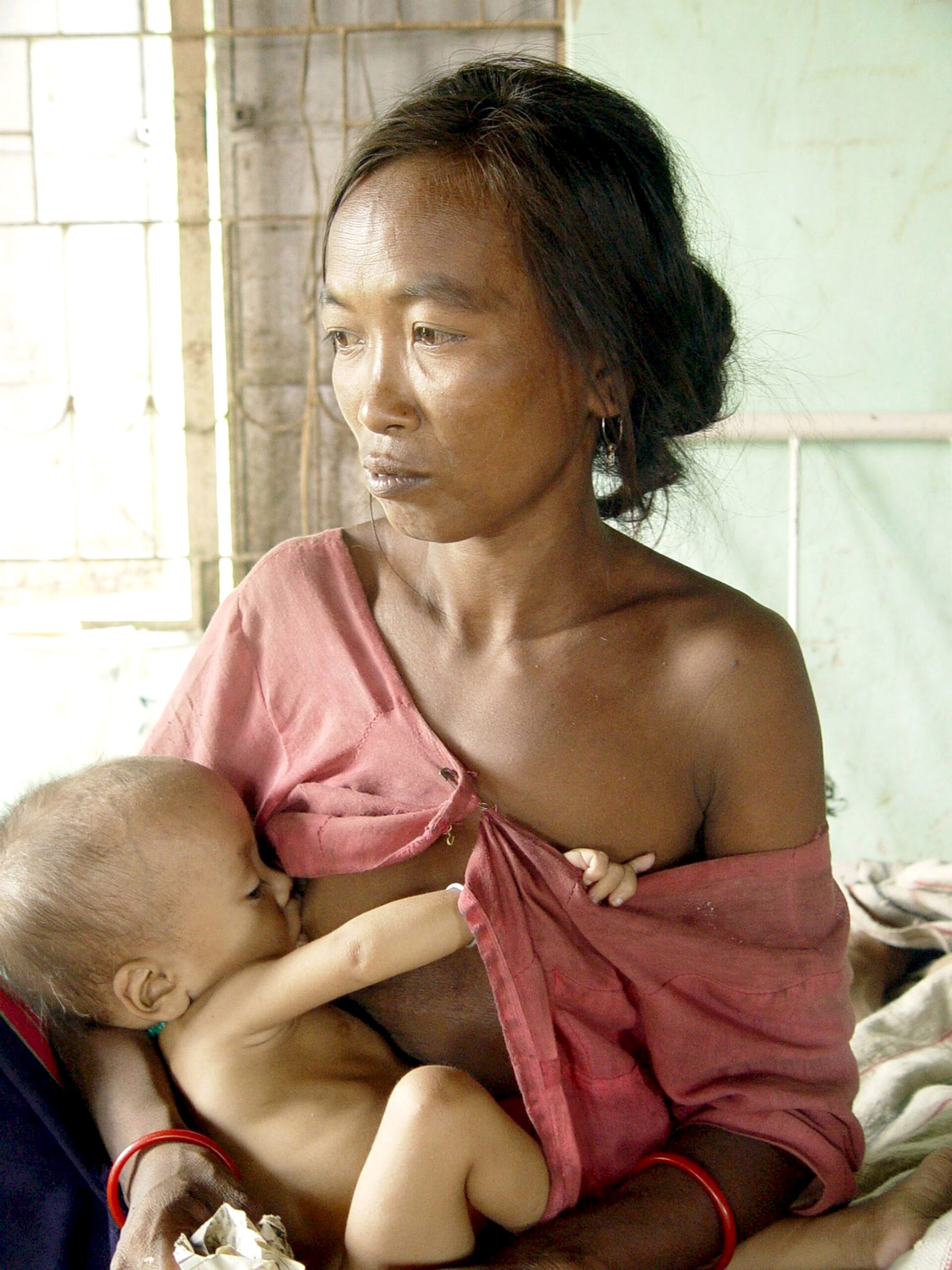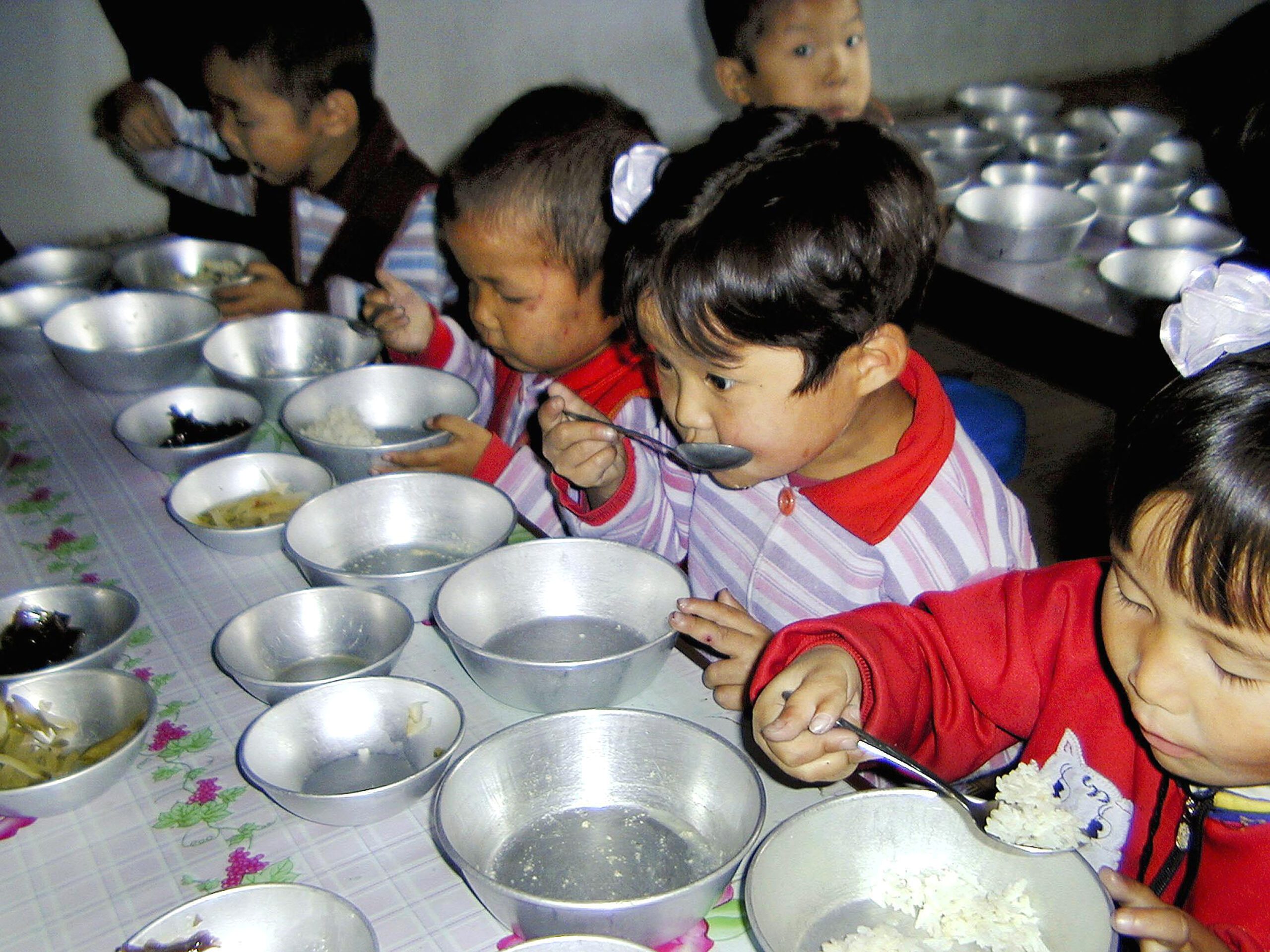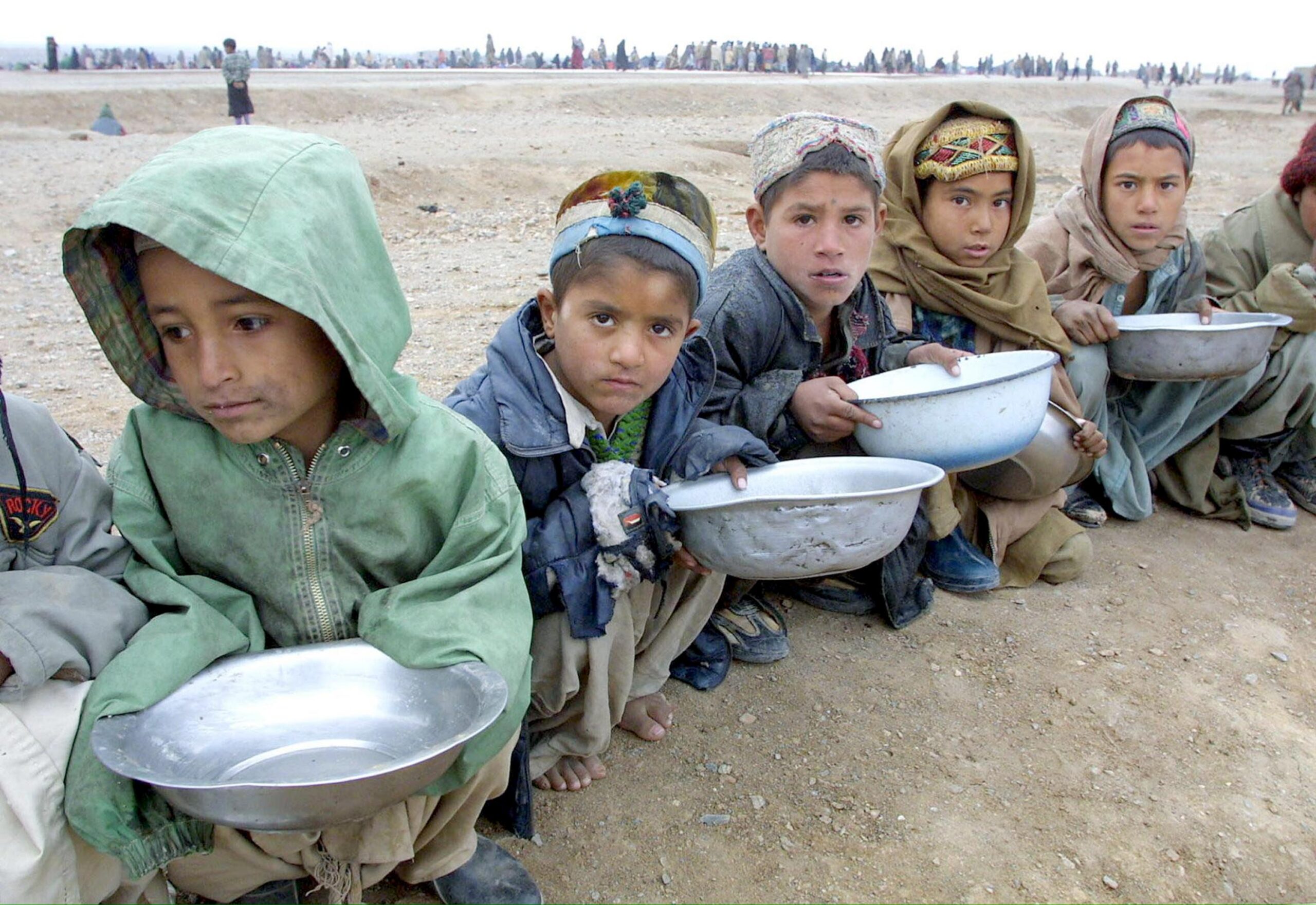
A seven-point plan to reduce the risk of hunger and rising food insecurity in the 21st century is outlined in a new report by the United Nations Environment Program (UNEP). Changing the ways in which food is produced, handled and disposed of across the globe – from farm to store and from fridge to landfill – can both feed the world’s rising population and help the environmental services that are the foundation of agricultural productivity in the first place.
Unless more intelligent and creative management is brought to the world’s agricultural systems, the 2008 food crisis – which plunged millions back into hunger – may foreshadow an even bigger crisis in the years to come, says the rapid assessment study. The report, titled “The Environmental Food Crisis: The Environment’s Role in Averting Future Food Crises,” has been compiled by a wide group of experts from both within and outside UNEP. It supports UN Secretary-General Ban Ki-moon’s task force on the world food crisis, and underlines:
The one-hundred-year trend of falling food prices may be at an end, and food prices may increase by 30-50% within decades with critical impacts for those living in extreme poverty spending up to 90% of their income on food. These findings are supported by a recent report from the World Bank stating that if agricultural production is depressed further, food prices may rise.
Up to 25% of the world’s food production may become lost due to “environmental breakdowns” by 2050 unless action is taken. Already, cereal yields have stagnated worldwide and fish landings are declining.
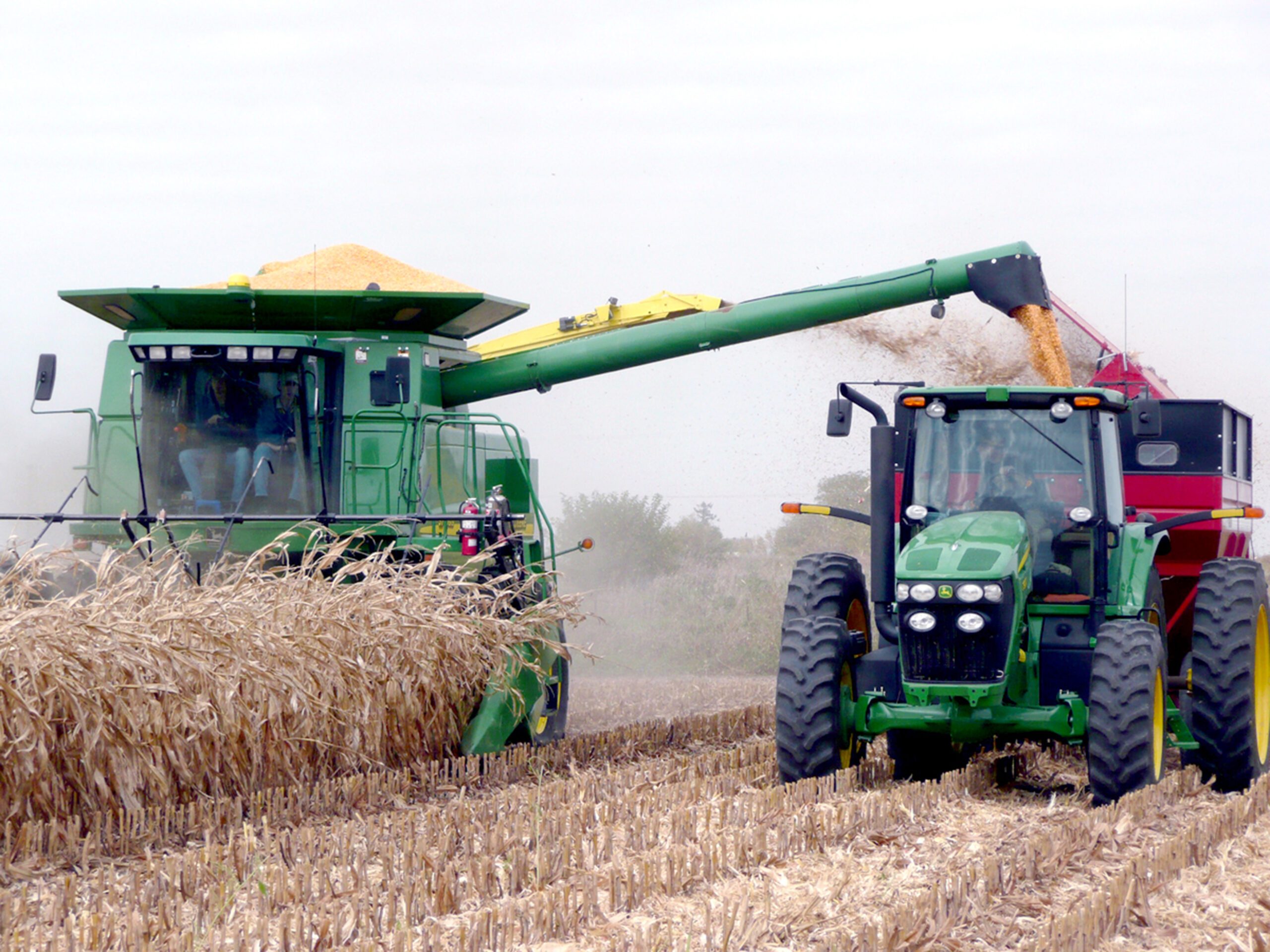
Today, over one third of the world’s cereals are being used as animal feed, rising to 50% by 2050. Continuing to feed cereals to growing numbers of livestock will aggravate poverty and environmental degradation. The report instead suggests that recycling food wastes and deploying new technologies, aimed at producing biofuels, to produce sugars from discards, such as straw and even nutshells, could be a key environmentally- friendly alternative to increased use of cereals for livestock.
The amount of fish currently discarded at sea – estimated at 30 million tons annually – could alone sustain more than a 50% increase in fish farming and aquaculture production, which is needed to maintain per capita fish consumption at current levels by 2050 without increasing pressure on an already stressed marine environment.
FEEDING NINE BILLION
The report shows that many of the factors blamed for the current food crisis – drought, biofuels, high oil prices, low grain stocks and especially speculation in food stocks – may worsen substantially in the coming decades. Climate change emerges as one of the key factors that may undermine the chances of feeding over nine billion, the estimated world’s population in 2050. Increasing water scarcities and a rise and spread of invasive pests such as insects, diseases and weeds, may substantially depress yields in the future. This underlines yet another reason why governments at the next UN climate convention meeting in Copenhagen must agree on a deep and decisive new global deal.
Other actions under the seven point plan include: reorganizing the food market infrastructure to regulate prices and generate food safety nets for those at risk backed by a global, micro-financing fund to boost small-scale farmer productivity in developing countries; removal of agricultural subsidies and the promotion of second generation biofuels based on wastes rather than on primary crops – that could reduce pressure on fertile lands and critical ecosystems such as forests; medium- to long-term measures include managing and better harvesting extreme rainfall on continents such as Africa, alongside support to farmers for adopting more diversified and ecologically-friendly farming systems – ones that enhance the “nature-based” inputs from pollinators, such as bees, as well as water supplies and genetic diversity.
A recent report by UNEP and the UN Conference on Trade and Development surveyed 114 small-scale farms in 24 African countries, publishing their findings in late 2008. The conclusions: yields had more than doubled where organic or near-organic practices had been used, with the in-yield jumping to 128% in east Africa; the study found that organic practices outperformed traditional methods and chemical-intensive conventional farming and also found strong environmental benefits such as improved soil fertility, better retention of water and resistance to drought; the research also highlighted the role that adapting organic practices could have in improving local education and community cooperation. Despite the economic crisis, organic agriculture must continue to grow, representing an opportunity for developing country farmers including those in Africa. It is estimated that sales of certified organic produce could reach close to $70 billion in 2012, up from $23 billion in 2002.
AN APPALLING WASTE
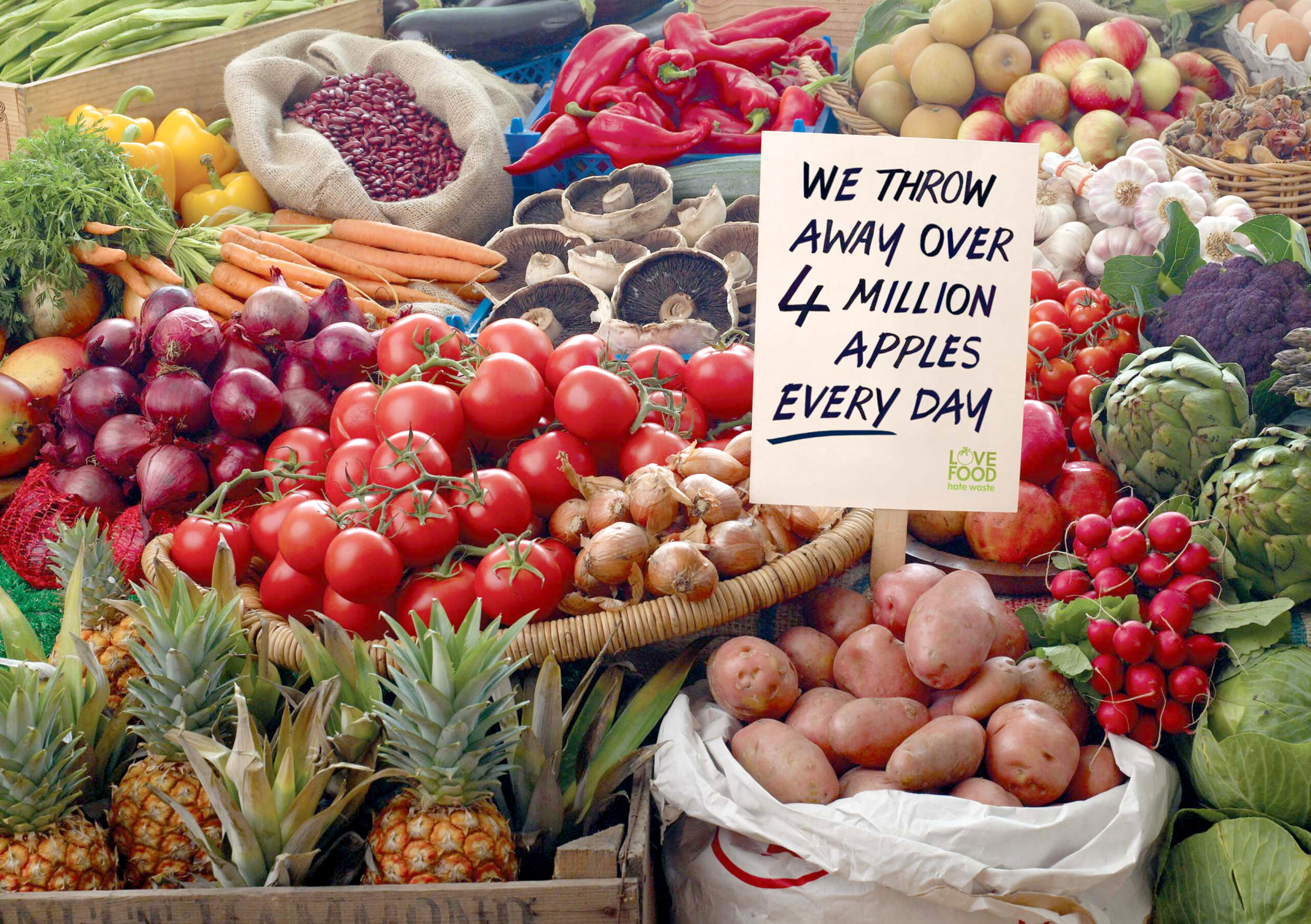
“We need a green revolution in a Green Economy but one with a capital G,” says UN Undersecretary-General and UNEP Executive Director Achim Steiner. “We need to deal with not only the way the world produces food but the way it is distributed, sold and consumed, and we need a revolution that can boost yields by working with, rather than against nature.” He said the report also shone a light on perhaps one of the least discussed areas – food waste, from the farm and the seas to the supermarket and the kitchen. “Over half of the food produced today is either lost, wasted or discarded as a result of inefficiency in the human-managed food chain. There is evidence within the report that the world could feed the entire projected population growth alone by becoming more efficient while also ensuring the survival of wild animals, birds and fish on this planet,” he added. Translated in numbers, the waste is appalling:
Losses and food waste in the United States could be as high as 40-50%, according to some recent estimates. Up to one quarter of all fresh fruits and vegetables in the US is lost between the field and the table. In Australia, it is estimated that food waste makes up half of that country’s landfill. Almost one-third of all food purchased in the United Kingdom every year is not eaten.
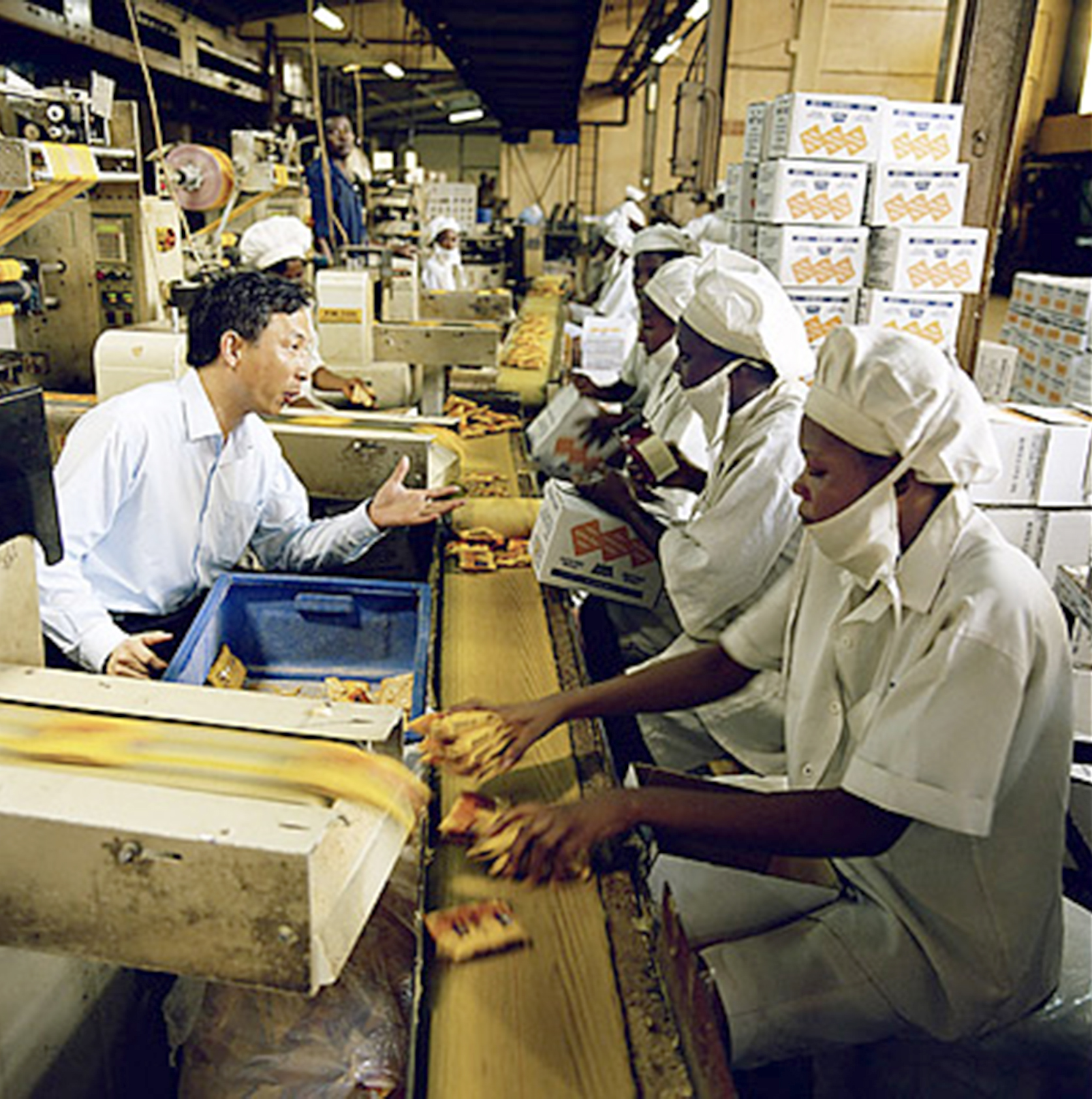
Food losses in the developing world are also considerable, mainly due to spoilage and pests. For instance, in Africa, the total amount of fish lost through discards, post-harvest loss and spoilage may be around 30% of landings.
Food losses in the field between planting and harvesting could be as high as 20-40% of the potential harvest in developing countries due to factors such as pests and pathogens. This underlines the need for greater agricultural research and development, which, in Africa, amounts to just 13% of the global investment, versus over 33% in Latin America and over 40% in Asia.
Innovative solutions are also required. A case in point is Niger where an estimated 60% of the national onion crop, or some 3,000 tons a year, can be lost. The losses also lead to emissions of the greenhouse gas methane as the vegetables rot. Experts are looking at using solar dryers and other systems to preserve the onions so they do not rot in storage or on the way to market.
A THREAT TO ASIA
Environmental degradation poses a major risk to food production. For instance, the melting and disappearing glaciers of the mighty Himalayas, linked to climate change, supply water for irrigation for near half of Asia’s cereal production or a quarter of the world production; globally, water scarcity may reduce crop yields by up to 12%; climate change may also accelerate invasive pests of insects, diseases and weeds, reducing yields by an additional 2-6% worldwide; continuing land degradation, particularly in Africa, may reduce yields by another 1-8%; croplands may be swallowed up by urban sprawl, biofuels, cotton and land degradation by 8-20% by 2050, and yields may become depressed by 5-25% due to pests, water scarcity and land degradation; in Sub-Saharan Africa, population growth is projected to increase from the current 770 million to over 1.7 billion in less than 40 years, while also being the continent on the front-line in terms of climate change, land degradation, water scarcity – and conflicts. Unless a major economic, agricultural and investment boom takes place, the situation may become very serious indeed.
Increased use of artificial fertilizers, pesticides, increased water use and cutting down of forests will result in massive decline in biodiversity. Already, nearly 80% of all endangered species are threatened due to agricultural expansion, and Europe has lost over 50% of its farmland birds during the last 25 years of intensification of European farmlands. “Simply ratcheting up the fertilizer and pesticide-led production methods of the 20th century is unlikely to address the challenge,” says Achim Steiner. “It will increasingly undermine the critical natural inputs and nature-based services for agriculture such as healthy and productive soils, the water and nutrient recycling of forests, and pollinators such as bees and bats.” Source: UNEP; edited by Manuel Giraldes
To know more: The report “The Environmental Food Crisis: The Environment’s Role in Averting Future Food Crises” can be accessed at www.unep.org or at www.grida.no, illustrated by graphics. This report was released during the 25th session of the UNEP Governing Council/Global Ministerial Environment Forum that took place in Nairobi, Kenya last February. The meeting’s main focus: finding solutions to the current environmental, financial, food and energy crisis through the emerging concept of Green Economy.