Peru is a Good Case Study

INTRODUCTION

The United Nations Climate Change Conference, that will take place next December in Copenhagen (Denmark), is the last call for a new global climate agreement – the Copenhagen Protocol – to succeed the Kyoto Protocol which expires in 2012. Preparatory meetings are being held. The last one took place in Poznan (Poland). There, the importance of the Adaptation Fund, needed to allow the poor countries of the world to deal with the effects of the greenhouse gas emissions, was underlined. Peru is a good case study.

WRITTEN BY

SHARE THE WORD

PUBLISHED ON

The number one goal of the Poznan Climate Change Conference was to reduce greenhouse gas emissions. This will not be easy. Despite high oil prices for the greater part of the past two years, a lot of talk about the importance of energy security and the development of green energy, the reality is that greenhouse gas emissions are still rising at about 3% per annum. In order to keep the increase in average global temperatures below 2o°C, according to the 2007 Intergovernmental Panel on Climate Change’s 4th Assessment, global emissions of greenhouse gases will need to have peaked by 2020.

In every discussion on climate change, mitigation measures must always come first. However, already many countries are being forced to cope with climate change problems, which will get worse during the next few decades even if the temperature rise is kept below 2o°C. Therefore, the issue of ‘adaptation’ must also be addressed in a comprehensive and effective way. To date, especially in Bali, the negotiation on the ‘adaptation’ building blocks have dealt mainly with the principles involved and the financial architecture of the proposed fund.

Concerns about ‘adaptation’ need to be progressed beyond discussion on what might be the most suitable scientific method of assessment, including issues of substance and, especially, of adequate financing. Increasing the scale of ‘adaptation’ requires establishing secure and predictable financial support, delivered through well-governed and effective funding mechanisms.

THE THIRD MOST VULNERABLE
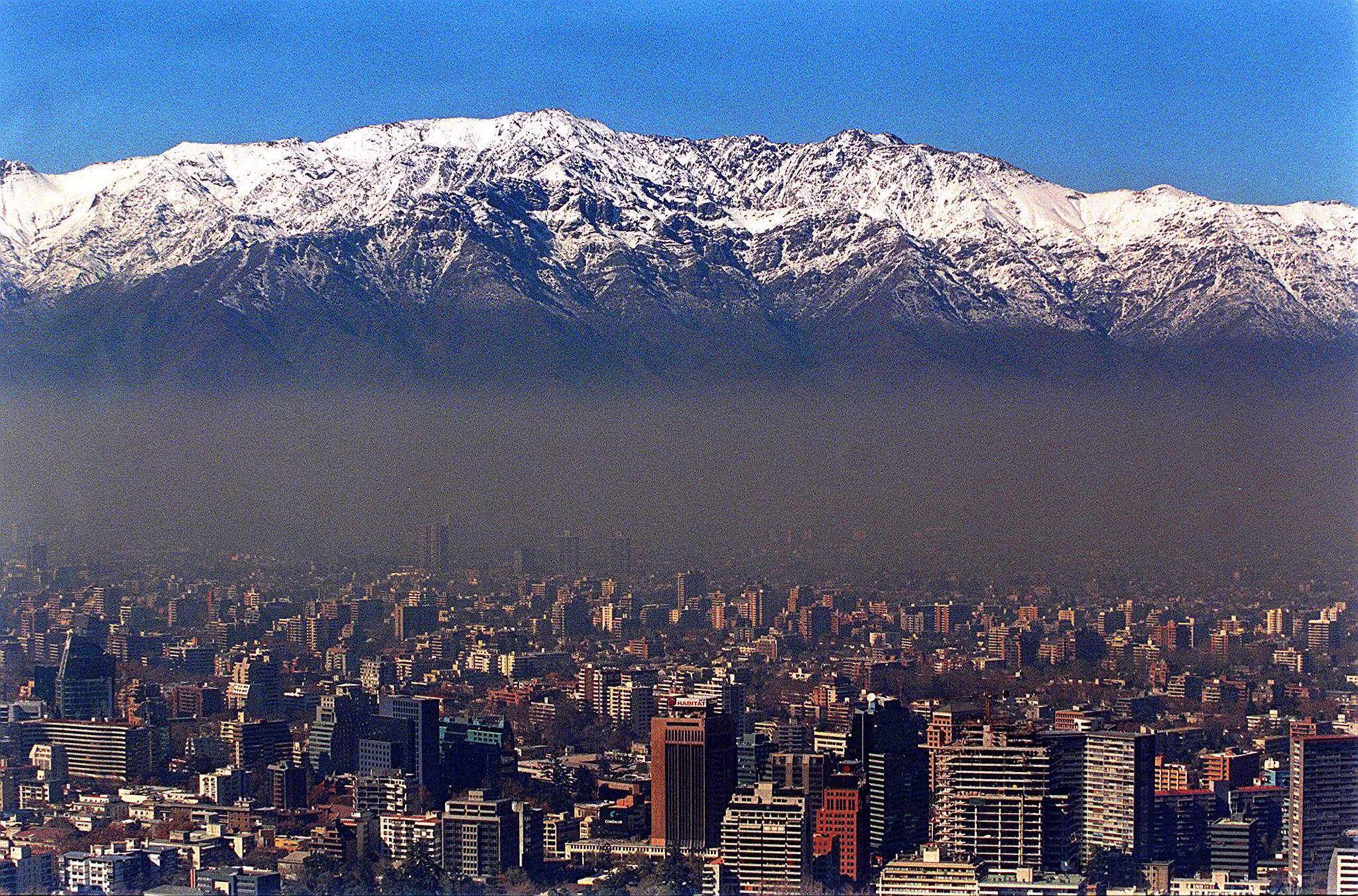
The statement can seem quite technical and abstract until you begin to join up the dots. This ought not to be difficult for missionaries. Last September, I spent two weeks in Peru, visiting my Columban colleagues, lecturing on Ecology and Creation Theology, talking to people on the ground and visiting ecologically sensitive areas. While much of my focus was on the negative aspects of mining, time and time again I heard how climate change is affecting Peru at this point in time, and will continue to do so in the future. Although Peru contributes less than 0.4% of global greenhouse gases, some people claim that Peru is the third most vulnerable country in terms of climate change impacts. These include melting glaciers, more extreme weather and the intensification of the El Niño currents.

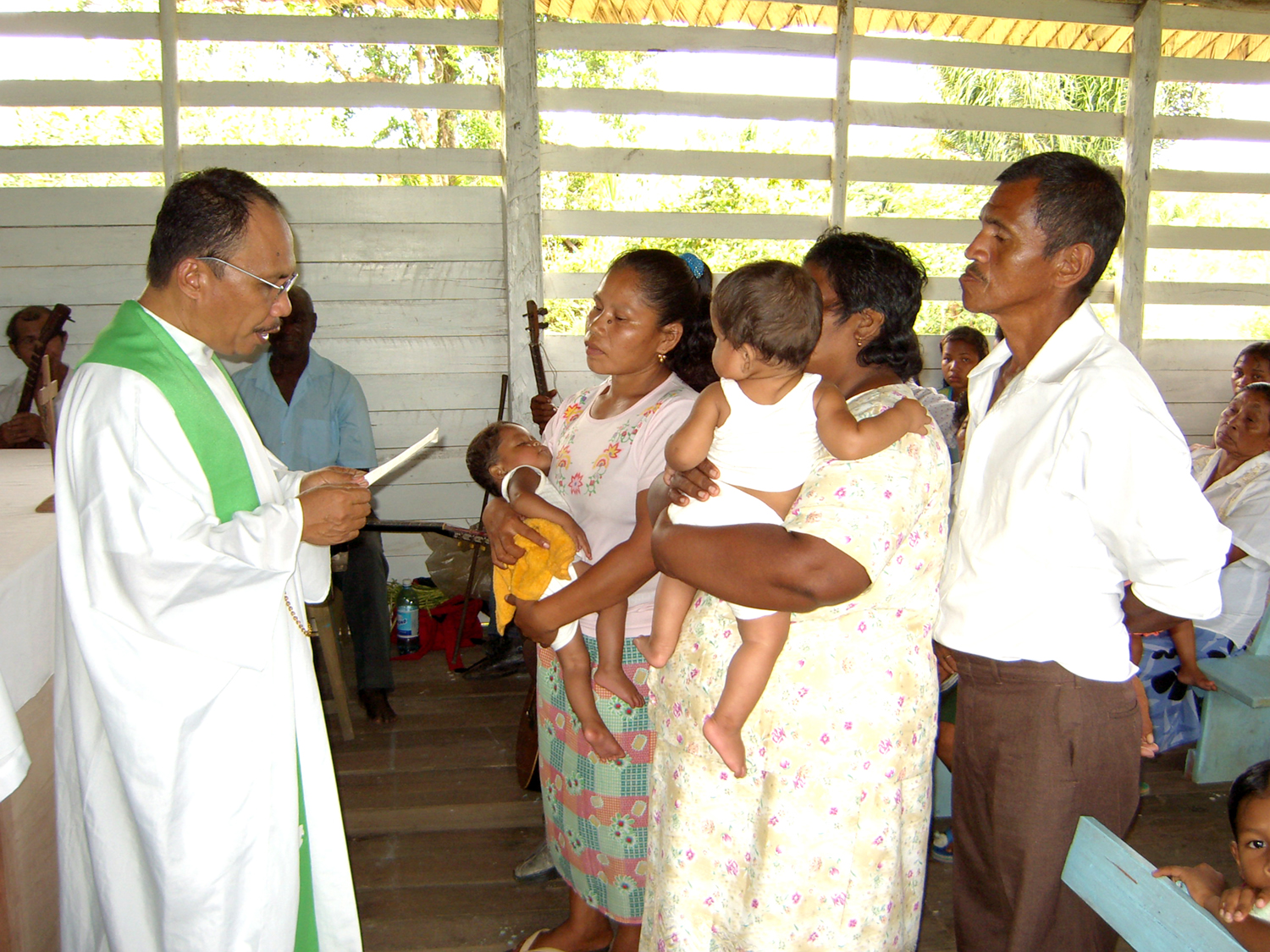
It is estimated that the average global temperature increase in Peru will be 1.8o°C by 2020, 4o°C by 2050 and 7.5o°C by 2080. To put it graphically, this increase will take place within the lifetime of some of the children whose baptisms I witnessed on the third Sunday of September 2008, in Lima. Global warming has already caused Peru’s glaciers to shrink at an alarming rate. Over the past 35 years, almost a quarter of Peru’s total glacier area has disappeared. This has already caused a 12% reduction of fresh water from mountains reaching the coastal planes. The retreat of four Cordillera Blanca glaciers has resulted in the loss of 188 million cubic meters of water reserves during the past 50 years. This has reduced water to towns and cities and to irrigated agriculture. Melting glaciers, which form lakes known as water-bombs, have burst out from valleys and sent walls of water, mud, stones and vegetation ripping through villages and towns, destroying everything in their path. It is estimated that, since 1941, more than 30,000 people have lost their lives in such catastrophes.

FRIGHTENING PROSPECTS
The projected increase in temperature is likely to cause many of Peru’s tropical glaciers to disappear during the next 15 to 20 years. As a result, the water supply for 60% of the population will be seriously diminished. Energy generation will also be reduced. Forty percent of Peru’s energy supply comes from hydro-electric generating plants on rivers such as the Mantaro River, which is fed by glacial melt.

Climate change is likely to transform much of the country’s arid coastal plain into desert and, in the process, increase the salinity of the soil. This will lead to crop reduction and failure in many places. The warming of the ocean is likely to intensify the El Niño effect, causing flooding in the north-western part of the country. El Niño will also lead to a collapse in the number of cold-water fish, especially anchovies. Despite such falls in food production, the population is poised to increase significantly.

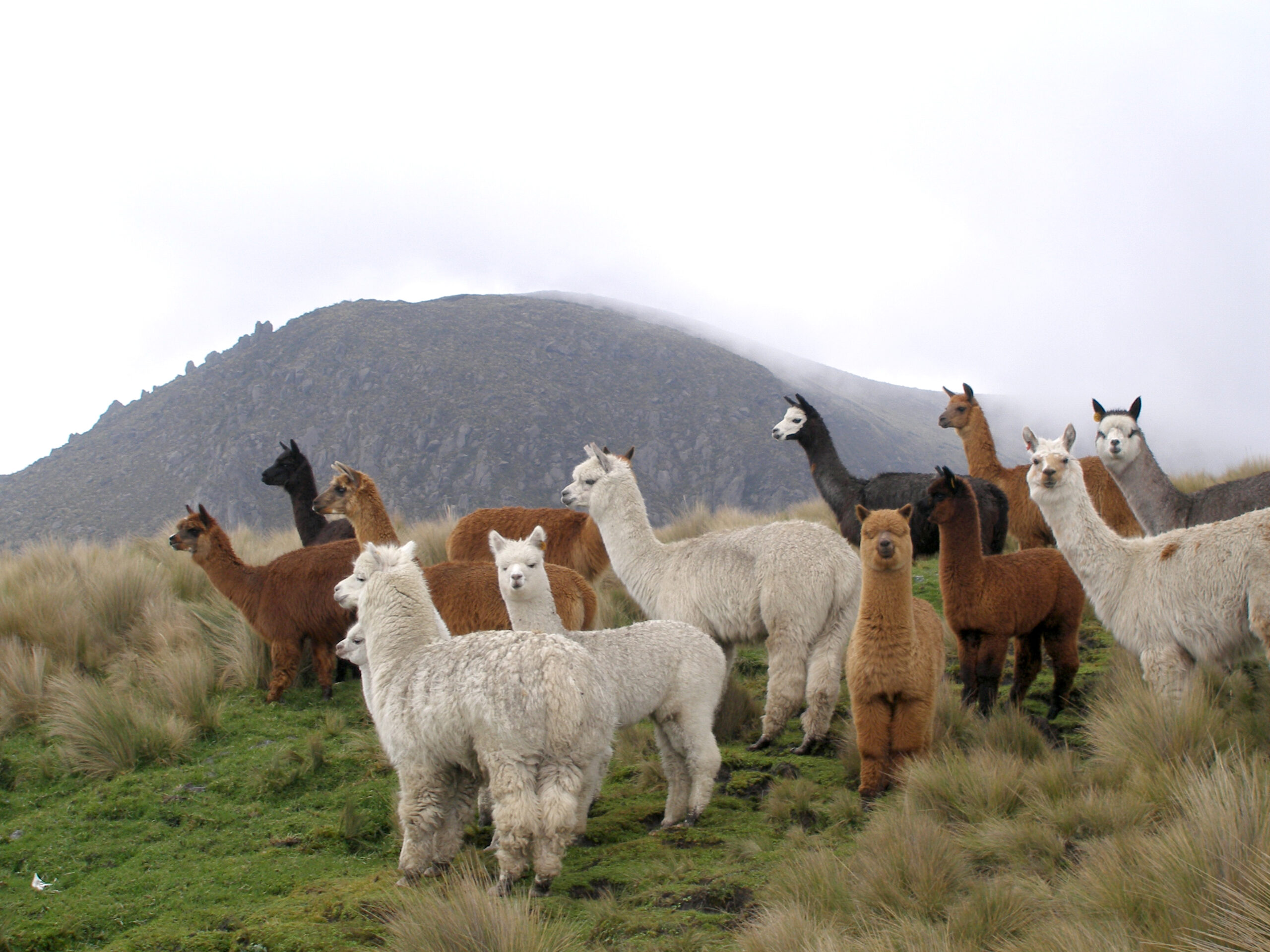
Climate change is already affecting Peru’s agriculture in other ways. Livestock in the mountain areas are experiencing a lack of water and deteriorating health as some animals, such as Alpacas, are picking up infections because they are drinking water from muddy pools, rather than pristine, running streams.

LACK OF KNOWLEDGE
In Peru, the environmental, economic and health impacts of climate change are exacerbated by lack of knowledge about the impact of climate change and how to respond to it. Despite the seriousness of the problem, climate change has not yet entered into the political debate in the country in any serious way. One of the first official efforts to tackle climate change is the PROCLIM (Programa de Fortalecimiento de Capacidades Nacionales para Manejar el impacto del Cambio Climatico y la Contaminacion de Aire – Empowering national capacity programs to manage climate change impacts and air pollution). Improved irrigation technologies are also being introduced on a limited basis. The National Institute for National Resources (INRENA) is using its Glaciology and Water Resource Unit to monitor and evaluate the stability of glaciers and lakes in the high Andes.*

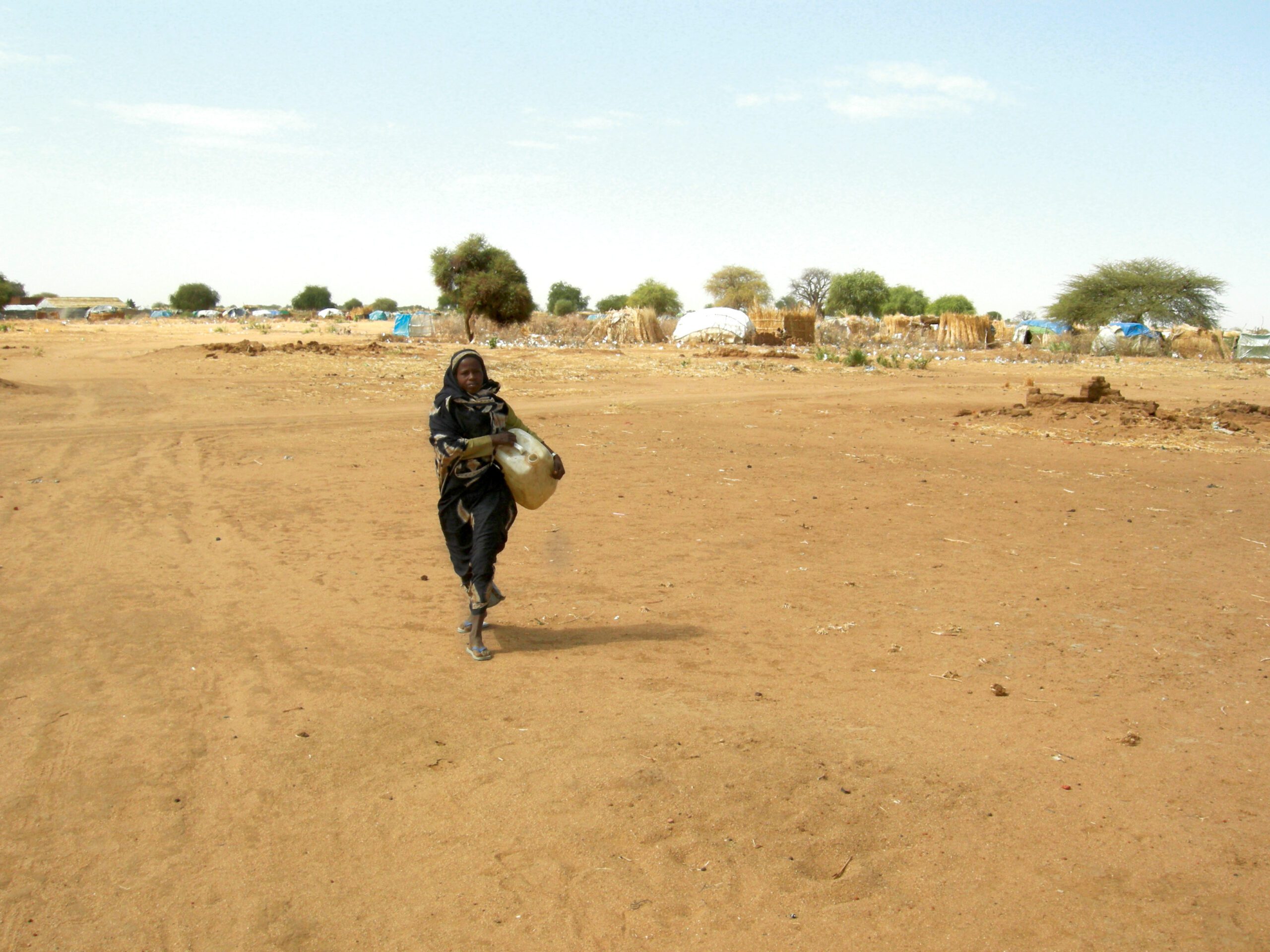
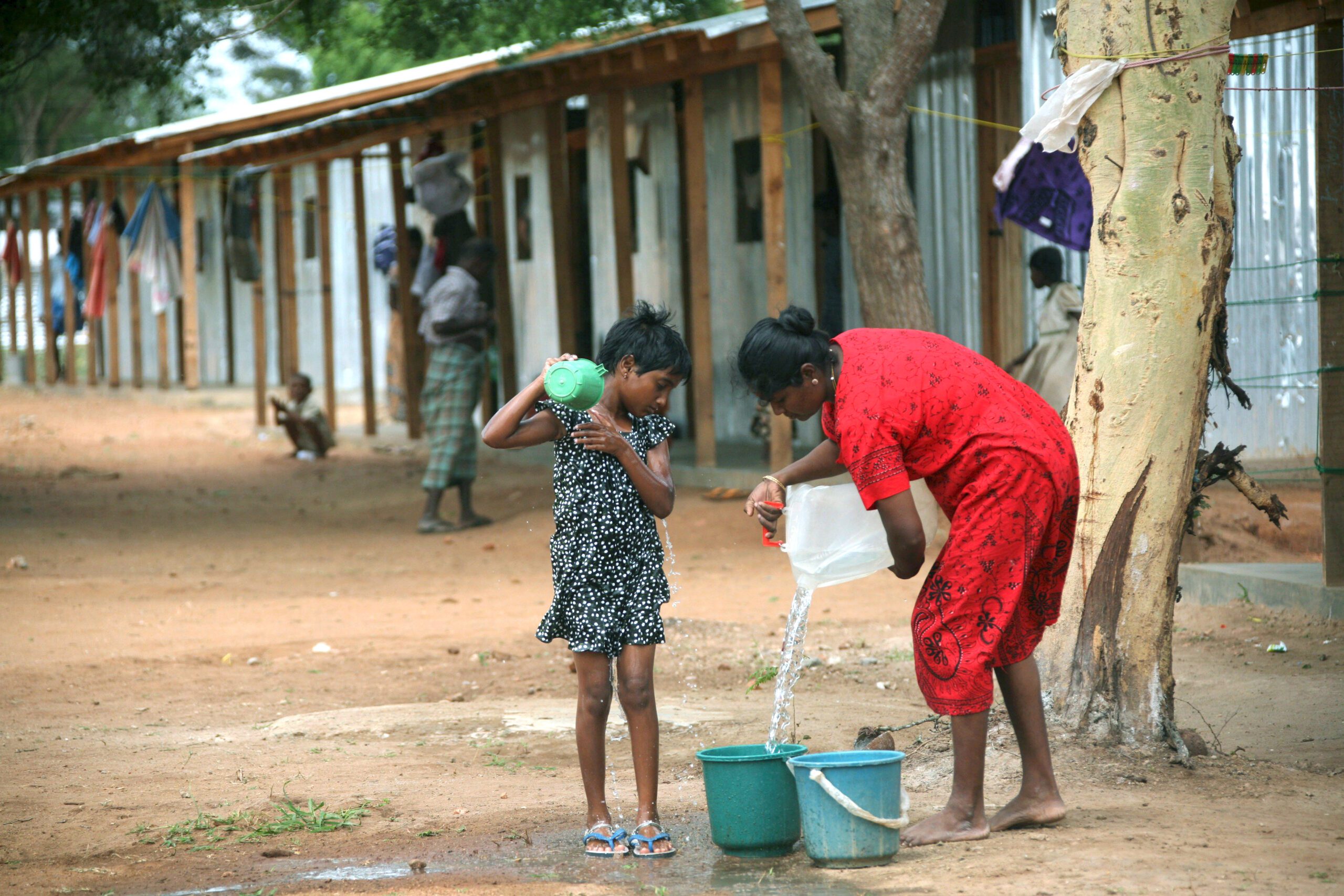
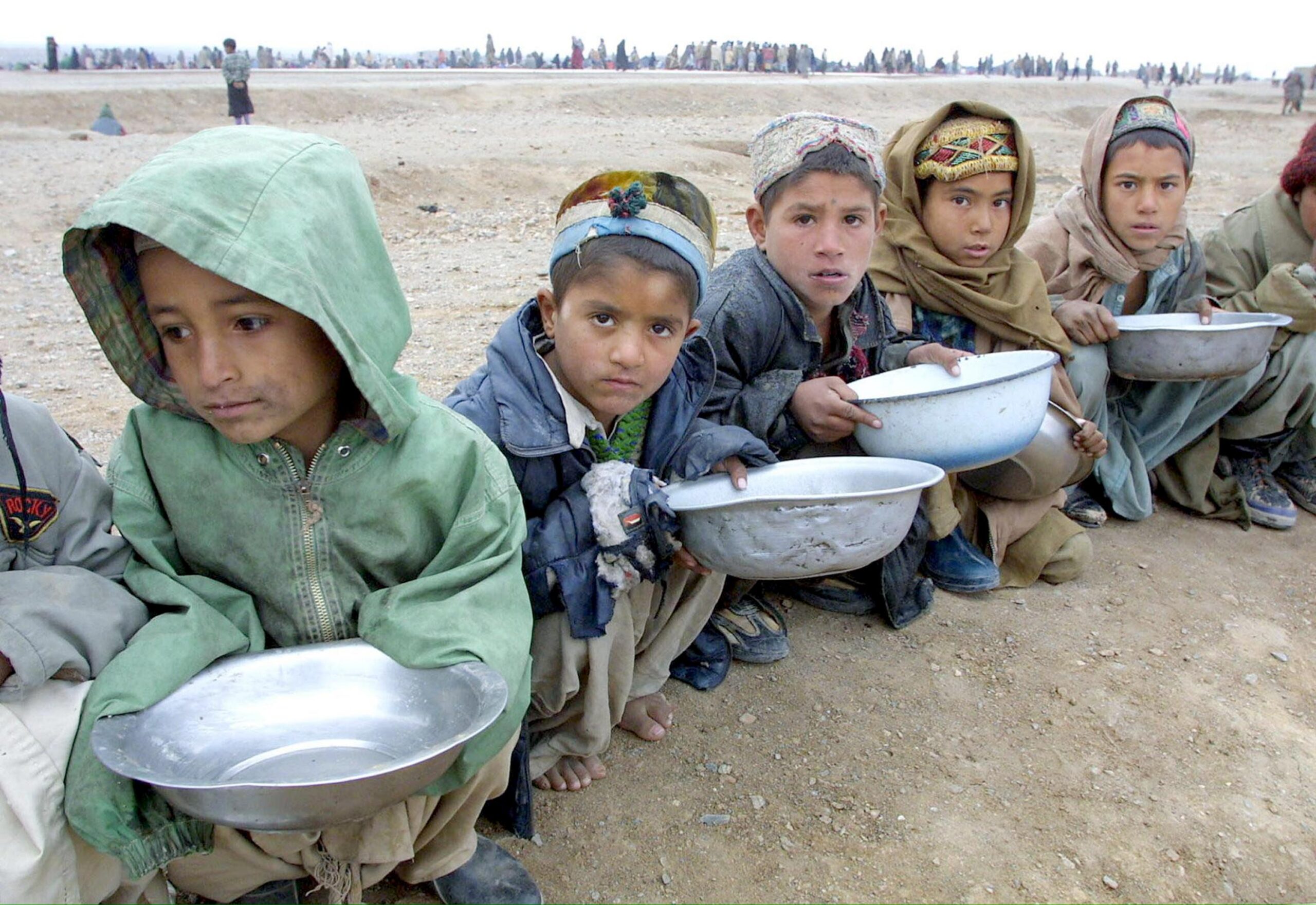
Against such a background the ‘adaptation’ debate takes on a completely different importance. Peru is a poor country with little enough scientific, managerial and financial capacity to meet all the problems which climate change is creating from its own meager resources. When one considers that almost every country in Africa is in a similar predicament, one doesn’t need to be a financial genius to realize that the ‘adaptation’ budget needs to be increased dramatically. But the needs go much deeper than money.

NOW IS THE TIME TO ACT
‘Adaptation’ must be factored into all the technological discussions. Risk management in many parts of the Majority World is at a very early stage. The Subsidiary Body for Scientific and Technological Advice (SBSTA), and the Ad Hoc Working Group on Long-term Cooperative Action under the Convention (AWG-LC), must be involved in building capacity in countries in the Majority World to deal with a deteriorating situation. There is a need to foster global and regional expertise. After all, Peru is not the only country that is affected by glaciers melting in the Andes. Some are suggesting that there is a need for global and regional ‘Adaptation’ Centers of Excellence, where personnel from various countries can learn how to enhance the resilience of vulnerable ecosystems in their countries, so that they can support human populations. Every country in the Majority World countries needs support in order to develop their National Adaptation Programs of Action (NAPA) and then the ability to be able to deliver it on a daily basis.

Action on ‘adaptation’ is an urgent priority. By taking ‘adaptation’ seriously, we can foster trust and consensus on what needs to be included in the post-2012 agreement. For poor people in Latin America, Africa and Asia, it will be a question of survival. Now is the time to act.

* (Friends of the Earth International, “Climate Change: Voices from Communities Affected by Climate Change,” November 2007, pages 24 to 27).


Share Your Thoughts

All comments are moderated

From The Same Issue

The articles and content about this issue

From The Same Issue

The articles and content about this issue

From This Topic

The articles and content about this topic

From This Topic

The articles and content about this topic

Explore Other Topics

Browse other coverage

Explore Other Topics

Browse other coverage

WM SPECIAL

Presents, discusses and draws readers to reflect on issues of outmost relevance to the world today.


FRONTIERS

Very often, mission is carried out in frontier situations around the world. Those who embrace these situations have much to share.


UNITY IN DIVERSITY

Writer Ilsa Reyes will be exploring the richness of Pope Francis’s latest encyclical Fratelli Tutti with a view of helping our readers to get a grasp of the this beautiful papal document.


FRONTLINE

Puts to the front committed and inspiring people around the world who embrace humanitarian and religious causes with altruism and passion.


IN FOCUS

Focus on a given theme of interest touching upon social, economic and religious issues.


FAITH@50

As the Philippines prepares to celebrate 500 years of the arrival of Christianity. Fr. James Kroeger leads us in this series into a discovery journey of the landmark events in the history of faith in the Philippine archipelago.


INSIGHT

Aims to nurture and inspire our hearts and minds while pondering upon timely themes.


FILIPINO FOCUS

The large archipelago of the Philippines, in its richness of peoples and cultures, offers varied and challenging situations for mission.


FOLLOW ME

Reflections and vocation stories that shape up the lives of young people.


MISSION IS FUN

As humor and goodness of heart are qualities of Christian and missionary life, the new column “Mission is fun” will be publishing some anecdotes and stories that have happened in a missionary context to lighten up the spirits and trigger a smile in our faces.


LIVING COMMUNION

To help readers of World Mission live this year dedicated to Ecumenism, Interreligious Dialogue and Indigenous Peoples, Tita Puangco, writer and lecturer, shares in this section insights on the spirituality of communion.


WINDS OF THE SPIRIT

A historic view of the Catholic movements that emerged from the grassroots as an inspiration by the Holy Spirit.


BRIDGE BUILDERS

On the Year of Ecumenism, Interreligious Dialogue and Indigenous Peoples, radio host and communicator Ilsa Reyes, in her monthly column, encourages Christians and people of good will to be one with their fellow people of other sects, religions and tribes.


INTERVIEW

Questions to a personality of the Church or secular world on matters of interest that touch upon the lives of people.


WORLD TOUCH

News from the Church, the missionary world and environment that inform and form the consciences.


CARE OF THE EARTH

A feature on environmental issues that are affecting the whole world with the view of raising awareness and prompting action.


EDITORIAL

The editor gives his personal take on a given topic related to the life of the Church, the society or the world.


YOUNG HEART

A monthly column on themes touching the lives of young people in the Year of the Youth in the Philippines by radio host and communicator I lsa Reyes.


SCROLL

A missionary living in the Chinese world shares his life-experiences made up of challenges and joyous encounters with common people.


EXTRAORDINARY PEOPLE

Life stories of people who deserve to be known for who they were, what they did and what they stood for in their journey on earth.


ONE BY ONE

Stories of people whom a missionary met in his life and who were touched by Jesus in mysterious ways.


INCREASE OUR FAITH

Critical reflection from a Christian perspective on current issues.


SPECIAL MOMENTS

Comboni missionary Fr. Lorenzo Carraro makes a journey through history pinpointing landmark events that changed the course of humanity.


PROFILE

A biographical sketch of a public person, known for his/her influence in the society and in the Church, showing an exemplary commitment to the service of others.


WM REPORTS

Gives fresh, truthful, and comprehensive information on issues that are of concern to all.


LIFE'S ESSENTIALS

A column aimed at helping the readers live their Christian mission by focusing on what is essential in life and what it entails.


ASIAN FOCUS

Peoples, events, religion, culture and the society of Asia in focus.


THE SEARCHER'S PATH

The human heart always searches for greatness in God’s eyes, treading the path to the fullness of life - no matter what it takes.


INDIAN FOCUS

The subcontinent of India with its richness and variety of cultures and religions is given center stage.


AFRICAN FOCUS

The African continent in focus where Christianity is growing the fastest in the world.


JOURNEY MOMENTS

Well-known writer and public speaker, Fr. Jerry Orbos, accompanies our journey of life and faith with moments of wit and inspiration based on the biblical and human wisdom.


IGNATIUS STEPS

On the year dedicated to St. Ignatius of Loyala, Fr. Lorenzo Carraro walks us through the main themes of the Ignatian spirituality.


THE SEVEN LAST WORDS OF JESUS

Fr. John Taneburgo helps us to meditate every month on each of the Seven Last Words that Jesus uttered from the cross.


INSIDE THE HOLY BOOK

In this section, Fr. Lorenzo delves into the secrets and depths of the Sacred Scriptures opening for us the treasures of the Sacred Book so that the reader may delight in the knowledge of the Word of God.


CONVERSATIONS

Reflections about the synodal journey on a conversational and informal style to trigger reflection and sharing about the synodal path the Church has embarked upon.


VATICAN II

This 'mini-course' series provides a comprehensive exploration of Vatican II, tracing its origins, key moments, and transformative impact on the Catholic Church.


COMBONIS IN ASIA

This series offers an in-depth look at the Comboni Missionaries in Asia, highlighting their communities, apostolates, and the unique priorities guiding their mission. The articles provide insights into the challenges, triumphs, and the enduring values that define the Comboni presence in Asia.


BEYOND THE SYNOD

Following the Synod on Synodality, this series examines how dioceses, parishes, and lay organizations in the Philippines are interpreting and applying the principles of the synod, the challenges encountered, and the diverse voices shaping the synodal journey toward a renewed Church.


A TASTE OF TRADITION

This series introduces the Fathers of the Church, featuring the most prominent figures from the early centuries of Christianity. Each article explores the lives, teachings, and enduring influence of these foundational thinkers, highlighting their contributions the spiritual heritage of the Church.


A YEAR OF PRAYER

In preparation for the 2025 Jubilee Year under the theme “Pilgrims of Hope,” 2024 has been designated a Year of Prayer. World Mission (courtesy of Aleteia) publishes every month a prayer by a saint to help our readers grow in the spirit of prayer in preparation for the Jubilee Year.


OUR WORLD

In Our World, the author explores the main trends shaping contemporary humanity from a critical and ethical perspective. Each article examines pressing issues such as technological advancement, environmental crises, social justice, and shifting cultural values, inviting readers to reflect on the moral implications and challenges of our rapidly changing world.


CATHOLIC SOCIAL DOCTRINE

This series unpacks the principles of Catholic Social Doctrine, offering a deep dive into the Church's teachings on social justice, human dignity, and the common good.


HOPEFUL LIVING

Hopeful Living’ is the new section for 2026, authored by Fr. James Kroeger, who dedicated most of his missionary life to the Philippines. In this monthly contribution, he will explore various aspects of the virtue of hope. His aim is to help readers align their Christian lives more closely with a hopeful outlook.


PHILIPPINE CROSSROADS

Filipino Catholic scholar Jose Bautista writes each month about how the Philippines is at a crossroads, considering the recent flood control issues and other corruption scandals that have engulfed the nation. He incorporates the Church’s response and its moral perspective regarding these social challenges.


BIBLE QUIZ

Test your knowledge and deepen your understanding with our Bible Quiz! Each quiz offers fun and challenging questions that explore key stories, themes, and figures from both the Old and New Testaments.


Shopping Cart