“Jesus was a Grand Zen Master”

INTRODUCTION

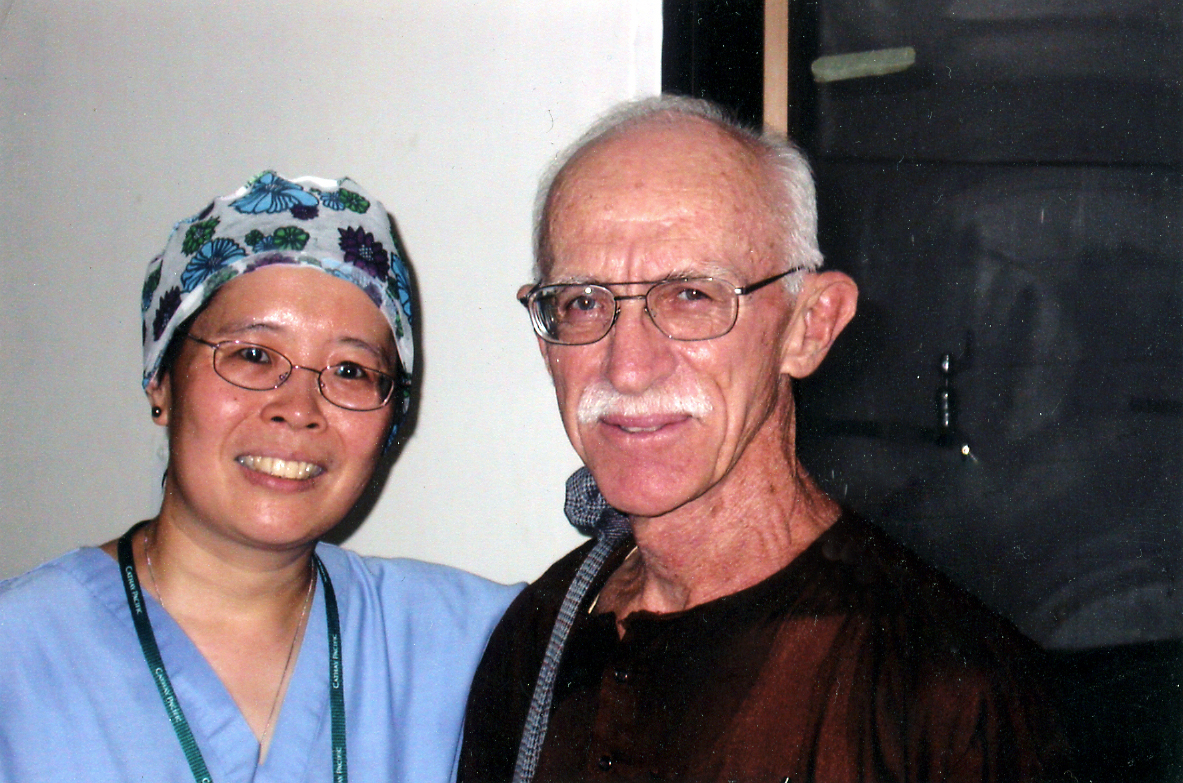
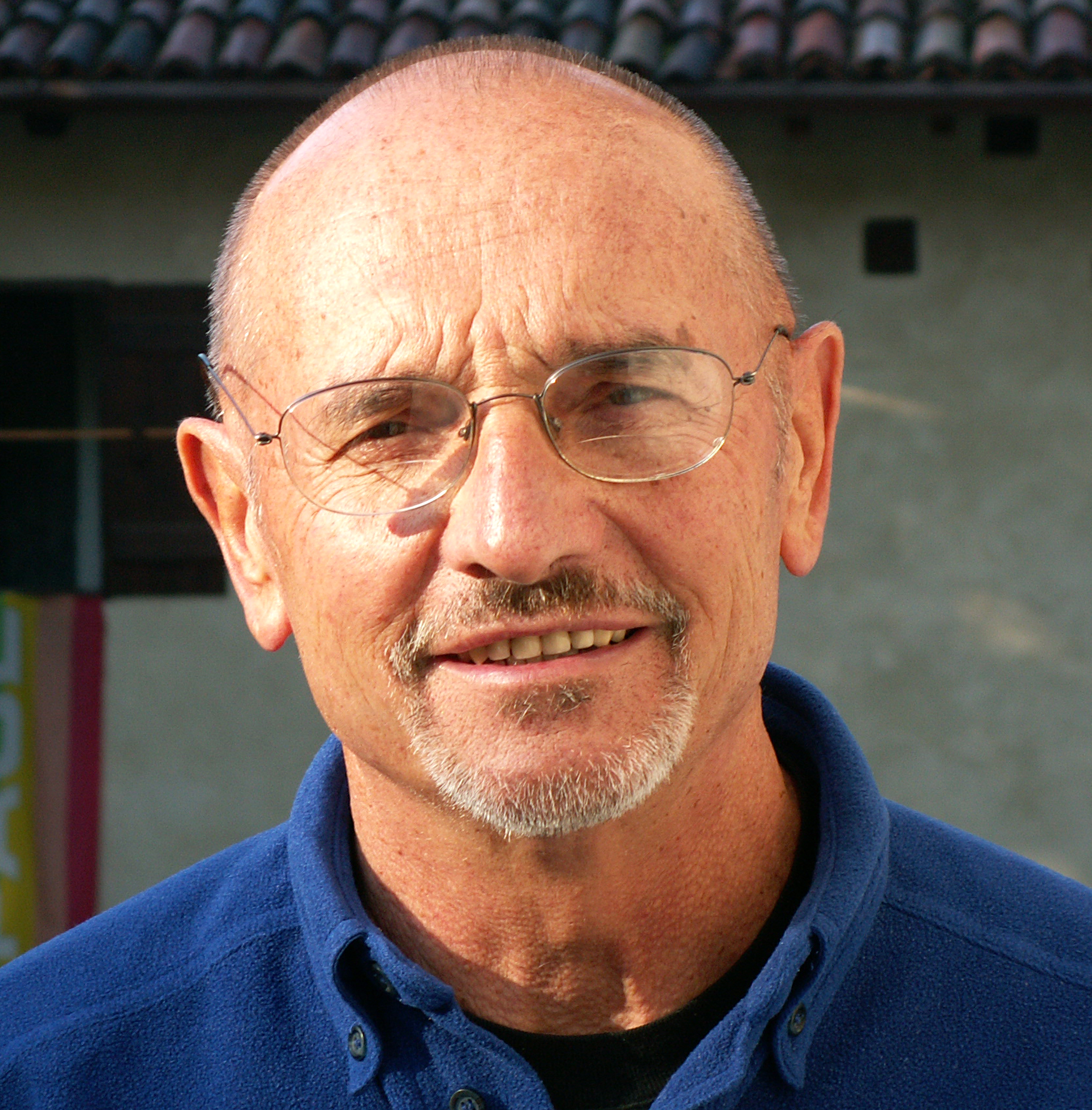
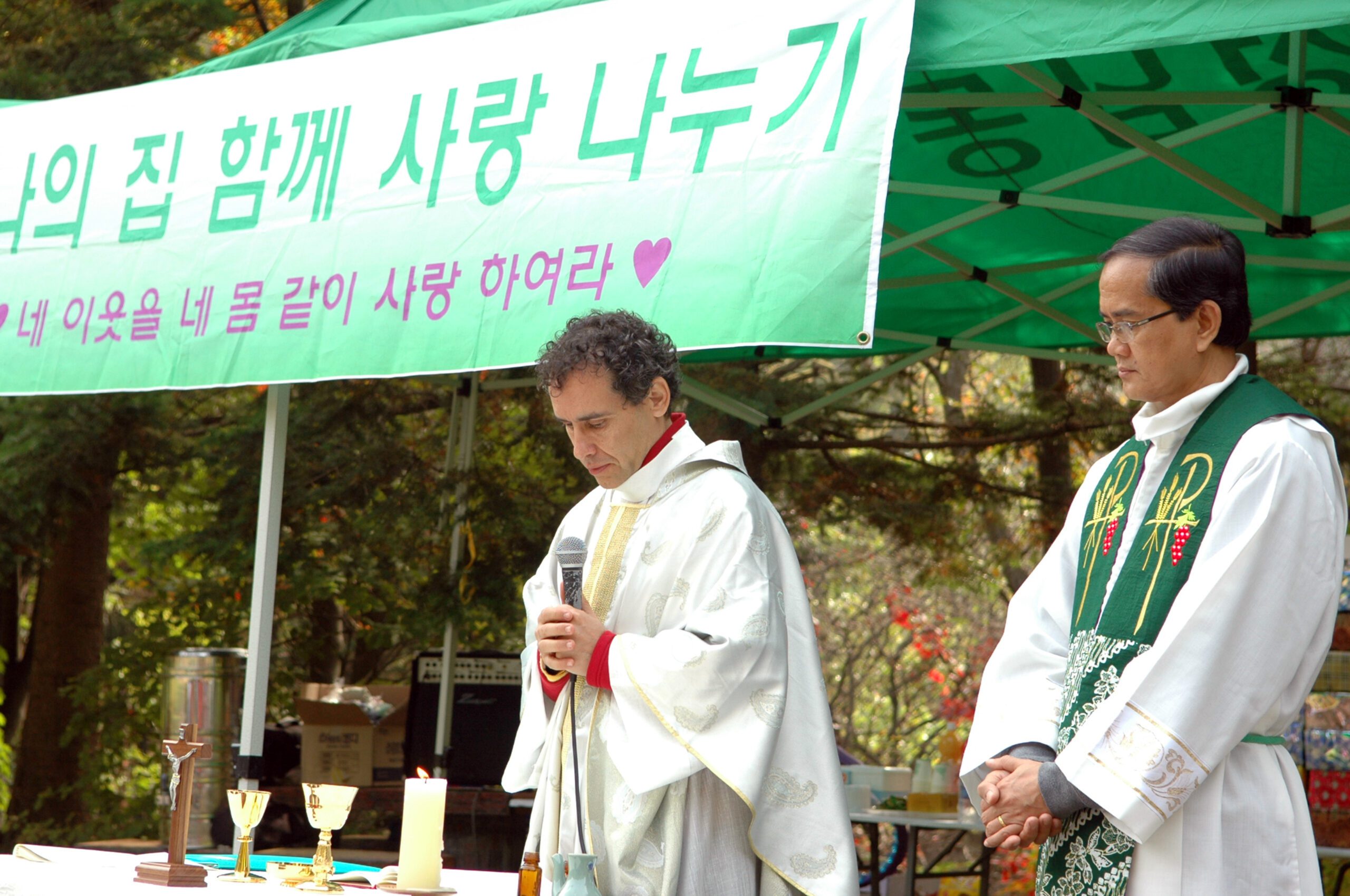
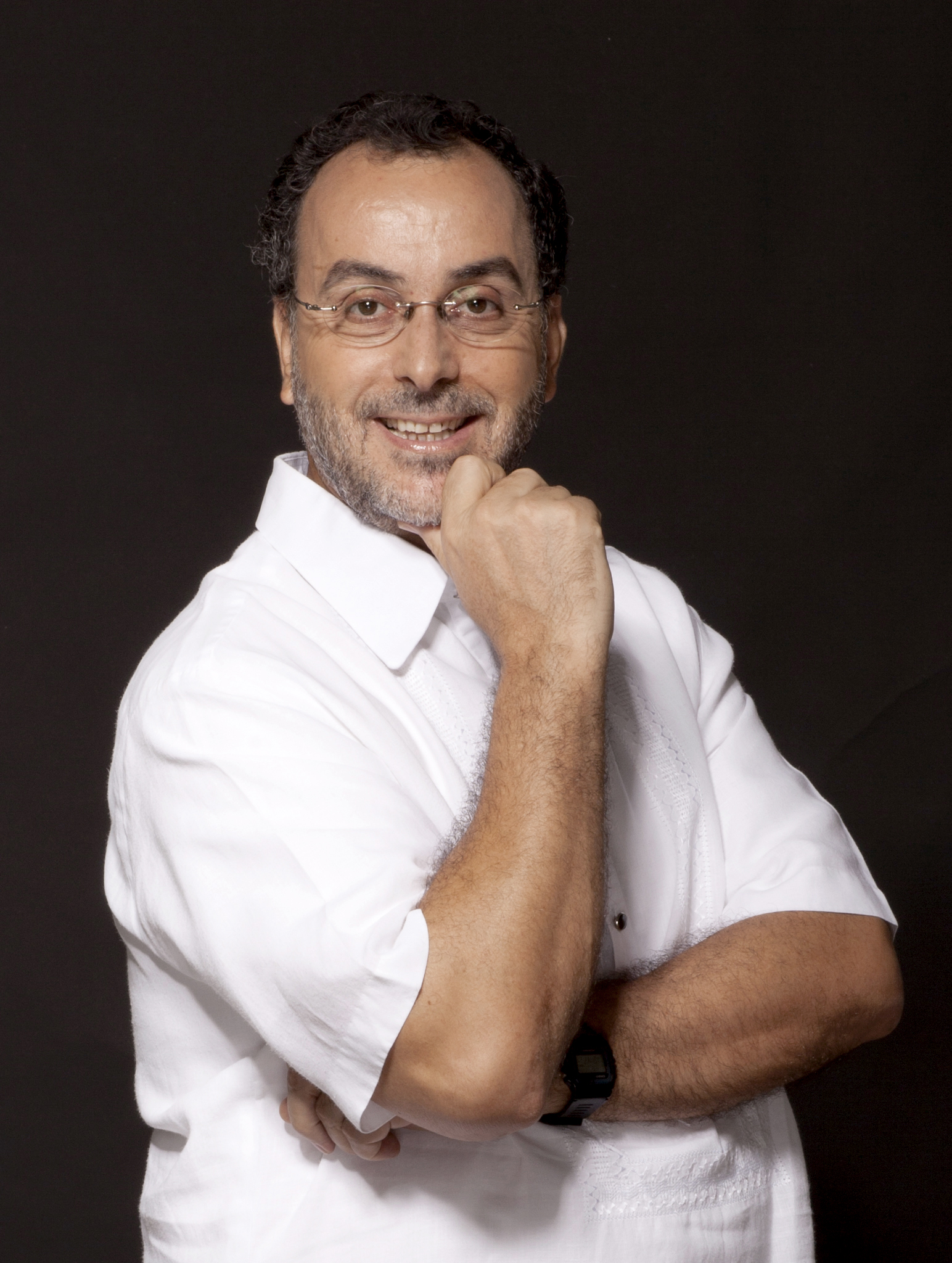
A Korean-born Maryknoll priest recognized as an “honorary” Seon (Zen) Master maintains that Seon is a way of praying rather than a religion, and Jesus was a “grand Seon master.” According to Father Kim Alfonso Hak-boum, who has been learning and practicing Seon meditation in Japan and Korea since the mid-1990s, Seon can also be an effective tool for inculturation and interreligious dialogue.

WRITTEN BY

SHARE THE WORD

PUBLISHED ON

Father Kim Alfonso Hak-boum says that Christianity can be inculturated through Seon practice, especially in East Asia where many people regard the religion as “foreign.” He also asserts that Jesus was a grand Seon master in that he maintained the state of being enlightened all the time through deep prayer and unity with God. Father Kim was born in 1961 in Seoul (Korea). He migrated with his family to Argentina when he was 10, and to the United States six years later. After receiving a bachelor’s degree and then a master’s in physics from George Washington University in Washington, D.C., he joined the Maryknoll Fathers and Brothers in 1990. He was introduced to Seon while in pastoral training in Kyoto, Japan, 1993-1996. He was ordained a Maryknoll priest in 1997, and then served as a parish priest for Kyoto diocese until 2001. In 2002, Father Kim was certified in India to teach yoga. A U.S. citizen, he served, from 2003 to 2007, as Catholic representative from the United States in the World Conference of Religions for Peace (WCRP). During that time, he was also a Maryknoll vocation director.

You have degrees in physics but you chose to be a priest. Why?
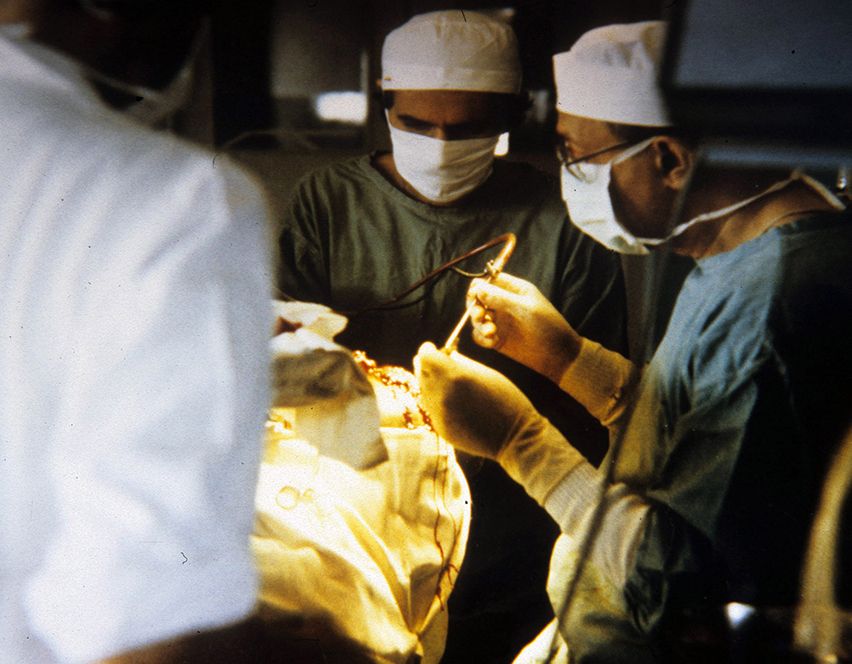
– I had a weak heart since I was a kid and had to have a heart operation when I was 16. Then I prayed sincerely that if God saves my life I will become a priest. I couldn’t get this out of my head even when my girlfriend and I talked about getting married. I did not believe God would abandon me if I broke the promise, but I kept it nonetheless.

How did you learn about Seon (Zen)?
– After I joined Maryknoll, I went to Kyoto, Japan, for pastoral training from 1993 to 1996. My spiritual director taught me how to combine Seon meditation with Christian prayer. We did it as morning and evening prayer for one month. That was the first time I got to know about Seon. It was a very precious experience for me. Due to the sudden death of that senior Maryknoll priest, however, I couldn’t continue to practice it. I complained to God about his death but it was no use. I decided to practice alone. After a few months, I realized Seon practice cannot be successful by depending only on books, without a teacher or guide. Fortunately, I could resume Seon meditation (with Japanese Seon masters in Buddhist temples) while serving as a parish priest for several years (in Kyoto).

AN EXPERIENCE OF UNITY WITH GOD
Isn’t combining Christian prayer with Seon meditation religious syncretism?
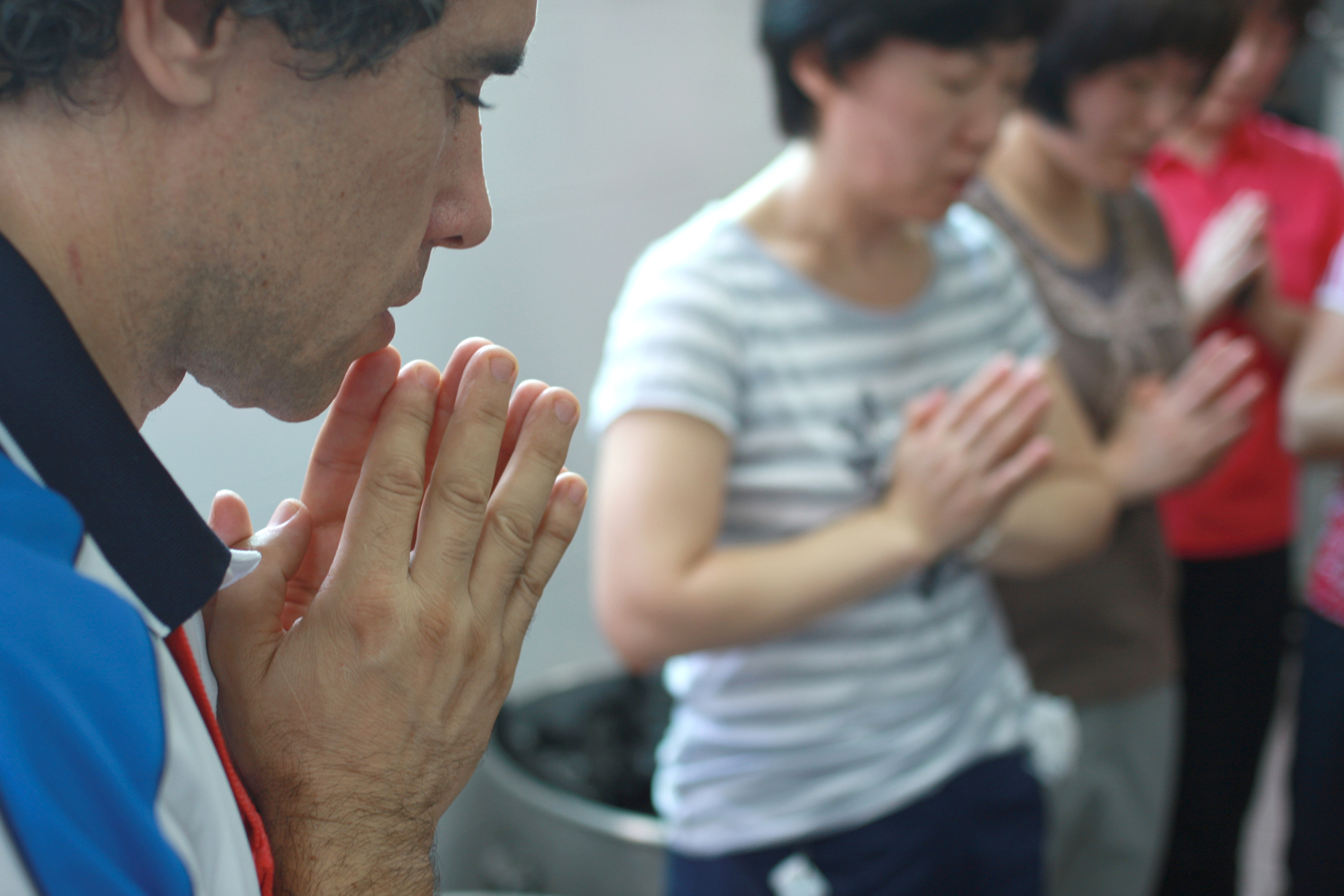
– When I lead a retreat, I recommend that participants contemplate a phrase from the Bible while practicing breathing. Through concentrating on the phrase and seeking “who I am” endlessly at the same time, they go deep into their heart, where they meet their “self.” If they “accept” their self, they get power to “empty” themselves and fill this emptiness with God. But this is a very difficult process, especially for beginners who easily lose concentration. They should go back to focusing on their breathing.

The biblical phrase and Seon meditation do not conflict with each other. Rather, this leads to the experience of unity with God. If someone is afraid of this, it means they don’t have a deep experience of God. They are afraid because they don’t really know such deep prayer. It has nothing to do with syncretism. Rather, it is a way of practical interreligious dialogue, finding the commonality between Christianity and others – in this case, Seon meditation or prayer.

You are aware that the Vatican and the local Church are very concerned about relativism and syncretism.
– I am well aware of that. But I am convinced that Seon is very helpful to my prayer and faith in God, so I don’t worry. Last April, I led a 10-day retreat in Los Angeles (United States) in which some 60 Korean nuns took part. Their reactions were very positive. I told them they must experience God’s love and power by themselves. It is quite difficult to describe God’s love in human words. Seon practice leads us to a deep experience in silence, not words.

LIKE THE DESERT FATHERS
Isn’t Seon a Buddhist denomination? Why do you practice it continuously?
– Yes, it is a Buddhist denomination. But on a practical level, it is a way of praying. In the early Church’s tradition, there were the Desert Fathers who practiced deep meditation like Seon, imitating Jesus’ words and deeds. But we have lost such a tradition today. It is good for us to forget the prejudice that Seon belongs only to Buddhism.

I believe Jesus Himself was a grand Seon master. He was the Enlightened and the Enlightener. Through deep prayer, He could empty His “self” and fill it entirely with God. Jesus knew such unity with God and lived it by being always enlightened through deep prayer.

I practice it continuously simply because I want to pray deeply, so that I can experience God more intimately. That led me to become an “honorary” Seon master last year.

Can you elaborate about becoming a Seon master?
– I stayed at Songgwang-sa Temple, a historic Buddhist temple in Korea, during my six-month sabbatical leave. I joined a Buddhist winter meditation retreat there for three months. After total silence in the retreat, I told the monks I wanted a deeper level of meditation. They recommended I meet the grand Seon master, Hwalan, living in a small hermitage on a mountain a few kilometers from the temple. I met him twice and told him who I was and what I wanted. When I met him the second time, he conducted a brief “initiation” in which he laid his hands on my head and touched my shoulders and hands. After that, he wrote Chinese words on two sheets of paper as a “certification” for Seon master.

Surprised at what happened when I met with Hwalan, the monks told me it was a very special case they never heard before. They said the grand Seon master officially recognized me as a Seon master, so they should call me a Seon master. But I am a Catholic priest, so they call me an “honorary” Seon master.

PRACTICING EACH OTHER’S PRAYER
Do you think Seon can help inculturate the Church in Asia?
– Very much, especially the Church in East Asia. The Church in Asia has not yet been rooted in its soil. In fact, the Church has become “Romanized” in its way of thinking, language and liturgy. East Asians are familiar with the image of silence, emptiness and nothingness that are all in the Seon tradition. To those Asians, God is emptiness itself in total silence where, paradoxically, God fills it.

East Asian Christians can feel God as great emptiness, which is peace and light, at a deep level. Through Seon meditation, therefore, they can go to a deeper level where they closely experience God. We have to take the fixed image of God, residing “somewhere out there” in heaven, out of the box. To inculturate God’s image, experiencing God inside us is more recommendable for Asians.

You also practice yoga. Is it different from Seon?
– Thanks to the great help and support of Indian Jesuit Father Michael Amaladoss, I went to India and practiced yoga in Chennai from 2000 to 2001. Though the Indian government did not extend my visa, fortunately, I could finish studying Kundalini (energy) yoga and healing yoga, two different kinds of yoga, and got certification to teach yoga. Briefly speaking, yoga focuses on chakra (energy centers in the body) for meditation, while Seon usually uses a critical phrase for meditation. Both help me get into deep prayer through meditation.

Yoga and Seon practices promote interreligious dialogue. If one wants to dialogue with other religions, one should first know one’s own religion well, and then make an effort to know other religions. As an Executive Council member of the World Conference of Religions for Peace from 2003 to 2007, I realized that laypeople, not clergymen, should lead interreligious dialogue today. The role of clergymen like me is to help or support laypeople to have genuine dialogue among religions – not by many words but practicing each other’s prayer. www.ucanews.com

Share Your Thoughts

All comments are moderated

From The Same Issue

The articles and content about this issue

From The Same Issue

The articles and content about this issue

From This Topic

The articles and content about this topic

From This Topic

The articles and content about this topic

Frontline

Delayed Peace

Explore Other Topics

Browse other coverage

Explore Other Topics

Browse other coverage

WM SPECIAL

Presents, discusses and draws readers to reflect on issues of outmost relevance to the world today.


FRONTIERS

Very often, mission is carried out in frontier situations around the world. Those who embrace these situations have much to share.


UNITY IN DIVERSITY

Writer Ilsa Reyes will be exploring the richness of Pope Francis’s latest encyclical Fratelli Tutti with a view of helping our readers to get a grasp of the this beautiful papal document.


FRONTLINE

Puts to the front committed and inspiring people around the world who embrace humanitarian and religious causes with altruism and passion.


IN FOCUS

Focus on a given theme of interest touching upon social, economic and religious issues.


FAITH@50

As the Philippines prepares to celebrate 500 years of the arrival of Christianity. Fr. James Kroeger leads us in this series into a discovery journey of the landmark events in the history of faith in the Philippine archipelago.


INSIGHT

Aims to nurture and inspire our hearts and minds while pondering upon timely themes.


FILIPINO FOCUS

The large archipelago of the Philippines, in its richness of peoples and cultures, offers varied and challenging situations for mission.


FOLLOW ME

Reflections and vocation stories that shape up the lives of young people.


MISSION IS FUN

As humor and goodness of heart are qualities of Christian and missionary life, the new column “Mission is fun” will be publishing some anecdotes and stories that have happened in a missionary context to lighten up the spirits and trigger a smile in our faces.


LIVING COMMUNION

To help readers of World Mission live this year dedicated to Ecumenism, Interreligious Dialogue and Indigenous Peoples, Tita Puangco, writer and lecturer, shares in this section insights on the spirituality of communion.


WINDS OF THE SPIRIT

A historic view of the Catholic movements that emerged from the grassroots as an inspiration by the Holy Spirit.


BRIDGE BUILDERS

On the Year of Ecumenism, Interreligious Dialogue and Indigenous Peoples, radio host and communicator Ilsa Reyes, in her monthly column, encourages Christians and people of good will to be one with their fellow people of other sects, religions and tribes.


INTERVIEW

Questions to a personality of the Church or secular world on matters of interest that touch upon the lives of people.


WORLD TOUCH

News from the Church, the missionary world and environment that inform and form the consciences.


CARE OF THE EARTH

A feature on environmental issues that are affecting the whole world with the view of raising awareness and prompting action.


EDITORIAL

The editor gives his personal take on a given topic related to the life of the Church, the society or the world.


YOUNG HEART

A monthly column on themes touching the lives of young people in the Year of the Youth in the Philippines by radio host and communicator I lsa Reyes.


SCROLL

A missionary living in the Chinese world shares his life-experiences made up of challenges and joyous encounters with common people.


EXTRAORDINARY PEOPLE

Life stories of people who deserve to be known for who they were, what they did and what they stood for in their journey on earth.


ONE BY ONE

Stories of people whom a missionary met in his life and who were touched by Jesus in mysterious ways.


INCREASE OUR FAITH

Critical reflection from a Christian perspective on current issues.


SPECIAL MOMENTS

Comboni missionary Fr. Lorenzo Carraro makes a journey through history pinpointing landmark events that changed the course of humanity.


PROFILE

A biographical sketch of a public person, known for his/her influence in the society and in the Church, showing an exemplary commitment to the service of others.


WM REPORTS

Gives fresh, truthful, and comprehensive information on issues that are of concern to all.


LIFE'S ESSENTIALS

A column aimed at helping the readers live their Christian mission by focusing on what is essential in life and what it entails.


ASIAN FOCUS

Peoples, events, religion, culture and the society of Asia in focus.


THE SEARCHER'S PATH

The human heart always searches for greatness in God’s eyes, treading the path to the fullness of life - no matter what it takes.


INDIAN FOCUS

The subcontinent of India with its richness and variety of cultures and religions is given center stage.


AFRICAN FOCUS

The African continent in focus where Christianity is growing the fastest in the world.


JOURNEY MOMENTS

Well-known writer and public speaker, Fr. Jerry Orbos, accompanies our journey of life and faith with moments of wit and inspiration based on the biblical and human wisdom.


IGNATIUS STEPS

On the year dedicated to St. Ignatius of Loyala, Fr. Lorenzo Carraro walks us through the main themes of the Ignatian spirituality.


THE SEVEN LAST WORDS OF JESUS

Fr. John Taneburgo helps us to meditate every month on each of the Seven Last Words that Jesus uttered from the cross.


INSIDE THE HOLY BOOK

In this section, Fr. Lorenzo delves into the secrets and depths of the Sacred Scriptures opening for us the treasures of the Sacred Book so that the reader may delight in the knowledge of the Word of God.


CONVERSATIONS

Reflections about the synodal journey on a conversational and informal style to trigger reflection and sharing about the synodal path the Church has embarked upon.


VATICAN II

This 'mini-course' series provides a comprehensive exploration of Vatican II, tracing its origins, key moments, and transformative impact on the Catholic Church.


COMBONIS IN ASIA

This series offers an in-depth look at the Comboni Missionaries in Asia, highlighting their communities, apostolates, and the unique priorities guiding their mission. The articles provide insights into the challenges, triumphs, and the enduring values that define the Comboni presence in Asia.


BEYOND THE SYNOD

Following the Synod on Synodality, this series examines how dioceses, parishes, and lay organizations in the Philippines are interpreting and applying the principles of the synod, the challenges encountered, and the diverse voices shaping the synodal journey toward a renewed Church.


A TASTE OF TRADITION

This series introduces the Fathers of the Church, featuring the most prominent figures from the early centuries of Christianity. Each article explores the lives, teachings, and enduring influence of these foundational thinkers, highlighting their contributions the spiritual heritage of the Church.


A YEAR OF PRAYER

In preparation for the 2025 Jubilee Year under the theme “Pilgrims of Hope,” 2024 has been designated a Year of Prayer. World Mission (courtesy of Aleteia) publishes every month a prayer by a saint to help our readers grow in the spirit of prayer in preparation for the Jubilee Year.


OUR WORLD

In Our World, the author explores the main trends shaping contemporary humanity from a critical and ethical perspective. Each article examines pressing issues such as technological advancement, environmental crises, social justice, and shifting cultural values, inviting readers to reflect on the moral implications and challenges of our rapidly changing world.


CATHOLIC SOCIAL DOCTRINE

This series unpacks the principles of Catholic Social Doctrine, offering a deep dive into the Church's teachings on social justice, human dignity, and the common good.


HOPEFUL LIVING

Hopeful Living’ is the new section for 2026, authored by Fr. James Kroeger, who dedicated most of his missionary life to the Philippines. In this monthly contribution, he will explore various aspects of the virtue of hope. His aim is to help readers align their Christian lives more closely with a hopeful outlook.


PHILIPPINE CROSSROADS

Filipino Catholic scholar Jose Bautista writes each month about how the Philippines is at a crossroads, considering the recent flood control issues and other corruption scandals that have engulfed the nation. He incorporates the Church’s response and its moral perspective regarding these social challenges.


BIBLE QUIZ

Test your knowledge and deepen your understanding with our Bible Quiz! Each quiz offers fun and challenging questions that explore key stories, themes, and figures from both the Old and New Testaments.


Shopping Cart