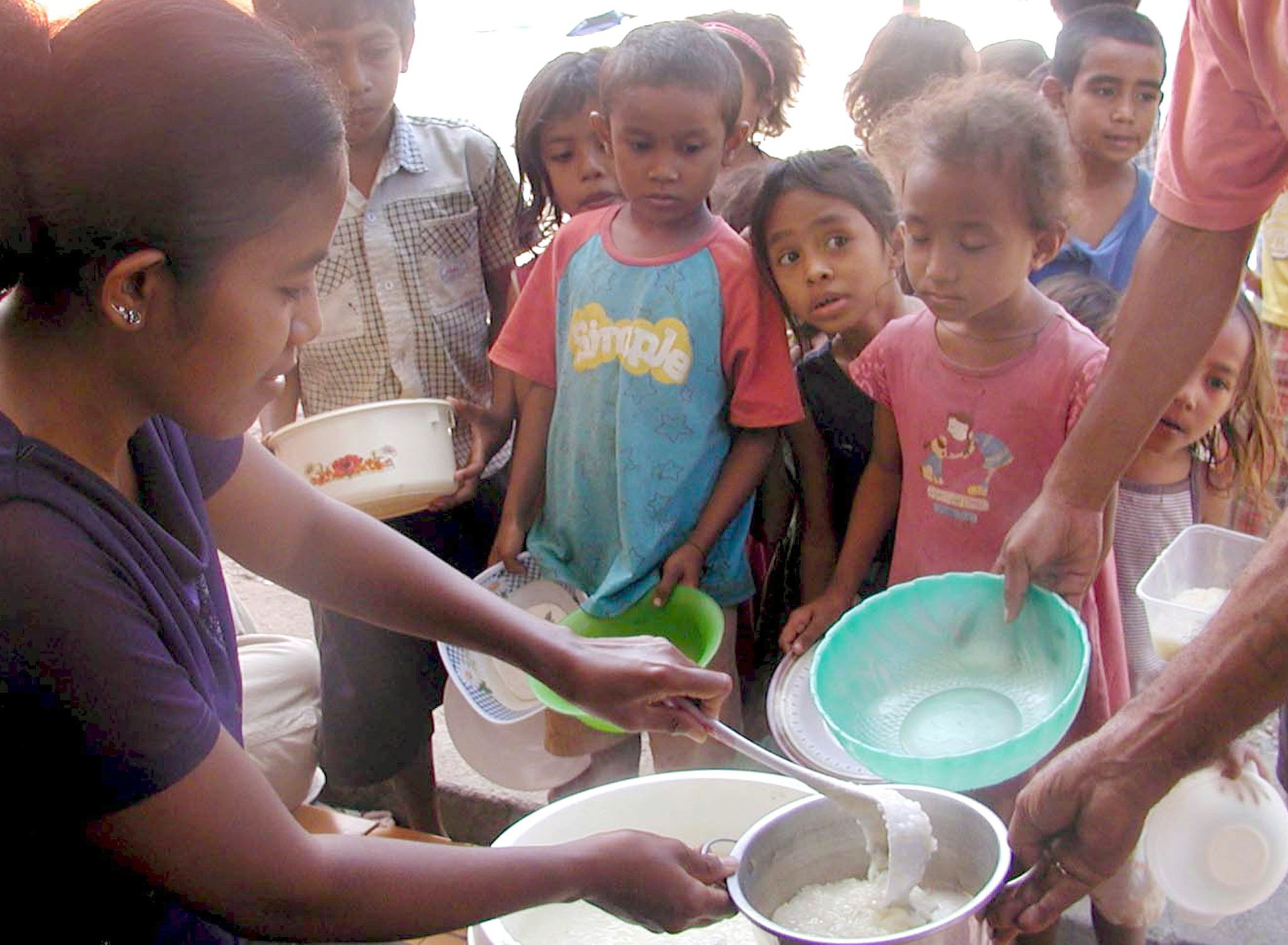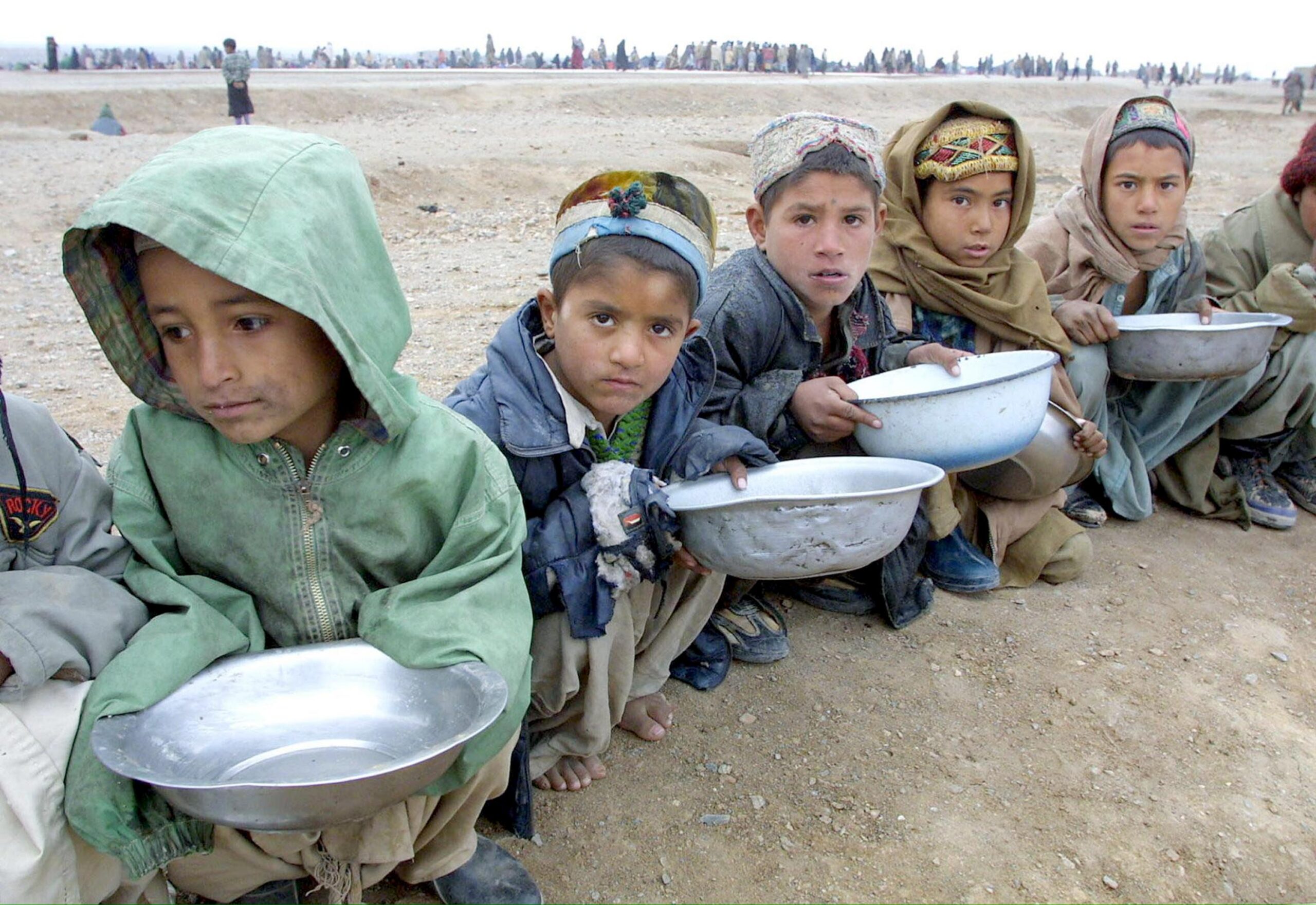

A book published last July sounds an appalling alert: the food being wasted in Europe and the United States alone would be enough to feed, seven times over, the world’s starving. The British author, Tristram Stuart – a small-scale organic farmer and a food industry analyst – spent three years studying data and traveling from England to China, from Pakistan to Japan to investigate the excess food produced. And the result was Waste: Uncovering the Global Food Scandal.
The scandal is obvious when one thinks about the one billion human beings who go hungry all over the planet. And when we pay attention to some examples of waste given by Stuart. One suffices: food chucked out in households, in UK alone, could feed 113 million people, which means, on an average, people in the country discard enough good food to save two people from hunger. Of course, the waste ends in house bins but it starts from the chain of food production, distribution and commercialization, from the fields and seas to retailers and consumers.
The author, also a known activist, has been all his life using discarded products to feed his animals, cultivate his farm and even prepare his own meals. He is particularly a critic of supermarkets. A big UK chain like Sainsbury’s sends an estimated 60,000 tons of food waste to landfill sites each year, and estimates that Asda throws away around 75,000 tons. A survey by waste company, Biffa, has estimated that up to half of all the British fruits and vegetables grown for supermarkets are rejected. This is primarily due to strict specifications of their size, blemishes and appearance.
A LUXURY “SHOPPING LIST”
When we think of the hungry people in developing countries, Stuart’s description of the “shopping list” that he found recently in the garbage of one of the branches of the British high-class supermarket, Waitrose, is obscene: “28 chilled high-quality ready-meals (including lasagna, prawn linguine, beef pie, chicken korma with rice, chicken tikka with rice, chicken with Madeira wine and porcini mushrooms); 16 Cornish pasties; 83 yogurts, chocolate mousses and other desserts; 18 loaves of bread; 23 rolls; one chocolate cake; five pasta salads; six large melons; 223 individual items of other assorted fruits and vegetables, including nectarines, oranges, papaya, fair-trade organic bananas, organic carrots, organic leeks and avocados, seven punnets of soft fruit, one pack of mushrooms, six bags of potatoes; a bag of onions and two thriving potted herbs (chives and parsley); one almost full box of serving-size pots of margarine; a box of serving-size UHT milk cartons; several bunches of flowers and a potted orchid. Apart from the flowers, not one of these items was unfit to eat.”
If Tristram Stuart amassed a big amount of details and examples, the magnitude of the world’s food waste is not exactly a novelty. Last February, a study by the United Nations Environment Program reported that over half of the food produced globally is lost, wasted or discarded as a result of inefficiency in the human-managed food chain. The waste is not only the rich countries consumers’ or supermarkets’ fault: Losses in the field between planting and harvesting could be as high as 40% of the potential harvest in developing countries due to pests and pathogens; in Africa, the total amount of fish lost through discards, post-harvest loss and spoilage may be around 30% of the landings.
THE “WATER FOOTPRINT”
Wasted food is not just a scandal in the sense that the author means when he quotes John Locke to expound the idea that if people let food perish in their possession, they lose the right to own it: “If the fruits rotted, or the venison putrefied, before he could spend it, he has offended against the common law of nature, and was liable to be punished …” The truth is that, in a globalized market, everybody’s actions affect everybody and everything, from the environment to the survival of the future generations of the world’s rapidly growing population. For a start, we can think about the deforestation caused by agribusiness in many countries or the effects it has on greenhouse gases and climate change. But we must think also about an obvious problem: producing more and more food means spending more and more water, which is getting a scarcer and scarcer commodity.
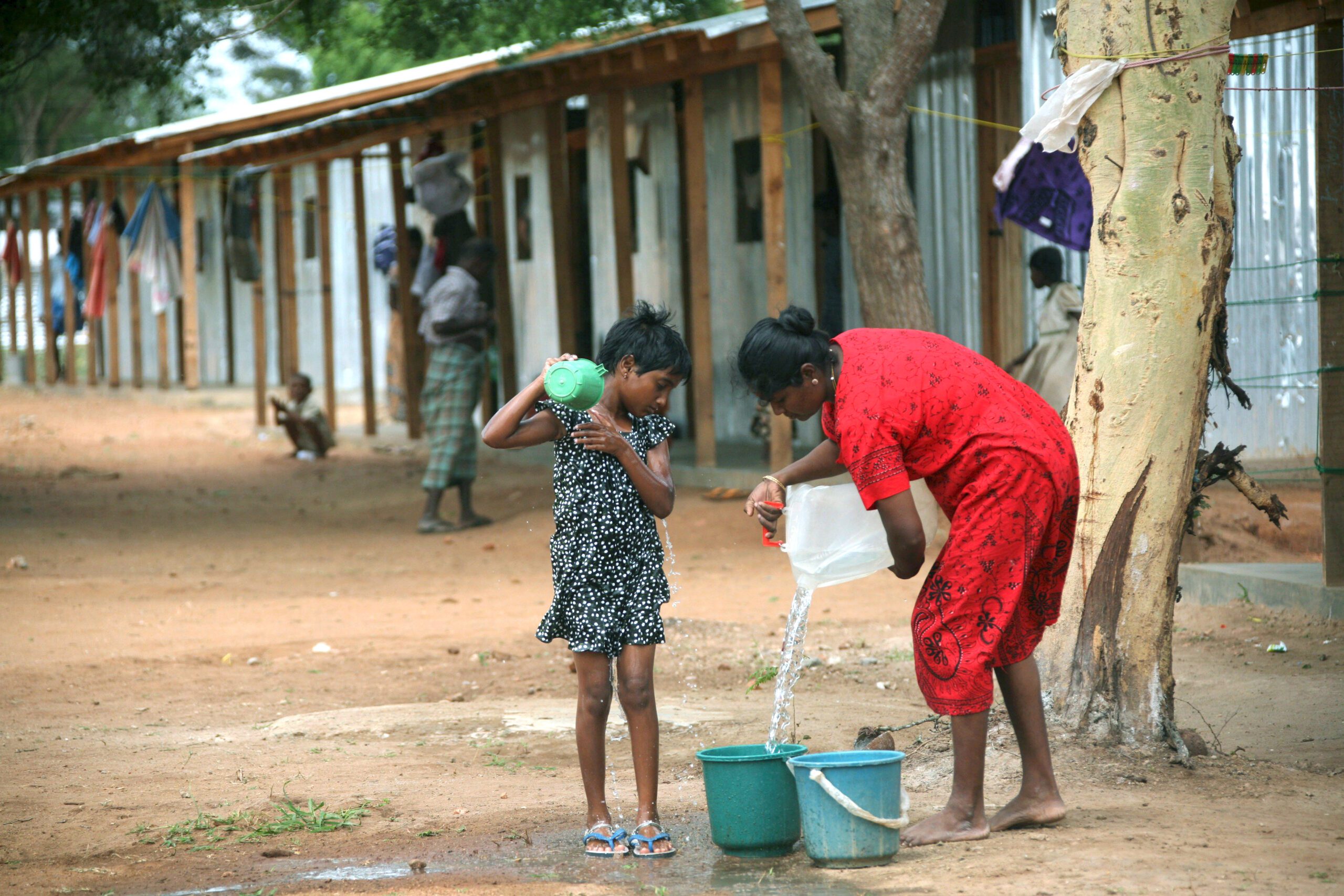
It was this problem that the organizations, that proposed an innovative initiative, had in mind: they suggested that food products should carry ‘water footprint’ information. Their report, quoted by the British newspaper The Guardian, stressed that more transparency is needed about the huge volumes of water used to produce food. According to the Food Ethics Council (FEC) and the health and food group, Sustain, “one cup of fresh coffee needs 140 liters of water to produce while the production of one kilogram of beef requires 16,000 liters of water. In order to understand how to reduce our use of water, we need to measure this “embedded” or “virtual” water.” Generally, higher-value crops, such as sugar and vegetables, are more water-intensive than cereals, and meat and dairy are even more water-intensive.”
THREE OF LAKE VICTORIA
The report’s co-author Tom MacMillan noted: “Public awareness of water scarcity remains low. In the UK, citizens are rarely exposed to the direct effects of severe water shortage and cannot readily see the links between their purchases and the water shortage in other countries. Water use is not reflected in the price of the final product.” MacMillan said the labels would not involve “liters per kilo” stickers, but should reflect the practice of good water stewardship – whether companies are working hard to use water in ways that conserve it, use it efficiently and are environmentally sustainable. The information could be incorporated into a wider sustainability label such as the carbon-labeling scheme pioneered by the Carbon Trust.
Indeed, food wasted is equal to lost water. Last year, a policy brief by the Stockholm International Water Institute (SIWI), the Food and Agriculture Organization (FAO) and the International Water Management Institute (IWMI), titled In Saving Water: From Field to Fork – Curbing Losses and Wastage in the Food Chain, projected that food and cereal demand could double by 2050, and the world would need 10,000 to 13,500 km3/year of water supply to keep up with production requirements. It also underlined: “To meet growing food demand, the world, in another 40 years, would need enough water to fill at least three lakes the size of Victoria, Africa’s largest body of water (Lake Victoria’s estimated volume is 2,750 km3).”
HALF OF THE FOOD LOST
Enormous amounts of water are required to produce food: since the beginning of this century, about 7,000 km3 of water has evaporated or transpired every year in producing crops to meet global food demand. Between the farmer’s field and the fork, almost half the food on our tables is lost in food storage, transport, food processing, retailing and in kitchens, the paper noted, arguing that “this loss of food is equivalent to a loss in water.” Depending on the crop, an estimated 15 to 35% of food may be lost in the field, the brief said. “Another 10 to 15% is discarded during processing, transport and storage. In richer countries, production is more efficient but waste is greater: people toss the food they buy and all the resources, used to grow, ship and produce the food, along with it.”
Meanwhile, growth rates have risen in populous Asian countries, such as China and India, and in some African countries, and people have access to more money and diets that include meat and milk. “This meant the production of more grain to feed livestock, which in turn implied a need for more water. Much of the future increase will be fed to animals to satisfy the demand for meat. Today, some 650 million tons of grain – nearly 40% of global production – are fed to livestock, and this may reach 1100 million tons by 2050. Meat and dairy production is more water-intensive than crop production. “For example, 500 to 4,000 liters of water are evaporated in producing one kilogram of wheat, depending on climate, agricultural practices, variety, length of the growing season and yield,” the brief noted. “However, to produce one kilogram of meat takes 5,000 to 20,000 liters, mainly to grow animal feed. In terms of the energy content of food, approximately 0.5 m3 of water is needed to produce 1,000 kcal of plant-based food, while for animal-based food, some 4 m3 of water is required.”
VICTIMS OF CLIMATE CHANGE
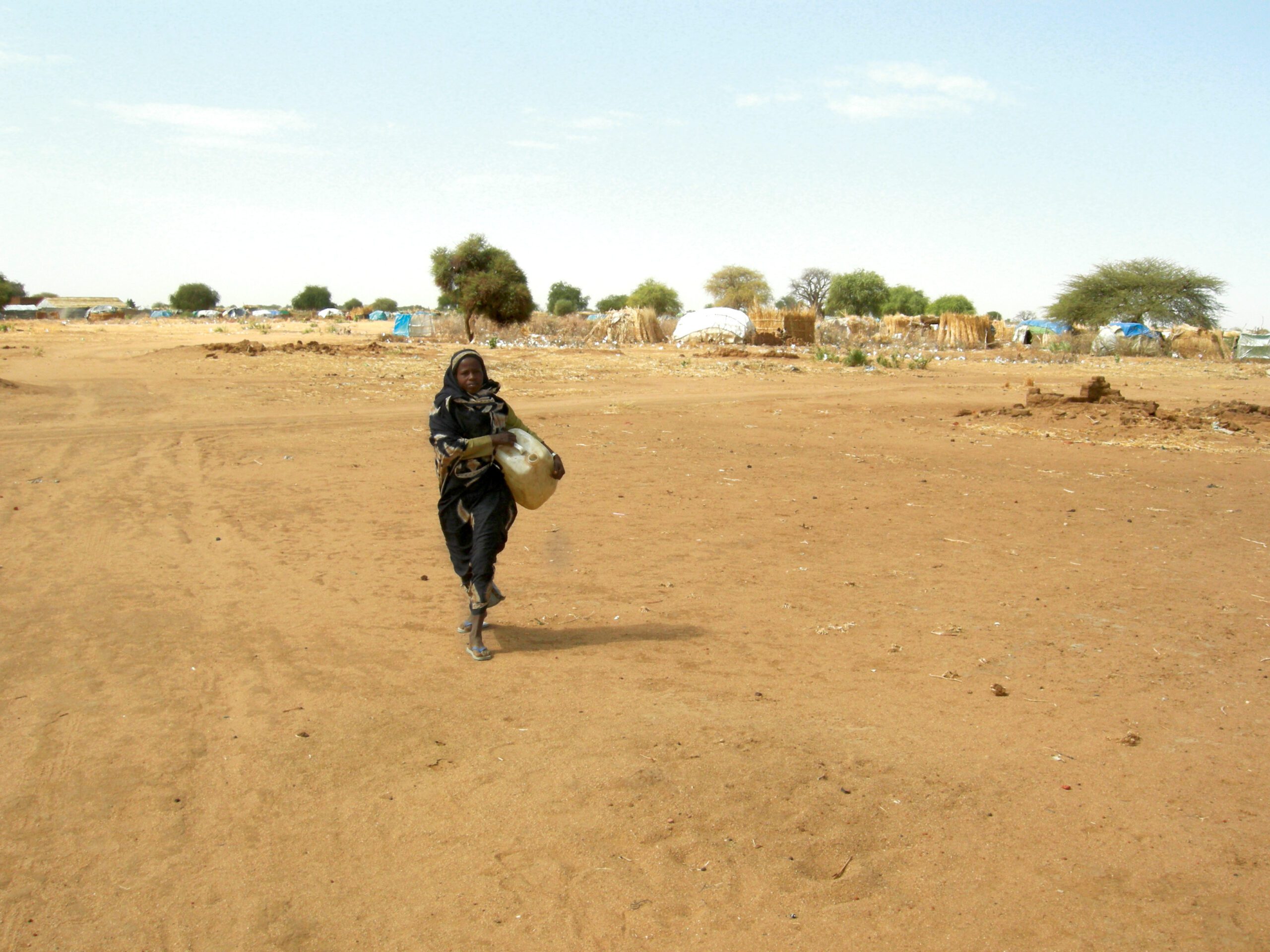
According to the study, the future looks gloomy. “Rising global temperatures, as a result of climate change, are set to impact on water availability. Various scenarios by the Intergovernmental Panel on Climate Change (IPCC) suggest that climate change will affect 75 million to 250 million people in Africa, where potential yields in rain-fed systems in some areas may decline by up to 50% by 2020. Agriculture in countries in Central, South and South-East Asia, which are largely dependent on river water for irrigation, will be hit by a projected drop in river levels. An estimated 1.4 billion people already live in areas where there is not enough water available to meet all needs from various sectors of society, let alone the need of aquatic ecosystems.”
However, the writer/activist Tristram Stuart is optimistic. He believes that habits can be changed, that sensibilization works and that each of us can make a difference. He says: “The UN has backed a call for food waste to be halved by 2025. But, the target could be achieved even faster with the co-operation of businesses, governments and the public. Efficiency measures could create enormous savings, help the fight against hunger and guarantee food for future generations.” That’s why he spent years of work to sound the alert.
Credits: News agencies ANI, ESA and IRIN